
Your dog might suffer from pain, without you to know. It sounds dramatic, but it is the honest truth about our four-legged best friends. They are hardwired by ancient instincts to hide any weakness, which means they suffer in silence right in front of us. Understanding what is silent pain in dogs is the most critical skill a pet parent can learn, because their silence is not a sign that everything is okay, it is often a sign that they are fighting a hidden battle alone.
You know that look your dog gives you when they want a treat? It’s pretty obvious. But the signs they are hurting? Not so much. Our furry friends are masters at hiding their discomfort. It is a survival instinct buried deep in their DNA. In the wild, a weak animal is an easy target. So, your modern couch potato dog still has that ancient drive to suffer in silence.
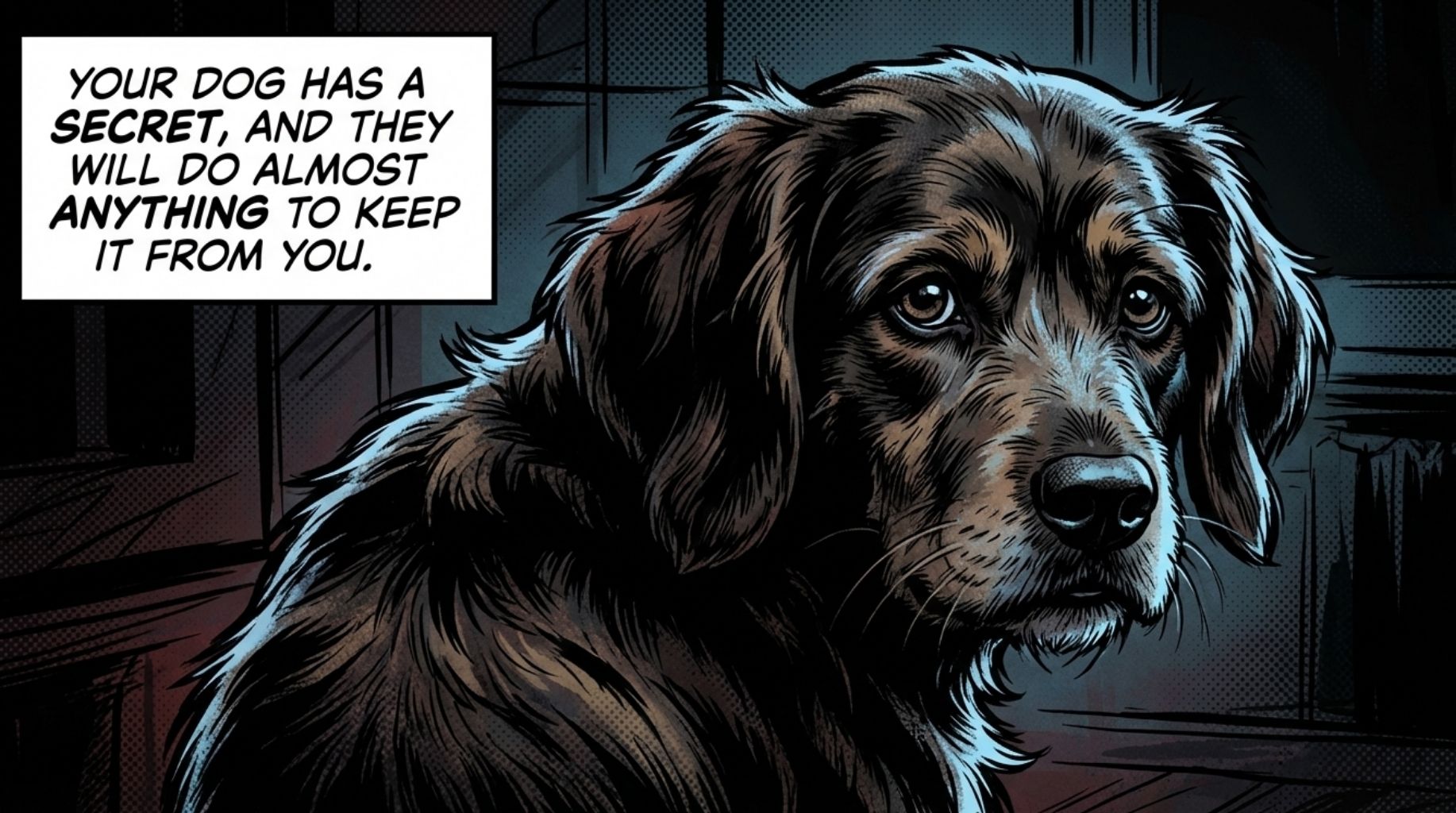
“Your dog has a secret, and they will do almost anything to keep it from you”.
Quick Summary About THE SILENT PAIN IN DOGS
This article explores the crucial topic of silent pain in dogs, teaching owners how to recognize the subtle signs of hidden suffering. It covers the evolutionary reasons behind this behavior, common causes like arthritis and dental disease, and the specific behavioral and physical changes to watch for. The guide also presents the latest scientific research on pain management, offers practical advice on comforting a hurting dog at home, and clarifies the dangers of human medication. Finally, it helps owners distinguish between chronic discomfort and true medical emergencies, empowering them to be the best advocates for their furry friends.
HOW TO UNDERSTAND THE HIDDEN SUFFERING OF SILENT PAIN IN DOGS?
So, what is silent pain in dogs exactly? It is exactly what it sounds like. It is discomfort that your dog feels but does not openly express. They won’t yelp or cry. They won’t limp dramatically. Instead, they internalize it. They might just get a little quieter or a little stiffer.
Think of it like a low-grade headache in humans. You don’t call an ambulance, but you might be a bit grumpy and want to lie down. For dogs, this is often chronic. It comes from conditions like arthritis or dental dog disease that build up slowly over time. Understanding what is silent pain in dogs is the first step toward being a better owner.
The Evolutionary Reason for The Silent Pain in Dogs
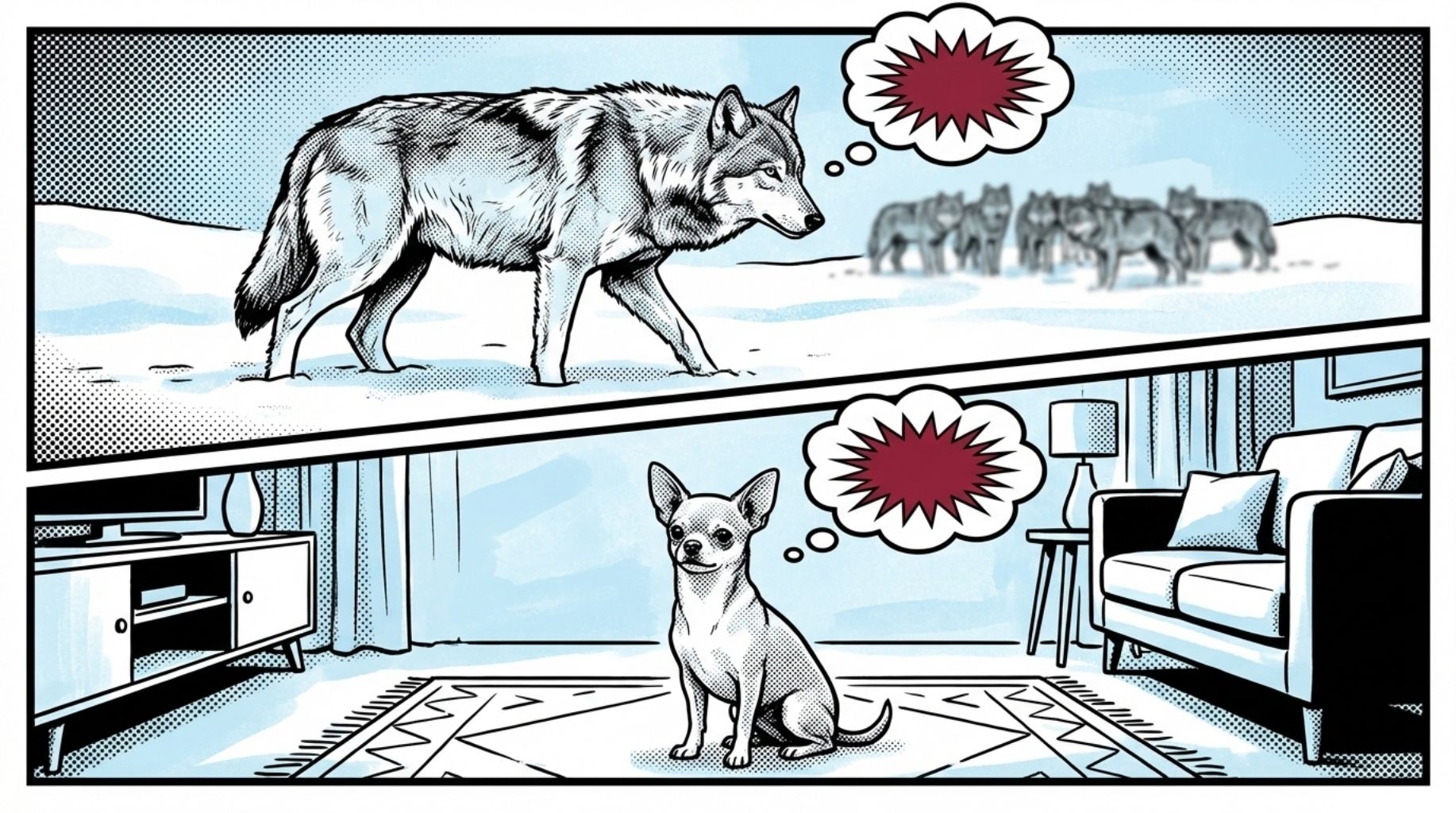
Why can’t they just tell us? Imagine a wolf in a pack. If he shows he is weak or hurt, he might get pushed out of the pack or become dinner for a predator. Your Chihuahua or Golden Retriever has the same instincts. They see you as part of their pack.
They hide their pain to avoid appearing vulnerable, even to you. It is a hard-wired behavior that takes a conscious effort from us to overcome. This explains a lot about what is silent pain in dogs and why it is so hard to spot.
Why Early Detection Matters?
Catching this early is a game-changer. When you understand what is silent pain in dogs, you can treat it before it gets severe. Early treatment means less suffering. It also means better outcomes for conditions like osteoarthritis.
A 2026 study published in Frontiers in Veterinary Science confirmed that early intervention with supplements can significantly improve joint health and mobility in dogs. Your vigilance can literally add happy, active years to your dog’s life. Remember, when you grasp what is silent pain in dogs, you hold the power to stop it.
The Role of the Pet Parent
You are their only voice. They rely on you to notice the small stuff. That means you need to be proactive. Don’t just wait for a yelp. Look for the subtle clues. Your job is to decode their silence. By learning what is silent pain in dogs, you step up as their protector. You ensure they live their best life, free from hidden aches.
🔑 Key Points:
- Silent pain is hidden discomfort your dog doesn’t openly show.
- It stems from an ancient survival instinct to hide weakness.
- Catching it early leads to better health outcomes and less suffering.
COMMON CAUSES: WHAT IS SILENT PAIN IN DOGS OFTEN LINKED TO?
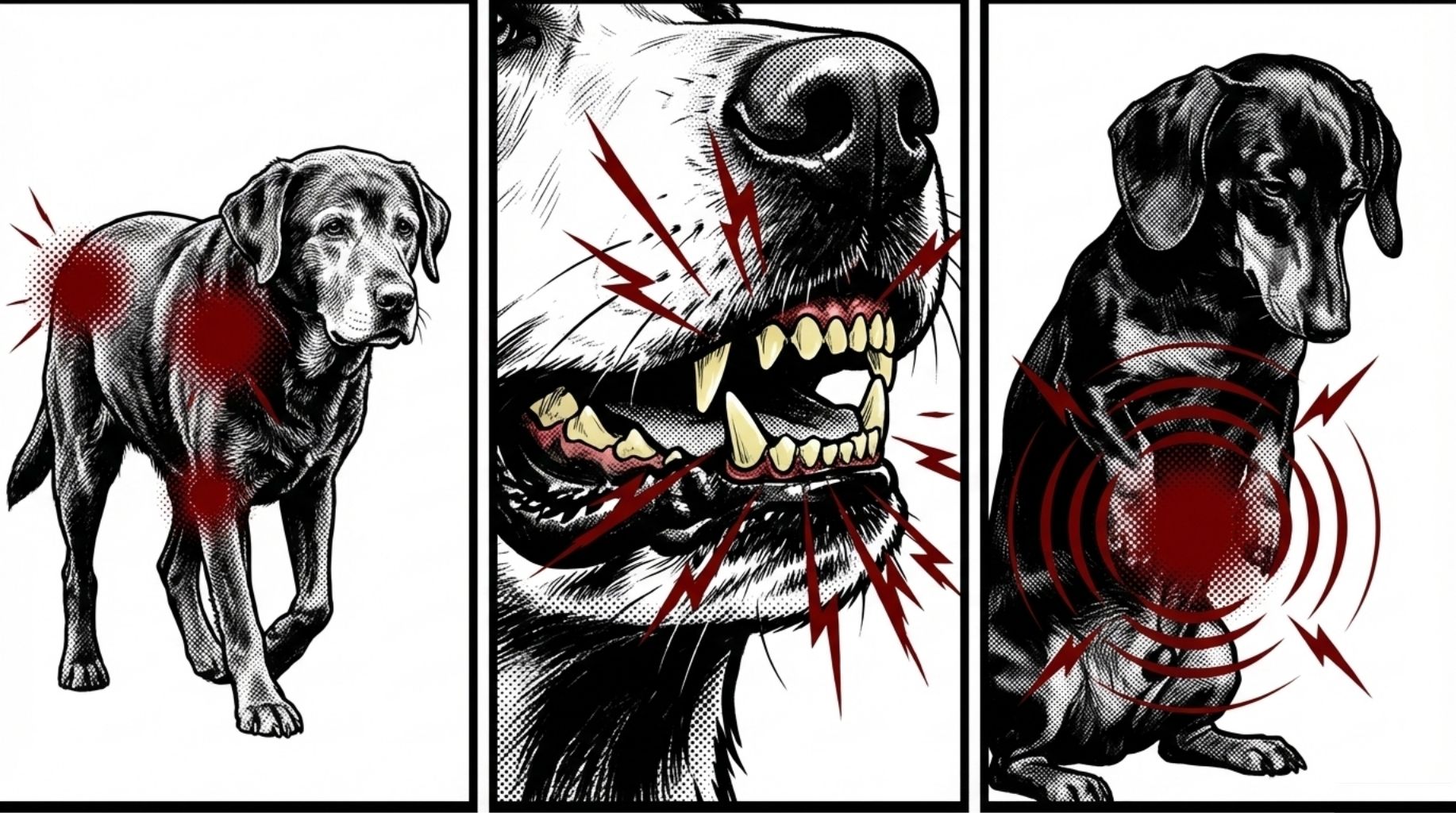
When we ask what is silent pain in dogs, we have to look at the usual suspects causing it. It is rarely one big thing. It is usually a collection of small, nagging issues. These issues wear them down over months or years.
The most common cause is osteoarthritis (OA). The numbers are staggering. Research shows that while one in four adult dogs suffer from this painful joint disease, that number jumps to a whopping 80% in senior dogs. That means most of our older pals are dealing with aching joints every single day. This is a prime example of what is silent pain in dogs looks like in real life.
Dental Disease: A Hidden Mouth Ache
Imagine having a constant toothache but never saying a word. That is the reality for many dogs. Dental disease is one of the top diagnosed issues in veterinary medicine. Plaque builds up, gums get infected, and roots can abscess. It hurts to eat.
It hurts to chew toys. But they will still swallow their food whole because they are hungry. Bad breath in dogs isn’t just “dog breath“, it is a red flag waving at you. This hidden misery is a huge part of what is silent pain in dogs.
Internal Issues and Other Culprits
Pain isn’t always in the joints or the mouth. It can hide in the belly too. Conditions like pancreatitis, which is an inflammation of the pancreas, cause severe abdominal pain. Urinary tract infections or painful bladder stones also make dogs miserable. They might just seem a little “off” or start having accidents in the house.
Ear infections in dogs are another big one, causing deep, throbbing pain that leads to head shaking and smelly ears. These internal problems are often overlooked when discussing what is silent pain in dogs, but they are very common.
Soft Tissue Injuries
Muscle sprains, ligament tears, and back injuries also cause major silent pain. A dog might tweak their back while playing fetch. They don’t scream, they just slow down. They might walk stiffly or refuse to go up the stairs. These injuries are painful but often hidden under a thick coat of fur. Recognizing these possibilities helps you answer the question, “what is silent pain in dogs?” more accurately.
🔑 Key Points:
- Osteoarthritis is the most common cause, affecting 80% of older dogs.
- Dental disease causes constant, hidden mouth pain.
- Internal issues like pancreatitis and UTIs are major culprits.
BEHAVIORAL CHANGES: HOW TO KNOW IF DOGS ARE SUFFERING IN SILENCE?
So, how do you crack the code? You have to watch their actions. Since they won’t tell you with words, they tell you with their daily habits. A change in behavior is the number one sign that your dog is suffering in silence.
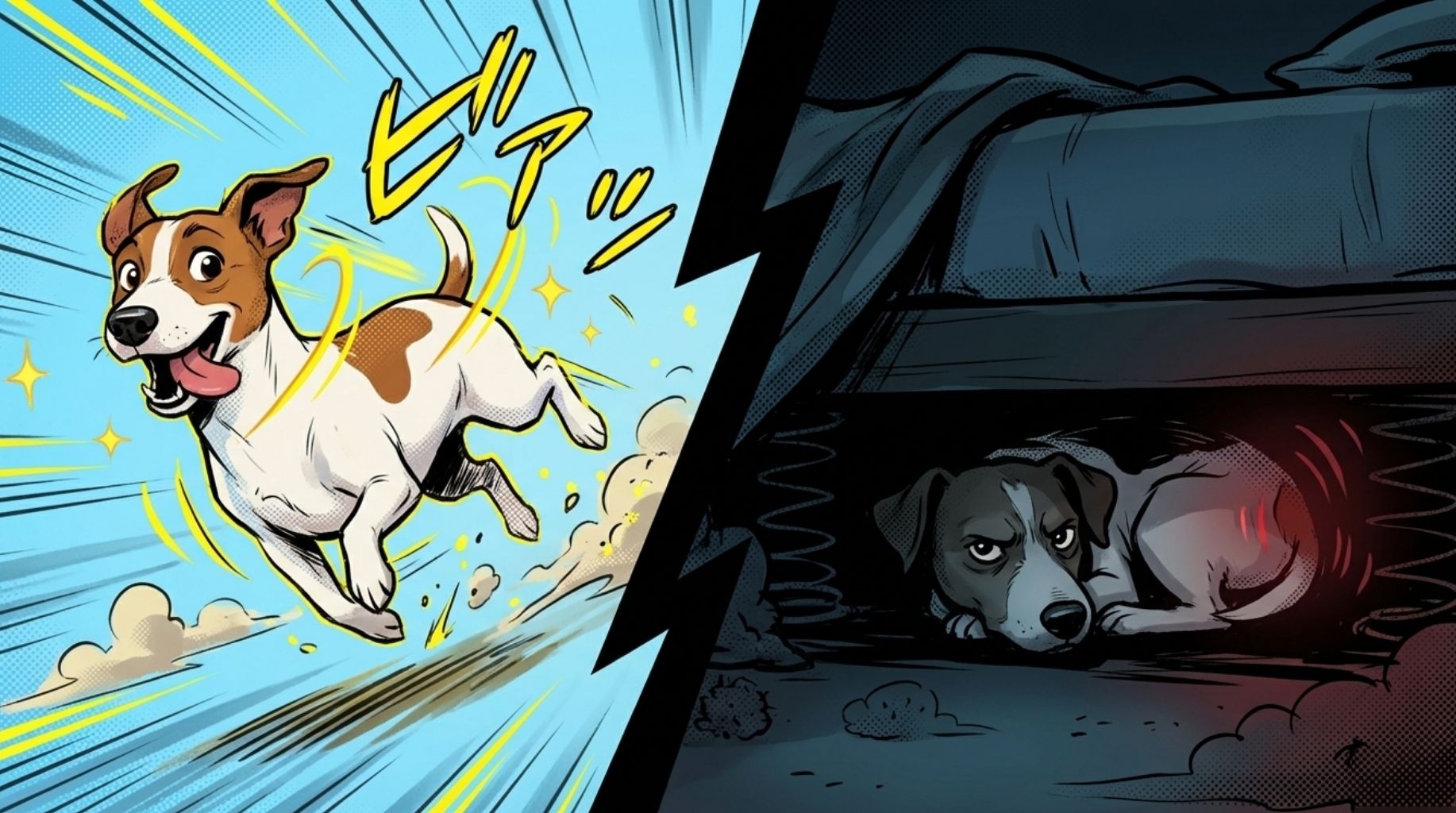
Start with their energy levels. Is your zoomie-loving pup suddenly a couch potato? Do they hesitate before jumping into the car? These are big clues. They aren’t being lazy, they are being careful. Moving hurts, so they stop moving. This change in routine is a clear indicator that your dog is suffering in silence.
Social Withdrawal and Grumpiness
Pay attention to how they interact with the family. A dog in pain might hide under the bed or go to another room to be alone. This is a classic move to avoid being bumped or touched. On the flip side, some dogs might get super clingy, seeking comfort but looking anxious.
You might also see a sudden flash of grumpiness. If your sweet dog growls when you touch their hip, they aren’t mad at you. They are saying, “Ouch, please don’t touch that spot.” This is a huge clue that your dog is suffering in silence.
Appetite and Daily Routines
Watch that food bowl. A decreased appetite is a huge sign something is wrong. If they walk away from dinner, take note. Also, check their drinking and potty habits. Are they drinking more? Are they straining to pee?
These changes point toward specific types of internal pain, like kidney issues or bladder stones, that need a vet’s attention right away. If you wonder “how do I know if my dog is suffering in silence?” start by checking their bowl.
Changes in Vocalization
Some dogs become more vocal when in pain. They might whine or groan for no apparent reason. Others become totally silent. If your normally chatty dog stops “talking,” pay attention. A quiet dog can be a painful dog. Listening to these sounds, or the lack of them, is key to understanding how do I know if my dog is suffering in silence.
🔑 Key Points:
- Loss of energy or interest in play is a major red flag.
- Sudden grumpiness or hiding indicates they want to be left alone.
- Changes in eating, drinking, or vocalization are key clues.
PHYSICAL SIGNS: DECODE SILENT PAIN IN DOGS THROUGH BODY LANGUAGE
Their body never lies. Once you know the physical signs, you will see what is silent pain in dogs written all over them. It is all in the posture and the movement.
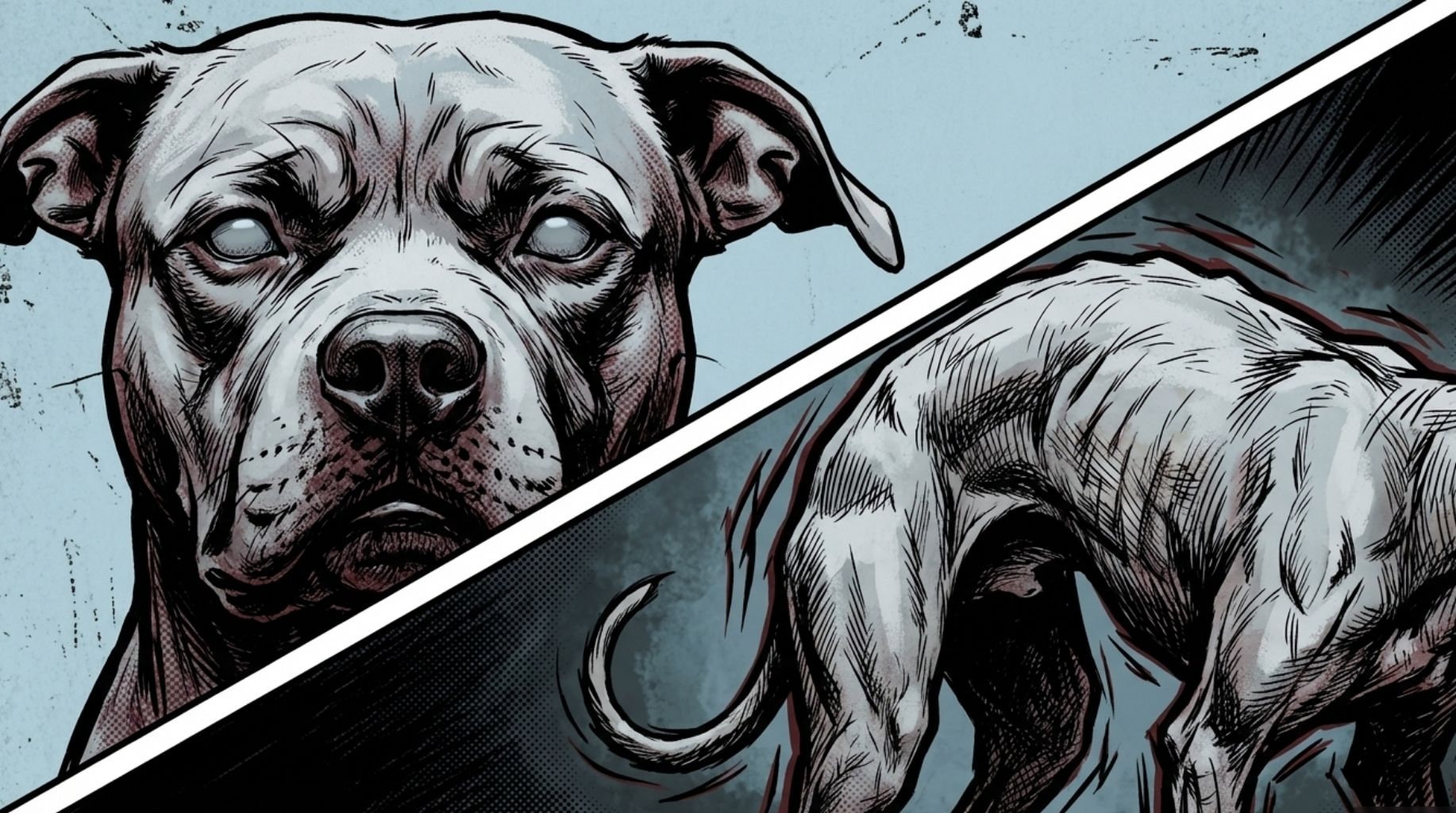
Look at their face first. We call this the “pain face.” Their eyes might look glazed or vacant. The brows might seem furrowed. You might notice their ears are pinned back flat against their head more than usual. It is a look of tension and worry. This expression is a direct window into what is silent pain in dogs feels like.
The Hunched Back and Stiff Movements
A dog in pain will often stand differently. They might take a “praying” position with their front end down and rear end up, which usually signals belly pain. More commonly, you will see a hunched back, especially with joint or spinal issues.
When they walk, the movement is stiff. They might not lift their head above their shoulders or carry their tail in a low, tight curl. This posture screams “what is silent pain in dogs” to those who know.
Changes in Sleeping and Grooming
How do dogs lay when in pain? They struggle to get comfy. You might see them shifting positions constantly. They might stand up and lie back down over and over again. If they finally settle, they might sleep in an unusual position, avoiding putting pressure on a sore spot.
Also, watch for grooming. A healthy dog is a clean dog. A painful dog might stop grooming altogether, leading to a matted, dirty coat. Or, they might obsessively lick one spot, like their paw or hip, until they create a “hot spot” because it hurts. Their sleeping habits tell you a lot about how do dogs lay when in pain.
Heavy Panting and Trembling
Dogs pant to cool down, but they also pant when they hurt. If your dog is panting heavily in a cool room, pain could be the cause. You might also see them trembling or shaking. This isn’t from cold, it’s from stress and discomfort. These physical signs are universal. They help you figure out how to check your dog for pain on a daily basis.
🔑 Key Points:
- Look for the “pain face“: glazed eyes, furrowed brows, pinned ears.
- A hunched back or stiff, careful movements are dead giveaways.
- Restlessness at night and changes in grooming habits are big clues.
THE SCIENCE OF SUFFERING: LATEST RESEARCH ON SILENT PAIN IN DOGS
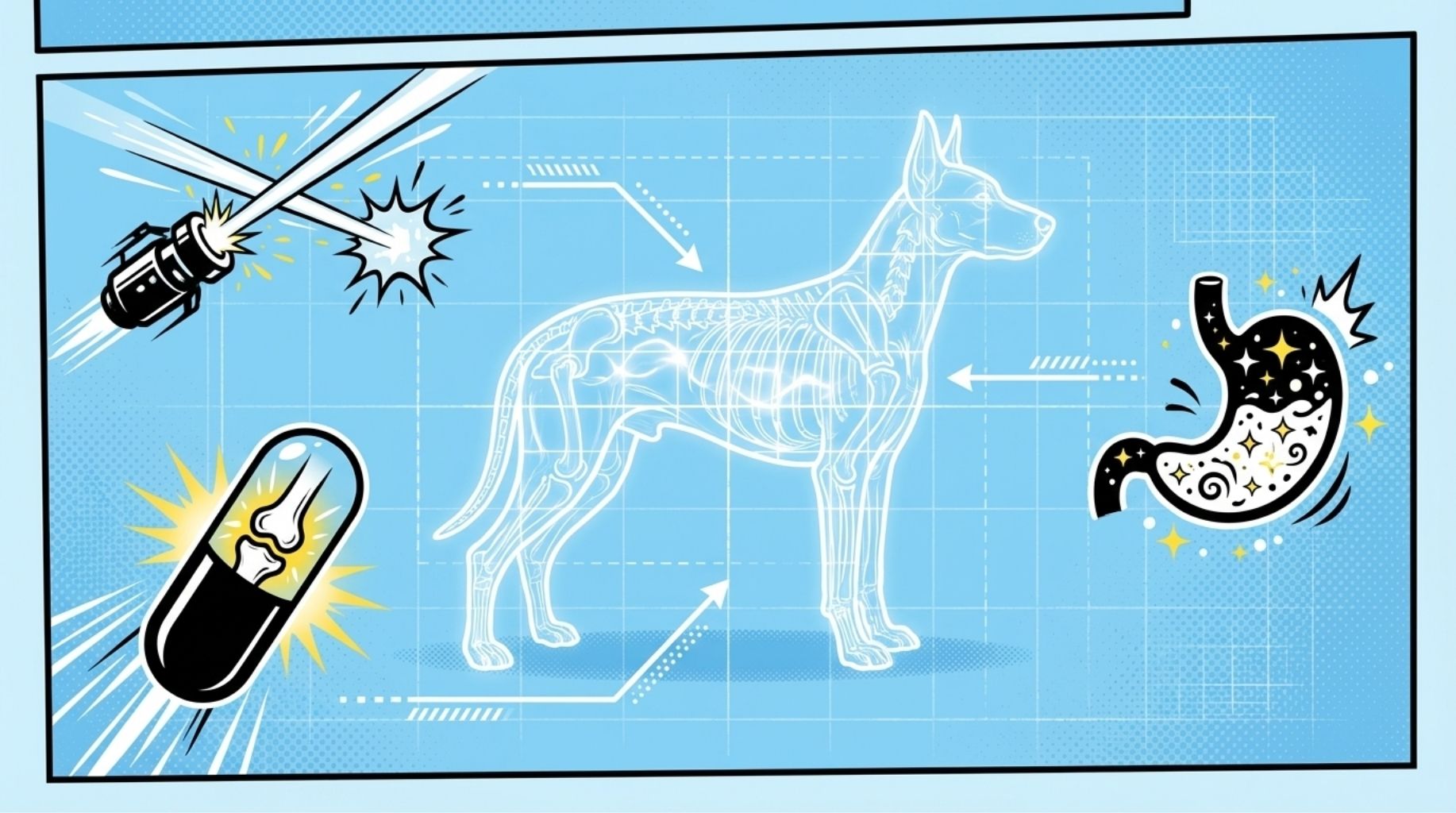
Science is finally catching up with what our dogs have been trying to hide. Researchers are now using advanced tools to measure pain objectively. They aren’t just guessing anymore. They are proving that what is silent pain in dogs is real and measurable.
One exciting area is in pain relief supplements for dogs. A rigorous double-blind, placebo-controlled study published in early 2026 looked at a supplement called Levagen+ (PEA). The results were impressive. In the group of dogs receiving the supplement, 76% were successfully treated for joint pain, compared to only 40% in the placebo group. This shows us that non-pharmaceutical options can make a huge difference in their comfort levels. This research validates everything we know about what is silent pain in dogs.
Breakthroughs in Arthritis Treatment
The treatment of dog arthritis, a major source of silent pain, is also evolving rapidly. We now have targeted therapies that go beyond just masking the pain. A new peer-reviewed study highlighted a treatment called Synovetin OA. It uses targeted radiotherapy injected directly into the arthritic joint.
This treatment attacks the inflammation at the source and can provide pain relief for up to a full year with just one dose. This is a game-changer for senior dogs who can’t tolerate daily pills. These studies are redefining what is silent pain in dogs and how we fight it.
The Rise of Multimodal Management
Veterinarians are moving toward “multimodal” pain management. This means they don’t just rely on one drug. They combine several methods. This might include a special diet, joint supplements, acupuncture, laser therapy, and physical rehabilitation. The goal is to attack the pain from every angle.
A 2025 article from BluePearl Veterinary hospital emphasizes that comfort care, including home adjustments like ramps and orthopedic beds, is just as important as medical intervention. We are learning that a cozy, supportive home is part of the prescription. This holistic view is the future of treating what is silent pain in dogs.
The Gut-Pain Connection
New research is also looking at the gut microbiome. Scientists are finding links between gut health and inflammation. An unhealthy gut can actually make joint pain worse. Probiotics and special gut-healthy dog diets are now being studied as a way to reduce overall body inflammation. This means that in the future, helping what is silent pain in dogs might start with their dinner bowl.
🔑 Key Points:
- New studies show supplements like PEA are highly effective for joint pain.
- Targeted therapies like Synovetin OA can provide year-long relief.
- A multimodal approach combining drugs, therapy, and home care works best.
HOW TO COMFORT A SILENT DOG IN PAIN: PRACTICAL STEPS FOR RELIEF
Seeing your dog hurt is heartbreaking. But you have the power to help. Knowing how to comfort a dog that is in pain starts with creating a safe and easy environment. You want to remove the obstacles that make their life harder.
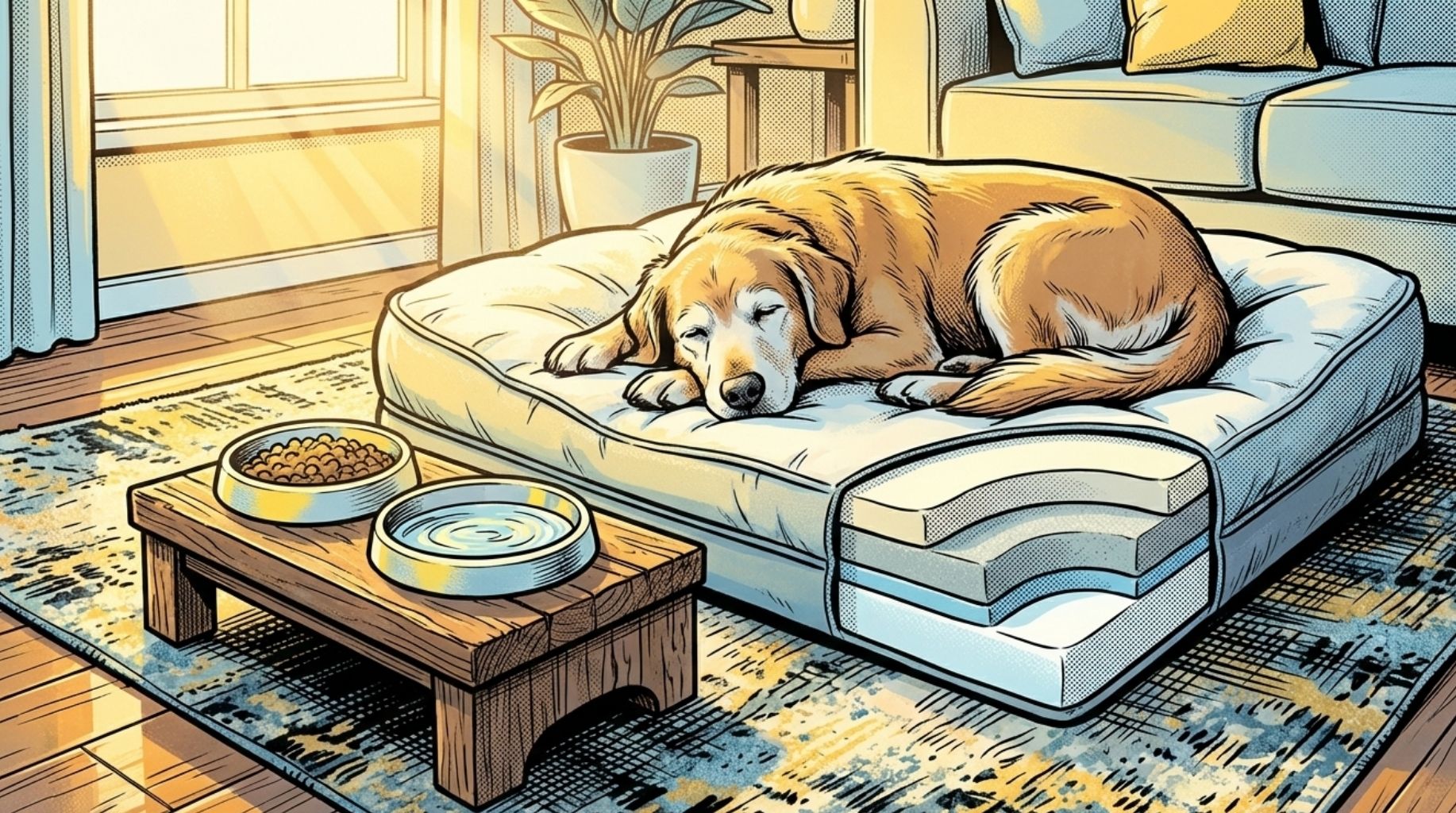
First, look at your floors. If you have slick tile or hardwood, your dog might be slipping and sliding. This is terrifying and painful for a dog with bad joints. Put down rugs or non-slip mats to create pathways. Next, elevate their food and water bowls. This takes the strain off their neck and shoulders. These small changes are huge when you are learning how to comfort a dog that is in pain.
The Power of a Good Bed and Warmth
Invest in an orthopedic bed. Memory foam isn’t just a luxury for humans, it supports aching joints and takes pressure off bony spots. You can also use warm compresses on areas that seem stiff or sore. The heat increases blood flow and soothes muscles.
Just make sure it’s warm, not hot. For acute injuries, like a sudden sprain, a cold pack can help reduce swelling. A cozy bed is step one in how to comfort a dog that is in pain.
Gentle Movement and Weight Control
Keep them moving, but gently. Short, frequent walks are better than one long, exhausting one. Avoid high-impact activities like jumping for a Frisbee or running up stairs. If stairs are a problem, carry them or build a gentle ramp. Finally, keep them lean.
Extra weight is the enemy of a painful dog. Even a few extra pounds put massive strain on sore joints. Talk to your vet about a weight management diet to help them shed the pounds safely. Managing their weight is a critical part of how to comfort a dog that is in pain.
Massage and Touch
Gentle massage can work wonders. It increases circulation and relaxes tight muscles. Start slowly and watch their reaction. If they lean into your touch, keep going. If they flinch, stop. Use flat palms and long, slow strokes along their back and legs. This physical connection is a powerful way of showing love and is a key technique in how to comfort a dog that is in pain.
🔑 Key Points:
- Add rugs to slippery floors and elevate food bowls for easier access.
- An orthopedic bed and warm compresses provide immense relief.
- Keep them lean and active with short, gentle walks.
SAFE MEDICAL OPTIONS AND WHAT TO AVOID FOR SILENT DOGS IN PAIN
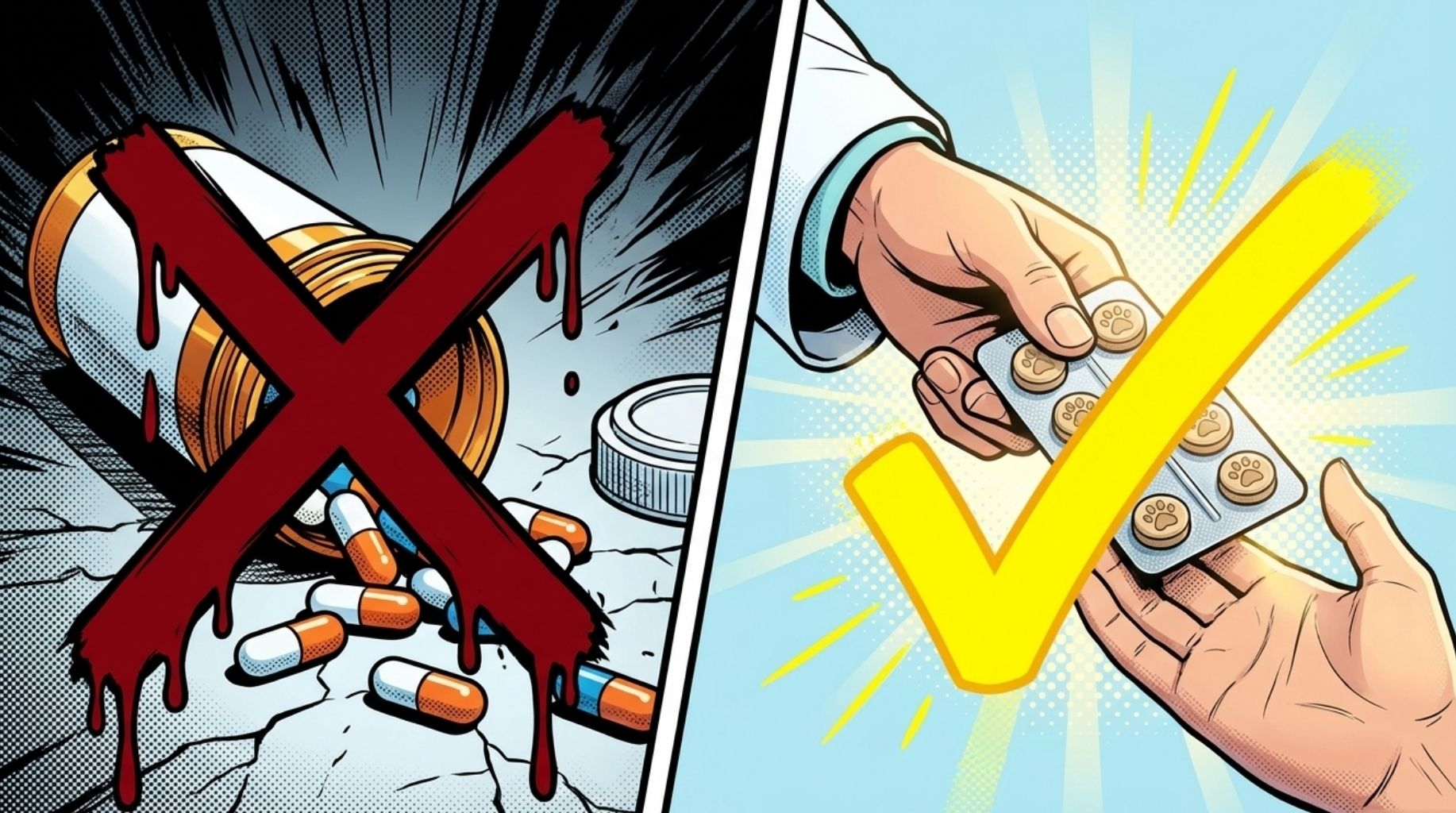
You want to help, and you want to help now. But when it comes to medicine, you must slow down. This is the most critical rule, never give your dog human medicine. None. Not even a little bit.
Human pain relievers like ibuprofen (Advil) and acetaminophen (Tylenol) are toxic to dogs. They can cause stomach ulcers, liver failure, and kidney damage. Even a single pill can be fatal. I know you want to ease their pain, but giving them your medicine is incredibly dangerous. So, when someone asks, “is there any human pain reliever for dogs?” the answer is a firm NO.
What Kind of Vet-Approved Pain Relief for Silent Dogs Can Help?
So, what can I give my dog for immediate pain relief? The honest answer is, nothing from your cabinet. You need to go to the vet. Veterinarians have specific drugs made for dogs. These include doggy NSAIDs (non-steroidal anti-inflammatory drugs) like carprofen or meloxicam.
These are formulated to be safer for the canine body. For severe pain, vets might use stronger options like gabapentin for nerve pain or even short-term opioids after surgery. They know exactly what can I give my dog for immediate pain relief that is safe.
Related Article: Drug-Free Pain Relief Therapies For Dogs
The Importance of a Proper Diagnosis
You also need to know why they hurt. Is it a pulled muscle, a broken tooth, or cancer? The treatment for each is totally different. You can’t treat the pain correctly without knowing the source. A vet can run tests, take X-rays, and figure out the root cause.
Only then can they create a safe and effective pain management plan tailored to your dog’s specific needs. This is why a vet visit is essential, no matter how much you research what can I give my dog for immediate pain relief at home.
Natural and Alternative Options
There are also great natural options to discuss with your vet. These include CBD oil for dogs (made for pets), turmeric, and green-lipped mussel extract. Acupuncture and laser therapy are also fantastic, drug-free ways to reduce pain.
These can be used alongside traditional medicine. Always talk to your vet before starting any new treatment. They can guide you on the best path, ensuring you never need to ask “is there any human pain reliever for dogs?” again.
🔑 Key Points:
- Never give dogs human pain relievers like ibuprofen or Tylenol.
- Only a vet can prescribe safe, effective medication for your dog.
- Natural options like CBD and laser therapy can be great additions to a vet’s plan.
WHEN SILENT PAIN BECOMES CRITICAL: RECOGNIZE EMERGENCIES IN DOGS
Sometimes, silent pain turns into a silent scream. You need to know when it’s more than just a bad day and becomes a life-threatening emergency. While chronic pain in dogs is subtle, acute severe pain has some clearer, scarier signs.
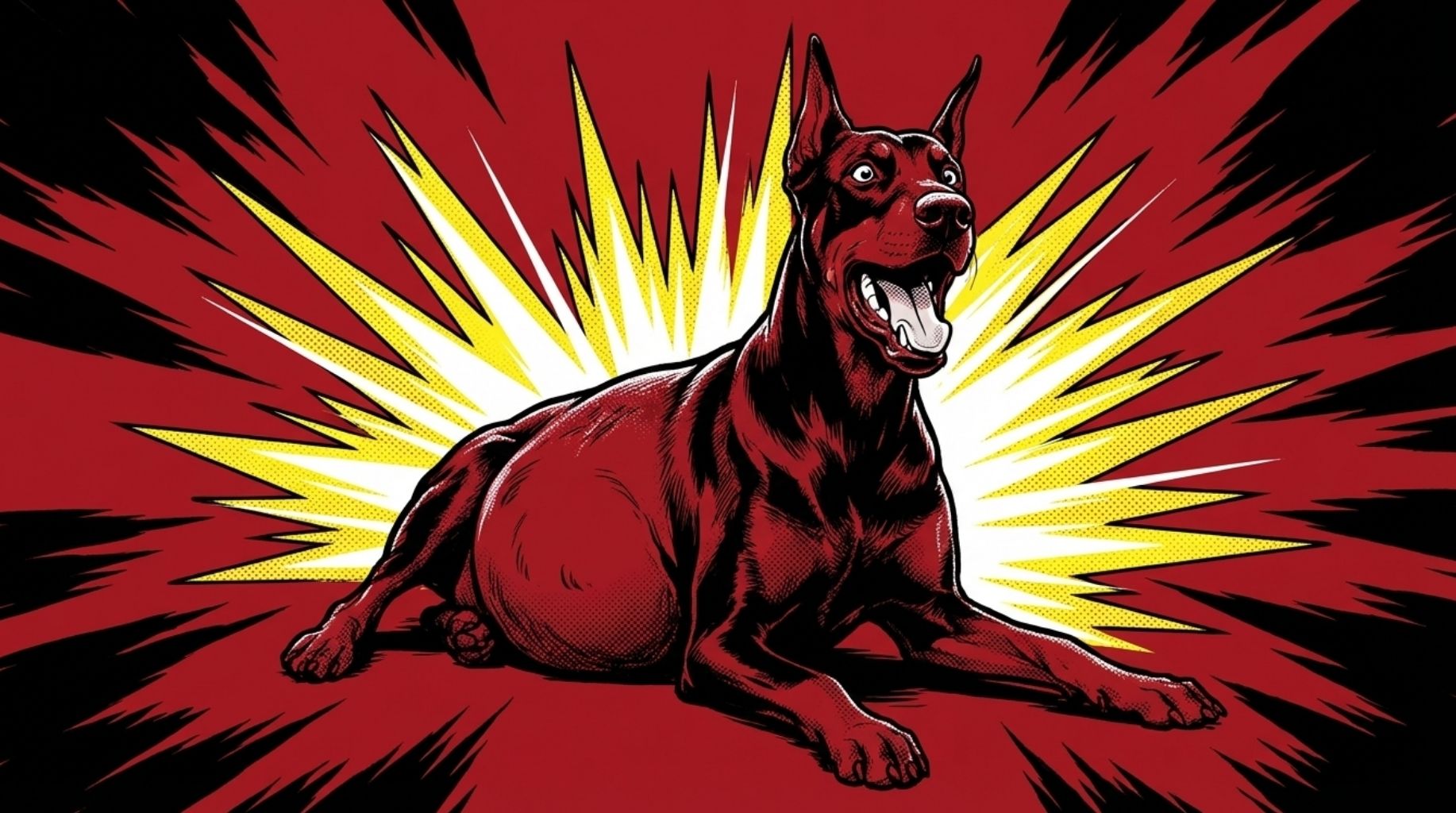
If your dog suddenly starts shaking, trembling, or crying out non-stop, something is very wrong. This is especially true if they won’t put any weight on a leg at all. A complete leg lift is a sign of a fracture or severe sprain. Also, look at their belly. If it looks distended or hard, and they are trying to vomit but nothing comes out, this could be bloat (GDV). This is a fatal condition if not treated immediately. If you ever ask “how do I know if my dog is crying in pain?” and the answer involves these signs, it’s an emergency.
Breathing and Collapse
Watch their breathing. Heavy panting while at rest, especially if it looks labored or their gums are pale or blue, is an emergency. This can indicate severe pain, shock, or heart problems. If your dog collapses or loses consciousness, even for a second, rush them to the vet.
Also, if they suddenly can’t use their back legs or seem paralyzed, this is a spinal emergency that needs immediate attention. In these cases, don’t wait for an appointment. Go straight to the emergency vet. These moments clarify how do I know if my dog is crying in pain even without a sound.
What is The “Silent Killer” in Dogs With Pain?
People often ask, “what is the silent killer in dogs?” It’s not one thing, but a few. Splenic tumors, for example, can grow large and then suddenly rupture, causing internal bleeding with little to no warning. Heart disease can progress silently until the heart starts to fail. Bloat, as mentioned, is a silent killer that strikes fast. Knowing the signs of these emergencies is vital. Understanding what is the silent killer in dogs helps you act fast and save their life.
Unresponsiveness
If your dog becomes unresponsive to you, to sounds, or to touch, that is a major red flag. A dog in severe pain may go into shock, which makes them weak and unresponsive. If you call their name and they don’t react, and they are just staring into space, do not wait. This level of distress goes beyond “how do I know if my dog is crying in pain” and into a life-threatening zone.
🔑 Key Points:
- Sudden, non-stop crying, shaking, or a swollen belly are emergencies.
- Labored breathing, pale gums, or collapse require immediate vet attention.
- “Silent killers” like bloat and internal tumors show few signs until critical.

FAQ ABOUT THE SILENT PAIN IN DOGS
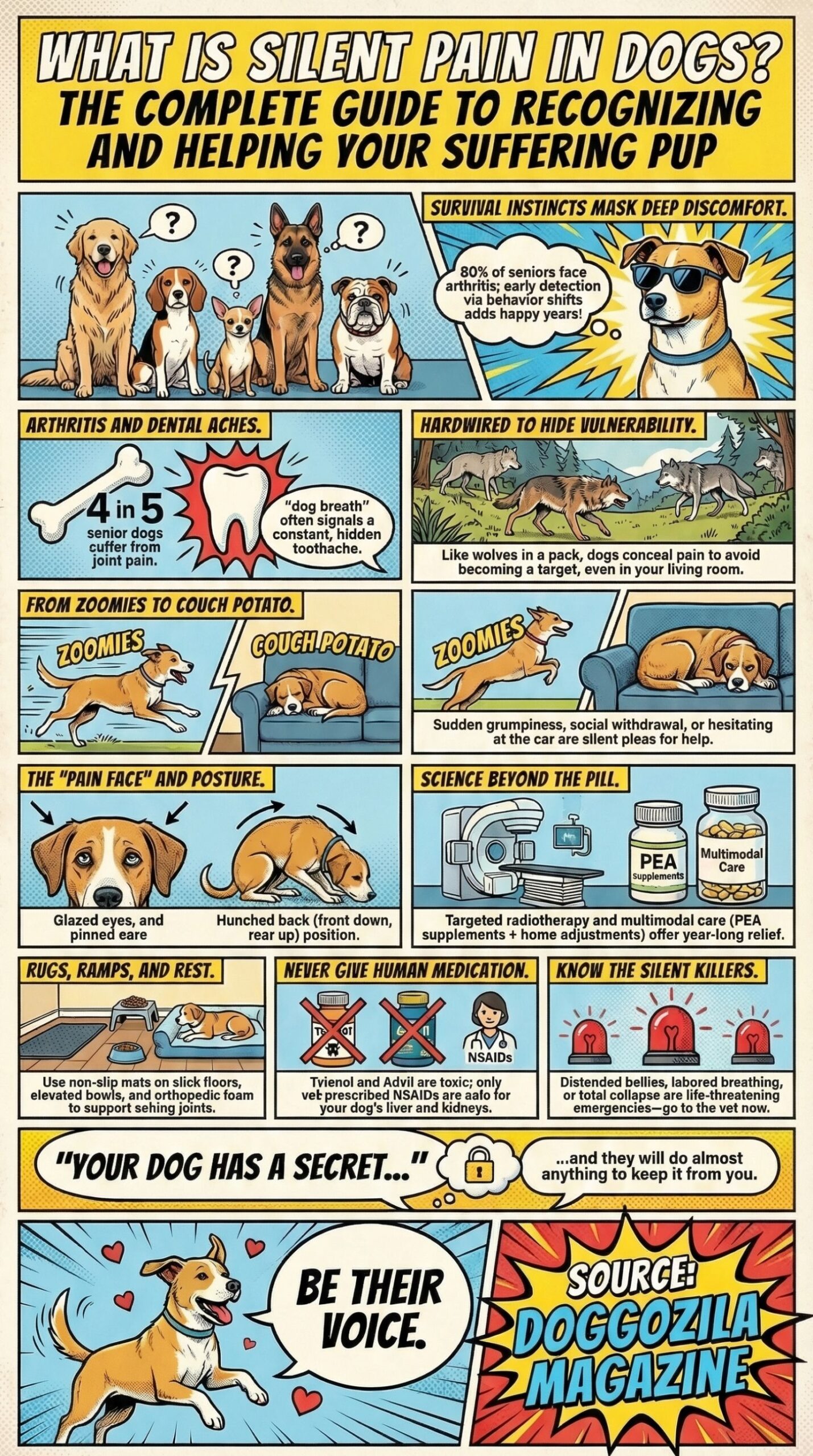
Key Points and Takeaways to Remember
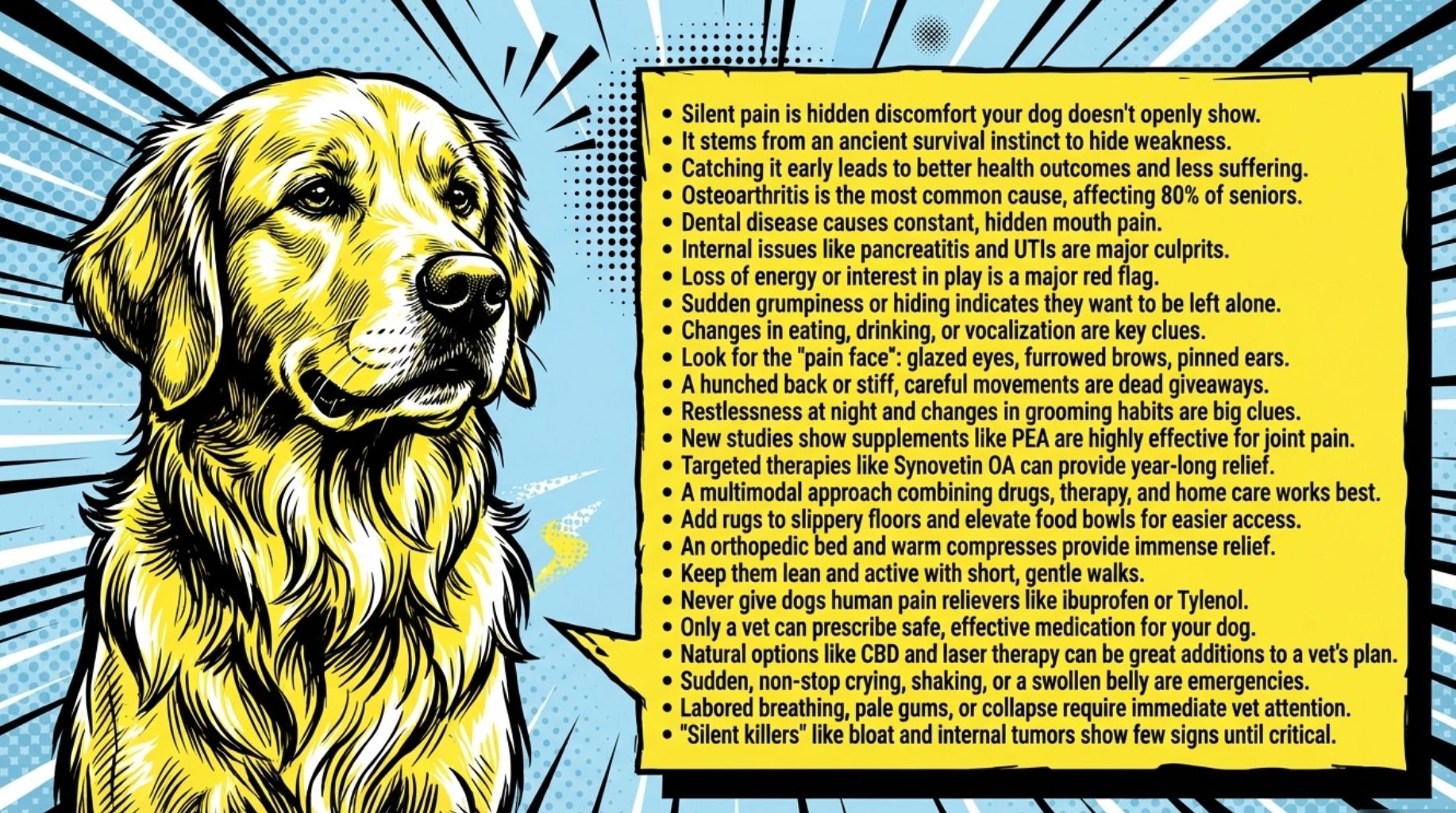
- Silent pain is hidden discomfort your dog doesn’t openly show.
- It stems from an ancient survival instinct to hide weakness.
- Catching it early leads to better health outcomes and less suffering.
- Osteoarthritis is the most common cause, affecting 80% of older dogs.
- Dental disease causes constant, hidden mouth pain.
- Internal issues like pancreatitis and UTIs are major culprits.
- Loss of energy or interest in play is a major red flag.
- Sudden grumpiness or hiding indicates they want to be left alone.
- Changes in eating, drinking, or vocalization are key clues.
- Look for the “pain face“: glazed eyes, furrowed brows, pinned ears.
- A hunched back or stiff, careful movements are dead giveaways.
- Restlessness at night and changes in grooming habits are big clues.
- New studies show supplements like PEA are highly effective for joint pain.
- Targeted therapies like Synovetin OA can provide year-long relief.
- A multimodal approach combining drugs, therapy, and home care works best.
- Add rugs to slippery floors and elevate food bowls for easier access.
- An orthopedic bed and warm compresses provide immense relief.
- Keep them lean and active with short, gentle walks.
- Never give dogs human pain relievers like ibuprofen or Tylenol.
- Only a vet can prescribe safe, effective medication for your dog.
- Natural options like CBD and laser therapy can be great additions to a vet’s plan.
- Sudden, non-stop crying, shaking, or a swollen belly are emergencies.
- Labored breathing, pale gums, or collapse require immediate vet attention.
- “Silent killers” like bloat and internal tumors show few signs until critical.