
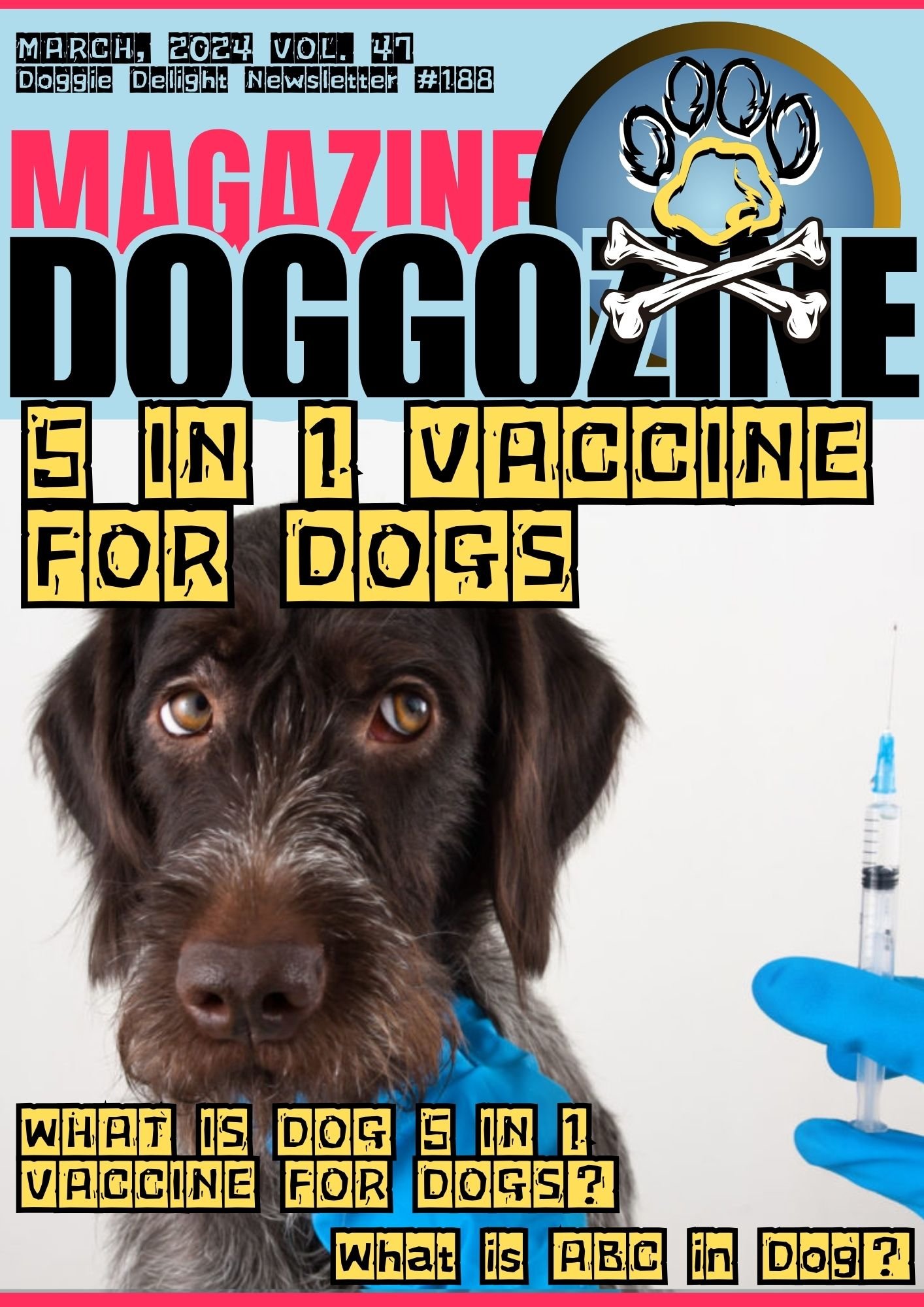
WHAT IS 5 IN 1 VACCINE FOR DOGS?
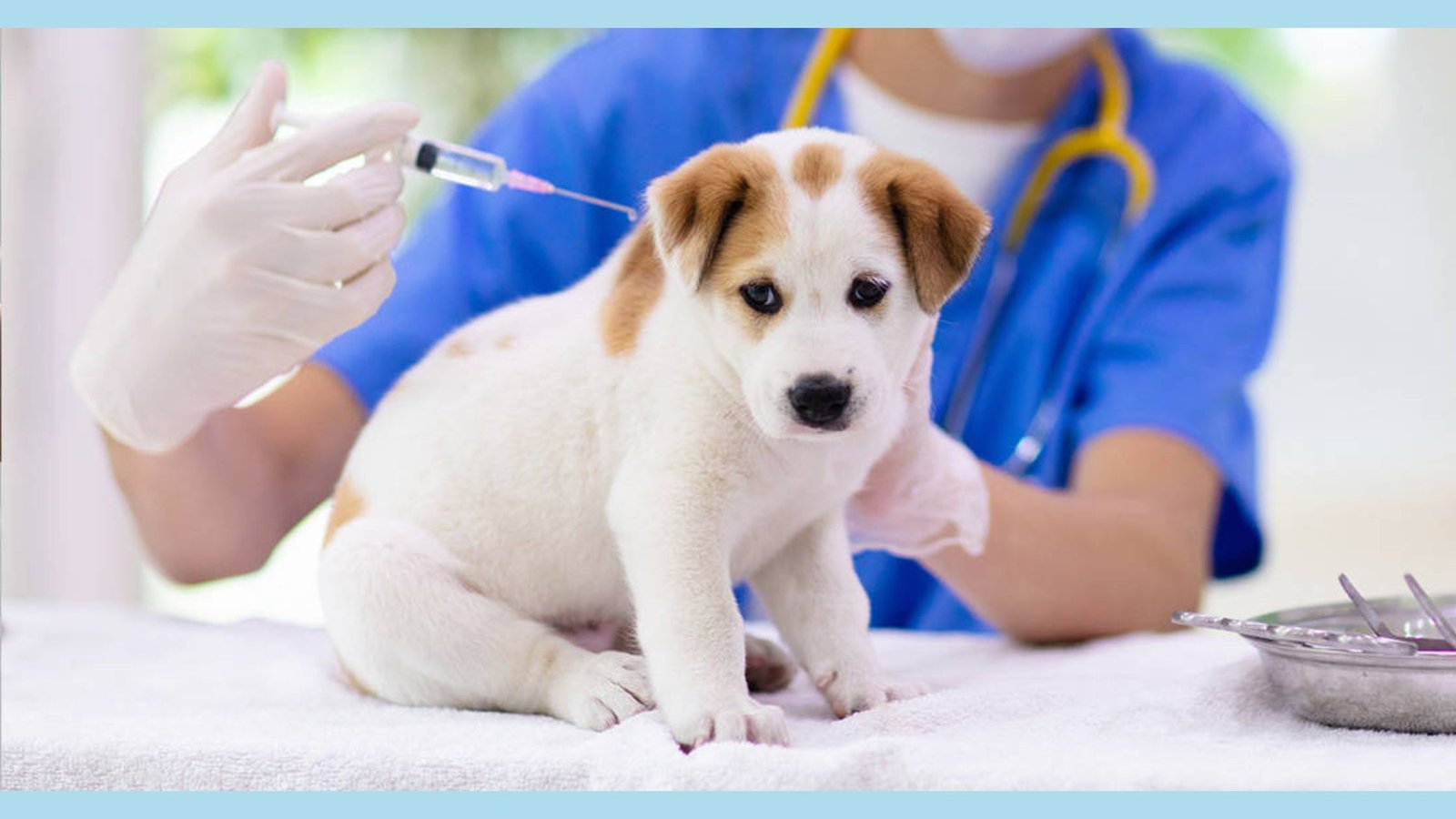
The 5 in 1 Vaccine for dogs is a single shot that shields pups from five common doggy diseases. It’s also known as DHPP, DAPP, or DA2PP.
5 in 1 Vaccine for dogs are for these diseases:
- Canine Distemper Virus
- Hepatitis
- Kennel Cough
- Parainfluenza
- Parvovirus
The name “5 in 1 Vaccine for dogs” refers to the combo of vaccines in the shot. Each letter stands for a disease it protects against.
Distemper is a nasty viral disease. It affects dogs’ breathing, gut, and nerves. The virus spreads through sick dogs or contaminated items like bowls. Symptoms are fever, cough, runny nose, vomiting, diarrhea, seizures, and paralysis.
Hepatitis is a viral liver infection. Dogs get it from infected urine, poop, or saliva. Symptoms are fever, no appetite, vomiting, diarrhea, belly pain, jaundice, and bleeding.
Beware Of Boarding Facilities Or Dog Parks
Kennel cough is a highly contagious dog respiratory illness. It spreads quickly when dogs are close, like at kennels or parks. It’s caused by viruses and bacteria including parainfluenza virus, Bordetella bronchiseptica, and canine adenovirus type 2. Symptoms are persistent cough, sneezing, runny nose, and mild fever.
Parainfluenza makes dogs sneeze, cough, and get a runny nose. It’s a lung germ that spreads easily. Sick dogs can pass it to other dogs through coughs or sneezes.
Parvovirus is a really bad germ for dogs. It mostly hurts the stomach and intestines. Dogs get it from infected poop or touching gross, sick stuff. Puppies get super sick with puke, bloody diarrhea, and extreme tiredness. Sadly, some puppies even die from this nasty virus.
UNDERSTANDING THE DISEASES AND WHY 5 IN 1 VACCINE FOR DOGS
It’s good to know a bit about the illnesses the 5 in 1 vaccine for dogs prevents!
Canine Distemper Virus
Canine Distemper is a wild contagious virus. It can make dogs really sick. It causes fevers, coughing, sneezing, runny noses, vomiting, diarrhea, and brain problems. In some awful cases, dogs even die from it.
This virus is scary because it spreads fast and causes tons of issues. It attacks the lungs and brain, making life miserable or even ending it. Getting the vaccine tells the dog’s immune system to fight this awful virus. It’s the best defense against Canine Distemper.
Hepatitis
Dogs can get sick from Hepatitis. It is caused by a virus called Canine Adenovirus Type 1 (CAV-1). This sickness mainly affects the liver. Dogs with Hepatitis may have a fever, belly pain, vomiting, diarrhea, and yellowing of the skin and eyes. In severe cases, Hepatitis can lead to liver failure. Untreated, Canine Adenovirus Type 1 can damage the liver over time.
Signs of Hepatitis include fever, belly pain, vomiting, diarrhea, and jaundice (yellowing). Getting vaccinated helps protect dogs from Hepatitis. It also lowers the risk of long-term liver problems.
Kennel Cough
Kennel Cough is a respiratory infection in dogs. It spreads very easily between dogs close together, like at kennels or dog parks. That’s why it’s called Kennel Cough. Dogs with this illness cough a lot. They may also sneeze, have a runny nose, and a mild fever. Kennel Cough spreads quickly when dogs are near each other. Places like kennels or parks make it easy for the infection to spread.
A cough that won’t go away is the main symptom. Dogs also sneeze, get runny noses, and mild fevers. This makes them uncomfortable and unhappy. Vaccinations help stop Kennel Cough from spreading. They also prevent the unpleasant symptoms in dogs.
Parainfluenza
Parainfluenza is a viral respiratory infection common in dogs. It causes kennel cough symptoms like coughing, sneezing, runny noses, and fevers. In healthy adult dogs, it usually just causes mild breathing issues. But puppies and dogs with weak immune systems can get very sick from Parainfluenza.
Parainfluenza is another viral illness that affects a dog’s breathing. It often shows symptoms like Kennel Cough. In healthy dogs, it may cause mild breathing issues. But it can be more severe in puppies or dogs with weak immune systems. Vaccination gives dogs antibodies to fight off the Parainfluenza virus. This helps reduce severe symptoms.
Parvovirus
Parvovirus is a highly contagious viral disease. It mainly affects young puppies and unvaccinated dogs. This virus attacks the digestive tract. It causes severe vomiting, diarrhea (often with blood), dehydration, and life-threatening complications. Parvovirus is hardy and can survive in the environment for long periods.
Parvovirus is very concerning, especially for puppies and unvaccinated dogs. This highly contagious virus attacks the digestive system. It leads to severe vomiting, bloody diarrhea, and dehydration. Without quick medical care, Parvovirus can be fatal. Vaccination is vital to prevent Parvovirus spread and protect vulnerable dogs from this life-threatening disease.
Importance Of Dog Vaccination
It’s crucial for dog owners to understand the risks of these diseases and the importance of vaccination. Canine Distemper Virus, Hepatitis, Kennel Cough, Parainfluenza, and Parvovirus can all severely affect a dog’s health and well-being. By vaccinating their dogs with the 5-in-1 vaccine shot, owners provide essential protection against these diseases. This reduces the risk of their pets getting them.
The 5 in 1 vaccine guards your dog from 5 bad diseases: Distemper Virus, Hepatitis, Kennel Cough, Parainfluenza, and Parvovirus. Knowing these risks and vaccinating your dog helps keep them healthy.

VACCINATION SCHEDULE FOR THE 5 IN 1 VACCINE FOR DOGS
The 5 in 1 vaccine for dogs schedule depends on your dog’s age and vaccine history. Puppies need a series to build immunity. Adult dogs need boosters to stay protected.
Here’s a general vaccination timeline:
Puppies
- First shot: 6-8 weeks of age
- Second shot: 3-4 weeks after the first shot
- Third shot: 2-4 weeks after the second shot
- Fourth shot: 16-20 weeks of age
The exact schedule may change based on your vet’s advice and vaccine used. In the first few weeks, puppies get some immunity from their mother’s milk. But this protection fades. So, it’s important to start the vaccine series at the right age to develop their own immunity.
The first shot at 6-8 weeks old jump-starts the immune system. The second shot 3-4 weeks later strengthens the response. The third shot 2-4 weeks after boosts immunity further. The final shot around 16-20 weeks completes the series for maximum protection.
Getting your puppy the right shots is crucial. But what shots, and when? This depends on factors like your pup’s health, lifestyle, and risk of catching certain diseases. Your vet knows best! They’ll recommend a vaccination plan tailored specifically for your furry friend.
Adult Dogs
If an adult dog has never been vaccinated or has an unknown vaccine history, they may need the full puppy shot series. After that, dogs usually get booster shots every 1-3 years to keep their protection strong.
Regular vaccinations are super important for your dog’s well-being. They prevent nasty infectious diseases that could be life-threatening. The 5-in-1 vaccine for dogs (DHPP vaccine) guards against five common doggy diseases: distemper, hepatitis, parainfluenza, parvovirus, and leptospirosis.
For adult dogs with no vaccine records or history, the vet might restart the vaccination process from scratch. This ensures the dog gets full protection against those targeted diseases. Then, the dog gets booster shots every 1-3 years to keep their immunity topped up.
Remember, vaccinating isn’t a one-and-done deal. It’s an ongoing process to keep your pup protected. Follow your vet’s vaccine schedule and you’ll help shield your furry pal from dangerous infectious diseases.
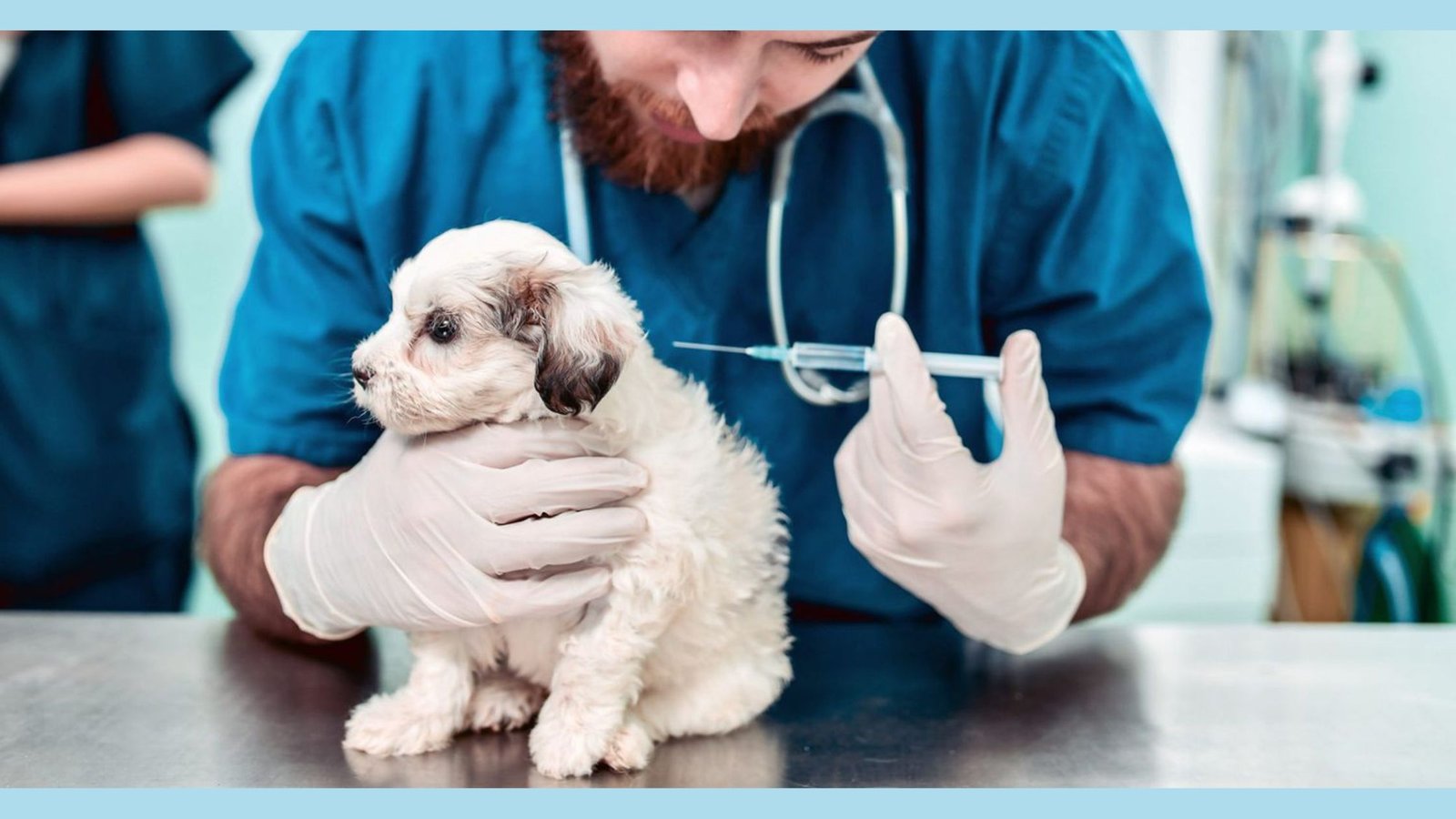
CONSULT YOUR VETERINARIAN ABOUT THE 5 IN 1 VACCINE FOR DOGS
When it comes to vaccinating your dog, talking to your vet is crucial. Your vet understands your furry friend’s unique needs. They’ll recommend shots based on age, health, activities, and risks. Don’t skip vaccines – they shield your pup from serious, potentially deadly diseases. Keeping up with vaccines is an essential part of keeping your dog healthy and happy.
Your Veterinarian Knows Best
Your vet stays updated on the latest vaccines and which ones fit your dog. They consider breed, age, and any health issues affecting the immune system. They also look at your dog’s lifestyle and possible exposure risks.
For instance, if you live where ticks thrive, your vet might suggest a Lyme vaccine. Or if your pup frequents doggy daycare or parks, a kennel cough vaccine could be wise. Discussing your dog’s routine with your vet ensures they get the right shots.
Vaccines often require boosters on a schedule. Your vet will provide a customized plan for your pup’s needs. They’ll also record which vaccines your dog has had – handy info to have on file or for proving vaccination status.
Protection Against Preventable Diseases with 5 in 1 vaccine for Dogs
In addition to discussing vaccines, your veterinarian can also provide guidance on other preventive measures, such as flea and tick prevention, heartworm prevention, and regular check-ups. They will work with you to create a comprehensive healthcare plan for your dog, taking into account their individual needs and lifestyle.
Ultimately, consulting with your veterinarian is the best way to ensure that your dog receives the appropriate vaccinations and preventive care. They have the expertise and knowledge to guide you in making informed decisions about your dog’s health. By working together, you can give your furry friend the best possible protection against preventable diseases.
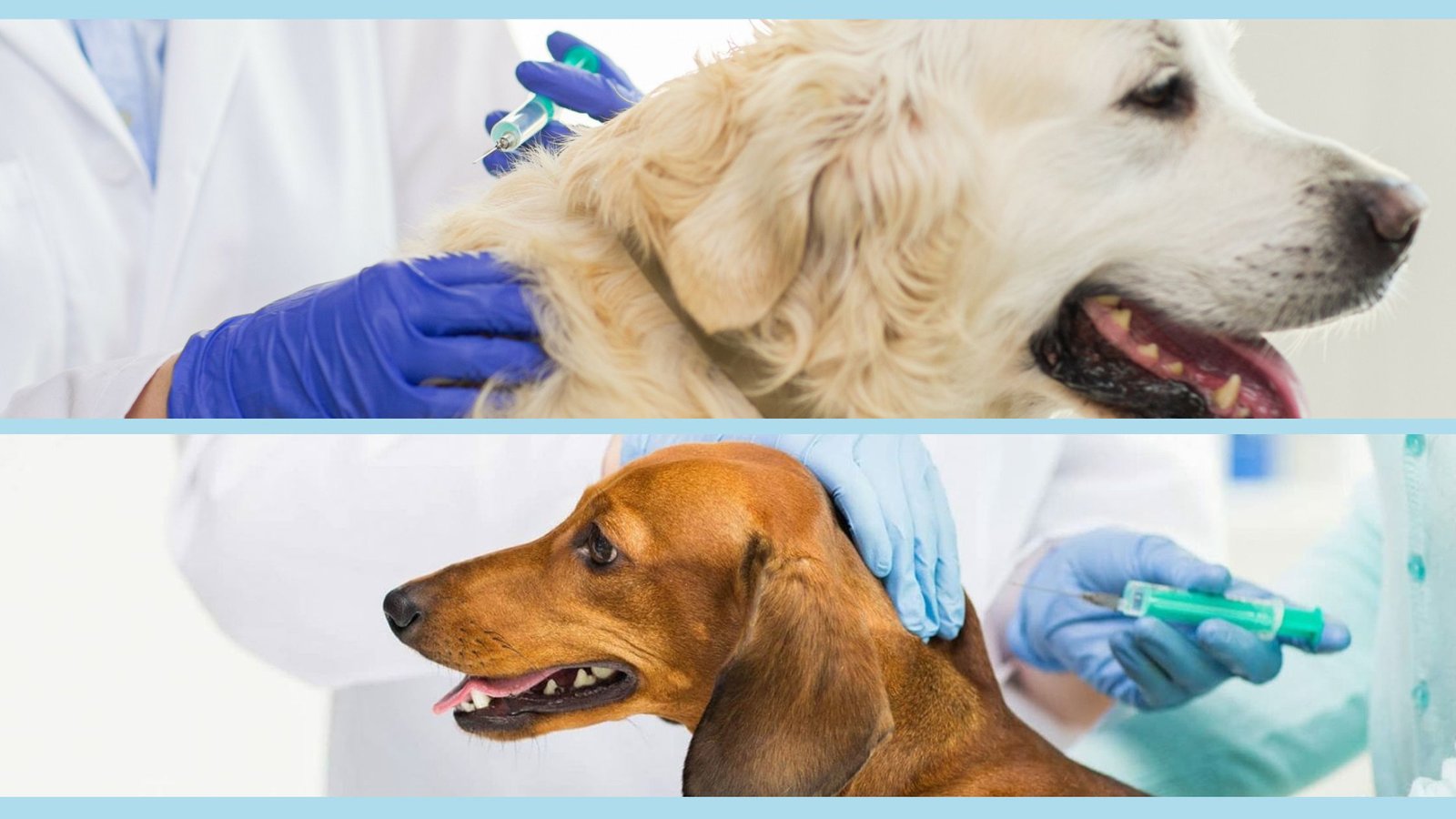
ANIMAL BIRTH CONTROL AND ANTI-RABIES PROGRAM
CONTROLLING STRAY DOG POPULATION AND PREVENTING RABIES SPREAD IN INDIA
What is ABC in Dog?
ABC stands for Animal Birth Control, which is a program implemented in many major cities in India to control the population of stray dogs and prevent the spread of rabies. This program involves sterilizing and vaccinating stray dogs to ensure their health and reduce their numbers.
Implementing ABC And Anti-Rabies Program In India
The Animal Birth Control and Anti-Rabies program is being implemented in almost all major metros of India. The primary goal of this program is to control the stray dog population and prevent the transmission of rabies to humans.
Each year, over one hundred thousand stray dogs are sterilized and vaccinated against rabies through this program. The process involves capturing stray dogs, performing sterilization surgeries, and administering rabies vaccinations. This helps in reducing the number of stray dogs on the streets and ensures that they are protected against rabies.

BENEFITS OF ABC AND ANTI-RABIES PROGRAM WITH 5 IN 1 VACCINE FOR DOGS
The Animal Birth Control and Anti-Rabies program have several benefits for both humans and animals!
Dog Population Control with the 5 in 1 vaccine for dogs
By sterilizing stray dogs, the program helps in controlling their population. Uncontrolled breeding can lead to an increase in the number of stray dogs, which can pose a risk to public health and safety. The program aims to reduce the stray dog population to a manageable level.
Prevention of Rabies in Dogs
Rabies is a deadly viral disease that can be transmitted to humans through the bite of an infected animal, most commonly dogs. By vaccinating stray dogs against rabies, the program helps in preventing the spread of this disease. Vaccinated dogs are less likely to contract rabies and transmit it to humans.
Health and Safety with 5 in 1 vaccine for dogs
Sterilizing stray dogs not only helps in controlling their population but also improves their overall health. Sterilized dogs are less prone to certain diseases and behavioral problems. It also reduces the chances of aggressive behavior and dog bites, making the streets safer for both humans and other animals.
Community Engagement
The ABC and Anti-Rabies program involve active participation and engagement from the local community. Animal welfare organizations, veterinary professionals, and volunteers work together to capture, sterilize, and vaccinate stray dogs. This creates awareness about responsible pet ownership and the importance of animal welfare.
CHALLENGES AND FUTURE OF ABC PROGRAM AND 5 IN 1 VACCINE FOR DOGS
While the ABC program has been successful in many areas,it also faces certain challenges!
Lack of Resources
One of the major challenges is the lack of resources, including funding, infrastructure, and trained personnel. The program requires financial support to carry out sterilization and vaccination surgeries on a large scale. Adequate infrastructure, such as animal shelters and veterinary clinics, is also essential for the success of the program.
Resistance and Opposition
Some sections of society may oppose the ABC program due to various reasons, including cultural beliefs and misconceptions about stray dogs. Overcoming this resistance and creating awareness about the benefits of the program is crucial for its success.
Sustainability
The long-term sustainability of the program is another challenge. Continuous efforts are required to ensure that the program is implemented effectively and consistently. Regular monitoring, follow-up vaccinations, and community involvement are essential for maintaining the success of the program.
Education and Awareness about 5 in 1 Vaccine for dogs
Creating awareness among the public about responsible pet ownership, the importance of sterilization, and the benefits of the ABC program is vital. Education campaigns and outreach programs can help dispel myths and misconceptions and encourage community participation.
Despite these challenges, the Animal Birth Control and Anti-Rabies program have made significant progress in controlling the stray dog population and preventing the spread of rabies. With continued support and efforts, this program can contribute to a safer and healthier environment for both humans and animals.
If you are interested to read more about these kind of programs or even involve yourself, feel free to visit the Global Strays organization!