
Dog expressions have long fascinated owners. Many people chuckle at their pets’ amusing faces. These expressions are not just endearing. They also offer insight into a dog’s emotional state and personality. This phenomenon of dogs making funny faces transcends specific breeds or individual traits. It appeals to a wide audience of dog lovers. The internet is full of images with these moments because people love these silly faces of puppies.
“Your dog’s silliest face might be saying more than you think.”
Updated: June 2026
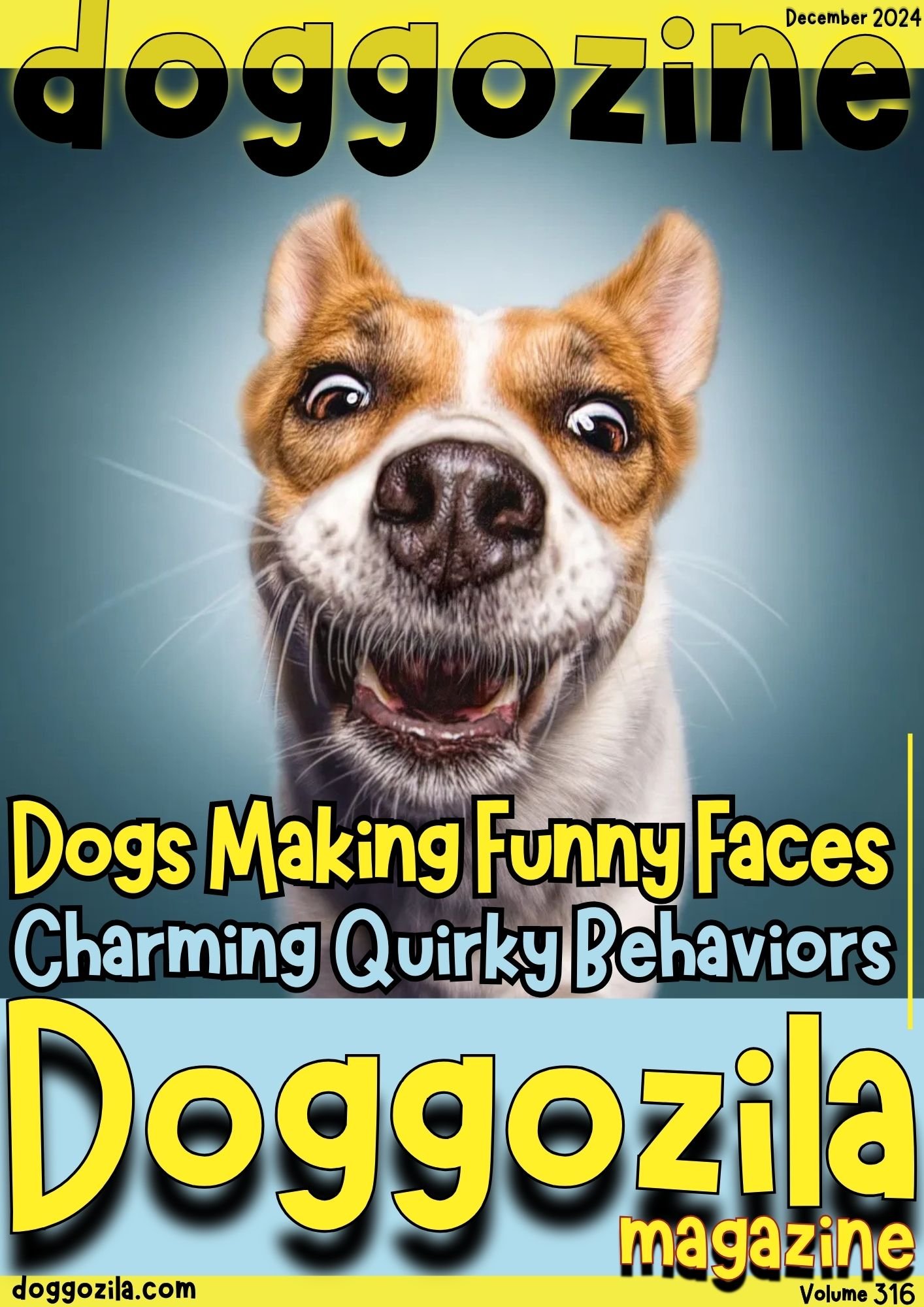
Key Takeaways
- Dogs use facial expressions to talk to people.
- A tilted head often means curiosity or a try to hear better.
- A relaxed, open mouth can be a real doggy smile.
- Not all bared teeth are a threat; some are friendly grins.
- Dogs use more expressions when they know humans are watching them.
Quick Summary About why dogs make funny faces
This article shows the funny faces dogs make and what they mean. You will see photos of goofy grins, big head tilts, and pouty lips. It explains why your pup pulls these silly looks. Learn how to read your dog’s mood just by watching its face.
Listen the Episode by The Bark Brigade Podcast About How Dogs Evolved to Hack Your Brain with Funny Faces!
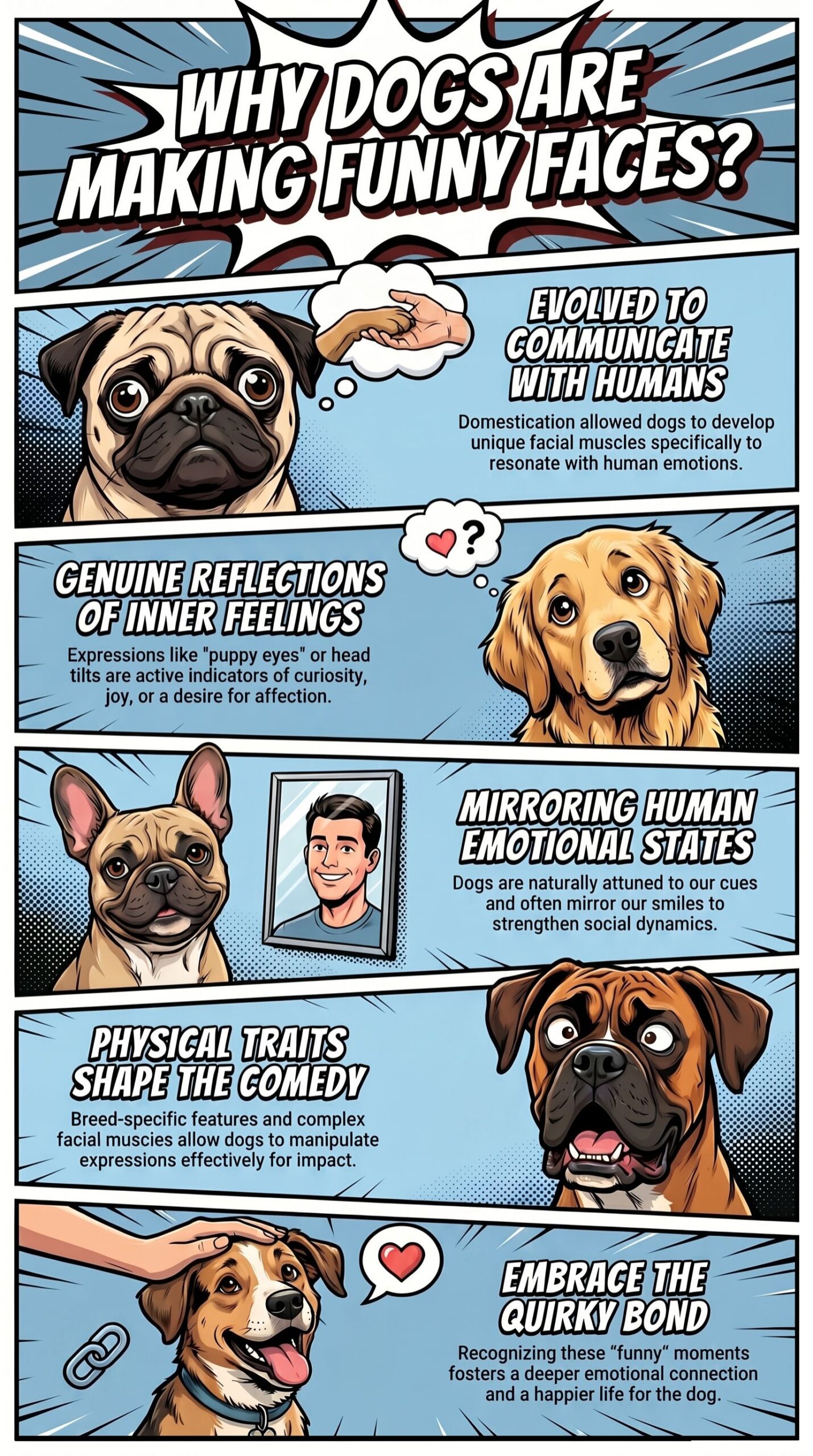
WHY DOGS ARE MAKING FUNNY FACES?
Dogs communicate through facial expressions. This ability links inherently to their domestication. Over thousands of years, dogs evolved alongside humans. They developed a unique set of expressions. These resonate with us on an emotional level. This connection often leads owners to anthropomorphize their pets. They attribute human-like emotions and intentions to dog behavior. Such interactions amplify the allure of dog expressions. They create a joyful rapport between dog and owner. The charm of these funny faces extends beyond immediate humor.
Introduction To the Funny Expressions That Dogs Are Making with Their Faces
Many pet owners report an enhanced bond with their dogs. They observe these quirky expressions. These moments often elicit laughter and affection. This shared experience fosters deeper emotional connections. Both parties engage in rich nonverbal communication. These facial expressions can denote a range of emotions.
They may show joy, excitement, confusion, or curiosity. Interpreting each pose becomes an intriguing undertaking. As we delve deeper into dog expressions, a clearer understanding emerges. We may discover why dogs exhibit these behaviors. It is essential to explore their motivations. We must also consider the implications for the owner-pet dynamic.
Understanding the Dog Body Language
Dogs are social animals. They communicate largely through body language. Understanding these signals is crucial. It helps interpret their emotions and intentions. Tail wagging is one primary indicator of mood. The position and speed of the wag reveal much.
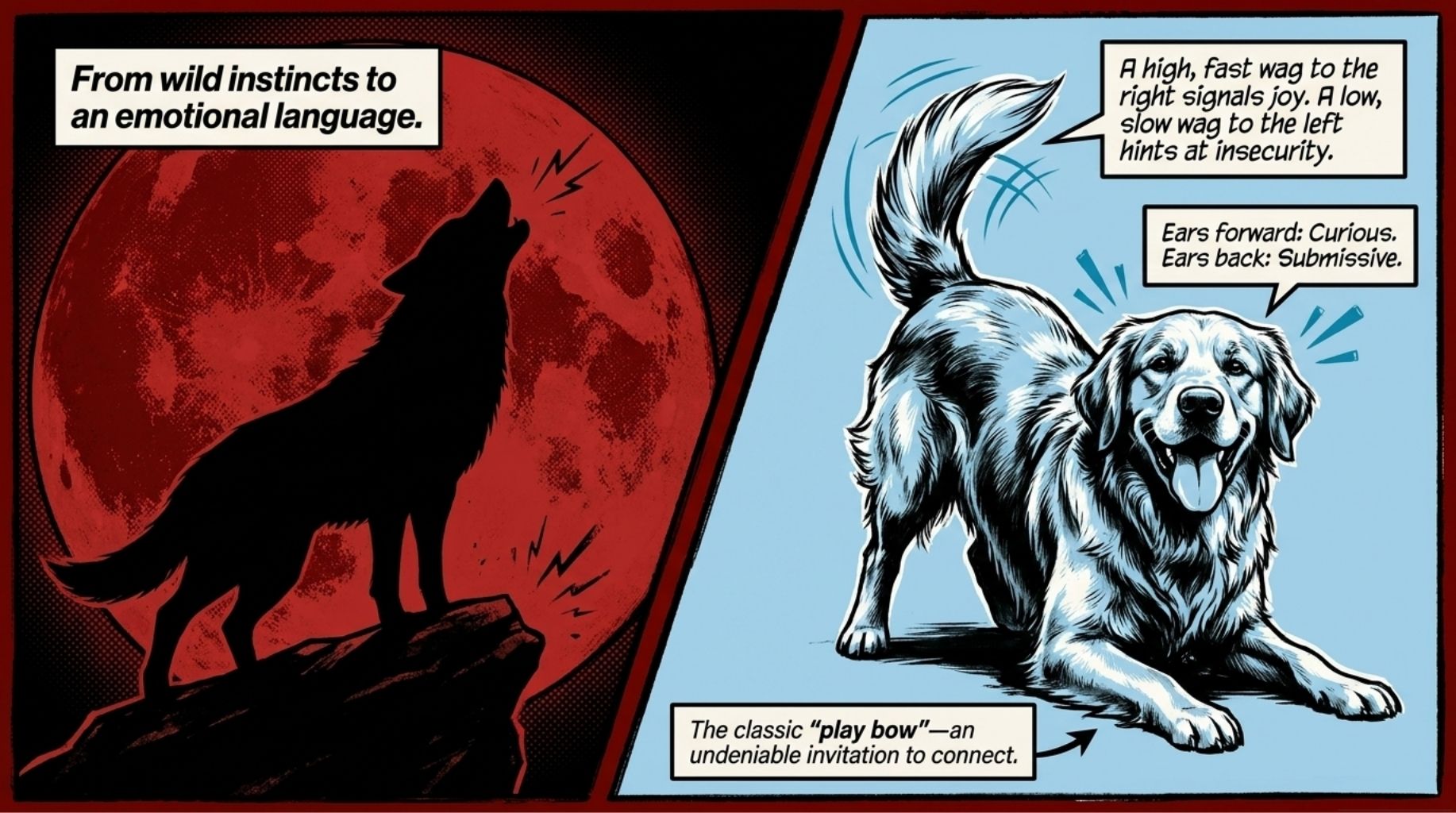
A high and fast wag typically indicates excitement or happiness. A slow wag, especially held low, suggests insecurity or submission. The direction of the wag also plays a role. Dogs often wag their tails to the right when feeling positive. They wag to the left when feeling negative.
Ear positioning is equally important. It provides significant insight into emotional state. Ears held erect and pointed forward signify alertness or curiosity. When dogs pull their ears back against the head, can indicate fear or submission. Understanding these subtle differences aids in assessing comfort levels.
The Funny Expressions That Dogs Are Making with Their Faces Usually Speak to Us
Facial expressions further enrich the language of dogs. A relaxed jaw and slightly open mouth indicate contentment. A tight jaw and showing of teeth denote aggression or stress. Dogs often exhibit a “play bow.” They lower their front legs and keep their rear end elevated. This gesture is a clear invitation to play. It reveals a dog’s friendly demeanor.
A dog’s eyes add depth to communication. Soft, relaxed eyes typically signal comfort and relaxation. Wide, staring eyes indicate fear or a challenge. Recognizing these signals fosters better understanding between humans and dogs. It allows us to interpret their feelings more accurately. Being attuned to dog body language helps build a stronger bond.
THE SCIENCE OF DOG EMOTIONS
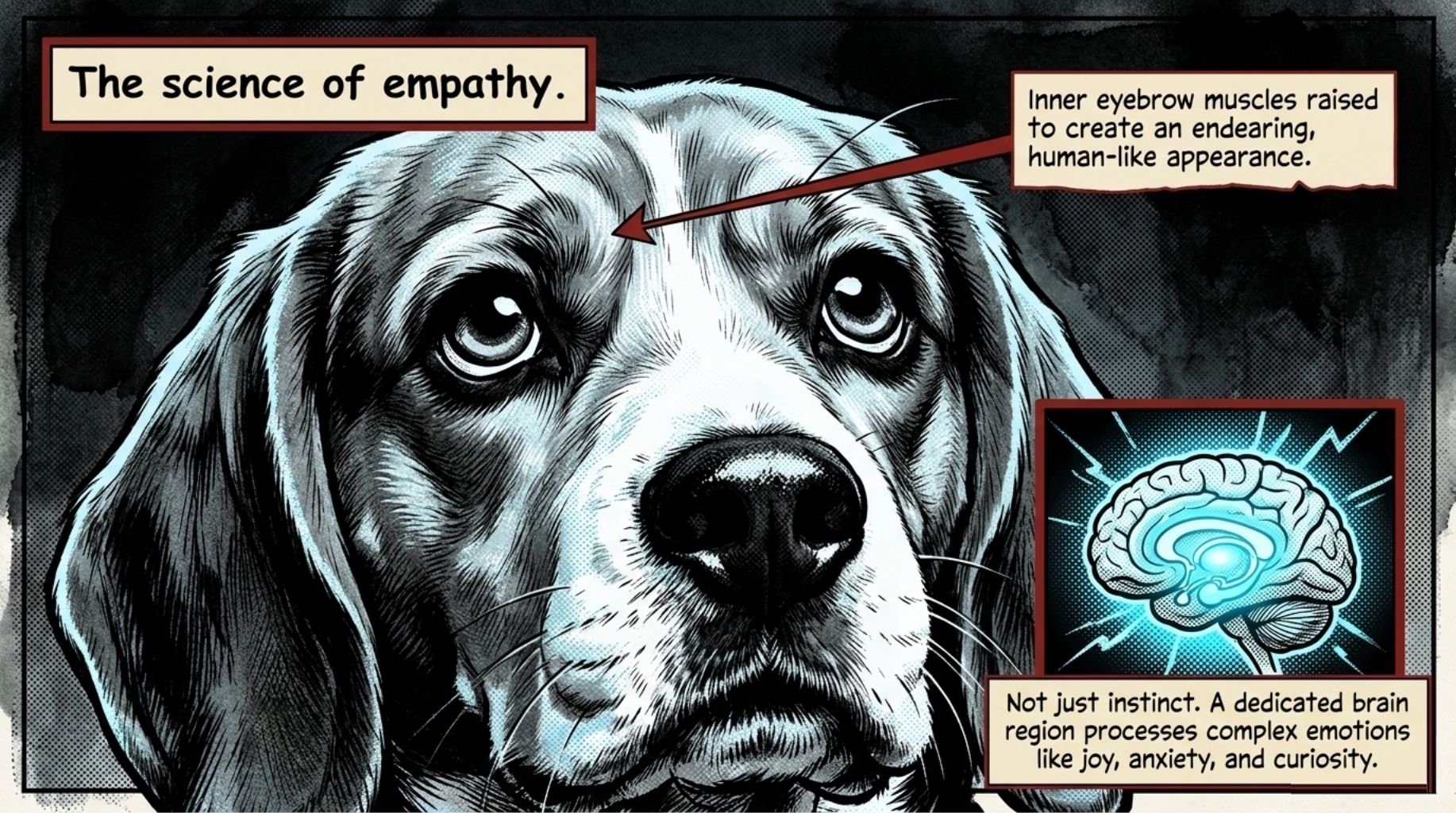
The emotional landscape of dogs interests researchers increasingly. Pet owners and animal behaviorists also share this interest. Dogs experience a range of emotions. These include joy, curiosity, excitement, and even anxiety. Understanding these feelings is crucial. It enhances the human-animal bond. It also helps provide optimal care for our furry friends.
The Big Puppy Eyes
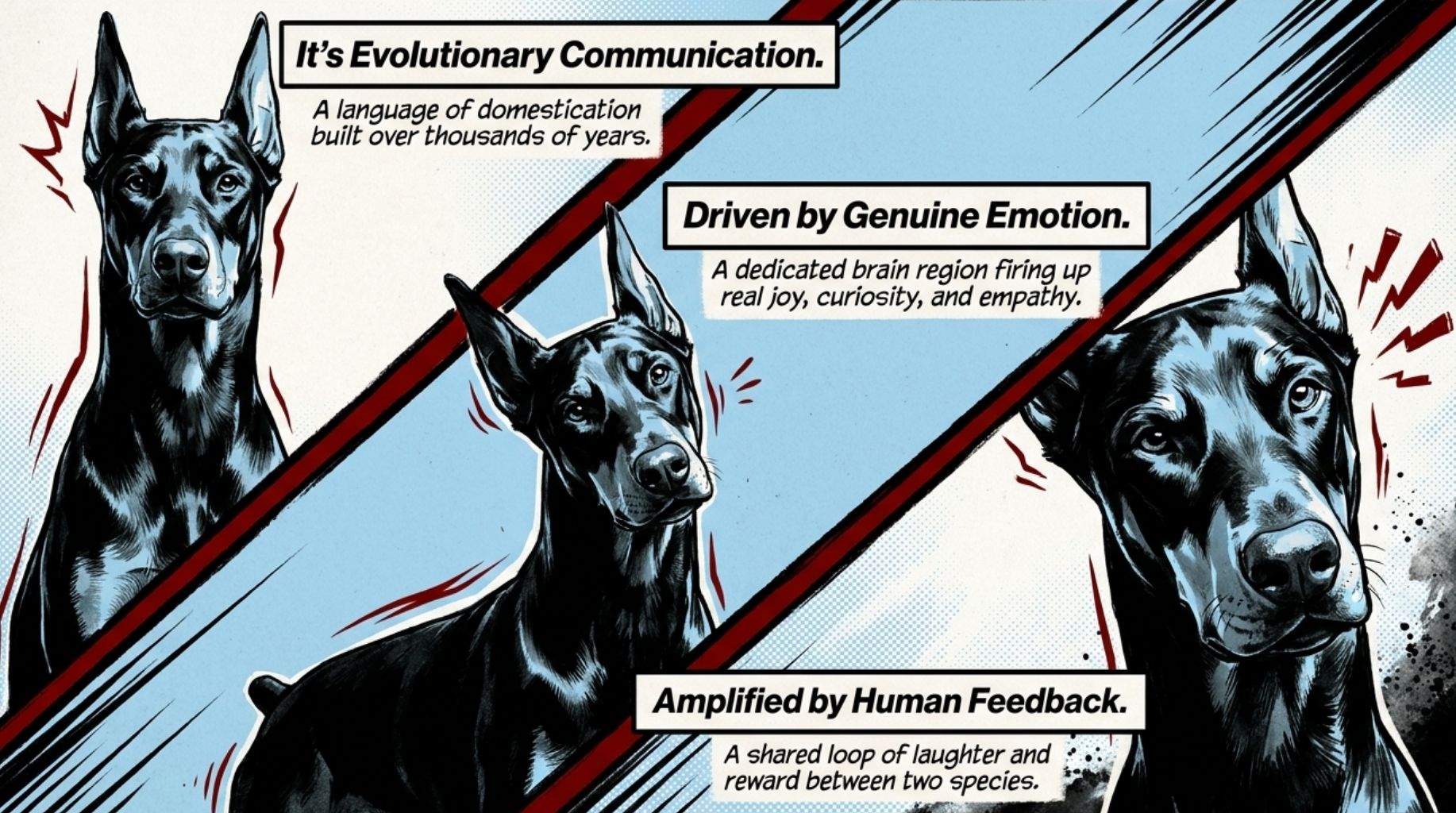
Studies show that dogs exhibit complex emotional responses. These responses are similar to those of humans. When dogs see their owners after separation, they display overt signs of joy. These signs include wagging tails and excited jumping. They also show unique facial expressions that indicate happiness. Research indicates that dogs have a brain region for processing emotions. This suggests their capacity for feeling extends beyond basic instincts.
Recent findings illuminate how dogs communicate emotional states. Dog facial recognition can reveal various feelings. For example, consider the “big puppy eyes” effect, where dogs raise their inner eyebrows. This creates a more endearing appearance. It elicits empathy from humans. This expression may indicate a desire for attention or affection. It showcases the depth of their emotional intelligence.
Dogs Making Funny Faces Are Genuine Reflections of Their Feelings
Curiosity is another prominent emotion in dogs. It often manifests in playful interactions and exploratory behaviors. When encountering new stimuli, dogs may tilt their heads. They may also perk up their ears. This indicates engagement with their environment. The excitement during playtime reflects a joyful emotional state. It prompts them to engage in various antics.
These antics often lead to amusing facial expressions. Understanding the science of dog emotions enriches our interaction with them. The facial expressions they display are genuine reflections of their feelings. They reveal the intricate emotional world that dogs inhabit.
COMMON SCENARIOS FOR THE FUNNY FACES THAT DOGS ARE MAKING
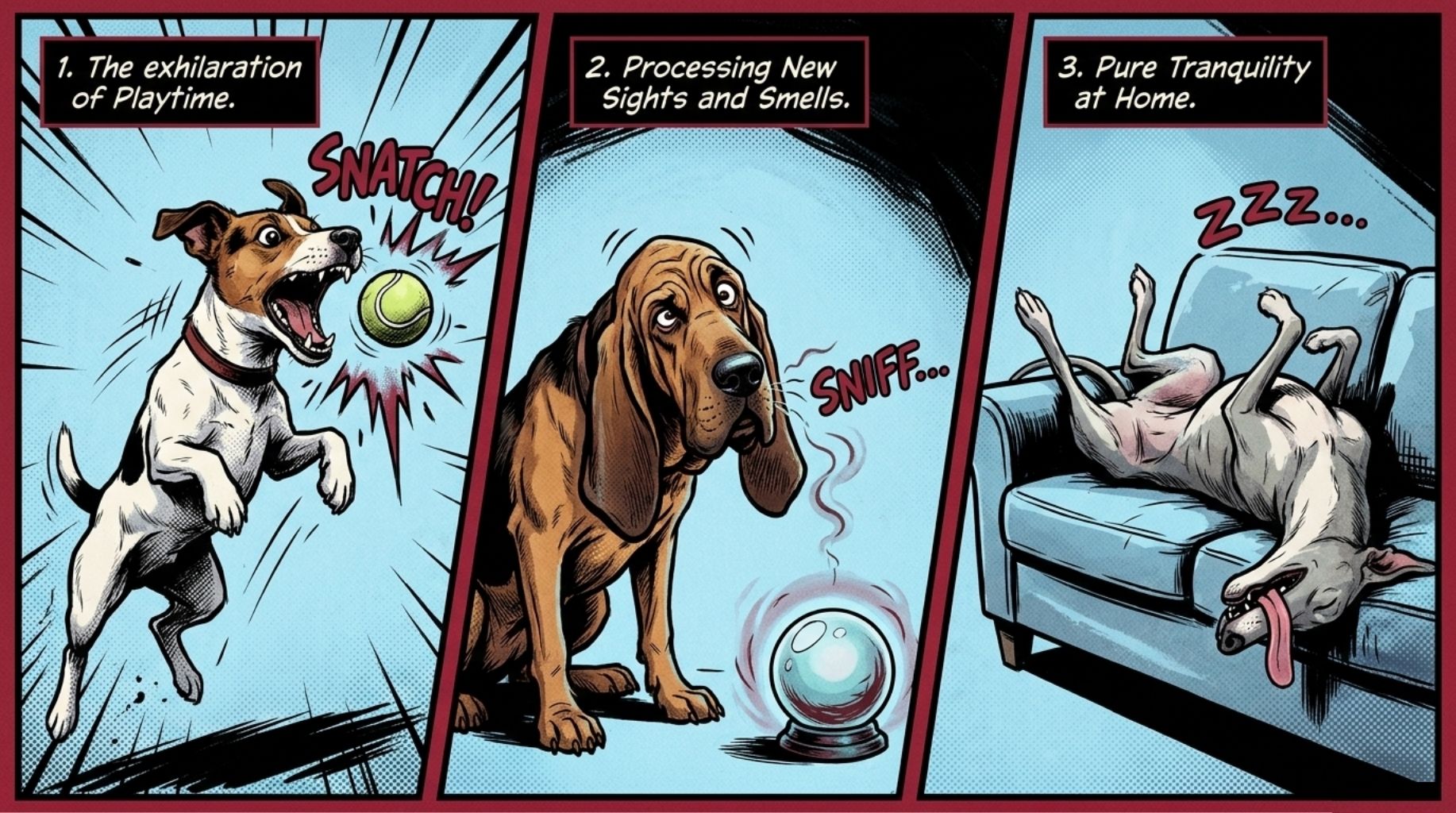
Dogs are known for their expressive personalities. The funny faces they make often emerge in various daily scenarios. There are three scenarios where you can see these silly expressions. They always light up our mood.
Dogs are Making Funny Faces During Playtime
One common situation is during playtime. Dogs engage in playful antics. Their emotions are vividly displayed on their faces. When a dog plays fetch and excitedly retrieves a toy, it may showcase a wide-eyed look. This combines with an open mouth. It seems to carry a joyous grin. This moment captures the pure exhilaration of the game. It invites laughter and camaraderie from their human companions.
Dogs Are Making Funny Faces for New Sights or Smells
Another scenario prompts funny faces in dogs. This happens when they encounter new sights or smells. Dogs are naturally curious creatures. Their reactions to unfamiliar stimuli can be quite entertaining. Upon discovering a strange object or new aroma, many dogs raise their eyebrows. They tilt their heads.
This creates an adorable and bewildered expression. Such moments often lead to humorous anecdotes among pet owners. They observe their dogs processing novel experiences. These funny faces reflect their personalities. They also highlight their unique ways of exploring the world.
Dogs Are Making Funny Faces When Relaxing at Home
Furthermore, dogs make funny faces when relaxing at home. They lounge on the couch. They sprawl out on a sunny spot in the yard. Many dogs adopt an array of expressions that elicit smiles. A dog’s face may relax and take on a peaceful, content look. Sometimes a tongue lolls out in pure bliss.
These moments of tranquility contrast sharply with their playful demeanor. They illustrate the duality of a dog’s character. Overall, whether engaged in play, exploring, or relaxing, dogs frequently exhibit funny faces. These delight and entertain their human companions.
THE ROLE OF HUMAN INTERACTION
The relationship between humans and dogs is profound. It is often characterized by a unique form of interaction. This significantly influences dog behavior and expressions. Dogs are naturally attuned to human emotions. They exhibit an ability to read facial cues and body language. This sociable nature allows them to mirror the feelings of their human companions. This can manifest in amusing and comical facial expressions.
Dogs And Humans Can Communicate Emotions Without Words
Research indicates that dogs possess an innate capacity to empathize with people. They are adept at interpreting human emotional states. This mirroring phenomenon often results in dogs displaying similar expressions. They mirror those exhibited by their owners.
For instance, when a person smiles or laughs, a dog might respond with an excited demeanor. It showcases a funny face that reflects happiness. Such interactions bolster the human-animal bond. They highlight a mutual understanding.
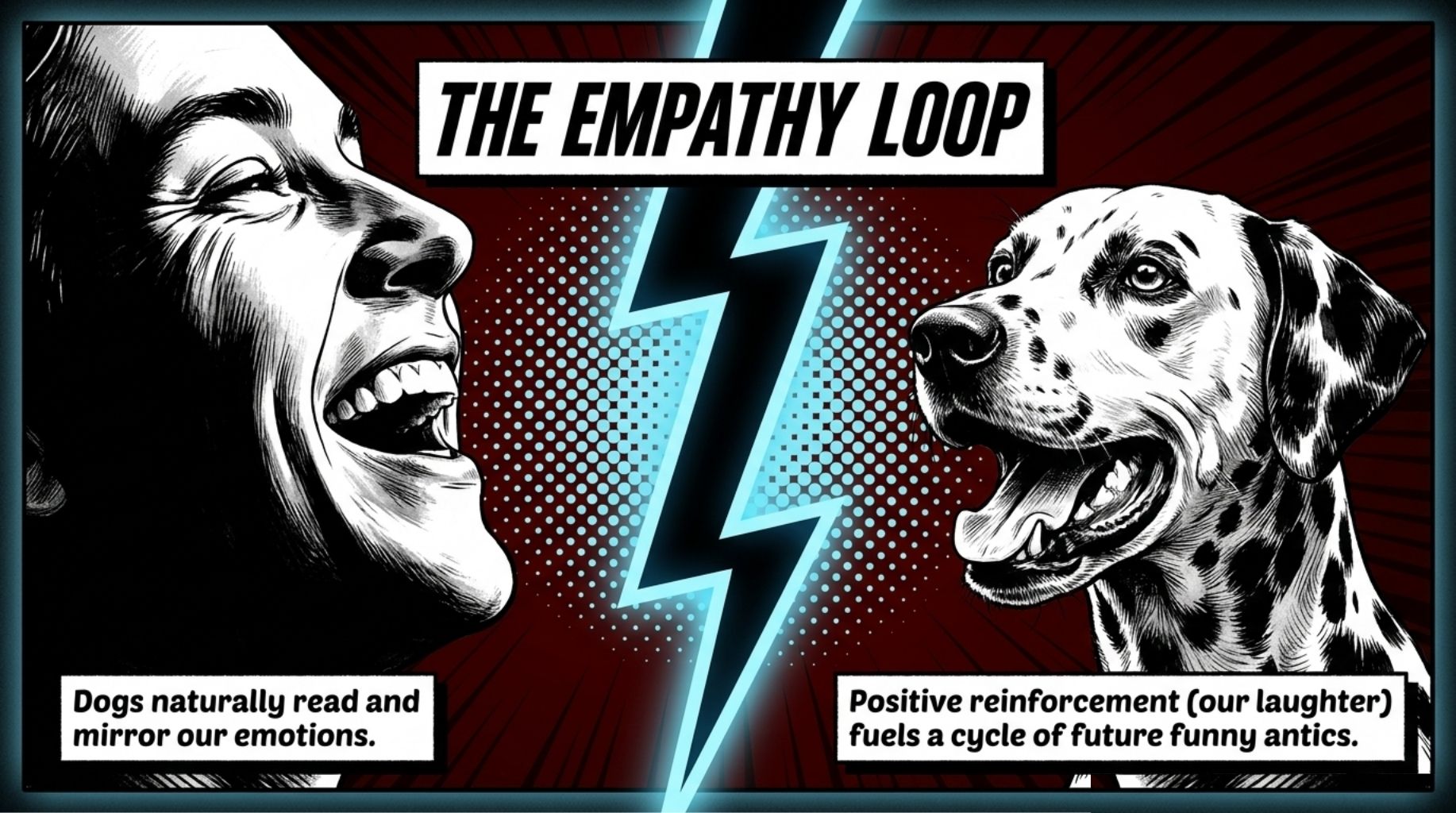
Dogs and humans can communicate emotions without words. Furthermore, positive reinforcement plays a crucial role in shaping a dog’s behavior. When owners encourage specific actions through treats or praise, dogs are more likely to replicate these behaviors. This leads to the development of funny antics.
🐾🐾🐾
For example, if a dog receives a reward for tilting its head while its owner laughs, it may continue to repeat this behavior. This creates a cycle of amusing expressions. It is fueled by human response. This dynamic not only entertains but also strengthens the bond between pet and owner. It reinforces that dogs are valued family members. They thrive on social interaction.
🐾🐾🐾
Why Do We Find It Funny When Dogs are Making These Faces?
We can attribute our humor to several psychological factors. These underline the bond between humans and these animals. Laughter often arises from surprise or incongruity. This can be seen in the amusing faces dogs make. Their exaggerated expressions, such as tilted heads or droopy eyes, create a sense of peculiarity. This catches our attention and elicits laughter.
This phenomenon also relates to anthropomorphism. Humans attribute human-like qualities to animals. When dogs make funny faces, owners easily perceive them as displaying human-like emotions. This enhances the humor of the situation. Moreover, these interactions foster a deeper connection between humans and dogs.
Dogs Making Funny Faces Is a Significant Component in The Dynamics of Affection
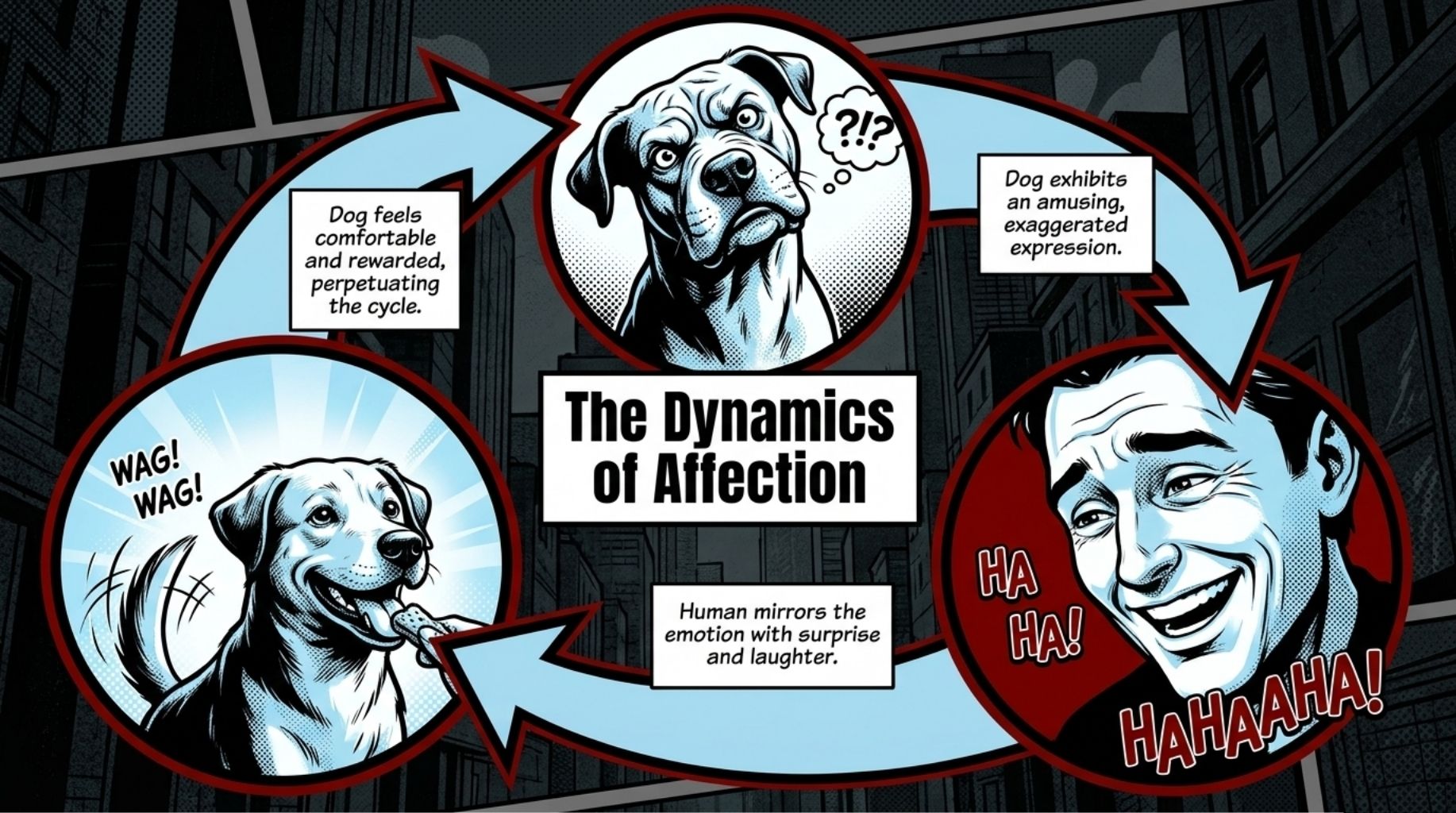
Studies show that shared laughter, even directed at animals, can strengthen the emotional bond. The joy from these light-hearted moments contributes to well-being for both parties. Additionally, dog facial expressions serve as emotional cues. They allow owners to understand their pets better. This understanding culminates in more playful interaction.
Laughter ensues naturally. It reinforces the joyous facets of companionship. Furthermore, playful interaction often results in a positive feedback loop. The laughter elicited by dog antics often makes the animal feel more comfortable. This encourages them to exhibit even more humorous expressions. As a result, owners are consistently rewarded with amusing moments.
This perpetuates a cycle of joy in the human-dog relationship. Such interactions highlight the importance of humor. Observing dogs making funny faces is not just amusing. It is a significant component in affection and companionship dynamics. The blend of surprise, anthropomorphism, and emotional bonding contributes to our delight in the comical faces of dogs.
DOGS FUNNY FACES: WHAT IS MAKING THEM SPECIAL?
Dogs possess a remarkable ability to express emotions through their faces. This leads to amusing and endearing moments. These “funny faces” stem from individual characteristics. They also come from innate physical traits that enhance expressiveness.
The Famous Sad Puppy Face
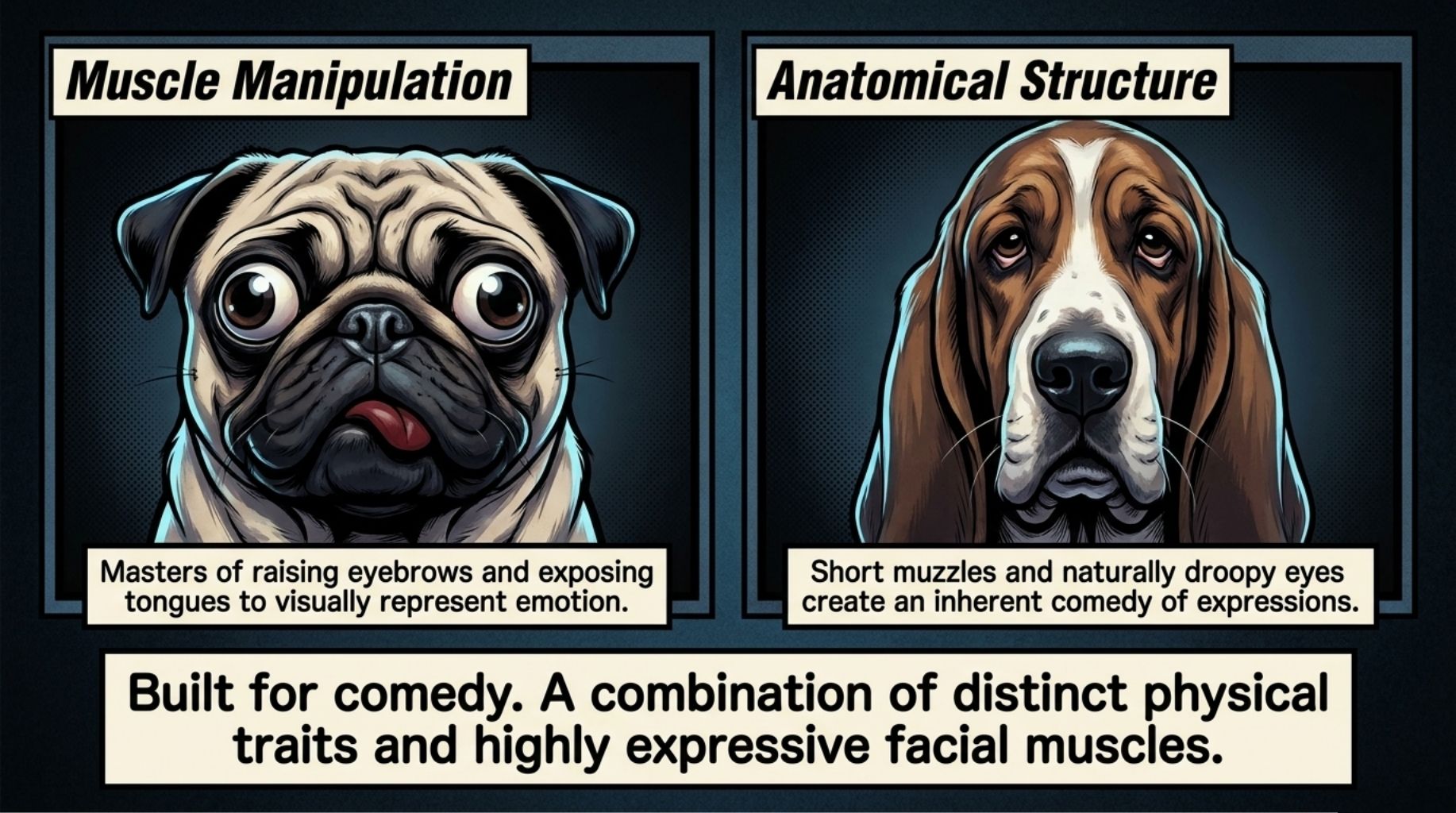
One key element is the structure of a dog’s face. Breeds like Pugs, Bulldogs, and Basset Hounds have distinct facial features. These include short muzzles and droopy eyes. They naturally create a comedy of expressions. The classic “sad puppy face” is a prime example. Another significant aspect is the muscular makeup of their faces.
Similar to humans, dogs have facial muscles. These allow them to manipulate their facial expressions effectively. For instance, when a dog raises its eyebrows, it can appear curious or pleading. This is often met with laughter or affection from human companions. This muscle manipulation, combined with head tilts and tongue exposure, creates visually amusing representations of emotions.
Humorous and Expressive
Additionally, context plays a vital role in the funny faces. These expressions are often amplified during play. They also intensify when receiving attention from owners. This leads to exaggerated facial movements. These are both humorous and expressive.
Scientists suggest that these expressions may have evolved as communication. They help dogs showcase happiness, loneliness, or excitement. In comfortable situations, dogs exhibit carefree behaviors. These further amplify their funny faces. They solidify the strong bond with human counterparts.
Through physical traits, muscle movements, and contextual factors, dogs create a repertoire of funny faces. These evoke smiles and laughter in observers. This inherent ability deepens the connection between dogs and humans. It enriches our shared experiences and mutual affection.
SCIENTIFIC INSIGHTS AND REAL STORIES
A Tiny Muscle That Melts Your Heart
A 2019 study found that dogs evolved a special eyebrow muscle that wolves do not have. This little muscle lets them lift the inner brow. It makes their eyes look bigger and more baby-like. When dogs do this, people feel a strong urge to care for them. That “puppy dog eyes” look is a real trick that worked through thousands of years.
Faces Only for You
In a 2017 study, scientists watched dogs when a human faced them and when a human turned away. The dogs made twice as many facial expressions when someone was looking. They stuck out their tongues and raised their brows much more. This shows that dogs really do use their faces to chat with us. They save their best silly faces for an audience.
A Grin That Saved a Life
A bulldog mix named Mugsy sat in a shelter for weeks. His underbite made his jowls puff out in a constant grumpy pout. A volunteer snapped a photo of his sour face and shared it online. People fell in love with his “old man” frown. The post went viral, and Mugsy got over 200 adoption requests. His funny face found him a warm home.
EMBRACING THE QUIRKS OF OUR DOGS
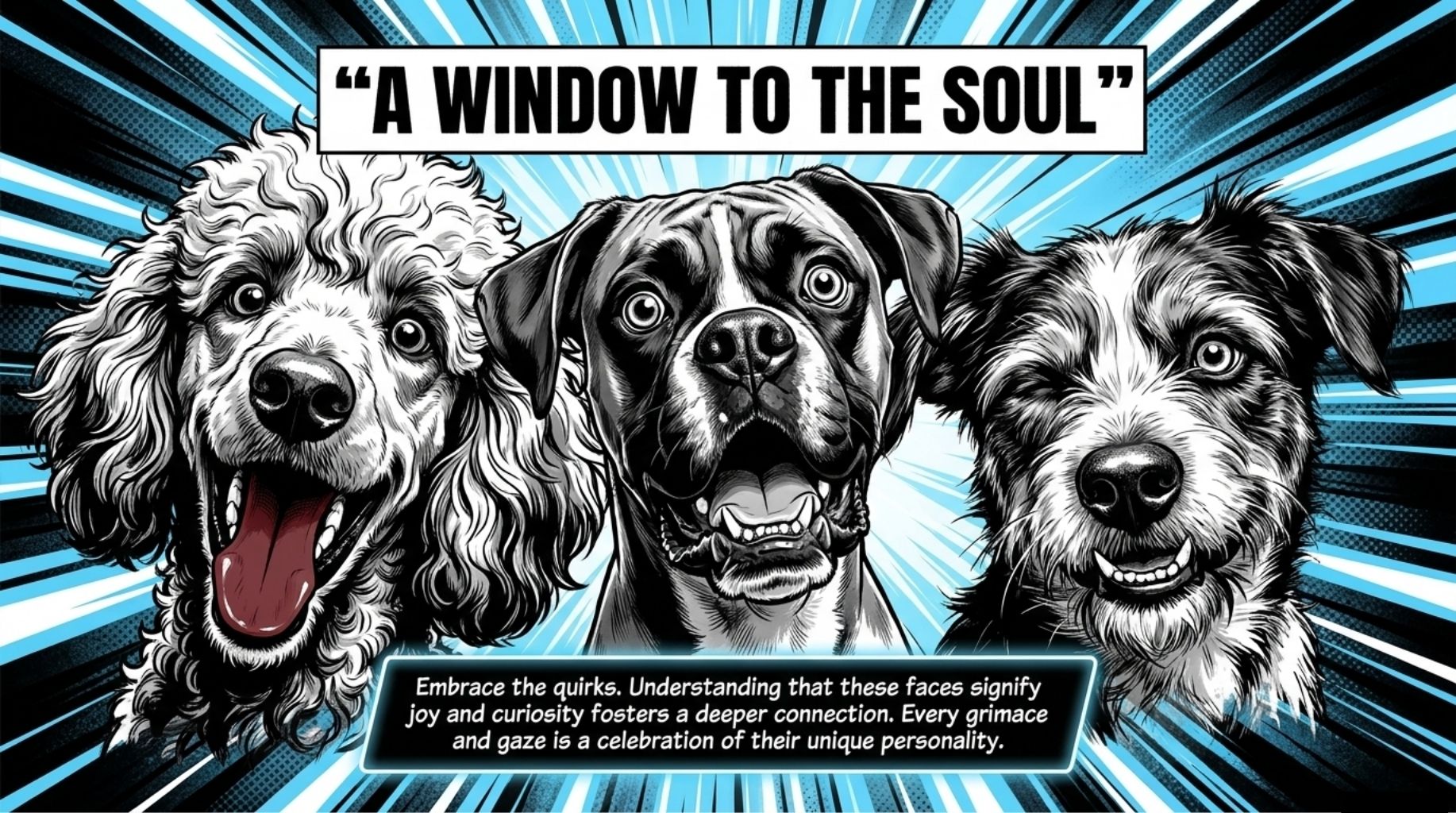
In exploring dog behavior, we have uncovered essential insights. We focused on the phenomenon of dogs making funny faces. These amusing facial expressions are more than entertaining. They serve as a window into the emotional lives of our furry friends.
Enjoy in the Mystery of Your Dog’s Humor
Dogs often use their facial muscles to convey emotions. These include excitement, curiosity, or even confusion. These expressions engage us as pet owners. They also deepen the bond we share with our pets. Understanding that funny faces can signify contentment or joy highlights the importance of being attuned to their needs.
This awareness fosters a more satisfying relationship. It ultimately leads to happier lives for both parties. Moreover, by embracing the quirky traits of our dogs, we celebrate their individuality. Each hilarious grimace or expressive gaze testifies to our dogs’ personalities. These remind us of the joy they contribute to our everyday experiences.
🐾🐾🐾
Discover why dogs are the best comedians: Do dogs have a sense of humor?
🐾🐾🐾
Charming Quirky Behaviors from Delightful Creatures
The laughs and smiles elicited by these quirky behaviors serve as a reminder. We should appreciate those fleeting moments. These encapsulate the essence of sharing our lives with such delightful creatures. In short, the funny faces our dogs make are not merely entertainment. They are important expressions of unique personalities and emotional states.
By recognizing and appreciating these moments, we can foster a deeper connection with our dogs. We celebrate the charming quirks that make them special family members. In reflecting on this captivating subject, we recognize our furry friends’ multifaceted nature.
As explored throughout this article, these amusing faces are more than mere expressions. They encapsulate a range of emotions and thoughts. These contribute to the unique bond shared between humans and dogs. The joy that dogs bring into our lives is mirrored in their funny facial antics. These become a source of happiness even in our mundane routines. Their gestures often elicit smiles and laughter unexpectedly. This highlights the positive effects of canine companionship.
FREQUENTLY ASKED QUESTIONS (FAQS)