
Every dog owner wants to feed their pup just right, not too much, not too little. That perfect balance starts with knowing your dog resting energy requirement, the baseline calorie burn that keeps your dog healthy while at rest. Once you understand this simple number, you can build a daily feeding plan that supports energy, weight, and a long, happy life.
“Your dog lies flat in a sun spot. He does not twitch a paw. Yet his frame still burns fuel. That burn is the dog resting energy requirement. This guide shows you how to feed him just right.”
Fuel Lab: Dog Metabolic Calculator →
Calculate your dog’s unique Resting Energy Requirement (RER) and daily hydration targets.
Key Takeaways
- A dog resting energy requirement is the burn at full rest.
- Add more for play and walks to get the day’s needs.
- Watch for dull fur and slow steps as low fuel signs.
- Meal times can keep a dog calm and well.
- New science helps you pin down the right amount.
Quick Summary About The Dog Resting Energy Requirement!
This guide unlocks the mystery of your dog’s resting energy needs. You will learn how many calories your canine buddy truly requires, spot sneaky signs of low energy, set a smart feeding schedule, and pick the best foods for weight control. Plus, we share the latest science so you can keep every tail wagging strong.
Listen to the Episode by The Bark Brigade Podcast About Calculating Your Dog’s Resting Energy Requirement!
WHAT IS A DOG RESTING ENERGY REQUIREMENT?
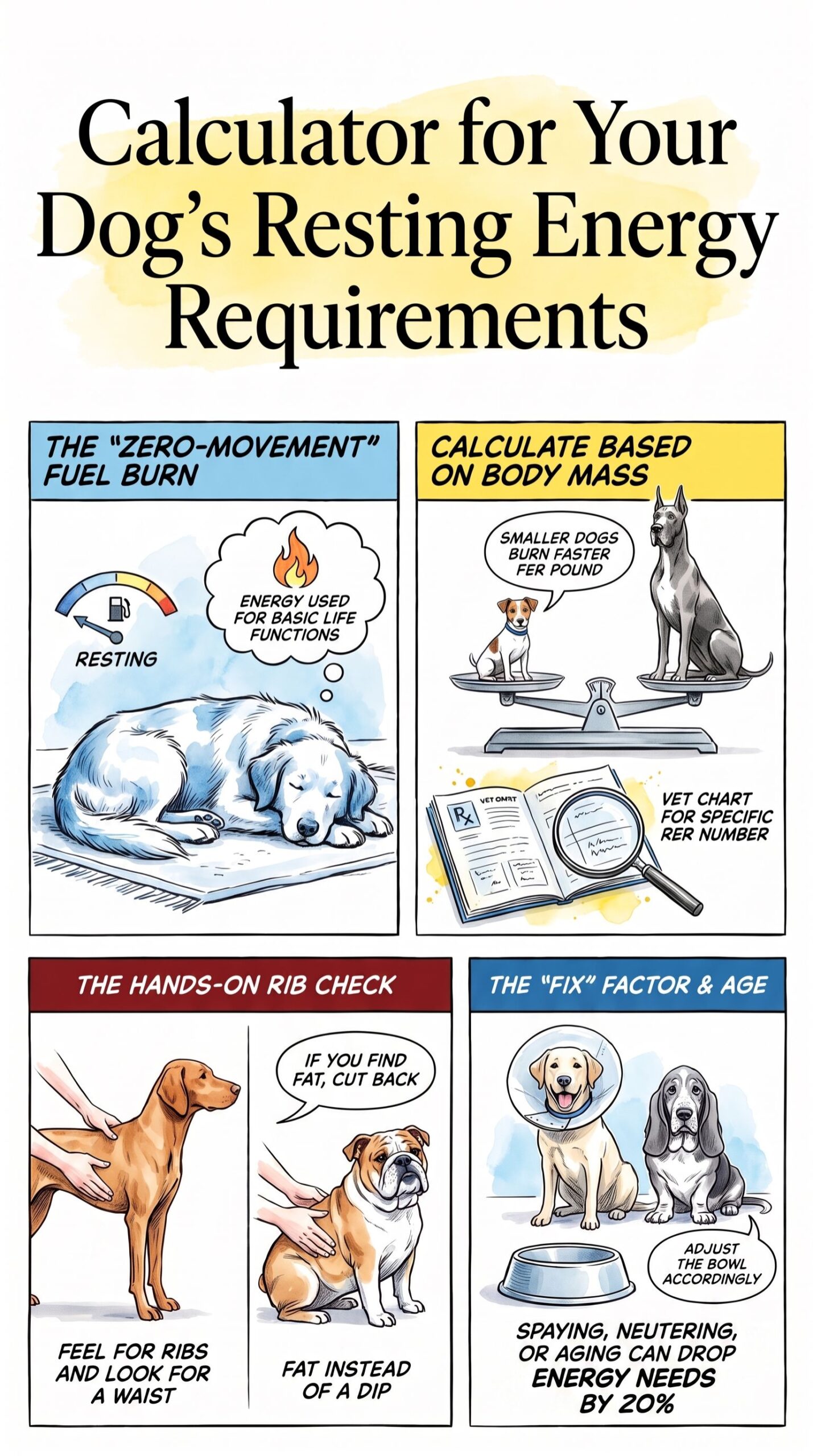
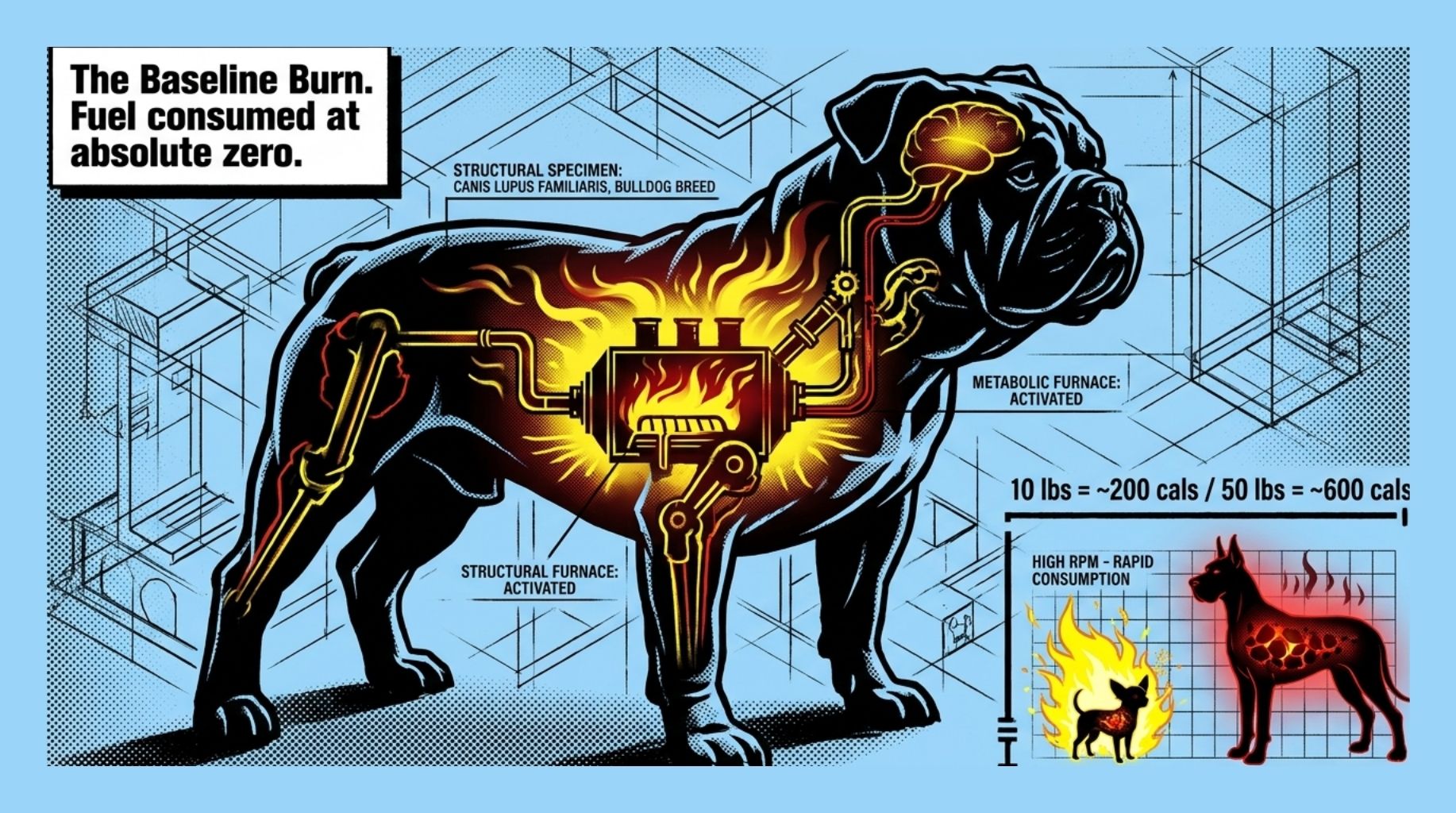
Think of your dog’s resting energy requirement as the power needed just to keep the lights on. Your dog has a rest need. Vets call it the dog resting energy requirement. It is the burn when your dog is still. You use it to plan all his meals.
How Much Resting Energy Is Normal?
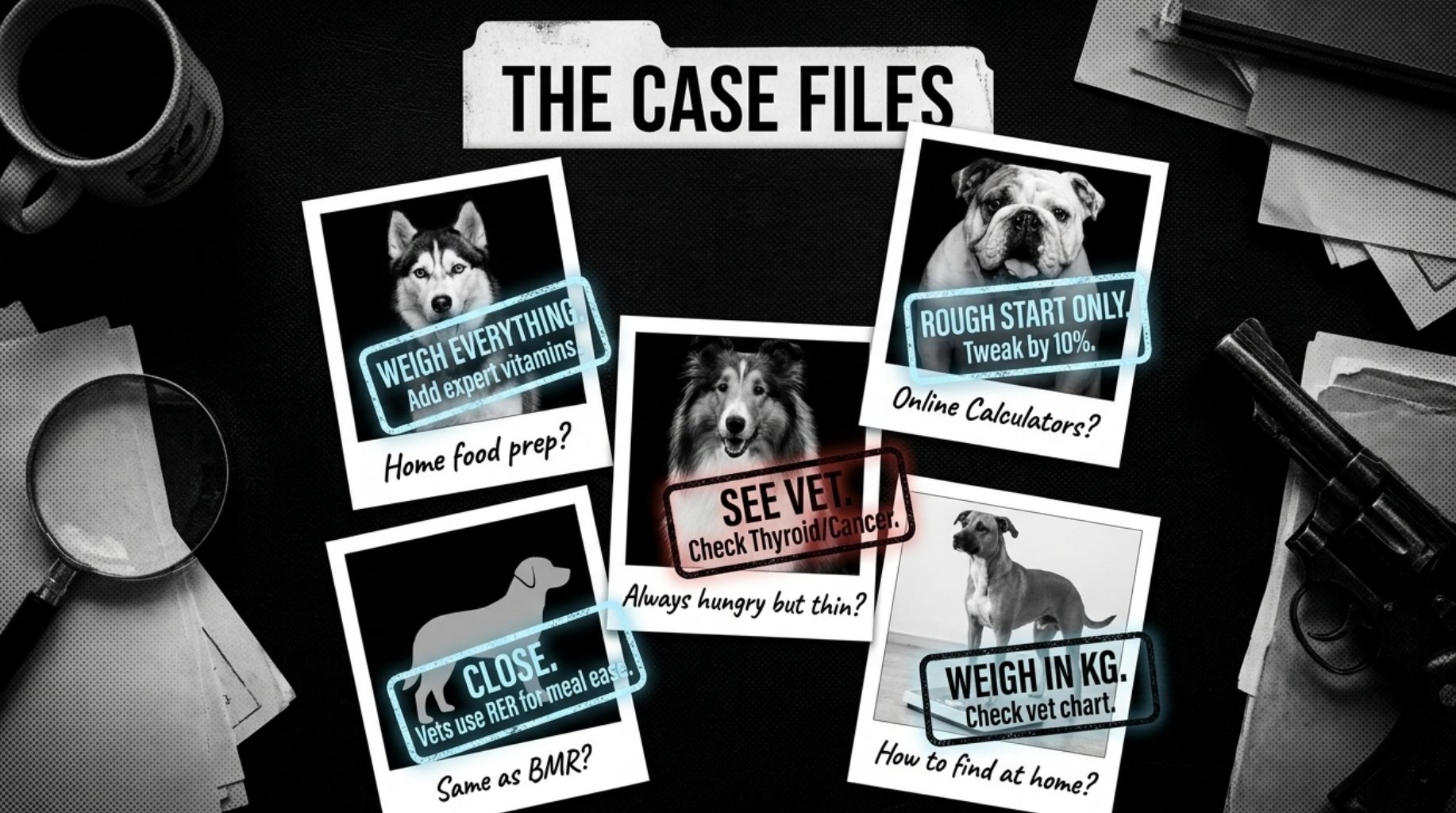
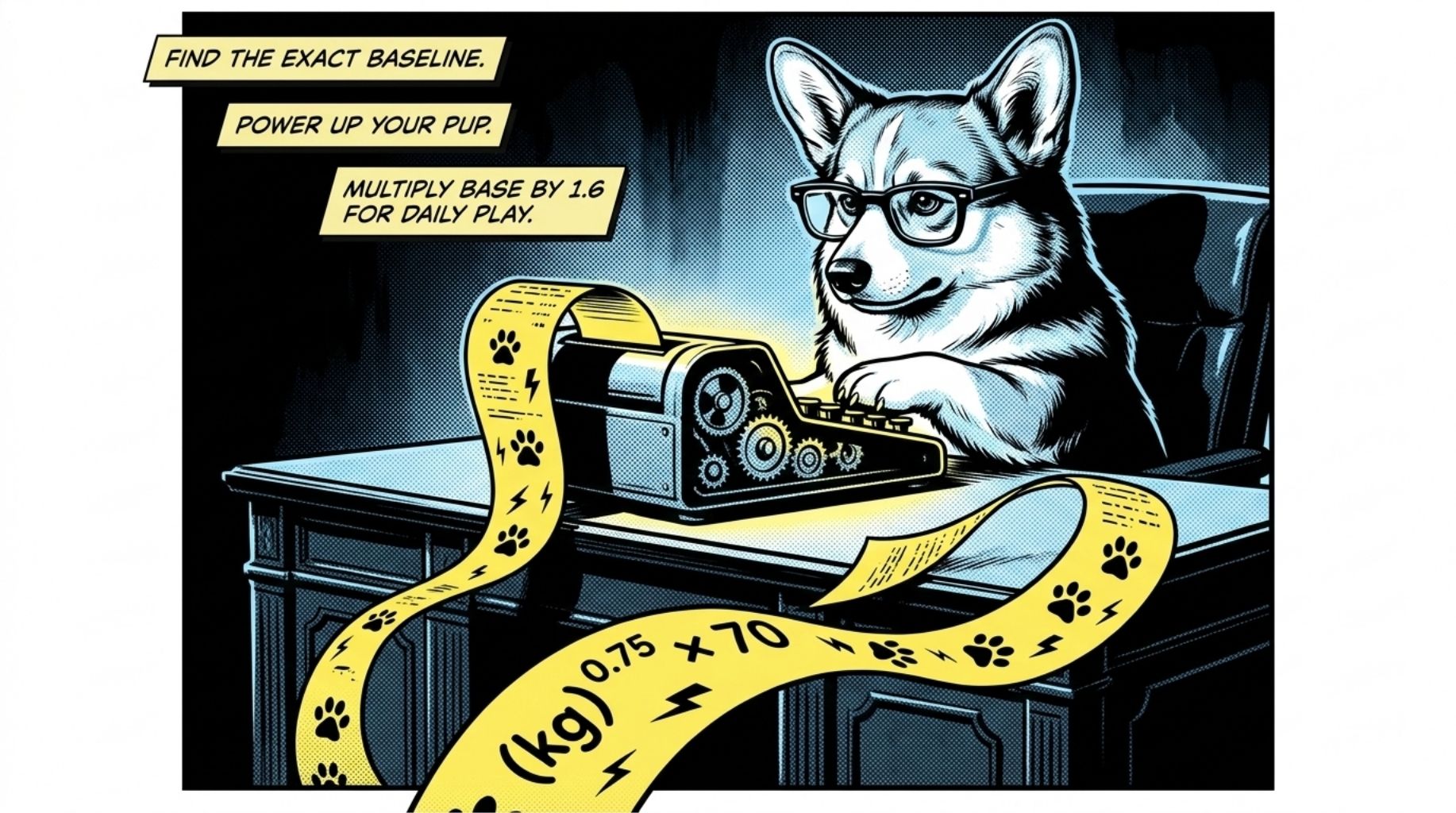
A small dog needs less rest fuel. A big dog needs more. The need is not a flat line. It bends with weight and breed. You can get a close guess with a vet chart. A small 10 kg dog needs near 400 calories a day. A big 40 kg dog needs clear 1,100 calories a day. Small dogs burn more food per pound than big dogs. Their tiny bodies lose heat fast. This means weight does not scale in a straight line. Most standard pets must multiply this base by 1.6. This extra food helps them walk, play, and run through the day.
How a Dog Resting Energy Requirement Changes with Size
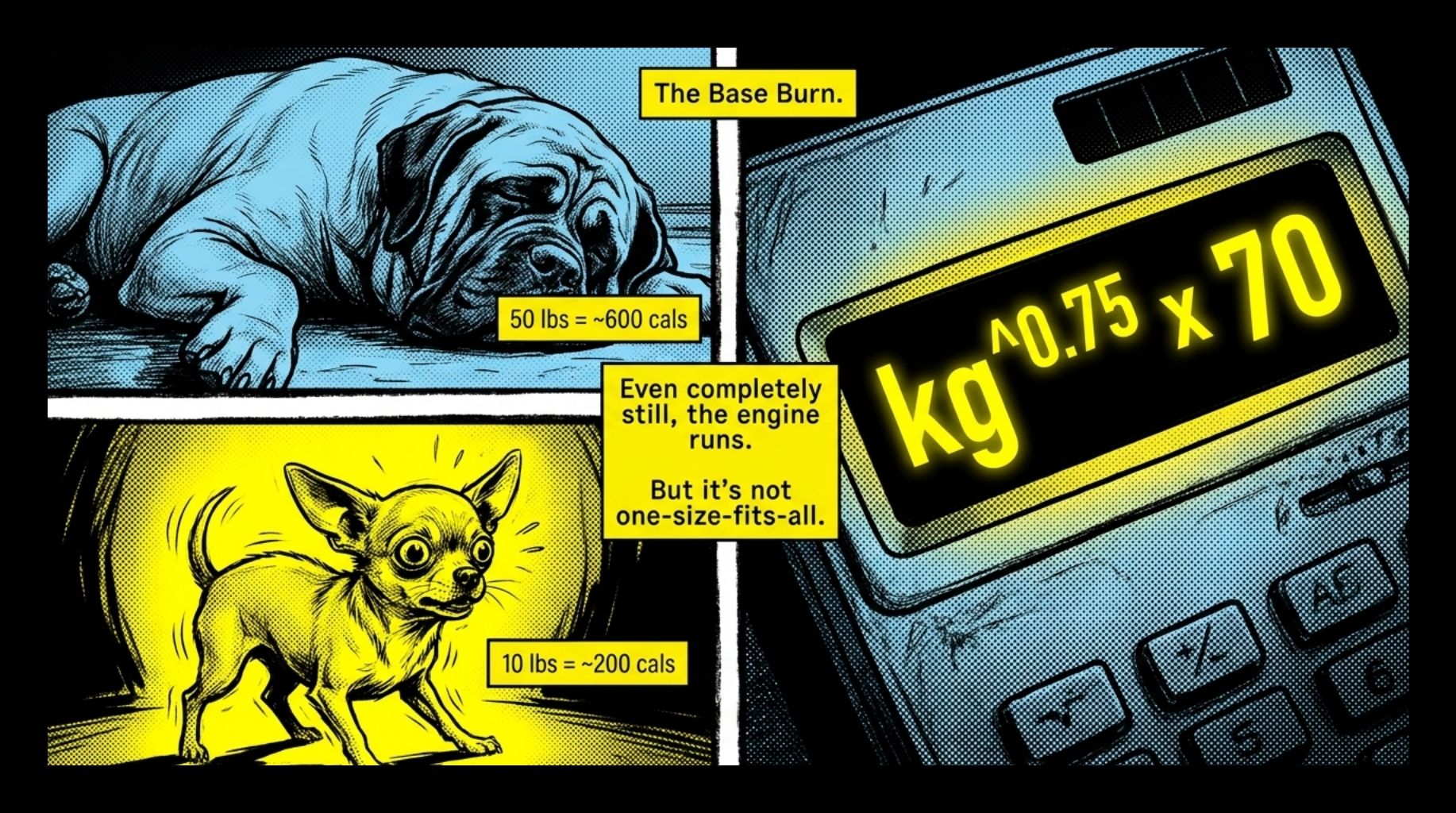
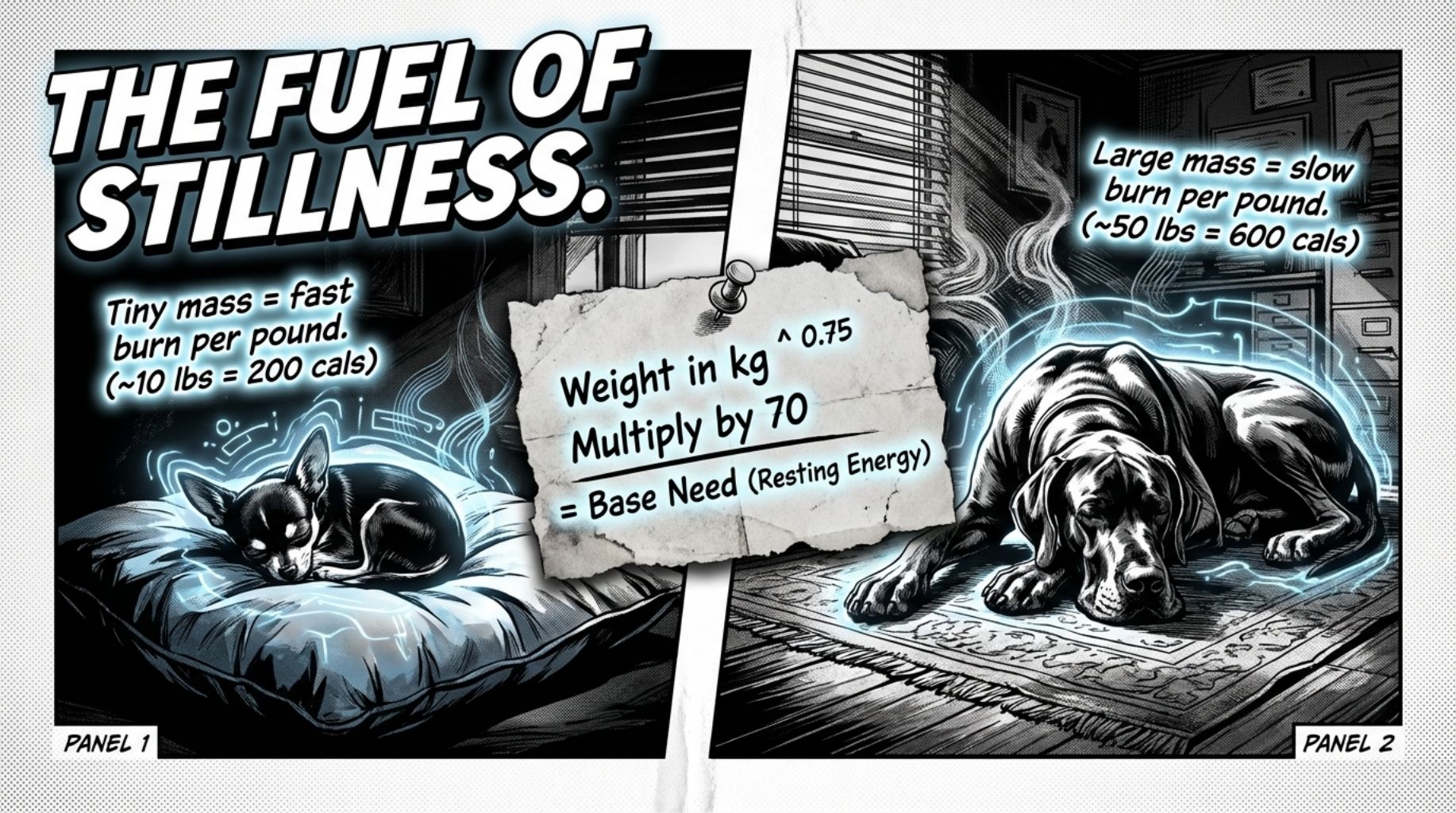
A tiny dog burns fast per pound of mass. A large dog burns slow per pound. So the dog resting energy requirement is not one size fits all. You must use a pet’s weight to find the right sum. A ten-pound dog may need two hundred cals at rest. A fifty-pound dog may need six hundred cals. That shows the math at play.
Base energy is just a sleep number. Daily needs add extra fuel on top. This fuel is for walks, play, and food. Vets use a simple tool to match your pet’s life. A lazy dog needs less food. A fast sport dog needs a lot more food. Good math stops you from feeding too much. It keeps your dog fit.
A dog’s food needs can change. Heat, cold, stress, and health all play a part. The base energy number stays steady. It just keeps the body safe. You will see changes after a vet fix. Some busy dogs burn food fast. Start with the sleep number. Then add more on top. This makes a great plan.
The Simple Math for a Dog Resting Energy Requirement
Vets take the dog’s weight in kilos. They raise it to the point seven five power. They times that by seventy. This gives the dog resting energy requirement in cals per day. It sounds tough but a chart makes it fast. You can find the need for your own pup. Ask your vet for a quick list. This gives you the sleep number.
This number is just for heart and lung health. It does not pay for a single tail chase. You can use that base number for real meals. A busy dog needs more food. A nursing dog might need three times the base. She needs extra fuel to make milk. You just multiply the sleep number. Then read the food bag. This simple dashboard takes all the mystery out of the bowl puzzle.
WHAT YOUR DOG RESTING ENERGY REQUIREMENT TELLS YOU
This base need can point to health clues. A drop may mean a sick pup. A rise may mean a fast burn.
Signs Your Dog Resting Energy Requirement Is Too Low
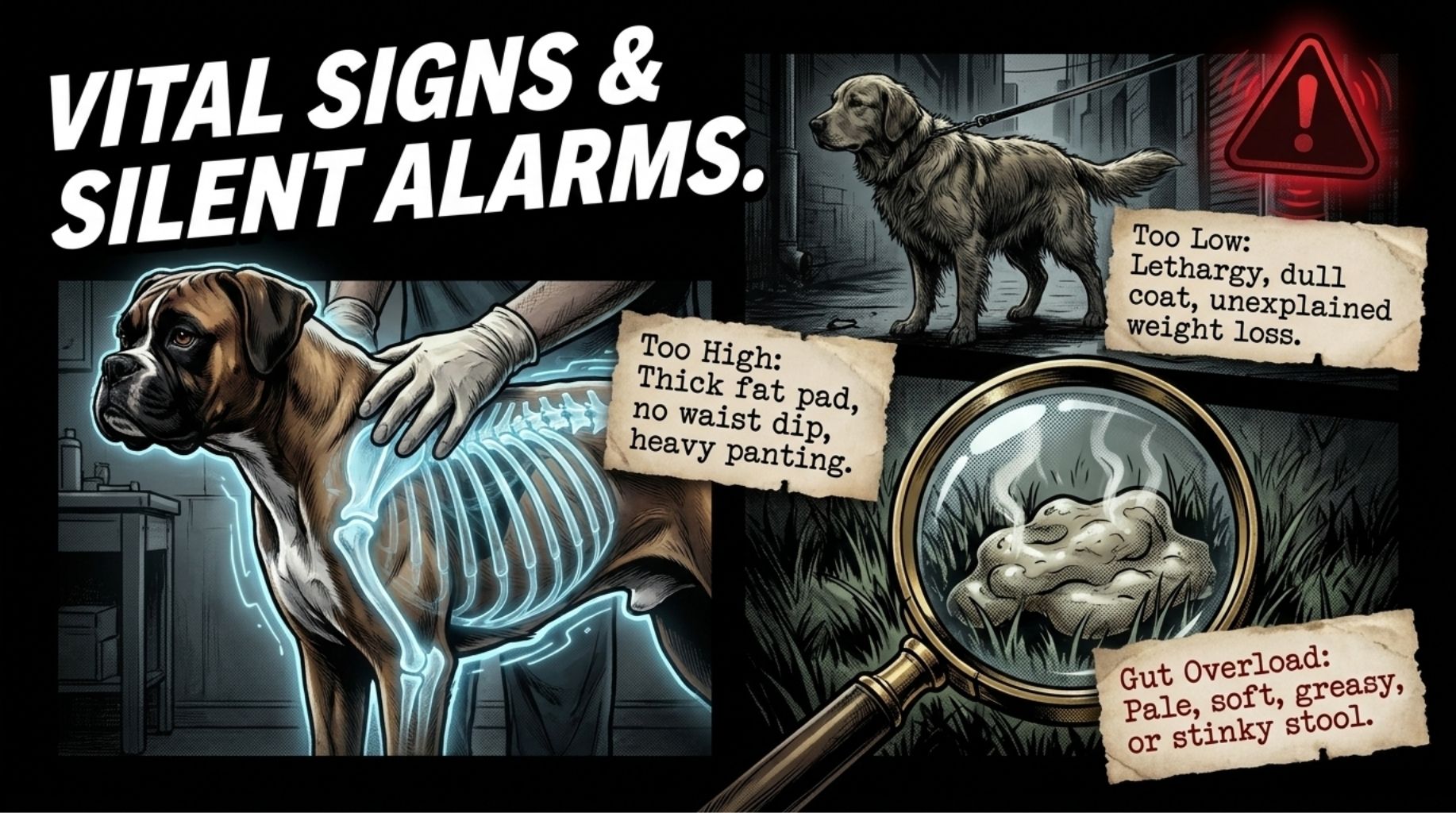
A sleepy dog who just yawns all day may have a base burn that is too low. You will see long naps and a slow plod on walks. The coat can turn dull and flaky like old straw. Weight may drop even though the food bowl stays the same. This dog resting energy requirement slump needs your fast care.
Low energy can also fog up your dog’s bright mind. A toy that once caused zoomies in your dog, now sits ignored. Your pup might shiver in a warm room because the body makes less heat. Muscle loss along the back legs can show up next. These signs all beg for a vet visit to check the thyroid and blood. A quick fix can bring back the old sparkle.
How to Tell If You Feed Your Dog Too Much?
Too much food makes thick fat. This fat hides the base energy number. Look down at your pet. A straight shape from ribs to hips is a big red flag. Ribs should feel like the back of your hand. They should sit under a thin skin layer. If you must press deep, your pup is too heavy.
Your heavy dog will show clear signs. The pup will pant after a short walk down the lane. You will see soft fat pads near the tail base. This fat will jiggle when they walk. The food bowl gets licked clean in a flash. Your dog still begs with big sad eyes. Cut back on food to slim them down. This adds sweet years to their play.
What Overfeeding Does to Poop
Too much food makes soft, messy poop. It can look light brown or yellow. A greasy shine on the grass means fat went right through the gut. The smell hits your nose hard. Big piles tell a clear story. It means your dog got more food than the body could use.
This mess happens when you feed past the base sleep number. The gut rushes all that extra food through too fast. You may see small bits of food left in the stool. A clear slime might coat the outside. When you cut back on food, the poop gets firm. You get a tidy, easy log that shows your pup feels great inside.
HOW OFTEN TO FEED YOUR DOG?
People talk a lot about how many times to feed a dog. Your pet’s tummy and blood sugar follow a daily beat. You rule this beat with the food bowl. Getting the pace right keeps their energy steady all day long. It stops those big, sad begging eyes from watching your plate.
Is One Meal a Day Good for Small Dogs?
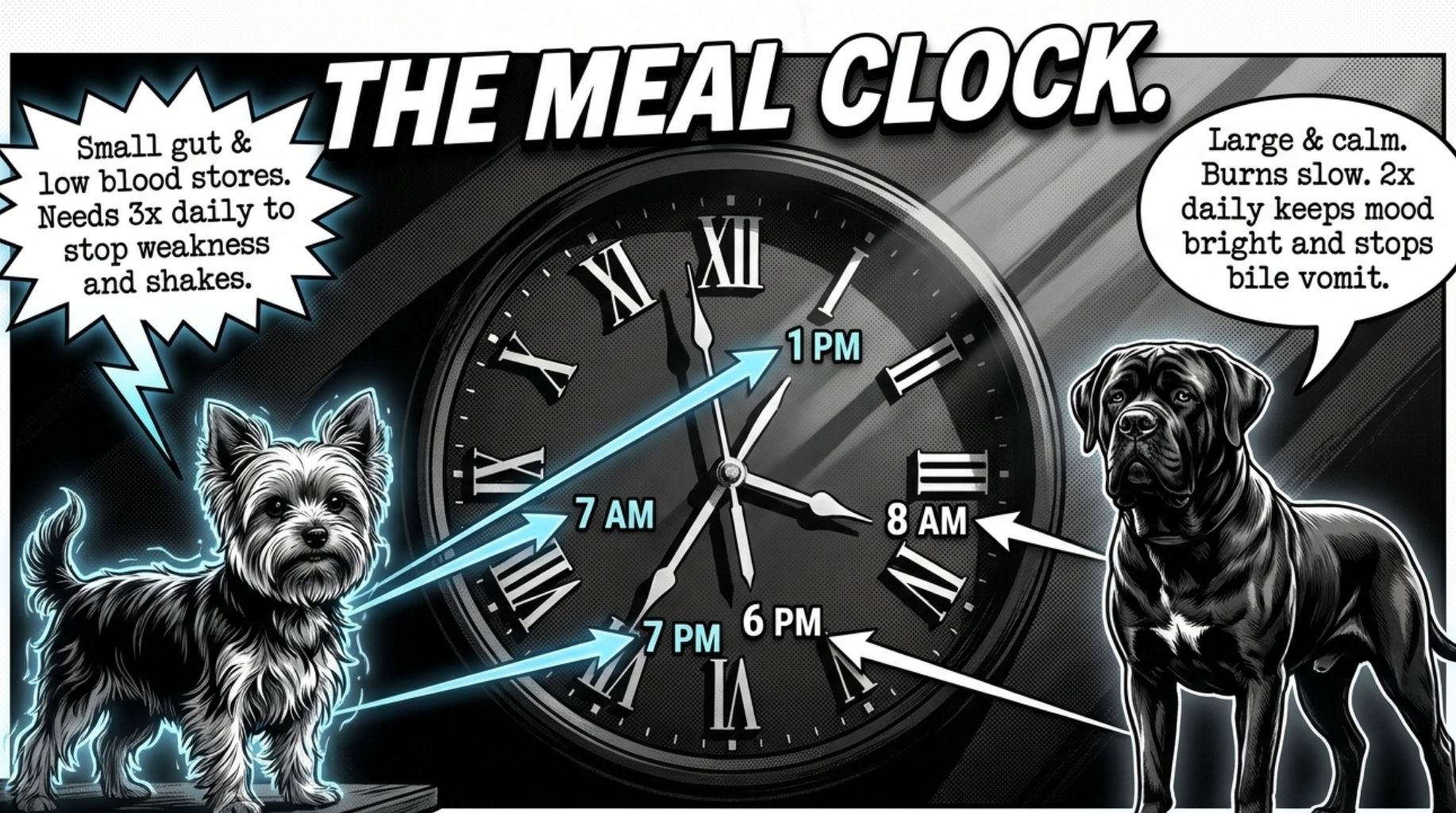
A good plan is two or three small meals a day. This keeps blood sugar smooth and fine. It keeps their mood bright and happy. A small pup with a good plan acts calm. The dog begs less for your food. Small meals fit a tiny pet best. This clean fix fits their hot pace.
Small dogs have tiny tummies. Their little bodies run fast. One big meal fills up their small space too much. Their blood sugar can drop if they wait too long to eat. Toy pups can shake or faint from a big drop. Vets say one meal is not safe for them.
Can You Feed a Dog Once a Day?
Bigger dogs can hold more food and go longer between meals. But one meal can still cause trouble. Your dog may get so hungry that they gulp air and risk bloat. Bloat is a life-threatening twist of the stomach in deep-chested breeds. A hungry dog also raids the trash or barks for food hours before dinner.
Two meals smooth out the day and keep your pup in a good mood. A morning bowl and an evening bowl feel like two little gifts. The dog resting energy requirement gets met in calm waves instead of one big flood. You also lower the rush and choke risk. Your dog trusts that you will always fill the bowl on time. That trust builds a deep, peaceful bond.
Why a Dog Resting Energy Requirement Tells Meal Times?
A dog resting energy requirement shows how fast the body burns fuel at rest. Working dogs with high burn rates need more fill-ups. Puppies who grow fast need three or four meals a day to build strong bones. An old dog with a slower burn may do fine with two small meals. Splitting the total daily food to match the burn rate stops the empty-stomach acid splash.
When you follow the RER rhythm, your dog feels fed and calm all day. There is no big spike and crash that makes them pace and whine. Stable fuel means stable play, happy naps, and soft eyes. You learn your own dog’s beat and dance to it. That beat comes from science and love mixed in one bowl. A dog who eats in tune with their body stays joyful and lean.
CALORIE COUNT FOR A GOOD WEIGHT
Read the bag for how much to pour. Count the cals per cup with care. Use the rest need to set a day’s goal. Calorie counting for your dog is not hard math. It is just a gentle look at the scoop, the scale, and your pup’s shape. You use the RER to find the sweet spot.
What Happens When You Feed Too Few Cals?
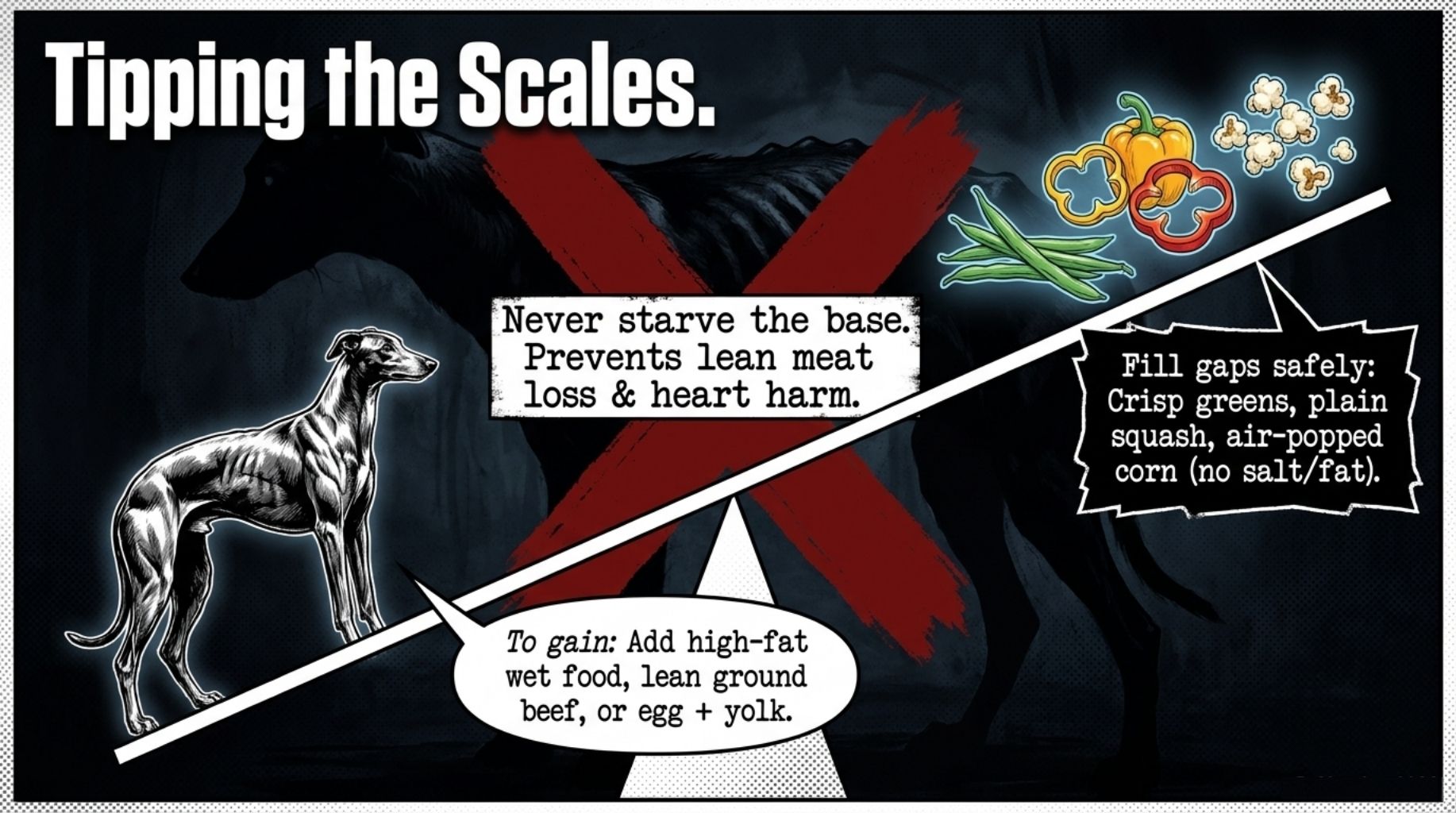
When you feed too few calories, the body eats its own muscle for fuel. You will see ribs, hip bones, and a sunken face. The coat turns dry and breaks like old hay. Your dog loses that happy zip and just lies around. The immune system weakens so your pup catches every cough and bug.
Inside the body, organs slow down to save every spark of energy. A female dog may stop her heat cycle. Puppies fed too little grow weak legs that hurt later in life. The dog resting energy requirement drops as the body goes into conservation mode. This is a slow sad spiral you can stop by adding good food. Work with your vet to bring back the glow one safe meal at a time.
Good Low-Cal Snacks for Dogs
You want a low-calorie food that still fills the tummy with good stuff. Look for a weight-control kibble with high protein and fiber. Many of these brands have around two hundred fifty calories per cup. Fresh green beans, carrot sticks, and cucumber slices make great low-calorie snacks. They add crunch and water without wrecking the daily calorie bank.
A good daily snack for dogs who need to slim down is plain air-popped popcorn. Skip the butter and salt and you have a treat full of fiber. Small bits of freeze-dried white fish or chicken pack a flavor punch for very few calories. You can also use part of the day’s kibble as training rewards. This way the total calories stay right on the RER target. Your dog feels like a star and your bond grows stronger every day.
Use a Dog Resting Energy Requirement to Gain Weight
Some dogs burn so hot they need a boost above the dog resting energy requirement. You want to add dense, healthy fuel without a giant bowl. Puppy food and sport-dog formulas pack more fat and protein in every bite. Canned pâté mixed into dry food adds a rich calorie punch. These foods help a skinny dog build muscle and a shiny coat.
What can you feed your dog for extra calories at home? Plain cooked ground beef with the fat left on is a quick win. A small spoon of natural peanut butter without xylitol gives good fats and taste. Full-fat plain yogurt adds creamy calories and probiotics. You can scramble one egg in a bit of coconut oil for a silky coat boost. Add these extras slow and watch for tummy upset. Steady gains from real food make a strong, happy dog who shines with health.
WHAT TO DO WHEN YOUR DOG WON’T EAT
A dog may turn from his bowl now and then. Stress or a sore tooth can cause a fast. If he still acts bright, you can wait a bit. A dog who snubs the bowl can send you into a worry spin. Sometimes they are just picky. Other times, a hidden ache takes away their urge to eat.
Will a Dog Starve Itself?
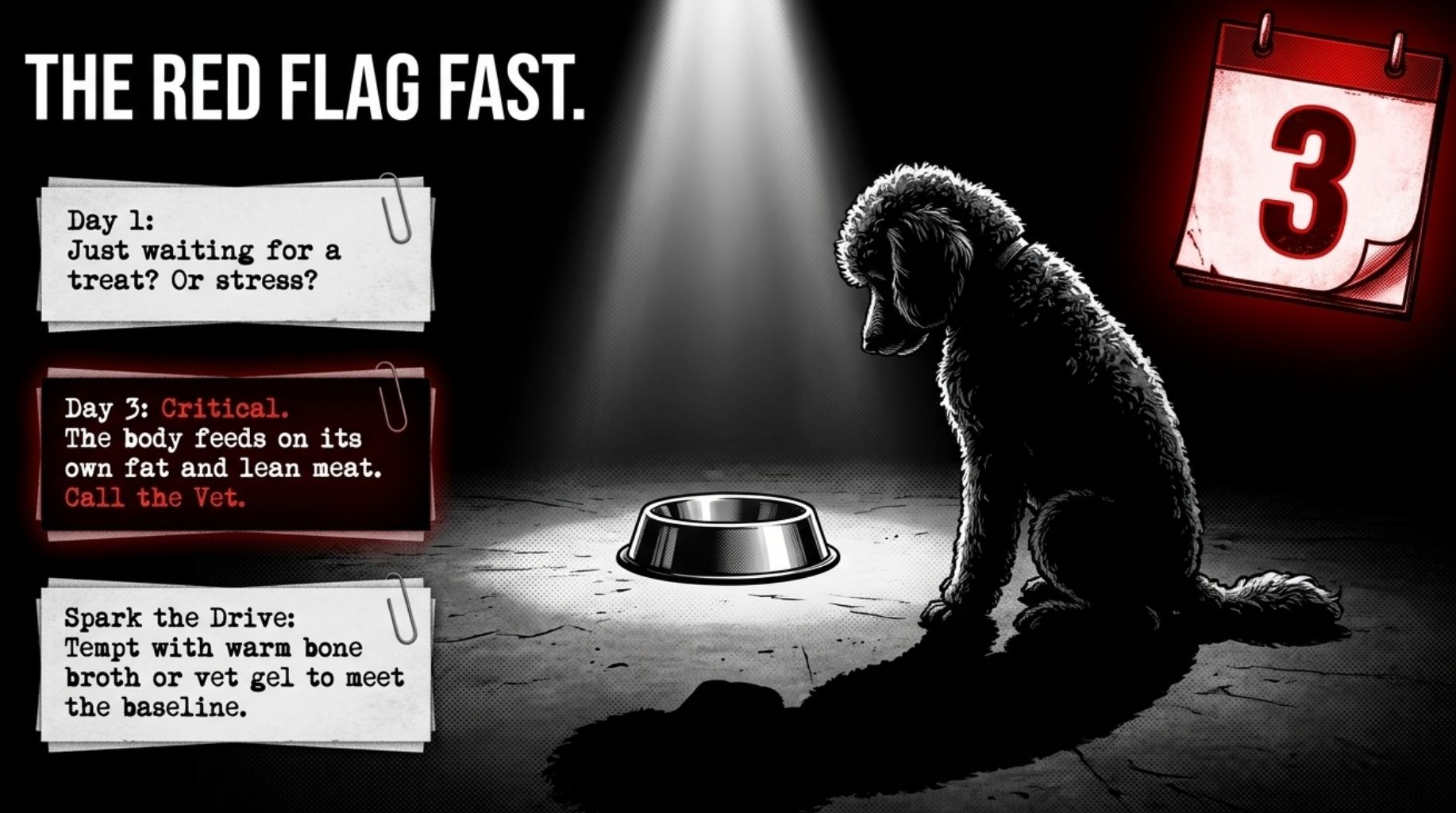
A healthy dog with a stubborn streak will not starve herself to true danger. They may skip a meal or two to hold out for chicken. Most dogs give in and eat their kibble within two days. But you must never wait that long with a tiny toy breed. Their blood sugar can drop too low and cause a real scare.
Still, some dogs learn to fear their bowl. If a food once caused tummy pain they link the two. They will refuse that smell to stay safe. The dog resting energy requirement keeps burning through their stored fuel. You can beat picky ways by setting the bowl down for twenty minutes. Then take it away calm and offer nothing until the next meal time.
My Dog Won’t Eat for Three Days but Seems Fine
Three days with no food is a loud warning bell. Your dog may still wag and play, but inside the body draws from deep stores. The risk of dehydration climbs each day. Stress like a move or a new pet can shut off the hunger switch. A sore tooth might hurt only when food hits it yet not slow their zoomies.
You need a vet to look for hidden bugs. Blood tests can spot kidney glitches or a quiet infection. The vet may find a cracked tooth or a sore neck that hurts when the bowl is low. While you wait, you can tempt with warm wet food. A dab of meat baby food on the tongue can kick-start the want to eat. Acting normal is a gift but it is not a clean bill of health.
What to Offer a Dog Who Won’t Eat
Warm the food a bit to send yummy smells into the air. Pour a spoon of warm, salt-free bone broth over the kibble. Try small meatballs of plain boiled turkey placed right on the floor. Baby food with just chicken or pumpkin works wonders for sick pups. These soft easy bites slide past a sore mouth and spark the nose.
A dog resting energy requirement still ticks, so you offer tiny tastes often. A dab of low-fat cottage cheese gives protein without a big load. Switching from dry crunch to smooth pâté can wake up tired taste buds. Hand-feed a few licks off your finger to bring comfort and trust. Never force food down unless the vet shows you the safe way. The first small lick is a huge win worth a quiet cheer.
NEW SCIENCE ON DOG RESTING ENERGY REQUIREMENT
New facts help us see the rest burn well. We now know breed and age change the math. A truer sum keeps your dog slim. New studies give us a sharper look at your dog’s calm calorie burn. Science now sees that one formula does not fit all dogs. This fresh info helps you tune your pup’s bowl like a true pro.
How Breed and Age Change the Rest Burn
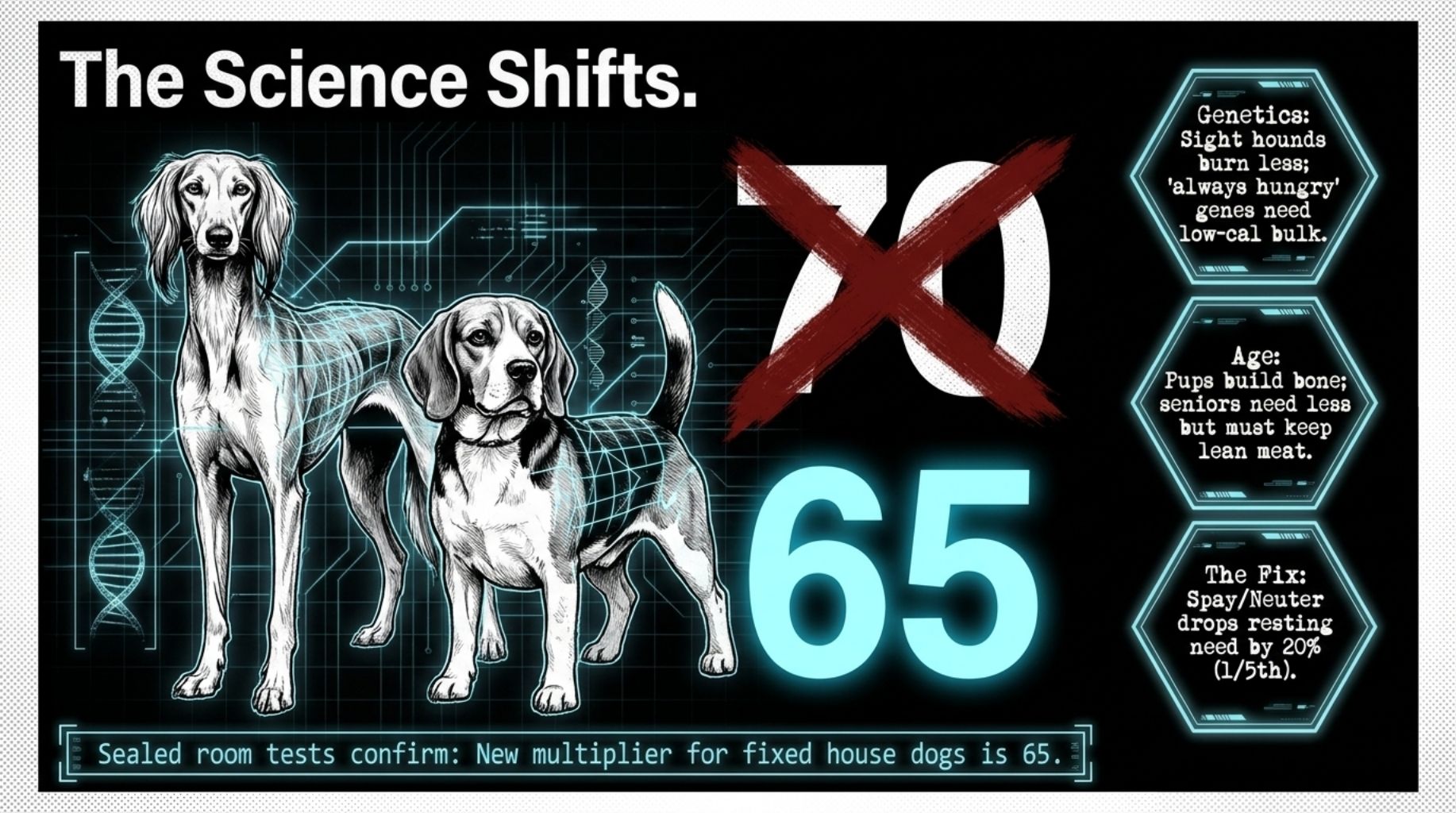
Breed shapes the dog resting energy requirement more than old books said. Sleek Greyhounds burn slower than their lean shape suggests. A busy Boxer and a calm Greyhound of the same weight need very different bowls. Huskies can pull sleds all day on what seems like too little food. Their inner cell engines work with a rare, fuel-sipping gift.
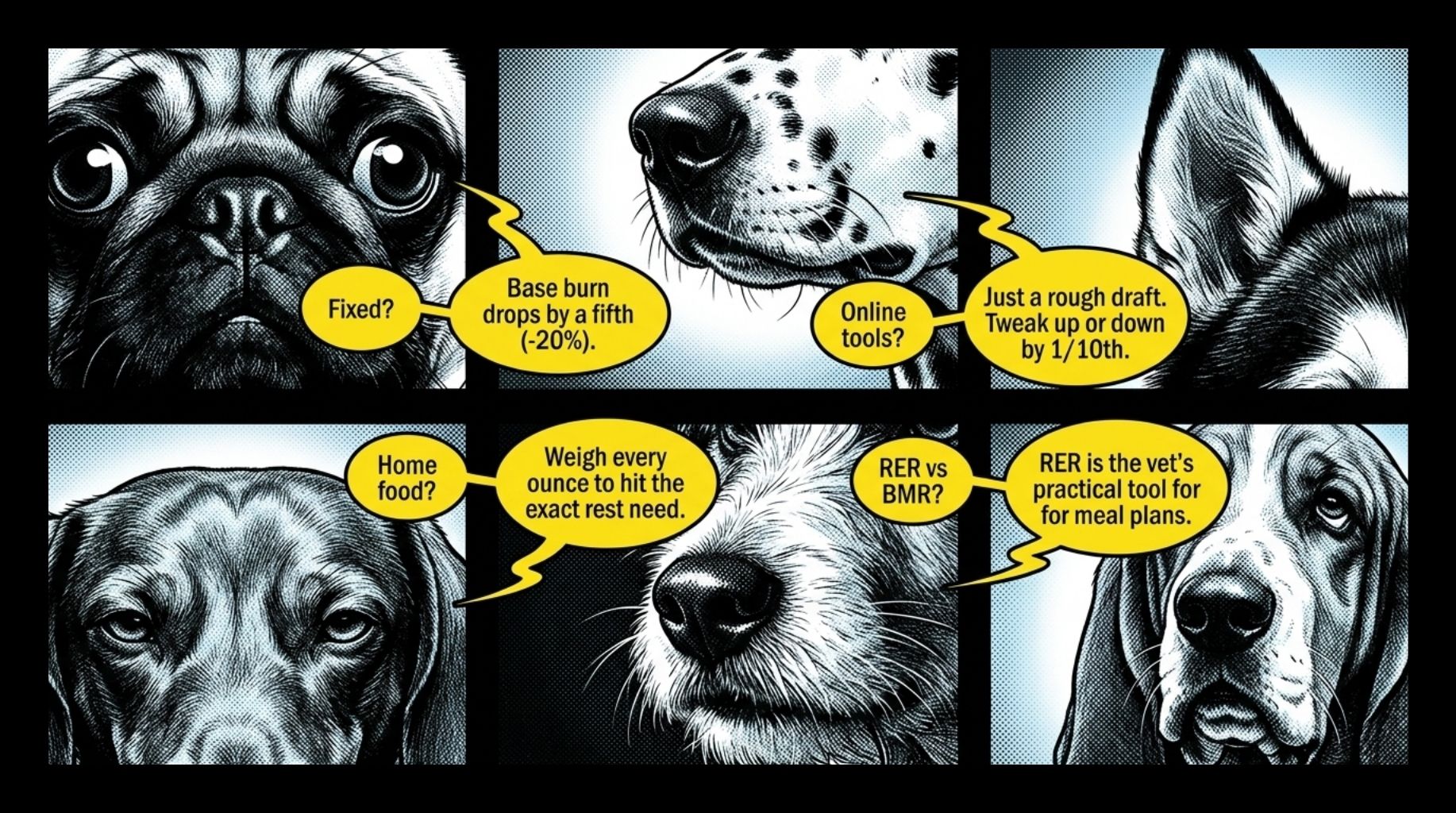
Age turns the calorie dial up and down over a dog’s life. Puppies need two to three times the adult RER to build bones and brain. A seven-year-old dog hits a slow-down much like a middle-aged human. Dogs over ten may need even less fuel but more top-notch protein to save muscle. Spay and neuter drops the calm burn by about twenty percent. You adjust the dial at each life stage to keep the waist trim and the tail high.
What New Math Tells Us About a Dog Resting Energy Requirement
A big study put over eight hundred dogs in special chambers to measure true burn. They found the old RER math gave too many calories to calm house pets. A new tweak uses a base of sixty-five instead of seventy. This small change stops the slow weight creep from just a few extra bits of kibble. A dog resting energy requirement is now more exact for couch-loving pups.
Another cool study looked at Labrador Retrievers and their genes. Some Labs lack a small piece of DNA that tells them they are full. These dogs feel starved all day even when their RER is met. Knowing this helps you show grace when they beg with those deep brown eyes. You can give them low-calorie bulk like green beans to fill the void. Science shows us that hunger is not just willpower but deep code inside.
Real-World Stories That Surprised Vets
One Border Collie named Zip ate free-choice but stayed rail-thin. His owners worried until a test showed his RER was thirty percent above the chart. Zip just had a race-car engine that burned fuel fast. A diet rich in good fats and protein finally filled out his frame. His tale shows that the math is a start line, not the finish.
Then there was a Beagle named Mabel who gained weight on her chart amount. A vet check found her spay and calm soul had lowered her true burn. A cut of just fifteen percent of her food brought her back to a sleek shape over months. Mabel’s joints felt better and her zoomies came back strong. These stories teach us to watch the real dog in front of us. Use the science, then tweak with love and a sharp eye.
FREQUENTLY ASKED QUESTIONS (FAQs)
Fuel Lab
Metabolic load analysis. Calculate Resting Energy Requirement (RER) and total daily caloric burnout.
Select your dog’s current weight
Puppies require higher energy ratios
Determines energy factors (RER multipliers)
—
—
Doggozila Portion Calculator
Select a recipe to compute daily portions.
Dog Food and Treats Recipes
100% verified single-cook dog food formulas & treats
Metabolic energy management isn’t just a mathematical target—it is about high-quality, biologically available complex proteins and slow-burning lipids. Select from our catalog of nutrient-rich, vet-approved recipes to build perfect meals.
“Once you know your dog’s RER, convert those calories into daily meal portions using our comprehensive Dog Feeding Guide & Calculator.”