
Let me tell you why so many people search for the fluffiest dogs every single day. These cloud-like puppies bring more than just good looks to your home. They offer comfort, joy, and a whole lot of fur to love. Whether you already own a fluffy pup or you are just dreaming of one, this guide will walk you through everything you need to know. From the best breeds to the science behind those soft coats, we have got you covered.
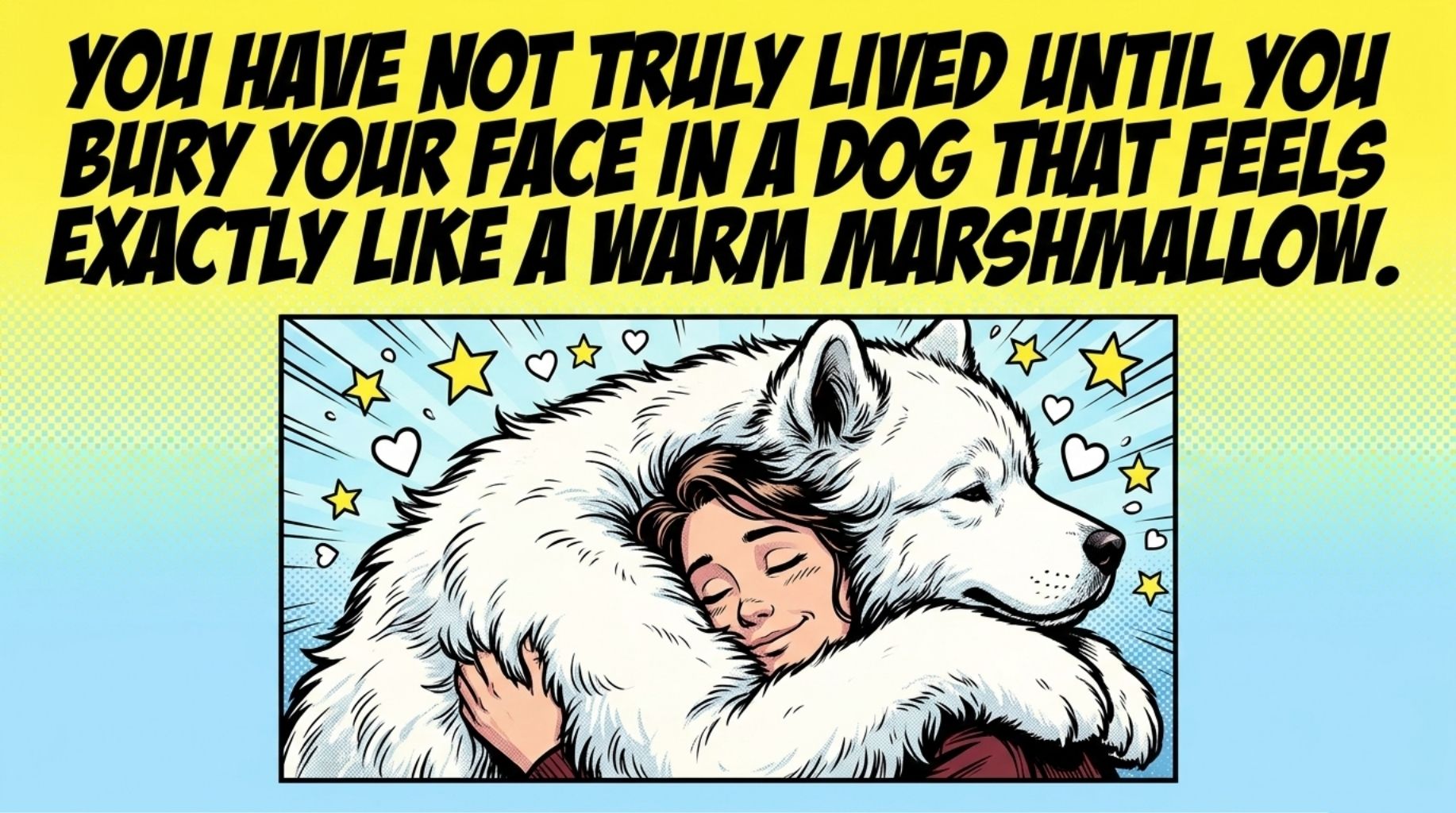
“You have not truly lived until you bury your face in a dog that feels exactly like a warm marshmallow.”
Key Takeaways
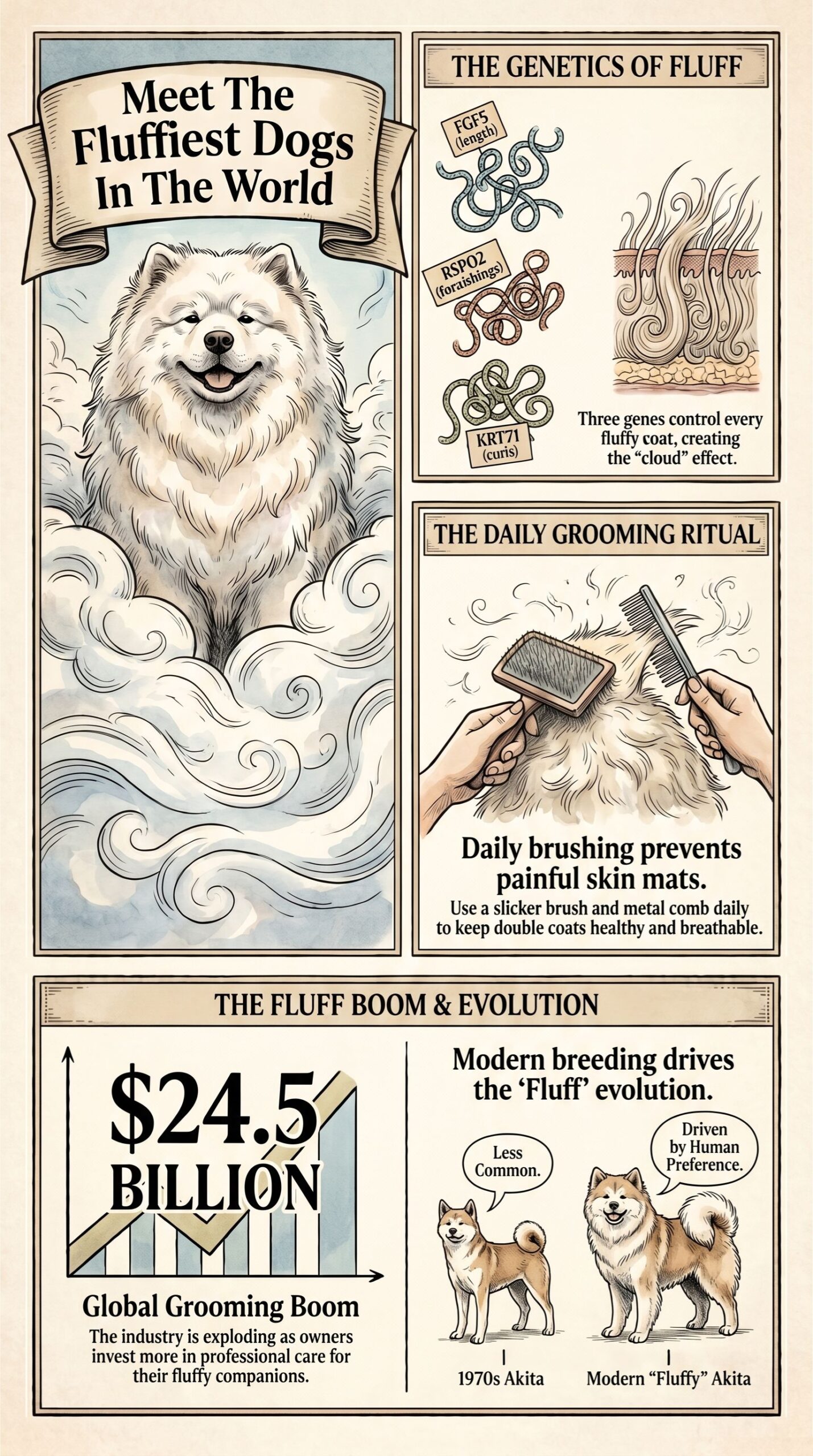
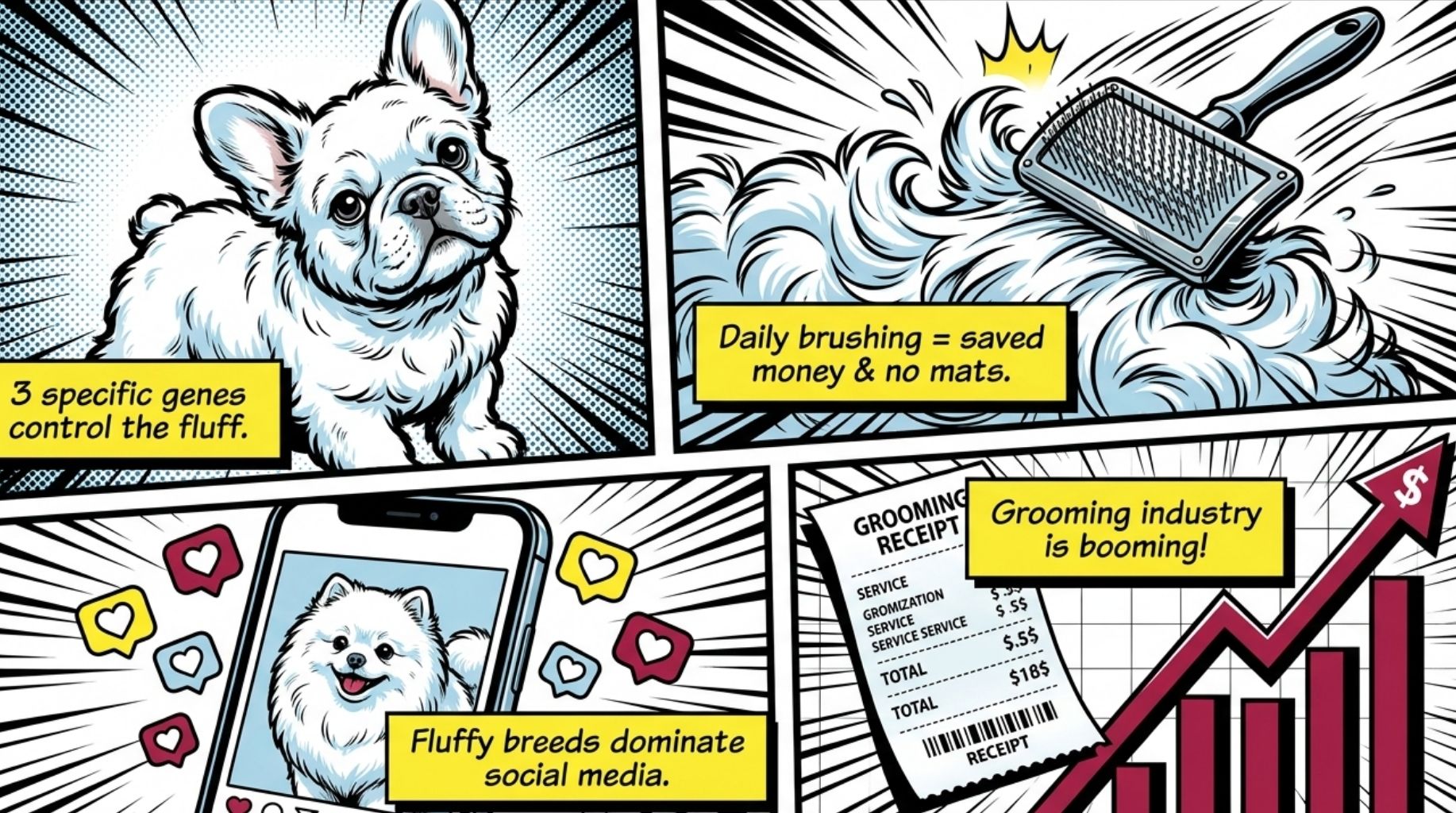
- Fluffy coats come from three specific genes. Scientists have mapped them clearly.
- Daily brushing saves you money and heartache. Mats hurt and are hard to remove.
- Fluffy breeds dominate social media. Their cute looks drive high search volumes.
- Some fluff is natural; some is controversial. Fluffy French Bulldogs raise red flags.
- The pet grooming industry is exploding. Owners spend more on fluffy dogs than ever.
Quick Summary About The Fluffiest Dogs In The World
This article showcases the fluffiest dogs on the planet, from tiny Pomeranians to giant Newfoundlands. You will learn the science behind their soft coats, how to groom them properly, and why they have become so popular online. We also share the latest genetic research and answer your most common fluffy dog questions.
Listen the Podcast Episode About The Science and Care of Fluffy Dogs!
WHAT SCIENCE SAYS ABOUT WHY SOME DOGS ARE SO FLUFFY
Genetics rule the fur game. Scientists have found the exact switches that turn a short-haired pup into a walking cloud. This knowledge helps breeders avoid mistakes. It also helps owners understand why their dog needs so much brushing. Research on this topic has grown fast in the last five years, and the findings are fascinating.
New Genetic Research Explains The Fluffiest Dogs
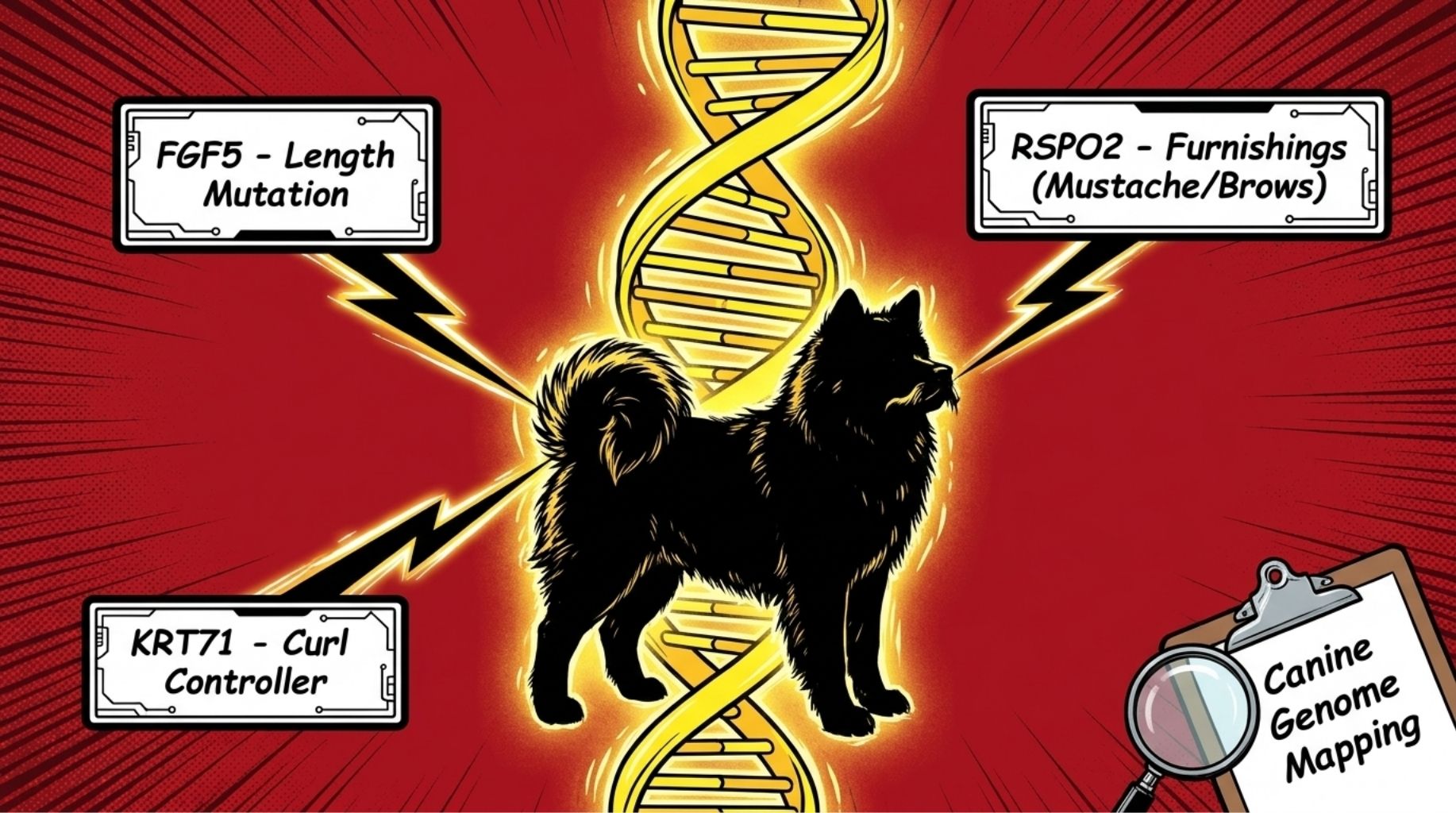
A 2025 study on Akita dogs proved that one tiny gene change creates massive fluff. That gene is called FGF5, and it controls hair length in almost all mammals. When this gene mutates, dogs grow long, thick coats that feel incredibly soft. The study compared modern Akitas to dogs from the 1970s.
The results showed that fluffy Akitas are far more common today because people actively bred for that trait. This proves that human preferences directly shape dog evolution. So, when you search for the fluffiest dogs online, breeders listen and produce more of them.
Three Main Genes Control The Fluffiest Dogs Coat Type
Let me break down the simple science for you. Gene number one is FGF5, the long-hair switch. The gene number two is RSPO2, which creates those adorable eyebrows and a mustache on breeds like the Schnauzer. Gene number three is KRT71, the curl controller that makes Poodles curly and Portuguese Water Dogs wavy.
Together, these three genes create every coat type you see in the fluffiest dogs alive today. A Samoyed has a long, straight, thick double coat. A Bichon has a long, curly, single coat. The combinations are endless but all come back to those three genes.
The Curious Case Of The Fluffy French Bulldog
Not every fluffy dog wins praise from experts. The so-called “Fluffy French Bulldog” carries the long-haired FGF5 mutation, but that trait is not allowed in official breed standards. These dogs look cute on Instagram, but veterinarians worry about their health.
French Bulldogs already struggle with breathing problems. Adding a fluffy coat does not fix those issues. Some breeders focus too much on the fluff and forget about the dog’s well-being. If you want one of the fluffiest dogs, choose a breed where the fluff is natural and healthy, not a designer gimmick.
MEET 10 FLUFFY BREEDS THAT WILL STEAL YOUR HEART
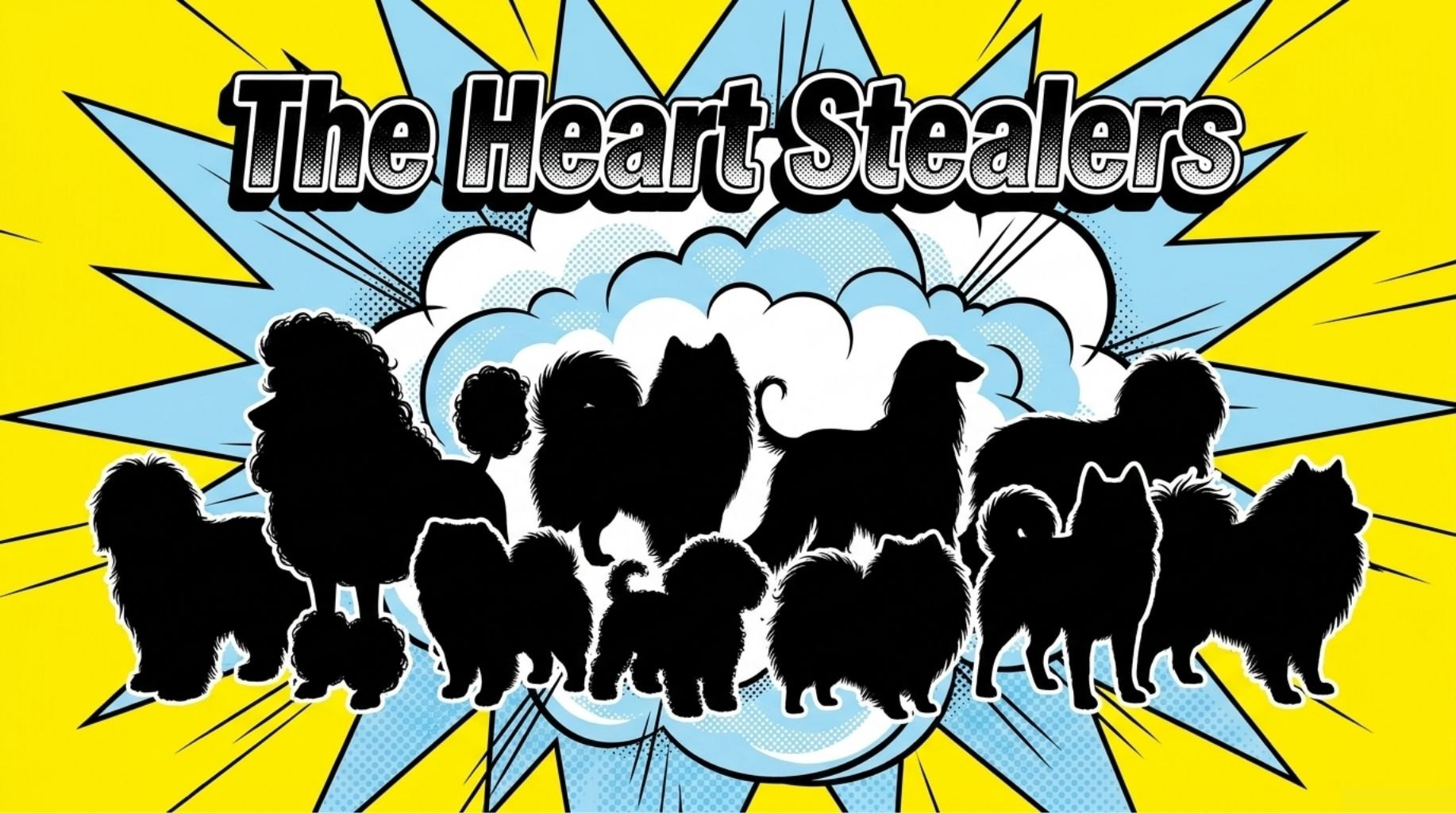
Get ready for a parade of pure softness. Some are tiny enough to fit in your bag. Others are big enough to rest their head on your kitchen counter. All of them share one thing, an incredible coat that makes people stop and stare. Here are ten amazing breeds, each with its own personality and grooming needs.
The Samoyed Ranks Among The Fluffiest Dogs Ever
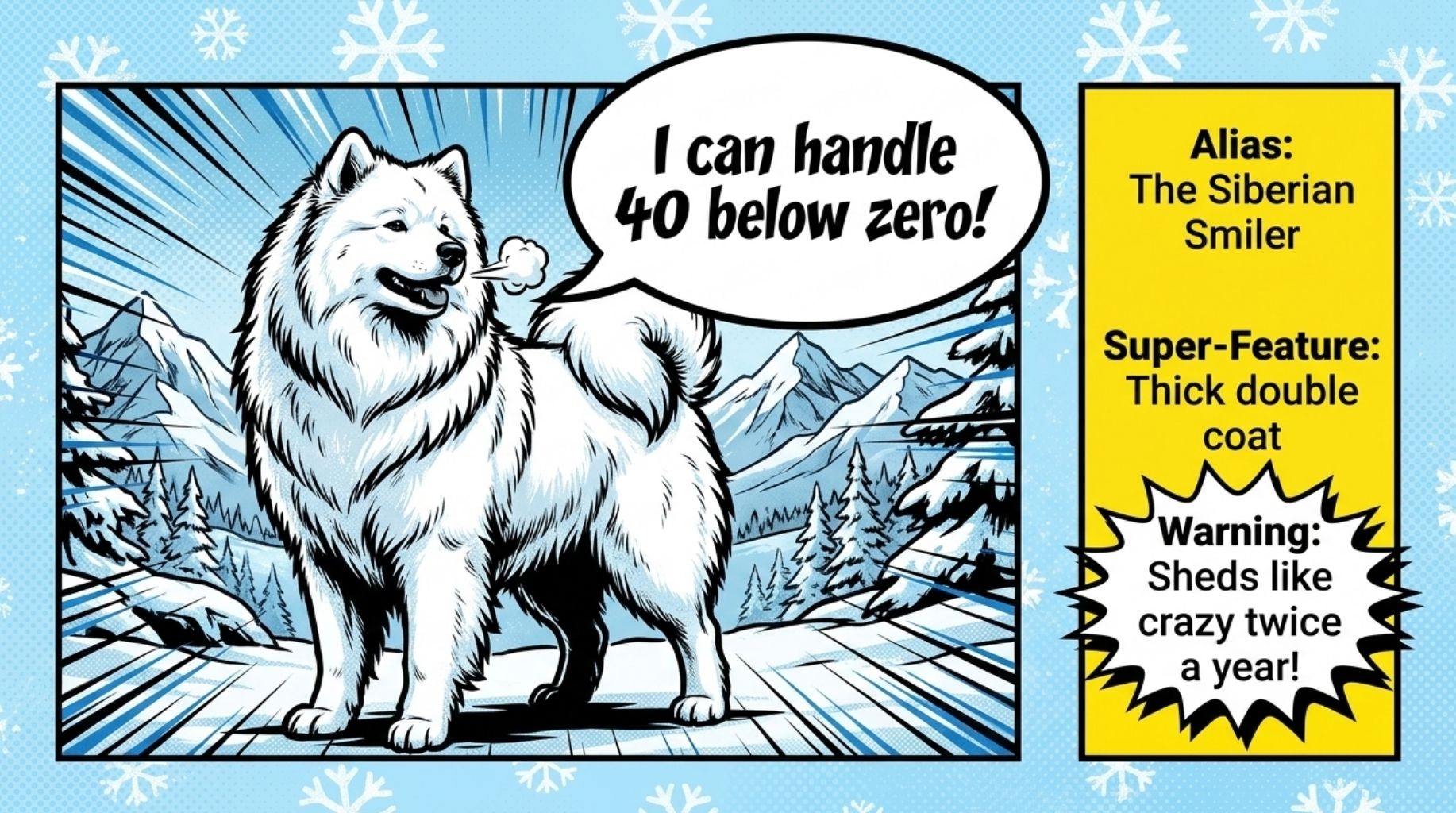
This smiling white dog comes from Siberia, where it pulled sleds and herded reindeer. Their double coat is so thick that they stay warm even at forty below zero. Samoyeds love people more than anything and will follow you everywhere.
Their famous “Sammy smile” keeps their mouth from freezing shut in cold weather. However, they shed like wild twice a year. Daily brushing becomes a must during those seasons. If you want one of the fluffiest dogs that also brings joy every single day, the Samoyed is a fantastic choice.
The Pomeranian Proves That Big Fluff Comes In Small Packages
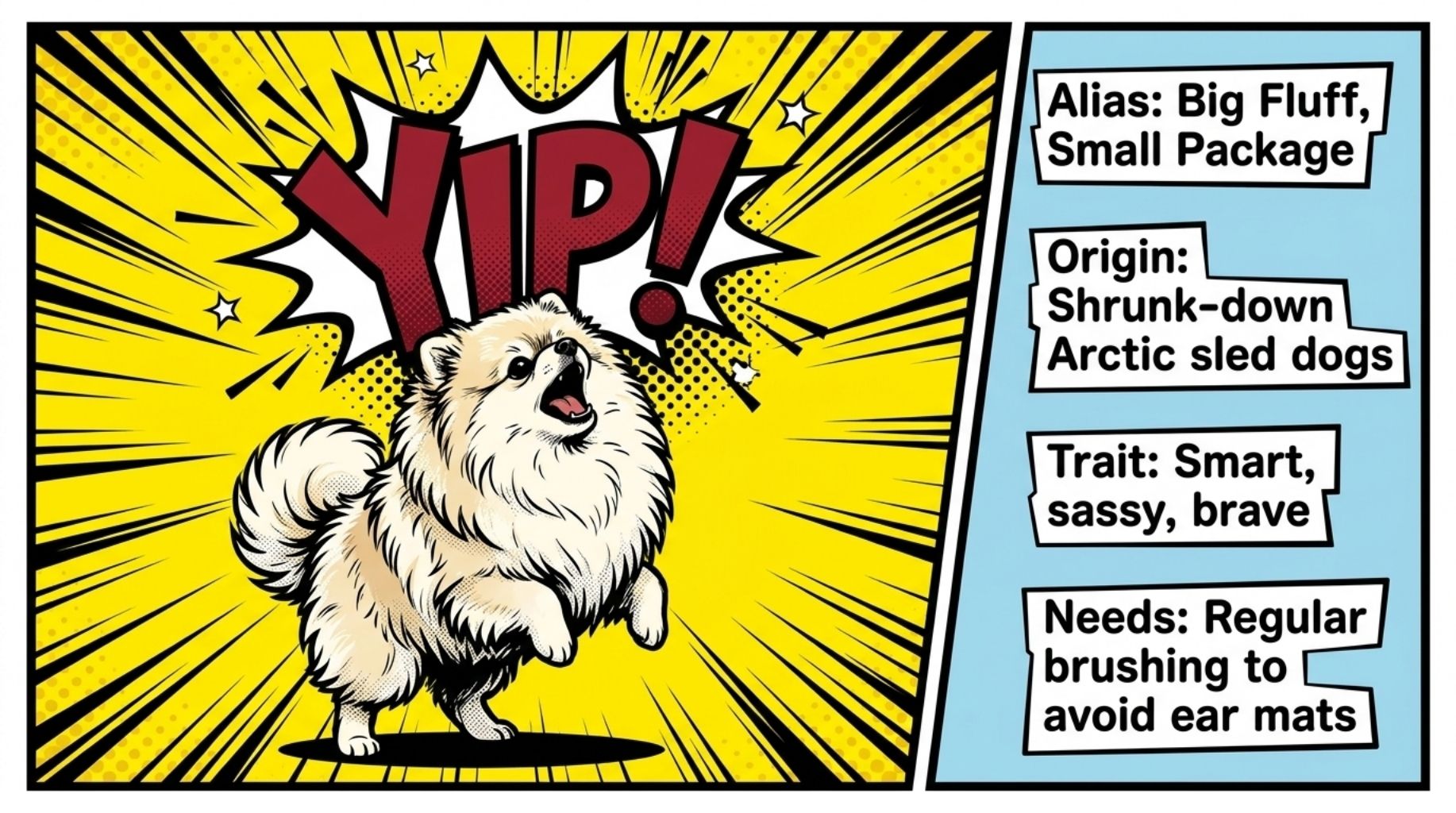
Do not let their tiny size fool you. Pomeranians have huge personalities wrapped in an enormous coat. They descend from large Arctic sled dogs, but breeders shrunk them down while keeping the magnificent fur. Their plumed tail arches over their back like a feathery fan.
Poms come in nearly every color, from bright orange to deep blue. They are smart, sassy, and surprisingly brave. A Pomeranian will bark at a Great Dane without hesitation. Despite their small size, they need regular brushing to stay among the fluffiest dogs in the world. Skip brushing for a week, and you will find painful mats behind their ears.
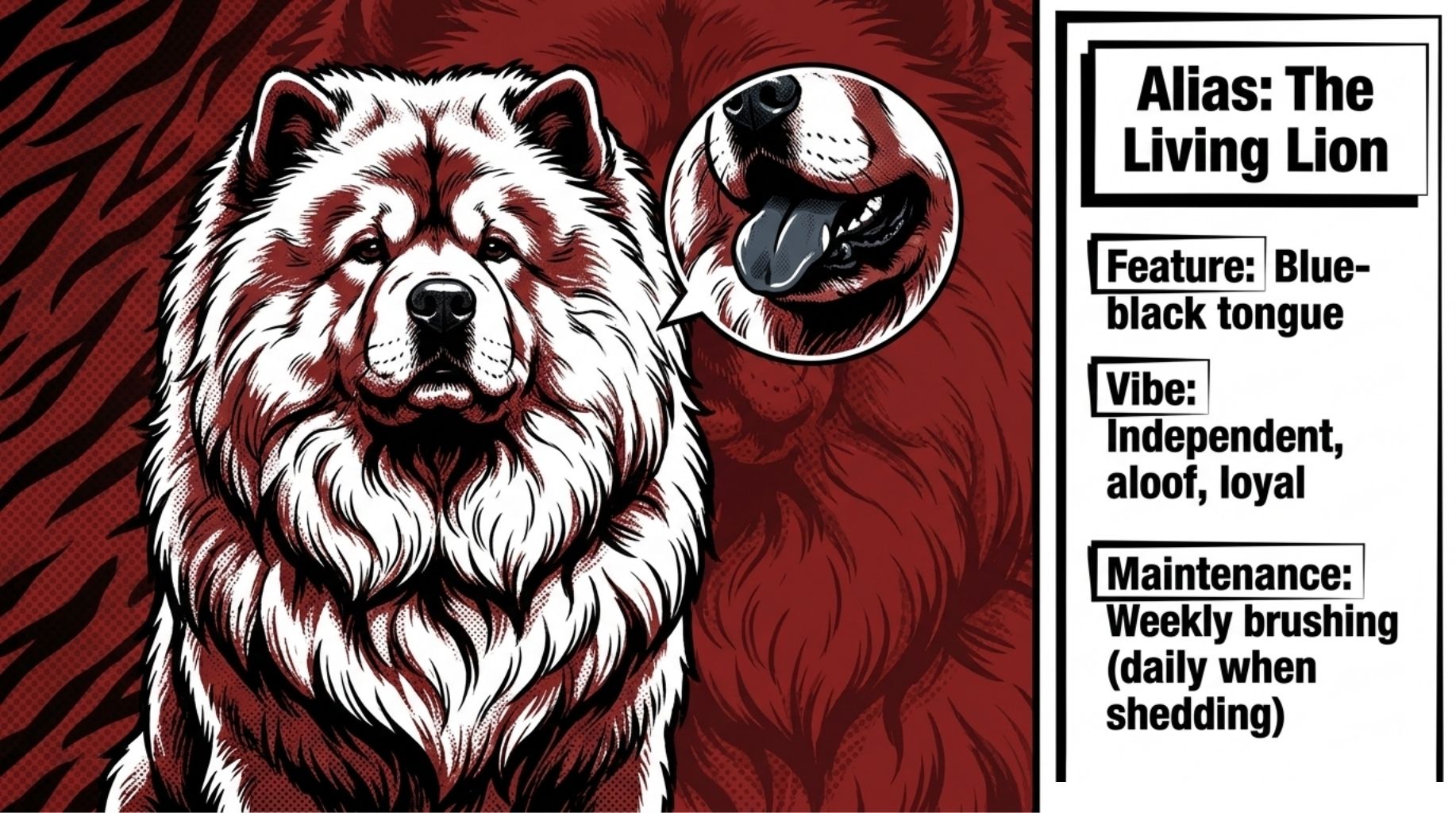
The Chow Chow Brings A Lion’s Mane Into Your Living Room
Look at a Chow Chow, and you will see a small lion staring back. This ancient Chinese dog breed has a dense, wooly double coat that forms a magnificent mane around its neck. Their most famous feature is their blue-black tongue, which according to legend came from licking the sky at creation. Chows are independent and a bit aloof with strangers.
They bond deeply with their family but do not beg for constant attention. Their coat is surprisingly easy to maintain compared to other fluffy breeds. A good brushing once or twice a week usually does the job. But when they shed their undercoat, you will need daily work to keep them looking like one of the fluffiest dogs on your block.
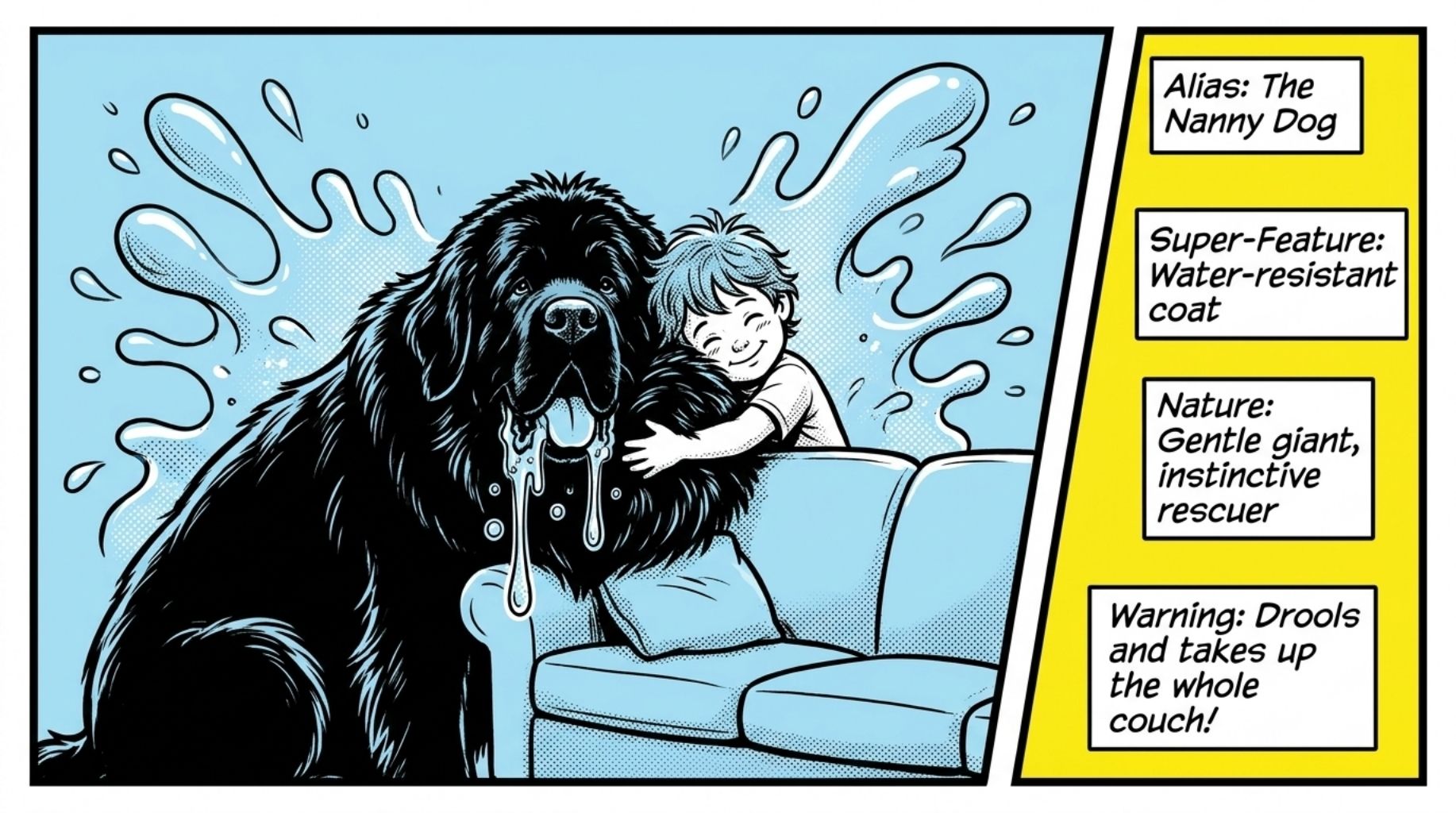
The Newfoundland Is A Gentle Giant Among The Fluffiest Dogs
Newfoundlands are massive, loving, and covered in soft, water-resistant fur. They were bred to rescue people from icy waters, so their coats repel moisture naturally. A Newfoundland will instinctively try to save anyone who appears to be drowning. Their gentle nature makes them fantastic with children.
In fact, they are often called “nanny dogs” because of their patience. Their fluffy coat needs weekly brushing, but daily is better during shedding season. These giants drool, shed, and take up your whole couch. But hugging a Newfoundland feels like holding a living cloud. That is why they will always rank among the fluffiest dogs for families with space.
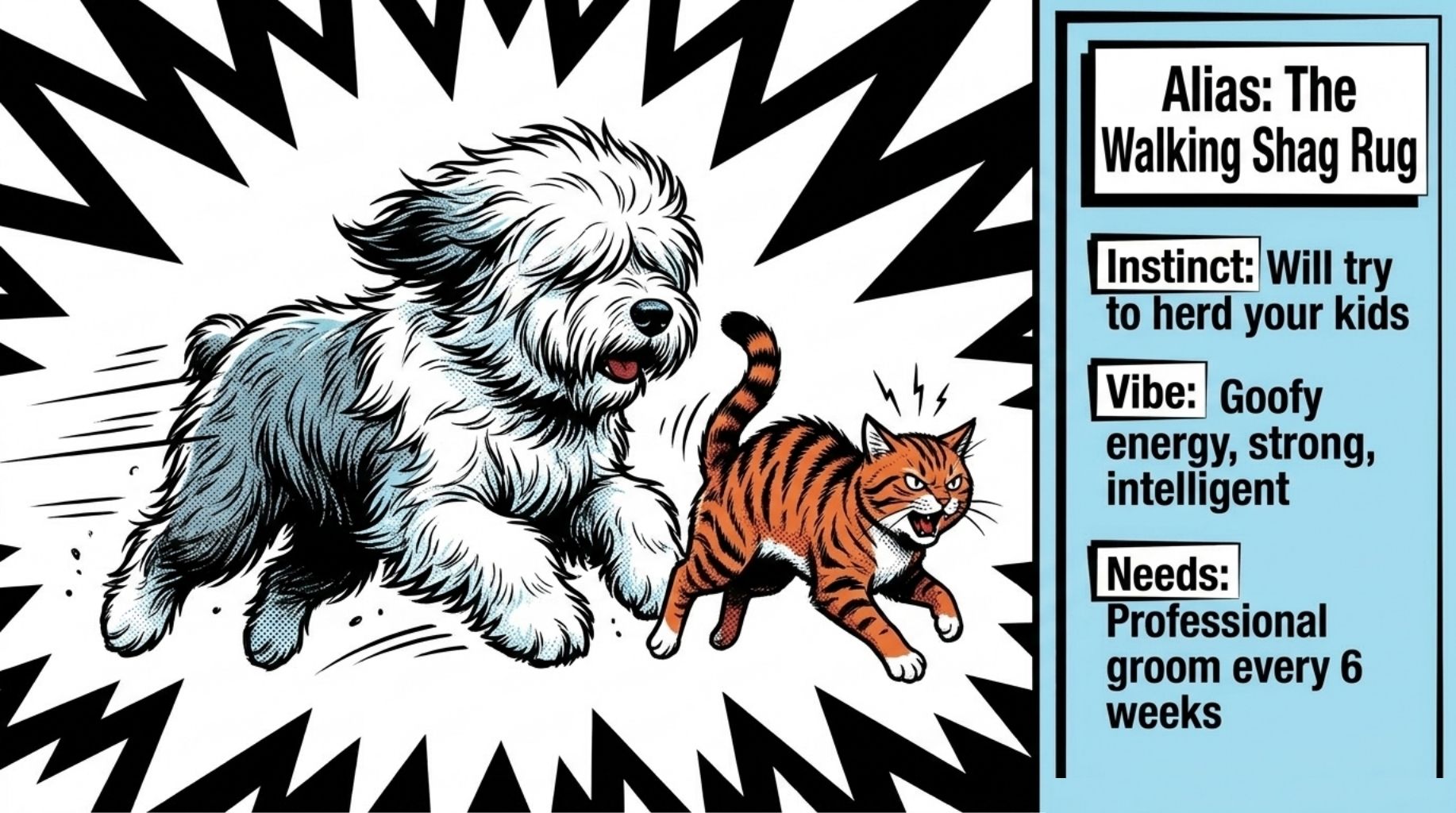
The Old English Sheepdog Looks Like A Walking Shag Rug
If a shag carpet grew legs and started herding sheep, you would have an Old English Sheepdog. Their shaggy coat covers their eyes, giving them a constant look of happy surprise. These dogs are strong, intelligent, and full of goofy energy. They were bred to drive cattle and sheep to market, so they have a natural herding instinct.
You might find them trying to herd your kids or even your cat. Their coat mats easily, especially behind the legs and under the belly. Professional grooming every six weeks is almost mandatory. But their playful, loyal nature makes all that work worth it. They are among the fluffiest dogs that also keep you laughing every day.
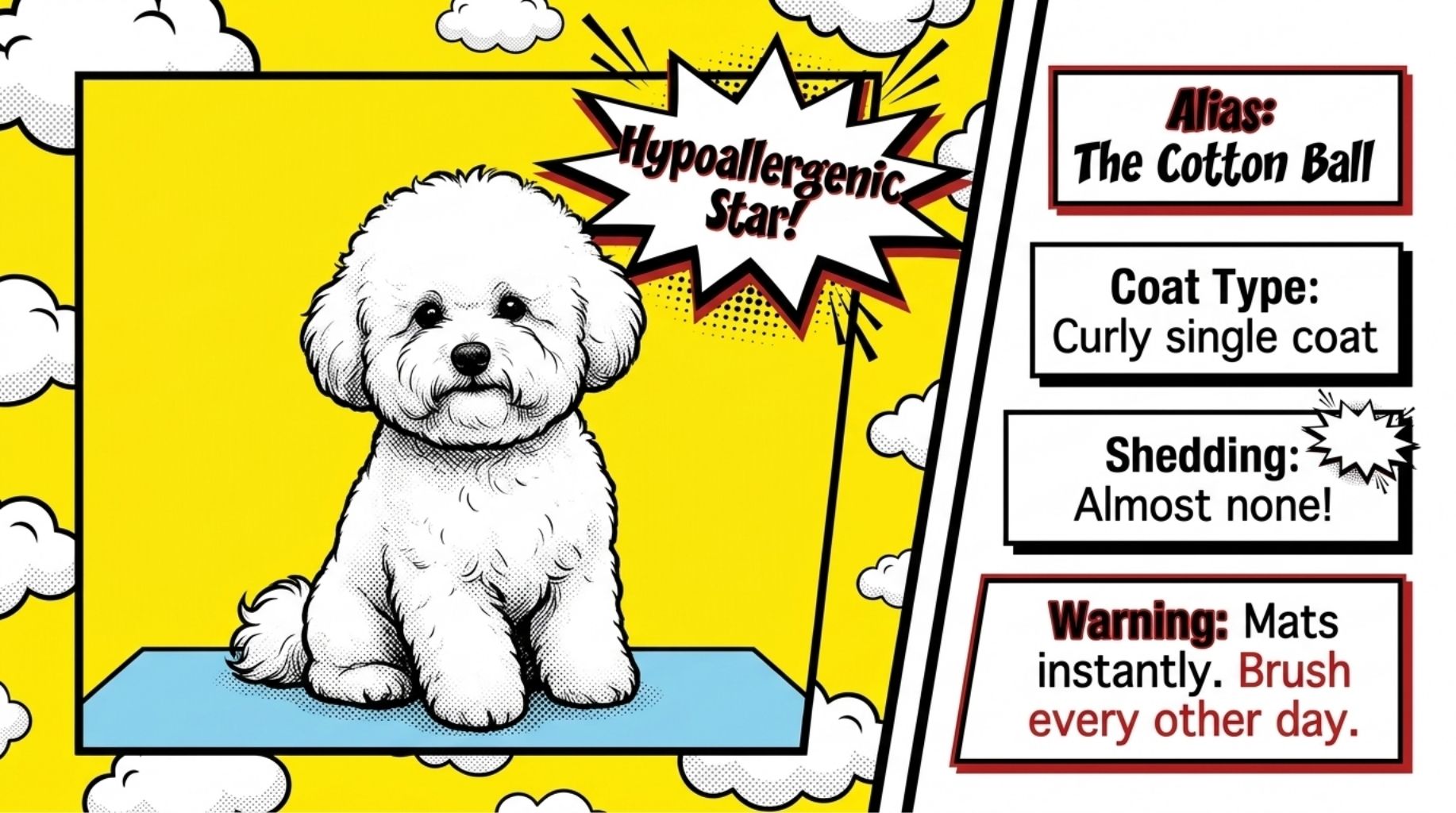
The Bichon Frise Is A Cotton Ball Among The Fluffiest Dogs
The Bichon Frise looks like a little white cloud that floats across your living room. Unlike double-coated breeds, the Bichon has a curly single coat that grows continuously like human hair. This means they shed very little, which makes them a top choice for allergy sufferers. Their fur feels incredibly soft, almost like a plush toy.
Bichons are cheerful, playful, and get along with everyone. However, that beautiful curly coat mats faster than almost any other breed. You need to brush them every other day without fail. Professional grooming every four weeks keeps them looking like one of the fluffiest dogs in the toy group. If you want a small, friendly, low-shedding fluffy dog, the Bichon is hard to beat.
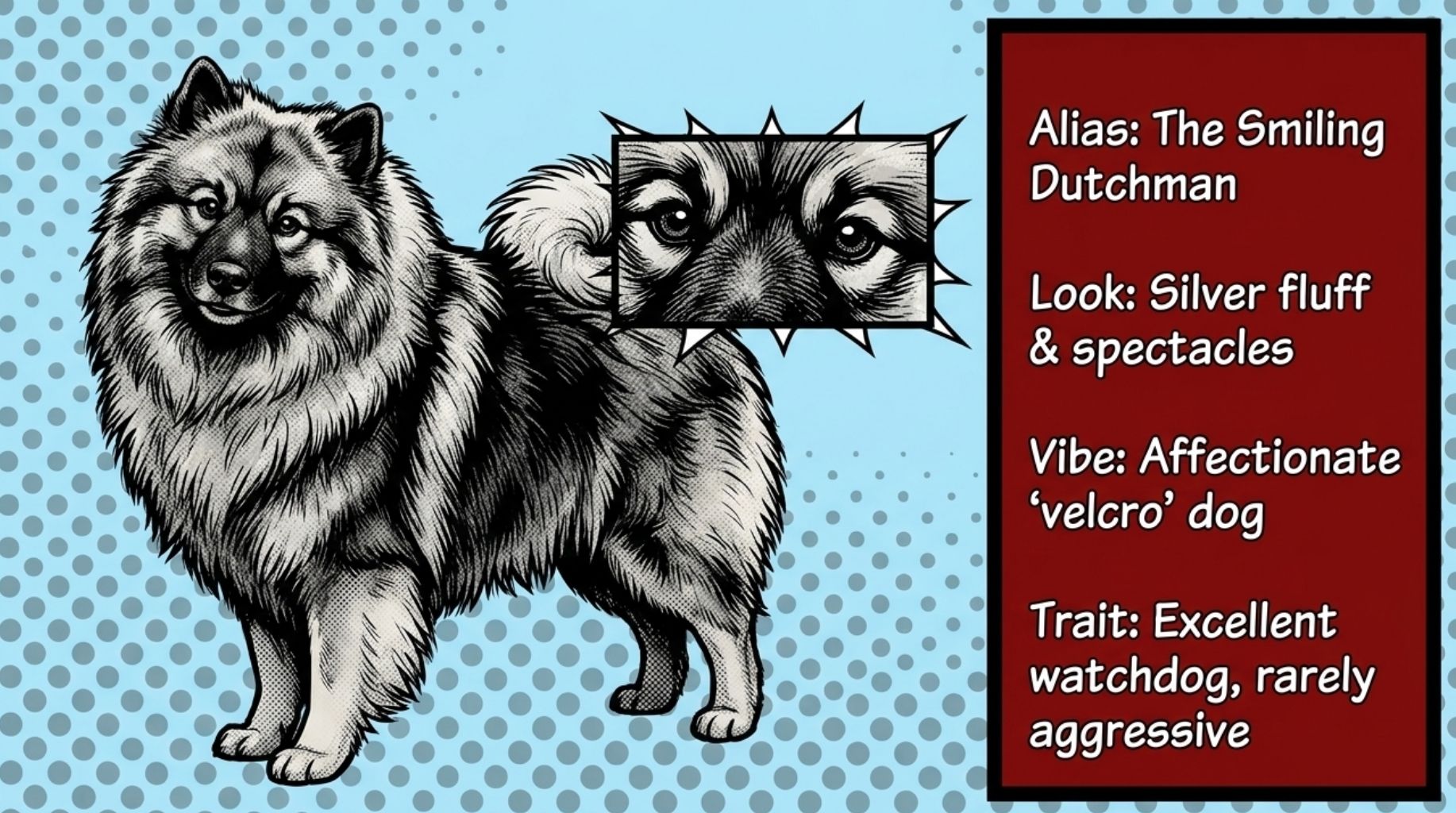
The Keeshond Brings Silver Fluff And A Smiling Face
Say hello to the Keeshond, the smiling Dutch barge dog. Their coat is a stunning mix of silver, gray, and cream, with distinctive “spectacle” markings around their eyes. This breed was a symbol of the Dutch Patriot political party in the 18th century. Today, they are known for being incredibly affectionate and loyal.
Keeshonden hate being left alone and will follow you from room to room. Their thick double coat stands off from their body, making them look bigger than they really are. They are excellent watchdogs but rarely aggressive. Regular brushing two to three times a week keeps their coat healthy. Among the fluffiest dogs, the Keeshond offers the perfect balance of size, temperament, and beauty.

The Tibetan Mastiff Wears A Mane Fit For A Mountain King
The Tibetan Mastiff is a legendary guardian breed from the Himalayas. Their coat is one of the thickest in the world, allowing them to sleep outside in snowstorms. They have a massive mane around their neck that makes them look like a lion crossed with a bear. Tibetan Mastiffs were bred to protect sheep from wolves and leopards, so they are independent and strong-willed.
They bond deeply with their family but remain aloof with strangers. This is not a breed for first-time dog owners. Their coat needs weekly brushing, but during shedding season, you will need daily sessions. Purebred Tibetan Mastiff puppies can cost thousands of dollars. If you can handle their stubborn nature, you will own one of the most majestic and fluffiest dogs on earth.
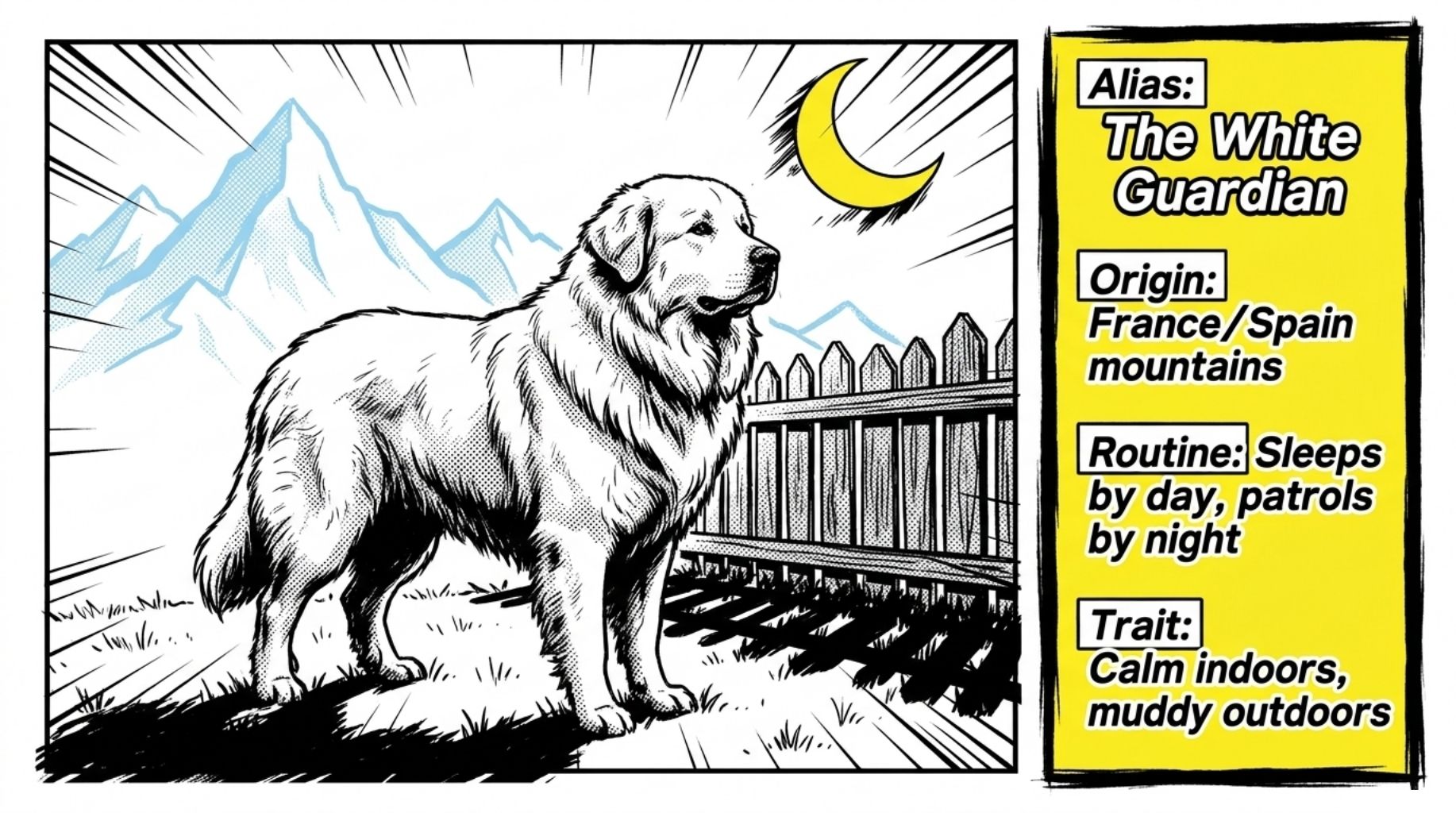
The Great Pyrenees Is A Fluffy White Guardian
The Great Pyrenees looks like a polar bear that decided to guard sheep instead of hunting seals. This ancient breed comes from the Pyrenees Mountains between France and Spain. Their weather-resistant double coat keeps them warm in freezing temperatures and cool in moderate heat. They have a natural instinct to patrol at night, so do not be surprised if your Pyr sleeps all day and roams your house after dark.
They are incredibly gentle with children and make wonderful family guardians. Their white coat shows every speck of mud and dirt. Be prepared for frequent baths if your dog loves rolling in the yard. Despite their size, they are calm and low-energy indoors. Among the fluffiest dogs, the Great Pyrenees offers a perfect blend of beauty and protective instinct.
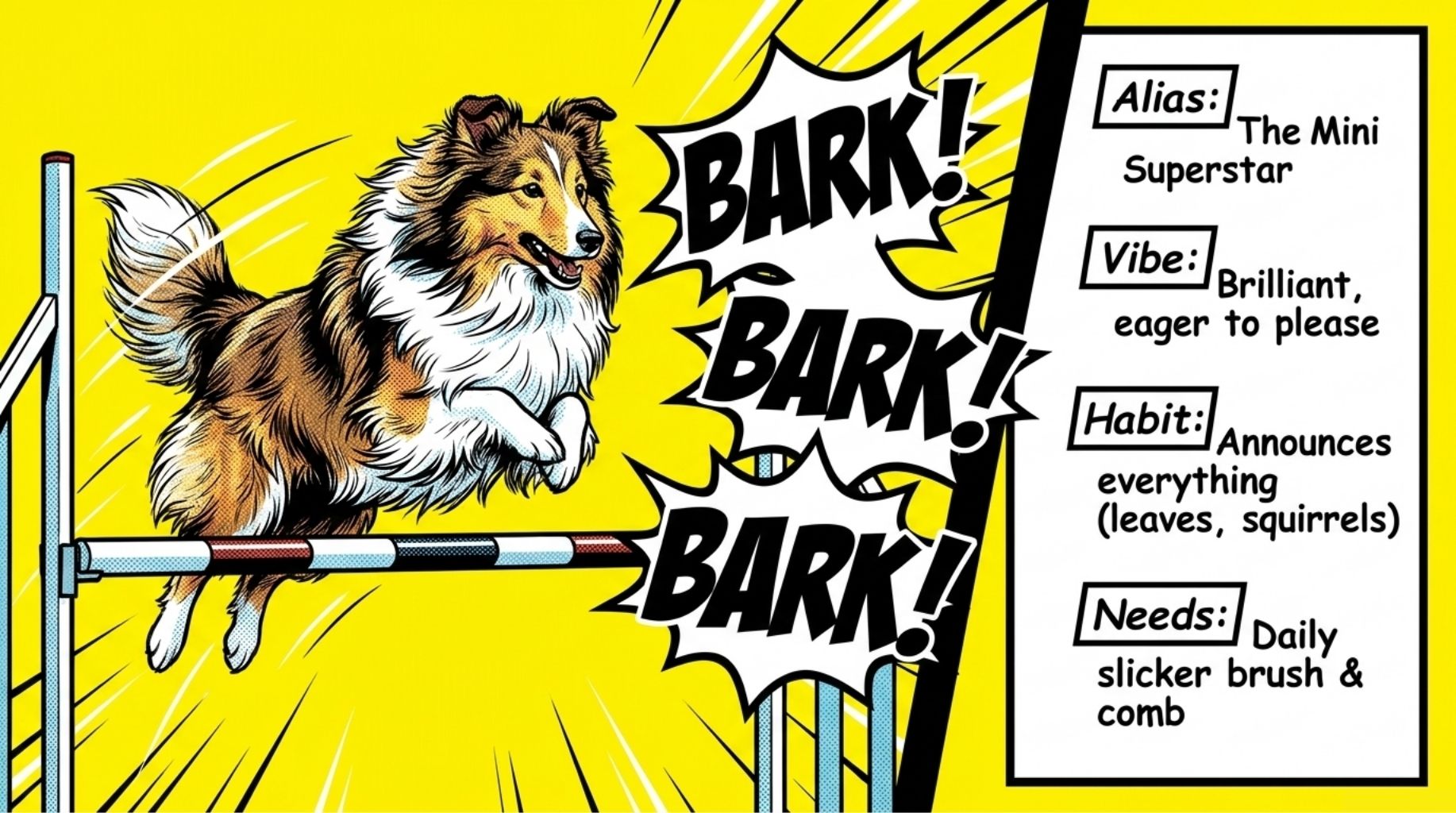
The Shetland Sheepdog (Sheltie) Is A Mini Fluffy Superstar
The Sheltie looks like a small version of Lassie but with even more fluff per pound. This breed comes from the rugged Shetland Islands of Scotland, where they herded sheep and ponies. Their double coat has a soft, dense undercoat and a long, harsh outer coat that forms a beautiful mane. Shelties are brilliant, eager to please, and excel at dog sports like agility and obedience. They are also famous for barking at everything.
A falling leaf, a passing car, a squirrel across the street, your Sheltie will announce it all. Their coat mats easily, especially behind the ears and under the legs. Daily brushing with a slicker brush and metal comb keeps them looking show-ready. Among the fluffiest dogs, the Sheltie gives you intelligence, loyalty, and beauty in a medium-sized package.
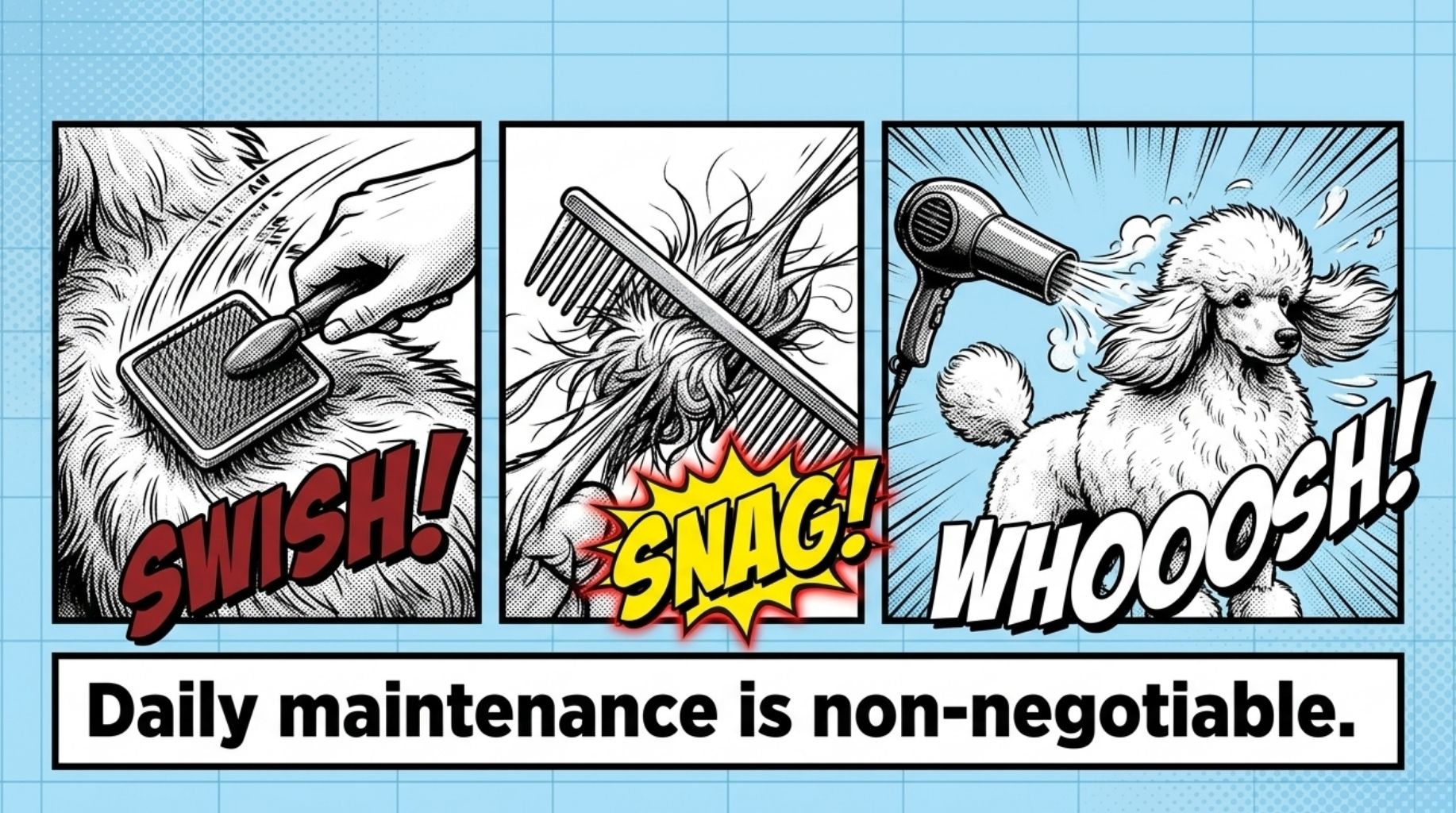
HOW TO CARE FOR YOUR FLUFFY COMPANION?
Fluffy dogs do not stay fluffy by accident. You must work at it every single day. Their coats trap dirt, loose hair, and moisture. Without regular care, mats form and pull on their skin. That hurts. That is why grooming is not optional, it is essential for their well-being.
Daily Brushing Keeps The Fluffiest Dogs Looking Their Best
Brush your fluffy dog every day. Use a slicker brush first to remove loose undercoat. Then follow with a metal comb to catch any tangles the brush missed. Pay extra attention to high-friction areas like behind the ears, under the legs, and around the collar. These spots mat faster than anywhere else.
For double-coated breeds like Samoyeds and Chow Chows, daily brushing during shedding season is non-negotiable. Without it, you will end up shaving your dog, which can permanently ruin their coat. Make brushing a positive ritual. Use treats. Speak softly. Your dog will learn to enjoy it, and you will keep them among the fluffiest dogs in your neighborhood.
Professional Grooming Is A Must For The Fluffiest Dogs
Even the best home brushing cannot replace a professional groomer. Take your fluffy dog to a groomer every six to eight weeks. Professionals have powerful dryers that blow out loose undercoat you cannot reach with a brush. They also trim hair around paws, sanitary areas, and eyes for comfort and cleanliness.
The global pet grooming market is growing fast, from 17 billion USD in 2025 to nearly 25 billion USD by 2030. A big reason? Owners of the fluffiest dogs want expert care. Grooming peaks in spring and December, so book your appointments early. A good groomer also checks your dog’s skin, ears, and nails. That extra set of eyes can catch health problems early.
Choosing The Right Tools For Your Fluffy Dog’s Coat
Walk into any pet store, and you will see dozens of brushes. Which ones do you actually need? First, buy a high-quality slicker brush with fine, angled wires. This brush removes loose undercoat without scratching your dog’s skin. Second, get a metal greyhound comb to check your work and remove tangles. Third, consider a de-shedding tool like a FURminator for heavy shedding seasons.
For curly-coated breeds like the Bichon Frise, a pin brush and wide-toothed comb work better. De-tangling sprays reduce static and make brushing easier. Do not forget dog-safe shampoo designed specifically for double coats. Harsh shampoos strip natural oils and damage the fur. With the right tools, keeping one of the fluffiest dogs becomes much easier and more enjoyable.

WHY FLUFFY DOGS ARE TAKING OVER THE WORLD?
Something big is happening. More people than ever want fluffy dogs. Search data proves it. Social media confirms it. The pet industry is booming because of it. Owners now treat their fluffy dogs like family members, spending more on grooming, food, and accessories. This trend is not slowing down.
Search Trends Show People Love The Fluffiest Dogs
Online searches for “fluffy dog breeds” have jumped significantly in the last three years. The Samoyed, Pomeranian, and Chow Chow consistently rank among the most searched breeds. According to Rover’s 2026 report, the Miniature Poodle remains a top trending breed because of its fluffy, non-shedding coat.
The American Kennel Club reports that fluffy breeds like the Golden Retriever and Shetland Sheepdog stay in the top twenty most popular breeds. When people search for “the fluffiest dogs in the world,” they want photos, grooming tips, and breeder recommendations. High search volume tells us that fluffiness is a major factor for new dog owners. Families specifically seek out breeds with thick, soft coats as part of their ideal pet vision.
Fluffy Dogs Dominate Social Media And Influencer Culture
Scroll through Instagram or TikTok for five minutes. You will see fluffy dogs everywhere. A Samoyed’s smiling face stops scrollers in their tracks. A Pomeranian’s dramatic strut gets millions of likes. A Chow Chow’s lion-like mane goes viral overnight.
This social media exposure has directly increased demand for fluffy breeds. Some fluffy dogs have become influencers with millions of followers and sponsorship deals. But remember, the perfect Instagram photo does not show the hours of grooming behind that beautiful coat.
Adopting a dog just because it looks cute online can lead to unhappy owners and neglected pets. Always research a breed’s needs before falling in love with a photo. That said, the fluffiest dogs genuinely bring joy to millions of people online and offline.
The Pet Grooming Market Is Booming Because Of Fluffy Dogs
Follow the money, and you will see the fluffy dog effect. The global pet grooming market is projected to grow from 17.09 billion USD in 2025 to 24.54 billion USD by 2030. That is a compound annual growth rate of 7.5%. Dogs alone account for 45% of this market, driven mainly by bathing and hair trimming for double-coated breeds.
Mobile grooming services have exploded in popularity because busy owners want convenient, at-home care. The “premiumization” trend means owners now demand hypoallergenic shampoos, ergonomic tools, and personalized grooming experiences.
Grooming trade shows like Groom Expo West have grown significantly, attracting thousands of professionals. This booming industry directly supports the health and happiness of the fluffiest dogs everywhere. When you spend money on professional grooming, you are helping a massive, growing global movement that values pet wellness.
FLUFFY DOGS AND FAMILY LIFE
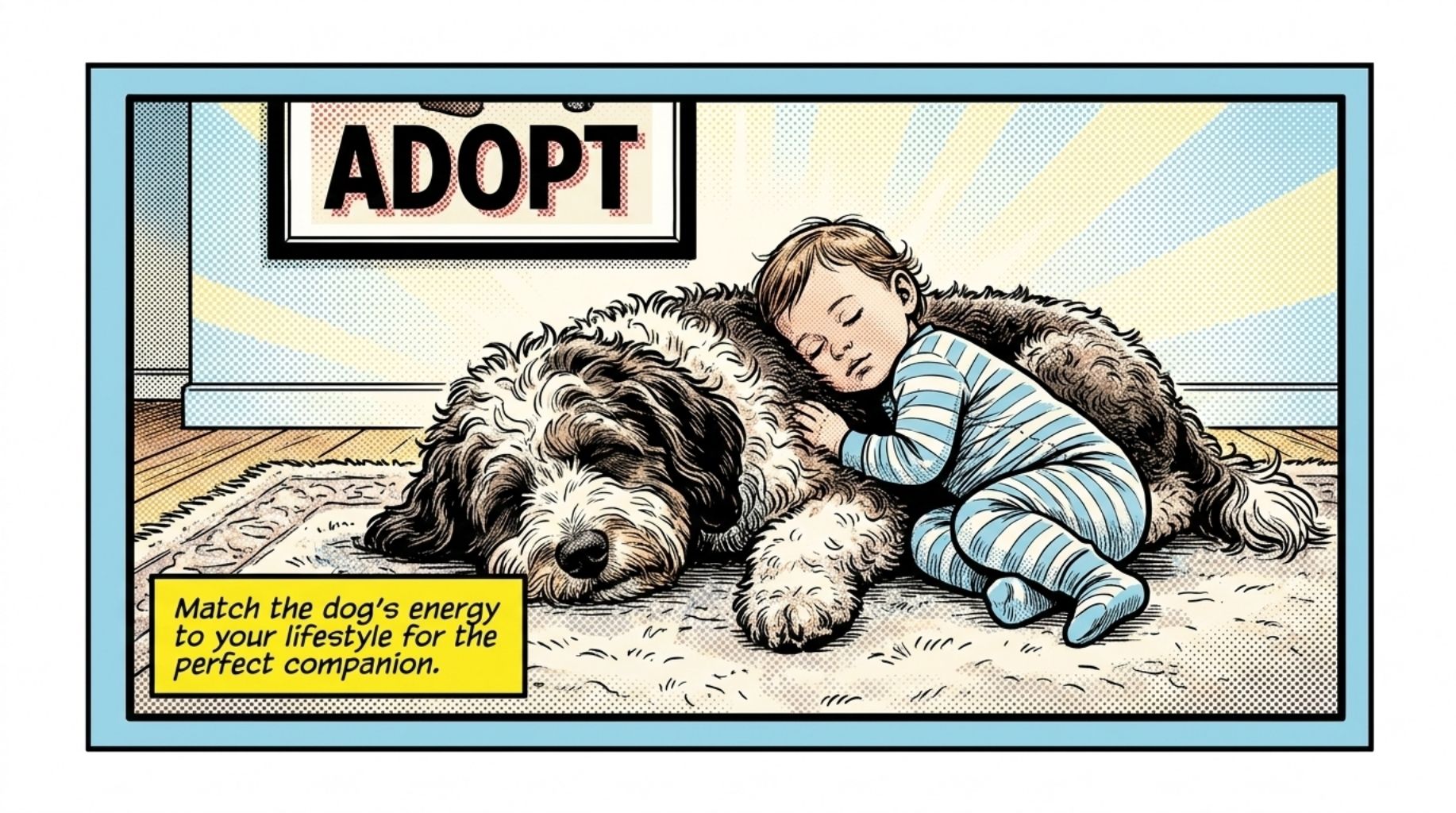
Fluffy dogs make wonderful family members. Their soft fur comforts children. Their gentle nature reduces stress. But not every fluffy breed fits every family. You need to match the dog’s energy and grooming needs to your lifestyle. Do that right, and you will have a loyal friend for years.
The Fluffiest Dogs Often Make The Best Family Pets
Some of the fluffiest dogs also rank as the most family-friendly breeds. The Bernese Mountain Dog is patient, loyal, and great with kids. The Golden Retriever has a slightly wavy, fluffy coat and a gentle, eager-to-please nature.
Newfoundlands act like nannies around children, showing incredible gentleness and intuitive protection. The Cavalier King Charles Spaniel has surged in popularity for families because it combines a silky, fluffy coat with a lap-dog temperament.
The Shetland Sheepdog is brilliant, trainable, and deeply loyal to its family. These breeds prove that fluffiness and family-friendliness often go hand in hand. However, always supervise young children with any large dog, no matter how gentle the breed is known to be. A happy family with one of the fluffiest dogs is a beautiful thing to see.
Adopting A Fluffy Dog From A Shelter Gives A Second Chance
Purebred fluffy dogs can cost thousands of dollars. Shelter adoption offers a more affordable and ethical path. Many mixed-breed dogs in shelters have wonderfully fluffy coats, combining the best traits of several breeds. Mixed-breed dogs now rank as the most popular “type” of dog in America.
Shelter dogs come in all shapes, sizes, and fluffiness levels. Adoption gives a deserving animal a second chance at a happy life. You also avoid supporting puppy mills that prioritize profit over health. Many rescue organizations specialize in specific fluffy breeds, including Samoyed, Pomeranian, and Chow Chow rescues.
Adoption fees are typically much lower than breeder prices. Most shelters provide initial vaccinations, spaying or neutering, and microchipping. Visit your local shelter and meet different dogs. You might find one of the fluffiest dogs you have ever seen waiting for a home.
Considering Your Lifestyle Before Getting A Fluffy Dog
Fluffy dogs are amazing, but they are not for everyone. Their grooming needs demand significant time and money. A Samoyed or Chow Chow needs daily brushing during shedding season, which can take twenty minutes or more. Professional grooming visits cost fifty to one hundred dollars each time.
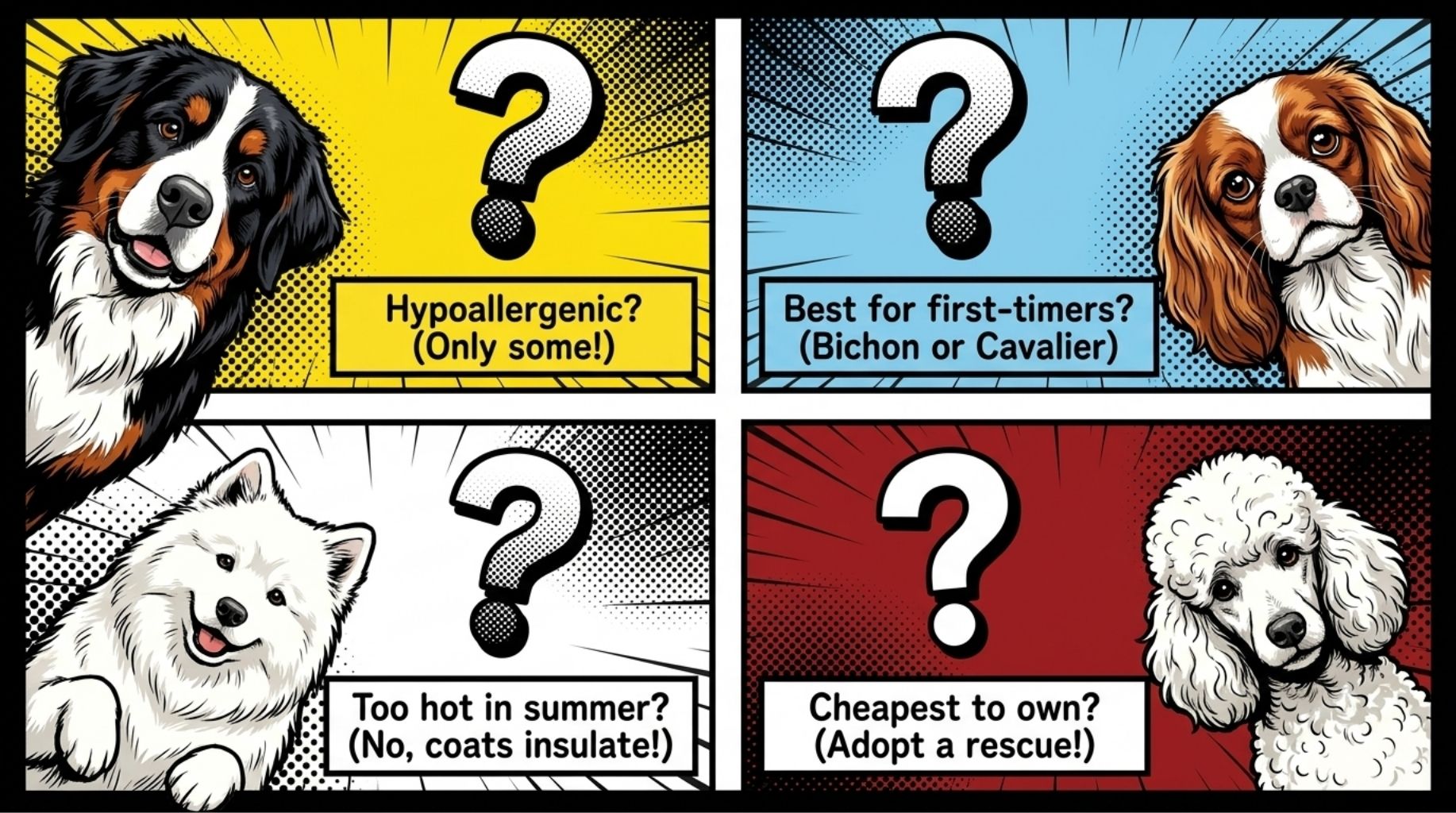
That adds up fast. Many fluffy breeds also have high energy levels and need plenty of exercise. A bored Old English Sheepdog might chew your furniture or dig up your garden. People with allergies should know that no dog is truly hypoallergenic, though Bichons and Poodles produce less dander.
Before bringing home one of the fluffiest dogs, honestly assess your available time, budget, living space, and activity level. Match your energy to your dog’s energy. That creates a harmonious home where everyone thrives.
LATEST SCIENCE AND RESEARCH ON FLUFFY DOGS
This topic is not just about cute photos. Real science matters here. Researchers study fluffy dogs to understand genetics, health, and even human behavior. Their findings help breeders, owners, and veterinarians make better decisions. Let us look at three important areas of recent research.
Genetic Studies Reveal New Secrets About The Fluffiest Dogs
Scientists have identified exactly three genes that control coat variation in all domestic dogs. A major study published in a peer-reviewed journal showed how FGF5, RSPO2, and KRT71 work together. FGF5 mutations produce long-haired dogs. RSPO2 mutations create furnishings like eyebrows and beards. KRT71 mutations make coats curly or wavy. A 2025 study on Akita dogs added a new twist.
Researchers found that modern Akitas carry the fluffy FGF5 mutation much more often than dogs from the 1970s. The “short and fluffy” look is now highly desired. This is direct evidence that human preferences drive genetic changes in dogs.
Breeders can now use genetic testing to predict puppy coats. This science empowers ethical breeders to maintain healthy diversity while preserving the fluffy traits people love. Understanding the fluffiest dogs at a genetic level helps everyone.
Health Research On Double-Coated And Fluffy Dogs
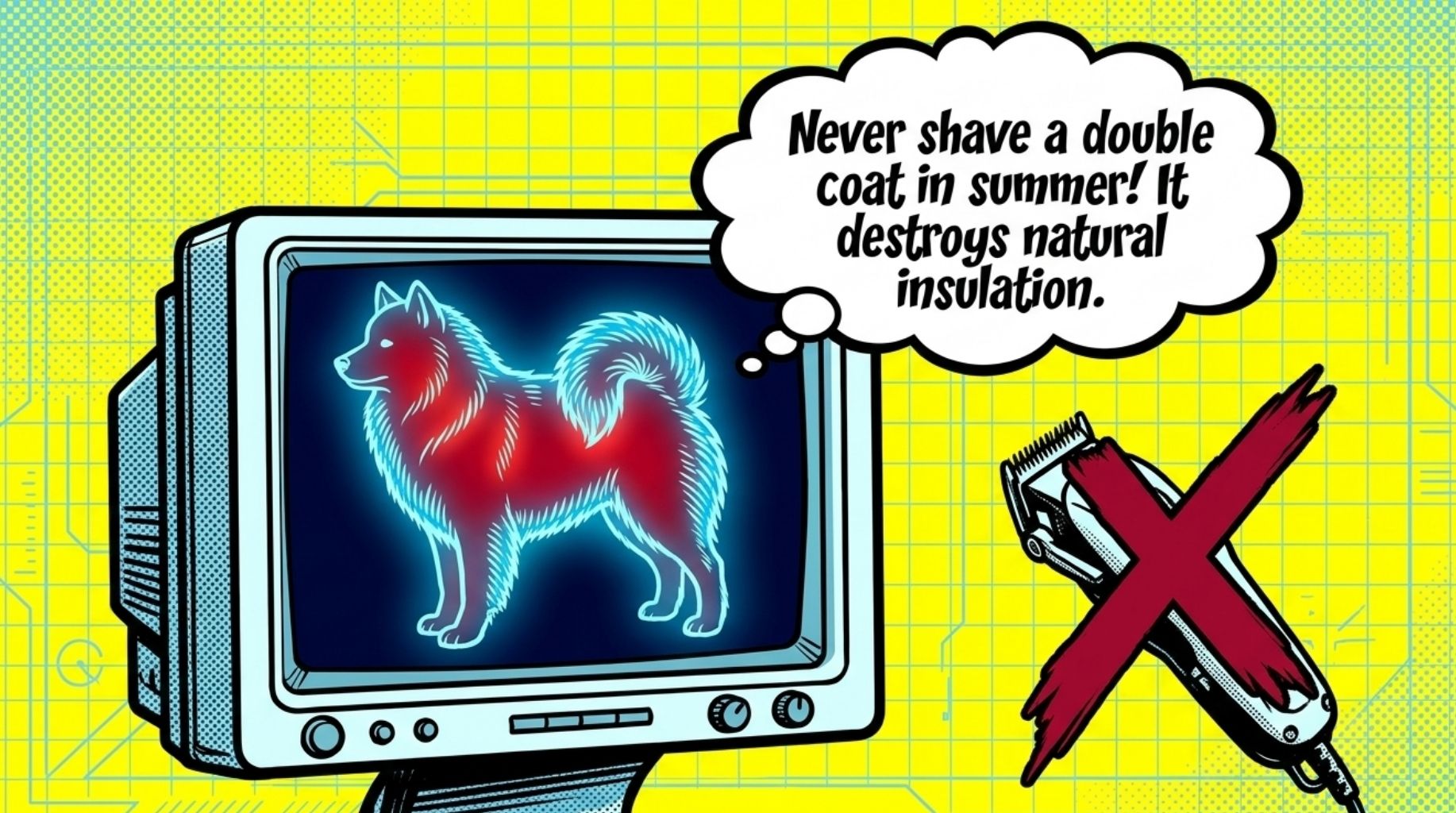
Veterinary scientists have studied double-coated breeds extensively. One major finding, do not shave your double-coated dog in summer. The undercoat insulates against heat as well as cold. Shaving can permanently damage the coat’s ability to grow back properly.
Double-coated breeds naturally regulate temperature by shedding undercoat seasonally. Research also shows that thick coats can trap moisture against the skin, leading to hotspots and bacterial infections. Regular brushing lifts the coat away from the skin, allowing air to circulate. Scientists have also studied coat color dilution and health problems.
Some diluted colors in breeds like French Bulldogs carry increased risks for skin issues. This research helps owners make informed grooming choices. It also helps breeders avoid pairing dogs that might produce unhealthy offspring. The health of the fluffiest dogs depends on applying this science correctly.
Market Research Shows The Economic Impact Of Fluffy Dogs
Fluffy dogs drive a multi-billion dollar economy. According to Persistence Market Research, the global pet grooming services market will grow from 6.5 billion USD in 2025 to 10.7 billion USD by 2032. That is a compound annual growth rate of 7.4%.
Sixty-five percent of pet owners now consider their pets as family members. That humanization directly increases spending on grooming and wellness services. Mobile grooming is one of the fastest-growing segments because busy owners want convenience.
Grooming peaks in spring and December, when families want their fluffy dogs looking best for photos and holidays. This economic data proves that the love for fluffy dogs is not a passing trend. It is a fundamental shift in how people value their pets. The money spent on grooming directly contributes to the health and happiness of millions of the fluffiest dogs around the world.
FREQUENTLY ASKED QUESTIONS (FAQS)