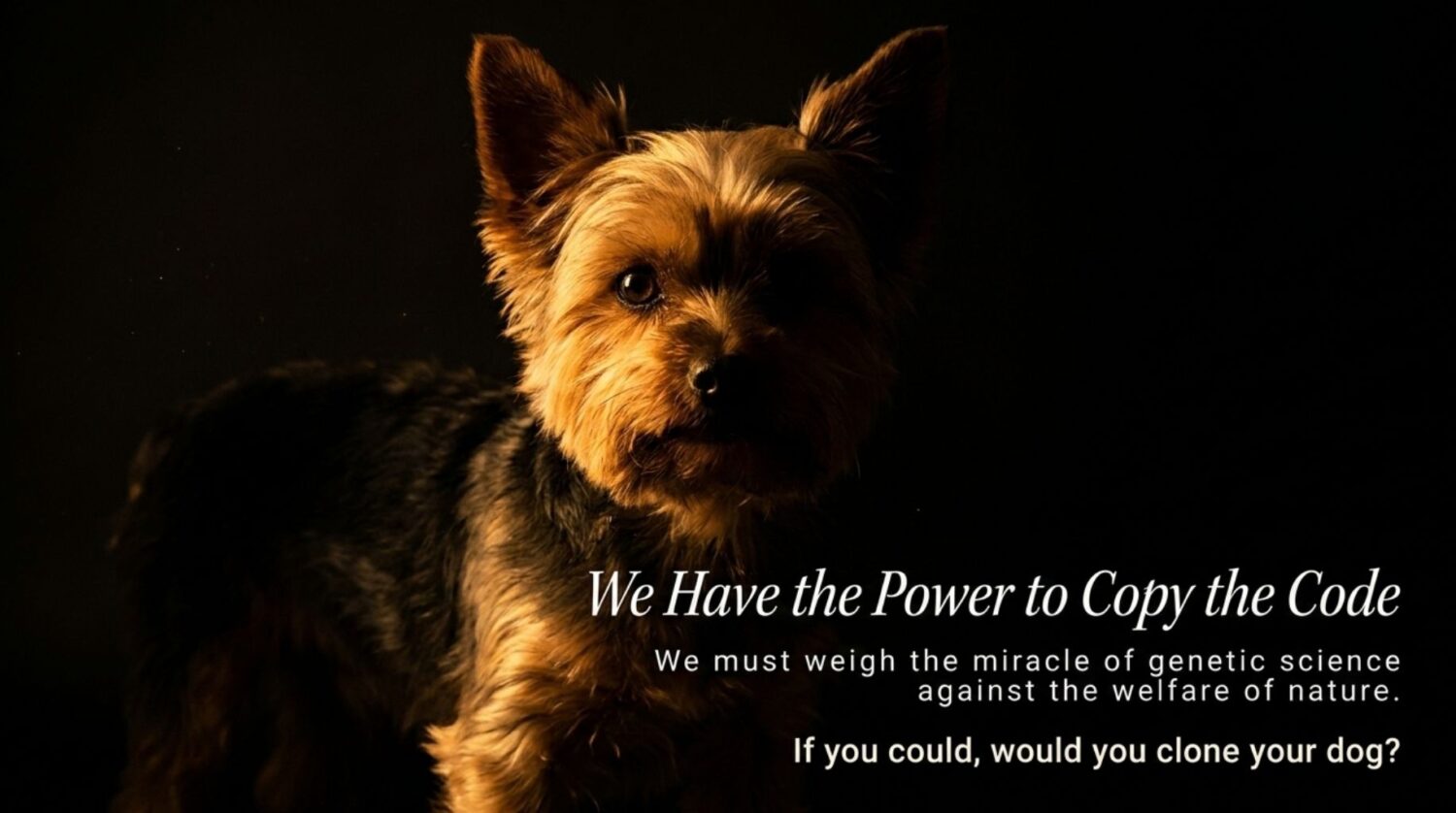


In today’s world the cloning of dogs is a subject that makes many people curious. It lets dog owners keep having their beloved pets around. For many dog lovers, life without their furry friends seems hard to imagine. Many dogs become like family members. That’s why the idea of dog cloning them seems appealing to some. Read the full in-depth article about the world of dog cloning!
KEY TAKEAWAYS ON THE WORLD OF DOG CLONING
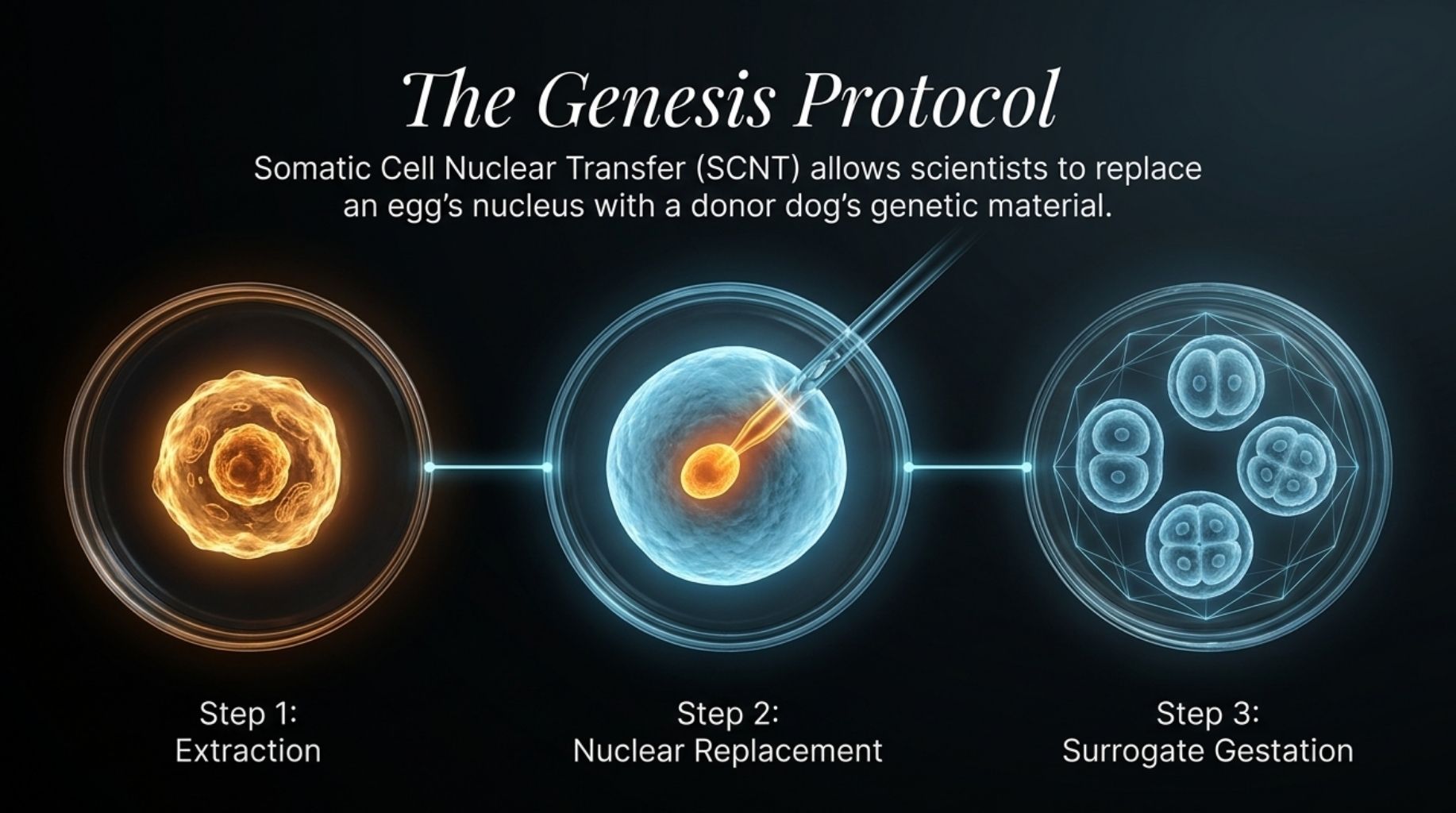
- Dog cloning uses a scientific technique called Somatic Cell Nuclear Transfer (SCNT) to create a genetic copy of an existing dog, not a “resurrection” of the original.
- The procedure involves removing the nucleus from a donor egg and inserting the nucleus from a cell of the dog to be cloned, then implanting the embryo into a surrogate mother.
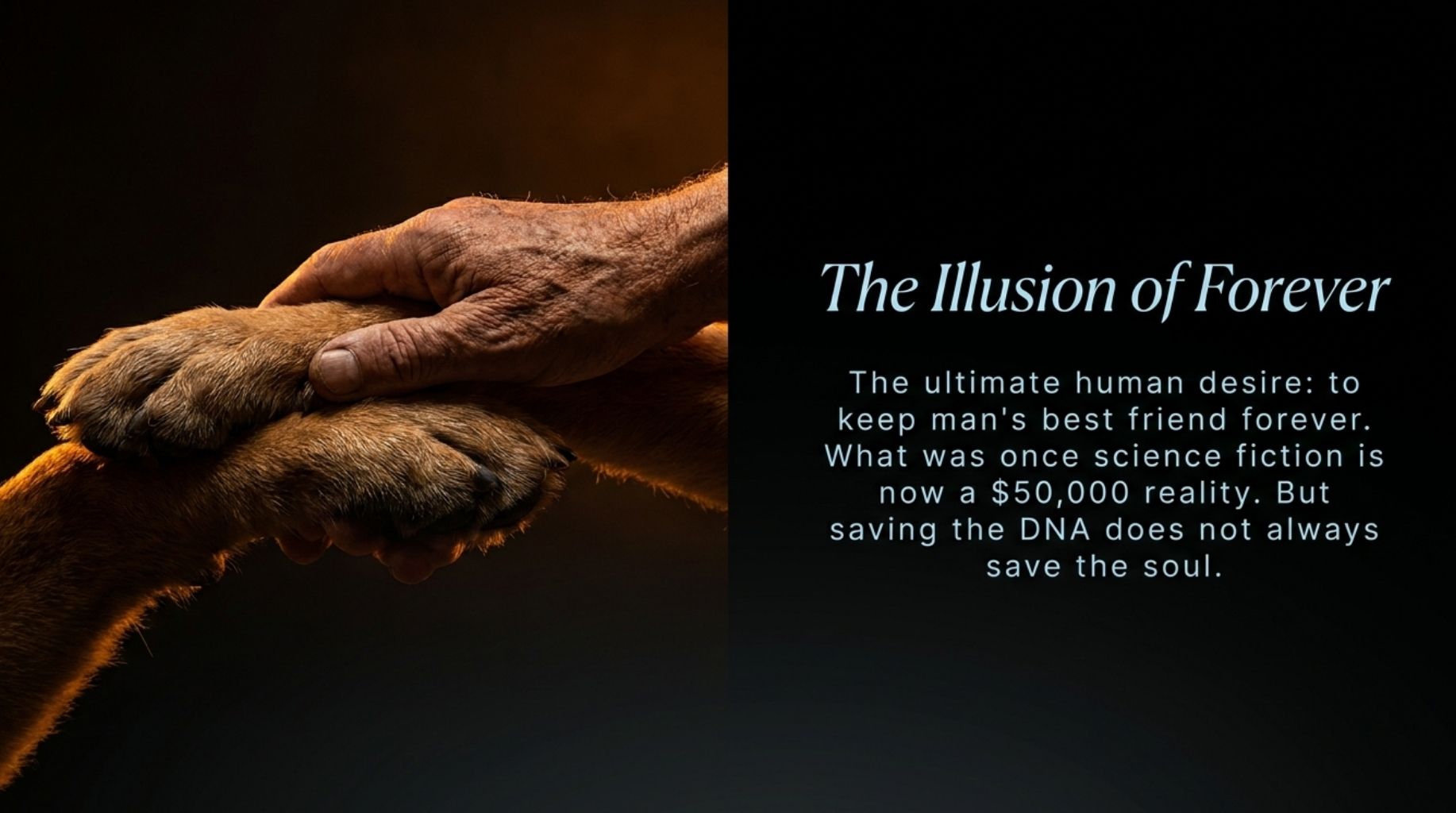
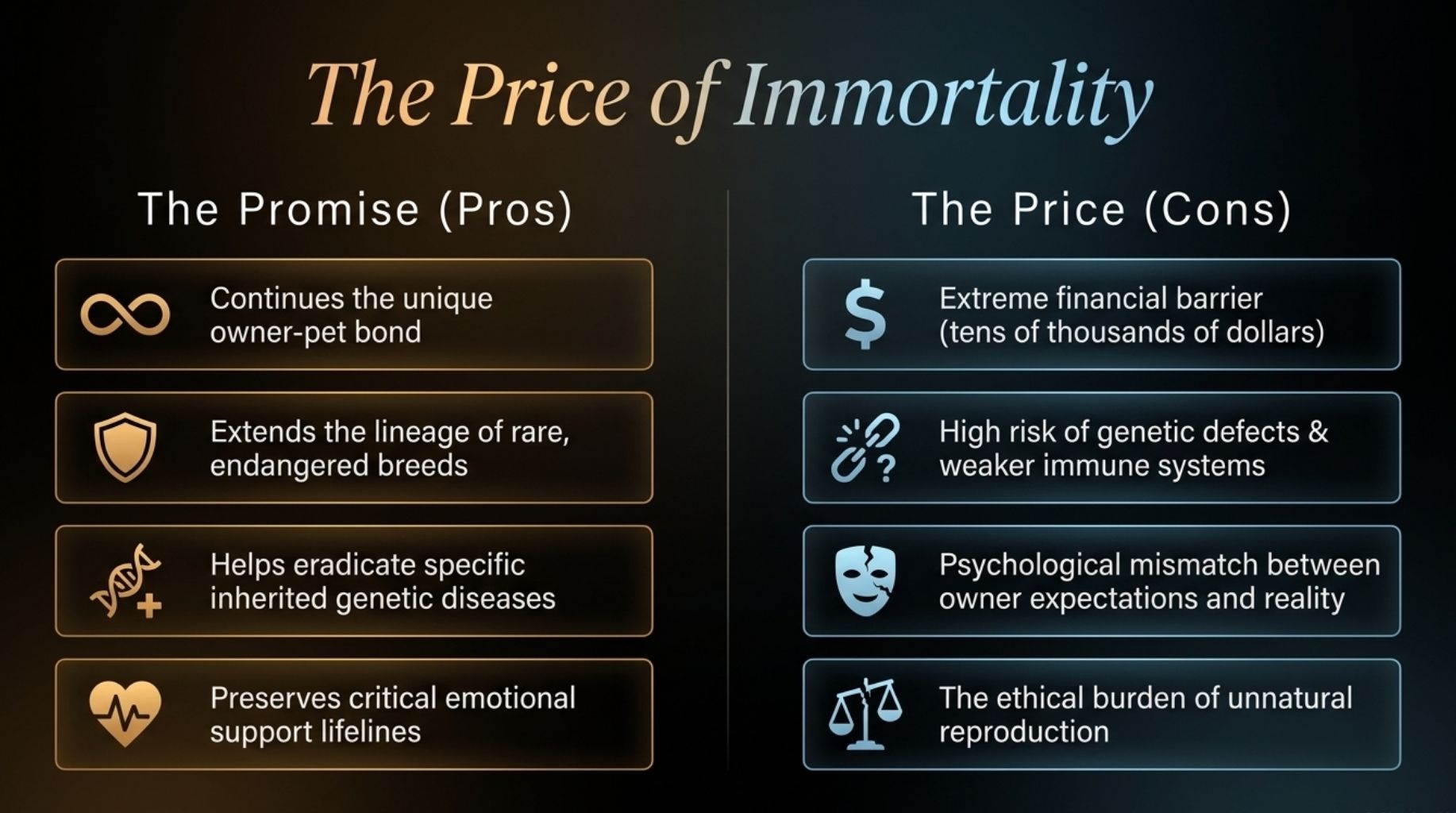
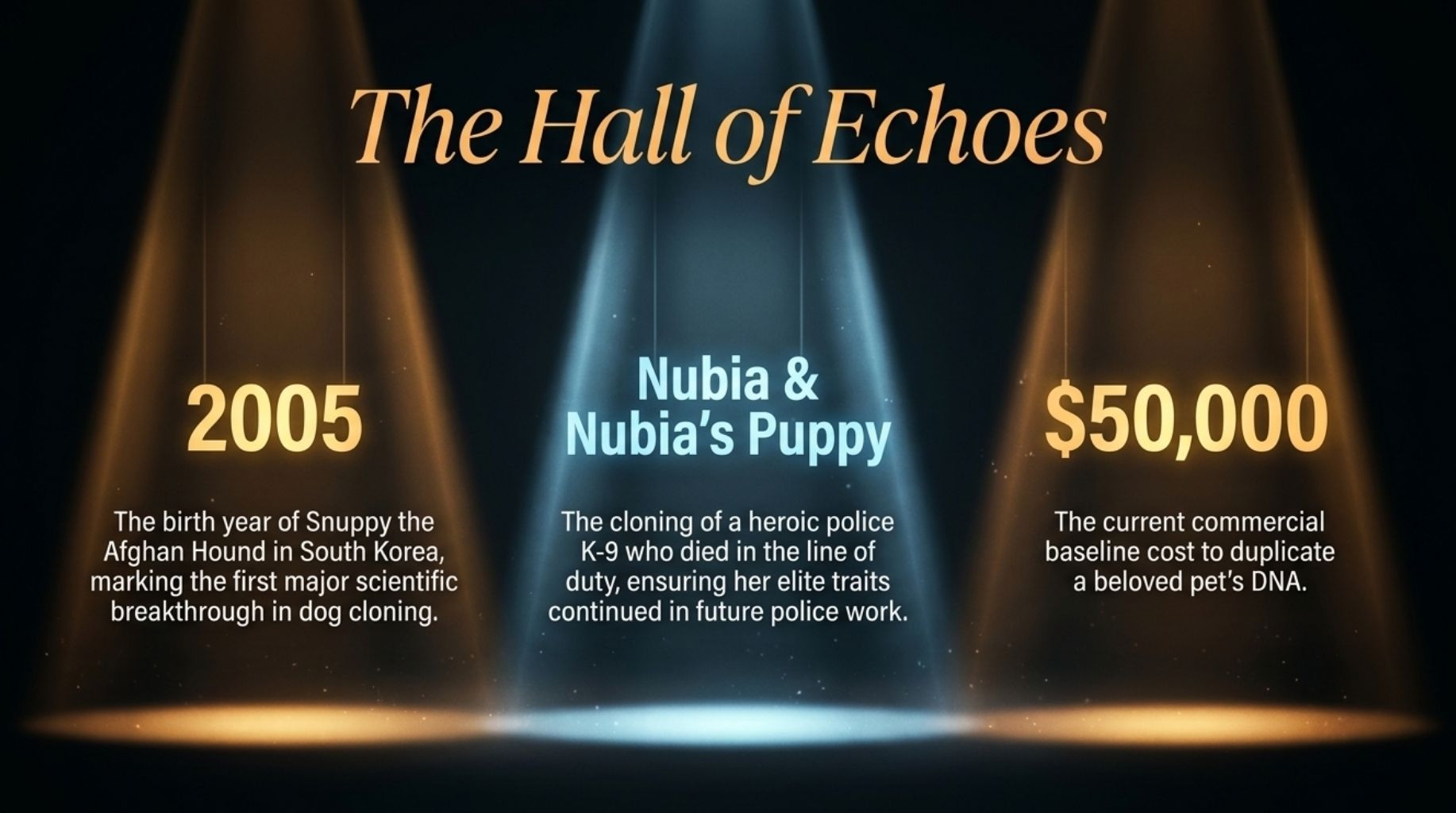
- Cloning is very expensive, typically costing around $50,000, which puts it out of reach for most pet owners.
- While cloning replicates genetics, it does not copy personality, behavior, or memories, which are shaped by environment and experience.
- The process has a low success rate, some sources report as few as 4 successful live births from 94 implanted embryos, and cloned animals may face increased health risks, such as weaker immune systems and genetic abnormalities.
- Major ethical concerns include welfare issues for surrogate mothers, the diversion of resources from shelter animal adoption, and questions about whether animals can consent to being cloned.
- The decision to clone a dog is deeply personal, requiring owners to carefully balance emotional desires against financial, ethical, and animal welfare considerations.
PODCAST SUMMARY: DOG CLONING WORLD OF SCIENCE, COST, AND ETHICS
The podcast from the Bark Brigade talks about our original article that explains the process, costs, success rates, and ethical debates surrounding dog cloning. It describes how cloning uses Somatic Cell Nuclear Transfer (SCNT) to create a genetic copy of a dog, but emphasizes that the clone will not have the same personality, memories, or behavior as the original pet. The procedure is extremely expensive (around $50,000), has a low success rate (as low as 4% for live births), and can lead to health problems in cloned animals. The article also highlights major ethical concerns, including animal welfare issues for surrogate mothers, the opportunity cost of not adopting shelter dogs, and philosophical objections to “playing God.” Finally, it suggests alternatives such as adopting a similar breed or rescuing another dog, concluding that cloning is a personal choice but one that requires careful reflection on financial, emotional, and moral implications.
Video Explainer About The Dog Cloning World of Immortality
FAQ ABOUT THE WORLD OF DOG CLONING
What Exactly Is Dog Cloning, And How Does It Work?
Dog cloning is a laboratory process that creates a genetic duplicate of an existing dog. The most common method is called Somatic Cell Nuclear Transfer (SCNT). Scientists begin by removing the nucleus (which contains the DNA) from a donor egg cell. They then replace it with the nucleus taken from a cell of the dog they wish to clone. This reconstructed egg is implanted into a surrogate mother dog, who carries and gives birth to the cloned puppy.
How Much Does It Cost To Clone A Dog, And Where Can I Get It Done?
As of 2026, cloning a dog typically costs around 50,000USD. Some owners have reported spending up to 50,000USD. Other owners have reported spending up to 100,000 or more. The main global providers include ViaGen Pets in the United States and Sinogene in China, which are considered market leaders in commercial pet cloning. The entire process, from tissue collection to delivery of the puppy, usually takes several months.
Will A Cloned Dog Have The Same Personality And Memories As My Original Dog?
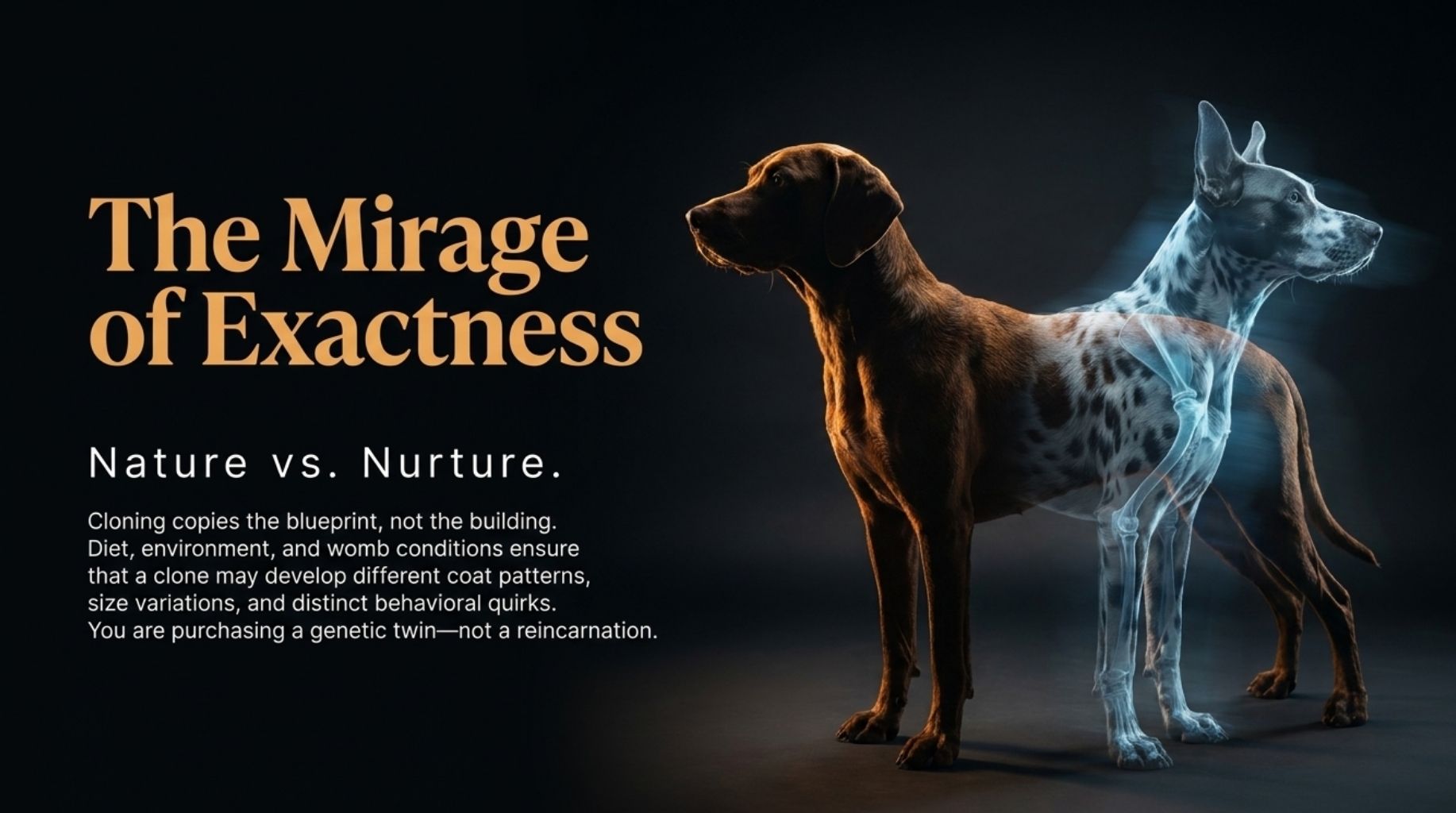
No. While cloning creates an animal with nearly identical DNA, it does not copy personality, learned behaviors, memories, or “soul.” A dog’s character is shaped by both genetics and its unique life experiences (environment and nurture). As experts emphasize, cloning only creates a genetic twin, not a resurrected version of your former pet.
What Are The Success Rates And Health Risks Associated With Cloning?
Cloning has a low success rate and brings notable health concerns. Some scientific reports indicate only about a 4% success rate for implanted embryos leading to live births. Additionally, cloned animals may face a higher risk of genetic defects, weaker immune systems, increased infection rates, and shorter lifespans compared to naturally conceived dogs.
What Are The Main Ethical Concerns Raised Against Dog Cloning?
Critics raise several important ethical objections:
- Animal Welfare: The process can be harsh on surrogate mothers and egg donors, potentially causing them unnecessary suffering.
- Unnatural Process: Some argue that cloning interferes with natural reproduction and the cycle of life and death.
- Resource Allocation: With millions of adoptable pets euthanized in shelters each year, critics question the ethics of spending vast resources to create new animals when so many need homes.
- Lack of Consent: Pets cannot consent to having their genetic material used for cloning.
Can I Clone My Dog After It Has Already Passed Away?
Yes, but with a strict time limit. To successfully clone a dog after it has died, a tissue sample containing live cells must be collected, typically within 24 hours of death, and properly preserved. If you are considering this, it is crucial to discuss immediate post-mortem plans with a veterinarian in advance.
Is Dog Cloning Legal Everywhere in The World?
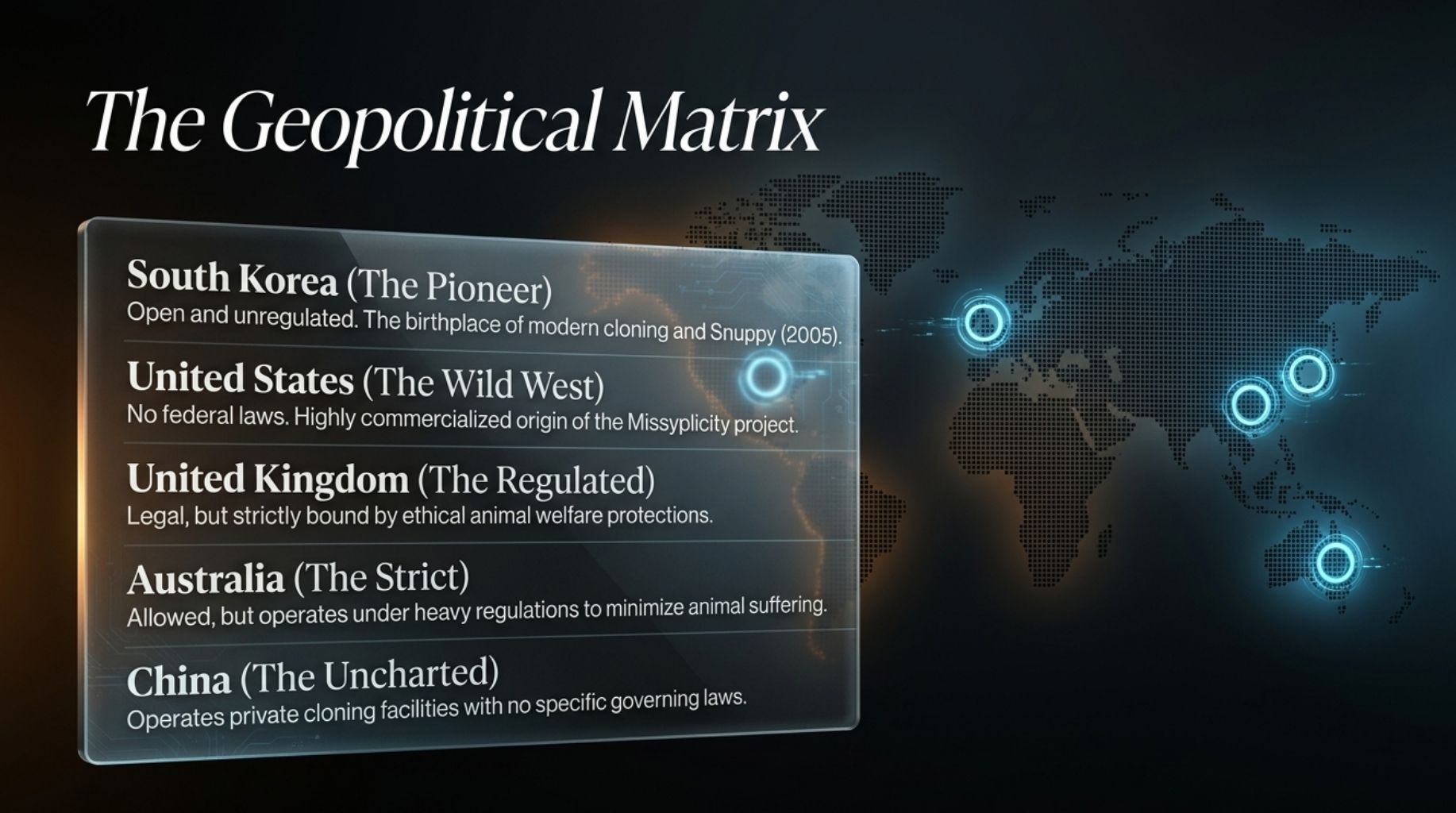
No, the legality of pet cloning varies by country. While it is permitted and offered commercially in the United States and China, other nations have stricter regulations or outright bans on the practice. Prospective owners should research the specific laws in their country before pursuing cloning.
Are There Alternatives To Cloning If I Want Another Dog Like My Current One?
Yes. Rather than investing tens of thousands of dollars into cloning, many experts recommend:
- Adopting a similar breed from a shelter or reputable breeder.
- Focusing on creating new memories with a different dog that needs a home.
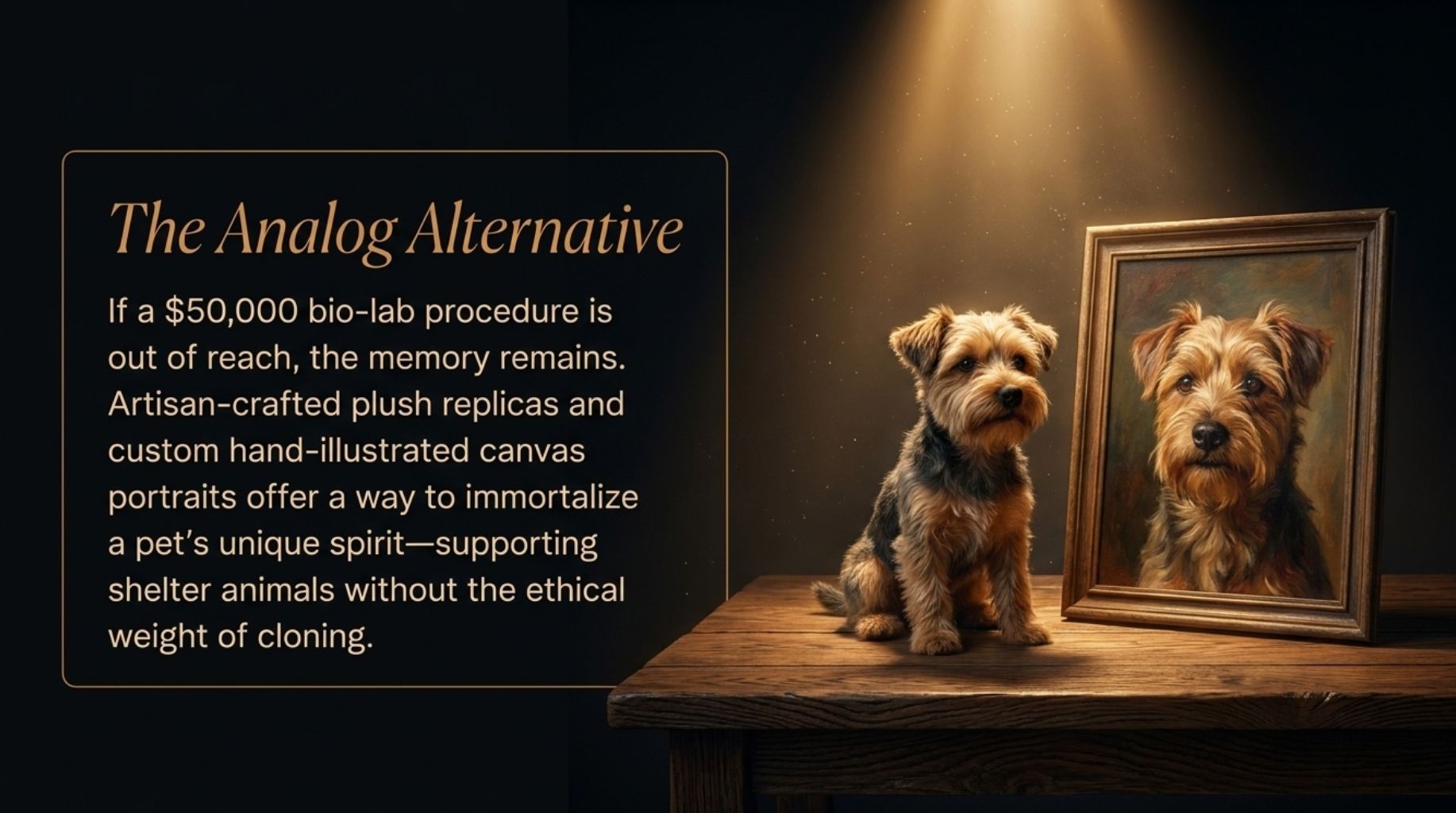
Cloning can never bring back your original dog, but opening your heart and home to another animal, whether a rescue or a purebred, can be a rewarding and ethical alternative.
FINAL THOUGHTS ON CLONING YOUR DOG
Ultimately, world of dog cloning is a remarkable scientific achievement that offers bereaved owners a chance to retain their beloved pet’s genetic legacy. However, it comes with a high financial cost, low success rates, potential health risks for the clone, and significant ethical questions. The decision is deeply personal, and prospective owners are encouraged to weigh the emotional appeal against the practical and moral realities before proceeding.
Science can now copy your dog’s genes, but can it ever copy the 10 years of belly rubs, road trips, and stolen socks that made them who they were?