
If you’ve ever asked why do dogs snore, you’re not alone. Snoring happens when air can’t flow smoothly through a dog’s nose or throat. This makes tissues vibrate. Sometimes it’s harmless. Other times, it signals a health issue. This guide explains the noises. It helps you spot normal sounds and warning signs. You’ll also learn about new science and solutions. This will help your best friend breathe and sleep better.
“That rumbling, grumbling sound from your dog’s bed can be funny or frustrating. But what’s really happening when your dog snores like a tiny chainsaw?”
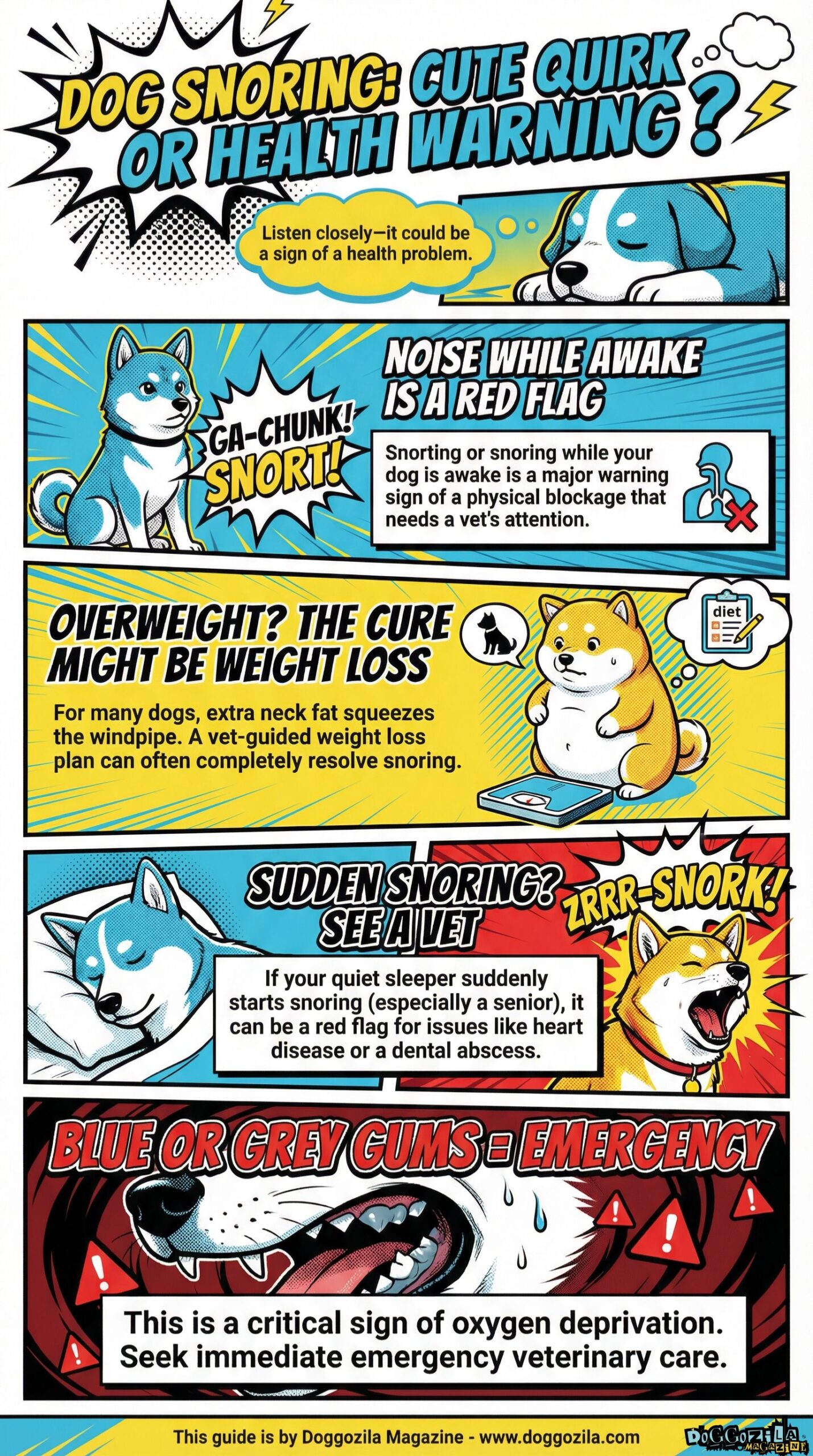
Quick Summary About THE REASONS OF DOG SNORING
This article explores the common question, why do dogs snore, explaining it stems from obstructed airflow in the nose or throat. We cover harmless causes like sleep position and serious ones like BOAS, detail when snoring is a vet-worthy concern, and review treatments from weight loss to surgery. You’ll learn which breeds snore most, why snoring may increase, and how latest research is improving diagnosis for quieter, healthier dog sleep.
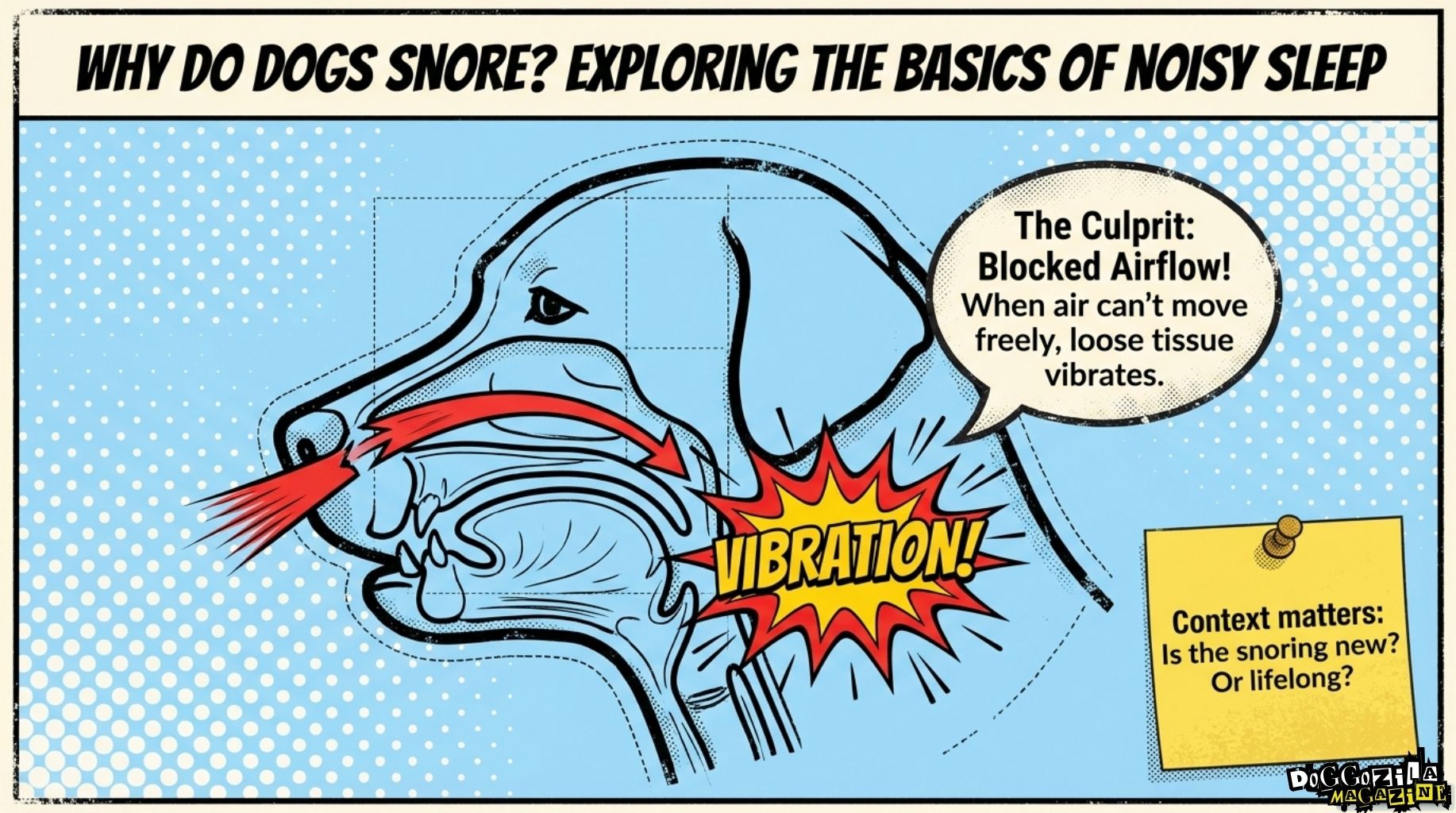
WHY DO DOGS SNORE? EXPLORE THE BASICS OF NOISY SLEEP
The main answer to why do dogs snore is blocked airflow. When something partly blocks your dog’s nose or throat, air makes soft tissues vibrate. This creates the rumbling sound. The block can be temporary. Or it can be a fixed physical issue. Watch the context. Is the snoring new or lifelong? Is it only in deep sleep? Understanding the “why” is the first step. It tells you if the sound is cute or a reason to call the vet. Learning this helps you become a more attentive pet owner. It turns a simple noise into useful information about your dog’s health.
Observing your dog’s sleep habits is the first step to understanding their health. A good night’s rest is vital for their energy, mood, and overall well-being. So, let us dive into the common reasons for this nighttime noise.
Anatomy is a Primary Reason Behind Why Do Dogs Snore
For many dogs, their build is the main cause. This is true for flat-faced “brachycephalic” breeds. Bulldogs, Pugs, and Shih Tzus are examples. They have short skulls that crowd their airways. They often have narrow nostrils and a long soft palate. This cramped space makes air move poorly. It leads to snoring and snorting.
This is often part of Brachycephalic Obstructive Airway Syndrome (BOAS). Their cute faces come with a breathing challenge. This is the most common reason for loud, constant snoring in specific breeds. Owners of these dogs should be especially watchful.
Everyday Health Factors That Explain Why Do Dogs Snore
Other common health factors cause snoring. Obesity in dogs is a big one. Extra neck fat presses on the windpipe. Allergies or a cold cause swelling in nasal passages. This creates congestion. Even a sleeping position matters. A dog on its back may snore. Its tongue can relax back into its throat. These are often easy to manage or temporary. A stuffy nose from pollen can make any dog snore for a few days. So can sleeping in a funny, crooked position on the couch.
More Serious Causes Behind Why Do Dogs Snore
Sometimes, snoring points to a serious problem. It can signal growths like nasal polyps or tumors. A foreign object like grass can get stuck in the nose. Dental issues like an abscess can cause swelling. In older dogs, laryngeal paralysis leads to noisy breathing. This is why a sudden change in snoring needs attention. These issues don’t go away on their own. They require a veterinarian to find and fix the problem. Ignoring them can let a manageable condition become worse.
🔑 Key Points: Snoring is caused by blocked airflow. Common reasons are breed anatomy, obesity, allergies, and sleep position.
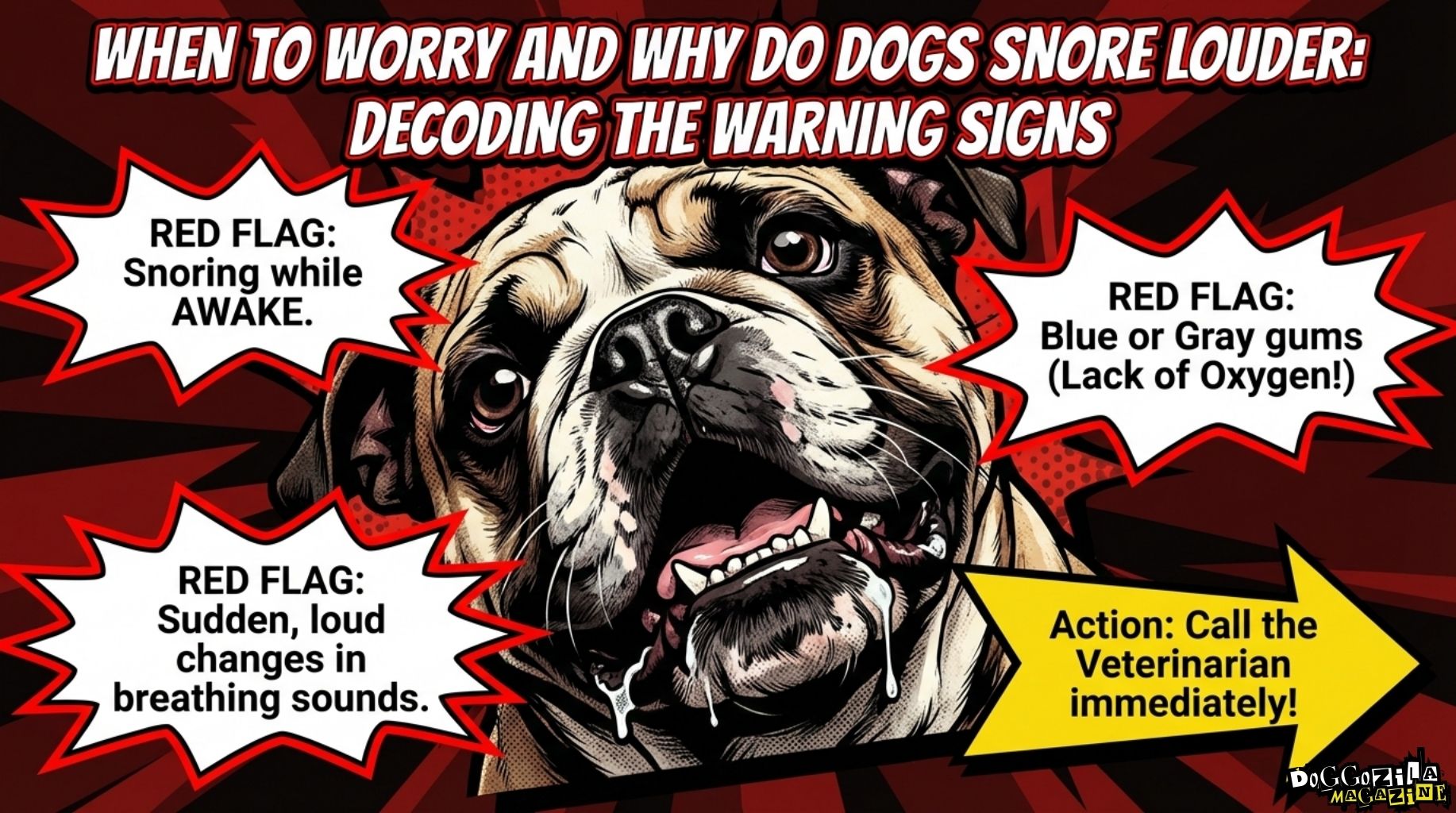
WHEN AND WHY TO WORRY WHEN DOGS SNORE LOUD: THE WARNING SIGNS
Many dogs snore with no problem. But some signs mean you should call your vet. The biggest red flag is a new or sudden change. If a quiet sleeper starts snoring loudly, see a vet. This change can signal an infection, bad allergies, or a growth. You must know what is normal for your dog’s breed. You must also know the signs of distress.
This is key to understanding the real reasons why do dogs snore louder sometimes. Your dog depends on you to notice these changes. Acting quickly can make treatment easier and more successful.
Red Flags: Signs That Snoring is a Serious Problem
See a vet if snoring comes with other symptoms. Watch for colored nasal discharge, lots of sneezing, coughing, or wheezing. Worry if your dog shows exercise intolerance. They may tire too easily on walks. Watch for gagging while eating or clear trouble breathing.
You might see heavy belly movements. Blue or gray gums or tongue is an emergency. It means a dangerous lack of oxygen. These signs together paint a clear picture of distress. They move snoring from a nuisance to a symptom of a potentially serious condition.
The Critical Difference: Snoring While Awake
A key point is when the noise happens. Does it only occur during sleep? Or also when your dog is awake and resting? Noisy breathing while awake is almost never normal. It suggests a major blockage. This blockage affects your dog’s life even during calm times. For flat-faced breeds, this often means their BOAS is getting worse. A dog that snores while napping or just lying down is struggling. This is a very important clue to give your veterinarian during a check-up.
Assessing Impact on Quality of Life
Worry if snoring hurts your dog’s well-being. That is why you should always ask these questions:
- Does my dog sleep well?
- Or does it wake up gasping?
- Does it avoid play or seem lazy?
- Does it struggle in warm weather?
Loud snoring with less enjoyment of life is a health issue. It needs a vet’s check to make your pet more comfortable and safer. A happy dog is an active and engaged one. If snoring is stealing your dog’s energy and joy, it’s time to seek help.
🔑 Key Points: Worry if snoring is new, sudden, or happens while awake. Also worry if paired with other symptoms like nasal discharge or tiredness.
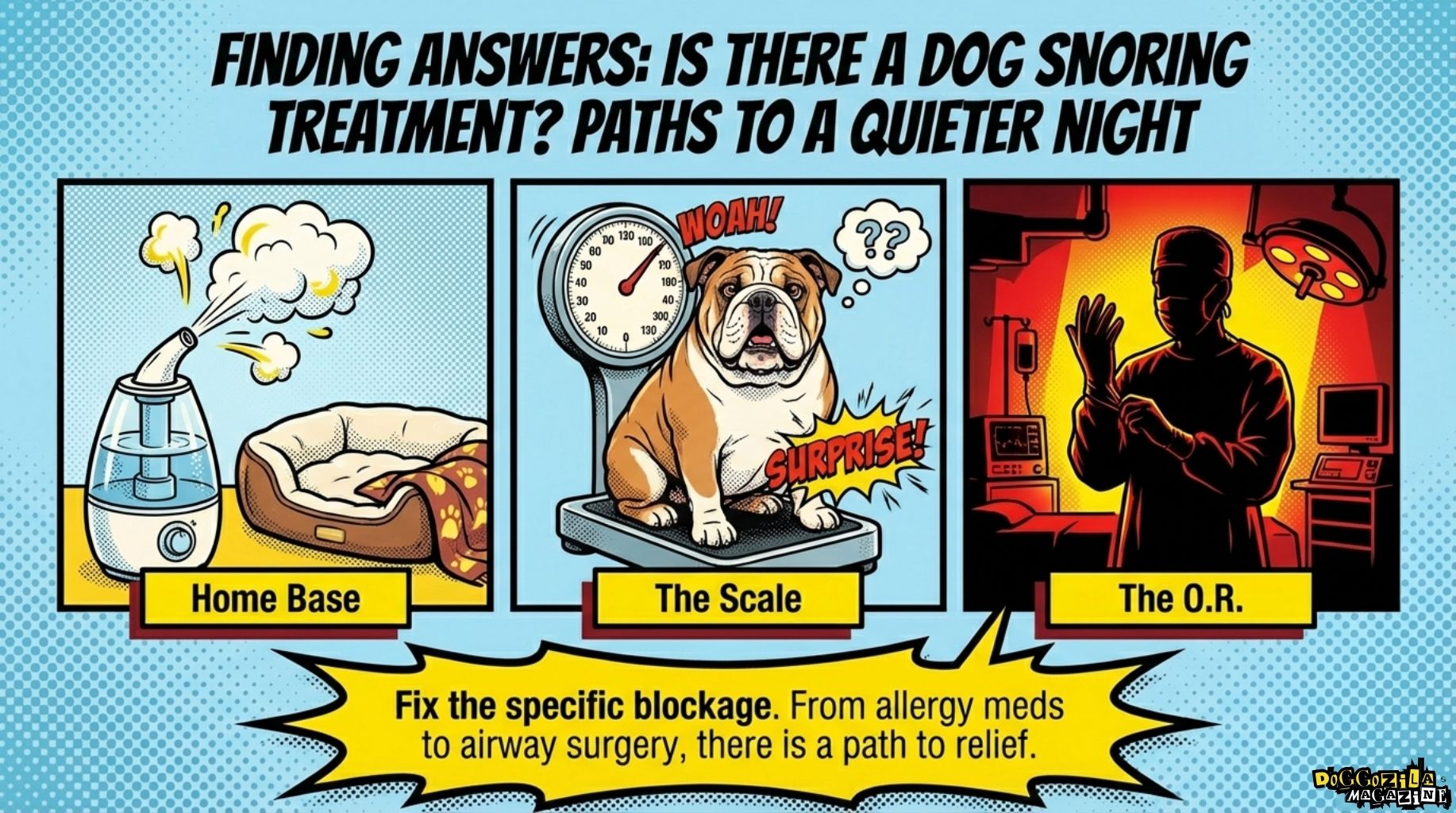
PATHS TO A QUIETER NIGHT: IS THERE A DOG SNORING TREATMENT?
Yes, treatments exist. The right one depends on the cause. There is no single fix for all. The goal is to find and fix the specific blockage. Treatment can be simple home care. Or it can be medicine or surgery. A vet’s diagnosis is essential. It leads to a safe, custom plan for your dog.
This search for a solution is a direct result of asking why do dogs snore in the first place. With the right approach, many dogs can find relief. The first step is always a visit to your trusted veterinarian.
Lifestyle and Medical Management as Snoring Treatment
For common causes, non-surgical treatments come first. If obesity is the cause, a vet-guided weight loss plan is best. Less neck fat improves airflow a lot. For allergy snoring, treatment may use antihistamines or steroids. Cleaning the home environment helps, too.
Infections are treated with medicine. The snoring fades as the infection clears. These solutions tackle the root of the problem. They are often very effective for snoring caused by these manageable conditions. Consistency with the plan is key to success.
Surgical Interventions for Structural Problems
When snoring comes from a physical defect, surgery may be needed. For flat-faced dogs, common fixes are widening the nostrils and shortening a long soft palate. These surgeries open the airway. Other surgeries remove growths like polyps, take out bad teeth, or get foreign objects from the nose.
Surgery can make life much better for affected dogs. It is a more permanent solution for anatomical issues. Your vet or a specialist can discuss if surgery is the right option for your pet’s specific case.
Supportive Home Care and Adjustments
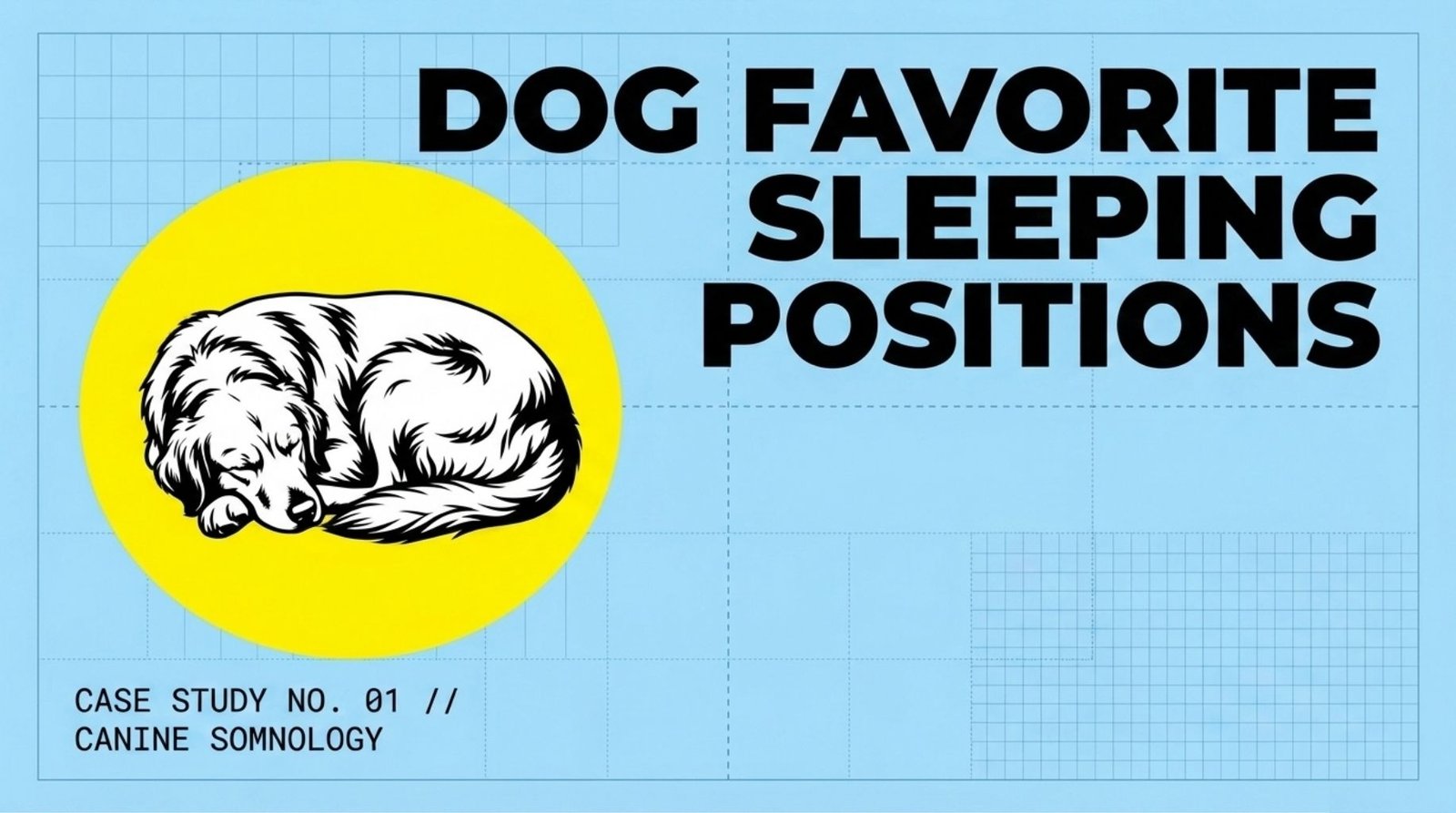
You can also help at home. Observe the dog sleeping positions. Encourage side-sleeping with a curved or donut-shaped bed. Make sure the sleeping area is cool and clean. A humidifier moistens dry airways. For flat-faced breeds, avoid heat and heavy exercise. Use a harness, not a collar.
Watch them closely in warm weather. These steps support vet care. They create a safer and more comfortable environment for your dog to sleep and breathe. Small changes at home can make a big difference in your dog’s nightly comfort.
🔑 Key Points: Treatments exist and depend on the cause. They range from lifestyle changes to surgery for physical problems.
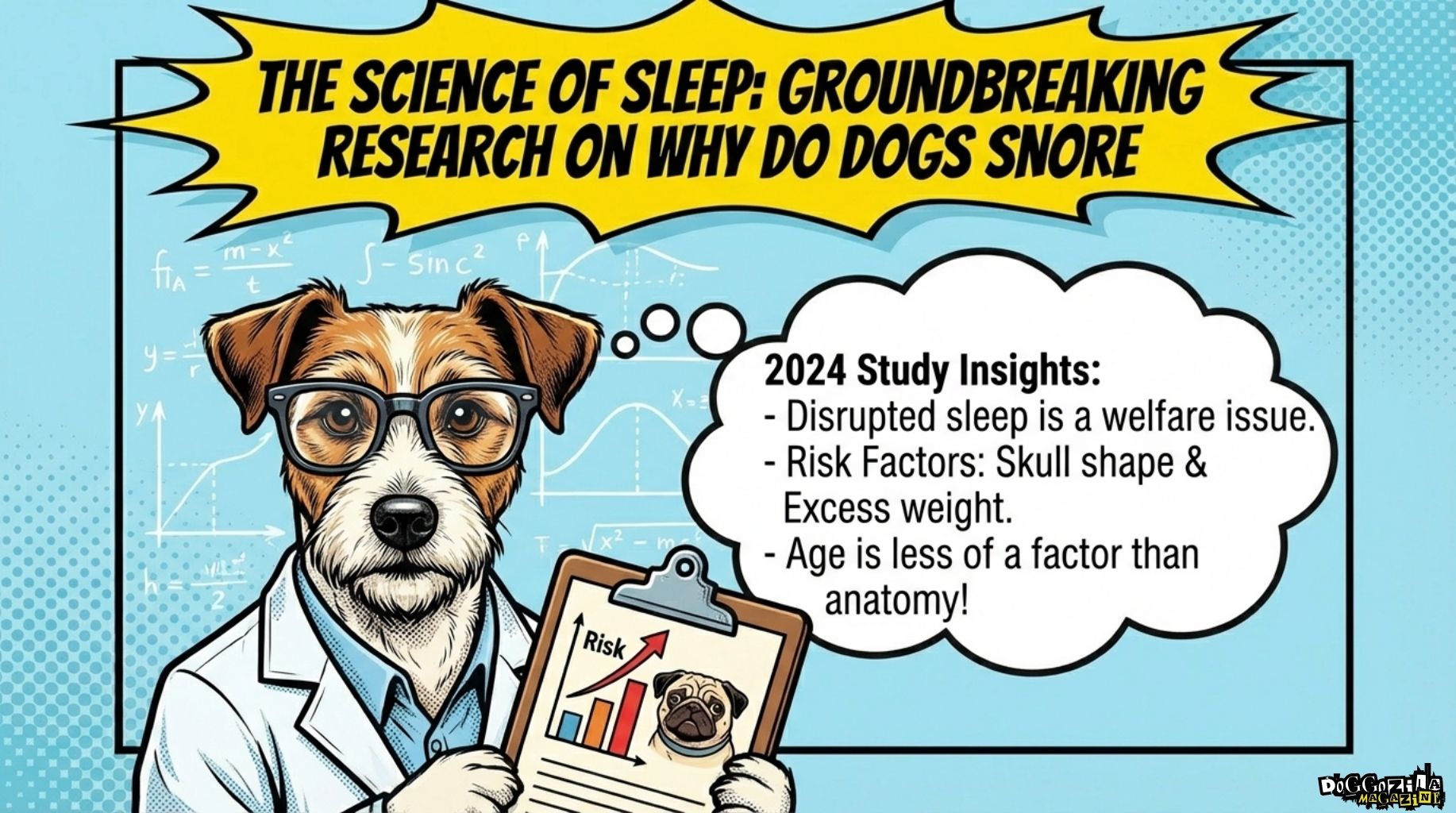
THE SCIENCE OF SLEEP: RESEARCH ON WHY DO DOGS SNORE AND HOW TO MEASURE IT?
New vet research uses better tools to understand dog sleep problems. This goes beyond just watching. The science gives real data on how common and bad sleep-disordered breathing is. This is especially true for flat-faced breeds. The findings prove owner concerns are valid. They lead to new, easier tools for diagnosis.
This research is vital. It confirms loud snoring is often a sign of a real medical condition. It helps veterinarians move from guesswork to precise measurement. This means better care for our pets.
Groundbreaking 2023 Study on Breed and Sleep Apnea
A big 2023 study gave the first clear proof. It linked flat-faced dog anatomy to sleep-disordered breathing (SDB). Researchers used a portable neckband system. Dogs wore it overnight at home. The results were clear. Flat-faced dogs had many more breathing pauses.
They also spent much more of the night snoring than longer-nosed dogs. The study connected breathing pauses directly to snoring time. This was a major step in veterinary sleep science. It showed that what owners hear has a direct, measurable impact on their dog’s health.
Innovative Tools: Sleep Questionnaires for Dogs
Researchers also made a standard sleep questionnaire for dogs. It lets vets check sleep quality based on owner notes. The questions cover snoring and breathing stops. Studies show its scores match data from complex sleep studies. This is a simple, cheap tool. Vets can use it to screen for sleep problems and track treatment. It turns your observations into a medical score. This helps vets understand the severity of the problem without expensive tests right away.
What the Research Means for Dog Owners?
This research has two big meanings. First, it proves loud, constant snoring in flat-faced breeds is a real disease (SDB/BOAS). It is not a normal trait. Second, it allows better, easier diagnosis. Home neckband monitors and owner questionnaires mean more dogs can be checked. They won’t need expensive, scary overnight clinic stays. This science helps owners and vets take dog snoring seriously. It empowers you with knowledge and better tools to help your dog.
🔑 Key Points: New research proves loud snoring in flat-faced dogs is a real disease (BOAS). It also creates better tools for diagnosis.
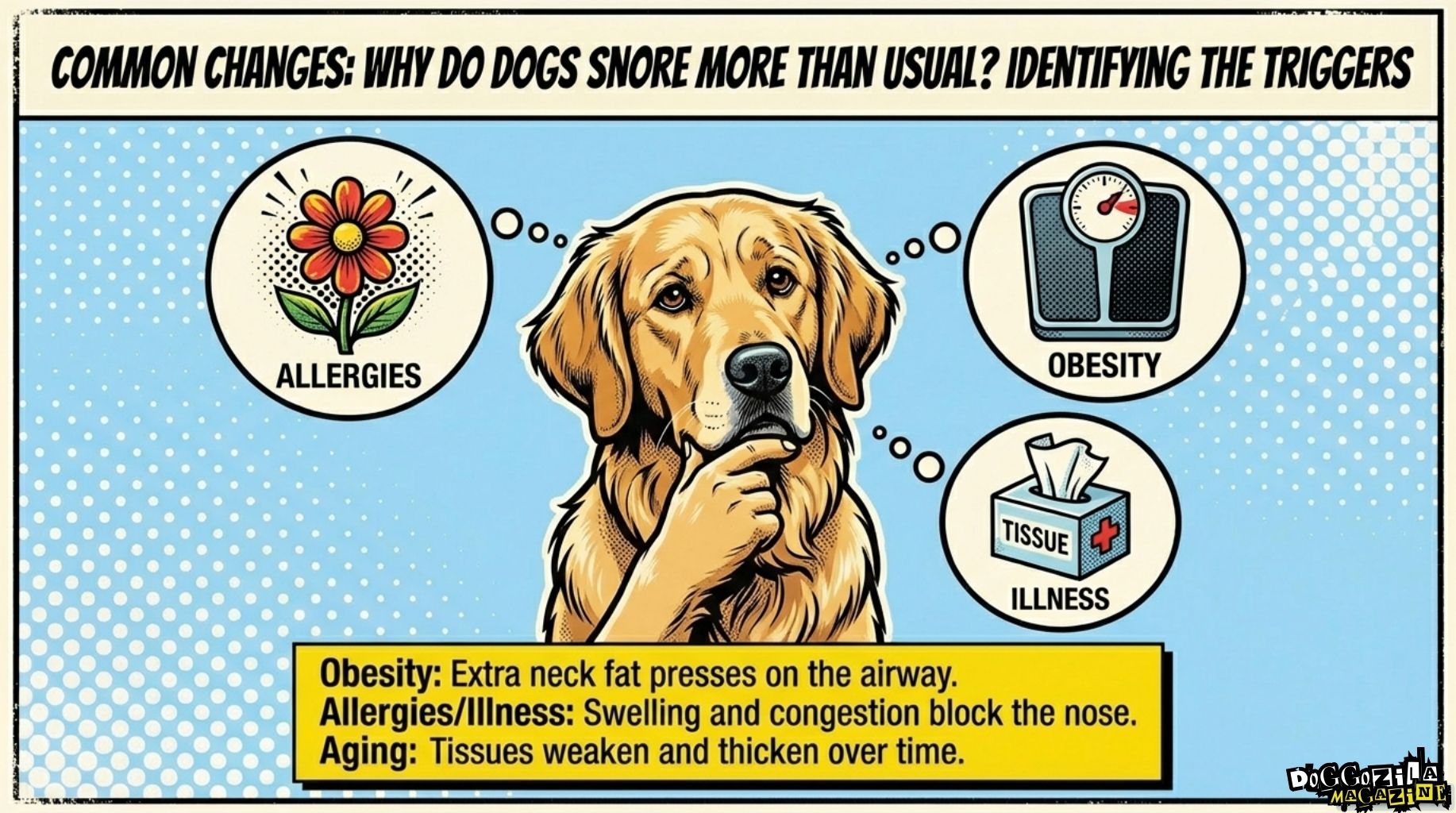
IDENTIFYING THE TRIGGERS: WHY DO DOGS SNORE MORE THAN USUAL?
A sudden rise in your dog’s snoring is a clear sign. Something has changed and needs looking at. The sound comes from vibrating tissues. But the “why now?” points to a new or worse blockage. This change can come from many things. It could be a short-term, fixable issue. Or it could be a lasting condition getting worse.
Finding the reason means looking at other symptoms and recent changes in your dog’s life. Being a detective about your dog’s habits can provide valuable clues for your vet.
Investigating Common Triggers for Worsening Snoring
Think about recent events. Did your dog have a cold? Signs are sneezing or a runny nose. Illness swelling is a common short-term cause. Seasonal dog allergies can flare and stuff the nose. Did your dog gain weight? Even a little extra neck fat can squeeze the airway. A new sleeping position or bed could also be the simple reason. Also consider changes in your home, like new cleaning products or dust. These can irritate your dog’s airways just like ours.
When Increased Snoring Signals a Progressive Problem?
For some dogs, snoring that slowly gets louder can mean their airway syndrome (BOAS) is progressing. The strain of breathing through a narrow space can cause changes. Tissues in the throat can thicken. Parts of the voice box can collapse. This makes the blockage worse over time. The increase in snoring may be slow but steady. This is common in older brachycephalic dogs. It’s a sign that their breathing requires more medical management as they age.
The Need for a Vet Check for New Snoring
More snoring can signal serious issues. These include a nasal tumor, growth, or laryngeal paralysis. A vet exam is a smart move. Your vet will do a physical check. They may look up the nose with a scope. They might suggest X-rays. Finding the reason for the change ensures the right treatment. This could be antibiotics, allergy medicine, or something more involved. Don’t wait and see if a new snoring habit gets better on its own. A timely vet visit provides answers and peace of mind.
🔑 Key Points: More snoring often means a new issue like an infection, allergies, weight gain, or worsening BOAS.
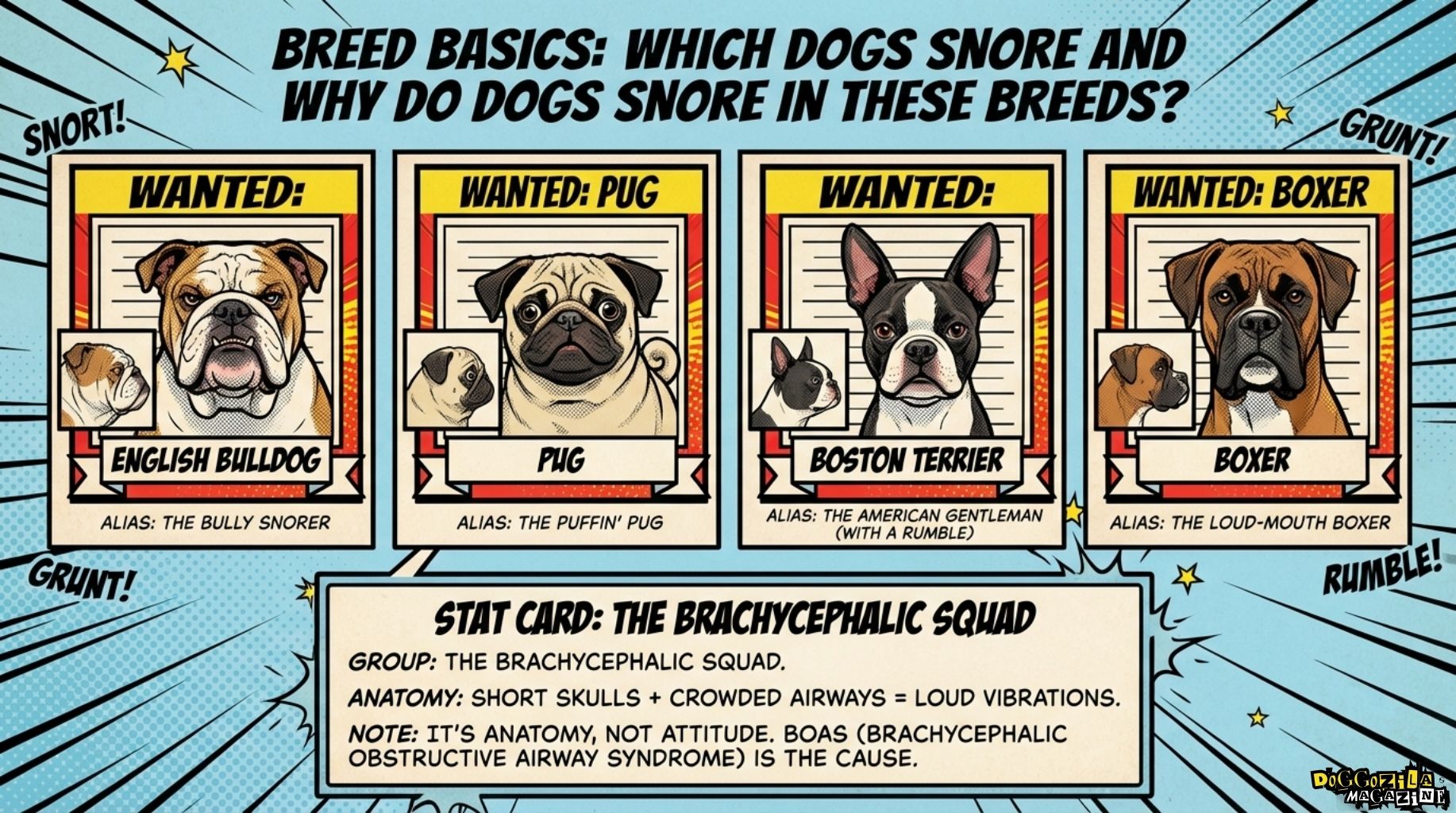
BREED BASICS: WHICH DOGS SNORE AND WHY THESE BREEDS SNORE MORE?
Snoring is most common and loudest in brachycephalic breeds. These are dogs with short, pushed-in faces. Their cute anatomy, sadly, creates perfect conditions for blocked airflow. Their skull is compact. The same amount of soft tissue is crammed into a tiny space. This leads to narrow, twisted airways. They vibrate loudly with each breath.
For these breeds, snoring is rarely normal in a healthy way. It is a sign of their breed-related breathing challenges. This is a core part of the answer to why do dogs snore so much. If you choose one of these breeds, being informed is part of responsible ownership.
The Champion Snorers: A Breed List
Breeds most known for loud snoring include:
- English Bulldogs & French Bulldogs: Often the top snorers due to very tight airways.
- Pugs: Their short noses and narrow nostrils cause classic snuffling and snoring.
- Boston Terriers: Another compact breed with similar airway issues.
- Shih Tzus & Pekingese: These have short noses plus lots of facial skin and hair that can block airflow.
- Boxers: Their shorter muzzle makes them snore more than long-nosed dogs.
Knowing this list helps set realistic expectations. It reminds owners that for these dogs, some level of noise is very likely.
The Anatomy of Noise: Why These Dogs Do Snore so Loud?
Snoring in these breeds ties to specific physical traits. These traits are part of their breed standard. They include narrow nostrils, a long soft palate that flops down, and a small windpipe. Together, this is Brachycephalic Obstructive Airway Syndrome (BOAS). It is a progressive condition. The snoring and breathing effort often get worse with age, heat, or exercise. This isn’t their fault, it’s how they are built. Understanding this anatomy is the first step in helping them live comfortably.
Caring for a Brachycephalic Breed
Being proactive is key if you own one. Keep a healthy weight, obesity makes breathing much harder. Use a harness, never a collar. Avoid heat and too much play. Most importantly, talk to your vet about your dog’s breathing. They can check how bad the BOAS is. They can discuss if surgery could make your dog’s life better and cut down the loud snoring. Extra love and care are needed for these special dogs. Their comfort depends on your vigilance and partnership with your vet.
🔑 Key Points: Flat-faced breeds (Bulldogs, Pugs, etc.) snore most due to their narrow, crowded airways (BOAS).

FUTURE OF PET SLEEP HEALTH: CAN AN APP MONITOR WHY DO DOGS SNORE?
Using tech to watch a dog’s sleep is becoming real, thanks to new research. There isn’t a common consumer “app” to download yet. But tested scientific tools are showing the way for future pet health tech. The goal is to go beyond noticing loud snoring. It is to measure how often breathing stops during sleep. This is a key sign of how bad a sleep-disordered breathing (SDB) problem is.
Technology could soon give us a window into our dog’s entire night. This helps answer why do dogs snore with hard data, not just guesswork.
The Pioneering Research: Portable Neckband Monitors
The 2023 research showed a portable neckband system works. It finds sleep-disordered breathing in dogs at home. This device is worn like a collar. It has a microphone for throat sounds and a gyroscope for movement. It calculates an Obstructive Respiratory Event Index (OREI).
This is the number of breathing pauses per hour. It closely links to snoring time. The study proved this home monitoring works for dogs. It’s less stressful than a night in a vet clinic. This technology is the foundation for future consumer products.
What Future Monitoring Might Look Like?
This neckband is for research and clinics now. But its success hints that similar consumer devices could come. A future “dog snoring app” might use a smart collar or a pad under the bed. It could study sound and movement patterns. It might give data on total snoring time and breathing pauses.
This objective data would help vets a lot. They could diagnose issues and see if treatments like weight loss or surgery work. Imagine getting a sleep report for your dog on your phone. That future may not be far away.
The Current Best Alternative: Owner Vigilance
Until such apps are everywhere, you are the best monitor. Make a simple “sleep journal” for your dog. Write down when snoring is very loud. Note if your dog seems to gasp or stop breathing. Record how restless its sleep is and its energy the next day.
Take short video or audio clips of your dog sleeping. This helps your vet a lot. This detailed watchfulness, plus the new sleep questionnaires, is a powerful tool. Your observations are the most important data point of all. Trust your instincts about changes in your dog’s sleep.
🔑 Key Points: Future apps may monitor snoring. For now, owner observation and notes are the best tools.
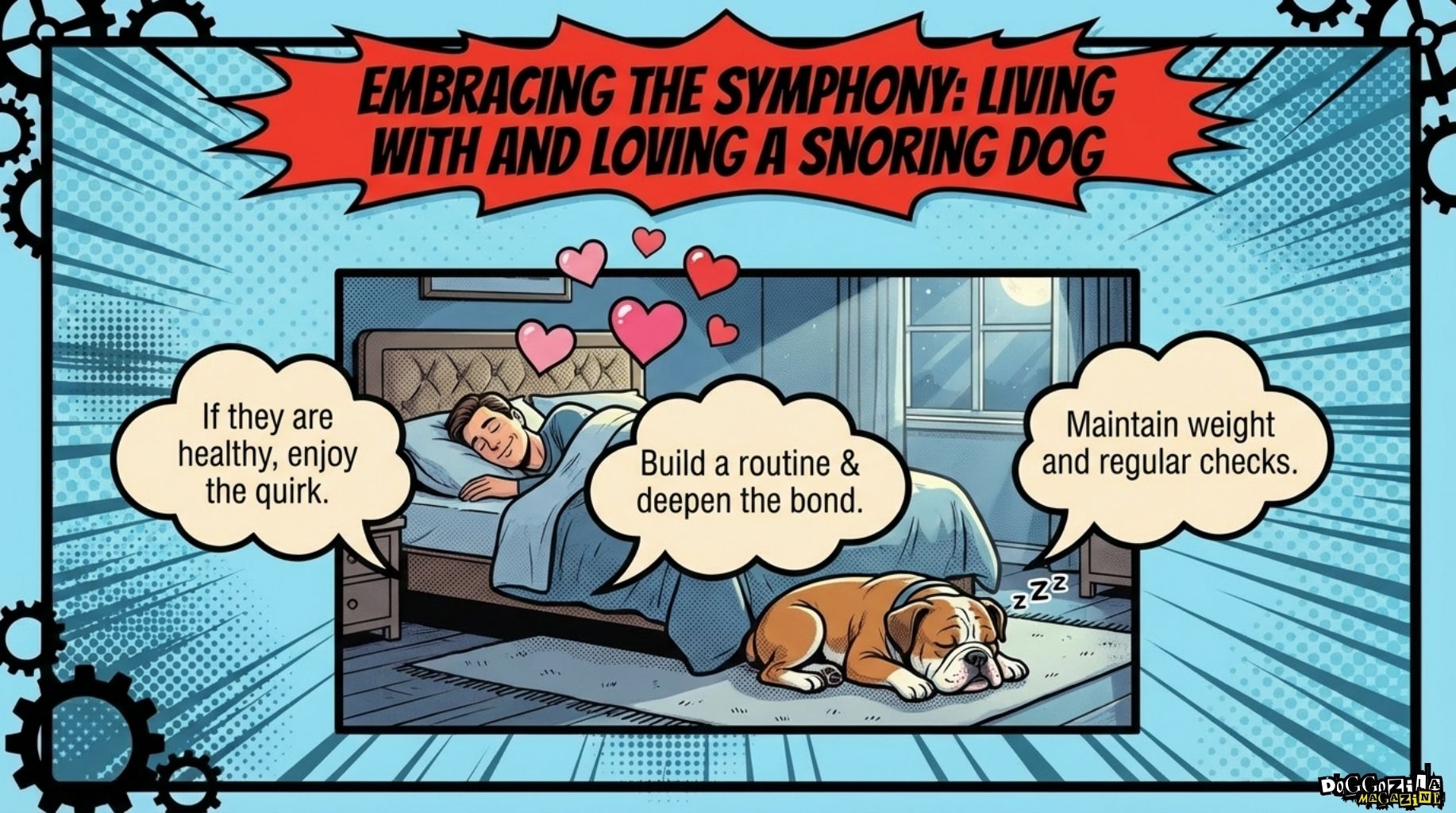
EMBRACING THE SYMPHONY: LIVING WITH AND LOVING A SNORING DOG
For many owners, the snoring becomes a familiar, even comforting, sound. It is a sign your dog is deeply relaxed and feels safe at home. Learning to manage the health aspects lets you appreciate the quirky side. You can enjoy the noise knowing your dog is healthy and happy.
This final section is about balance. It is about ensuring wellness while embracing the unique charm of your noisy sleeper. After all, understanding why do dogs snore helps us care for them better and love them just as they are.
When Snoring Is Just A Cute Quirk And Not A Concern?
Many dogs snore lightly their whole lives with no issues. If your dog is a healthy weight, breathes quietly when awake, and has plenty of energy, the snoring is likely harmless. It might just be their normal sound. This is especially true for breeds prone to it.
In these cases, you can relax and enjoy the soundtrack. You might even find it helps you sleep! The key is to know the difference between normal and problematic snoring. Trust your gut. You know your dog best. If they are thriving, then the answer to why do dogs snore might simply be “because they’re being a dog.”
Building A Healthy Routine For Lifelong Peaceful Sleep
Prevention is the best medicine. Establish good habits early. Feed a balanced diet to maintain an ideal weight. Provide regular, appropriate exercise. Keep up with annual vet check-ups to catch any changes. Manage allergies if your dog has them. Create that perfect sleep environment we talked about.
For high-risk breeds, be extra vigilant about heat and exercise. This proactive approach minimizes risks. It addresses the common reasons for why do dogs snore before they become serious. A good routine supports quiet breathing for years to come.
The Bond That Grows Through Caring And Understanding
Caring for a snoring dog deepens your connection. You become attuned to their needs and health signals. You learn to read their body language and sounds. This makes you a more attentive and responsible pet parent. The journey to understand the noise makes you a partner in their well-being.
You are not just an owner, you are an advocate. So, the next time that rumbling chorus begins, you can smile. You know what it means. You know when to be concerned. Most of all, you know it is the sound of your beloved companion, safe and dreaming right beside you. That is the beautiful truth behind why do dogs snore.
🔑 Key Points: Snoring with twitching is usually normal REM sleep. Older dogs may snore more due to age-related changes. Supportive beds can help.
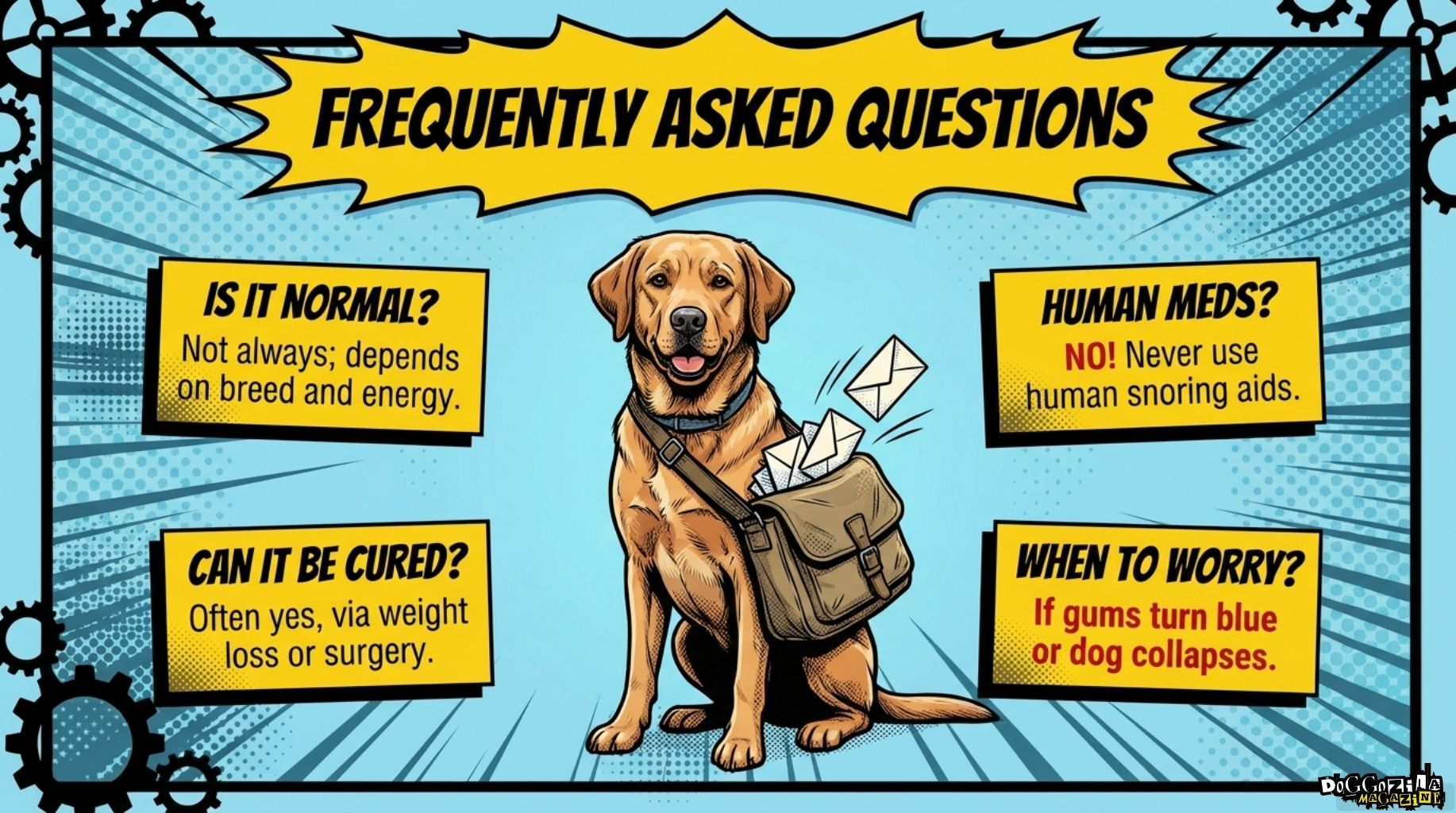
FREQUENTLY ASKED QUESTIONS ABOUT WHY DO DOGS SNORE