
You glance over at your dog and notice a subtle tremble running through their body. Instantly, your mind races, why is my dog shaking? The answer could be as simple as a chill in the air or as urgent as a hidden toxin. In this vet‑reviewed guide, we break down the seven most common causes of dog shaking and tell you exactly when to worry, and when to simply offer a warm blanket and a reassuring pat.
“That sudden shiver, the subtle trembling of a paw, or the full‑body shake that leaves you frozen with worry.. if you’ve ever asked yourself ‘why is my dog shaking?’, you’re about to discover the seven real answers, from harmless quirks to urgent red flags.”
Quick Summary About WHY IS YOUR DOG SHAKING
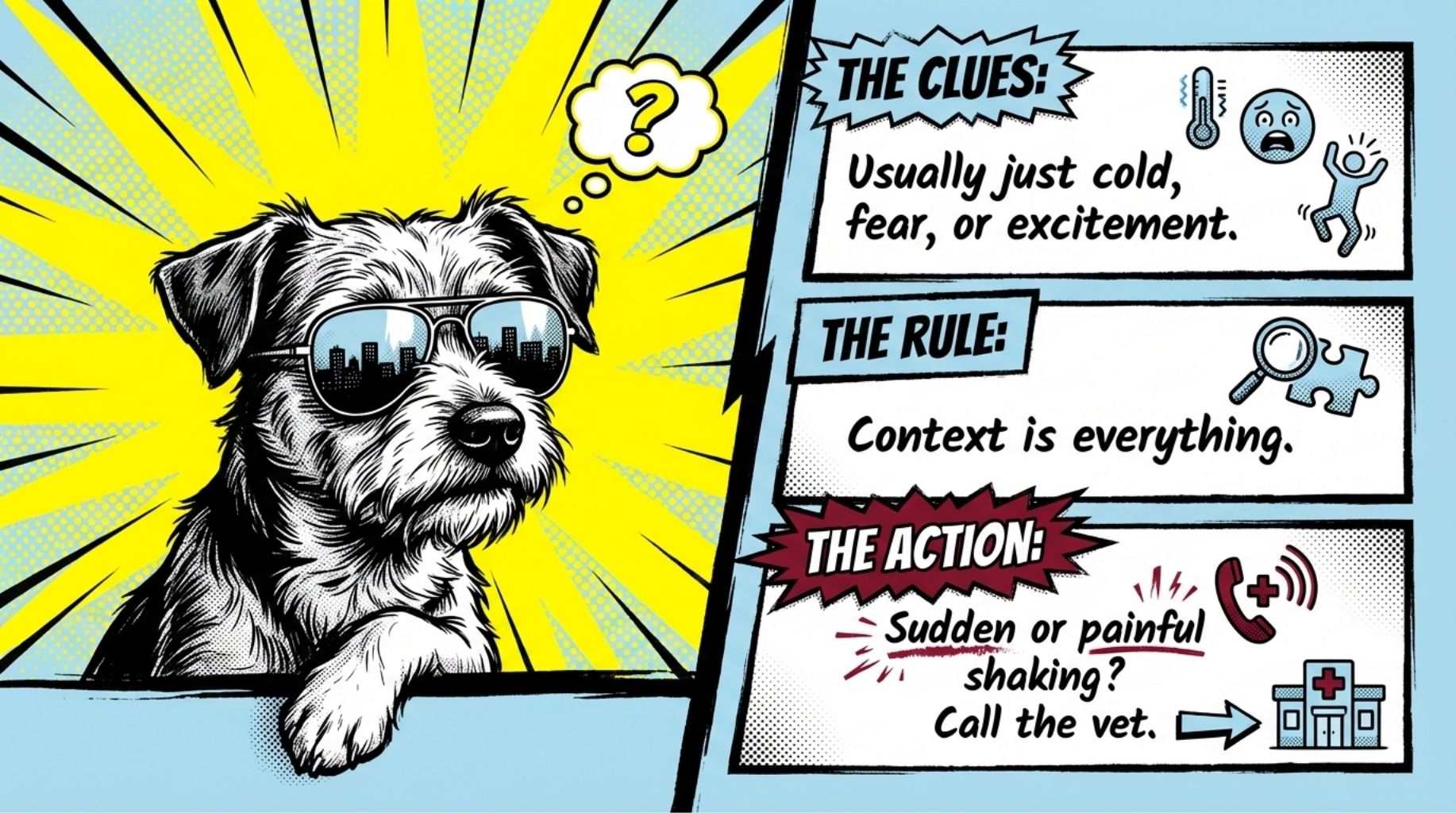
This comprehensive guide answers the most asked question “why is my dog shaking?” by breaking down the seven most common causes, ranging from cold, anxiety, and excitement to pain, low blood sugar, toxins, and age‑related neurological issues. It provides clear, actionable advice for dog owners, including breed‑specific tendencies, a quick‑reference chart, warning signs that require emergency veterinary care, and five things you should never do when your dog is trembling. The article can help pet parents to distinguish between normal dog behavior and potentially serious medical concerns.
WHAT EXACTLY IS “SHAKING” IN DOGS?
Before we dive into causes, let’s get clear on what we’re talking about.
For the purpose of this guide, we’re focusing primarily on trembling and shivering, the type that makes you ask “why is my dog shaking?”, but we’ll also cover when shaking crosses the line into a medical emergency.
Dog “Shaking” Can Refer to Several Distinct Movements
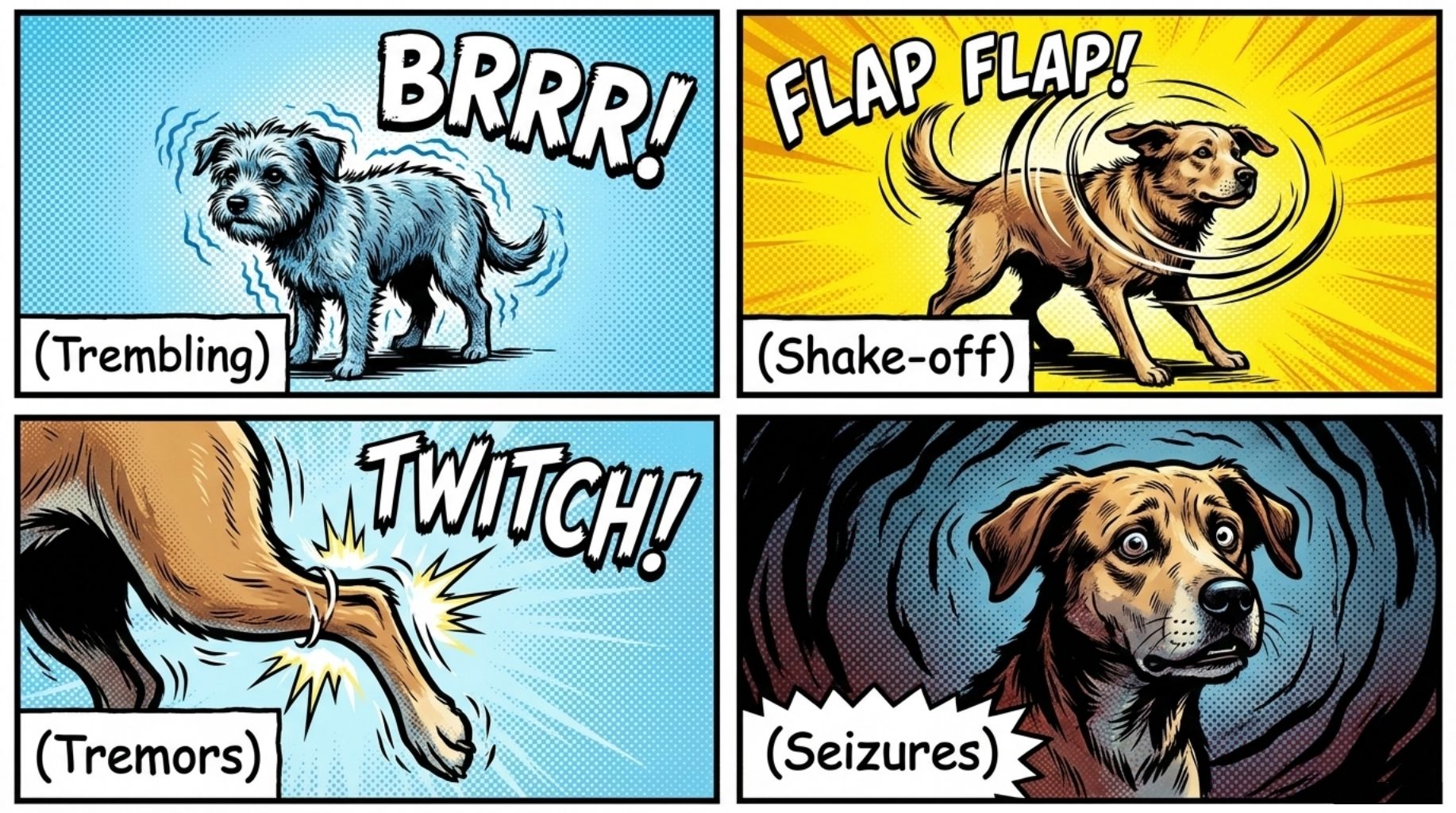
Trembling or shivering refers to fine, rapid, back‑and‑forth movements that often appear in the legs or across the entire body. For example, a Chihuahua shaking when it’s chilly is displaying this type of motion. It is the most common form of shaking and is usually harmless.
A full‑body shake‑off is a single, vigorous shake that typically starts at the head and ripples down through the neck, torso, and limbs. You’ve likely seen this after your dog wakes from a nap or steps out of a bath. This is a normal, instinctive behavior dogs use to reset their fur and relieve tension.
Tremors are rhythmic, involuntary muscle contractions that often affect the head or limbs more locally. Unlike shivering, tremors are not usually a response to cold or emotion; they can be seen in certain neurological conditions and may require veterinary investigation.
Seizure activity involves uncontrolled, violent jerking that often comes with a loss of awareness. Seizures can range from mild “staring spells” (focal seizures) to full‑body convulsions where the dog falls over and paddles its legs. This is always a medical event that needs immediate veterinary attention.
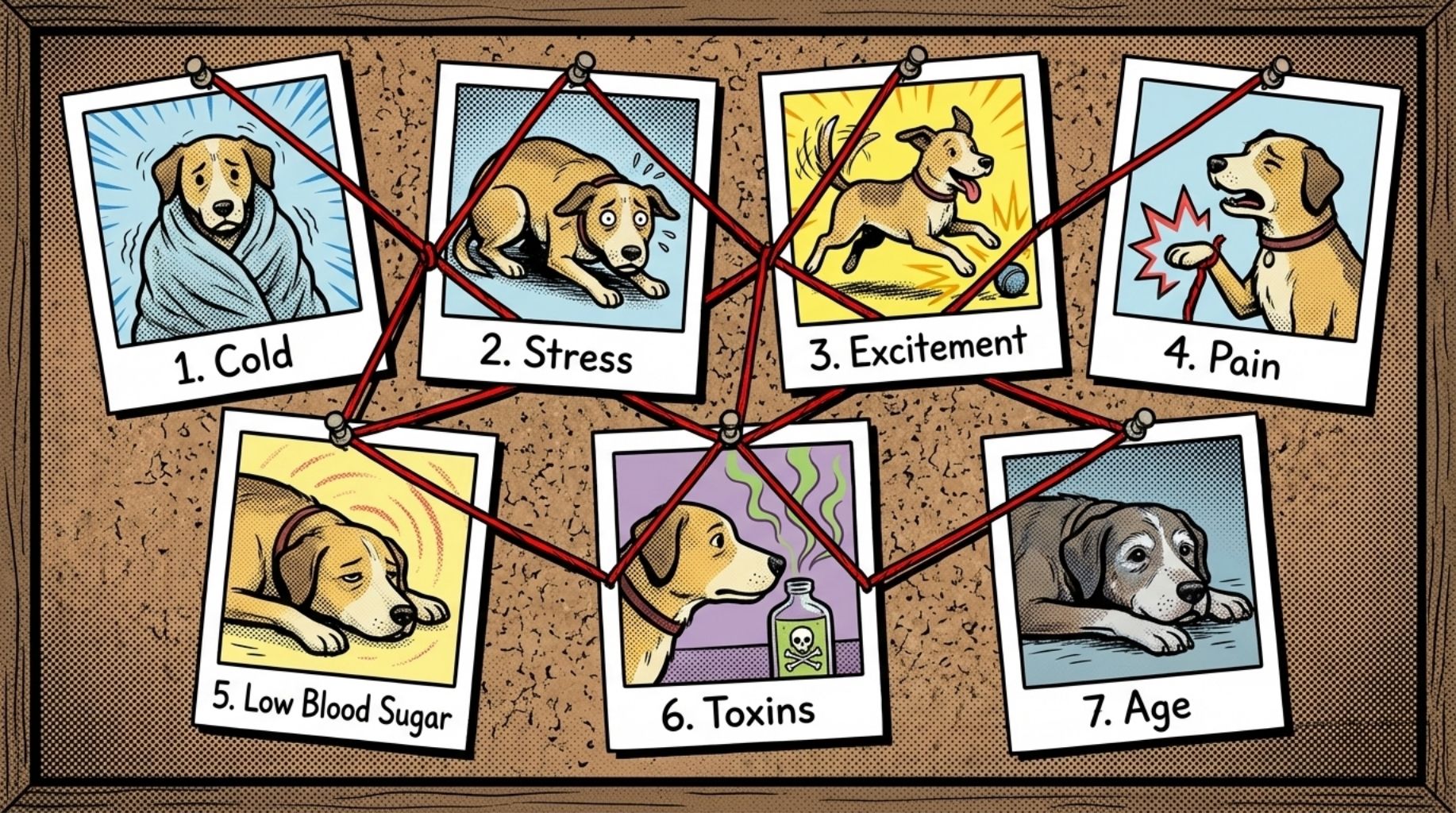
7 COMMON REASONS WHY IS MY DOG SHAKING? (EXPLAINED BY EXPERTS)
If you’ve been searching “why is my dog shaking?” online, you’ve probably seen dozens of possible causes. Let’s simplify things. Here are the seven most common reasons, from harmless to really urgent.
1. They’re Cold (Common Answer to “Why Is My Dog Shaking?”)
This is the reason most owners think of first, and for good reason. Just like humans, dogs shiver to generate body heat when their internal temperature drops.
This is especially true for:
- Small breed dogs (Chihuahuas, Yorkies, Toy Poodles), they have a higher surface‑area‑to‑body‑mass ratio, meaning they lose heat faster
- Short‑haired breeds (Greyhounds, Dobermans, Boxers)
- Senior dogs, whose metabolism and temperature regulation may slow with age
What to do: If you’re asking “why is my dog shaking?” and the room is cool, try offering a warm blanket, a dog sweater, or moving them to a warmer spot. If the shaking stops within a few minutes, you’ve likely solved the mystery.
2. They’re Anxious, Scared, or Stressed
Shaking is a classic sign of fear, anxiety, and stress in dogs. This is an ancient, hardwired response, the body releases adrenaline, which can cause trembling.
Common triggers include:
- Loud noises (fireworks, thunderstorms, vacuum cleaners)
- Veterinary visits or grooming appointments
- Separation anxiety when you leave the house
- New environments or unfamiliar people
- Car rides (which can combine anxiety with motion sickness)
What to do: Identify the trigger and remove it if possible. For predictable events like fireworks, talk to your vet about anxiety wraps, calming supplements, or prescription medications. Never punish a dog for shaking out of fear, this only amplifies their distress.
3. They’re Overcome with Excitement
Yes, even good emotions can cause you to ask “why is my dog shaking?”
You’ve probably seen it: you walk through the door after a long day, and your dog trembles with pure, unbridled joy. Excitement‑induced shaking is usually short‑lived and stops once your dog settles down.
What to do: Enjoy the happy greeting! But if your dog becomes overly aroused and struggles to calm down, practice “settle” exercises and avoid over‑the‑top greetings.
4. They’re in Pain or Discomfort
Pain is a less obvious but very real cause of shaking. When a dog is hurting, whether from arthritis, an injury, dental disease, or an ear infection, the body’s stress response can manifest as trembling. If you’re asking “why is my dog shaking?” and they also show signs of pain, this could be the answer.
Red flags to watch for: Shaking accompanied by limping, whimpering, reluctance to move, decreased appetite, or aggression when touched.
What to do: If you suspect pain, do not give human pain medications (many are toxic to dogs). Instead, schedule a veterinary appointment for a thorough examination.
5. Low Blood Sugar (Hypoglycemia)
Shaking can be a sign of a sudden drop in blood sugar, according to Dr. Jerry Klein, AKC chief veterinary officer.
This is most common in:
- Small breed puppies, who have limited energy reserves
- Toy breeds (Yorkshire Terriers, Maltese, Chihuahuas)
- Diabetic dogs receiving insulin
What to do: If you suspect low blood sugar, rub a small amount of honey or maple syrup on your dog’s gums. If the shaking resolves quickly, call your vet to discuss long‑term management.
6. They’ve Ingested Something Toxic
This is one of the more urgent causes. Toxins can affect the nervous system, causing tremors, shaking, and even seizures.
Common culprits include:
- Chocolate (theobromine poisoning)
- Xylitol (found in sugar‑free gum, candy, and some peanut butters)
- Marijuana (edibles or secondhand smoke)
- Lawn chemicals and fertilizers
- Certain human medications (antidepressants, ADHD drugs)
- Moldy food or compost
What to do: If your dog is shaking and you suspect poisoning, contact your veterinarian or a pet poison hotline immediately. Bring the product label if possible. This is not a “wait‑and‑see” situation.
Pet Poison Helpline: 24/7 Animal Poison Control Center
7. Age‑Related Neurological Issues
As dogs enter their senior years, shaking can be a sign of:
- Canine Cognitive Dysfunction (dog dementia): often accompanied by disorientation, sleep‑wake cycle changes, and house soiling
- Degenerative myelopathy: a progressive spinal cord condition
- Generalized Tremor Syndrome (also called “white shaker dog syndrome”), most common in small white breeds
What to do: Senior dogs deserve extra attention. If your older dog develops new shaking episodes, schedule a veterinary check‑up to rule out treatable conditions and discuss quality‑of‑life management.
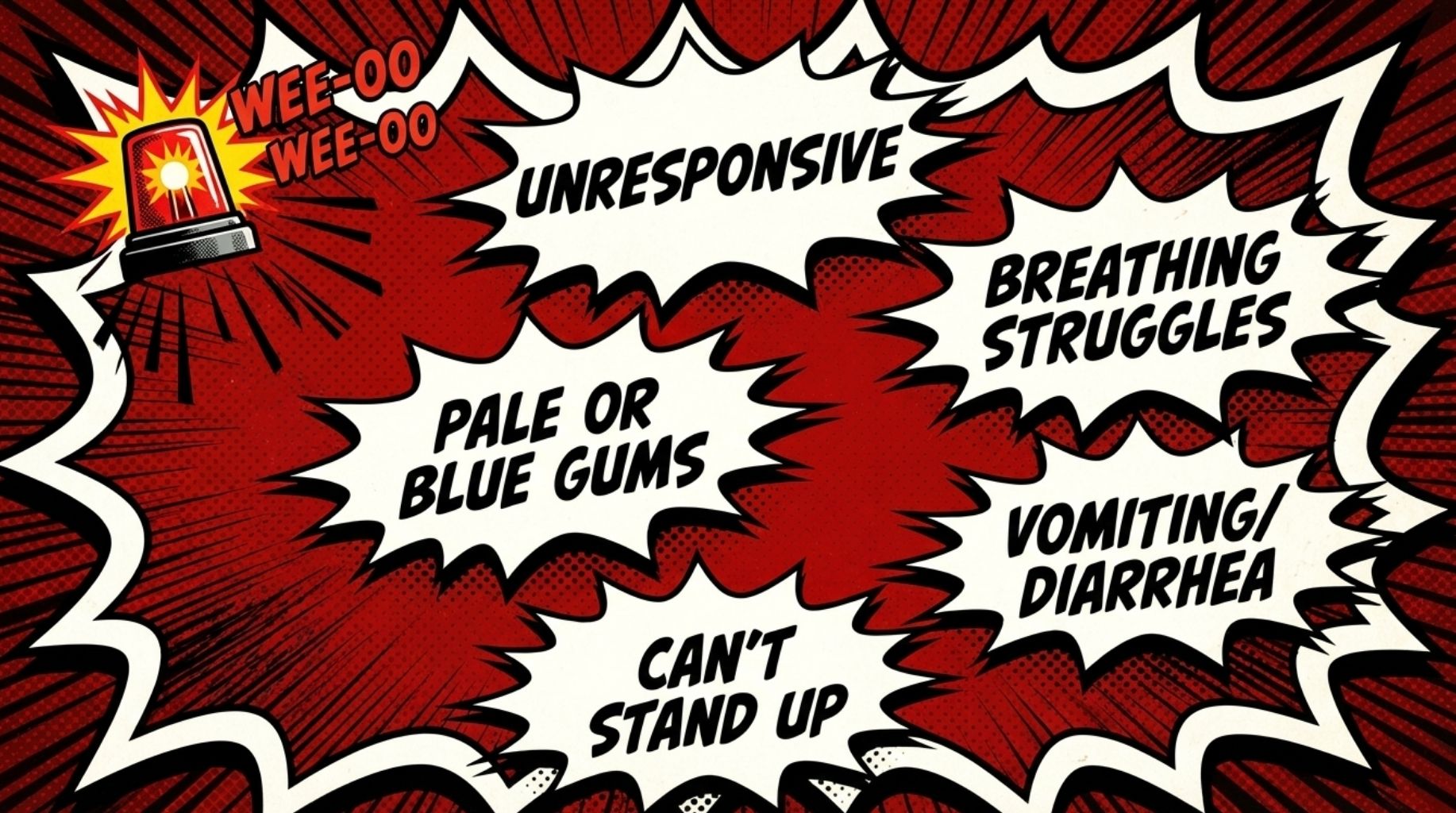
WHEN IS SHAKING A MEDICAL EMERGENCY? (STOP ASKING “WHY IS MY DOG SHAKING?” AND ACT)
Most shaking is benign and resolves on its own. There are dangerous symptoms to watch for when your dog is shaking, if you see that those symptoms are accompanied with the shaking, call a medical emergency!
Seek Immediate Veterinary Care if You See Any of These Symptoms
| Emergency Sign | What It Might Indicate |
| Loss of consciousness or unresponsiveness | Seizure, severe metabolic issue |
| Difficulty breathing | Toxicity, heart problem, respiratory distress |
| Blue or pale gums | Lack of oxygen, shock |
| Vomiting or diarrhea (especially with blood) | Poisoning, severe infection |
| Inability to stand or walk | Neurological event, spinal injury |
| Shaking that lasts more than a few minutes | Seizure activity, toxicity |
| Known ingestion of a toxic substance | Poisoning |
If you see any of these signs, do not wait. Go to your nearest emergency veterinary hospital or call your vet immediately.
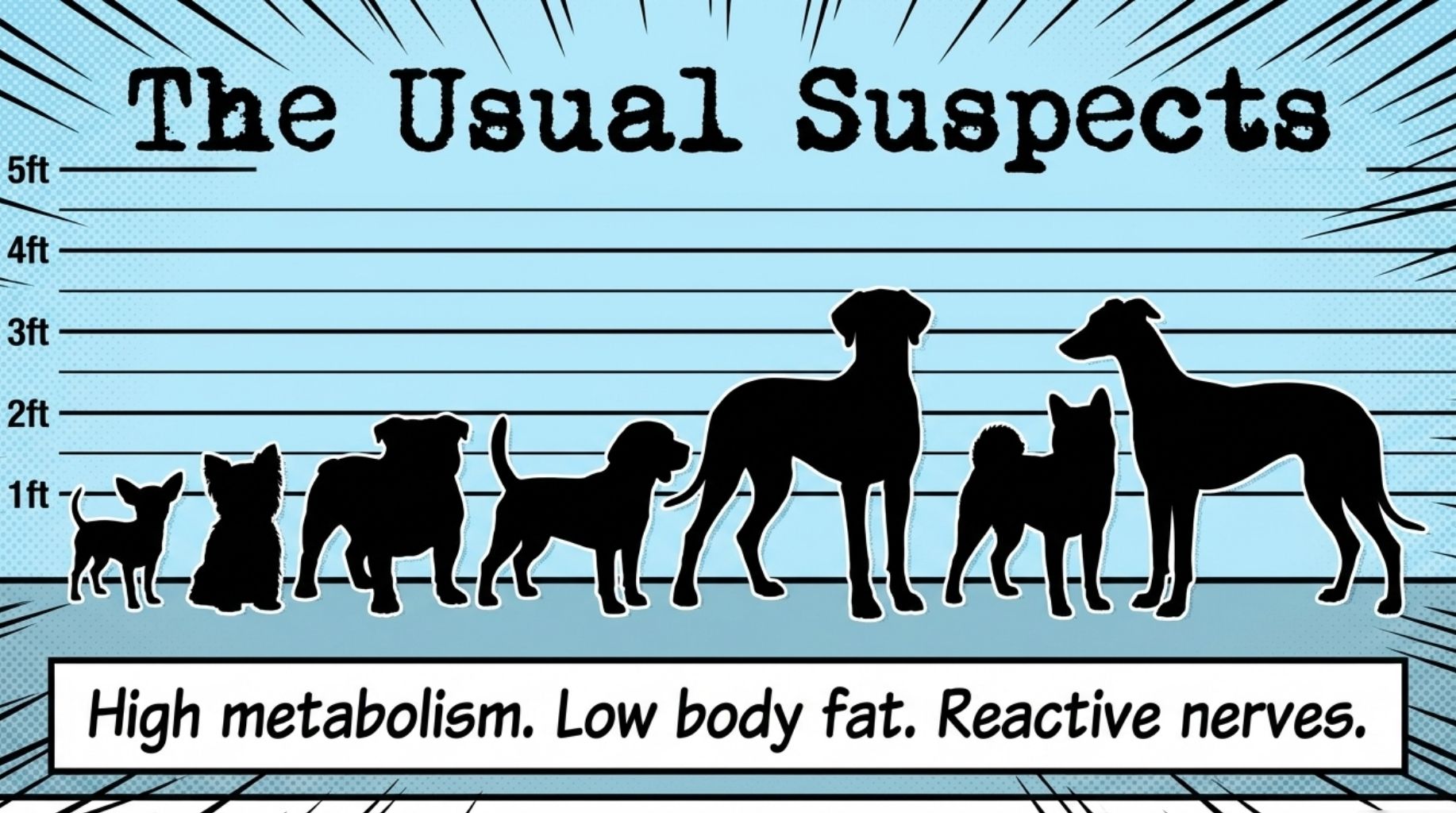
BREEDS THAT SHAKE MORE THAN OTHERS (AND WHY)
While some shaking is an emergency, for some breeds, it is just part of their unique biological charm. However, any sudden change in shaking frequency or intensity should still be evaluated by a vet.
Breed-Specific Breakdown: Causes and Solutions for Dog Shaking
Some breeds are simply more prone to shaking, and in most cases, it’s perfectly normal.
Here’s why:
- Chihuahuas, Yorkies, and other toy breeds: High metabolism, low body fat, and a nervous system that’s naturally more “revved up”
- Greyhounds and Whippets: Very low body fat makes them feel the cold more intensely
- Dobermans & Boxers: Their short hair offers little insulation against temperature fluctuations
- Italian Greyhounds: Prone to both cold‑related shaking and anxiety
- Maltese and Bichon Frisé: Can develop “white shaker dog syndrome,” a benign condition that causes whole‑body tremors
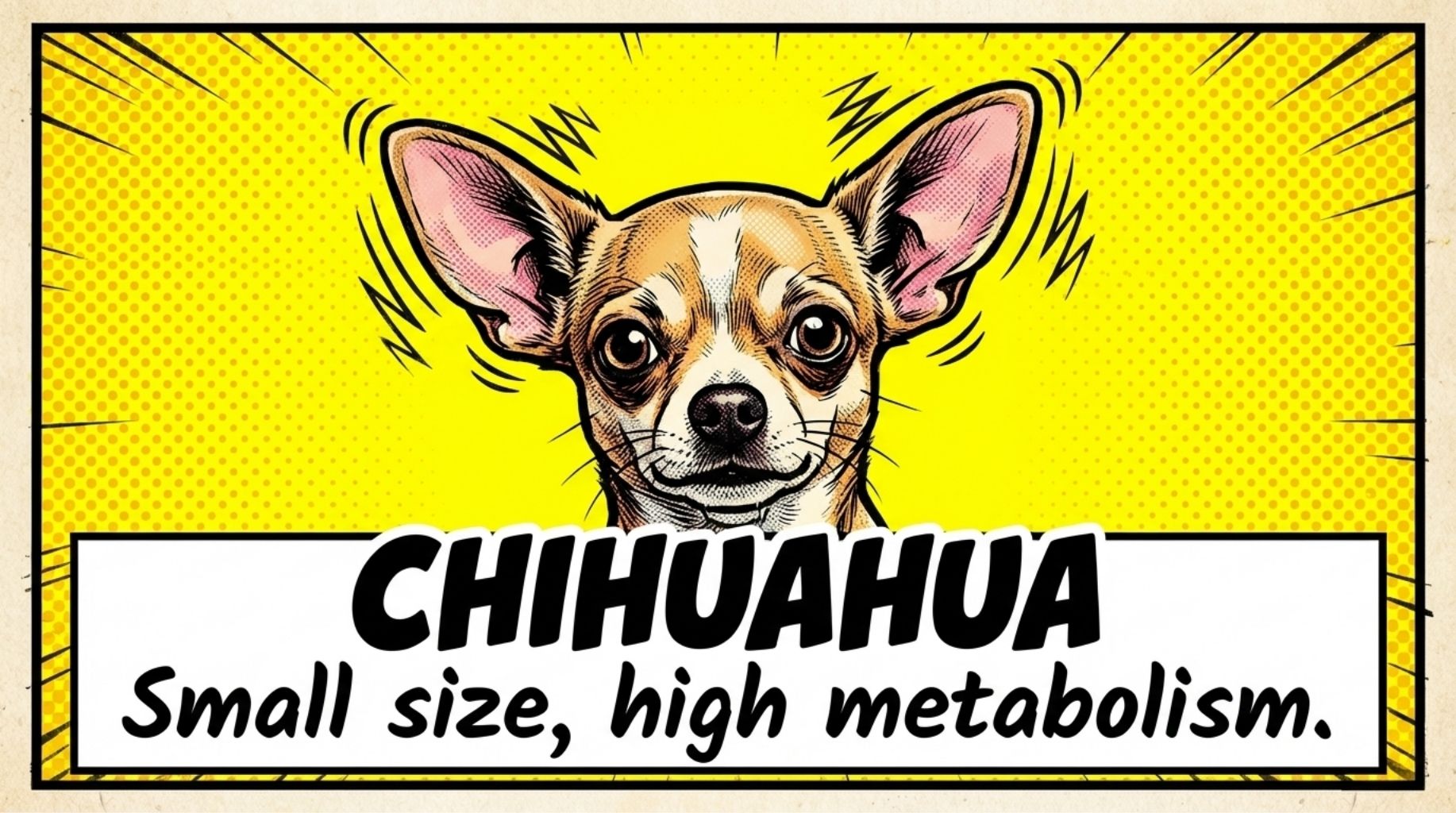
The High-Metabolism Tremor: Chihuahuas And Toy Breeds
For Chihuahuas, Yorkies, and Toy Poodles, shaking is often a part of daily life. These tiny companions are biologically predisposed to shivering due to their high surface-area-to-body-mass ratio. Essentially, they have a lot of skin exposed to the air relative to their small internal volume, causing them to lose heat much faster than larger dogs.
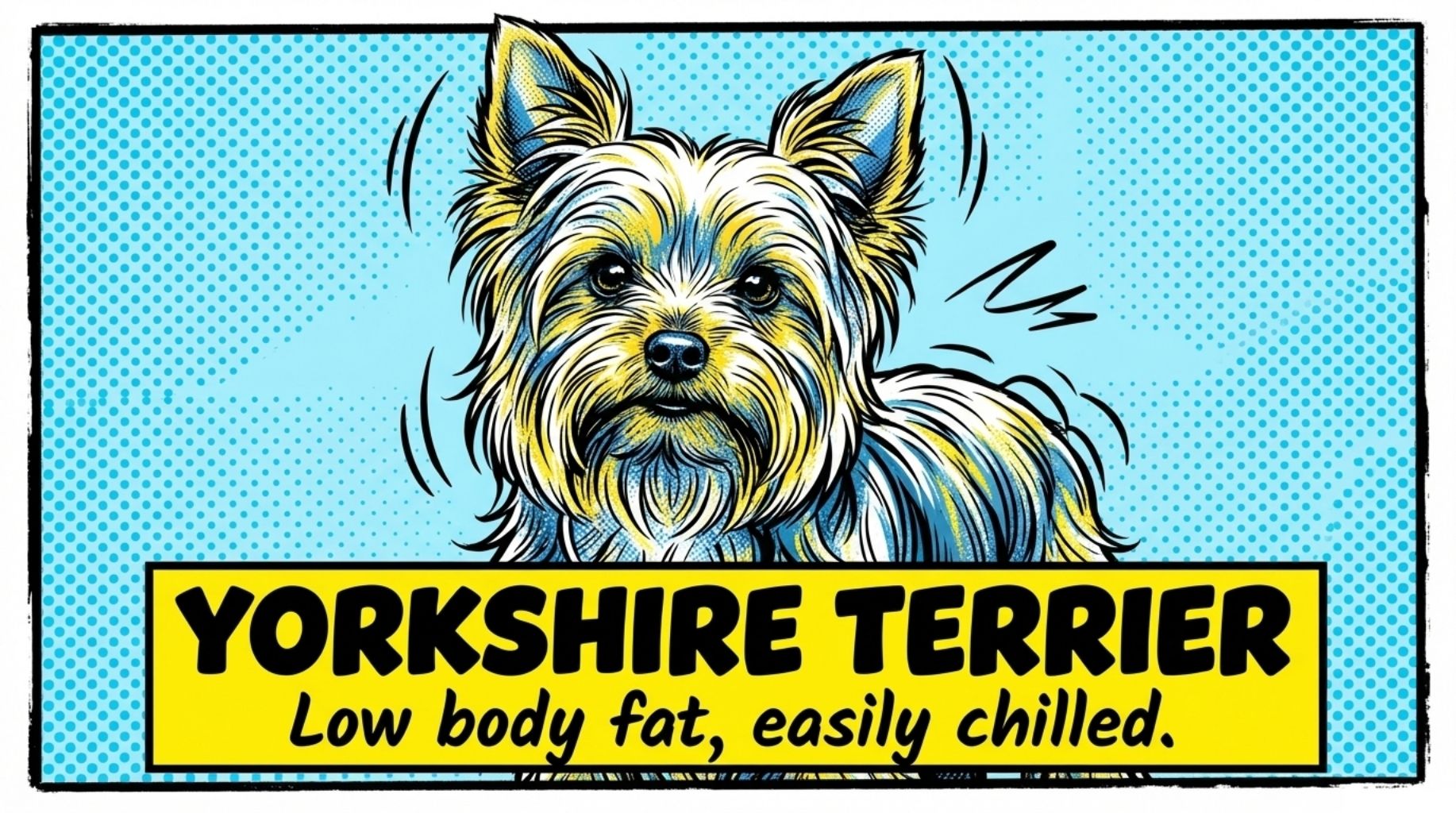
Combined with a naturally “revved up” nervous system and very little body fat, these breeds often tremble when the temperature drops even slightly or when they are in a state of high excitement. If your small dog begins to shake in a cool room, the first line of defense is immediate warmth.
A well-fitted sweater, a plush blanket, or moving them to a heated area usually resolves the issue within minutes. However, as a correspondent’s note to owners of toy breeds: because these dogs are so prone to shivering, it is easy to dismiss all shaking as “normal.”
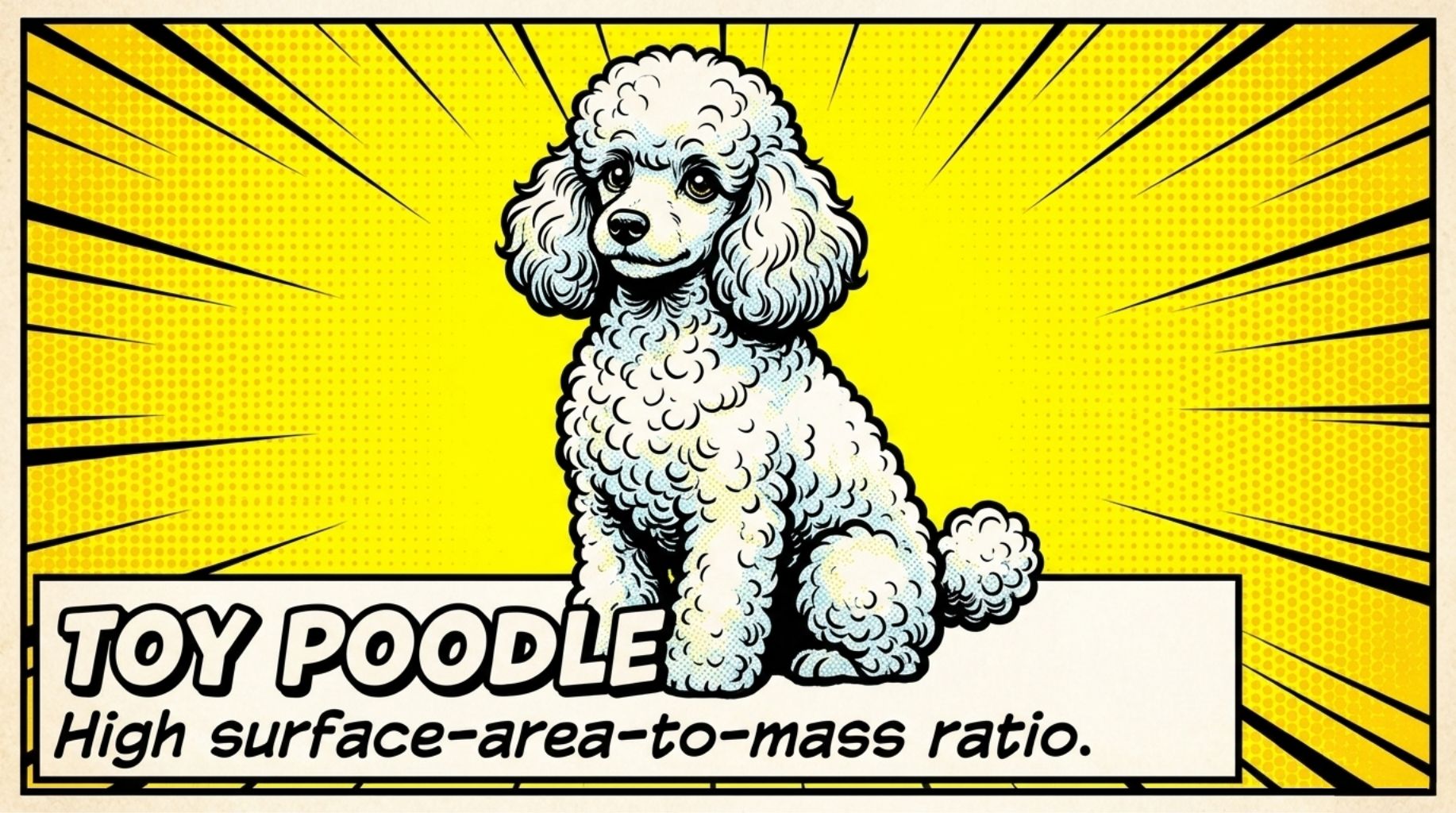
It is vital to distinguish between a routine breed trait and a new medical issue by monitoring if the shaking persists even when the dog is warm and calm.
“Small breed dogs (Chihuahuas, Yorkies, Toy Poodles), they have a higher surface area to body mass ratio, meaning they lose heat faster.”
The Low-Body-Fat Shiver: Greyhounds And Whippets
Greyhounds and Whippets are the elite athletes of the dog world, built for explosive speed and sleek aerodynamics. However, that same physical build makes them surprisingly fragile when it comes to temperature regulation.
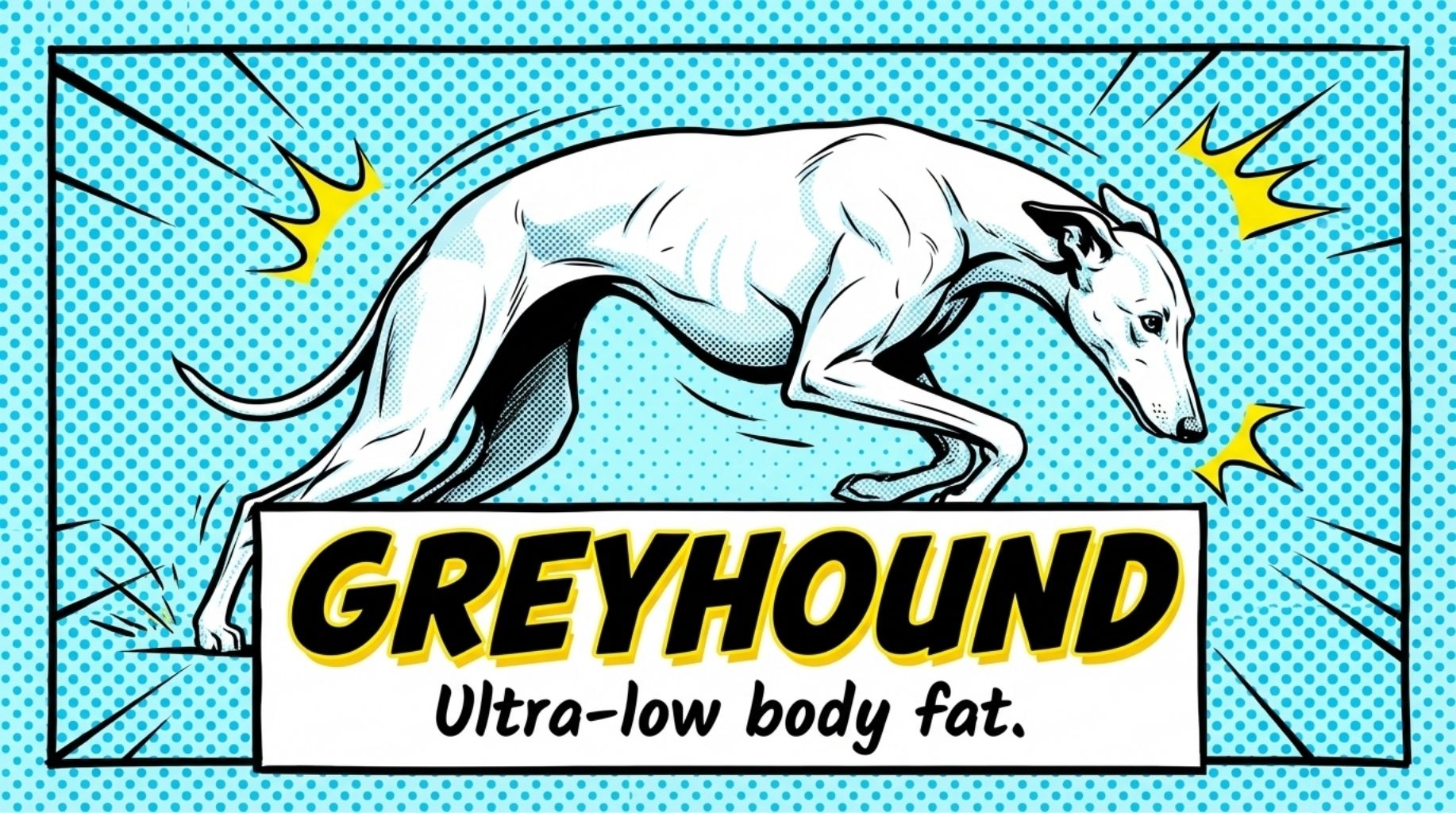
Because they lack insulating body fat, they lack the natural “buffer” that other breeds use to stay warm. They feel even mild temperature drops intensely and will shiver to generate necessary metabolic heat. To support these breeds, environmental regulation is non-negotiable.
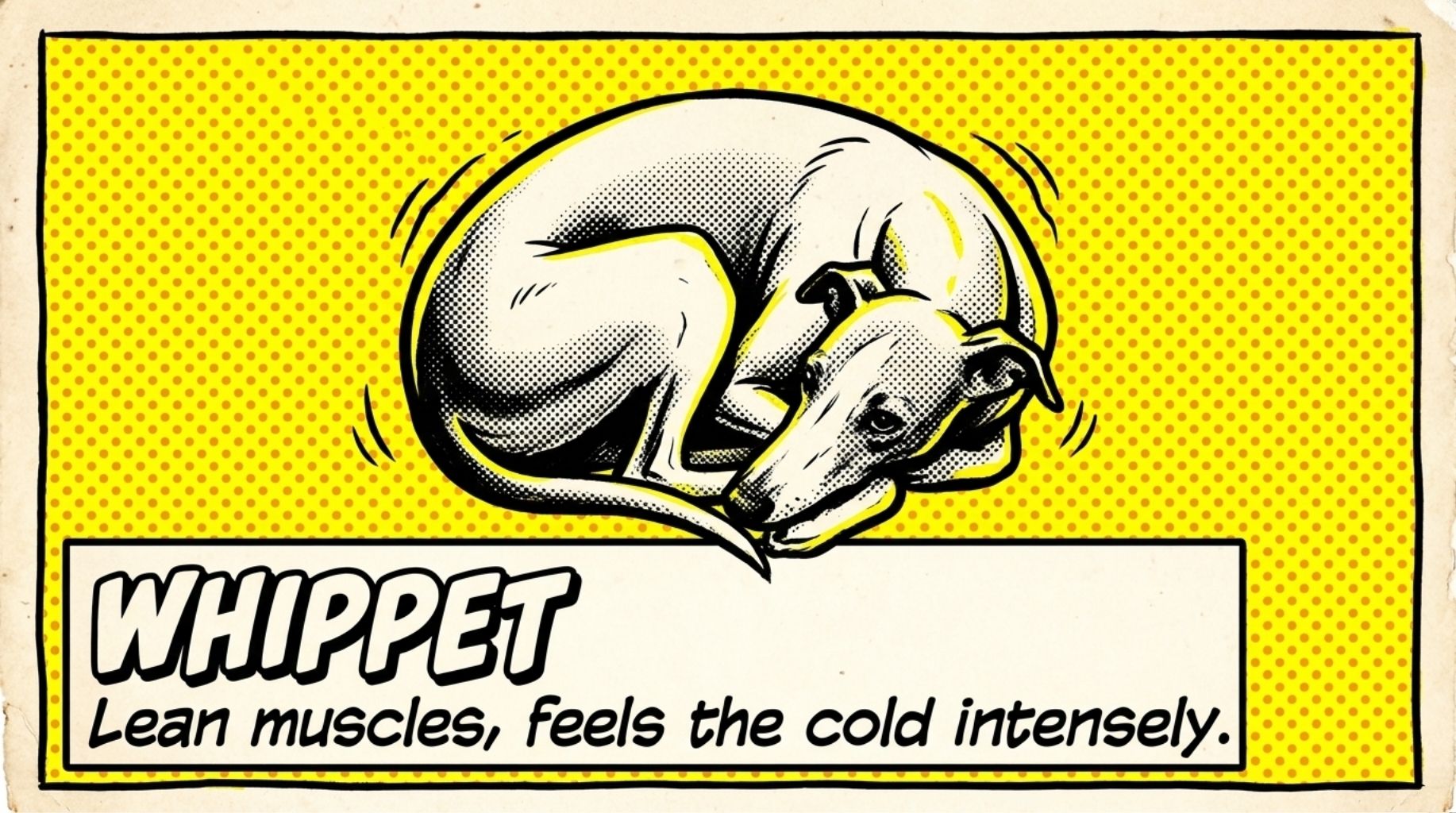
Protective clothing like fleece pajamas or heavy coats is often a necessity rather than a fashion statement, even for brief walks in cool weather. There is a common irony in seeing such powerful, muscular frames trembling in a light breeze, but their lean physiology requires active human intervention to maintain a safe core temperature.
The “White Shaker” Mystery: Maltese And Bichon Frisé
One of the more surprising discoveries for owners of small, white-coated breeds like the Maltese or Bichon Frisé is the presentation of sudden, whole-body tremors. This is often linked to “Generalized Tremor Syndrome” (GTS), historically called White Shaker Dog Syndrome.
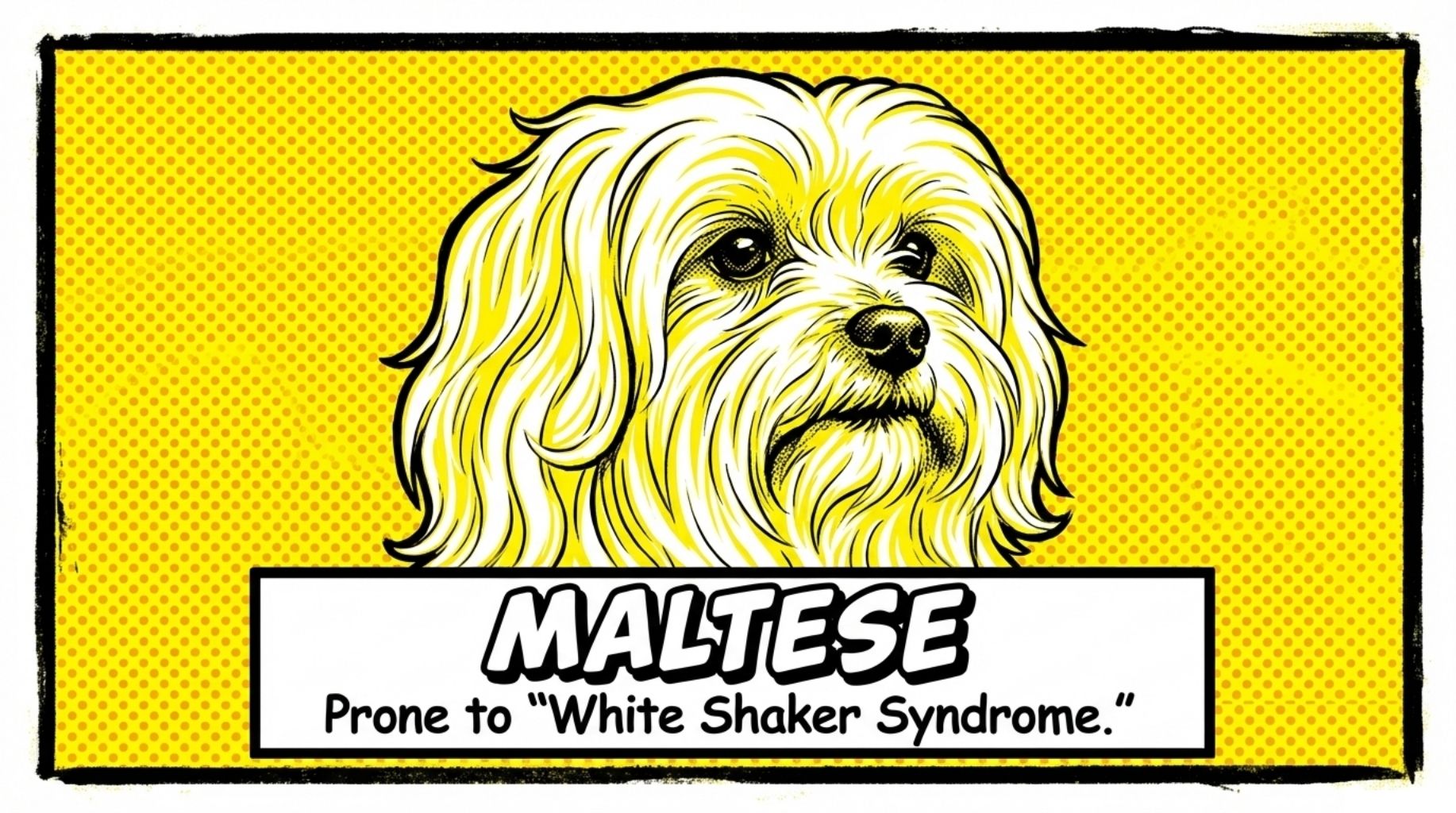
Despite the colloquial name, it is important to note that “Generalized” means it can actually affect dogs of any coat color, though it remains most documented in these specific white breeds. While GTS is often benign and manageable, seeing a full-body tremor for the first time can be frightening.
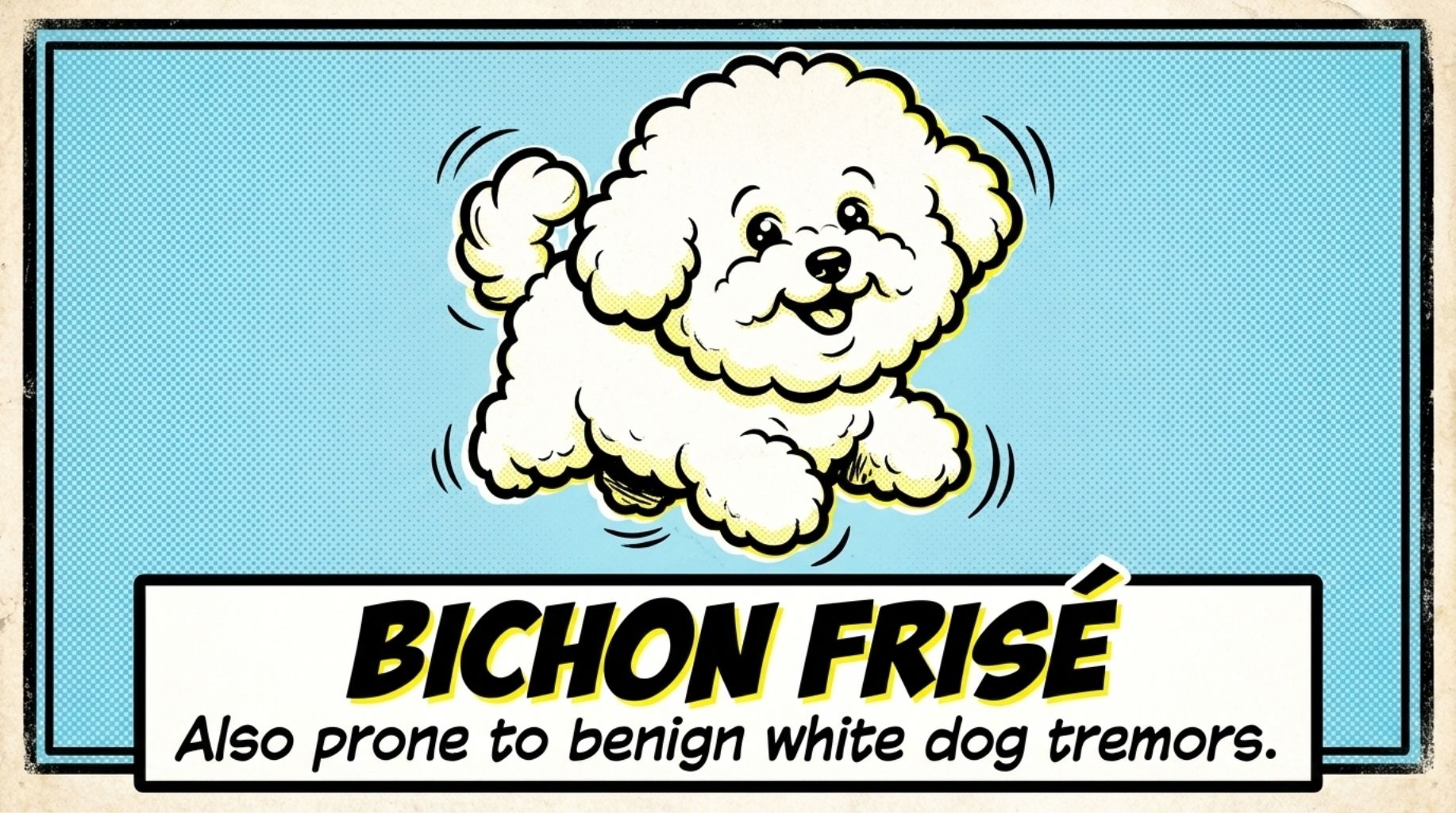
If you notice persistent, rhythmic tremors that don’t seem linked to cold or excitement, a veterinary check-up is essential. A professional diagnosis is required to rule out more serious neurological conditions, though once diagnosed, many dogs live perfectly normal lives with the condition.
The Sensitive Soul: Italian Greyhounds
The Italian Greyhound represents a unique intersection of physical vulnerability and emotional sensitivity. In this breed, shaking is frequently a “dual-trigger” response. They shiver because they are physically cold due to their thin skin and low body fat, but they are equally likely to tremble during stressful events or transitions.
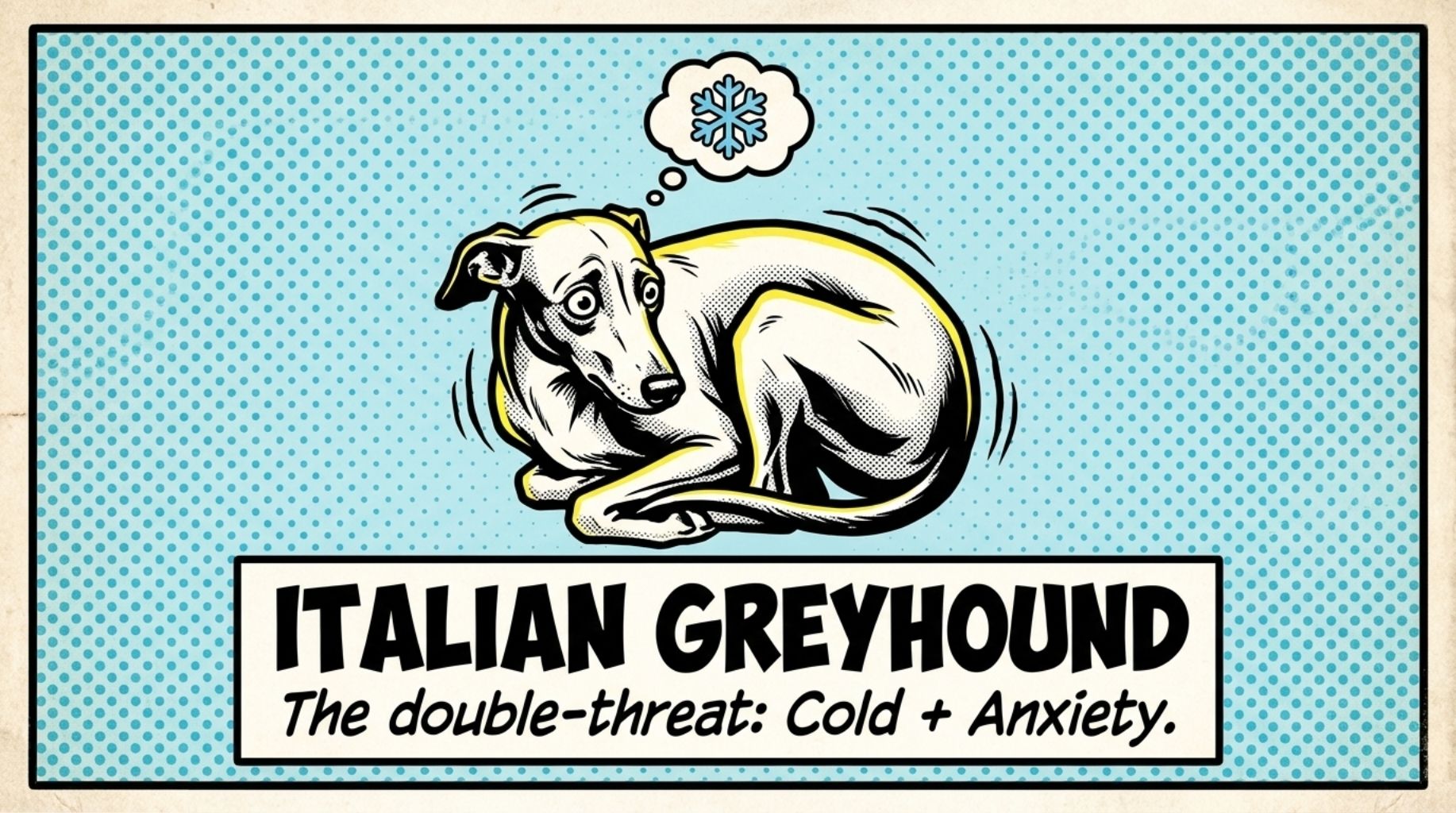
In many ways, the Italian Greyhound’s body acts as a literal “receiver” for both the environment and its own internal emotions. When they are mentally overwhelmed, perhaps by a loud noise or a change in routine, their bodies reflect that stress through physical trembling.
Helping an “Iggy” requires addressing both ends of the spectrum, providing physical warmth while utilizing calming aids or anxiety wraps to soothe their sensitive nervous systems.
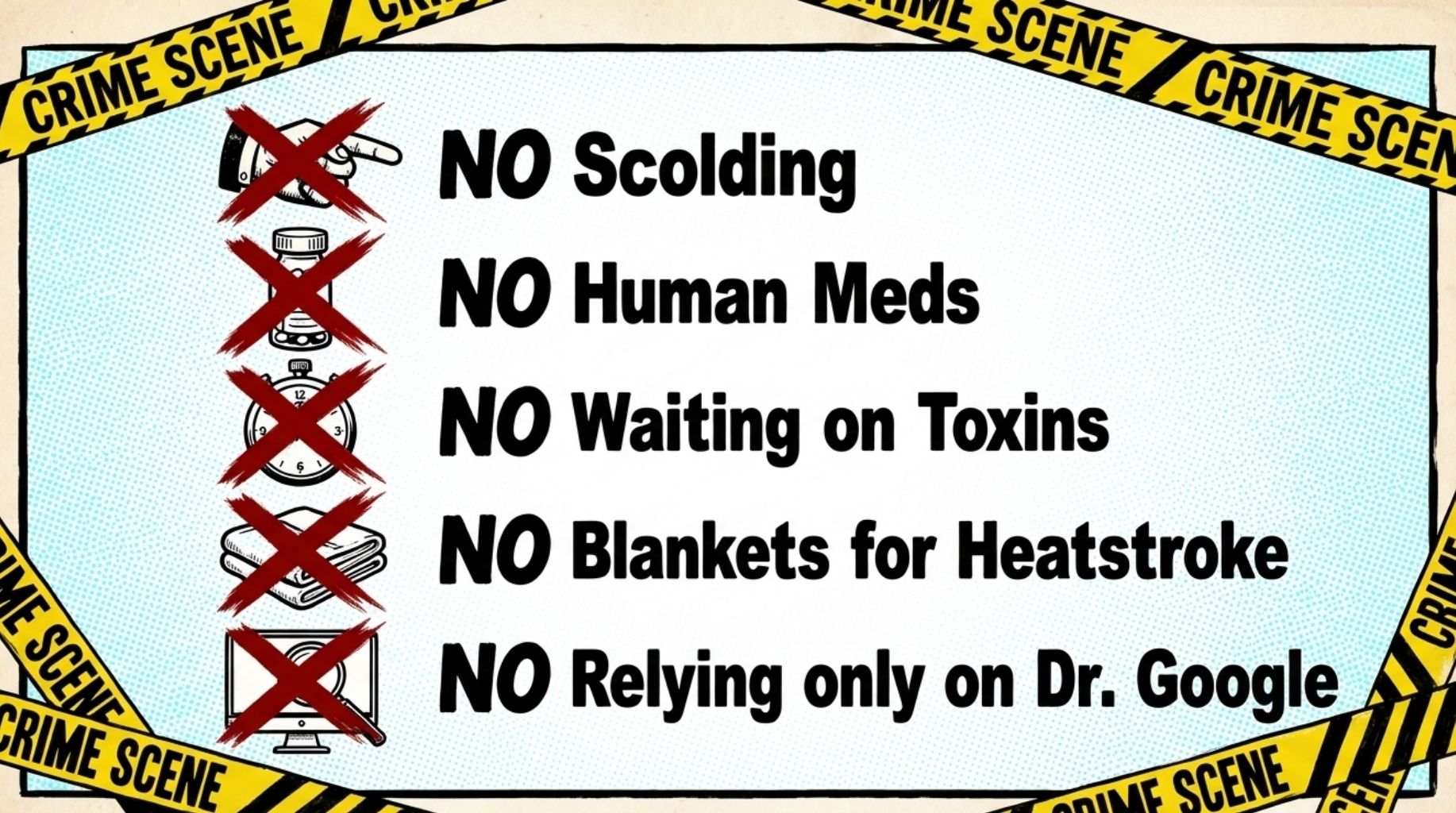
5 THINGS YOU SHOULD NOT DO WHEN YOUR DOG IS SHAKING
When panic sets in, it’s easy to act on instinct. But some well‑intentioned responses can actually make things worse.
- Don’t punish or scold. Shaking is not a behavioral problem. Punishment will only increase fear and stress, making the shaking worse.
- Don’t give human medication. Never give your dog aspirin, ibuprofen, acetaminophen, or any other human painkiller. Many are highly toxic to dogs.
- Don’t wait “just to see what happens” if toxicity is suspected. If there’s any chance your dog ate something dangerous, time is critical.
- Don’t over‑wrap a dog who is shaking from heatstroke. If the weather is hot and your dog is shaking, panting, and drooling, they may be overheating, adding blankets is dangerous.
- Don’t rely solely on Dr. Google. Online resources are a great starting point, but they cannot replace a hands‑on veterinary examination. When in doubt, call your vet.
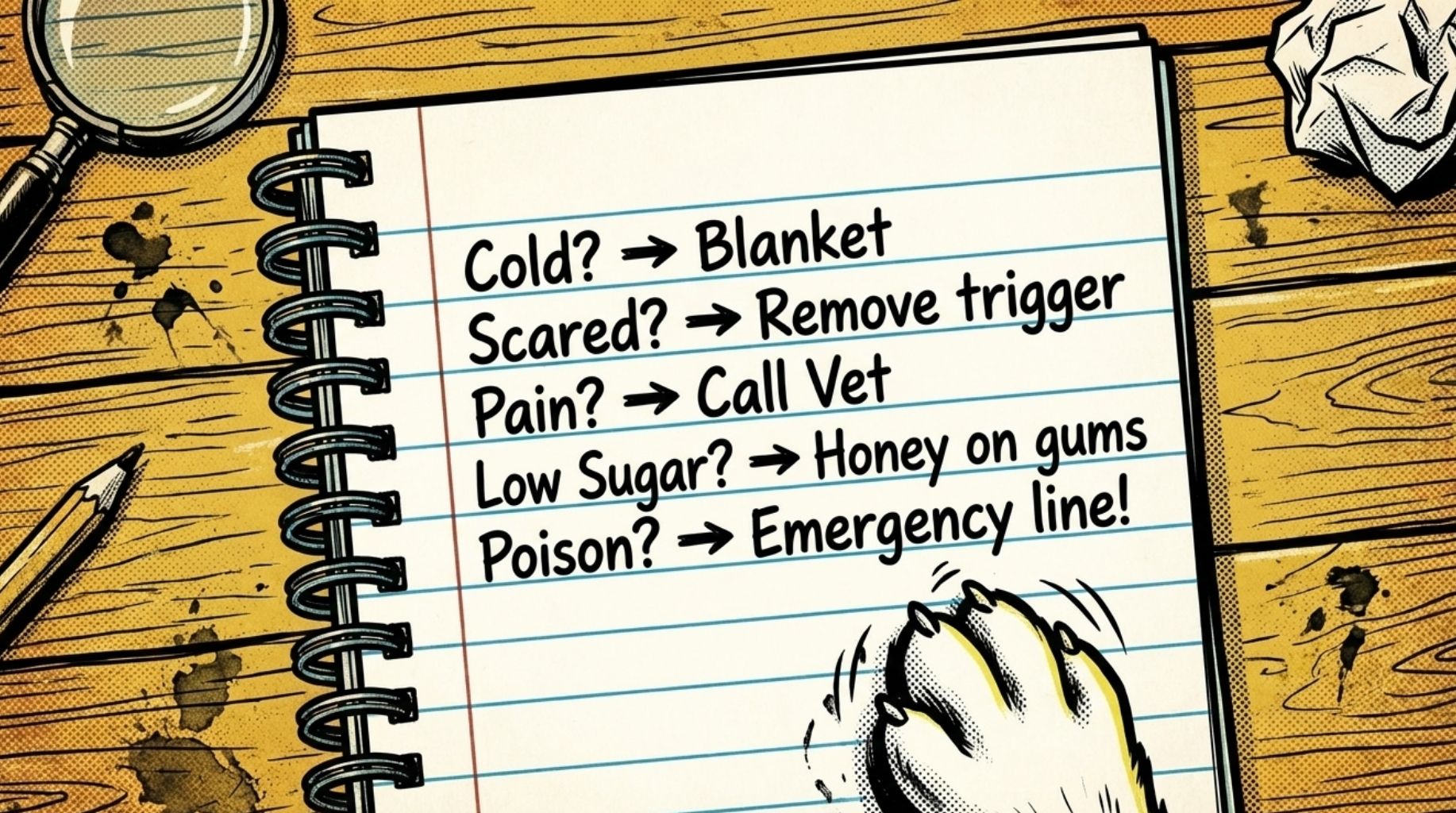
QUICK REFERENCE: WHAT TO DO WHEN YOU ASK “WHY IS MY DOG SHAKING?”
| If your dog is shaking because… | You should… |
| …they’re cold | Offer a blanket, sweater, or warm spot |
| …they’re scared or anxious | Remove the trigger, offer comfort, use calming aids |
| …they’re excited | Enjoy the happy moment; practice settling if needed |
| …they’re in pain | Schedule a vet visit; never give human pain meds |
| …you suspect low blood sugar | Rub honey on gums; call your vet |
| …you suspect poisoning | Call a vet or poison hotline immediately |
| …it’s a senior dog with new symptoms | Schedule a thorough senior wellness exam |
The Bottom Line
The next time you find yourself asking “why is my dog shaking?” , take a breath. Your dog’s shaking is usually nothing to lose sleep over. In most cases, it’s simply a dog being a dog, reacting to cold, excitement, or a passing emotion. But because shaking can signal something more serious, it’s always wise to pay attention, stay calm, and know the red flags.
The golden rule: If your dog is otherwise happy, eating well, and acting normally, occasional shaking is probably fine. But if shaking is new, persistent, or accompanied by other symptoms, or if your gut tells you something is wrong, call your veterinarian. You know your dog better than anyone. Trust that instinct.

FREQUENTLY ASKED QUESTIONS ABOUT WHY IS MY DOG SHAKING