
Dog anxiety is a condition that can significantly affect a pet’s quality of life. Various factors can contribute to this anxiety, making it essential for pet owners to recognize the signs and understand the underlying causes. In this guide to relax, instantly we will show you some effective strategies how to calm a dog down and make him happy at the same time.
“Ever wish your anxious pup came with a reset button? Discover the hidden triggers and surprising science that can transform your dog’s stress into calm in seconds”.
KEY POINTS AND TAKEAWAYS TO REMEMBER
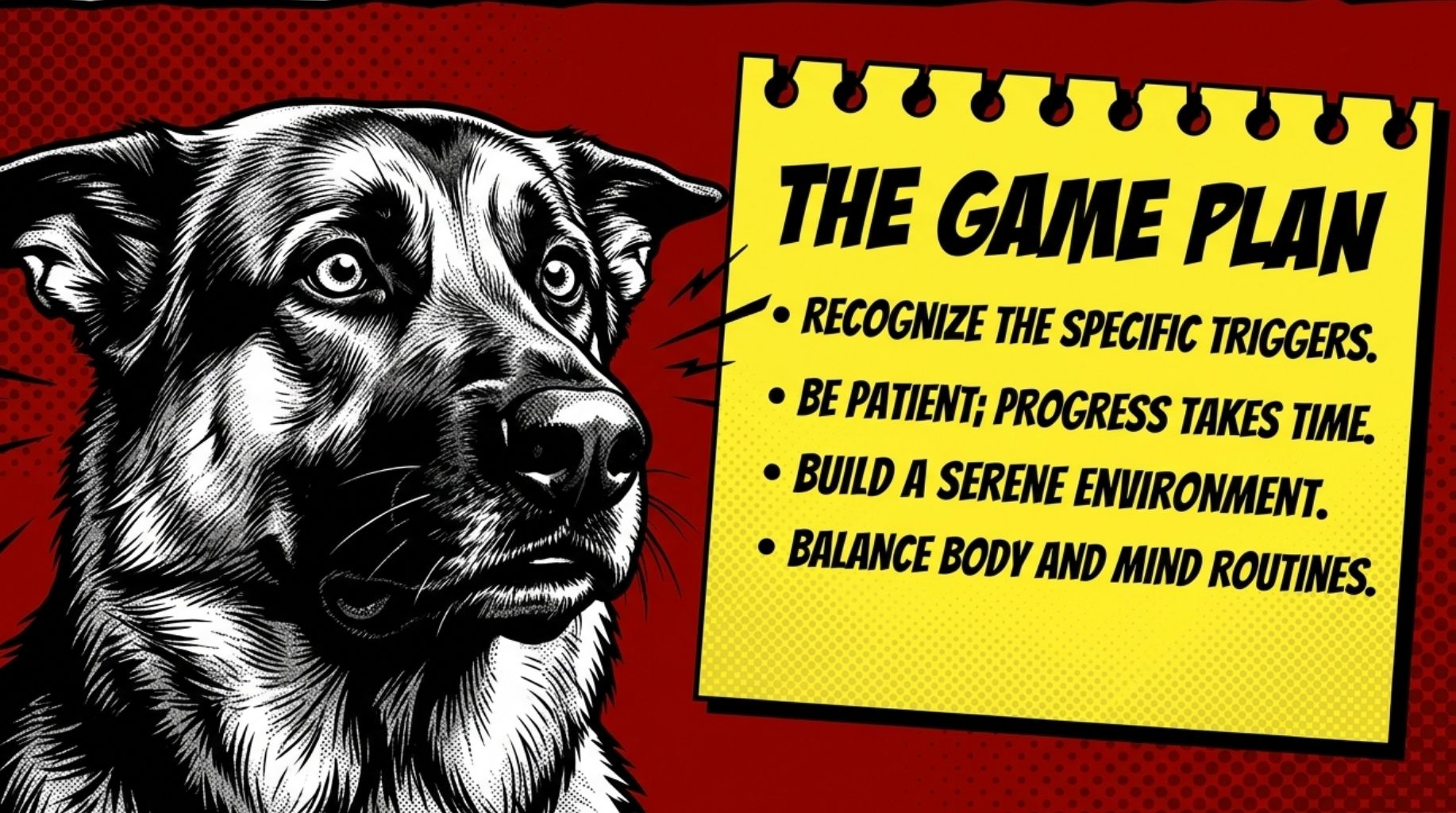
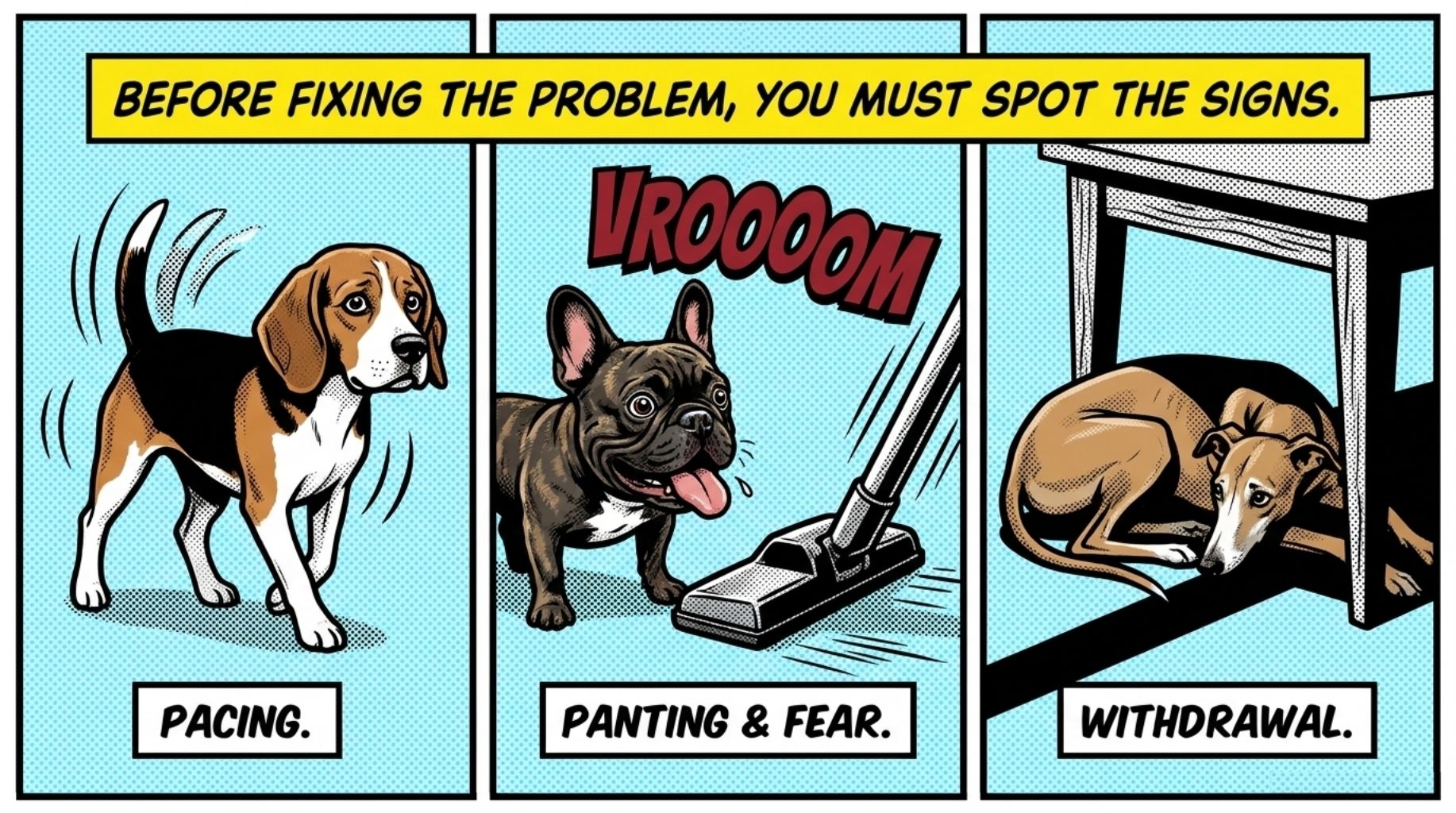
- Dog anxiety can significantly affect a pet’s quality of life, with fear of unfamiliar situations playing a key role. Common signs include pacing, panting, loss of appetite, and withdrawal from family activities.
- Anxious dogs need time to adjust to new techniques and environments. Expecting quick results leads to frustration. Positive reinforcement, gradual desensitization, and relaxation exercises should be part of the daily routine.
- Minimizing noise, creating a quiet space, and using calming scents or music can greatly reduce your dog’s stress, leading to a more harmonious home for both.
- Balancing physical exercise with mental stimulation is essential for your dog’s well-being. Understanding their individual needs helps create a routine that promotes a calmer demeanor and a more peaceful household.
- As your dog adapts, gradually increase the complexity of situations. Both desensitization and positive reinforcement are effective and strengthen your bond as you work together to overcome anxiety.
- Calming products can help reduce anxiety, but monitor your dog’s reactions and adjust usage as needed. Observing their responses helps identify the most effective solutions for ongoing comfort.
- Recognizing signs of distress and knowing available professional resources empowers you to take proactive steps. This ensures a healthier, more balanced life for you and your pet, enhancing your bond and fostering a calmer home.
Quick Summary About How to Calm A Dog Down Instantly
This guide can helps owners to understand how to calm a dog down instantly by first recognizing the root causes of dog anxiety, such as separation issues, fear of loud noises, and environmental changes. The article emphasizes patience and realistic expectations, noting that progress varies by dog. Key techniques include using positive reinforcement, gradual desensitization, and relaxation exercises. To calm a dog down instantly, this guide advises creating designated quiet spaces, using calming scents like lavender, and minimizing loud noises or disturbances to foster a truly serene home environment.
RECOGNIZE WHY YOUR DOG IS IN DISTRESS BEFORE TO CALM HIM DOWN
Fear of unfamiliar situations also plays a critical role in dog anxiety. New environments, unfamiliar faces, or drastic changes in routine can overwhelm dogs, leading to signs of anxiety like excessive barking, growling, or cowering. Recognizing these signs is fundamental for understanding how a dog is feeling in various situations.
Understanding Dog Anxiety
Separation anxiety is one of the most common forms, where dogs become distressed when left alone. This condition can lead to destructive behaviors, incessant barking, and even house soiling. Understanding the triggers of separation anxiety in dogs is crucial for implementing effective strategies to alleviate the distress they may experience.
Another prevalent cause of anxiety in dogs is the fear of loud noises, such as thunderstorms, fireworks, or even vacuum cleaners. Many dogs display signs of acute fear and may try to hide, tremble, or seek comfort from their owners during these situations. Identifying this fear is essential to create a calming environment for your pet and employ desensitization techniques that can help reduce their anxiety over time and calm your dog down.
How Environment Can Instantly Calm Your Dog Down?
Additionally, changes in a dog’s environment can induce anxiety. Moving to a new home, introducing new family members, or encountering unfamiliar situations can leave dogs feeling insecure and unsettled. Recognizing the signs of anxiety, such as excessive barking, panting, restlessness, or withdrawal, is the first step toward helping them regain a sense of calm.
By observing your dog’s behavior closely, you can identify patterns that correlate with anxious moments and begin implementing strategies to soothe their fears. Addressing dog anxiety requires patience and a thorough understanding of each specific situation.
By being aware of the reasons behind a dog’s anxious behavior, pet owners can take proactive steps to improve their dog’s emotional well-being and create a safer, more comforting environment for them. Recognizing and addressing dog anxiety is a responsible part of pet ownership.
🔑 Key Points: Dog anxiety is a condition that can significantly affect a pet’s quality of life. Fear of unfamiliar situations also plays a critical role in dog anxiety. Common indicators of anxiety in dogs include pacing, panting, loss of appetite, and withdrawal from family activities.

IMPORTANCE OF PATIENCE AND REALISTIC EXPECTATIONS
When it comes to calm a dog down, it is vital for pet owners to understand that this process is not instantaneous. Anxious dogs often require time to adapt to new techniques and environments, and expecting immediate results can lead to frustration for both the owner and the pet. Patience becomes a crucial component in the journey of rearing a calm and well-adjusted dog.
Instantly Set a Realistic Expectations to Calm a Dog Down
First and foremost, owners should set realistic expectations regarding the progress of their dog’s calming process. Every dog is unique, and the time it takes for them to respond to calming strategies can vary significantly based on individual temperament, past experiences, and the nature of their anxiety.
For instance, a rescue dog may have ingrained fears from previous traumas, while a puppy might just be adjusting to a new home. Recognizing these differences allows pet owners to tailor their approaches, promoting a more effective outcome.
Techniques to Calm a Dog Down Instantly
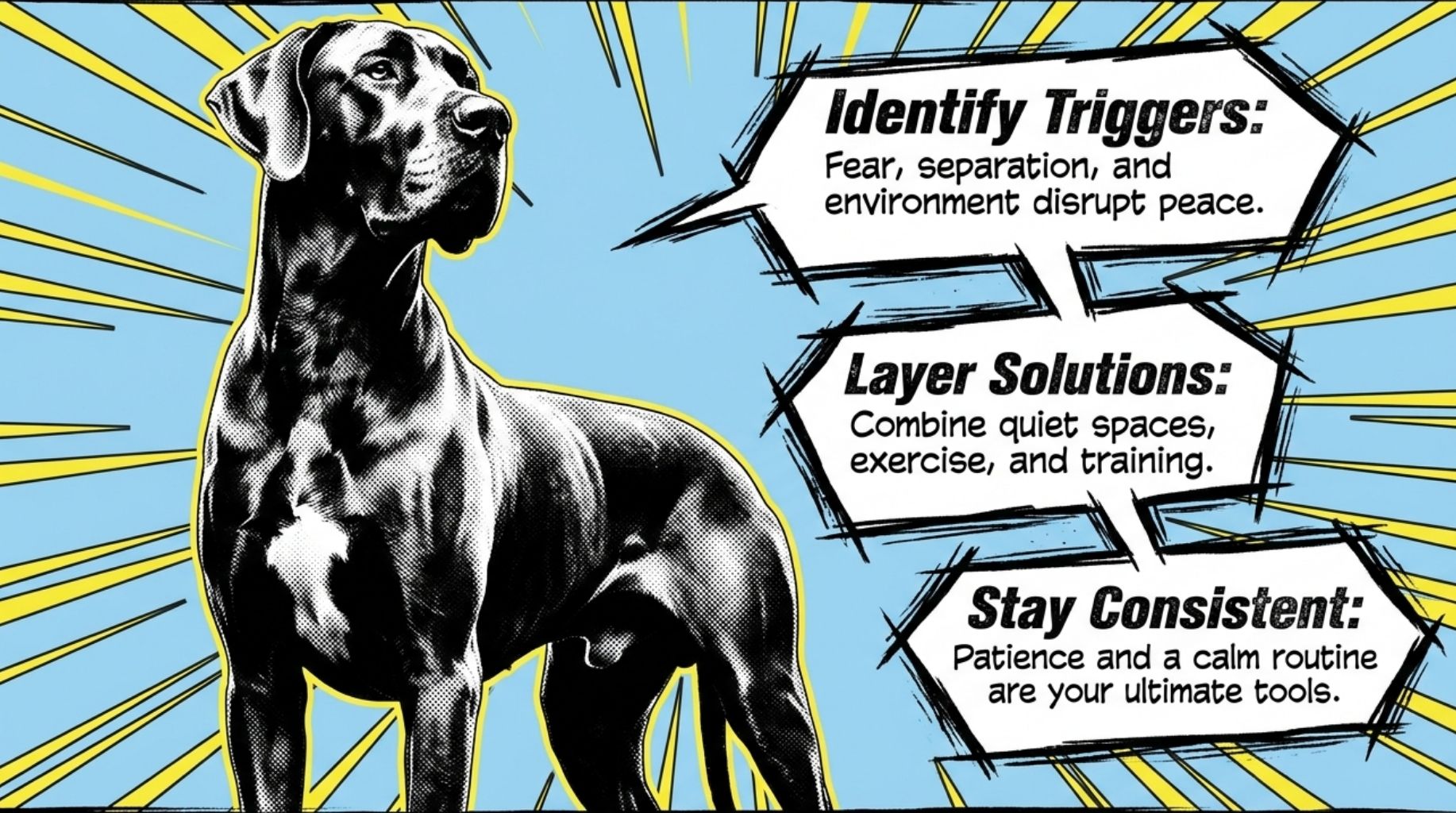
Furthermore, consistency is essential in applying calming techniques. Techniques such as positive reinforcement, gradual desensitization to anxiety triggers, and relaxation exercises should be practiced regularly. Over time, these methods can help build a dog’s confidence and sense of security. Then you will know how to calm a dog down instantly.
However, it is important for owners to acknowledge that setbacks are a natural part of the process. Rather than feeling discouraged, maintaining a patient attitude will contribute to a more successful experience. In essence, understanding the importance of patience and holding realistic expectations is fundamental to calm your dog effectively.
The process may take time, but with dedication and empathy, pet owners can foster an environment that supports their dog’s journey towards tranquility. As the bond between owner and dog strengthens, the progress made can be deeply rewarding for both parties. By valuing the journey over the destination, pet owners can ensure a nurturing atmosphere conducive to their dog’s well-being.
🔑 Key Points: Anxious dogs often require time to adapt to new techniques and environments, and expecting immediate results can lead to frustration for both the owner and the pet. Techniques such as positive reinforcement, gradual desensitization to anxiety triggers, and relaxation exercises should be practiced regularly and be part of the daily routine.
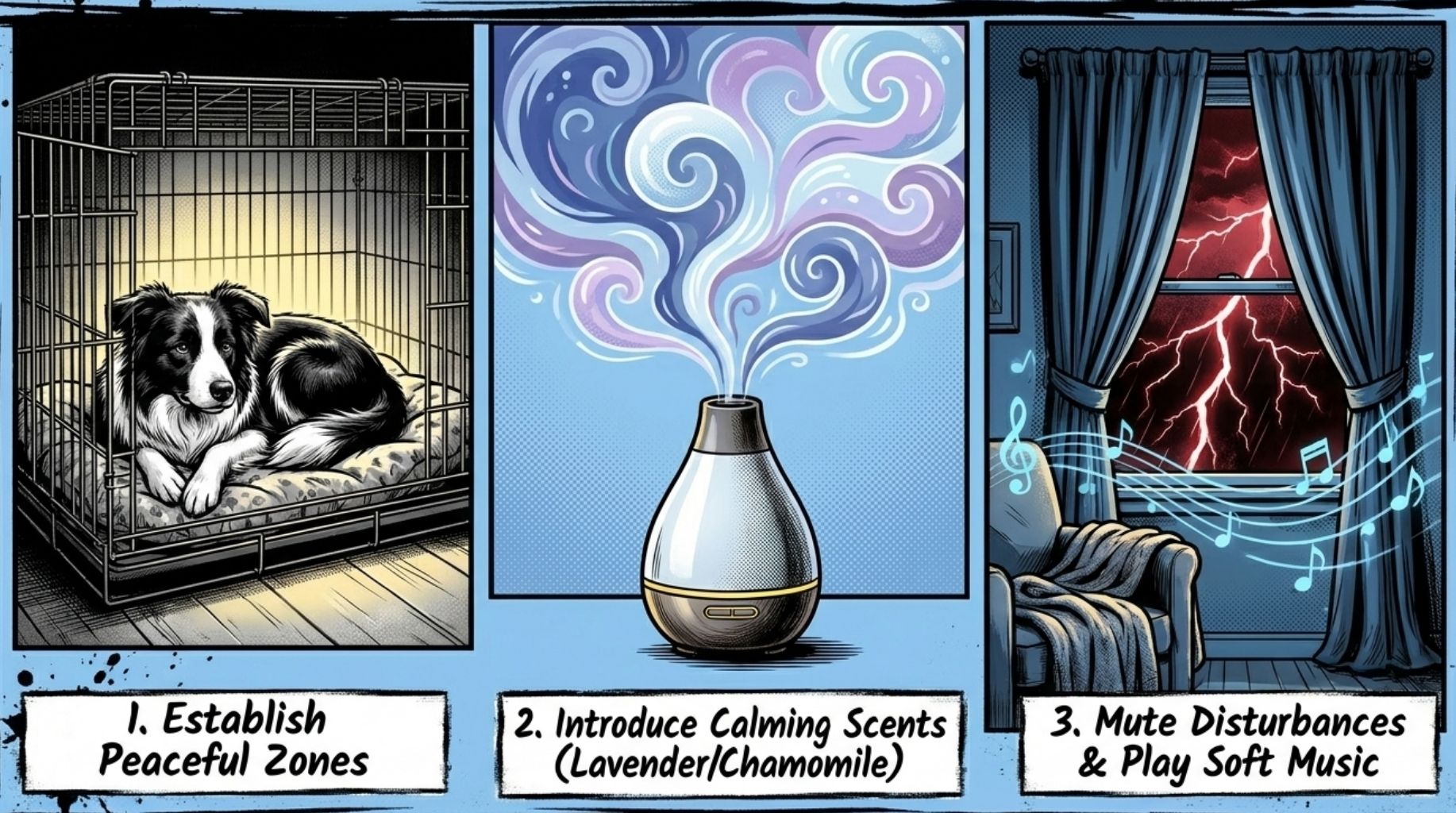
HOW TO INSTANTLY CREATE AN ENVIRONMENT TO CALM A DOG DOWN IN 3 STEPS?
Providing a tranquil home environment is essential for alleviating anxiety in dogs. Follow the crucial steps in this section below to learn how environment can aid you to calm a dog down instantly.
First Step to Instantly Calm a Dog Down is to Create Peaceful Atmosphere
One of the first steps in establishing this peaceful atmosphere is to create designated quiet spaces within your home. These areas should be free from distractions and noise, allowing your dog to retreat and feel secure.
Consider placing comfortable bedding and soft toys in these zones, ensuring that your pet associates them with relaxation and safety. Additionally, it may benefit your dog to have a crate available, as many dogs find cozy confinement reassuring.
Second Step to Calm a Dog Down Instantly is the Use of Calming Scents
Another step in the strategy to calm a dog down instantly involves the use of calming scents. Dogs have an acute sense of smell, which means that specific fragrances can help soothe their nerves. Utilizing essential oils such as lavender or chamomile can create a calming effect and can calm a dog down instantly.
However, it is important to use these substances sparingly and ensure they are safe for canine companions. Diffusers or sprays designed specifically for pets can be effective tools in this regard. Additionally, incorporating natural chews or treats infused with calming ingredients can help to promote relaxation and a sense of well-being.
Third Step to Calm a Dog Down Instantly is to Minimize Loud Noises and Disturbances
A crucial aspect of creating a serene environment includes minimizing loud noises and sudden disturbances. Simple adjustments, such as using soundproofing techniques on windows or playing soft background music, can significantly reduce anxiety triggers for your dog.
Moreover, it is vital to be aware of the sounds around you and attempt to limit exposure to particularly distressing noises, including thunderstorms, fireworks, or loud appliances. By being proactive and thoughtful about the home environment, pet owners can foster a safer space that can greatly contribute to the emotional stability of their dogs, ultimately enhancing their quality of life.
🔑 Key Points: By focusing on these elements like minimizing noise, creating a quiet space, and using calming scents or music, you can significantly diminish your dog’s stress and anxiety levels, creating a more harmonious living environment for both you and your furry friend.
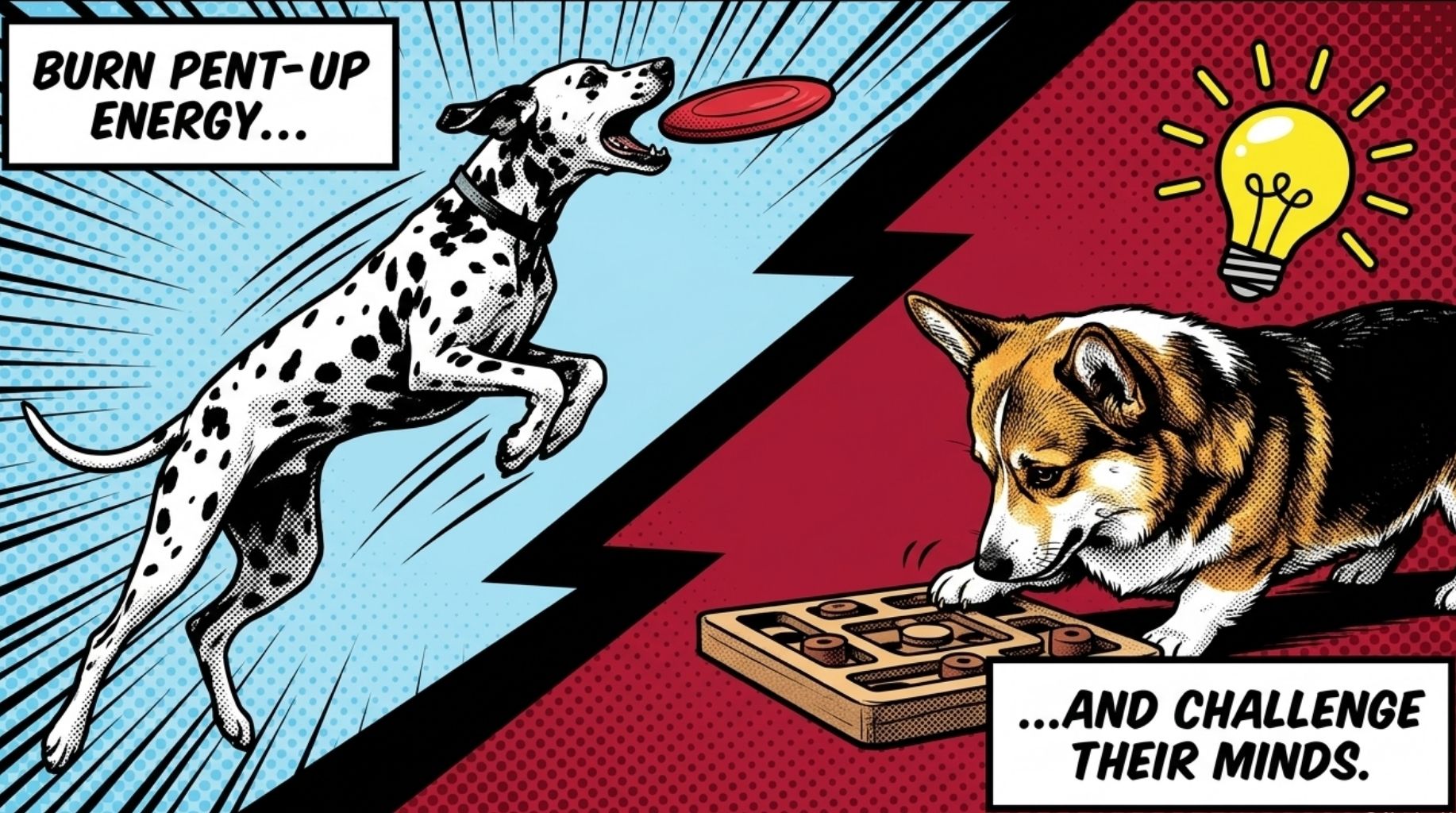
PHYSICAL EXERCISE AND MENTAL STIMULATION
When it comes to reducing anxiety in dogs, physical exercise and mental stimulation play crucial roles. Many dogs exhibit behavioral issues as a result of pent-up energy or boredom. Regular physical activity can help alleviate these problems by providing an outlet for their energy and promoting overall well-being.
Indoor and Outdoor Activities to Calm a Dog Down Instantly
Engaging in daily walks, running, or playing fetch allows dogs to expend energy that might otherwise manifest as anxiety or destructive behavior. For pet owners, maintaining a consistent exercise routine is essential, as it not only keeps their dogs fit but also contributes to a more balanced temperament.
If you want to calm your dog down instantly, this is a great way. In addition to physical exertion, mental stimulation is equally important for a dog’s psychological health.
Incorporating activities that challenge their minds can divert attention from stressors that may cause anxiety. Interactive toys, puzzle feeders, and games that encourage problem-solving are excellent ways to engage a dog’s intellect.
For example, hiding treats around the house and encouraging your dog to find them can provide both physical exercise and mental enrichment.
Healthy Lifestyle Will Calm Down Your Dog Instantly and Forever
Involving dogs in training activities such as learning new commands or tricks can be highly stimulating. Not only does this reinforce positive behavior, but it also strengthens the bond between the pet and owner. Group training sessions or socializing with other dogs can add another layer of enrichment, as interaction with peers is beneficial for their emotional stability.
Ultimately, your key to minimizing anxiety and fostering a calm demeanor in any dog is achieving a well-rounded healthy lifestyle that includes ample physical activity and mental challenges.
Your daily routine that encompasses long walks, playtime, and brain-stimulating activities can lead to a happier, and calm dog. Understanding the importance of these elements will empower pet owners to create a healthy environment that mitigates anxiety and promotes overall contentment.
🔑 Key Points: In essence, balancing physical exercise with mental stimulation is crucial in promoting a dog’s well-being. By understanding individual needs and preferences, dog owners can implement a routine that supports a calmer demeanor, ultimately contributing to a more harmonious household.
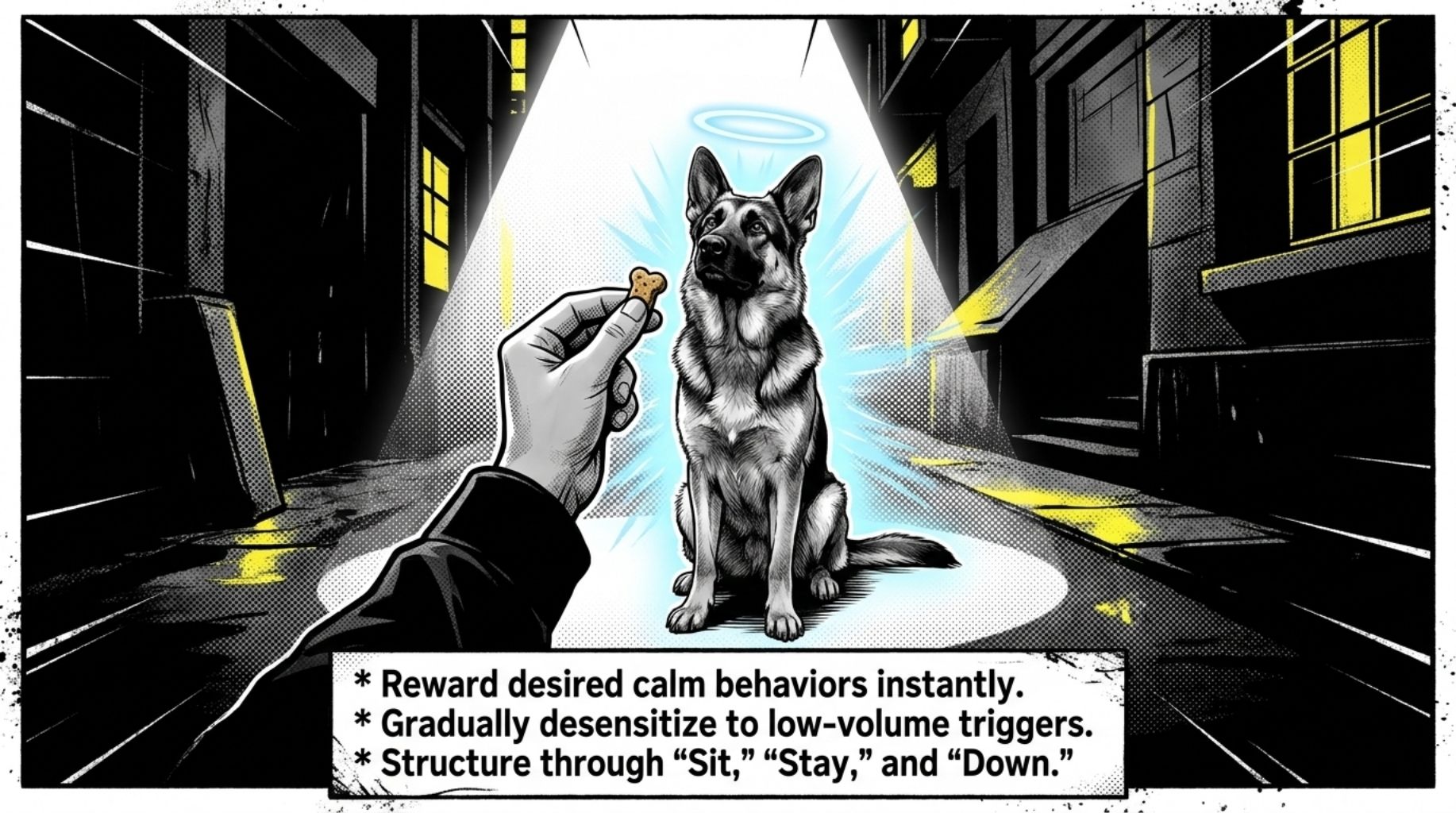
TRAINING TECHNIQUES TO INSTANTLY CALM A DOG DOWN
Training plays a pivotal role in instilling a sense of calm and down to earth in a dog, particularly for those that experience anxiety or nervousness in varying situations. As we mentioned in the previous section above, the training activities will calm a dog down instantly and if that become a routine for your furry friend, you will have a relaxed dog in the future.
Reward Desired Behaviors with Treats or Praise and Desensitization
One highly effective technique is positive reinforcement. This method involves rewarding desired behaviors with treats, praise, or affection, thereby encouraging the dog to associate specific actions with positive outcomes.
For example, if a dog remains calm in a situation that usually triggers anxiety, providing a reward reinforces that calm behavior. Over time, dogs can learn to respond more calmly to stimuli that previously caused them distress.
Another valuable strategy is desensitization. This process entails gradually exposing your dog to anxiety-inducing stimuli at a low intensity, then slowly increasing exposure as they become more comfortable.
For instance, if your dog is fearful of loud noises, start by playing recorded sounds at a low volume while offering treats or toys. Gradually increase the volume over time as your dog remains relaxed. The goal is to help your dog acclimate to these triggers without feeling threatened, thus promoting a more relaxed demeanor.
The Basic Obedience Training Can Instantly Calm a Dog Down
The basic obedience training also contributes significantly to a dog’s overall calmness. Teaching commands such as “sit,” “stay,” and “down” provides dogs with structure and predictability, which can alleviate anxiety. A dog that understands what is expected of them is more likely to feel secure in their environment.
Incorporating regular training sessions into your dog’s routine not only strengthens your bond but helps them navigate their surroundings with greater confidence. These techniques require patience and consistency to be effective. With dedicated practice and a positive approach, you can help your dog develop a sense of calmness, ultimately enhancing their quality of life and your relationship with them.
🔑 Key Points: As your dog begins to adapt, gradually increase the complexity of the scenarios they face, ensuring that the progress remains manageable. Both desensitization and positive reinforcement are not only effective but also foster a stronger bond between you and your dog as you work together toward overcoming anxiety.
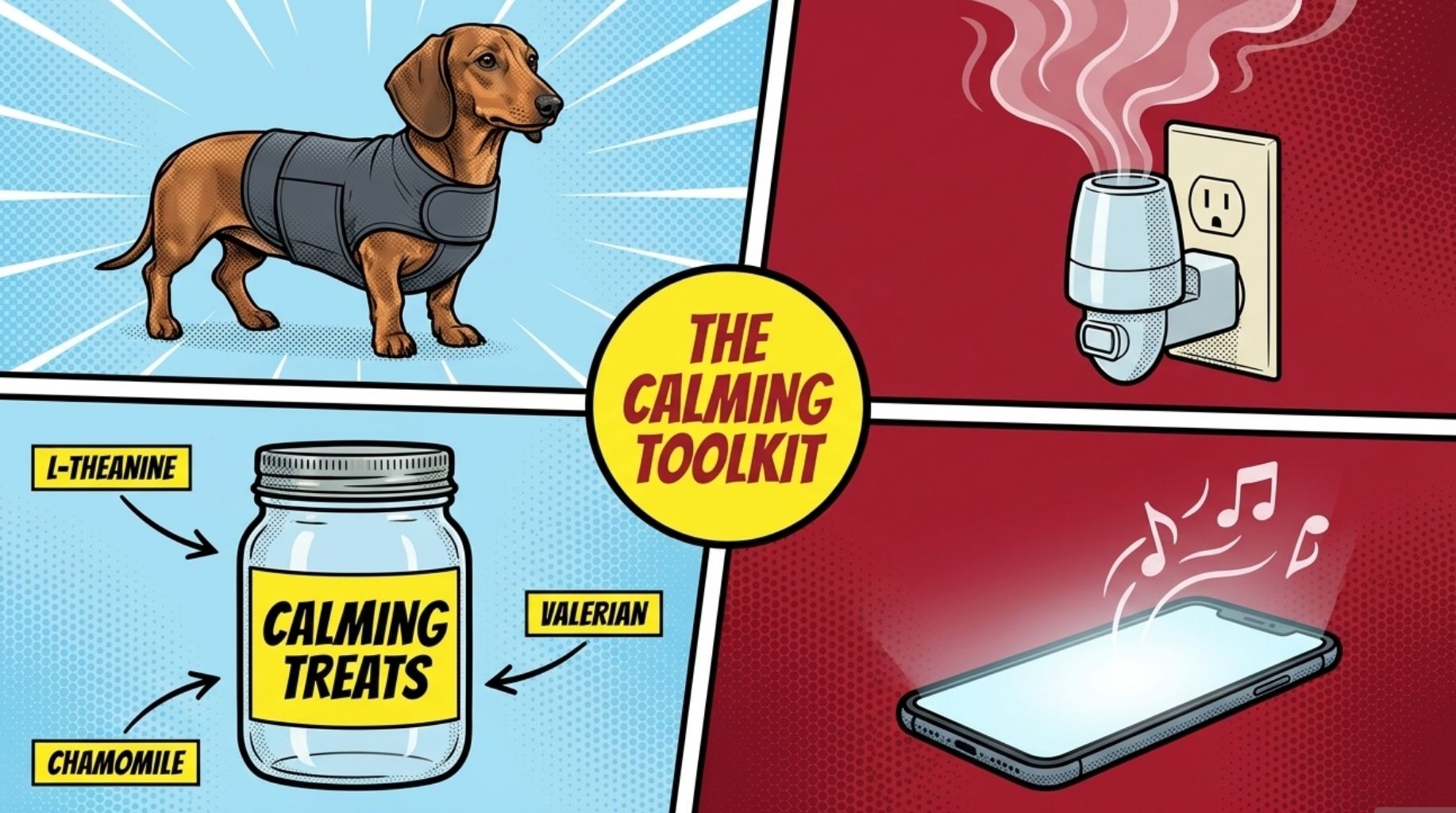
SOOTHING PRODUCTS AND TOOLS TO INSTANTLY CALM A DOG DOWN
In the quest to alleviate dog anxiety, numerous soothing products and tools are available to pet owners. These items can serve as effective complements to behavioral strategies employed to calm dogs.
The Anxiety Wrap Will Instantly Calm a Dog Down
One popular option is the anxiety wrap, which is designed to provide gentle, constant pressure around the dog’s body. This pressure can have a calming effect, similar to that of swaddling a baby, making these wraps an invaluable tool for anxious dogs during stressful situations, such as thunderstorms or fireworks.
Pheromone Diffusers Can Create Calm Environment
Pheromone diffusers are another noteworthy product that helps create a calming environment for dogs. These devices release synthetic copies of the calming pheromones that mother dogs emit to comfort their puppies.
By mimicking these natural chemicals in the air, pheromone diffusers can help to reduce stress and anxiety in adult dogs, promoting a sense of safety and relaxation in their surroundings.
Calming Treats Infused with Natural Ingredients
Calming treats represent yet another option for pet owners looking to instantly calm a dog down. These treats are often infused with natural ingredients such as chamomile, valerian root, or L-theanine, all known for their relaxing properties.
By incorporating these treats into a dog’s routine, owners can help alleviate anxiety symptoms, especially during particularly stressful events. It is crucial to choose treats specifically formulated for dogs, as some human snacks may be harmful to their health.
Music Designed Instantly to Calm a Dog Down
Lastly, the use of music designed specifically for tranquility and instantly to calm a dog down is gaining traction among pet owners. Various studies suggest that certain types of music can lower stress levels in dogs, potentially improving their overall well-being.
Calming playlists, often available as streaming music, can be played in the background during moments of anxiety, offering your pet comfort through soothing soundscapes. Discover what kind of music genres do dogs like the most!
🔑 Key Points: While calming products and tools can significantly aid in reducing anxiety, it is crucial for pet owners to monitor their dog’s reactions and adjust usage as needed. Observing how a dog responds can help in identifying the most effective solutions for ongoing comfort and tranquility for their specific requirements.
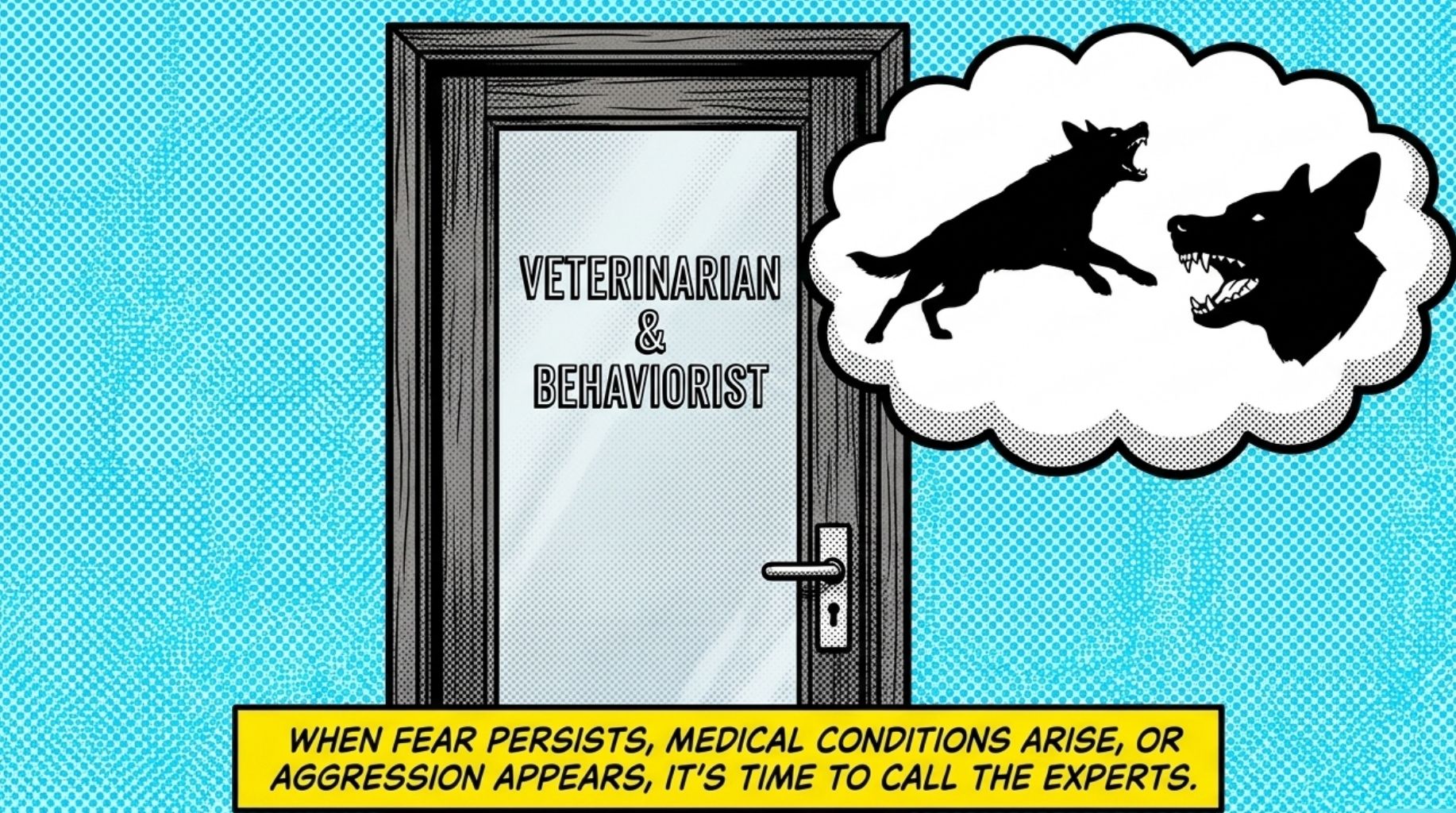
WHEN TO SEEK PROFESSIONAL HELP?
While various strategies can help calm an anxious dog, there are instances when professional intervention is necessary to address deeper behavioral issues. Recognizing the signs that your dog may require the expertise of a veterinarian or a dog behaviorist is vital for effective management of anxiety-related problems.
When Your Dog is in State of Persistent Fear or Anxiety?
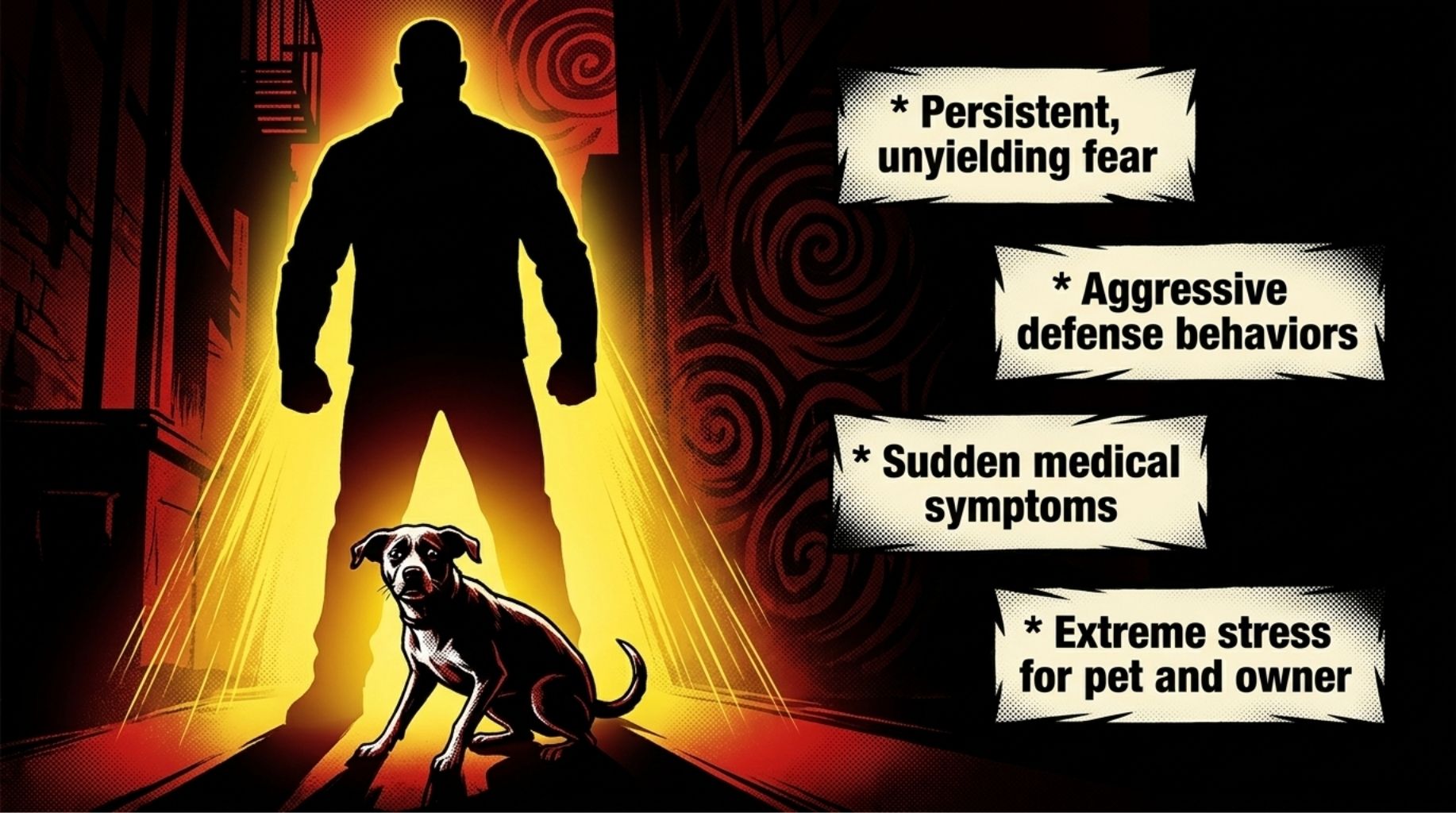
One key sign is persistent fear or anxiety that does not improve despite consistent efforts at home. If your dog exhibits ongoing signs of distress, such as excessive barking, pacing, trembling, or hiding, it may indicate an underlying issue that requires professional assessment.
In such cases, behavioral modification techniques may not be sufficient to achieve meaningful progress, necessitating the involvement of a specialist trained to address these concerns.
The Presence of Aggressive Dog Behavior
Another indicator is the presence of aggressive behavior. If your dog displays aggression towards people or other animals when feeling anxious, it is crucial to seek professional help immediately.
Aggression can pose significant risks to your pet and those around them, and a qualified dog behaviorist can provide tailored strategies to manage and mitigate these behaviors effectively.
Medical Conditions with Anxiety Symptoms
Moreover, medical conditions can exacerbate anxiety symptoms. If your dog shows sudden behavior changes, it may warrant a veterinary consultation to rule out any health issues.
Conditions such as hormonal imbalances, neurological disorders, or pain can contribute to anxiety, and it is essential to address these potential factors before implementing behavioral interventions.
Extreme Dog Stress or Frustration
Lastly, if your efforts to calm a dog down are causing you or your dog extreme stress or frustration, it is time instantly to consult a professional. The guidance of a veterinarian or a certified dog behaviorist can help you outline a personalized plan that addresses your dog’s specific needs while alleviating your concerns.
Seeking timely and appropriate assistance can significantly improve your dog’s quality of life and strengthen the bond between you and your pet.
🔑 Key Points: Recognizing the signs of distress and knowing the available professional resources can empower owners to take proactive measures. This ensures a healthier and more balanced life for both the pet and the owner, enhancing the bond you share and fostering a calmer atmosphere within the home.
MAINTAINING A CALM ROUTINE FOR YOUR DOG
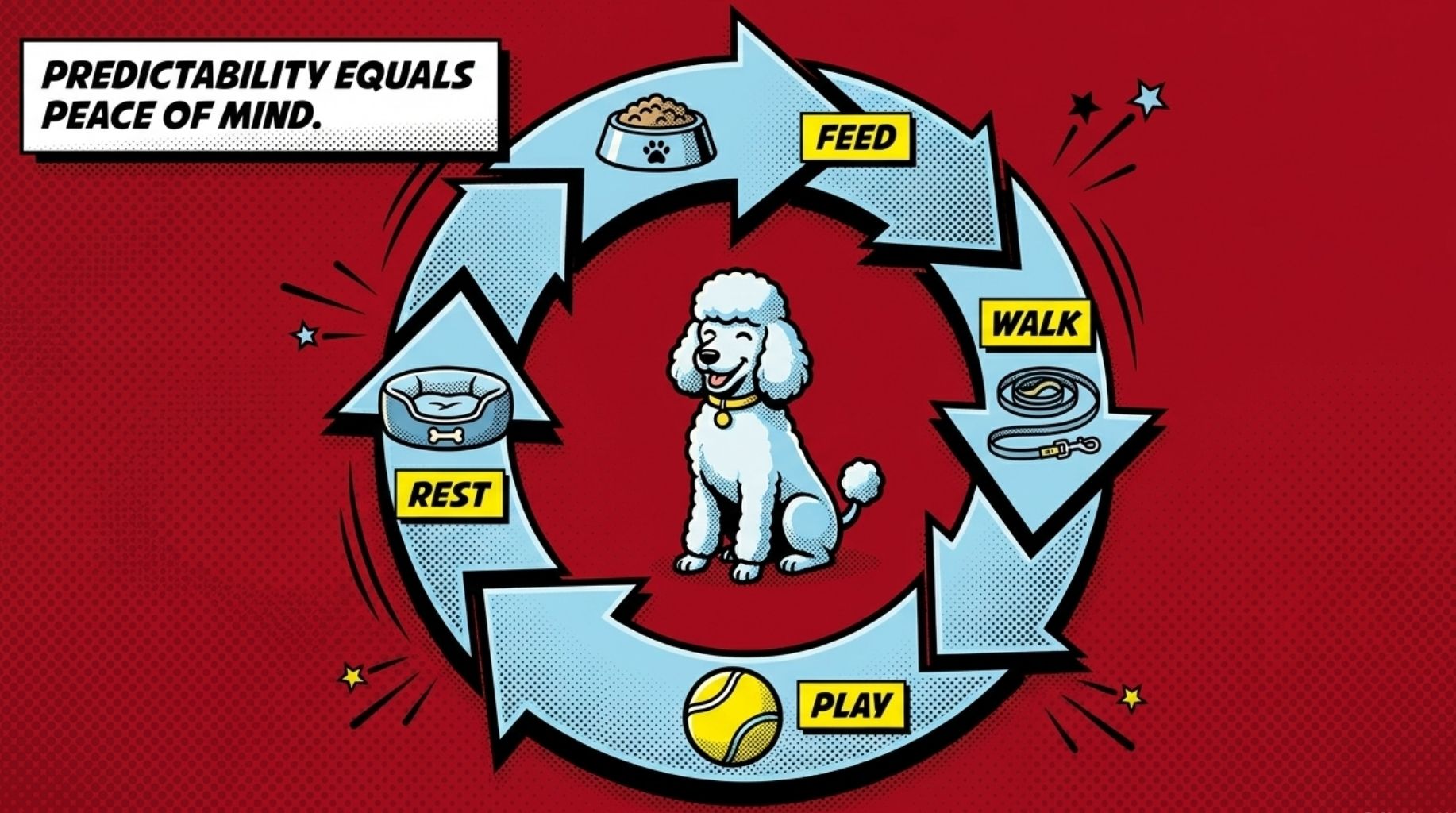
Establishing a calm routine is vital for enhancing a dog’s well-being and overall behavior. Dogs thrive on consistency, and a structured daily schedule can significantly reduce anxiety and stress. By creating a predictable pattern for daily activities, you provide your dog with a strong sense of security. This predictability allows them to understand what to expect, which is crucial for their peace of mind.
Regular Intervals for Feeding, Walks, Playtime, And Rest
A well-defined routine should include regular intervals for feeding, walks, playtime, and quiet time. For instance, feeding your dog at the same time every day helps them feel settled and promotes better digestion.
It is also advisable to incorporate specific times for walks and exercise, ensuring your dog receives adequate physical activity to release energy. This aspect of routine is particularly important, as a lack of exercise can lead to behavioral issues stemming from pent-up energy.
Integrating Playtime into The Daily Schedule
Engaging activities not only keep your dog physically active but also mentally stimulated. Structured play sessions can alleviate boredom and prevent the development of destructive behaviors. Additionally, ensuring a designated quiet time helps dogs relax and recharge throughout the day.
This can be particularly beneficial in households with multiple pets or children, leading to a more peaceful environment. In conclusion, maintaining a calm routine is an essential technique for dog owners aiming to create a serene atmosphere for their pets.
By adhering to a structured schedule, dog owners can offer their pets the security and predictability they naturally crave, ultimately fostering a calmer state of mind. Keeping the routine consistent will enhance the dog’s overall emotional health and well-being, making for a happier and more balanced pet.
3 Fun Facts from Latest Research and Dog Studies
- Your Anxious Scent is Contagious. A 2024 study found that when dogs smell the odor of a stressed human, they become more pessimistic in decision-making tasks, showing that our own anxiety can directly lower their mood through scent alone.
- Music Tailored for Dog Ears Works Better. A 2024 biometric study using AI collars revealed that specially composed music for dogs lowered their pulse rates by 5.9% and increased heart rate variability (a sign of relaxation) more than classical music or silence.
- Calm Your Dog Through Their Gut. Emerging research from 2025 shows that the probiotic Enterococcus faecium Kimate-X significantly reduces stress hormones in dogs during transport by improving gut bacteria balance, offering a natural way to build long-term resilience against anxiety.

FREQUENTLY ASKED QUESTIONS (FAQ)