
Understanding your dog’s emotional world is key to being a great pet parent. Learning how to recognize fear and worry in dogs is not just about solving problems! It’s about strengthening your bond.
Imagine the summer night is falling, and you let your dog into the backyard. Suddenly, they bolt back inside, panting heavily and seeking comfort on the couch. Their behavior seems off, but you can’t quite pinpoint why.
This guide will help you become fluent in your dog’s unique language of anxiety, offering you the insights you need to make them feel safe, secure, and understood. Let’s learn to listen to what they’re trying to tell us.
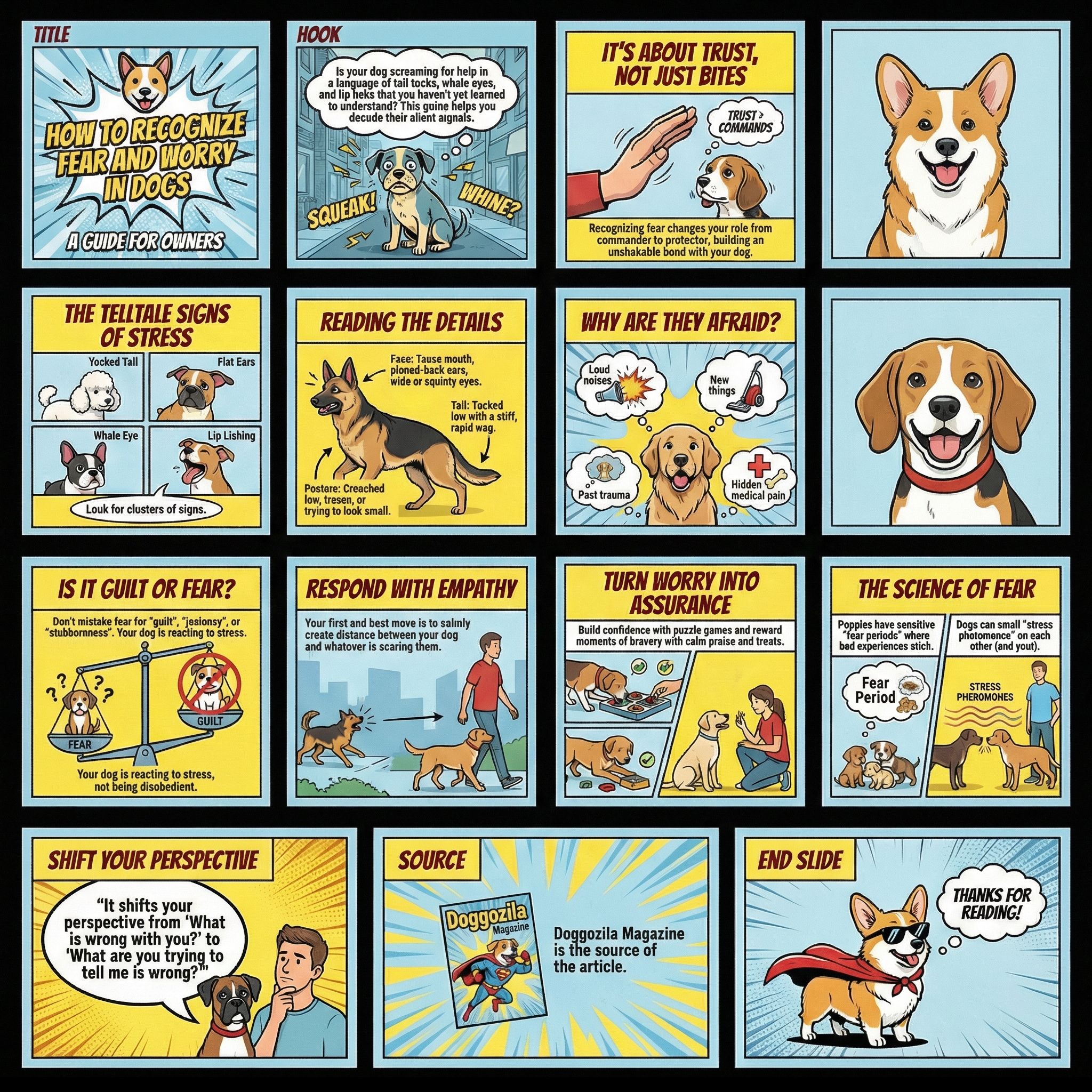
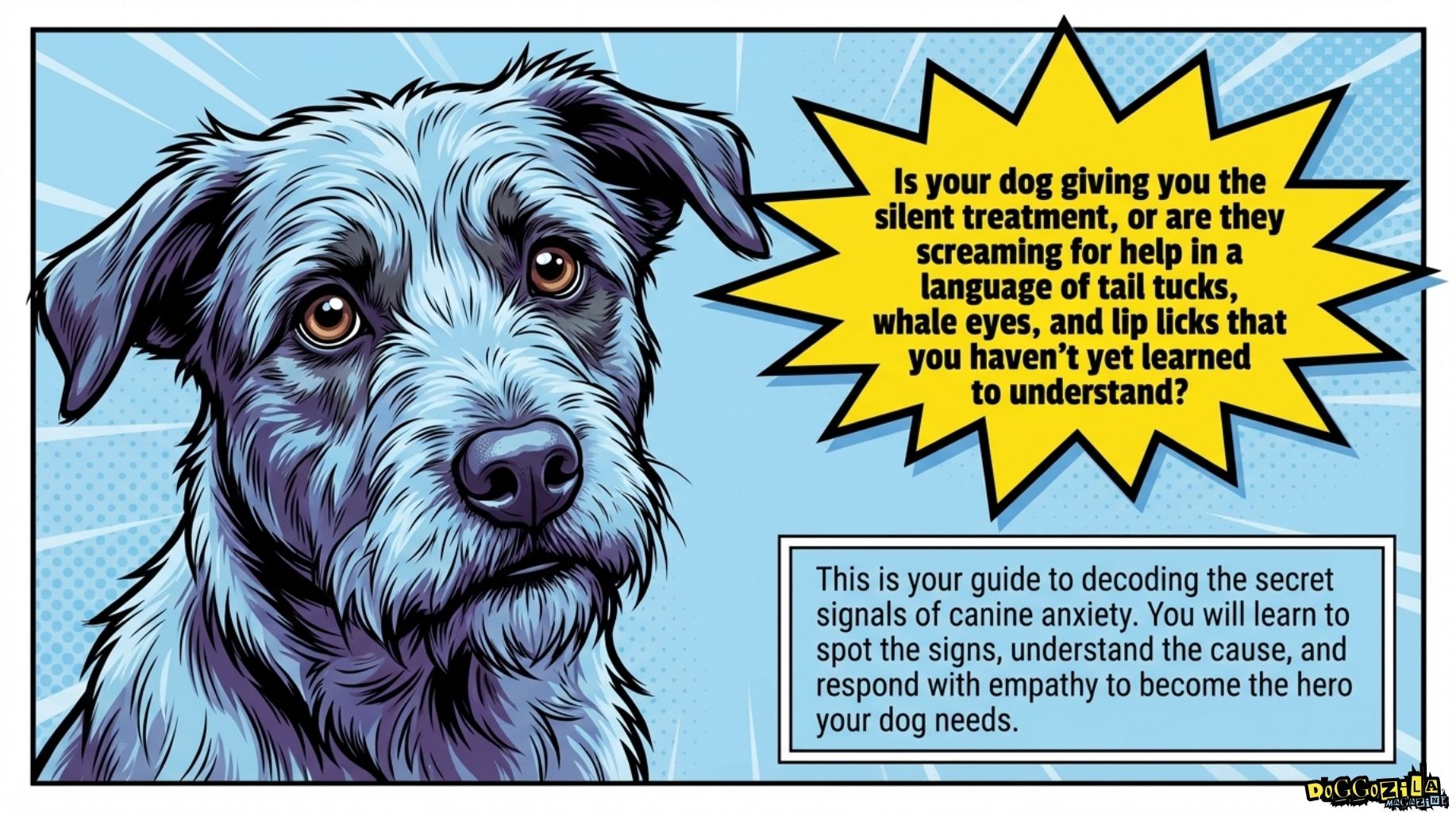
“Is your dog giving you the silent treatment, or are they screaming for help in a language of tail tucks, whale eyes, and lip licks that you haven’t yet learned to understand?”
Quick Summary About HOW TO RECOGNIZE FEAR AND WORRY IN DOGS
This guide provides essential insights into how to recognize fear and worry in dogs. You’ll learn to decode the subtle and obvious signals of dog anxiety, from tucked tails to unexpected aggression. We’ll explore the science behind their stress, debunk common misconceptions, and provide a clear roadmap for responding with empathy to help your fearful friend feel safe, secure, and understood.
WHY YOU NEED TO LEARN HOW TO RECOGNIZE FEAR AND WORRY IN DOGS?
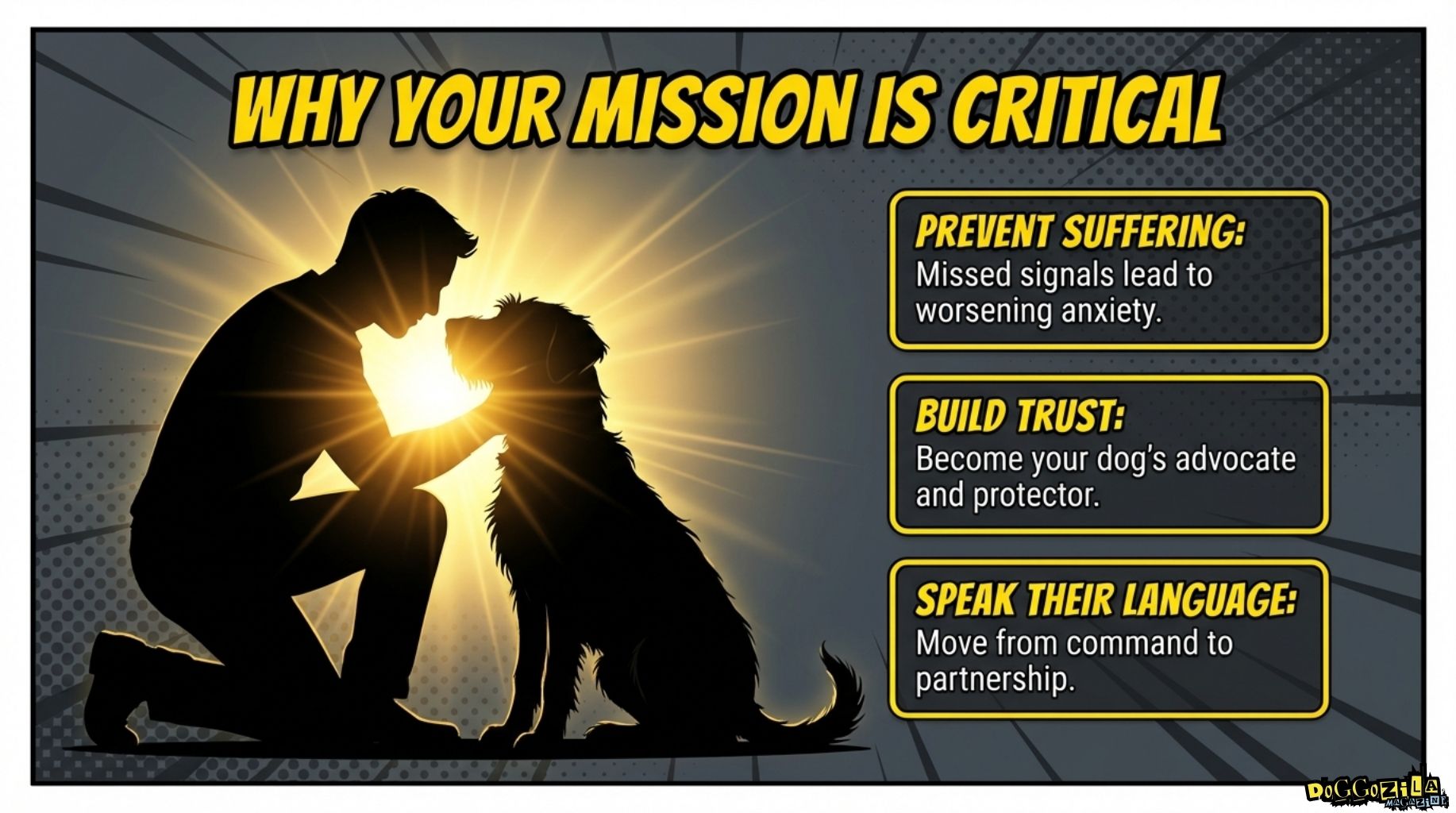
Understanding dog fear is not just about preventing a bite, it’s about safeguarding your dog’s emotional well-being and deepening your mutual trust. Dogs communicate distress primarily through body language, not barks or growls. Missing these signals can cause a dog’s anxiety to worsen over time, leading to more severe behavioral issues.
Learning how to recognize fear and worry in dogs is the foundational skill of empathetic dog ownership. It allows you to become your dog’s advocate and protector in a world they often find overwhelming. This knowledge transforms your relationship from one of command and control to one of partnership and understanding.
What Are The Three Emotional States of Fear and Worry in Dogs?
Fear is an immediate, powerful reaction to a real or perceived threat, triggering the classic “fight or flight” response. For instance, a dog might freeze or jump at the sudden roar of a motorcycle. Worry, or anxiety, is different, it’s the anticipation of that threat. A dog with storm phobia may start to pace and whine when the barometric pressure drops, long before you hear any thunder.
Chronic anxiety is a more constant state of nervousness, often with no obvious trigger, leaving the dog unable to relax. Understanding these differences is the first step in providing targeted support. A fearful dog is not being stubborn or dominant, they are in a state of physiological stress. Their body is flooded with cortisol and adrenaline, priming them for “fight, flight, or freeze.”
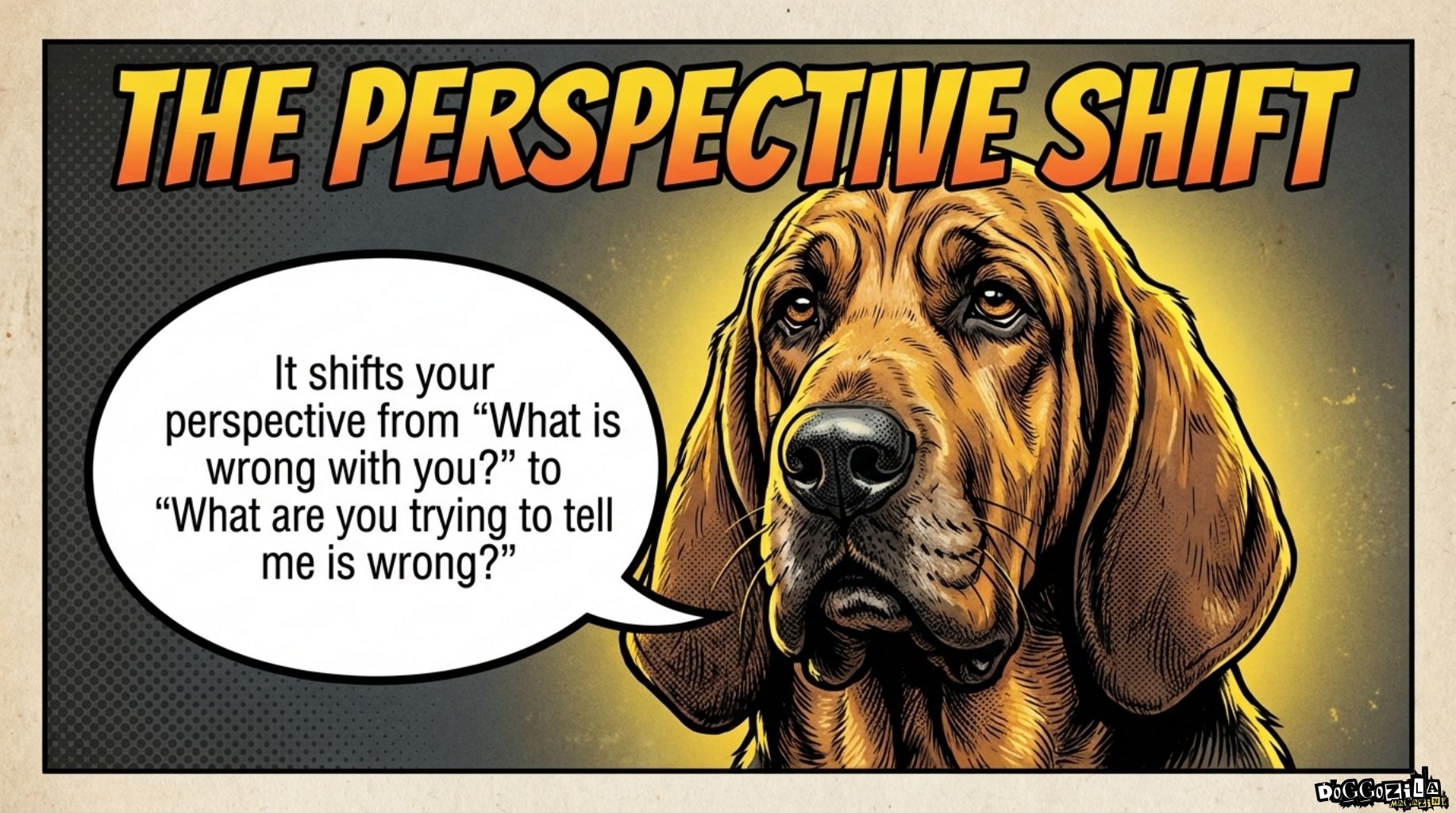
Punishing a dog in this state only confirms their belief that the situation is scary and that you are not a source of safety. Understanding this biological reality is the first step in how to recognize fear and worry in dogs effectively. It shifts your perspective from “What is wrong with you?” to “What are you trying to tell me is wrong?” This empathy is the cornerstone of all effective, compassionate training and bonding.
How Recognizing Fear and Worry in Dogs Builds Unshakable Trust?
When you correctly identify your dog’s fear and respond by helping them, you build profound trust. Your dog learns that you understand their silent communication and will act as their advocate. This secure attachment actively reduces their overall anxiety because they no longer feel alone in facing challenges.
The process of learning how to recognize fear and worry in dogs is, fundamentally, learning to speak their emotional language. This deepens your bond in a way that simple obedience training never can. Fear is an immediate, powerful reaction to a real or perceived threat, triggering the classic “fight or flight” response.
For instance, a dog might freeze or jump at the sudden roar of a motorcycle. Worry, or anxiety, is different, it’s the anticipation of that threat. A dog with storm phobia may start to pace and whine when the barometric pressure drops, long before you hear any thunder.
The Biological Imperative Behind Fear and Worry in Dogs
A fearful dog is in a state of physiological stress, flooded with cortisol and adrenaline. Punishing this state only confirms the world is scary and you are not safe. Understanding this biology is critical to how to recognize fear and worry in dogs effectively. It moves you from asking “What is frightening you?” to “How to help you?“
This empathetic reframe is essential for all compassionate training and is the only path to true behavioral change that addresses the root cause, not just the symptoms. Fear is the most common underlying cause of aggression in dogs. A dog that feels trapped and unable to escape a scary situation may resort to growling, snapping, or biting as a last-ditch effort to create distance.
🔑 Key Points: Recognizing fear is essential for your dog’s emotional welfare and prevents escalation to aggression, it transforms your role from commander to empathetic protector and trust-builder.
WHAT ARE THE COMMON SIGNS TO RECOGNIZE FEAR AND WORRY IN DOGS?
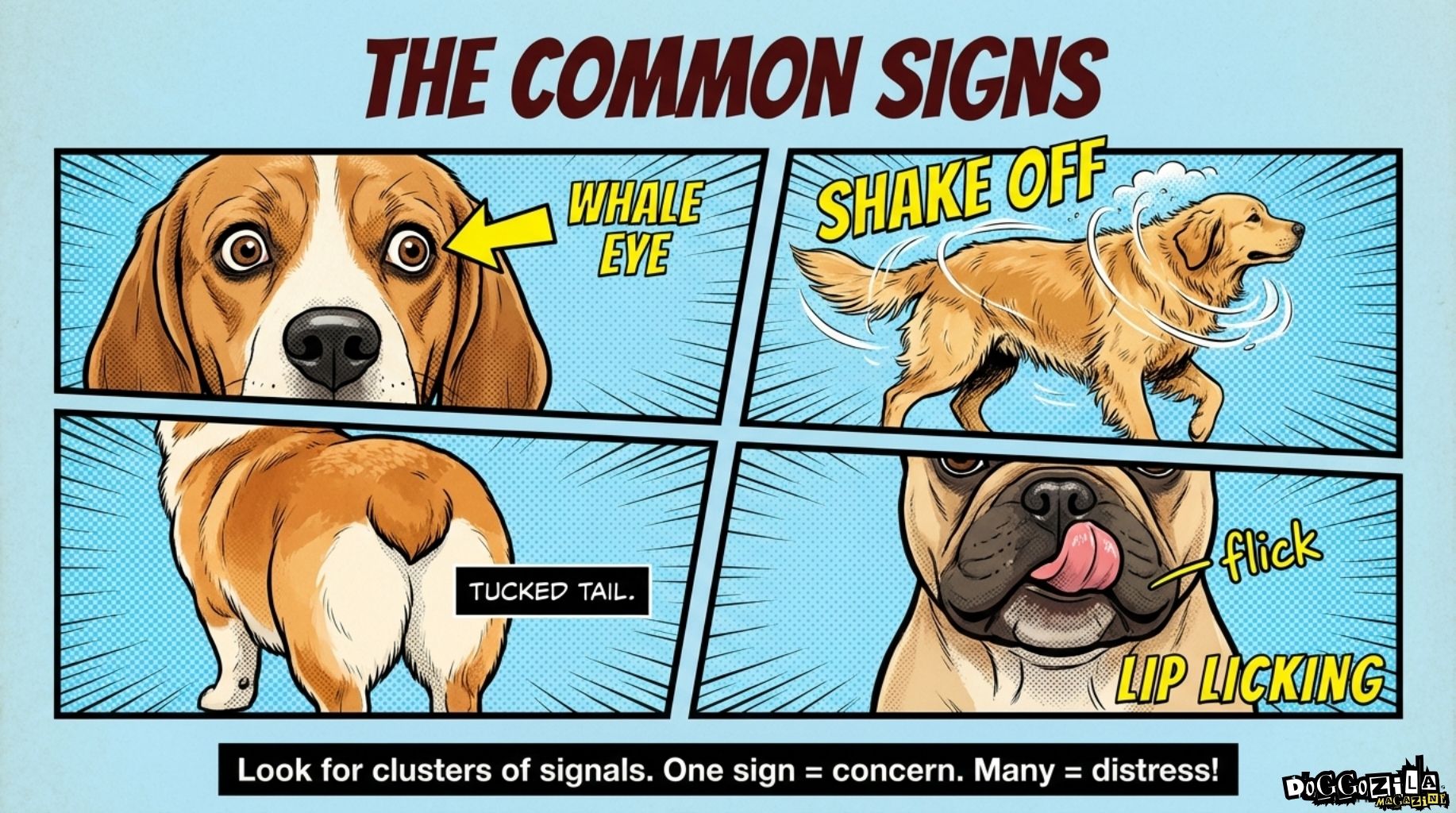
Dog anxiety manifests in a spectrum of behaviors, from obvious cowering to subtle, easily missed signals. These signs can be grouped into three main categories, active avoidance, physical stress signals, and changes in normal behavior. A single sign might indicate mild concern, but a cluster of several signals means your dog is experiencing significant distress.
Training your eye to spot these clusters is key to how to recognize fear and worry in dogs accurately. It involves looking at the whole dog and the context of the situation to understand their emotional state.
Key Signals to Recognize Fear and Worry in Your Dogs
The most common signs include a tucked tail, flattened ears, a crouched or tense body, and panting not related to heat. Crucial subtler signals are “whale eye” (dogs showing the whites of the eyes), lip licking, yawning, and shaking off as if wet when dry. These are displacement behaviors that relieve stress.
They are your dog’s primary way of saying, “I am uncomfortable.” Fear has a direct physical expression. Learning this visual vocabulary is essential to how to recognize fear and worry in dogs through their silent physical dialogue. Observing these physical cues is the foundational skill in how to recognize fear and worry in dogs.
Using Avoidance Behaviors to Recognize Fear and Worry in Dogs
A worried dog will try to create distance from a threat. This includes turning their head or whole body away, hiding behind you or under furniture, or “checking out” by suddenly becoming engrossed in sniffing the ground. On a walk, they might pull toward home or plant their feet, refusing to move forward. These are not acts of stubbornness but clear requests for space.
Noting what your dog is avoiding is a primary method for how to recognize fear and worry in dogs in real-time situations. Remember that worried dog will often try to increase distance from the thing that frightens them. This can look like hiding or turning their head or whole body away, or attempting to leave the room or pull on the leash to get away.
Noticing Baseline Shifts to Recognize Fear and Worry in Your Dog
Fear can manifest as a change in your dog’s normal personality. A friendly dog becomes withdrawn, a housetrained dog has accidents, or a good eater loses interest in food. Conversely, some dogs become overly clingy. Pacing, inability to settle, and hyper-vigilance (constantly scanning the room) indicate chronic anxiety.
Tracking deviations from your dog’s normal, relaxed behavior is a personalized and critical part of how to recognize fear and worry in dogs on an individual level. This detailed understanding is the expert level of how to recognize fear and worry in dogs. Let’s break down the anatomy of fear.
🔑 Key Points: Fear manifests in avoidance (hiding, turning away), physical stress signals (whale eye, lip lick, tucked tail), and changes in normal behavior (loss of appetite, clinginess).
DECODE THE FEAR AND WORRY FROM THE BODY LANGUAGE OF DOGS
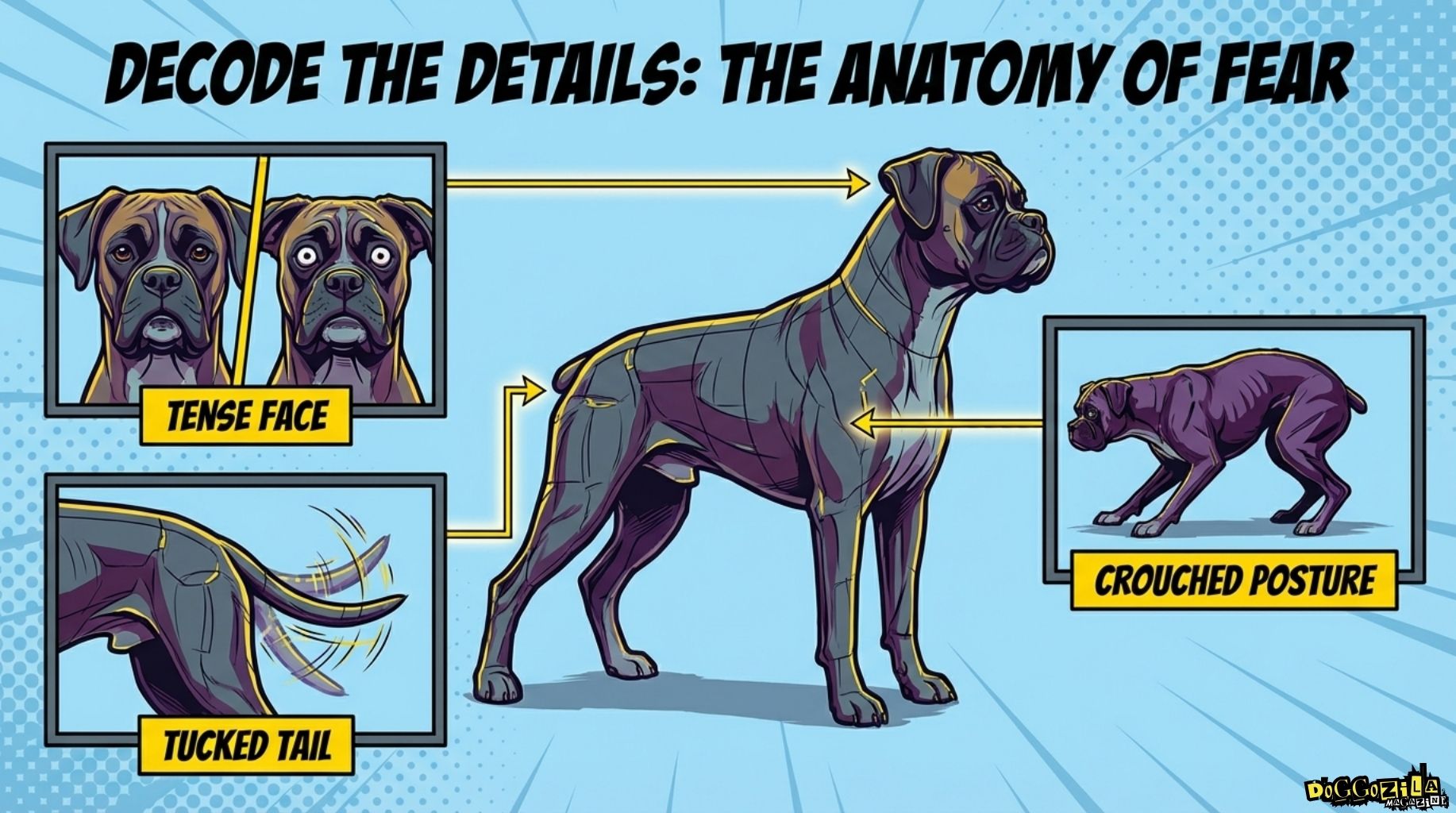
To become fluent, you must read specific body parts, the face, tail, and posture, in combination. A wagging tail does not equal a happy dog, it signals an aroused dog, and arousal can be driven by fear, anxiety, or excitement.
This detailed understanding is the expert level of how to recognize fear and worry in dogs. It prevents dangerous misinterpretations and allows for precise assessment of your dog’s comfort level in any scenario.
How to Recognize Fear and Worry in Dogs from Their Facial Clues?
A relaxed dog has soft eyes, neutral ears, and a relaxed, slightly open mouth. Fear tightens the face, eyes become round (showing white) or squinty, ears pin back, and the mouth closes tightly with lips pulled back. Tension appears in the forehead and muzzle.
Learning to spot these micro-expressions is essential to recognize fear and worry in dogs before the situation escalates. A fearful dog’s face tightens. The face tells the most immediate emotional story. Studying your dog’s face in calm versus stressful moments is the best way to how to recognize fear and worry in dogs through their most expressive features.
Tail Talk: A Specific Guide to Recognize Fear and Worry in Dogs
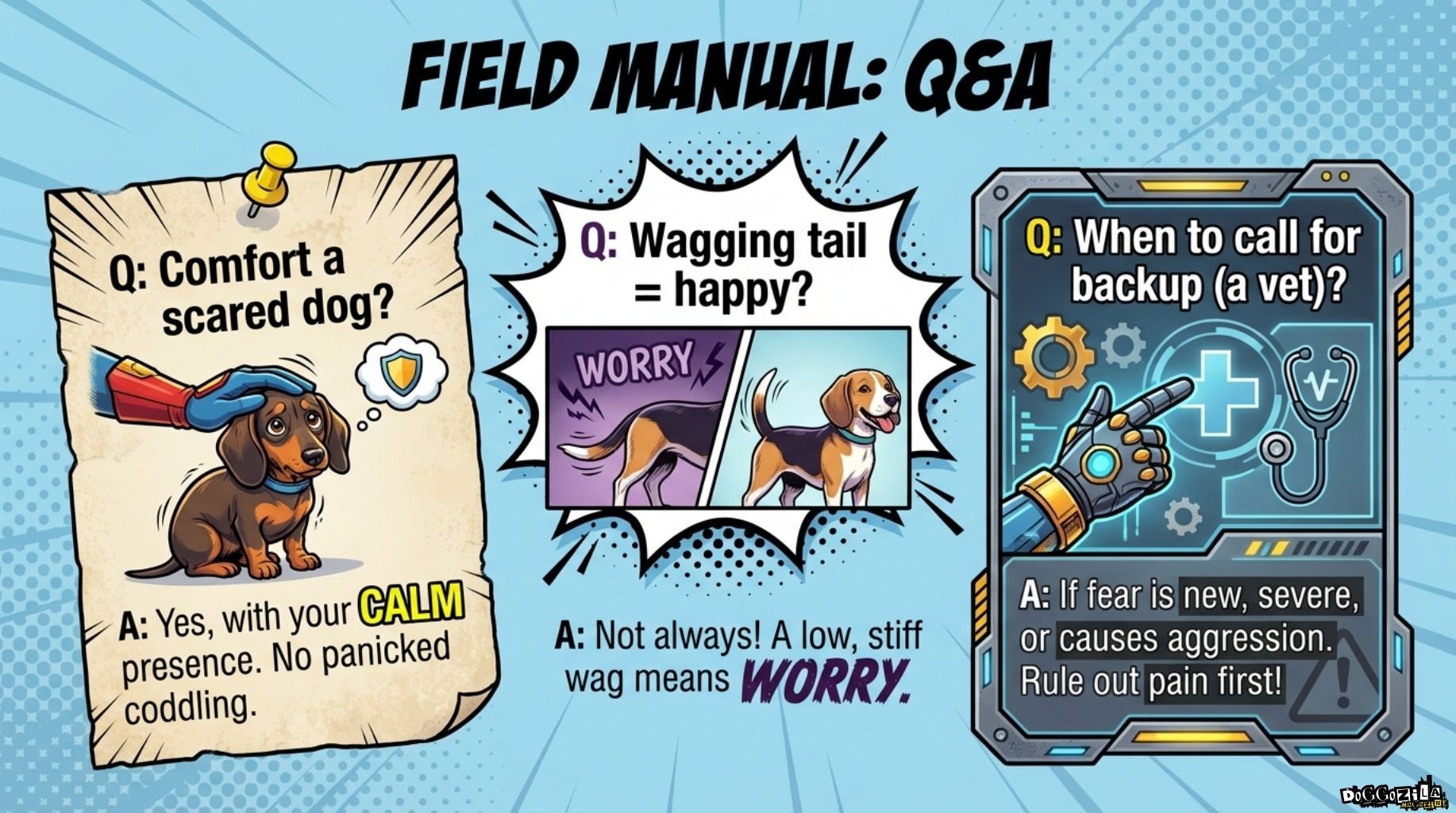
Forget the myth that a wagging tail equals joy. The tail’s position and the quality of the wag are what matter. A fearful tail is typically low or tucked between the legs. A wag from this position is usually a stiff, rapid, low flick, a sign of anxiety or appeasement.
A confident, happy tail is held at a neutral or slightly elevated height with a loose, sweeping wag. A high, stiff, rapidly twitching tail can indicate high arousal that may tip into aggression. Observing the tail in context with other body signals is vital to how to recognize fear and worry in dogs accurately and avoid dangerous misinterpretations.
Posture and Positioning: How to Recognize Fear and Worry in Dogs Through Stance?
A dog’s posture broadcasts their intention. A confident dog stands tall with weight evenly distributed. A fearful dog makes themselves look smaller. They may crouch low to the ground, lower their head, and curve their body inward. In extreme fear, they may freeze completely. This is a sign they are hoping the threat will not notice them.
The “dog play bow” can sometimes be confused with a crouch, but in a true play bow, the front end is down while the rear end is up and wiggly. Reading the totality of the posture, whether the dog is making itself big or small, is a fundamental skill in how to recognize fear and worry in dogs.
🔑 Key Points: Read specific body parts, a fearful face has tense eyes/mouth and flat ears, a fearful tail is low/tucked with a stiff wag, and posture is crouched or frozen to appear small.
WHY LEARNING HOW TO RECOGNIZE FEAR AND WORRY IN DOGS MATTERS?
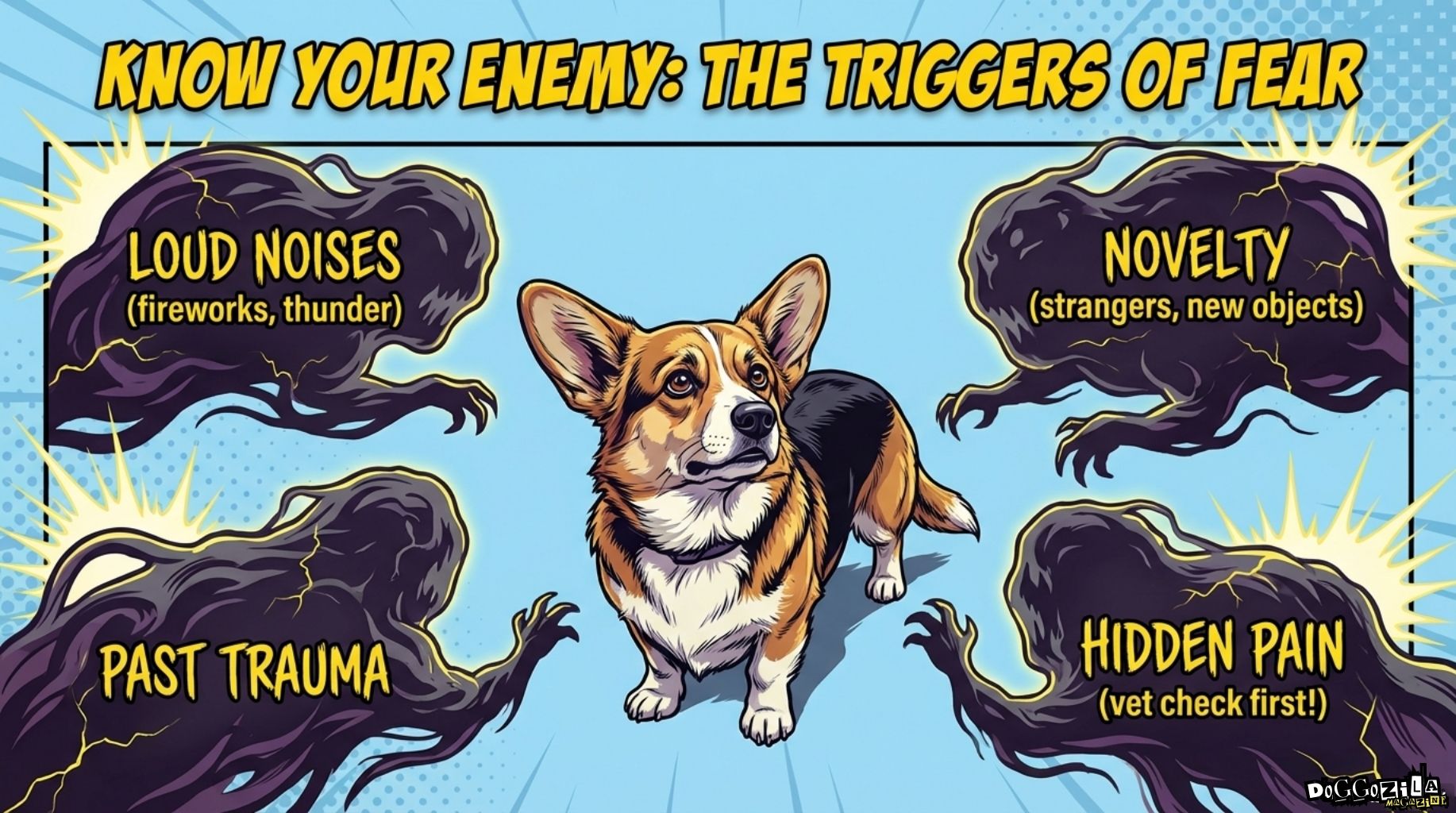
Fear doesn’t appear out of nowhere. It has triggers, which can be immediate (like a loud noise) or built up over time from negative experiences. Sometimes, fear is rooted in a lack of positive exposure during critical developmental periods. Understanding the “why” behind the fear is just as important as recognizing the “what.”
This knowledge allows you to address the root cause, not just manage symptoms, and is a deeper layer of how to recognize fear and worry in dogs. It empowers you to create a proactive plan for their emotional health.
What Common Triggers Can Help You Recognize Fear in Dogs?
Sudden, loud sounds (thunder, fireworks) are classic triggers due to their unpredictability. Novel situations, meeting someone in a hat, seeing a wheelchair, can also trigger fear because the dog has no positive reference. Dogs are creatures of habit, and the unfamiliar is often perceived as a threat.
Noting what specific novel stimuli cause a reaction is a key part of how to recognize fear and worry in dogs in your unique environment and is the first step in designing a training plan.
Past Experiences and Socialization Gaps: Root Causes of Fear in Dogs
A single traumatic event (an attack, a painful vet visit) can create a lasting phobia. More commonly, fear develops from a chronic lack of positive, controlled socialization during puppyhood (the first 14-16 weeks). A dog not exposed to diverse people, dogs, and environments may find the world perpetually frightening.
Understanding this history directly informs your empathetic approach to how to recognize fear and worry in dogs and highlights the lifelong value of early positive socialization. This background knowledge directly informs your approach to how to recognize fear and worry in dogs with a history of trauma or deprivation.
The Vital Link Between Pain and Learning to Recognize Fear in Dogs
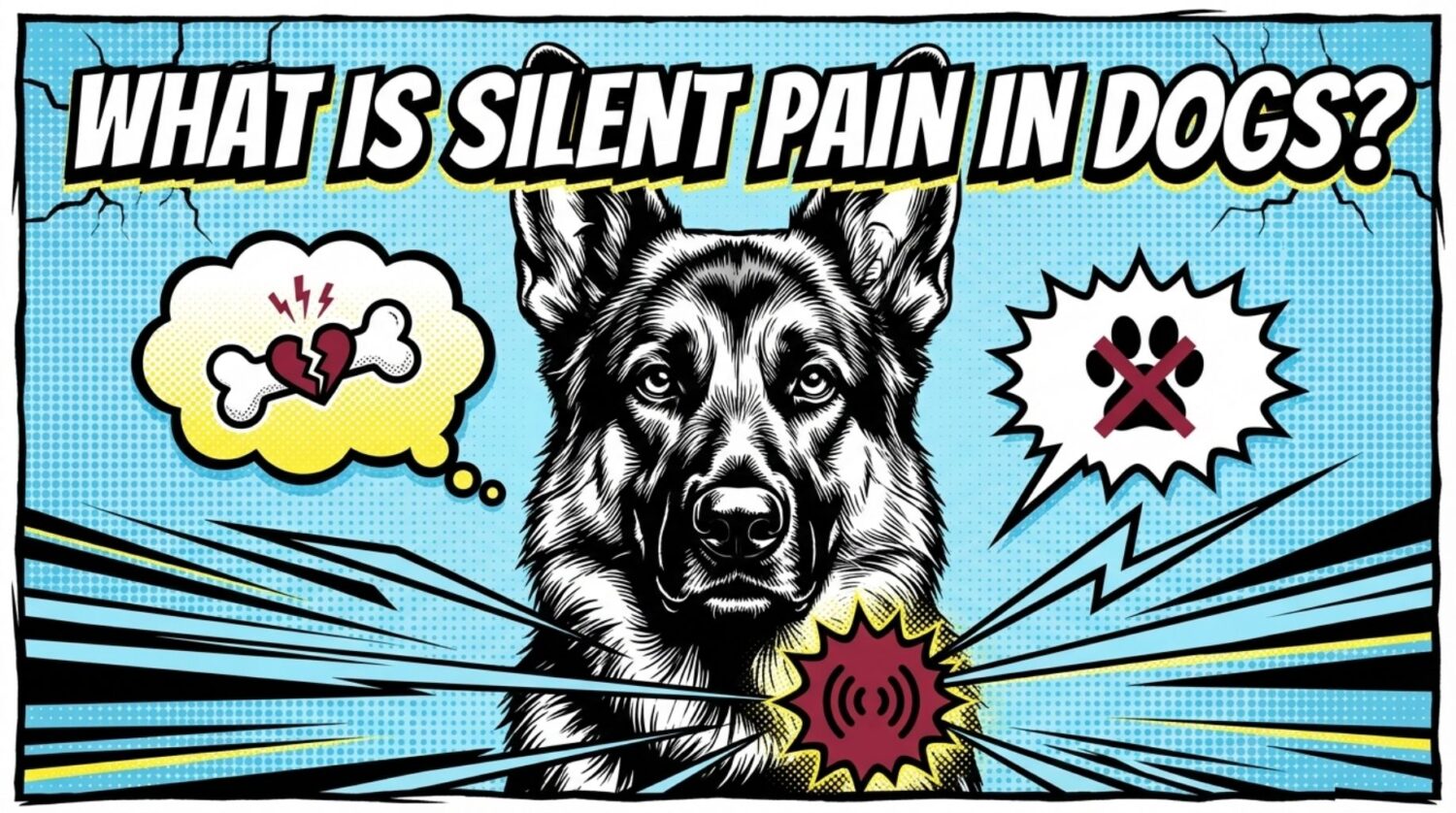
Never rule out a medical cause. A dog in chronic pain from arthritis, an infection, or dental disease is more likely to be irritable, reactive, and fearful. Conditions like hypothyroidism can also mimic anxiety. If fearful behavior is new or sudden, your first step must be a veterinary exam to rule out pain or illness.
Treating the physical pain often resolves or significantly reduces the fearful behavior. This is a critical, non-negotiable step in the responsible process of how to recognize fear and worry in dogs! Always seek a medical diagnosis before a behavioral one.
🔑 Key Points: Fear stems from loud noises, novelty, past trauma, lack of socialization, or underlying medical pain. Identifying the trigger is key to addressing the cause.
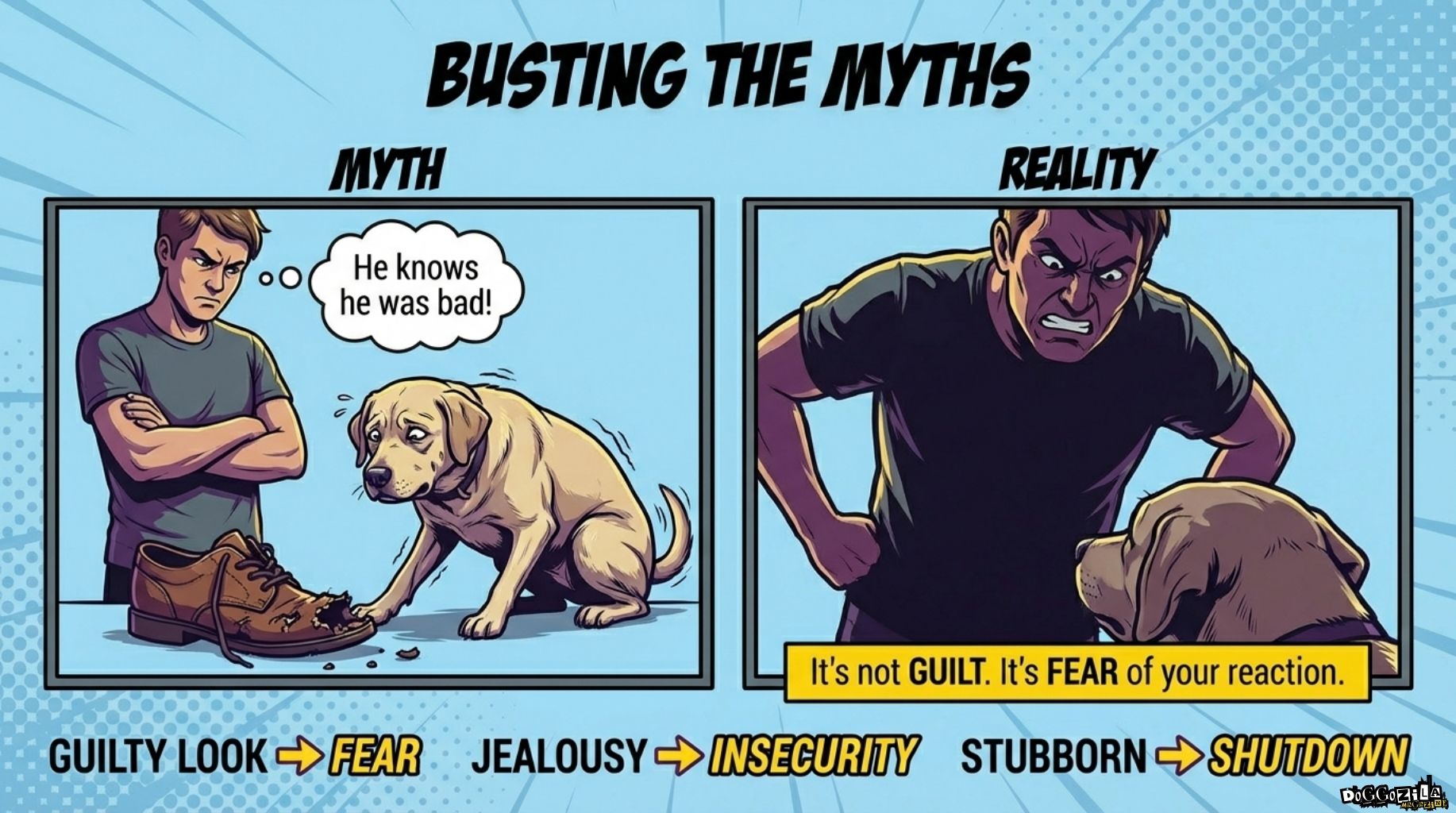
MISINTERPRETATIONS: COMMON MISTAKES IN HOW WE SEE DOG FEAR
Our human tendency to anthropomorphize leads to serious mislabeling of canine fear. We call it “guilt,” “jealousy,” or “stubbornness,” which leads to inappropriate, often punitive responses.
Correcting these misinterpretations is a vital part of learning how to recognize fear and worry in dogs truthfully. It requires us to set aside our human narratives and look objectively at the dog behavior in front of us.
The Guilty Look in Dogs: Misstep in Recognizing Fear and Worry
When you come home to a mess and your dog slinks away with squinty eyes and a tucked tail, they are not showing “guilt.” They are displaying fear-based appeasement gestures in response to your angry tone and body language.
They are reacting to the consequence in the moment, not expressing remorse for a past action. Understanding this distinction is a major milestone in how to recognize fear and worry in dogs accurately. Punishing this “look” only makes them more afraid of your return.
Resource Guarding vs. Jealousy: Reframing to Recognize True Fear
A dog that nudges your hand when you pet another dog isn’t necessarily “jealous.” They may be anxious about a change, seeking attention, or displaying low-level resource guarding over you (a valued resource). The underlying emotion is insecurity or anxiety, not a human-like jealousy.
Reframing this behavior that you think that is jealousy in dogs as a sign of worry changes your response from scolding to managing the environment and building confidence. This reframing is essential to correctly how to recognize fear and worry in dogs in social situations.
Shutdown vs. Stubbornness: How to Recognize Fear and Worry in Frozen Dogs?
A dog that refuses to come or lies down on a walk isn’t being willfully disobedient. They may be afraid of the destination, overwhelmed, or in a state of learned helplessness (“freeze” response). Interpreting this as fear, not defiance, allows you to help your dog through the situation instead of escalating conflict with leash corrections or yelling.
This is a sophisticated but crucial aspect of how to recognize fear and worry in dogs during training challenges. We recommend to visit our article on “Most Difficult and Stubborn Dogs to Train“.
🔑 Key Points: Common mistakes include mislabeling fear as “guilt,” “jealousy,” or “stubbornness,” which leads to inappropriate responses, always interpret behavior through a canine lens.
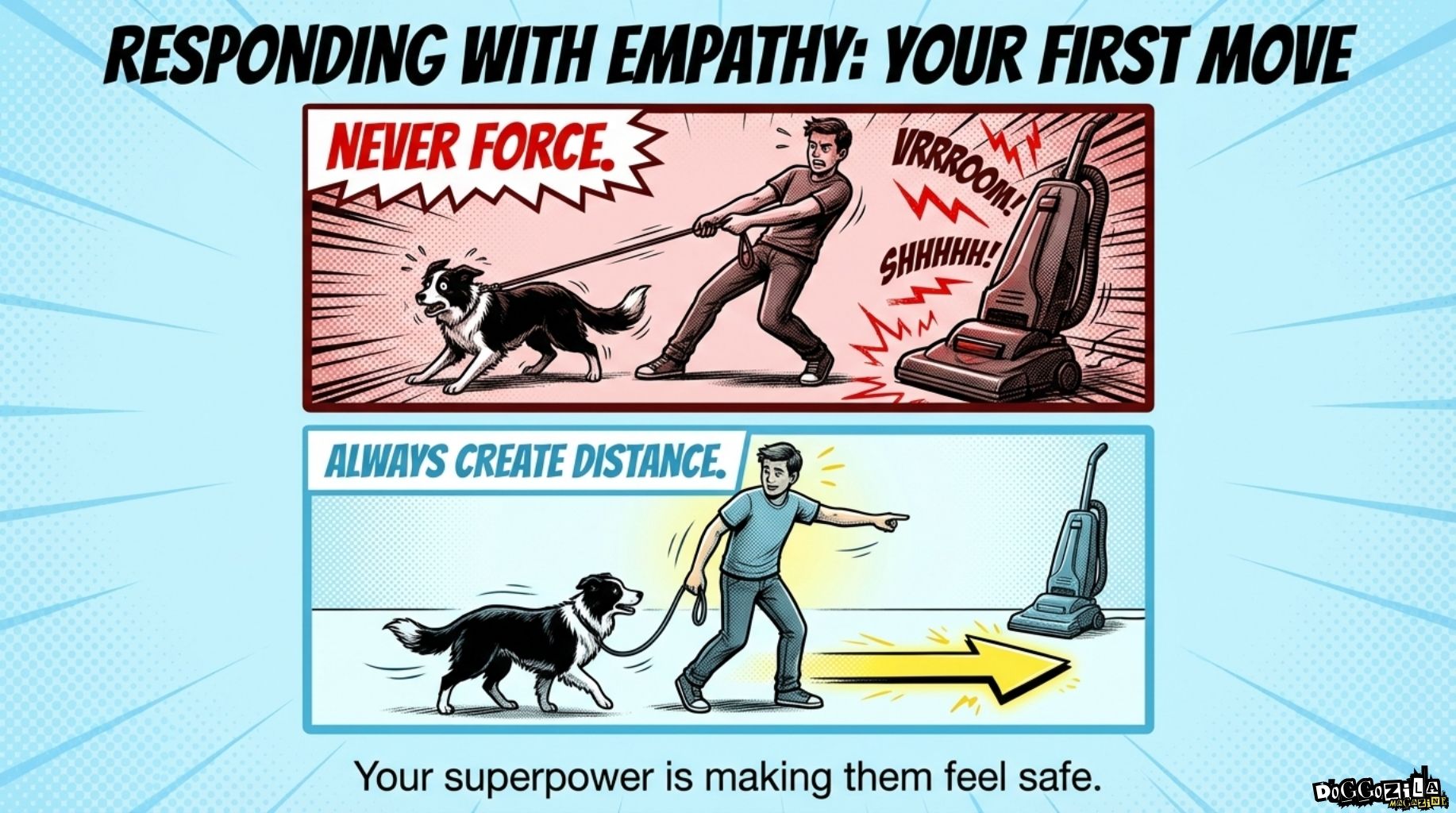
WHAT TO DO WHEN YOU RECOGNIZE FEAR AND WORRY IN DOGS?
Spotting fear is half the battle, your response determines whether you alleviate or amplify it. Never force a dog to “face their fears” (flooding), as this is traumatic. This technique, called flooding, is traumatic and will make the fear worse.
Your toolkit must be compassion, management, and positive reinforcement. Knowing the right action to take after you learn how to recognize fear and worry in dogs is what makes you a true source of safety.
The First Step After You Recognize Fear and Worry in Dogs
The most effective and kind response is to help your dog increase distance from the trigger. Cross the street, leave the room, or create a barrier. Do not force greetings or hold them tightly, which can make a trapped dog feel worse. Create distance calmly. This action communicates that you control their safety and listen to their concerns. It is the most important, immediate application of your knowledge on how to recognize fear and worry in dogs.
Long-Term Strategy: Counter-Conditioning After Recognizing Fear
This behavioral technique changes your dog’s emotional response by pairing a mild version of the scare with something wonderful (e.g., distant thunder sounds with chicken). Over time, the brain rewires, “Thunder predicts chicken!” This must be done slowly, below the fear threshold, ideally with a force-free trainer. This strategic work is the constructive next step after you learn how to recognize fear and worry in dogs.
Creating Safety: Management After You Recognize Dog Fear and Worry
Provide a safe, quiet haven (a crate, a separate room) where your dog is never disturbed. Establish predictable daily routines for feeding and walks. Predictability reduces anxiety about the unknown. Tools like calming pheromone diffusers (Adaptil) or anxiety wraps can offer non-invasive support. This structured environment is the ongoing management that supports your mission after you how to recognize fear and worry in dogs.
🔑 Key Points: Immediately create distance from the trigger, use long-term counter-conditioning to change emotional associations, and provide safe havens and predictable routines.
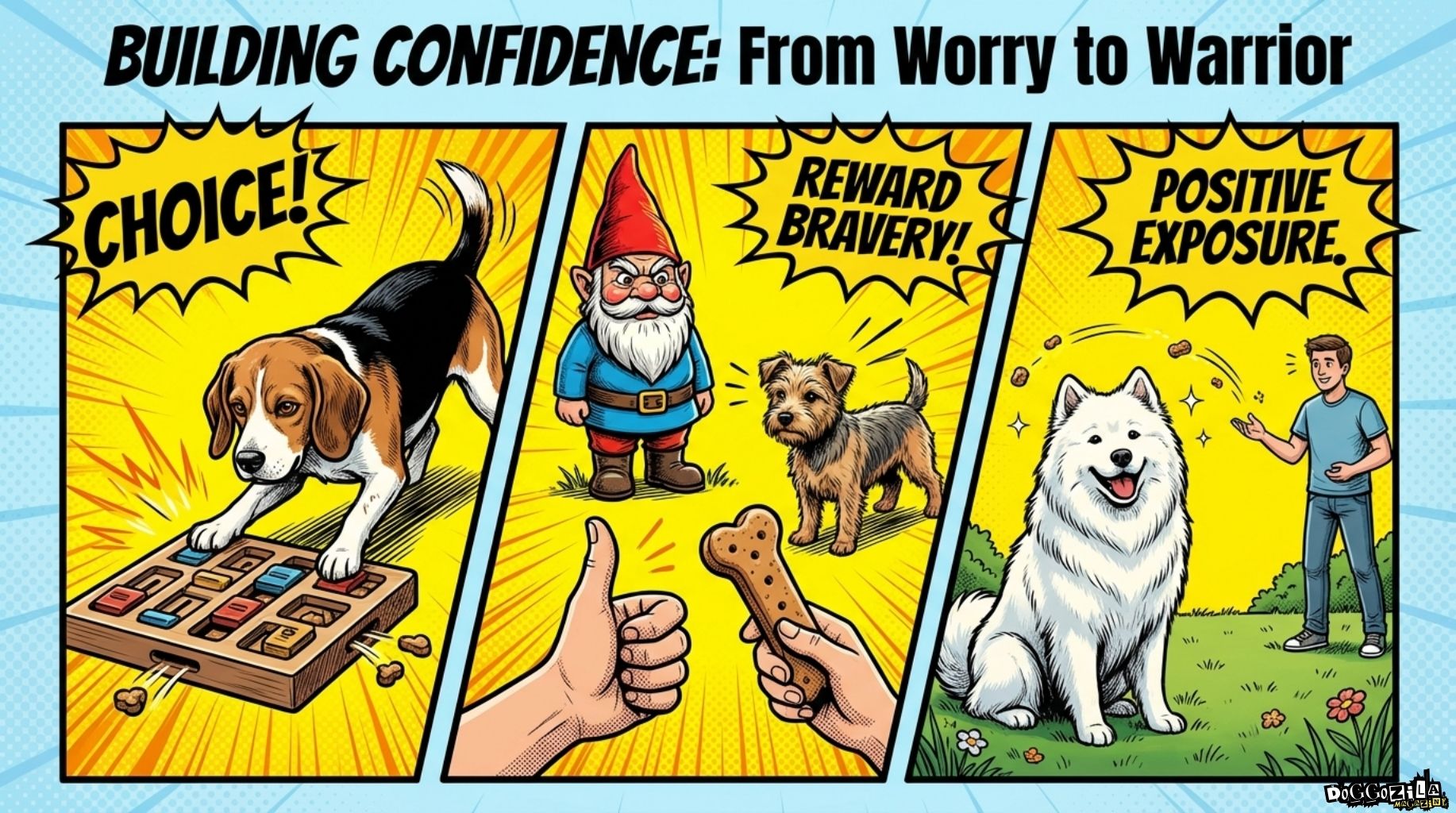
BUILDING CONFIDENCE: FROM WORRY TO ASSURANCE
While managing fear is crucial, the ultimate goal is to foster confidence. Confidence is built through repeated success, choice, and safe exploration. You can design activities that promote resilience, turning a fearful dog into a more secure companion. This proactive building is the hopeful flip side of learning how to recognize fear and worry in dogs.
Choice-Based Games to Build Confidence After Recognizing Fear
Allow your dog to make choices. Let them choose a safe path on a walk. Teach nosework or puzzle games where they succeed using their brain. Set up a mini “confidence course” with novel, safe objects (a tarp, a tunnel), letting them explore at their own pace for treats. Every successful choice builds neural pathways for confidence. This is the active antidote you apply once you know how to recognize fear and worry in dogs.
Positive Reinforcement for Brave Behavior You Recognize
Catch your dog being brave. If they look at a scary object and then look away, mark that moment with a calm “yes” and a treat. If they walk past a worry point, praise calmly. You reward the moment they disengage from fear or show curiosity, reinforcing calmness. This nuanced training is the next level after mastering how to recognize fear and worry in dogs.
Controlled Socialization: Applying Knowledge of Fear in Dogs
For dogs fearful of people or other dogs, set up highly controlled, positive meetings. Have a friend sit sideways, ignore the dog, and gently toss treats. Teach a solid “watch me” cue so your dog can look to you for guidance in overwhelming situations. This gives them a job to do and an alternative to fixating on their fear. This structured socialization is the practical application of your knowledge of how to recognize fear and worry in dogs in social settings.
🔑 Key Points: Foster assurance through choice-based games, positive reinforcement for brave moments, and controlled, positive socialization experiences.
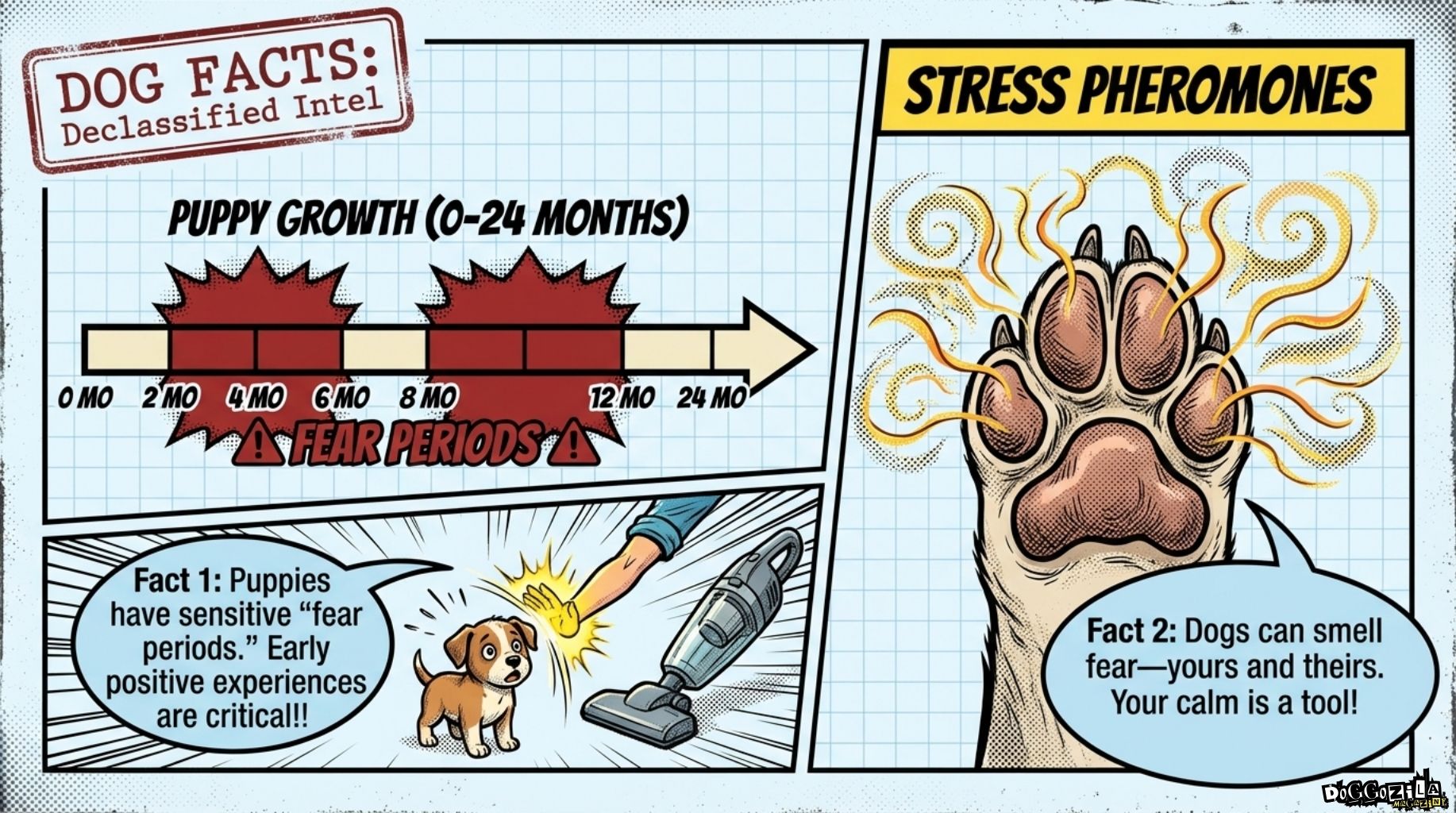
DOG FACTS: HOW TO RECOGNIZE FEAR AND WORRY IN DOGS?
Understanding the science behind dog fear makes you a more intuitive guardian. Dogs perceive the world differently, and their fear responses are deeply rooted in their biology and evolution. These facts provide the “why” behind the behavior, fostering greater empathy and patience. Knowing these facts completes your education on how to recognize fear and worry in dogs on a deeper, biological level.
Puppy Fear Periods: Why Timing Matters to Recognize Fear?
Puppies go through predictable developmental stages (notably 8-11 weeks and 6-14 months) where they are neurologically primed to form lasting fears. A single scary experience during these windows can have an outsized impact. This is why positive, gentle exposure is so crucial during puppyhood. This fact is key to how to recognize fear and worry in dogs from a developmental perspective and underscores the critical importance of positive early experiences.
The Olfactory Dimension of How to Recognize Fear and Worry
Dogs release specific “stress pheromones” from their paw pads and hair follicles when stressed. Other dogs can smell this. This is why one anxious dog can unsettle a whole room. Your own anxiety can also be transmitted through your scent and body tension. This fact highlights that how to recognize fear and worry in dogs involves understanding they live in a scent world we cannot perceive, making our own calmness a powerful tool.
Final Thoughts: The Journey of Partnership and Recognition
Learning how to recognize fear and worry in dogs is a lifelong journey of attentive partnership. It requires you to be a diligent observer, a patient student, and a compassionate leader. The goal is not a “perfect,” fearless dog, but a secure dog who trusts you to navigate the scary parts of life together. By speaking their language of empathy, you build a bond that no fear can break. This understanding is the ultimate victory for you and your pup.
🔑 Key Points: Understanding developmental “fear periods” and the role of “stress pheromones” provides scientific context for fear and highlights the importance of your own calm demeanor.
More Related Articles Recommended by Editorial Staff
FREQUENTLY ASKED QUESTIONS (FAQ)