
Are you intrigued by the enigmatic connection between dogs and the afterlife? Picture diving into the depths of ancient myths and cultural beliefs surrounding our beloved furry companions. From guardians to psychopomps, dogs have played diverse and profound roles across different mythologies and civilizations.
“Does your dog simply leave, or does a piece of them stay with you forever? New science and amazing stories suggest the bond you share might be stronger than anyone ever thought.”
Key Takeaways
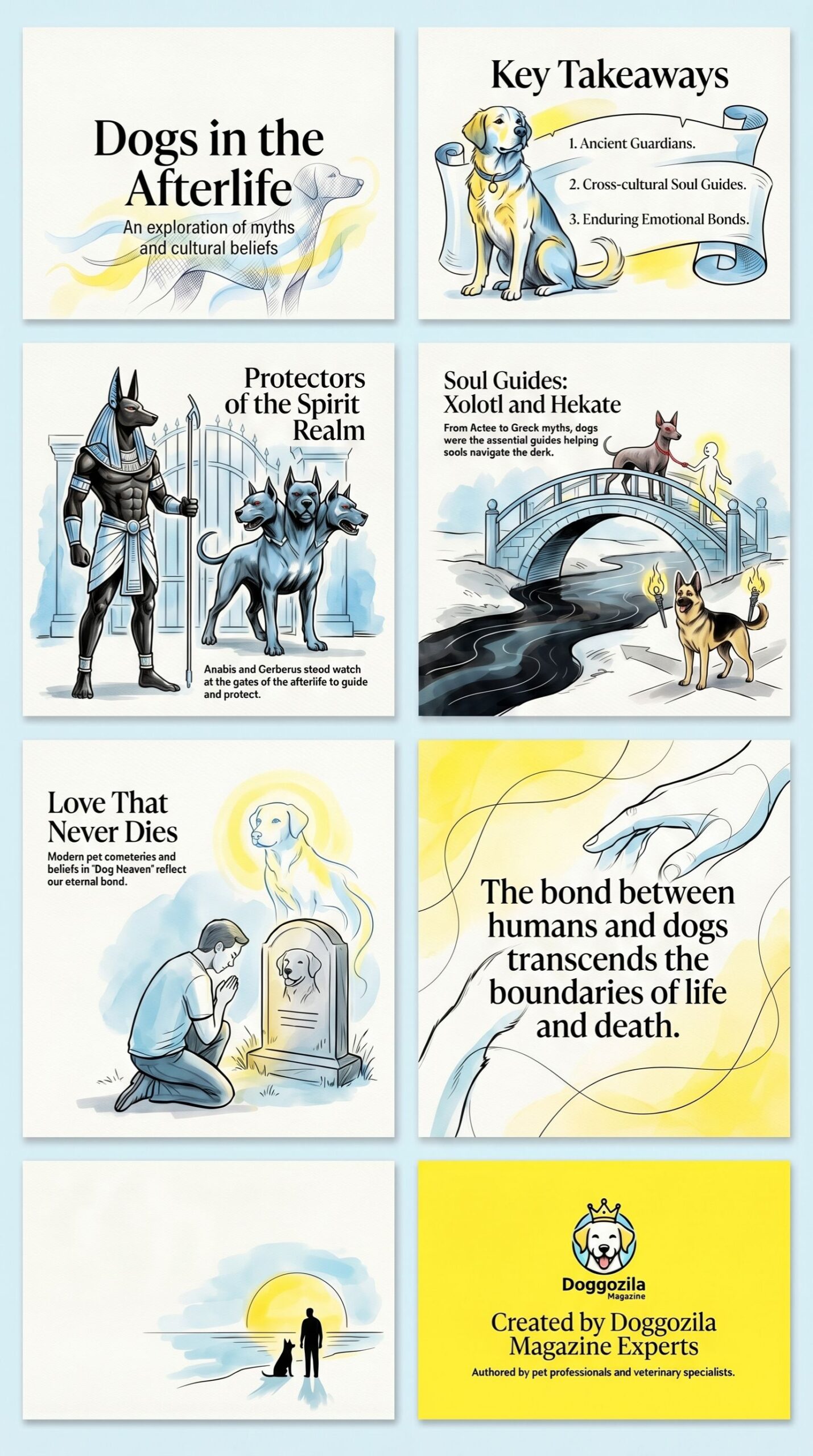
- Ancient Guides: Many old cultures, like Egypt and Greece, believed dogs helped souls travel to the next world.
- Mythical Roles: Dogs appeared as guardians, like the three-headed dog Cerberus, or as gods like Anubis.
- Scientific Proof: Old graves show people carefully chose specific dogs to be buried with them for spiritual reasons.
- The Modern Dog: The old respect for dogs has grown into the close, loving bond we share with our pets today.
Quick Summary About The Dogs in the Afterlife
This article looks at how ancient cultures viewed dogs as guides to the afterlife. It discusses gods like Anubis, Cerberus, and Xolotl. It also covers how old burial sites show dogs were very important to people long ago. The story ends by looking at how this old bond has changed into the loving friendship we have with our pets today.
Listen the Podcast Episode About Dogs That Were Afterlife Guides and Other Dog Deities!
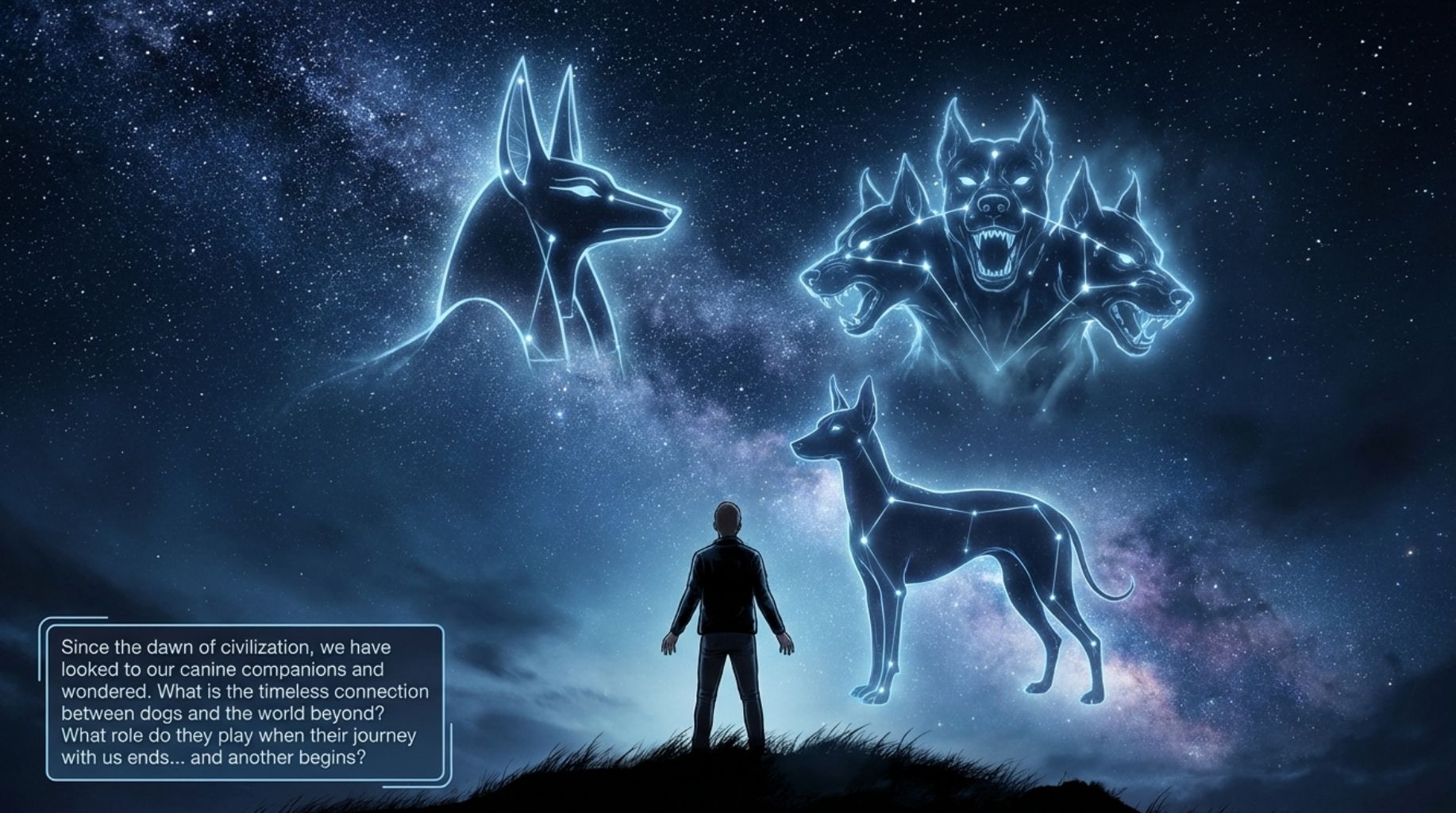
THE MYSTERIES ABOUT THE DOGS IN THE AFTERLIFE THROUGH LIFE
There are many stories about the dogs in the afterlife. People in their collective memory have always kept a special and almost God-like remembrance about the dogs.
Ancient Myths, Cultural Beliefs and Scientific Findings Connected with the Dogs in the Afterlife
Imagine unraveling the mysteries of dogs as guardians of death realms, companions to deities, and even hell-hounds like Cerberus. Are you interested to delve into the mythological realms of Hekate and Anubis? Let’s start exploring their evolution from birth goddesses to guides of souls in the afterlife.
Join us on a journey bridging mythologies across cultures from ancient Greek to Aztec beliefs! We uncover the enduring legacy of dogs in human history. Let’s navigate the realms of the afterlife and unravel the timeless bond between humans and dogs that transcends life itself.
Exploring the Venerated Role of Dogs in the Afterlife from Ancient Cultures
Dogs have held a special place in the hearts and minds of humans since ancient times. From the loyal companions of ancient Greek heroes to the revered Mexican hairless dogs. These animals have played an important role in various cultures across the globe.
In ancient Egyptian society, dogs were not only cherished pets but also venerated as sacred beings. The dog-headed god Anubis, one of the most prominent deities in the Egyptian pantheon, was closely associated with the afterlife and the process of mummification.
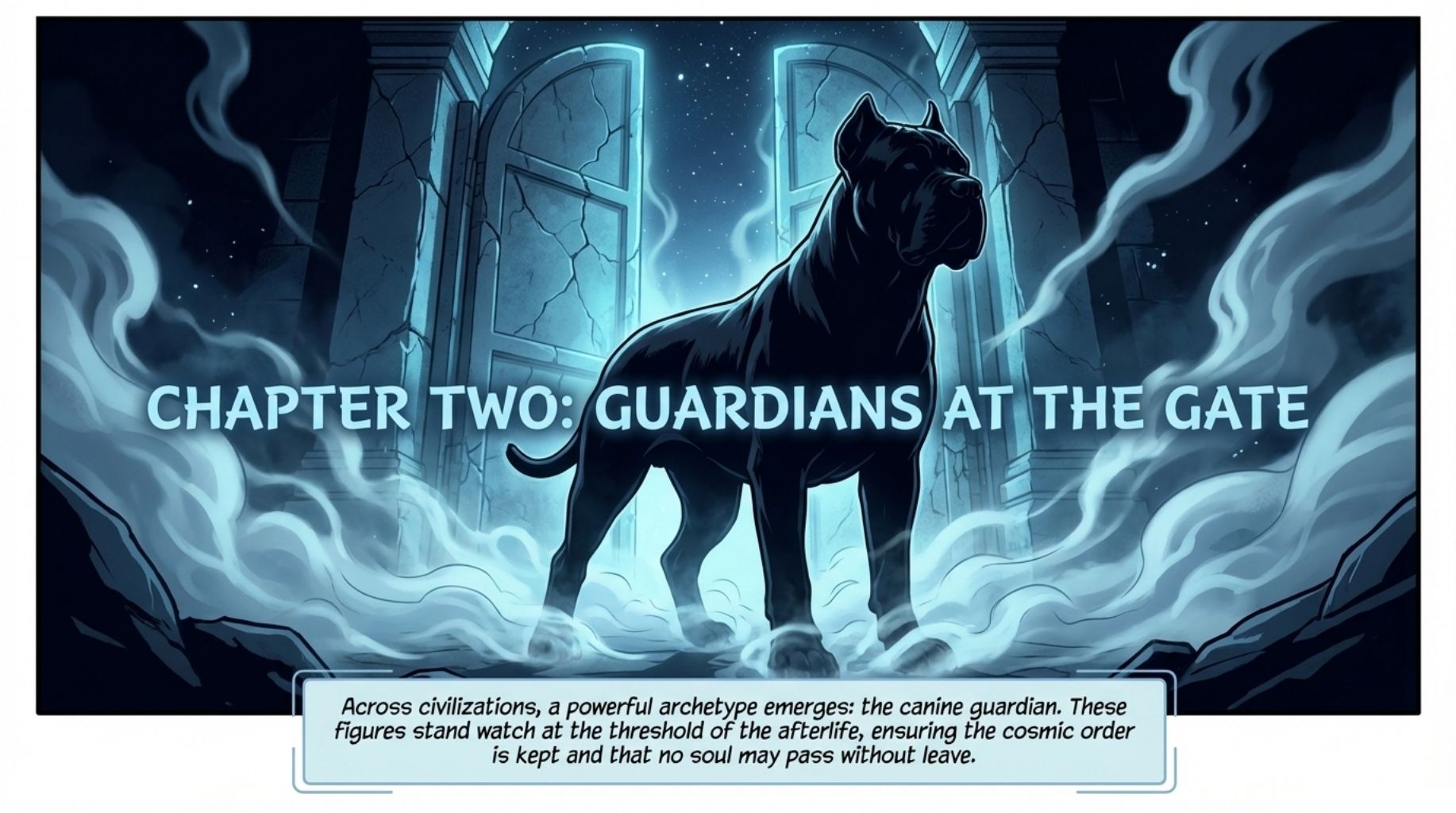
Similarly, in ancient Greek mythology, dogs were often depicted as guardians and protectors. The most famous example is Cerberus, the three-headed dog who guarded the entrance to the underworld. These ancient cultures recognized the unique bond between humans and dogs. They were elevating them to a status that transcended the realm of mere pets.
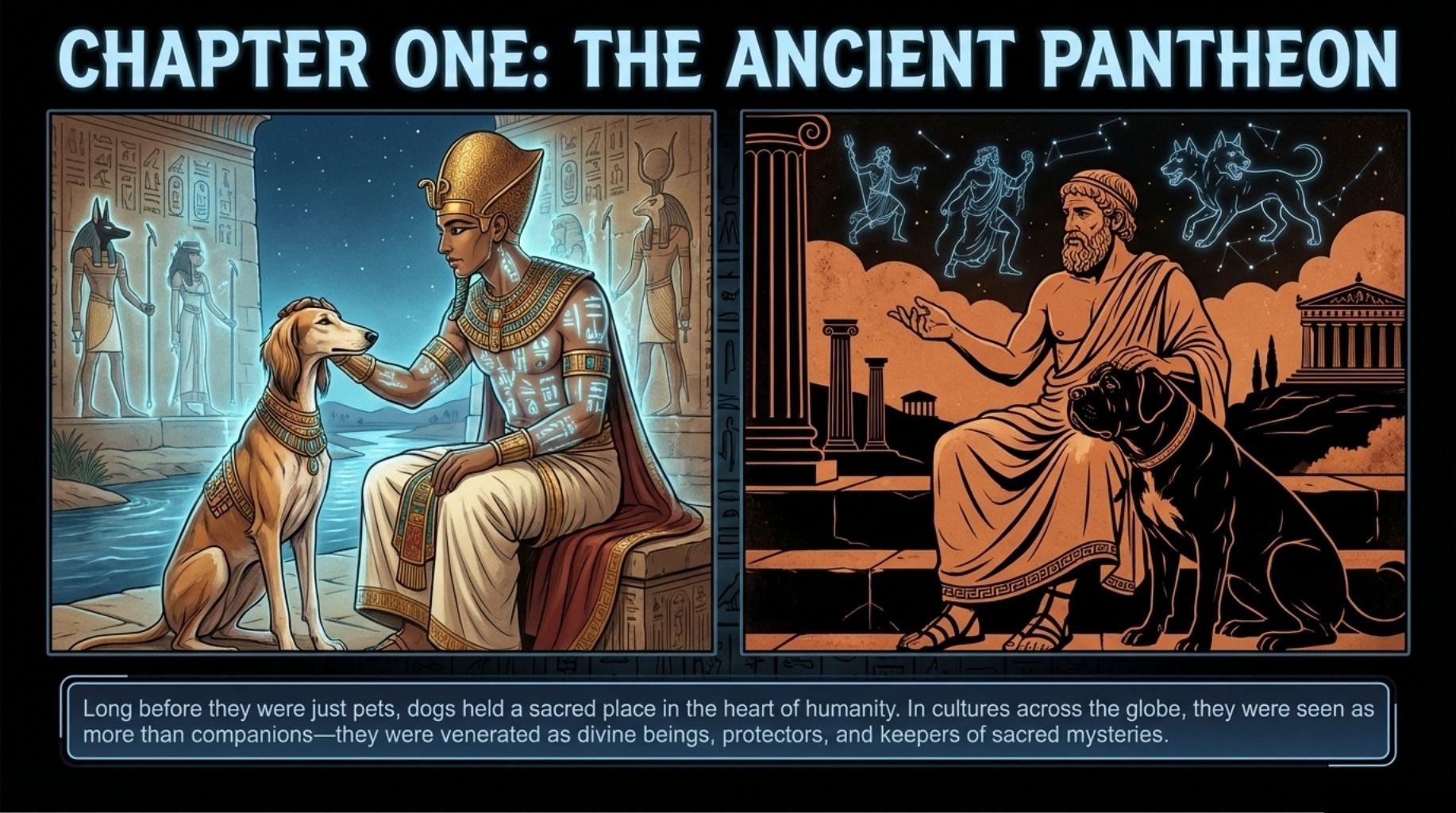
🔑 Key Points: Dogs have been venerated in ancient cultures, holding significant roles as sacred beings, guardians, and companions.
The Historical Significance of Dogs as Guardians of the Afterlife
Throughout history, dogs have been assigned the crucial role of guardians of the afterlife. In many ancient cultures, it was believed that dogs possessed the ability to navigate between the world of the living and the realm of the dead.
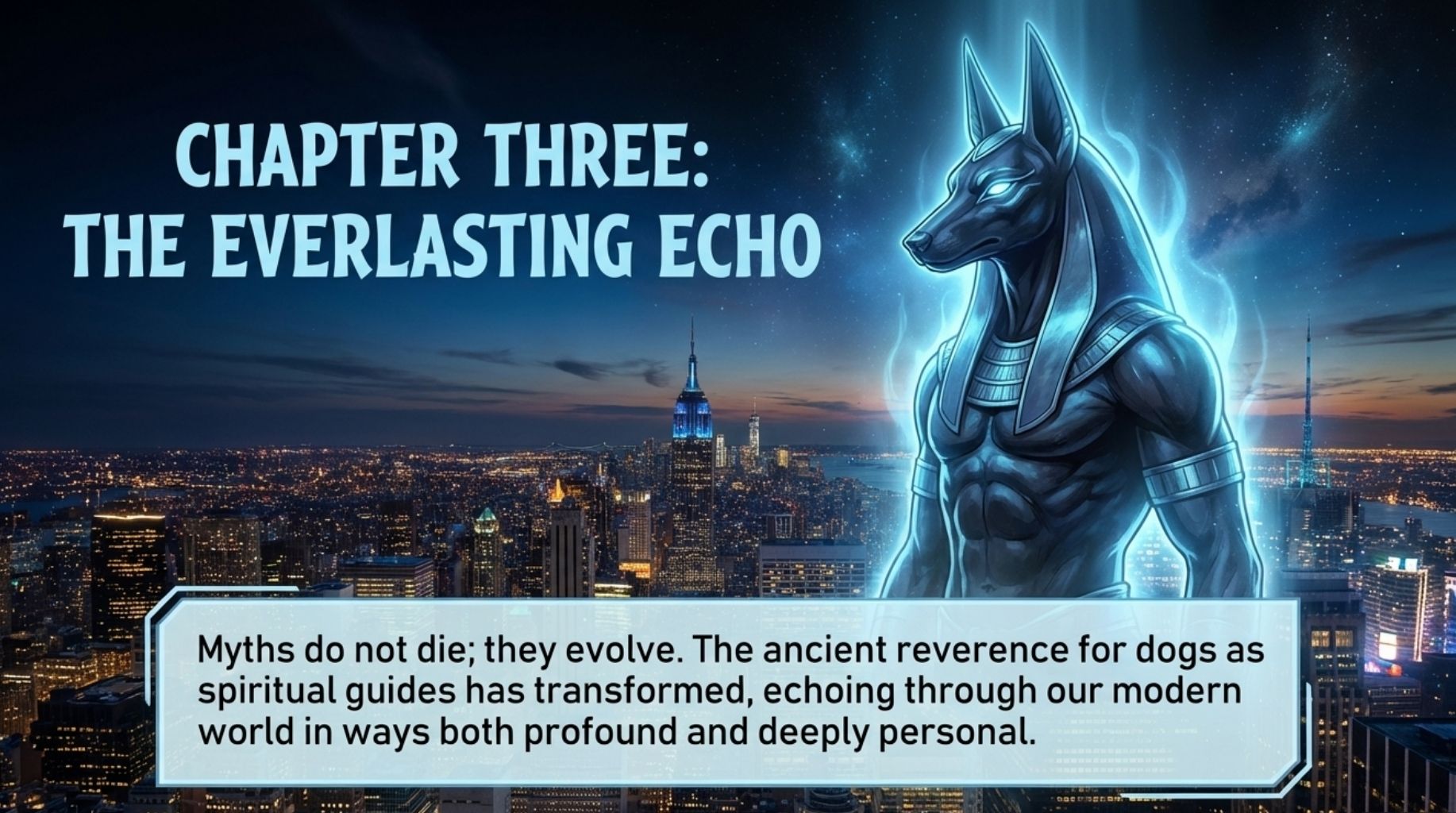
In ancient Egyptian mythology, Anubis, often depicted as a dog-headed god or a jackal, was the guardian of the underworld. He was responsible for guiding the souls of the deceased through the treacherous journey to the afterlife.
Similarly, in Greek mythology, Cerberus, the three-headed dog, stood watch at the entrance of Hades. He was ensuring that no soul could escape the underworld. The association of dogs with the afterlife extends beyond these two cultures.
In Mesoamerican civilizations, dogs were believed to guide the souls of the deceased across the treacherous river that separated the world of the living from the realm of the dead. These mythological roles assigned to dogs highlight their perceived connection to the spiritual world and their ability to serve as protectors and guides in the afterlife.
🔑 Key Points: Dogs have historically been regarded as guardians of the afterlife. They were tasked with guiding souls and protecting the boundaries between the living and the dead.
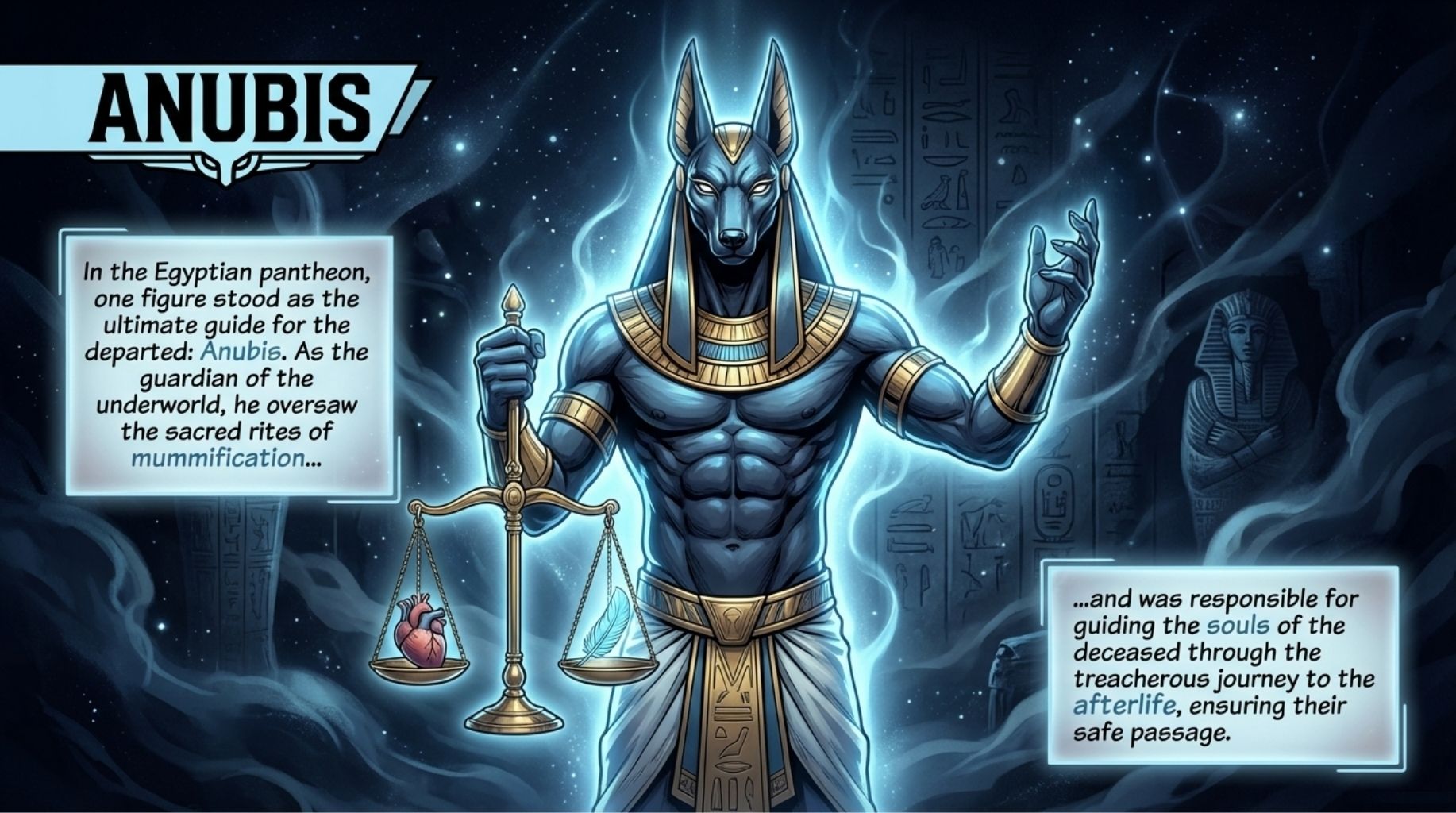
ANUBIS AND HEKATE: GUARDIAN DOGS IN THE AFTERLIFE
In ancient Egyptian mythology, Anubis, the dog-headed god, held a pivotal role as one of the dogs in the afterlife. He was responsible for overseeing the mummification process and guiding the souls of the deceased through the underworld.

From Birth Goddess To Guide Of Souls
Interestingly, Anubis was not always associated with death and the afterlife. In earlier myths, he was portrayed as a deity connected to childbirth and fertility. However, as the concept of the afterlife evolved in Egyptian culture, so did Anubis’ role.
Similarly, in Greek mythology, is important the goddess Hekate. She underwent a transformation from a birth goddess to a figure closely linked to the underworld. Originally worshiped as a goddess of childbirth and fertility, Hekate later became associated with magic, witchcraft, and the afterlife.
In her role as a guide of souls, Hekate was often depicted with dogs by her side. These dogs were believed to serve as her companions. They were assistants in leading the souls of the deceased to the underworld. The evolution of both Anubis and Hekate from birth deities to after-death guides reflect the complex and shifting nature of ancient mythologies. Their associations with dogs underline the perceived connection between these animals and the realm of the dead.
🔑 Key Points: The transformations of Anubis and Hekate myths can show the respect for the dogs is eternal! Highlighting the evolving roles of dogs in ancient mythologies as companions and assistants in the journey to the underworld.
Cerberus and Xolotl: Bridging Mythologies Across Cultures
The story of Cerberus, the three-headed dog-creature guarding the entrance to the underworld. This myth is one of the most well-known tales in Greek mythology. However, similar mythological figures are visible in other cultures. They are highlighting the universal symbolism of dogs as guardians of the afterlife.
In Aztec mythology, Xolotl, the dog-God, served a role comparable to that of Cerberus. Xolotl is the guide of the souls of the deceased to the underworld. He was assisting them in navigating the challenges and obstacles along the way. The similarities between Cerberus and Xolotl demonstrate how different cultures across the world have independently assigned similar roles to dogs in their mythologies.
These parallels suggest a shared understanding of dogs as creatures capable of bridging the gap between the living and the dead. Interestingly, both Cerberus and Xolotl have captured the imagination of people throughout history. Their stories are re-imagine in various forms, from ancient artworks to modern literature and popular culture.
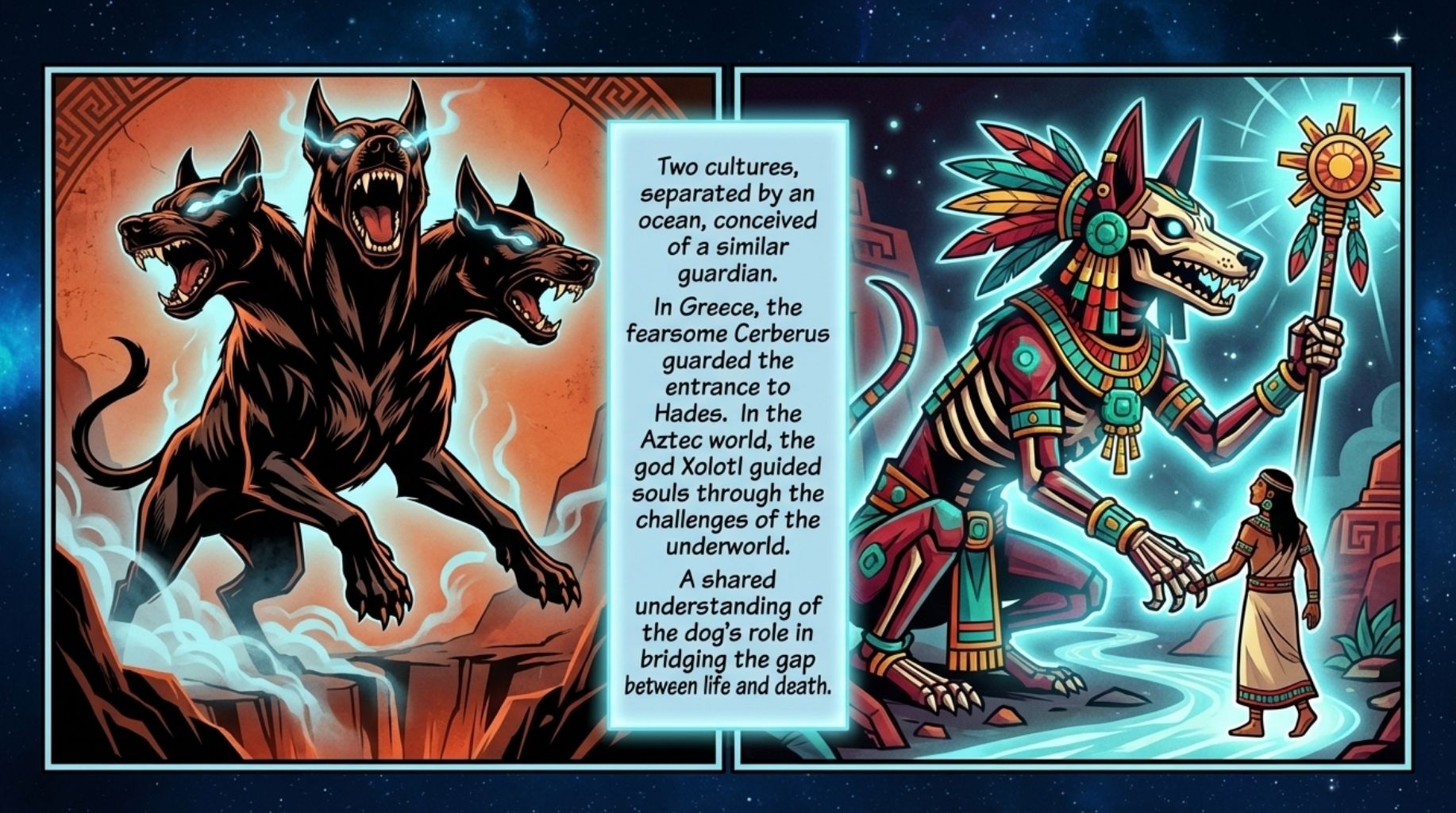
🔑 Key Points: The mythological figures of Cerberus in Greek mythology and Xolotl in Aztec mythology showcase the cross-cultural symbolism of dogs as guardians and guides in the afterlife.
The Evolution of Dog Companionship: From Myth to Modern Day
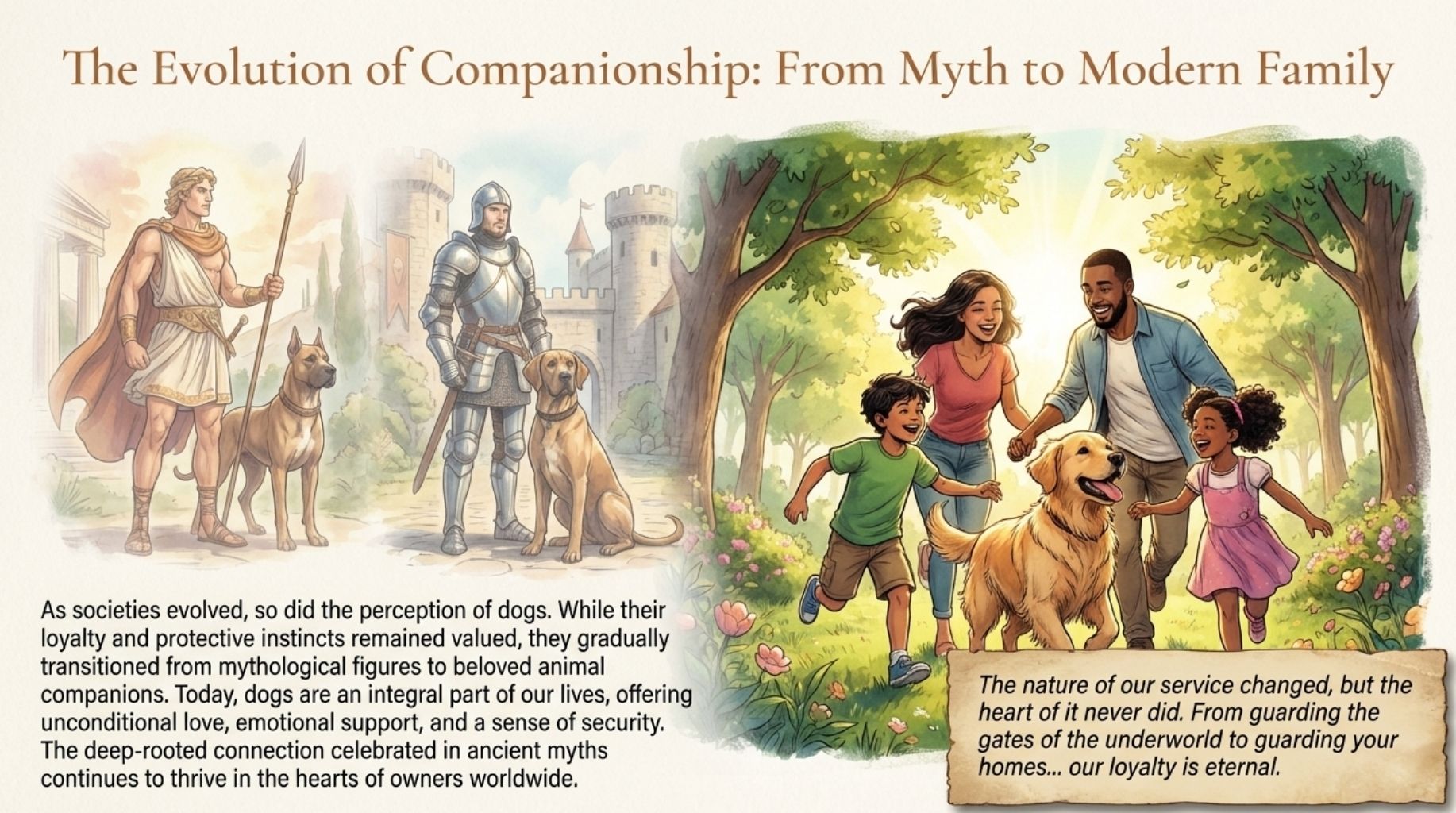
The bond between humans and dogs has evolved significantly over time. From the mythological roles assigned to them in ancient cultures to the cherished companions they are today. In ancient times, dogs are associate with the Eleusinian mystery, a secretive religious cult in ancient Greece.
The presence of dogs in these mysteries hints at their perceived connection to the spiritual world. Their role as guides in the journey to the afterlife were always evolving. As societies evolved, so did the perception of dogs. While they continue to value them for their loyalty and protective instincts, dogs gradually transitioned from mythological figures to beloved animal companions.
In the modern world, dogs have become an integral part of many people’s lives. They offer unconditional love, emotional support, and a sense of security to their human families. Despite the shift in their roles, the deep-rooted connection between humans and dogs remains as strong as ever. The bond that was once celebrated in ancient myths and legends continues to thrive in the hearts of dog owners worldwide.
🔑 Key Points: The evolution of canine companionship from mythological figures to modern-day pets reflects the enduring bond between humans and dogs, transcending time and cultural boundaries.
PET CEMETERIES AND THE CULTURAL REFLECTION OF BELIEFS ABOUT DOGS IN THE AFTERLIFE
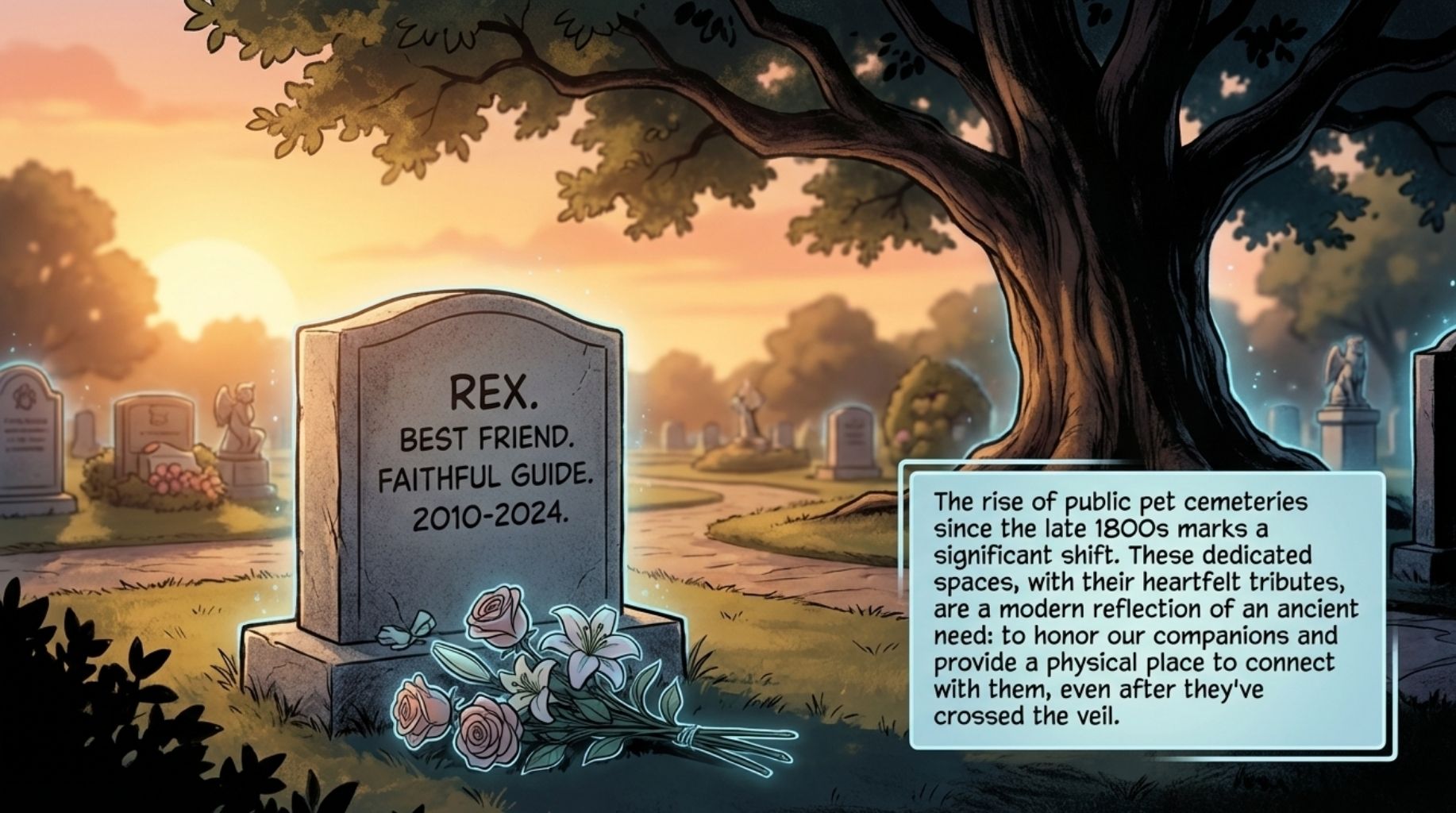
The establishment of pet cemeteries is a relatively modern phenomenon. This reflects on the changing attitudes towards dogs and their place in the afterlife.
Last Physical Place to Connect with Our Dogs in the Afterlife
The opening of the first public pet cemetery in the late 1800s. This marked a significant shift in how society viewed the death of companion animals. It provided a dedicated space for pet owners to honor and remember their beloved furry friends. Pet gravestones, often inscribed with heartfelt messages and warm tributes is also a part of this phenomenon.
This can serve as a tangible expression of the deep emotional connection between humans and their animal companions. The changing trends in human cemeteries have also influenced the design and layout of pet cemeteries. The incorporation of more personalized and expressive elements are also on the pet gravestones.
🔑 Key Points: The emergence of pet cemeteries reflects the evolving cultural beliefs about the afterlife of dogs. This can also show the enduring bond between humans and their beloved pets.
the Symbolic Roles of Dogs in Death and Beyond the Afterlife
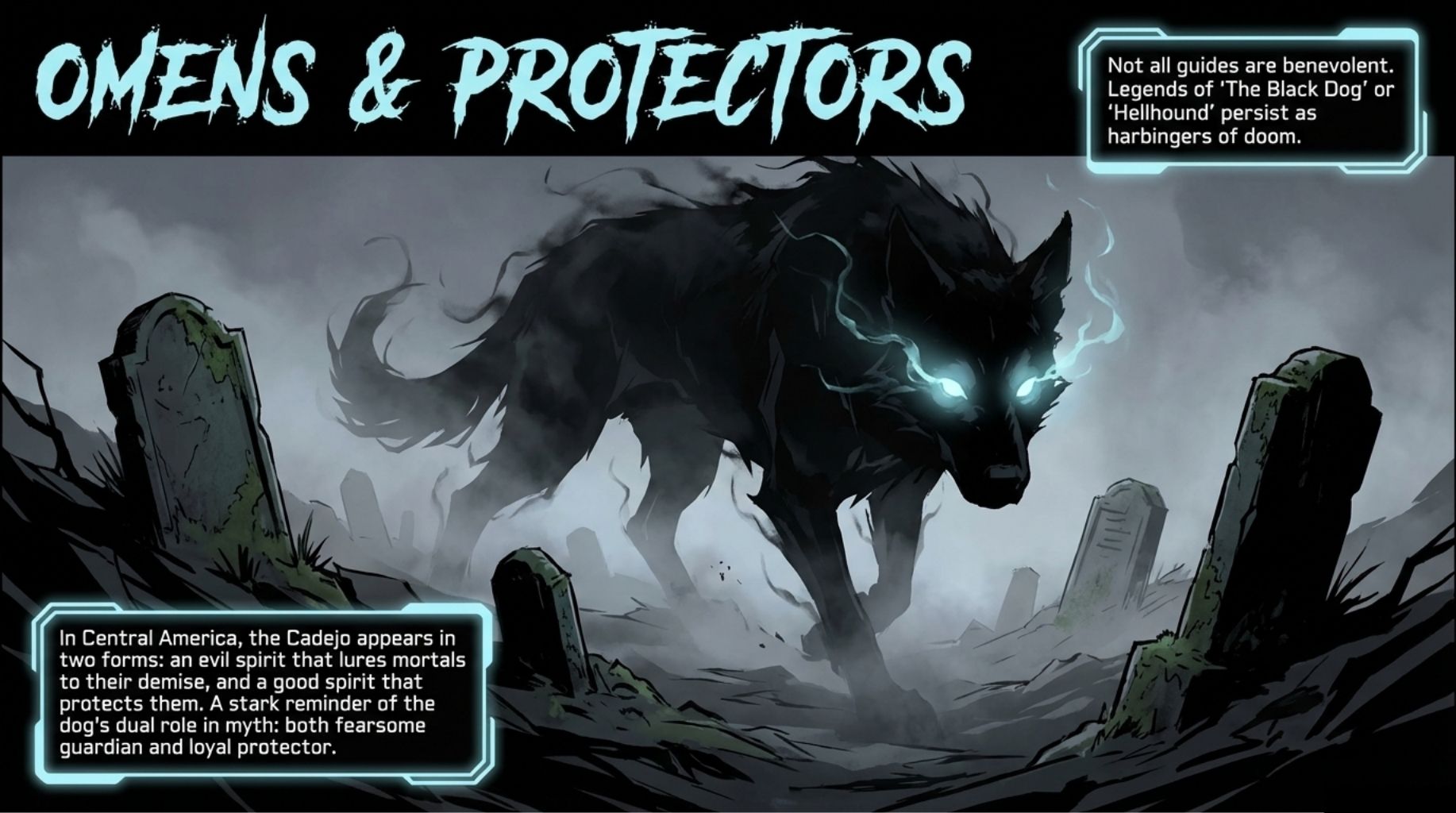
Various cultures connect dogs with death and the afterlife. They are often taking on symbolic roles that reflect their perceived connection to the spiritual world. In some traditions, black dogs are harbingers of death or guides to the underworld in the afterlife.
The legend of “The Black Dog” or “Hellhound” has persisted throughout history. Sightings of the ghostly canines are always interpreted as omens of impending doom. In Central American folklore, the “Cadejo” is a mythical dog-like creature that comes in both good and evil forms. The evil Cadejo is luring individuals to their demise.
While the good Cadejo serves as a protector and guide. These symbolic roles assigned to dogs in the context of death and the afterlife can show us various ancient beliefs. They also highlight the complex and often ambivalent nature of their relationship with humans across different cultures.
🔑 Key Points: The symbolic roles of dogs in death and the afterlife can tell us a lot. We can see this examples in “The Black Dog” and the “Cadejo.” They reflect the cultural beliefs and ambivalent nature of the human-dog relationship.
Scientific and Archaeological Insights into Dog Roles in Ancient Societies
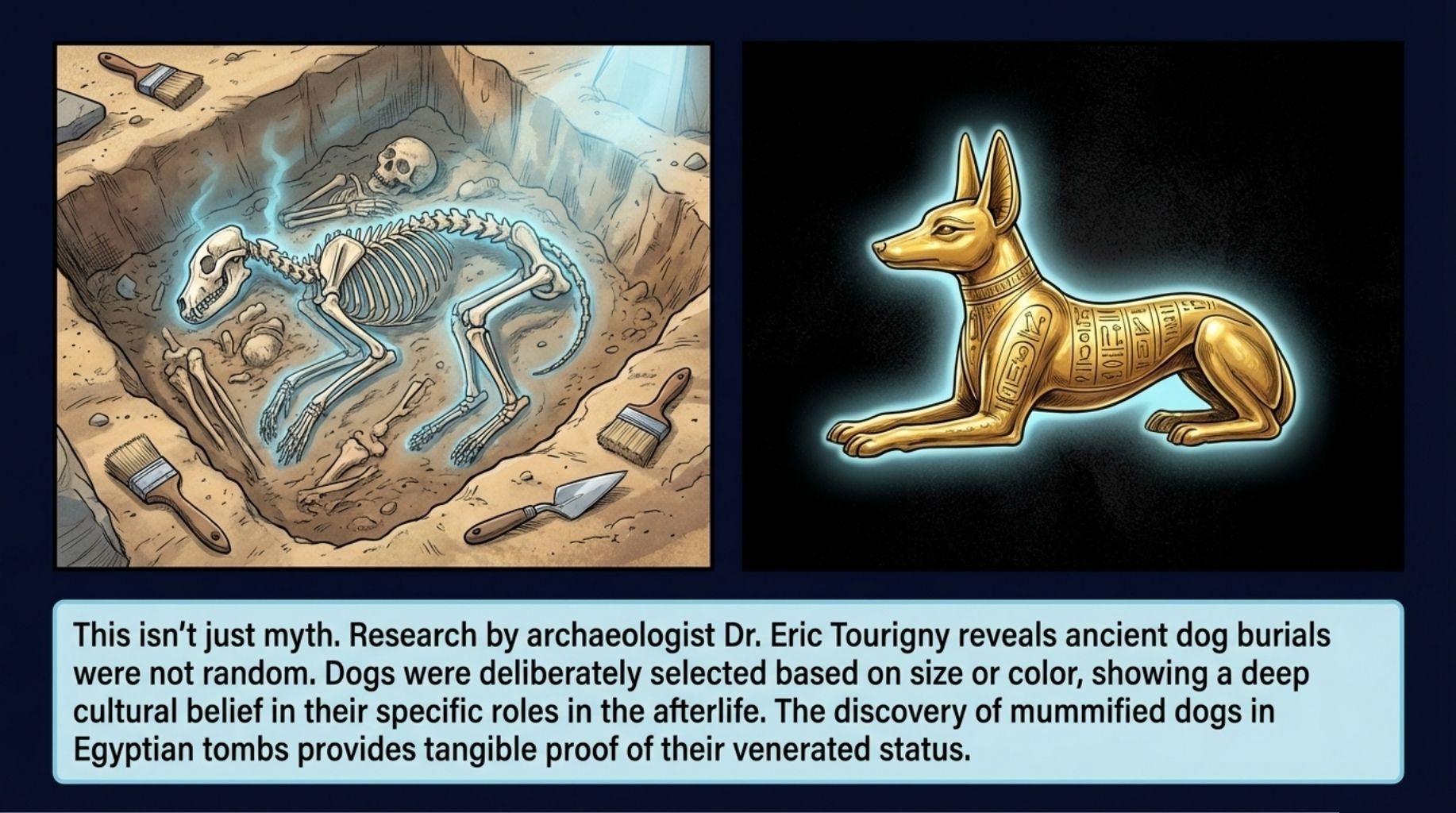
Recent scientific and archaeological research has shed new light on the roles dogs played in ancient societies. The research is providing a deeper understanding of their significance beyond mythological tales. Dr. Eric Tourigny, an archaeologist and expert on ancient dog remains, has conducted extensive research.
He discovered on the actual species of dogs found in ancient burial sites. His analysis reveals that the dogs buried alongside humans were often carefully planned. They selected them based on their size, color, or other specific characteristics.
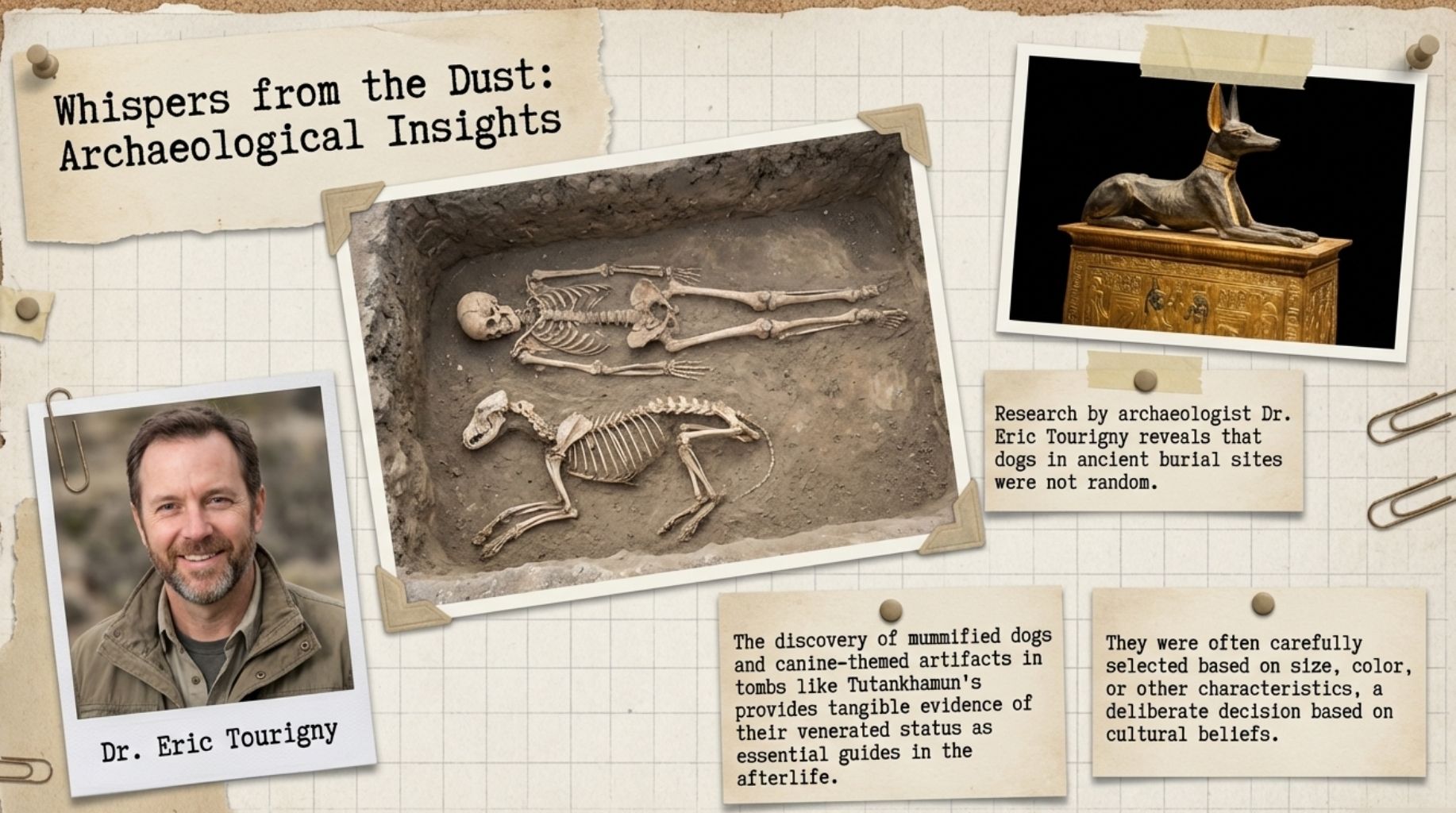
These findings suggest that the choice of dogs in ancient burial practices was not random. It was rather a deliberate decision based on cultural beliefs and the perceived role of the dogs in the afterlife. The discovery of dog remains in ancient Egyptian tombs, such as the Anubis Shrine of Tutankhamun tell us a lot. It provides tangible evidence of the venerated status of dogs in ancient Egyptian society.
The presence of mummified dogs and dog-themed artifacts in these tombs can tell us a lot. It is clear indicator that the Egyptians believed in the importance of dogs. They are as guides and protectors in the afterlife.
🔑 Key Points: Scientific and archaeological research analysis of ancient canine remains can tell us a lot. Dr. Tourigny offers valuable insights into the deliberate selection and venerated status of dogs. Canines have been sugnificant in ancient burial practices and their roles in the afterlife.
THE PSYCHOLOGICAL IMPACT OF DOGS ON GRIEVING AND REMEMBRANCE PROCESSES
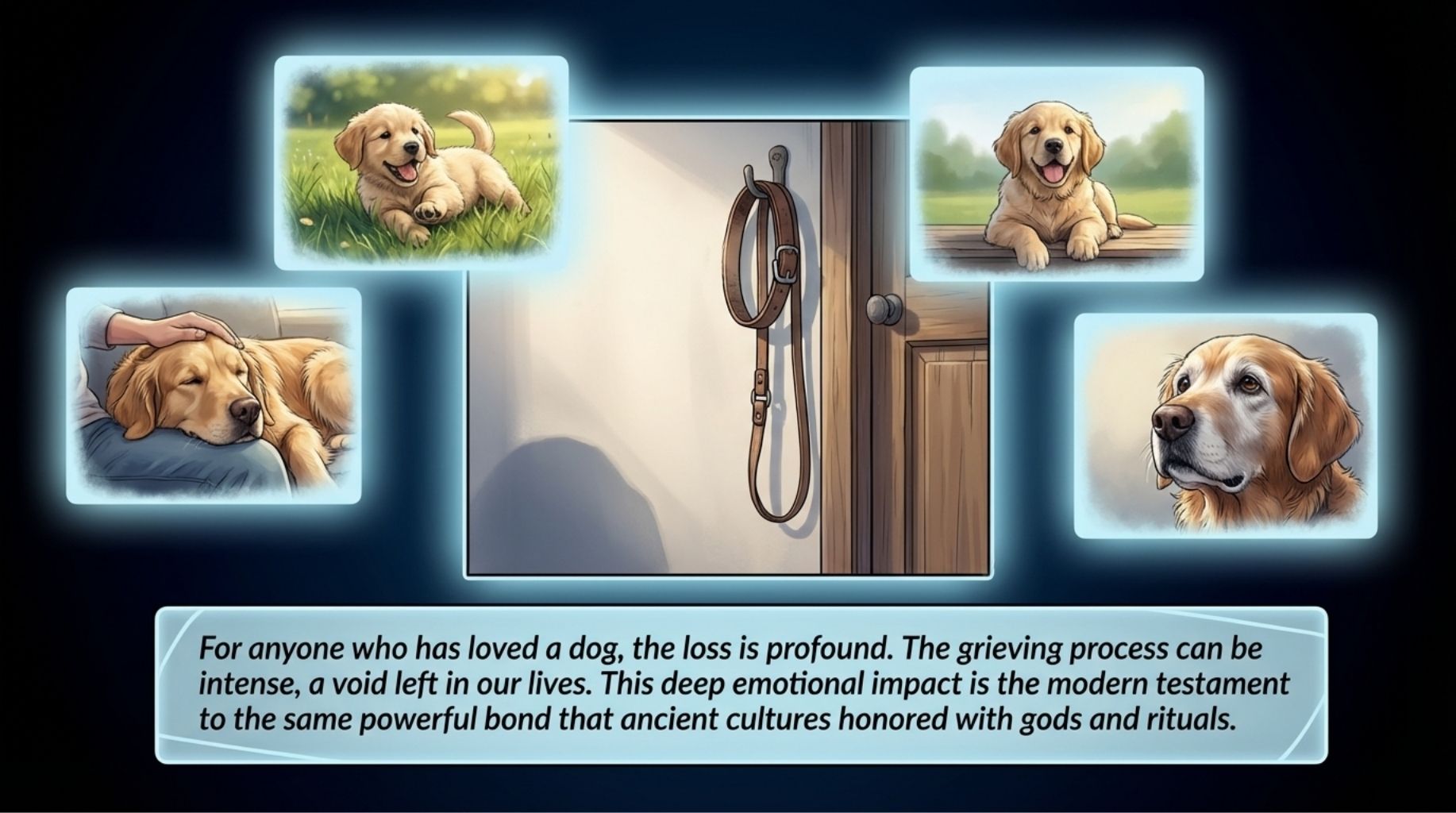
The loss of a pet, particularly a dog, can be a deeply emotional and traumatic experience for many people. Dogs often serve as loyal companions, providing unconditional love and support throughout their lives.
The Intense Grieving Creates a Safe Place for Dogs in the Afterlife
When a beloved dog passes away, the grieving process can be intense and prolonged. The absence of their presence can leave a significant void in the lives of their human companions. In many cultures they acknowledge the grief of a dog loss. They validated this through various rituals and practices.
The sacrifices of dogs in ancient societies, are made as a way to honor their lives and to ensure their well-being in the afterlife. In modern times, the grieving process for a lost dog can be particularly challenging during holidays and special occasions.
We all know how we can feel their absence. Memories and love shared with a dog can also serve as a comfort and solace during the grieving process. Many people find solace in remembering the joyful moments and the unconditional love their furry companions brought into their lives.
🔑 Key Points: The loss of a dog can have a profound psychological impact on their human companions. The grieving can be so intense and emotionally challenging, yet the memories and love shared can provide comfort and solace.
Dog Deities and Their Enduring Legacy in the Modern World
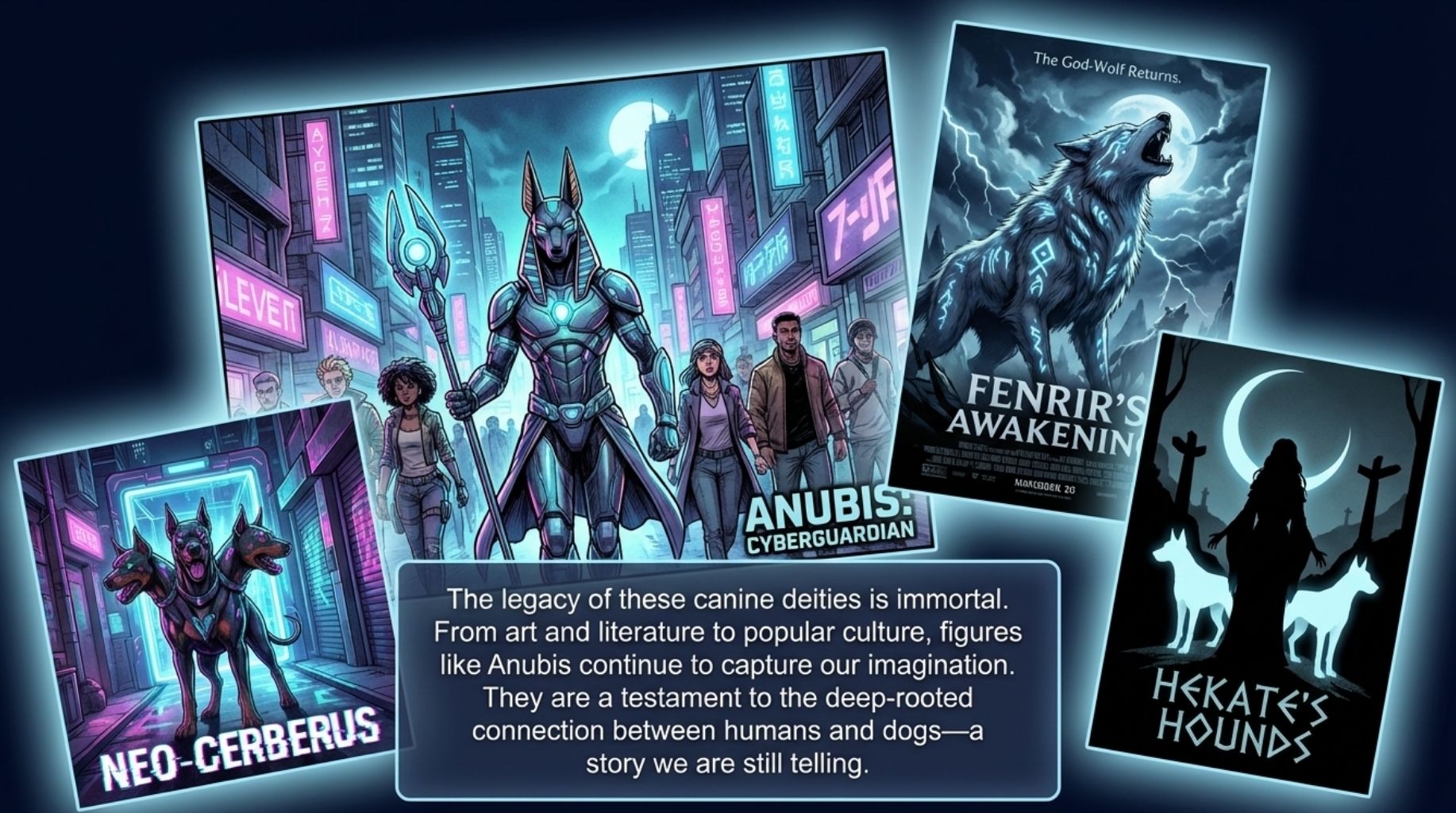
The influence of dog deities from ancient mythologies continues to resonate in the modern world. They are still shaping our understanding and appreciation of dogs. Deities like Anubis, the dog-headed god of ancient Egypt, and the anthropomorphic dog gods found in various cultures have left an indelible mark on human imagination.
These mythological figures have inspired countless works of art, literature, and popular culture. Ensuring their enduring legacy in the modern era. Even in the age of scientific advancement, the fascination with dog deities persists. Scholars like Peter Meineck continue to explore the symbolism and significance of these mythological beings.
He is shedding new light on their roles in ancient societies. The enduring legacy of dog deities serves as a testament to the deep-rooted connection between humans and dogs! This connection through history is transcending time and culture.
🔑 Key Points: The enduring legacy of canine deities in the modern world reflects the timeless fascination. IT shows the deep-rooted connection between humans and dogs, inspiring art, literature, and ongoing scholarly exploration.
REFLECTING ON HISTORICAL AND CURRENT PERSPECTIVES: DO DOGS GO TO HEAVEN?
The question of whether dogs go to heaven has been a subject of contemplation and debate for centuries. Throughout history, different cultures and religions have held varying beliefs about the afterlife of animals, particularly dogs.
The Special Place of Dogs in the Afterlife
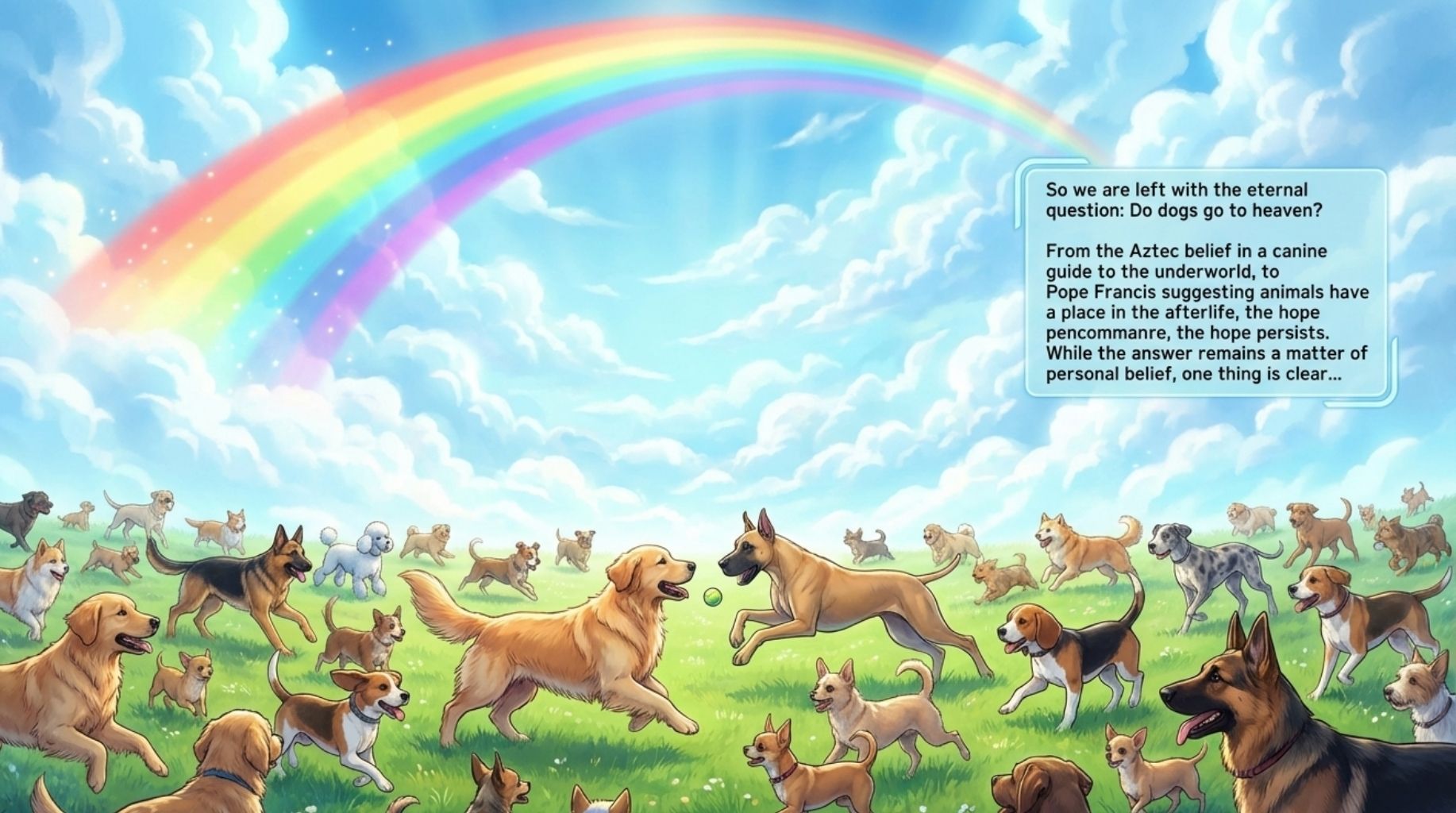
In some ancient cultures, dogs have a special place in the afterlife. Some of them were serving as guides and protectors for human souls. The Aztecs, for example, believed that a dog would guide the deceased through the underworld.
In more recent times, religious figures like Pope Francis have sparked discussions about the eternal fate of animals. His comments suggesting that animals, including dogs, may have a place in heaven challenged traditional Catholic teachings.
You can find the idea of dogs in heaven in literature and popular culture a lot. From the heartwarming tales of “All Dogs Go to Heaven” to the comforting words of poets and writers. The notion of reuniting with beloved canine companions in the afterlife has brought solace to many grieving pet owners.
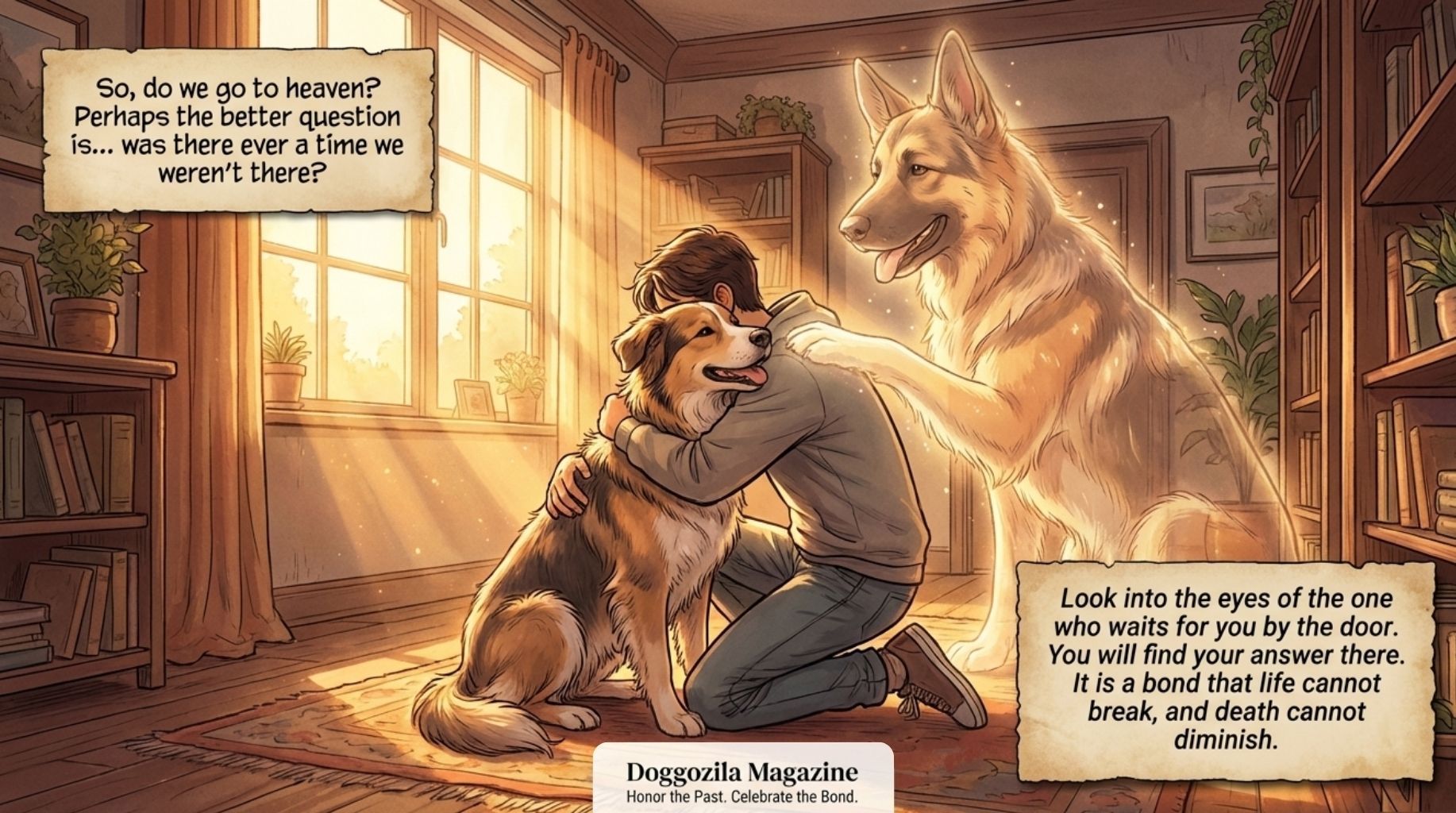
While the question of whether dogs go to heaven remains a matter of personal belief. It is clear that the bond between humans and dogs transcends the boundaries of life and death. This bond is leaving a lasting impact on the human spirit.
🔑 Key Points: The question of whether dogs go to heaven has been a subject of ongoing contemplation. Varying beliefs across cultures and religions. They are reflecting the enduring bond between humans and their dogs that transcends the boundaries of life and death.
SCIENTIFIC STUDIES, LATEST RESEARCH, & REAL ANECDOTES
The article focuses on old myths and burial customs. But what does modern science say? And what real-life stories do pet owners share? Below are five fascinating findings that the original article does not cover. These come from recent studies, surprising research, and true tales of people and their dogs.
Scientific Clues About Consciousness After Death
Researchers at the University of Michigan have found that rat brains show strong, conscious-like activity for up to 30 seconds after their hearts stop. The brain signals they saw were even stronger than when the rats were awake. This suggests that the brain may have a final burst of activity right at the end of life.
Do Animals Have Near-Death Experiences?
A major study looked at over 400 reports of pets having experiences similar to human near-death events. Owners described their dying pets having “final goodbyes,” “last visits,” and even moments of sudden clarity known as “terminal lucidity.” These cases were very similar to what dying humans experience, suggesting animals may share a rich inner world up to their final moments.
The Mystery of After-Death Contact with Pets
Researchers studied 442 accounts from people who felt they had contact with a pet after the animal had passed away. These experiences included seeing the pet in dreams, feeling their presence in a room, or even smelling their familiar scent. The feelings were very real to the person, and the experiences were almost the same as those reported by people who had lost a human loved one.
The Real Story of the “Rainbow Bridge”
An art historian named Paul Koudounaris tracked down the true author of the famous “Rainbow Bridge” poem. It was written in 1959 by a Scottish woman named Edna Clyne-Rekhy, the day after her beloved dog Major died. For decades, her name was lost, and the poem was widely shared without credit. The poem became a global sensation in 1994 when a reader sent it to the advice column “Dear Abby.”
Finding Support for Pet Grief
The loss of a pet is a real and heavy grief, but it is often not fully accepted by others. This is called “disenfranchised grief.” However, help is now available. The University of Guelph offers a free online hub with videos and guides for grieving pet parents. Many hotlines also provide support for those struggling with the loss of their animal friend.
Final Thoughts About The Dogs in the Afterlife
Our exploration of the venerated role of dogs in ancient myths and cultural beliefs has uncovered a world rich in symbolism and significance. From the guardianship of the afterlife to their role as companions and guides. Dogs have left an indelible mark on human history. The divine tales of Anubis and Hekate. The bridging of mythologies through Cerberus and Xolotl.
The evolution of canine companionship from ancient times to the modern era. All of this reflect the enduring bond between humans and dogs. As we ponder about the symbolic roles of dogs in death and beyond, it remind us of the profound impact these loyal companions have had on our lives and beliefs.
Through scientific and archaeological insights, we gain a deeper understanding of their place in ancient societies. The psychological comfort they provide in times of grief is eternal. Moving forward, let us cherish the legacy of canine deities and ponder the age-old question: Do dogs go to heaven? Embrace the mystery, honor the past, and celebrate the enduring connection between humans and dogs, transcending time and space.
FREQUENTLY ASKED QUESTIONS