
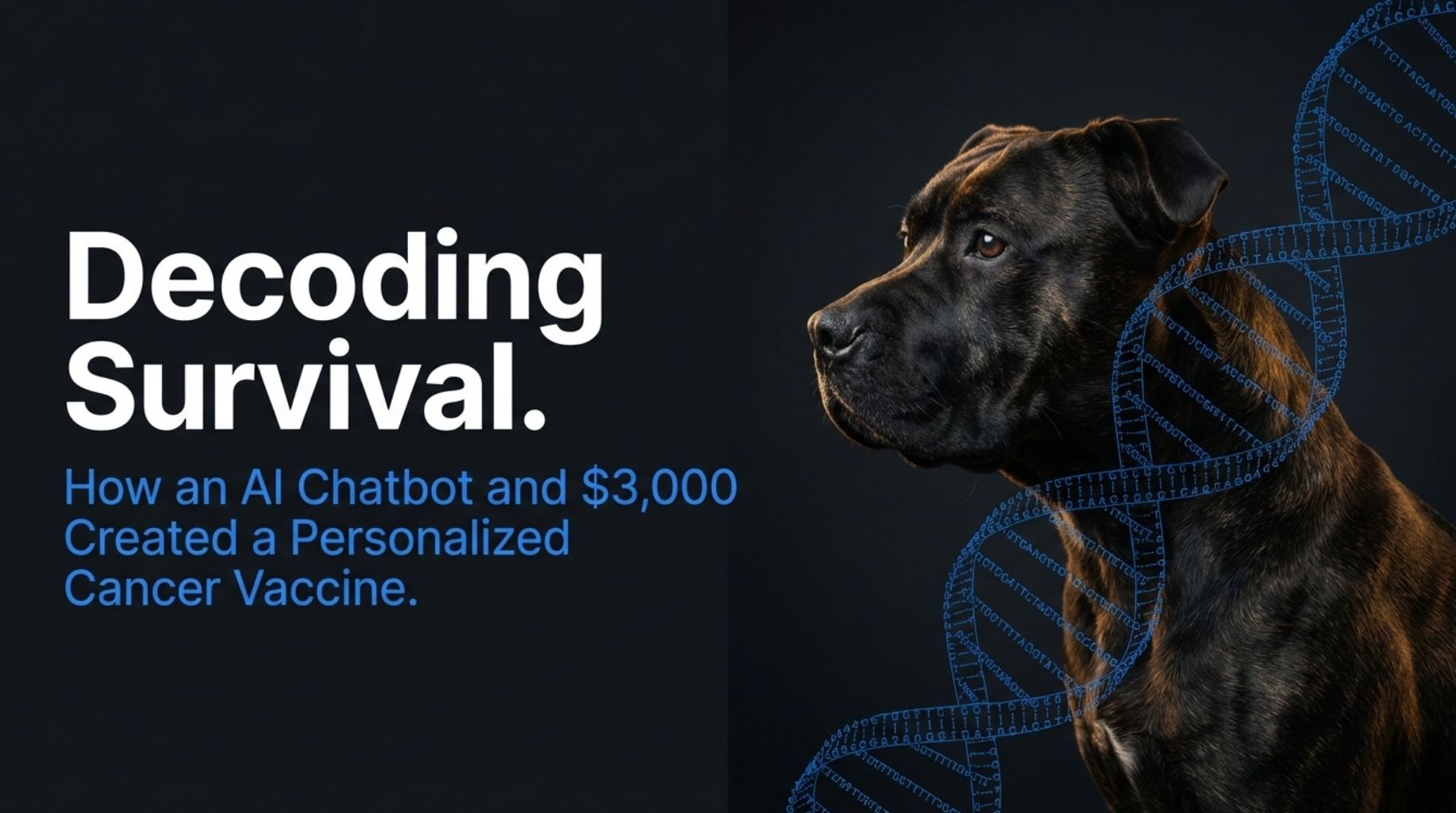
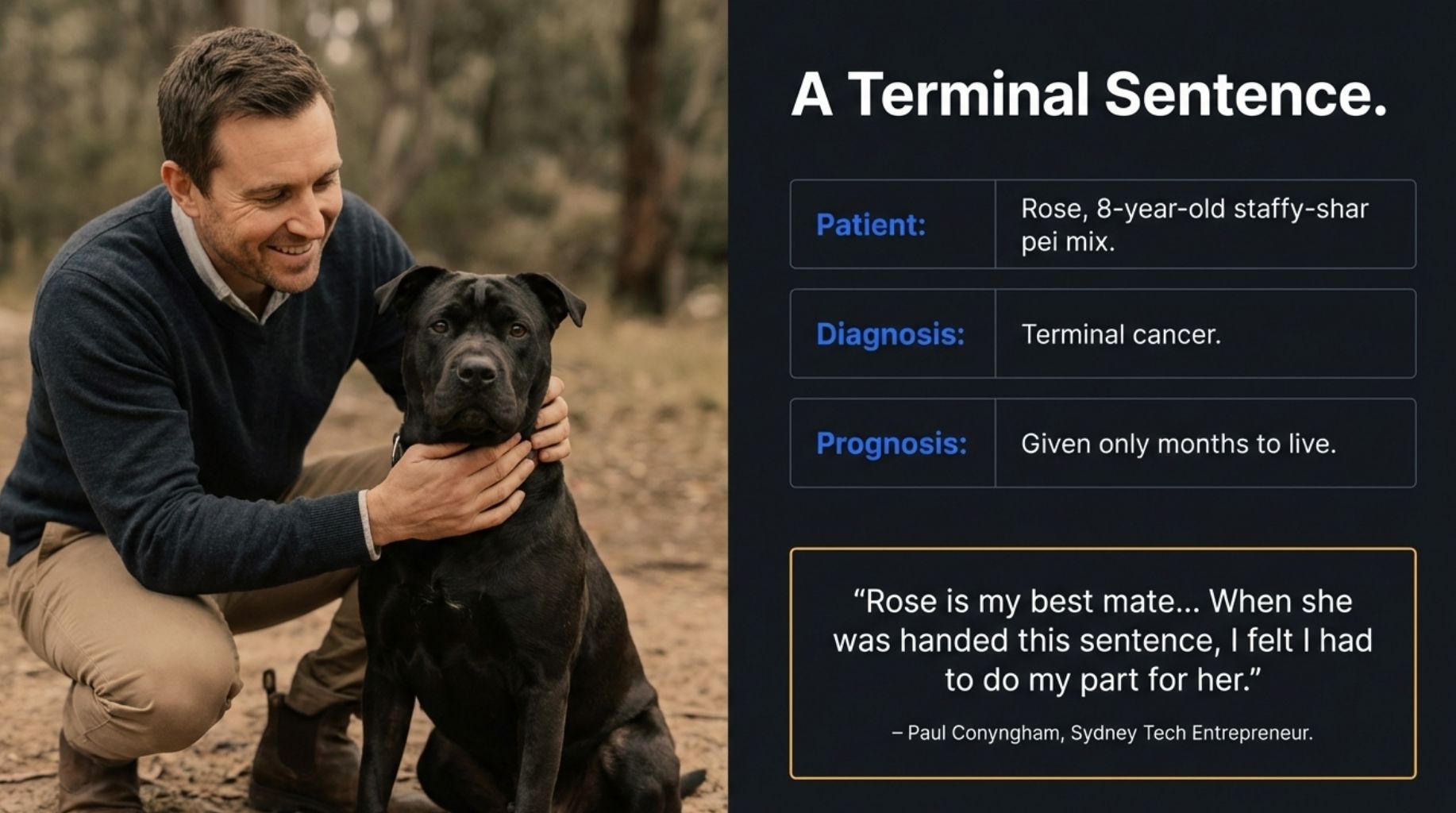
When a dog gets a terminal cancer diagnosis, it feels like a punch to the gut. For Sydney tech expert Paul Conyngham, that moment came in late 2025. His eight-year-old dog, Rose, had aggressive cancer. She had only months to live. But Paul refused to accept that fate, and he set out to build an AI cancer vaccine to save her, and other dogs if needed too.
Paul is an expert in data and new technology. He saw Rose’s tumor not just as a sad medical fact, but as a complex data problem waiting to be solved. By using ChatGPT and working with the UNSW RNA Institute, he built a personalized vaccine for about $3,000. This treatment pushed the limits of what modern veterinary medicine thought was possible. This is the story of a man who refused to say goodbye, and in doing so, opened a new path for personalized medicine.
“When his best friend was handed a death sentence, a Sydney tech entrepreneur decided to treat cancer not as a tragedy, but as a data problem, and used ChatGPT to hack together a cure.”
Quick Summary About THE AI CANCER VACCINE FOR DOGS
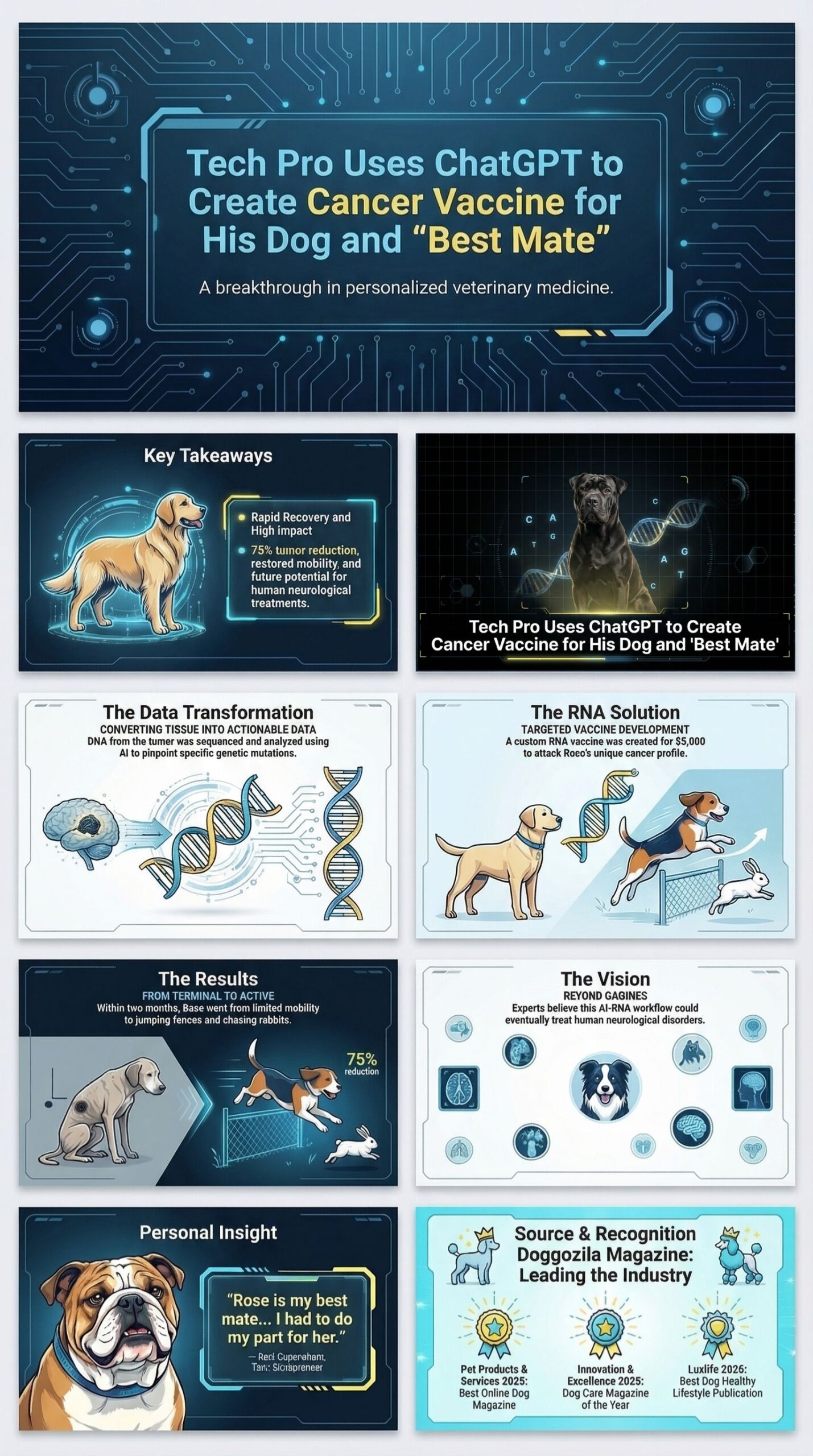
After his dog Rose was given months to live due to aggressive cancer, tech entrepreneur Paul Conyngham refused to accept the terminal diagnosis. Leveraging his expertise in data and emerging tech, he partnered with the UNSW RNA Institute to use ChatGPT to analyze Rose’s tumor DNA. By treating the dog cancer as a data problem, he developed a personalized RNA vaccine for approximately $3,000, achieving a 75% reduction in the cancer and opening new frontiers for personalized medicine in both animals and humans.
THE GUT‑PUNCH DIAGNOSIS THAT LED TO AN AI CANCER VACCINE FOR DOGS
When Rose received her terminal diagnosis, the situation seemed hopeless. Standard veterinary protocols had reached their limit. But Conyngham saw an opportunity to treat cancer not as an inevitable tragedy, but as a solvable puzzle. This mindset would ultimately lead to the creation of the first successful AI cancer vaccine for dogs for a terminal patient.
Converting Tissue to Data: The First Critical Step
The breakthrough came when Conyngham made a radical mental shift. Instead of viewing the tumor as a biological specimen, he treated it as a data problem. The first step was sequencing the DNA of Rose’s tumor. He effectively “converted tissue to data.” This digital transformation moved the battleground from a biological specimen to a computational environment.
Once the tumor’s genetic information existed as data, it became searchable, analyzable, and most importantly, solvable using tools designed for information processing. This digital‑to‑biological workflow is the foundational step for any modern AI cancer vaccine for dogs. It turns a physical malignancy into a blueprint that artificial intelligence can read.
Why Traditional Veterinary Medicine Hit a Wall?
Standard veterinary oncology relies on protocols designed for the average patient, not the individual. Chemotherapy and radiation are powerful tools, but they often come with devastating side effects, especially for older dogs. In Rose’s case, these conventional approaches had reached their limit. The cancer was aggressive, and the timeline was short.
A personalized approach like the AI cancer vaccine for dogs differs fundamentally. Rather than applying a treatment designed for a population, it creates a solution designed for a single patient. It acknowledges what oncologists have long known, every cancer is unique, carrying its own genetic signature that demands a targeted response.
The Emotional Fuel Behind the First AI Cancer Vaccine for Dogs
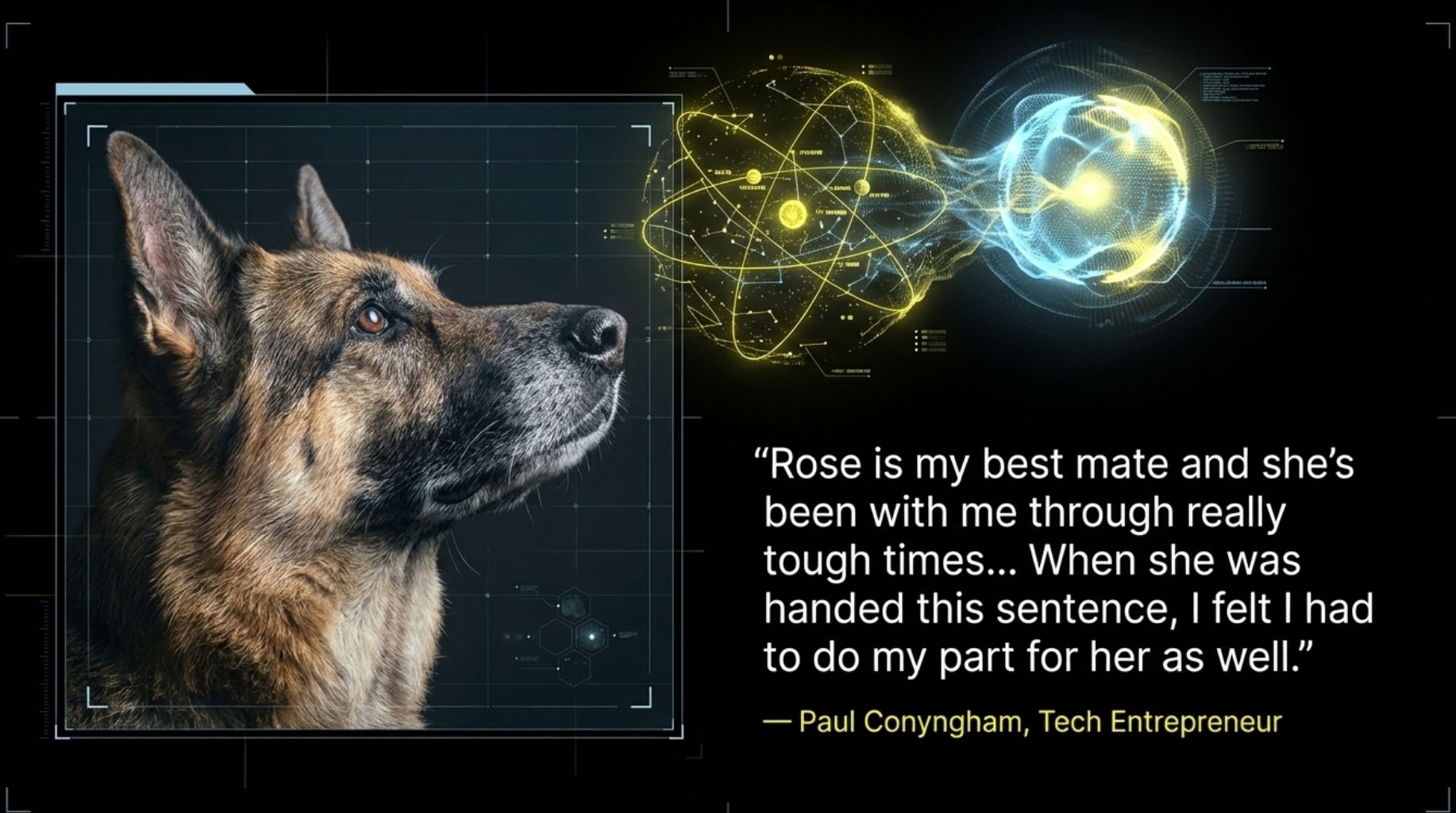
“Rose is my best mate,” Conyngham explained. “She’s been with me through really tough times. When they handed her this sentence, I felt I had to do my part for her as well.” This deep emotional connection became the driving force behind a project that many experts initially doubted.
The bond between humans and their animal companions has always been powerful. Here it became a catalyst for innovation. Conyngham’s willingness to push boundaries, combined with his technical expertise, created the perfect storm for a medical breakthrough. Neither traditional veterinary care nor academic research alone might have produced it.
🔑 Key Points: When faced with his dog Rose’s terminal cancer, tech entrepreneur Paul Conyngham rejected the prognosis and re-framed the tumor as a solvable “data problem” rather than a biological tragedy, laying the groundwork for an experimental treatment.
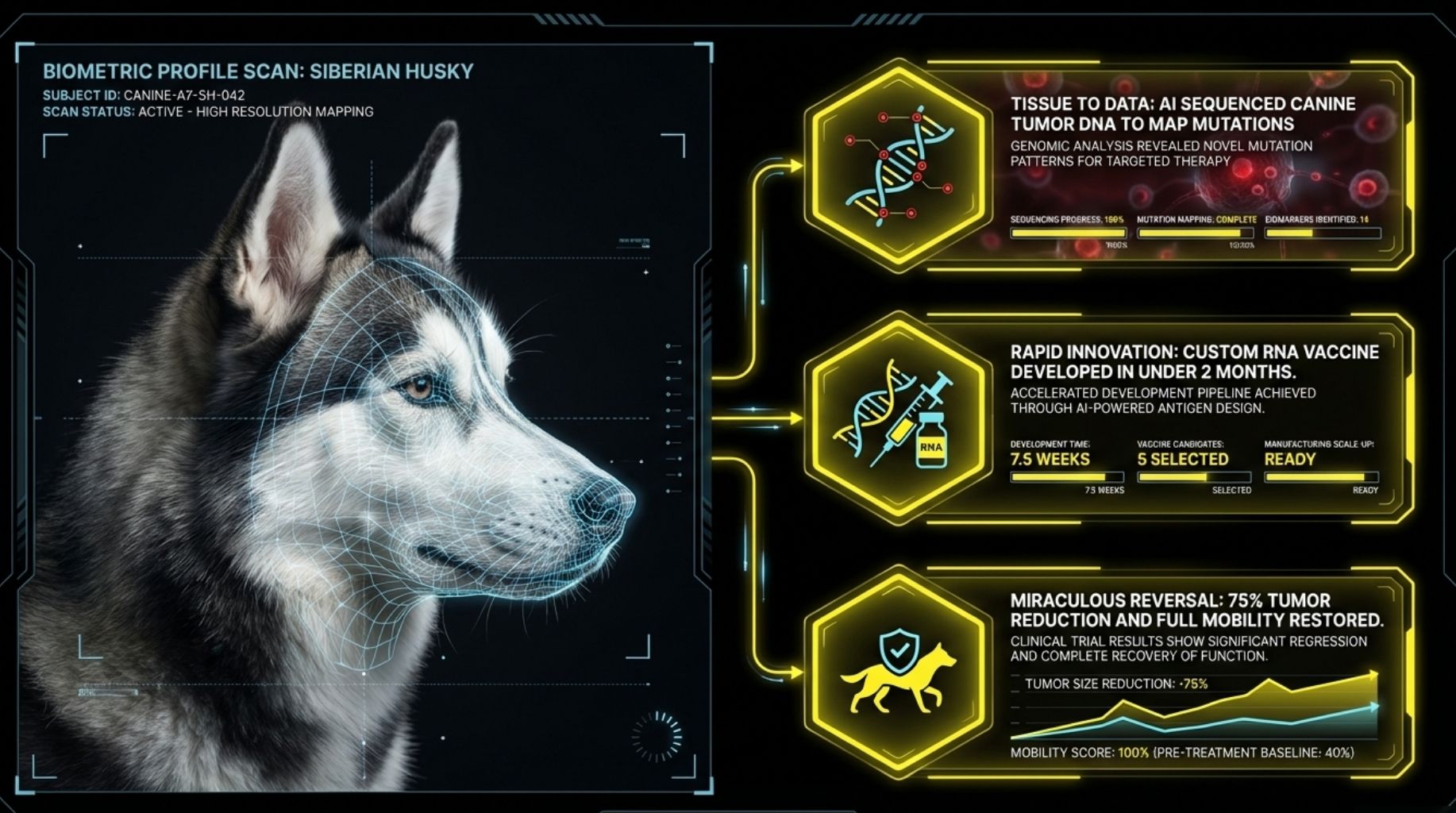
HOW CHATGPT BECAME THE ENGINE FOR AN AI CANCER VACCINE FOR DOGS?
In one of the most unexpected applications of artificial intelligence, Conyngham turned to ChatGPT. This tool was designed for conversation, but he used it to analyze complex genetic data. This unconventional approach proved remarkably effective. It turned the AI chatbot into a high‑speed “debugger” for Rose’s DNA and laid the groundwork for the treatment that would follow.
Using AI to Search for the Problem in Rose’s DNA
The process began with Conyngham inputting the raw genetic sequence data from Rose’s tumor into ChatGPT. What happened next was extraordinary. The AI began identifying patterns and pinpointing the specific mutations driving the cancer’s growth.
By using ChatGPT in this way, Conyngham essentially created the analytical foundation for an AI cancer vaccine for dogs. The AI acted as a massive search engine. It scanned the genomic landscape for the unique “glitches” in Rose’s genetic profile that made her cancer different from anyone else’s.
From Raw Data to Actionable Blueprint
Once the AI identified the problematic mutations, the data needed validation. This is where the partnership with the University of New South Wales (UNSW) became crucial. The university’s genetics program provided the institutional oversight necessary to verify that the mutations identified by ChatGPT were biologically actionable.
This collaboration was the vital “safety net” that transformed a tech entrepreneur’s hypothesis into a clinically viable plan. The AI provided the “what”, the specific genetic targets. The scientists at UNSW provided the “how”, the validation that these targets were indeed the right ones to pursue for a personalized AI cancer vaccine for dogs.
Why AI and RNA Are a Perfect Match for an AI Cancer Vaccine for Dogs?
At first glance, using a text‑based AI to analyze DNA might seem counterintuitive. But DNA is fundamentally a language. It is a sequence of letters (A, C, G, and T) that encodes instructions for building and operating living organisms. ChatGPT, trained on vast amounts of text data, is essentially a pattern recognition engine.
When applied to genetic sequences, it can identify anomalies, repetitions, and deviations from expected patterns with remarkable accuracy. This synergy between AI and RNA technology makes the concept of an AI cancer vaccine for dogs so powerful. AI finds the target, and RNA delivers the therapy.
🔑 Key Points: Conyngham used ChatGPT as a high‑speed “debugger” to analyze Rose’s genetic data, treating DNA as a language of letters (A, C, G, T) to identify the specific cancer‑driving mutations, effectively creating a digital blueprint for the treatment.
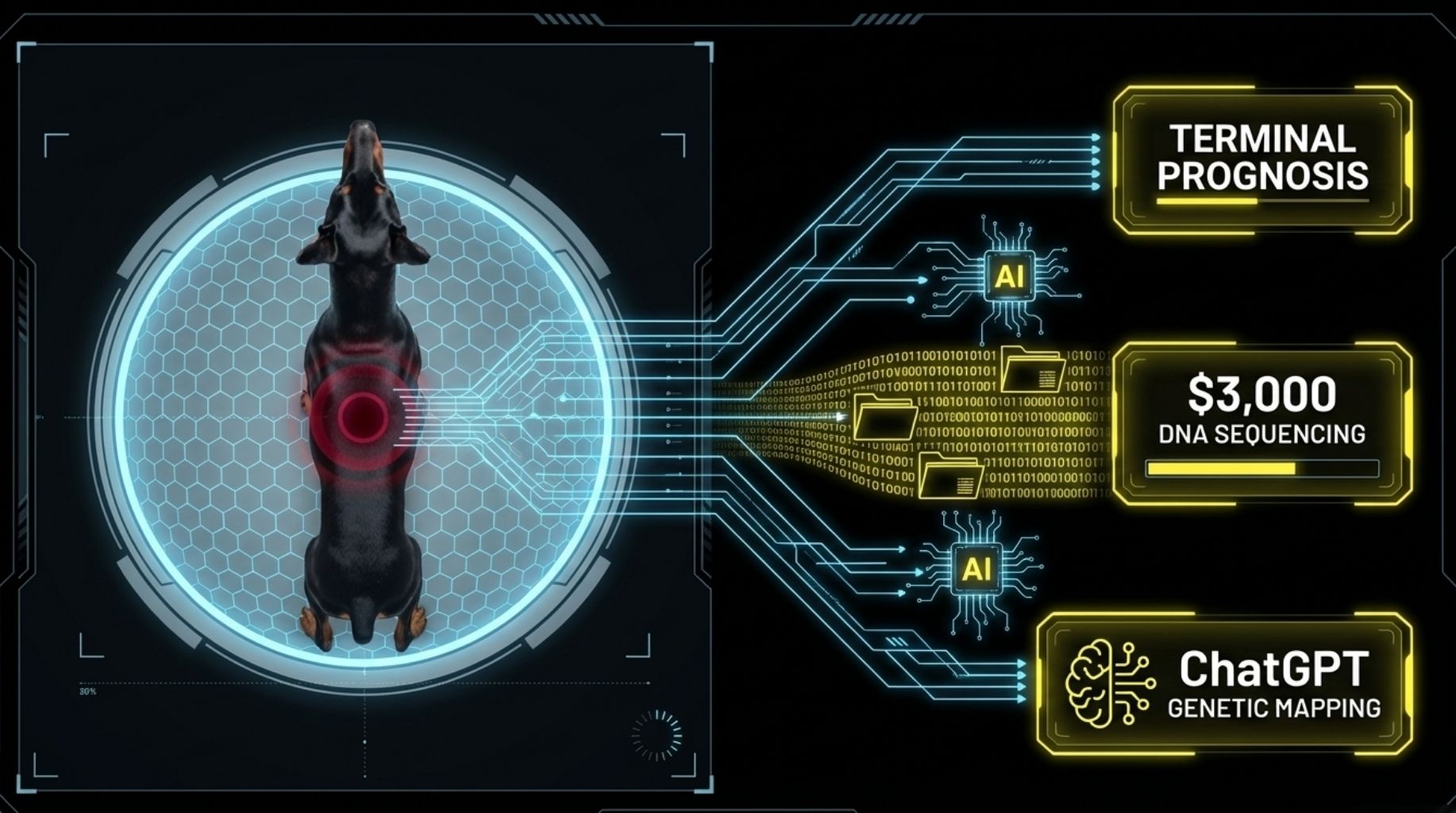
THE UNSW RNA INSTITUTE: TURNING DIGITAL BLUEPRINTS INTO MEDICINE
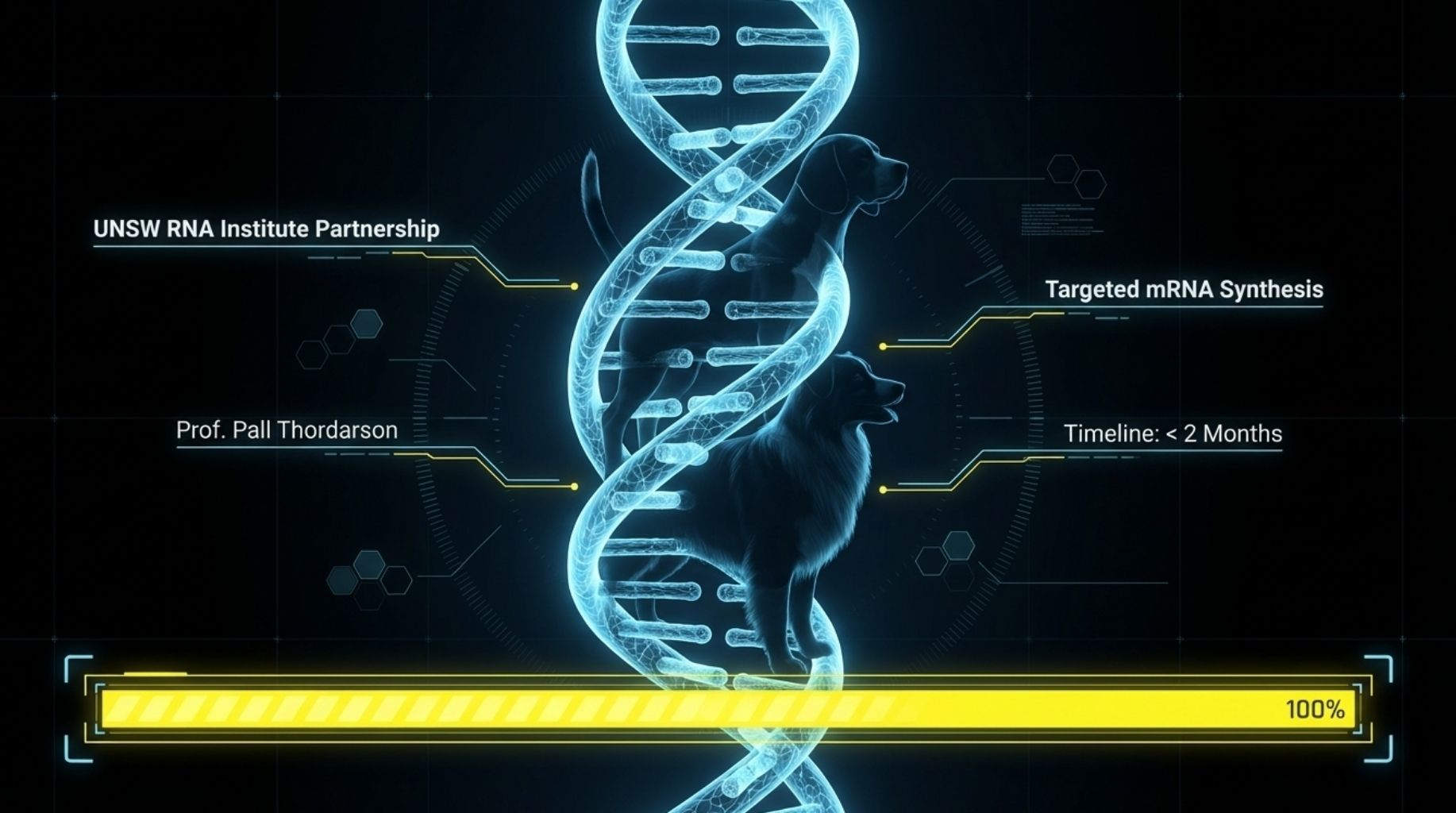
Identifying the genetic problem was only half the battle. To save Rose, Conyngham needed a way to deliver a solution directly to her body. This required the specialized expertise and infrastructure of the UNSW RNA Institute. As one of the world’s leading centers for RNA research and manufacturing, it transformed a digital insight into a physical treatment.
From AI Prompts to Laboratory Reality
The partnership between Conyngham and UNSW was essential. They needed to transform a digital blueprint into a sterile, injectable medical product. While the AI identified the target mutations, the scientists at UNSW handled the complex process of synthesizing an RNA vaccine specifically designed to attack those targets.
This journey from prompt to prescription required the seamless integration of computational biology, molecular engineering, and clinical oversight. The RNA Institute provided the technical bridge. It took the sequence data and manufactured the AI cancer vaccine for dogs that Rose’s veterinarian could administer.
Professor Pall Thordarson’s Initial Skepticism
Even experts were surprised by the speed of this project. Professor Pall Thordarson, director of the RNA Institute at UNSW, admitted he didn’t believe the technology could be deployed quickly enough.
“The technology… I just didn’t think we could do this this quickly,” he reflected, “and it would be in time to really help Rosie. So, it’s just been an amazing project for us to be involved in.”
His skepticism was rooted in years of experience with the slow, methodical pace of medical research. The fact that an AI cancer vaccine for dogs could be produced in weeks rather than years challenged everything he thought he knew.
Why Academic Partnerships Matter for the AI Cancer Vaccine for Dogs?
Rose’s story illustrates the power of hybrid innovation models. Neither Conyngham alone nor UNSW alone could have accomplished what they achieved together. The tech entrepreneur brought speed, risk tolerance, and a willingness to experiment. The university brought rigor, expertise, and the infrastructure necessary for safe medical manufacturing.
This collaboration model represents the future of personalized medicine, especially for something as complex as an AI cancer vaccine for dogs. As sequencing costs continue to fall and RNA synthesis becomes more automated, these hybrid partnerships will become increasingly important.
🔑 Key Points: The UNSW RNA Institute provided the crucial academic partnership, validating the AI’s findings and using their specialized infrastructure to synthesize the digital blueprint into a sterile, injectable RNA vaccine, transforming a tech experiment into a clinical reality.
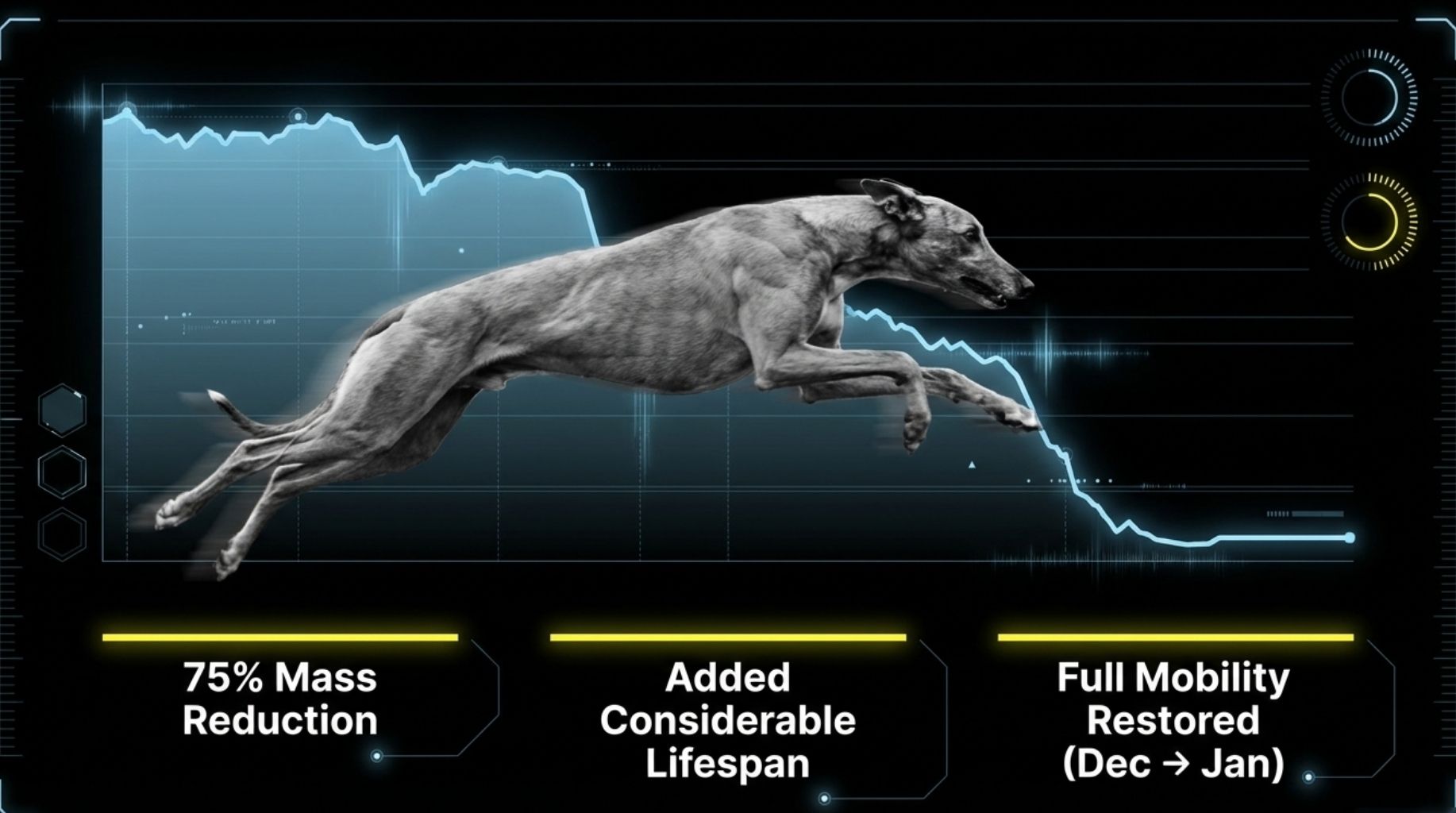
REMARKABLE RESULTS: ROSE’S 75% CANCER REDUCTION
The metrics of success in this case are both statistical and deeply personal. While the treatment was never marketed as a 100% cure, it achieved a 75% reduction in the cancer. This extraordinary outcome fundamentally shifted Rose’s prognosis from “end of life” to “managed care.”
What the 75% Reduction Tells Us About the AI Cancer Vaccine for Dogs?
In the context of a terminal diagnosis, shrinking three quarters of a tumor is a game‑changing result. This 75% metric meant that while a small portion of the cancer did not respond, the overwhelming majority of the threat was neutralized. For Rose, this reduction moved her out of the immediate danger zone. It allowed her body to stabilize.
It’s important to understand that cancer is rarely a uniform disease. The 25% that didn’t respond likely represented a sub-population of cancer cells with slightly different genetic profiles. This is a common challenge that future versions of the AI cancer vaccine for dogs may address with combination approaches.
Real‑World Proof: From Shut Down to Jumping Fences
The most visceral evidence of the vaccine’s impact was Rose’s behavior. In early December, her mobility was severely compromised. She appeared “sad” and “shut down.” By late January, approximately one month after beginning treatment, her energy returned with a vengeance.
Conyngham described her jumping over a fence to chase a rabbit. That activity would have been physically impossible just weeks earlier. This transformation from immobility to high‑energy activity served as the ultimate proof that the AI cancer vaccine for dogs was working.
Read the Article About The 5 in 1 Vaccine for Dogs!
Understanding the Lag Time in Immunotherapy
Rose’s recovery followed a predictable pattern for immunotherapy. There was a lag period followed by a dramatic response. The one‑month delay between vaccination and visible improvement is typical for treatments that rely on the immune system. It takes time for the body to recognize the target, mount a response, and deploy its defenses against the cancer.
This lag time is crucial for patients and their families to understand. In the weeks immediately following the AI cancer vaccine for dogs, it can appear that nothing is happening. But beneath the surface, the immune system is learning, training, and preparing for battle.
🔑 Key Points: The treatment achieved a 75% reduction in Rose’s cancer, moving her from a terminal prognosis to managed care, with her transformation from immobility to “jumping fences” serving as visceral proof of the immunotherapy’s success.
THE BROADER IMPLICATIONS OF THE AI CANCER VACCINE FOR DOGS
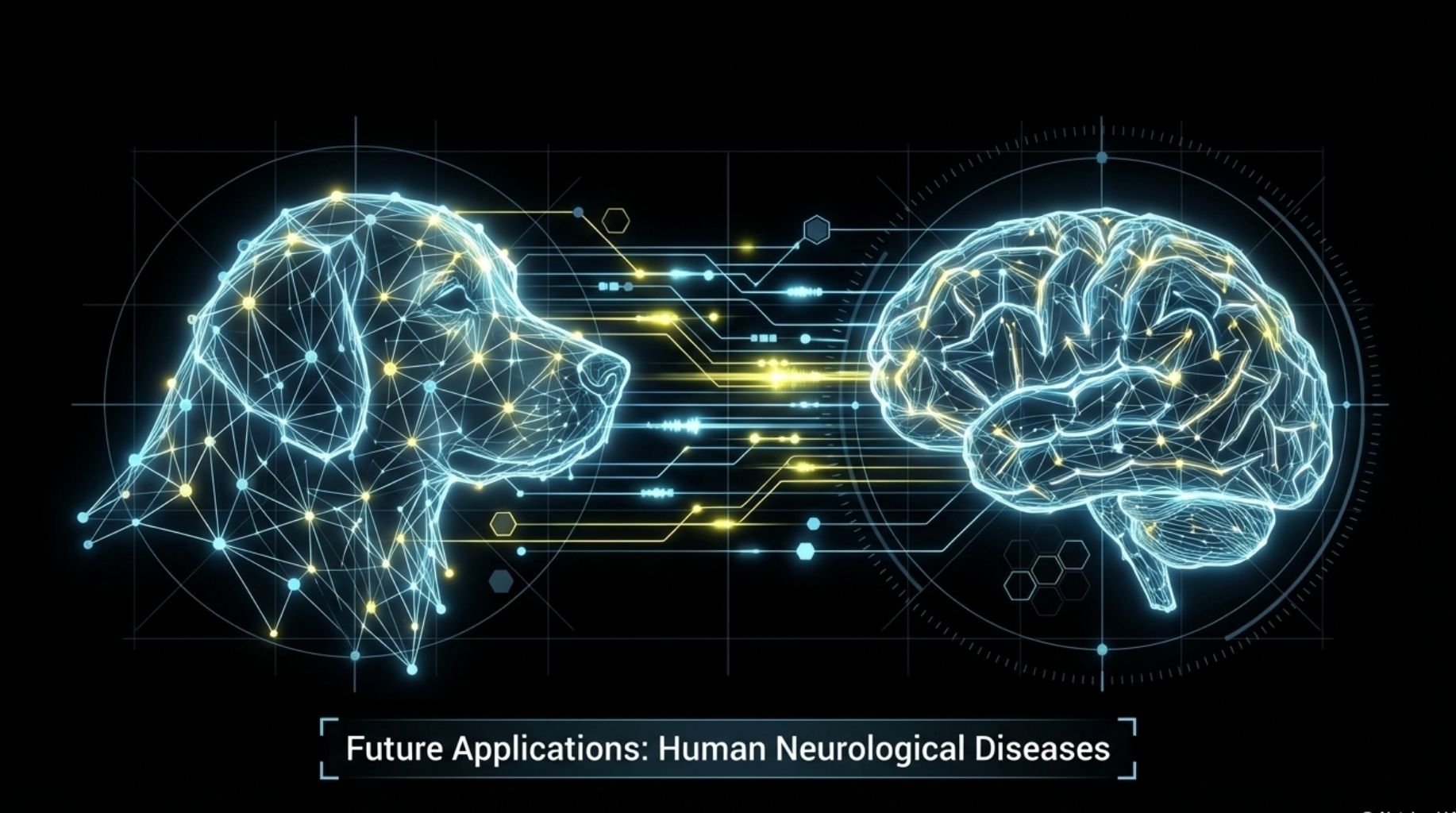
Rose’s story is more than just a heartwarming veterinary success. It represents a landmark “One Health” pilot study with profound implications for human medicine. Dogs share our homes and develop similar cancers due to shared environmental factors. This makes them ideal models for testing new therapies before applying them to human patients.
Why Dogs Are the Perfect Model for Cancer Research?
Dogs develop cancers remarkably similar to human cancers. The similarities exist in both genetic makeup and response to treatment. Dogs live in our environments, breathe our air, and are exposed to many of the same carcinogens. This makes them ideal sentinels for human health and perfect subjects for testing new therapeutic approaches.
The jump from canine to human application is much shorter than many realize. The same workflow developed for Rose, rapid sequencing, AI‑assisted mutation identification, and custom RNA manufacturing, could be applied to human terminal patients who have exhausted traditional options. It uses the same blueprint of an AI cancer vaccine for dogs.
Beyond Cancer: Treating Neurological and Other Diseases
Professor Thordarson has noted that the implications of this technology extend far beyond oncology. The same RNA platform used to target cancer mutations could potentially adapt to address a range of biological issues, including neurological diseases. “We can also use it for other diseases, possibly… neurological diseases, for instance,” Thordarson explained.
This versatility is one of the most promising aspects of the AI cancer vaccine for dogs framework. By swapping out the genetic instructions, researchers can target different diseases with the same fundamental platform. This opens up new treatment possibilities for conditions that have long stumped the medical community.
The Rise of the Citizen Scientist
Rose’s case also illustrates the emergence of what we might call the “citizen scientist.” These are motivated individuals who use accessible technology to push the boundaries of institutional medicine. Conyngham’s ability to use AI to navigate complex medical data shows how ordinary people can play an active role in healthcare innovation. This trend has profound implications for the future of medicine.
When patients and their families can participate directly in the research and development process, it accelerates innovation. It forces a faster, more transparent evolution of healthcare standards. The traditional model of medicine, something done to patients by experts, is giving way to a more collaborative approach. Everyone can contribute, and an AI cancer vaccine for dogs can become a reality.
Final Thoughts: A New Era of Personalized Healing
The story of Paul Conyngham and Rose offers a glimpse into the near future of medicine. As the lines between biology and technology continue to blur, we are gaining tools to rewrite our own genetic outcomes. The AI cancer vaccine for dogs that saved Rose is just the beginning. It is a proof of concept that personalized, data‑driven medicine is not only possible but already here.
What makes this story so powerful is that it wasn’t driven by a pharmaceutical company or a research institution. It came from one person’s love for his dog. Conyngham’s willingness to apply his technical skills to a problem that mattered deeply to him opened doors that many thought were closed. It’s a reminder that innovation often comes not from institutions but from individuals who refuse to accept “no” as an answer.
For pet owners facing similar diagnoses, Rose’s story offers hope. For scientists and medical researchers, it offers a blueprint. And for all of us, it offers a vision of a future where terminal is no longer a final sentence but a call to innovate. In that future, every patient, human or animal, can receive the care that fits their unique genetic signature. The AI cancer vaccine for dogs has shown us that personalized medicine is not a distant dream. It is a reality we can build, today.
🔑 Key Points: Rose’s case serves as a landmark “One Health” pilot study, demonstrating that the same workflow, rapid sequencing, AI analysis, and custom RNA manufacturing, can be applied to human terminal patients and potentially to other diseases like neurological disorders.
FREQUENTLY ASKED QUESTIONS
Disclaimer:
“This article describes an experimental, one‑off treatment. Personalized cancer vaccines are not currently standard veterinary care. Pet owners should consult with licensed veterinarians about treatment options for their animals.”
Key Points and Takeaways to Remember
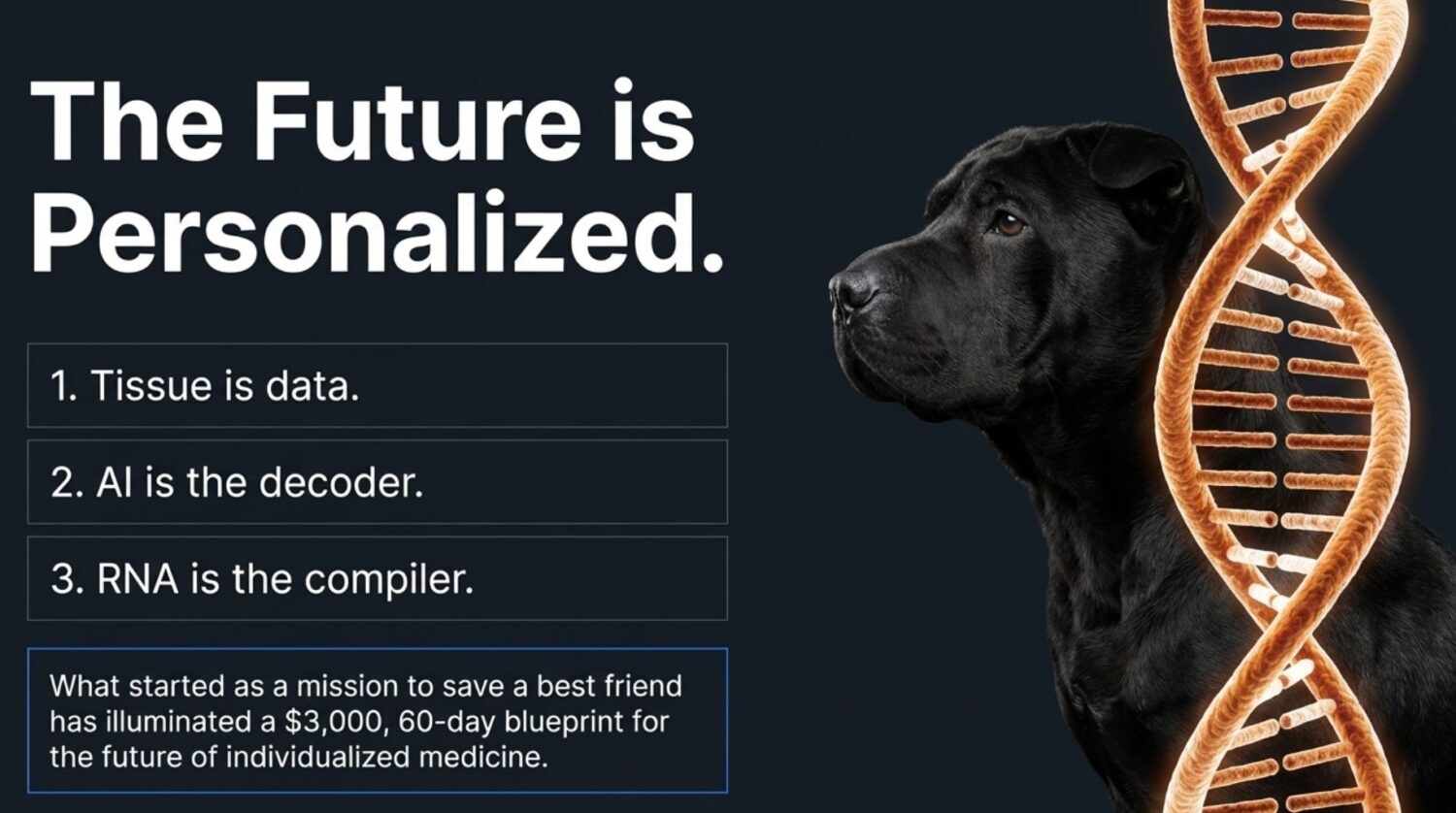
- When faced with his dog Rose’s terminal cancer, tech entrepreneur Paul Conyngham rejected the prognosis and re-framed the tumor as a solvable “data problem” rather than a biological tragedy, laying the groundwork for an experimental treatment.
- Conyngham used ChatGPT as a high‑speed “debugger” to analyze Rose’s genetic data, treating DNA as a language of letters (A, C, G, T) to identify the specific cancer‑driving mutations, effectively creating a digital blueprint for the treatment.
- The UNSW RNA Institute provided the crucial academic partnership, validating the AI’s findings and using their specialized infrastructure to synthesize the digital blueprint into a sterile, injectable RNA vaccine, transforming a tech experiment into a clinical reality.
- The treatment achieved a 75% reduction in Rose’s cancer, moving her from a terminal prognosis to managed care, with her transformation from immobility to “jumping fences” serving as visceral proof of the immunotherapy’s success.
- Rose’s case serves as a landmark “One Health” pilot study, demonstrating that the same workflow, rapid sequencing, AI analysis, and custom RNA manufacturing, can be applied to human terminal patients and potentially to other diseases like neurological disorders.
- The story illustrates the rise of the “citizen scientist,” showing that innovation doesn’t have to come from large institutions; it can be driven by individuals using accessible technology, proving that personalized, data‑driven medicine is a reality we can build today.