
For hundreds of years, the black dog beliefs we hear in old tales have painted a dark and spooky picture. You might think of a ghostly hound on a lonely road or a sign of a storm rolling in. But if you look past the shadows of those old stories, you will find a much warmer truth. The real black dog is not an omen of bad luck. It is a quiet friend with a big heart, just waiting to be seen in the light. This article digs into where those old ideas came from and shows you why the dark coat hides the brightest kind of loyalty.
“In a sea of wagging tails and bright fur at the shelter, the best friend you will ever have might be the one you almost didn’t see hiding in the shade.”
Quick Summary About THE BLACK DOG BELIEFS, MYTHS AND SYMBOLISM
This article explores the deep bond between humans and black dogs. It talks about the old myths that follow these dark-coated pups. The piece also shares how black dogs are often seen as loyal guards and loving pets. It aims to shift the view from bad luck to good company. The main goal is to show that a dog’s heart is what truly counts, not the shade of its fur.
BELIEFS ABOUT THE BLACK DOG
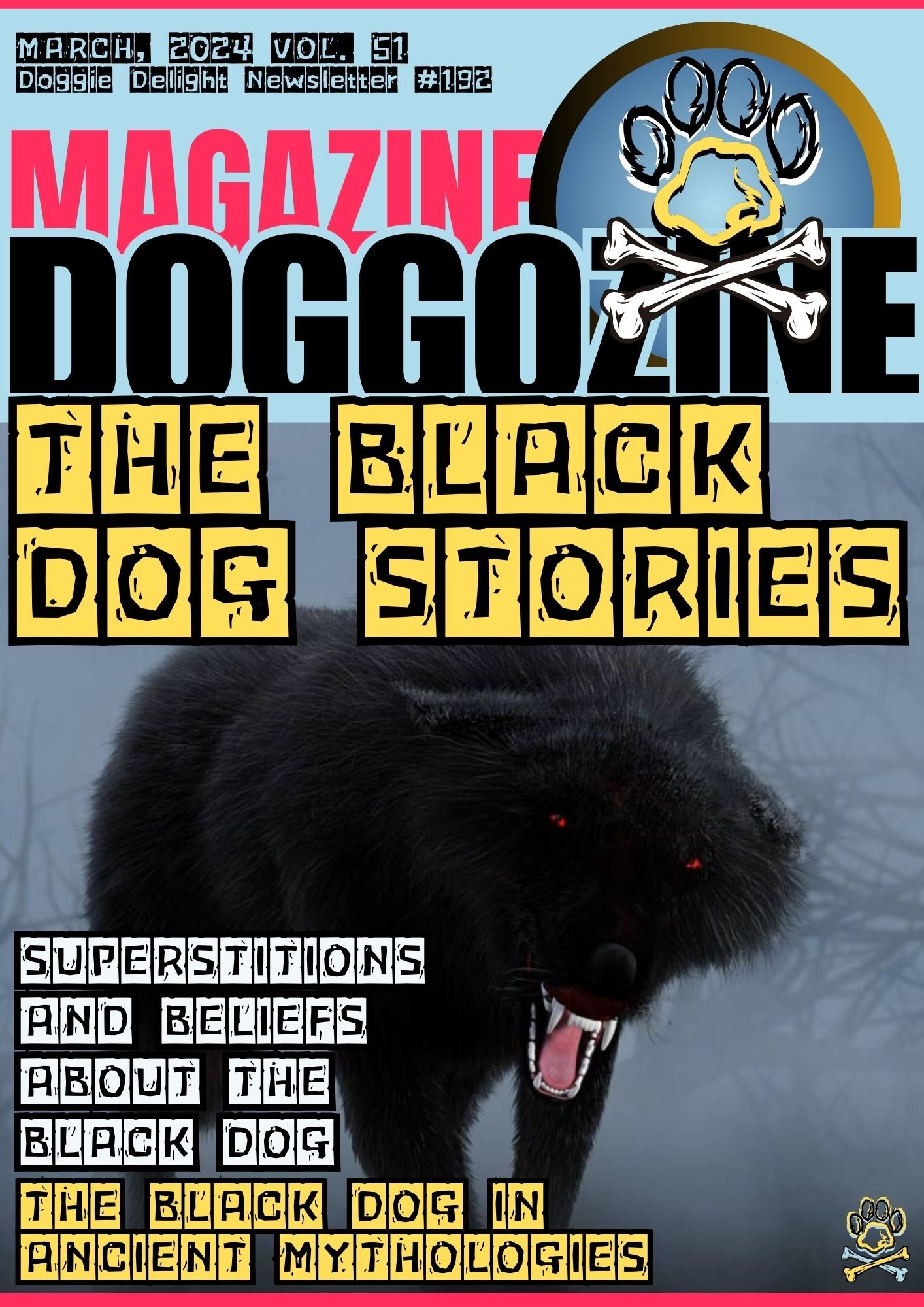
One popular belief is that the black dog is linked to death. In many cultures, people think black dogs are signs of bad things happening soon. They were seen as guardians of the underworld. This idea comes from old mythology, where black dogs were often shown as friends of the death god or creatures that led souls to the afterlife.
The Connection Between The Black Dog and The Devil
Another common belief connects black dogs to the devil. In Christian stories, people thought black dogs were evil spirits or even the devil himself. Meeting a black dog meant danger was coming or the devil was watching you. This idea likely started because black was seen as evil and dark in Christian symbols.
But in some Native American people, black dogs are seen as good symbols. They are believed to bring good luck and protection. They are spiritual guides and linked to healing and wisdom.
These superstitions and beliefs come from cultural and historical roots. But they may not be true in reality. Black dogs are just animals with no special supernatural powers. However, beliefs can still shape how we think and act, even if they are not factual.
Superstitions and Beliefs Surrounding The Black Dog
The superstitions and beliefs surrounding black dogs have been shaped by cultural and historical factors. While some view them as omens of death or manifestations of evil, others see them as symbols of protection and wisdom.
Whether black dogs are truly unlucky or not is a matter of personal belief and interpretation. It is important to approach these superstitions with an open mind and respect for different cultural perspectives.
Despite the negative connotations surrounding black dogs in folklore, it is important to note that these superstitions are not universally believed or accepted. In fact, many cultures have their own unique interpretations of black dogs, often associating them with positive qualities and protective spirits.

THE BLACK DOG AS GUARDIAN AND GUIDE
In some Native American people, black dogs are seen as guardians and guides, offering protection and guidance to those who encounter them. They are considered to be wise and intuitive creatures, capable of leading individuals through difficult times and providing spiritual insight.
Similarly, in Japanese folklore, black dogs are often associated with good luck and prosperity. They are believed to bring wealth and success to those who are fortunate enough to encounter them. In this context, black dogs are seen as symbols of abundance and good fortune.
The Black Dog is Not Inherently Evil or Malicious Creature
It is also worth mentioning that black dogs are not inherently evil or malicious creatures. Like any other animal, their behavior and temperament are influenced by a variety of factors, including their upbringing and environment. It is unfair to judge an entire species based on superstitions and legends that have been passed down over centuries.
People used to think black dogs were bad luck. But now, animal shelters want to change that. They run projects to get more people to adopt black dogs. These projects teach people that black dogs can be great, loving pets, just like any other dog. They try to get rid of the old beliefs about black dogs being unlucky.
In the end, it’s up to you whether you want to believe the superstitions about black dogs or not. You can decide to see them as the amazing animals they are. By letting go of these old ideas, we can appreciate the beauty of black dogs and treat them with the same love as other dogs.
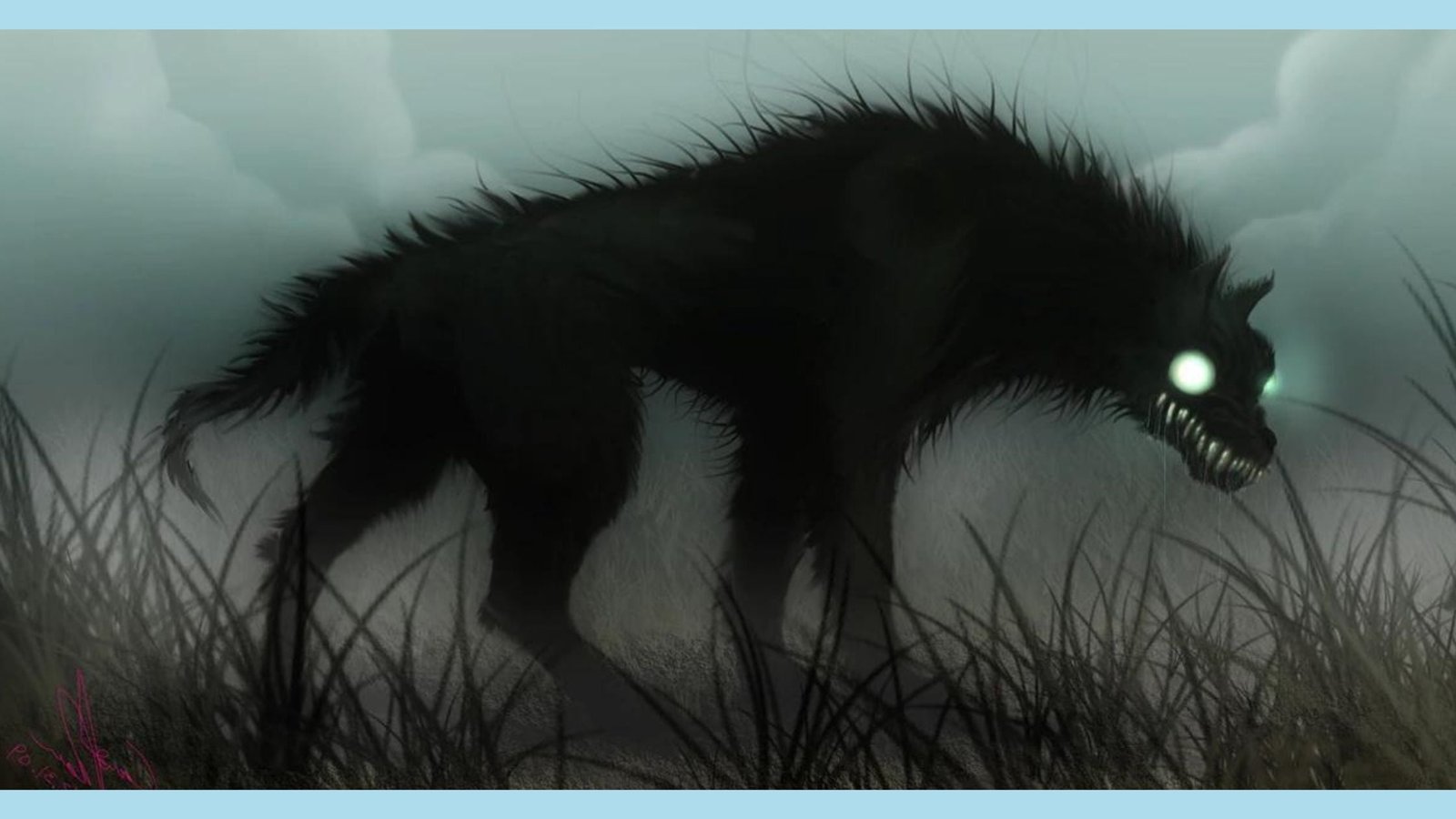
ANCIENT TALES AND STORIES ABOUT THE MYTHS OF THE BLACK DOG
Black dogs were important in many old stories and religions around the world. In Celtic myths, black dogs were seen as protectors with special powers. People believed they were connected to the spirit world beyond our world. Seeing a black dog was a good sign that meant spiritual guidance and safety.
Black Dogs and Native American People
In stories from Native American people too, black dogs were respected spiritual beings. They were thought to be messengers between the human world and the spirit world. These dogs were wise and would guide people on spiritual journeys to gain knowledge. People saw black dogs as special guides.
Black Dogs in Hinduism
In Hindu beliefs, black dogs have a special tie to Kali, the powerful goddess. Often, she’s shown with a black dog by her side. Kali stands for destruction and change. The black dog symbolizes her fierce nature, shielding people from bad forces and guiding followers toward enlightenment.
Ancient Egyptian Mythology About The Black Dog and The Afterlife
Anubis, the ancient Egyptian god, is usually depicted as a black dog or a man with a black dog’s head. He’s the lord of the afterlife, leading souls to the underworld. Here, the black dog symbolizes the link between death and rebirth, along with Anubis’ role as a guardian during the soul’s journey.
It’s key to remember that different cultures view black dogs in varying ways. Some see them as bad omens or evil symbols, while others view them as protectors, guides, or even divine beings. These diverse meanings show how complex and layered black dogs are in myths and religions.
CHALLENGING THE SUPERSTITIONS ABOUT BLACK DOGS
Though these superstitions have existed for ages, it’s crucial to approach them with a questioning mind. Often, superstitions stem from cultural beliefs and fears, not hard facts. For black dogs, their negative reputation may relate more to their looks and historical context than any real luck or lack of it.
Dark-Colored Pups: A Misunderstood Marvel
Firstly, let’s clear the air, black dogs are just regular pups, nothing supernatural about them. Their fur color doesn’t give them mystical powers or bring bad luck. The myths surrounding these furry friends come from human imagination, not facts.
Throughout history, people saw black as mysterious and linked it to negativity. This perception spilled into folklore and tales about black dogs being omens or spooky beings. Their dark coats might have made them symbols of the unknown and evil in people’s minds.
Black dogs were also often portrayed negatively in stories and artworks, showing them as signs of death or supernatural creatures. These depictions further fueled the myths and suspicions around them.
Give The Black Dog A Fair Shot
So here’s the reality, black dogs are just as loving, loyal, and friendly as any other pup. Their color has zero impact on their personality or behavior. They’re beautiful animals who deserve a chance, just like all other dogs.
It’s time we ditch these silly superstitions and recognize black dogs for who they truly are, furry companions seeking our love and care. We need to move past judging them solely by their coat and give these amazing pups the fair opportunity they deserve.
The Black Dog: A Historical and Cultural Journey
Did you know that in ancient Egypt, the god Anubis was often shown as a black dog or a man with a black dog’s head? Anubis wasn’t scary, though. He was respected and seen as a guide for souls going to the afterlife. Pretty cool, right?
Black dogs have also played important roles in stories and pop culture. Remember Sherlock Holmes’ loyal, smart dog Toby? Toby was black and helped Holmes solve mysteries. Holmes counted on Toby as part of his detective team.
Movies and TV shows often show black dogs as loving, loyal friends too. These positive portrayals challenge the negative ideas some people have about black dogs. They highlight how awesome black dogs really are!
Giving the Black Dog a Fair Chance
In recent years, people have been working hard to stop the unfair beliefs about black dogs. Animal shelters and rescue groups have run projects to encourage folks to adopt black dogs. They want people to see the unique beauty and amazing personalities of black dogs.
The goal is to get rid of the myths and have people focus on each black dog’s special qualities.
Black dogs are cool pets. Some folks think they bring luck or protection. Others see them as regular companions. Whatever the beliefs, black dogs deserve love and care like any other animal. Their fur color doesn’t matter, they are living beings worthy of respect.
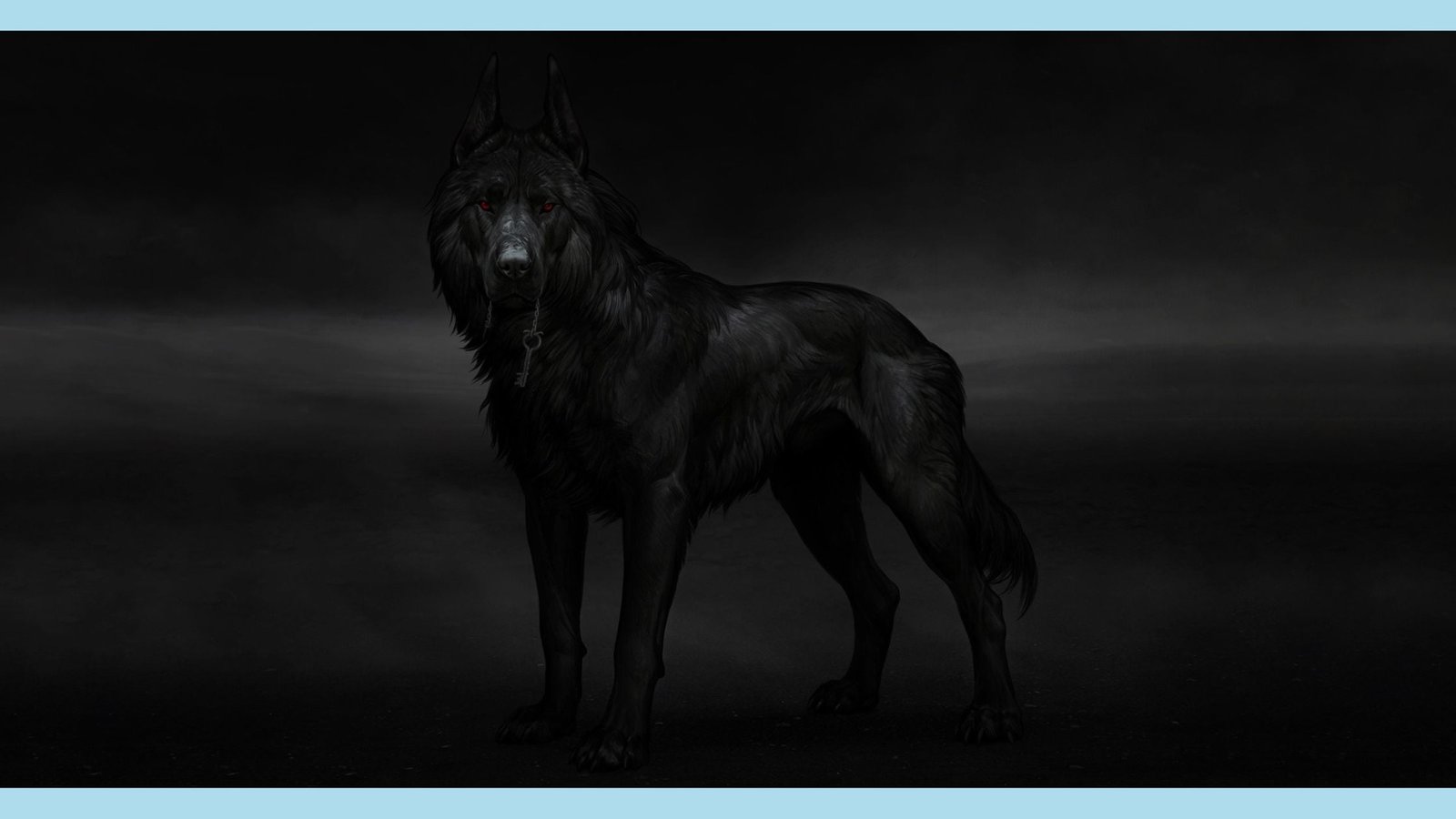
EMBRACE THE BLACK DOGS, DITCH OUTDATED BELIEFS
We should challenge beliefs that spread negative ideas about black dogs. These pets are no different from others and need love and kindness, regardless of coat color. By accepting diversity and rejecting unfair assumptions, we build a more caring world.

The Problem with the Black Dog Stereotypes
Superstitions are part of human cultures, passed down over generations. But we must question beliefs that unfairly judge others. The notion that black dogs bring bad luck has no scientific basis. It’s just a stereotype that discriminates against these animals.
Why do superstitions persist?
They give a sense of control and certainty in unpredictable times. Believing in them feels comforting, even if illogical. Superstitions also try to explain events we struggle to understand.
The Black Dog is Not Bad Luck
It’s easy to believe in superstitions, but we need to think critically. By questioning beliefs like black dogs bringing bad luck, we can understand the world better. This includes realizing that the color of a dog doesn’t make it unlucky or evil.
Accepting diversity isn’t just about people, it’s about all living things. Animals deserve kindness no matter their appearance. Black dogs need love and care just like any other dog. We can move past superstitions to create a more accepting society.
Whether a black dog is lucky or unlucky is up to personal beliefs. But by challenging superstitions and learning more, we can show empathy. We can treat all beings with respect, embracing diversity instead of judging appearances.
Real Anecdote: The “Ghost Radar” Myth in Old Inns
In parts of rural England, there is one quiet belief hotel owners still share. They do not call it bad luck. They call it a “mood stone.” One innkeeper in York said a black Lab named Pip would always stop and stare at one corner of the tavern. He would wag his tail slowly.
Guests often claimed the room felt cold. The owner does not believe in ghosts. But she trusts Pip. She says, “He sees things I cannot. And because he is black, he blends into the old shadows. He notices when a shadow moves wrong.” In these stories, the black dog is not the ghost, it is the calm, silent detector of the room’s true energy.
“Forget everything you heard about unlucky omens, a black dog isn’t a sign of trouble ahead, it’s a promise of loyalty that will follow you anywhere.”
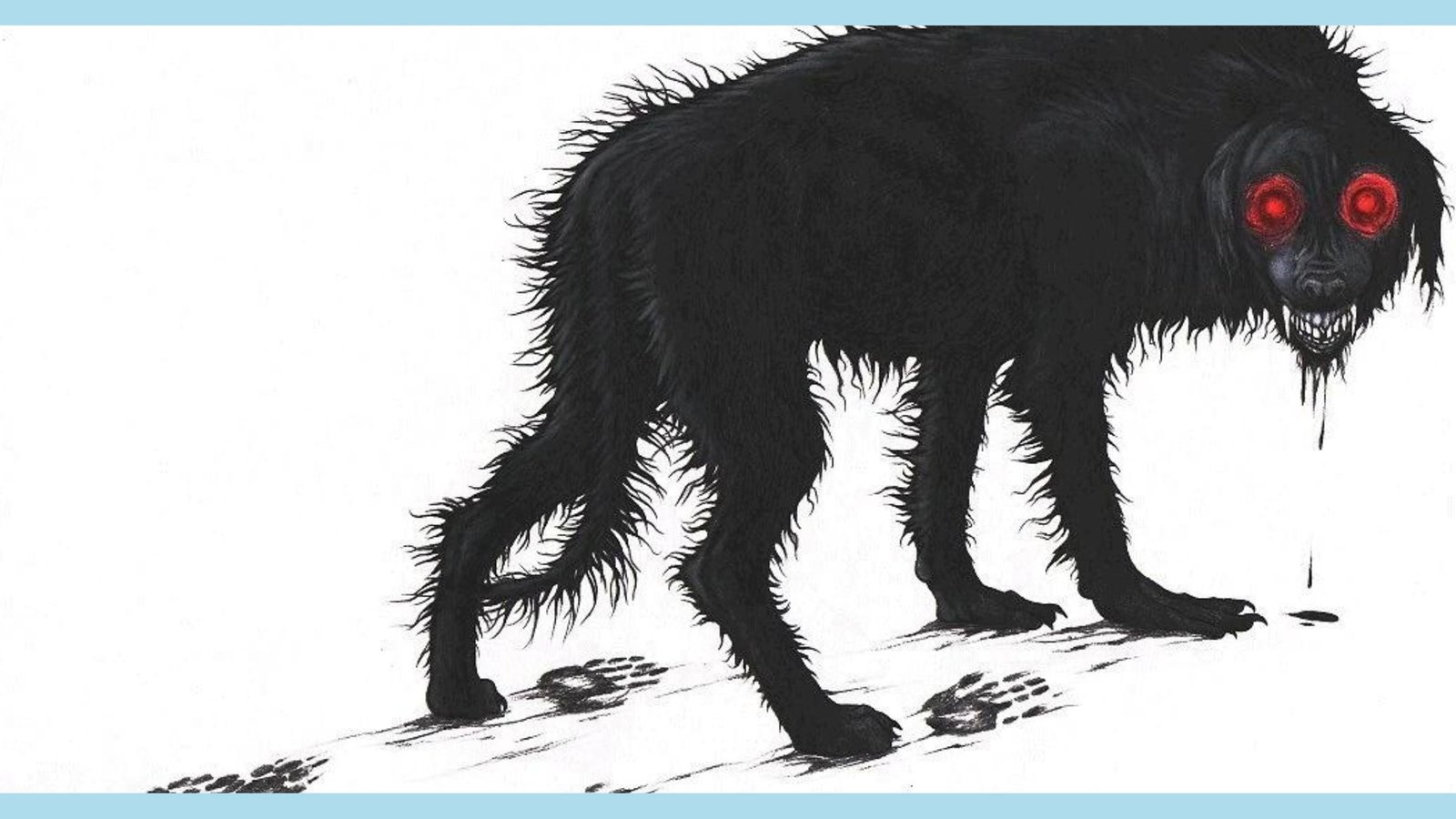
FAQ ABOUT THE BLACK DOG BELIEFS, MYTHS AND SYMBOLISM