

The heartworm disease, also called dirofilariasis is a fatal disease caused by Dirofilaria immitis, a foot-long parasite, let us tell you what kind of disease is the heartworm disease.

Quick Summary About the heartworm dog disease
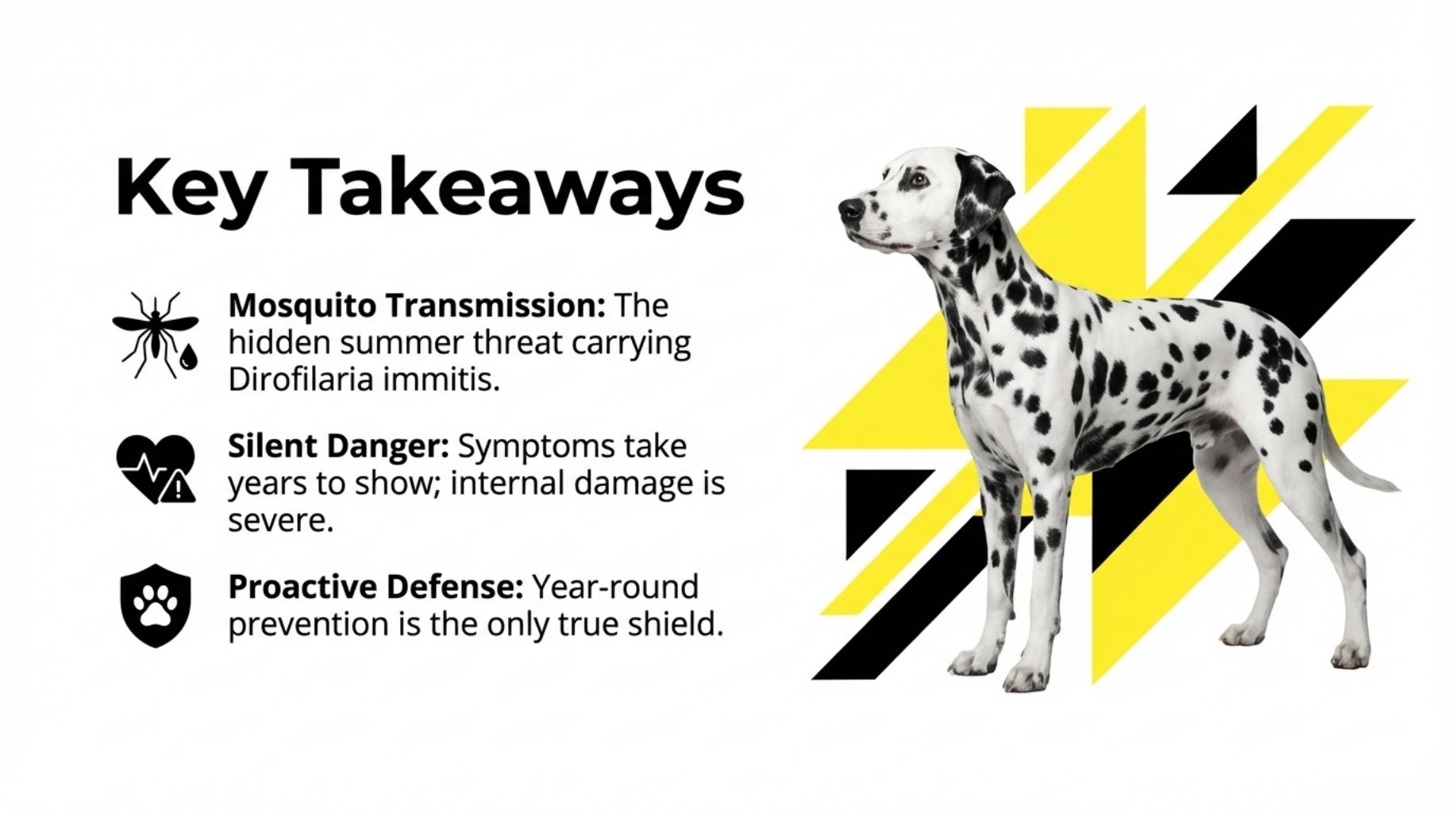
The guide explains that heartworm disease (dirofilariasis) is a serious and potentially fatal condition in dogs caused by the foot-long parasite Dirofilaria immitis. It is transmitted only by infected mosquitoes. When an infected mosquito bites a dog, it deposits larvae, which mature into adult worms living in the heart, lungs, and blood vessels over about 6 months. Symptoms like coughing, lethargy, weight loss, and a swollen belly due to fluid accumulation may not appear until the disease is advanced. Diagnosis involves blood tests, X-rays, or echocardiography. Treatment is complex, often involving medications to manage symptoms and kill the worms, but prevention is emphasized as the safest and most effective approach. We always recommend to consult a veterinarian and regular testing.
HEARTWORM DISEASE IN DOGS
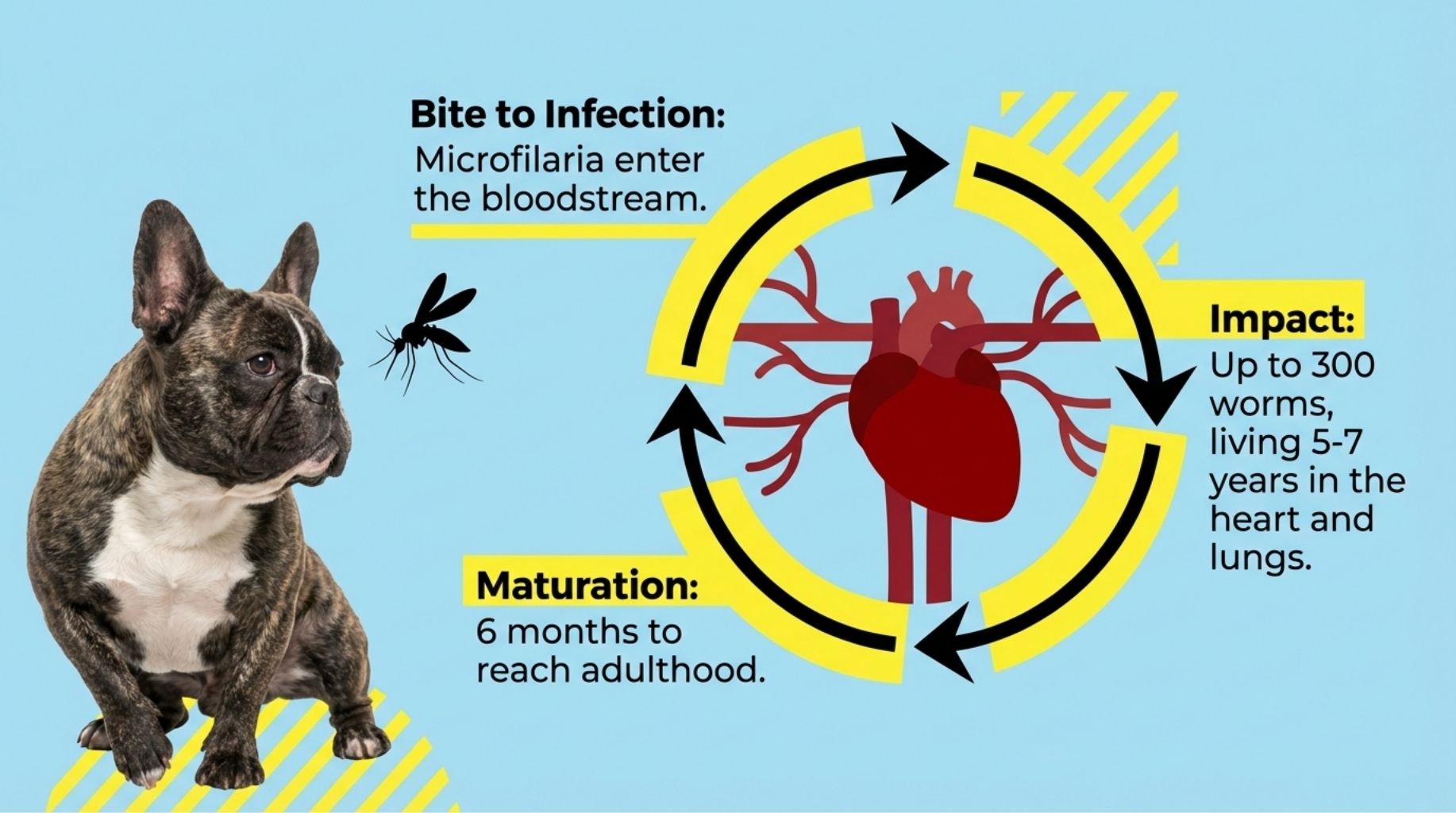
Those parasites live in the hearts, lungs and blood vessels in dogs. The heartworms can cause heart failure, damage to the arteries and lung diseases. Dogs are known to be natural hosts for heartworms. If heartworms get to live inside the dog, can easily mate and produce offspring. Their number can increase up to 300 worms, if the dog is untreated. That is why prevention is the best option.
How hearthworm disease is transmitted in Dogs?
The heartworm disease can only be spread by infected mosquito. This disease can be transmitted if adult female heartworm is already living in a dog. When is producing baby worms is known as microfilaria. The microfilaria circulate in the blood stream. Then is developing and maturing into larvae over a period of 10-14 days, and when the infected dog is bitten by the mosquito, the mosquito grabs these baby worms.
If the infected mosquito bites another dog, the larvae set down on the surface of the dog’s fur or skin, entering the new host with the help of the infected mosquito. When the larvae is inside the new host, the larvae matures into adult heartworms.
It takes approximately 6 months the larvae to become an adult heartworm. Those new developed heartworms can live for 5 to 7 years in your fury friends. This can cause internal damage of the heart, lungs and blood vessels. During the mosquito season the number of worms can increase in the infected dog due to the long life of the heartworms.
What Are The Symptoms of heartworm disease in Dogs?
It may take several years before dogs show some signs of infection. (in the early stages the dogs may show or may not show symptoms). Usually by the time the dog shows any clinical sign, the heartworm disease is well advanced.
Symptoms of heartworm disease include: Decreased appetite, weight loss, lethargy, soft dry and persistent cough, blood in urine, breathing distress, weakness or anemia.
When the disease progresses, the dog’s belly might look swollen because of the excess fluid in his or her abdomen. If the number of heartworms is large, they can block the blood flow of the heart’s vessels. This could lead to a cardiovascular collapse or heart failure. This life treating illness is known as ‘’ Caval Syndrome ’’.
What Kind of Tests Are Needed for The heartworm disease in Dogs?
As mentioned above the heartworm disease is a very serious and life threating disease. If it is detected and confirmed in the early stages, the chances for recovering are better. The presence of a heartworm can be tested only by a small blood sample of your dog.
Other ways to diagnose the disease is serological test for antigens to heartworms, chest x-rays (in order to see if there is a presence of heart or lung damage), echocardiography (in order to see if there is heart enlargement or presence of worms in the heart and associated blood vessels).
The Heartworm Lifecycle and Testing Timing
- The “Occult” Infection Window: A dog bitten by an infected mosquito will not test positive on the standard antigen test for about 5 to 7 months. This is because the test detects proteins from adult female worms, which take that long to mature.
- The Microfilaria Test: A separate blood test (a “direct smear” or “filter test“) looks for the circulating baby worms (microfilaria). However, not all infected dogs have microfilaria in their blood (an “occult” infection), which is why the antigen test is the primary diagnostic tool.
What is The Treatment for heartworm disease in Dogs?
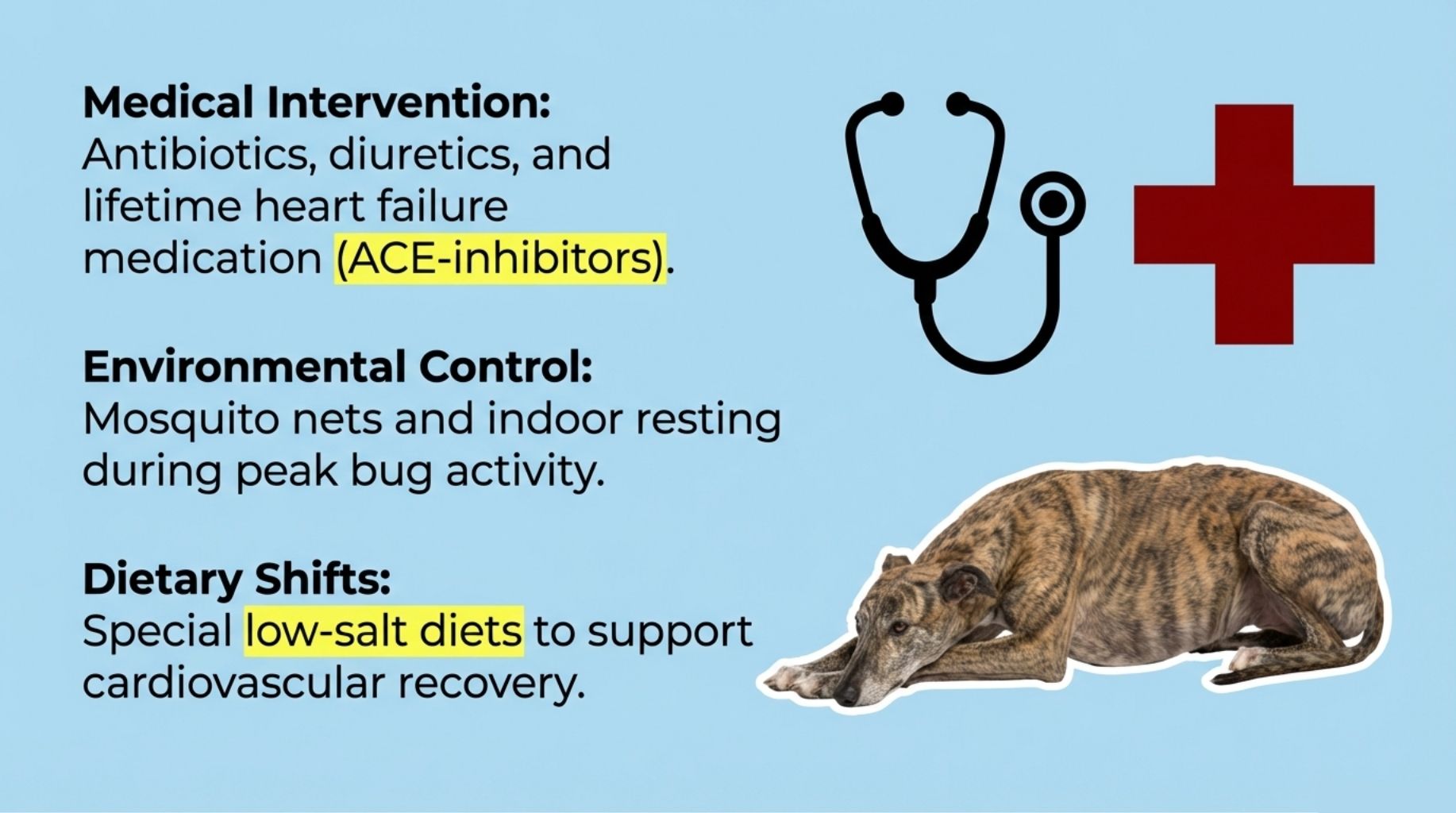
If your dog is diagnosed with severe heartworm disease your vet may give you antibiotics, pain relievers, drugs for improving the heart function, diuretics for removing the excess fluid in their lungs, and special diets.
The health of a lot of dogs who have the heartworm disease may improve, by showing weight gain, improved appetite, and renewed vitality, but might need a lifetime treatment for heart failure treated by using diuretics or other heart medication such as beta-blockers, cardiac glycosides and ACE-inhibitors, followed by special low-salt diets.
THE IMPORTANCE OF YEAR-ROUND PREVENTION
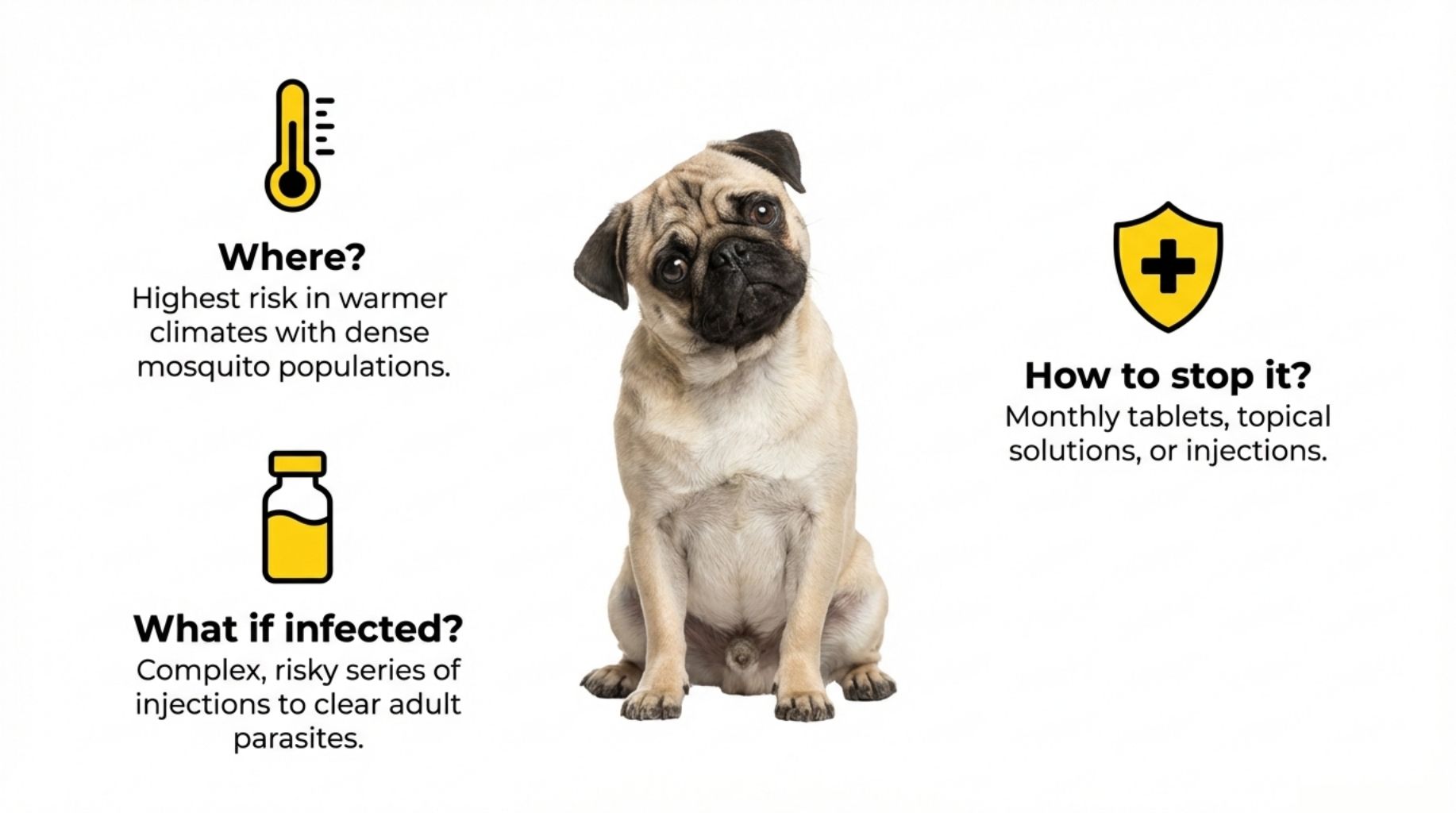
- Types of Preventatives: Heartworm preventatives come in multiple forms: monthly oral tablets, topical spot-on treatments, and a six-month injectable medication given by a veterinarian.
- Mechanism: These preventatives work by killing the immature larval stages (acquired in the previous 30-45 days) before they can develop into damaging adult worms. They do not kill adult heartworms.
- Year-Round Necessity: Even in areas with cold winters, veterinarians often recommend year-round prevention. Mosquitoes can survive indoors or appear during unexpected warm spells, and consistent dosing eliminates the risk of a lapse in protection. Missing just one dose can leave a dog vulnerable.
FREQUENTLY ASKED QUESTIONS ABOUT HEARTWORM DISEASE IN DOGS
WHAT TREATMENT IS NEEDED FOR INFECTED DOGS?
If your dog is diagnosed with the disease, treatment can be complex and costly. It’s crucial to follow your veterinarian’s guidance for a successful outcome.
The Adulticide Treatment Process And Risks
- Stabilization First: Before killing the adult worms, a vet must stabilize the dog, especially if it’s showing symptoms. This may involve exercise restriction and medications (like steroids or diuretics) to address heart and lung inflammation.
- The Arsenic-Based Injections: The only FDA-approved drug to kill adult heartworms (adulticide) is melarsomine, an arsenic-containing compound. It’s given as a series of deep intramuscular injections.
- Post-Treatment Danger: Strict exercise restriction is absolutely critical for 4-8 weeks after treatment. As the adult worms die and begin to decompose, they break into pieces that can travel to the lungs, potentially causing a life-threatening pulmonary embolism (blockage of blood vessels). This is a major risk the original article omits.
Lifestyle and Environmental Considerations
Reducing your dog’s exposure to mosquitoes, such as using mosquito nets or keeping them indoors during peak mosquito activity, can help lower the risk of infection.

Safeguarding Your Dog Against Heartworms
Ensuring your four-legged buddy stays healthy is crucial. Heartworm disease poses a severe risk, yet it’s avoidable with proper precautions. Grasping the dangers, indications, and treatment alternatives empowers you to safeguard your fur baby from this potentially life-threatening ailment.
Remember, prevention trumps cure, so consulting your vet is key to determining the optimal preventive measures tailored to your pup’s needs. By being proactive, you can guarantee your canine companion remains secure and thriving. As a responsible owner, you hold the power to shield your pooch from heartworms.
The simple yet vital step is scheduling regular consultations with your veterinarian and arranging biannual heartworm tests for adult dogs. This vigilance enables early detection and intervention, ensuring your furry friend remains safeguarded against this severe and potentially fatal disease.
Zoonotic Potential and Human Health (One Health Concept)
- Heartworms in Humans: While heartworm disease primarily affects dogs (and other animals like cats and ferrets), it is a zoonotic disease, meaning it can be transmitted from animals to humans. Humans are “dead-end hosts.”
- Human Infection: If an infected mosquito bites a human, the larvae usually cannot mature into adult worms. Instead, they migrate to other areas, often the lungs, where they die and form a small round lesion called a pulmonary dirofilariasis or a “coin lesion.“
- Medical Relevance: On a chest X-ray, these lesions can sometimes be mistaken for lung cancer, leading to unnecessary invasive procedures like biopsies to rule out malignancy. This underscores the public health importance of controlling heartworm in the canine population.

Geographic Distribution and Climate Change
- Expanding Range: Heartworm disease is not confined to the southern United States. It is found globally and has been diagnosed in all 50 U.S. states.
- Impact of Climate Change: Warmer temperatures and increased humidity create longer mosquito seasons and allow the parasite’s larvae to develop faster inside the mosquito. This has led to heartworm spreading into previously low-risk areas, such as the Pacific Northwest and parts of Canada, making year-round prevention increasingly important everywhere.
In summary, understanding the critical need for consistent, year-round prevention, the specific risks and strict protocols of the treatment process, and the broader public health context is essential for any dog owner. For the most accurate and personalized information, always consult your veterinarian. If you’d like to know more about a specific preventative option or the details of the treatment protocol, feel free to ask.
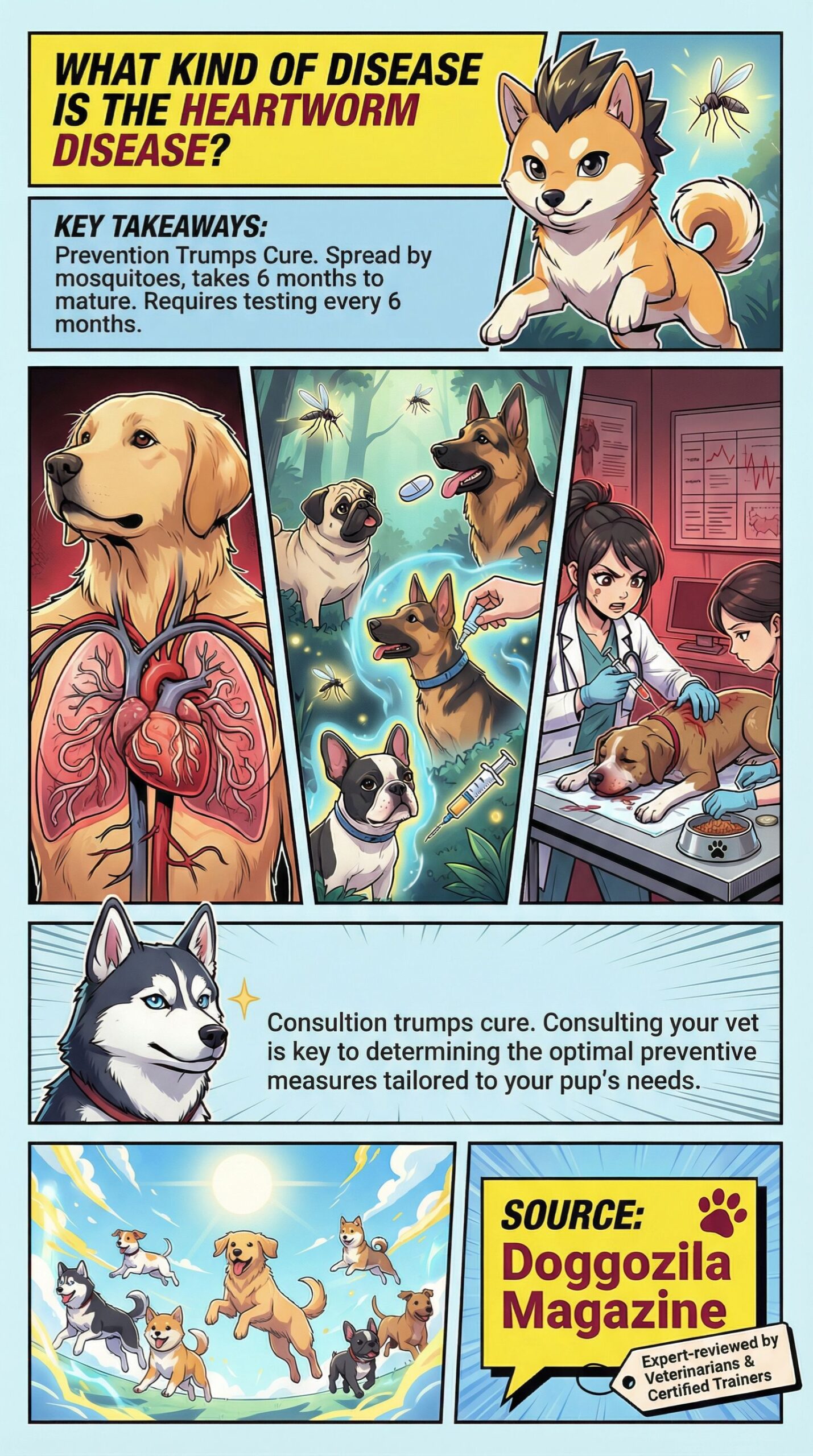
You as an owner can prevent your dog from getting heartworms. All you need is to consult with your veterinarian and test your adult dog for this serious and potentially fatal disease every six months.
Read more on this topic at Wiki Pages!