
Ah, dogs. Man’s best friend, the ultimate cuddle buddy, and sometimes… a walking dandruff factory. If your furry friend has been leaving a trail of flakes like a snowstorm in July, they might be dealing with seborrhea. Don’t worry, though, this isn’t a horror story. It’s just your dog’s skin throwing a little tantrum. Let’s dive into the world of seborrhea in dogs, because knowledge is power (and less itching).

WHAT IS SEBORRHEA IN DOGS?
Seborrhea is a common skin condition in dogs that manifests through flaky, scaly skin and excessive oiliness. This condition can significantly affect a dog’s quality of life, leading to discomfort and potential skin infections.
Understanding seborrhea is crucial for pet owners and veterinarians alike, particularly when it comes to distinguishing between its two primary forms: seborrhea sicca and seborrhea oleosa.
What are The Types of Seborrhea in Dogs?
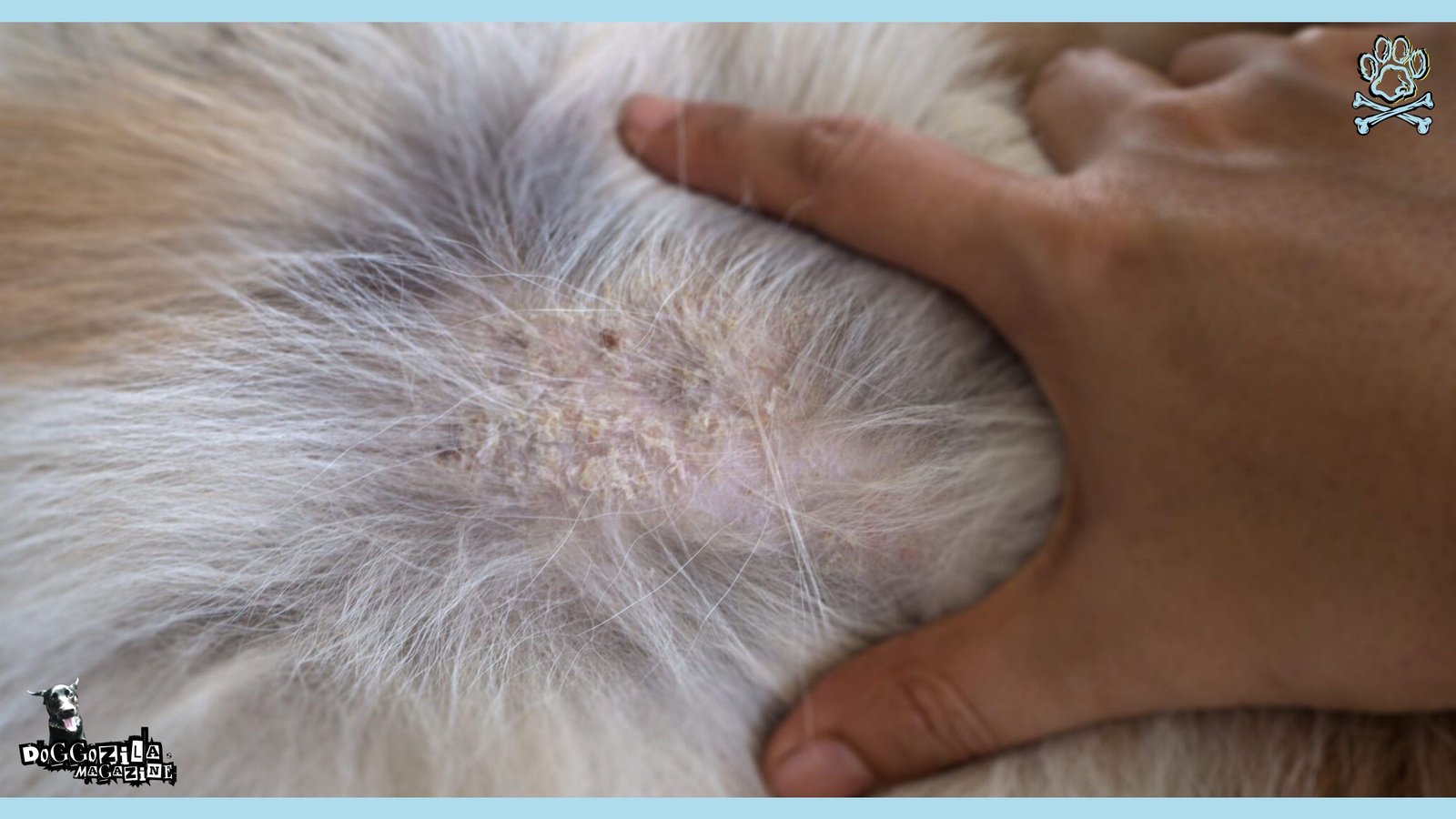
Seborrhea sicca, or dry seborrhea, is characterized by the presence of dry, flaky skin that may lead to itching and irritation. In this form, the skin does not produce excessive oil. Instead, it becomes dry and scaly, often resulting in the formation of dandruff-like flakes in dogs.
This type may be the result of various factors including environmental conditions, allergies, or underlying health issues. Treatment for seborrhea sicca often includes moisturizing shampoos and topical treatments to alleviate dryness and restore skin hydration.
On the other hand, seborrhea oleosa, or oily seborrhea, involves excessive oil production, leading to greasiness and a strong odor. This form can result in the accumulation of dirt and debris on the skin, which may further exacerbate skin conditions such as infections or dermatitis.
Seborrhea oleosa is often more challenging to manage due to the potential underlying causes, including hormonal abnormalities or skin infections in dogs. Management usually requires more intensive treatment strategies, including medicated shampoos designed to regulate oil production and reduce inflammation.
🔑 Key Points: Distinguishing between seborrhea sicca and seborrhea oleosa is vital for appropriate diagnosis and treatment. Proper identification not only helps in selecting the right therapeutic interventions but also aids in addressing any underlying conditions, ensuring the well-being and comfort of the affected dog.

WHAT ARE THE COMMON CAUSES OF SEBORRHEA IN DOGS?
Seborrhea in dogs is a multifaceted skin condition characterized by excessive oil production and flaking of the skin. Understanding the common causes is crucial for effective management and treatment.
How to Identify and Address the Seborrhea in Dogs?
One of the primary contributors to seborrhea is genetic predisposition, which can lead to a variety of skin issues in certain breeds. Breeds such as Cocker Spaniels, Basset Hounds, and West Highland White Terriers are known to be more susceptible to seborrheic conditions, highlighting the hereditary aspect of this skin disorder.
Dog allergies are another significant factor that can trigger seborrhea. Dogs may react adversely to environmental allergens, like pollen, mold, or dust mites, and food allergens which may consist of ingredients such as beef or wheat. These allergic reactions can provoke inflammation, leading to the overproduction of sebum.
Furthermore, hormonal imbalances, such as those caused by hypothyroidism or Cushing’s disease, can contribute to seborrhea. In such cases, the underlying hormonal condition must be addressed to improve the skin health of the affected dog.
Additionally, seborrhea may arise from various skin diseases, including bacterial infections or fungal infections like Malassezia yeast infections. These conditions can exacerbate skin irritation, leading to increased oiliness and flaking. It is essential to acknowledge that while seborrhea itself is not a contagious condition, the environmental or medical conditions contributing to it may pose a risk to other pets.
🔑 Key Points: Identifying and addressing the root cause of seborrheic dermatitis is vital for effective treatment. Proper diagnosis by a veterinarian can lead to tailored treatment plans that can restore the pet’s coat and skin integrity, improving their overall quality of life.
WHAT ARE THE SYMPTOMS AND SIGNS OF SEBORRHEA IN DOGS?
Understanding the symptoms and all of the signs from seborrhea in your dogs is crucial for early detection and appropriate treatment for managing and control of the disease.
Presence Of Flakes on The Dog’s Skin
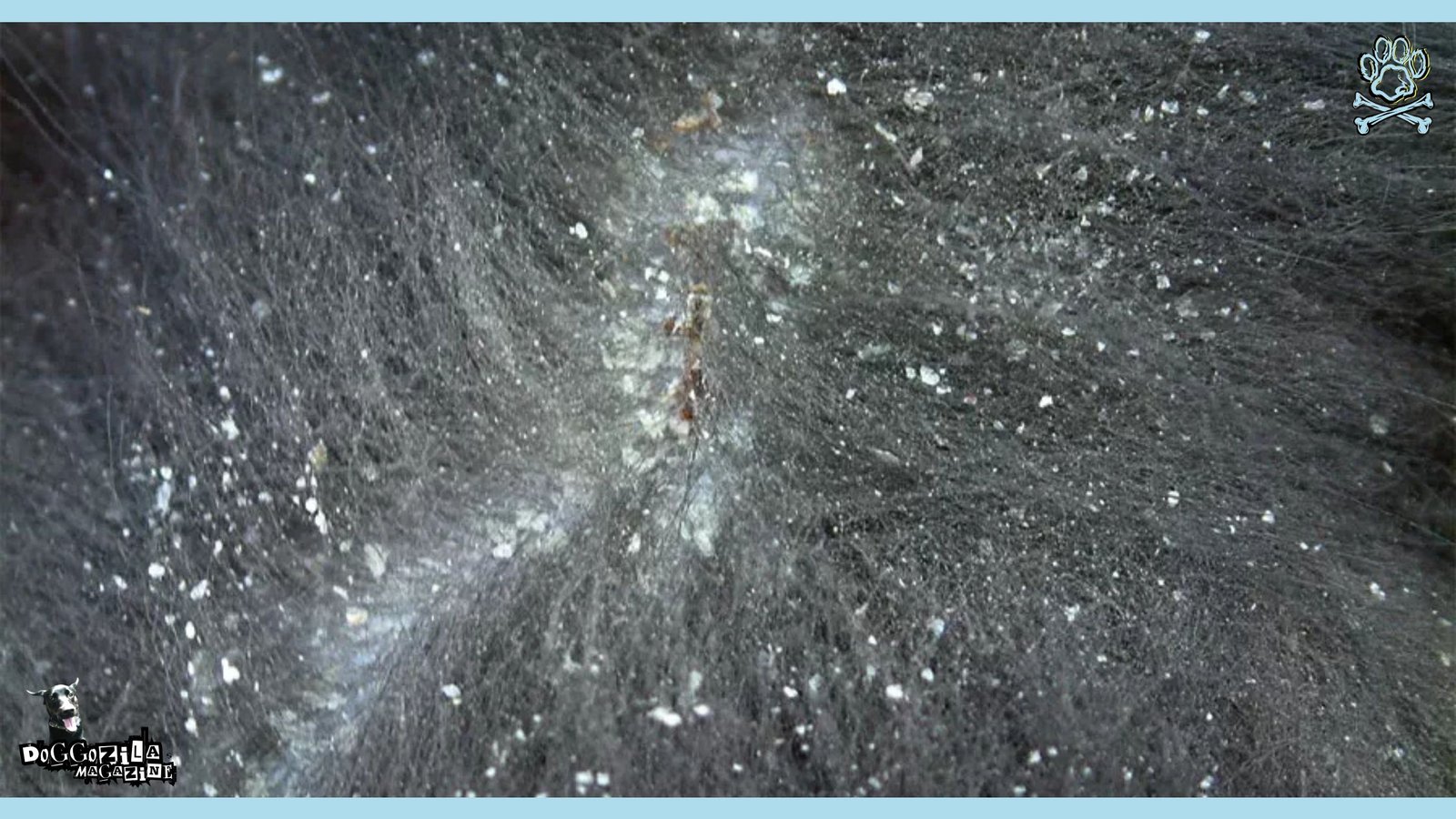
One of the primary indicators of this condition is the presence of flakes on the dog’s skin, which can either be greasy or dry in nature. Greasy flakes are typically associated with seborrhea oleosa, while dry flakes relate to seborrhea sicca. These flakes can be easily observed when petting the dog, particularly along the back, sides, and underbelly.
Itching or Irritation
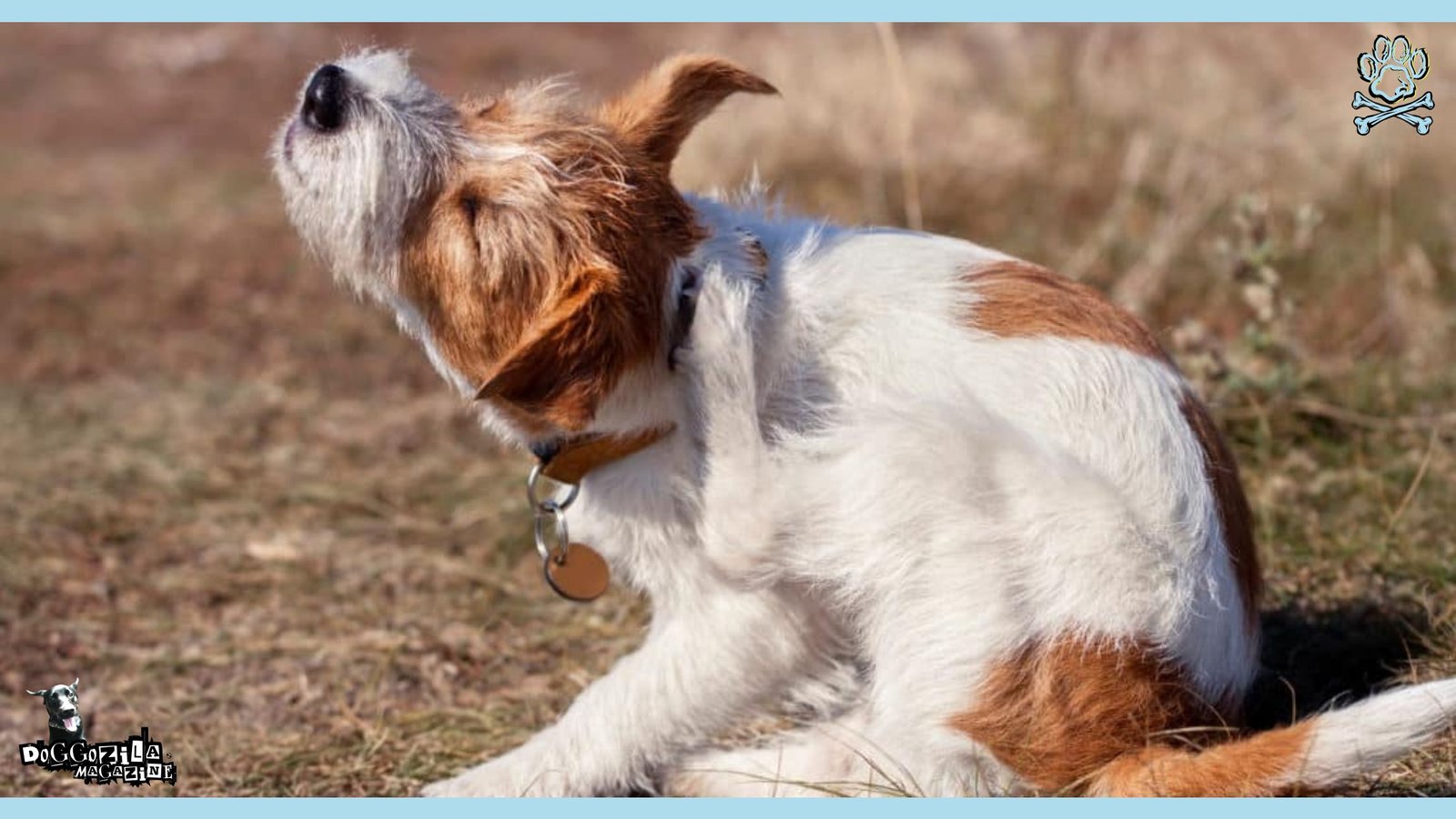
Another common symptom is itching or irritation, which can cause considerable distress to the affected dog. The dog may frequently scratch, bite, or lick at the areas showing signs of flakes.
This behavioral response is not merely a reflex, it reflects the dog’s attempt to relieve discomfort. Owners may also notice that affected areas might become red or inflamed, indicating a secondary infection or exacerbating factors such as allergies.
Development of an Unpleasant Odor
Additionally, seborrhea can lead to the development of an unpleasant odor. This is often due to the accumulation of oils and bacteria on the skin, particularly if the condition persists without treatment. The characteristic smell may serve as a signal for owners to seek veterinary advice.
Following these signs, a dog may also exhibit changes in behavior, becoming more agitated or anxious as the discomfort increases. In some cases, the dog’s coat will appear unkempt or discolored, further indicating that seborrhea might be present.
🔑 Key Points: Recognizing the symptoms of seborrhea, such as greasy or dry flakes, itching, skin redness, and unpleasant odors, enables dog owners to intervene early. This knowledge not only aids in maintaining the overall well-being of their pets but also enhances the quality of care they provide.
HOW TO DIAGNOSE SEBORRHEA IN DOGS?
Diagnosing is a critical process that involves confirming the condition and identifying its underlying causes. Veterinarians diagnose seborrhea in dogs through a physical examination and specialized laboratory tests to identify both the skin condition and its underlying cause.
Physical Veterinary Examination
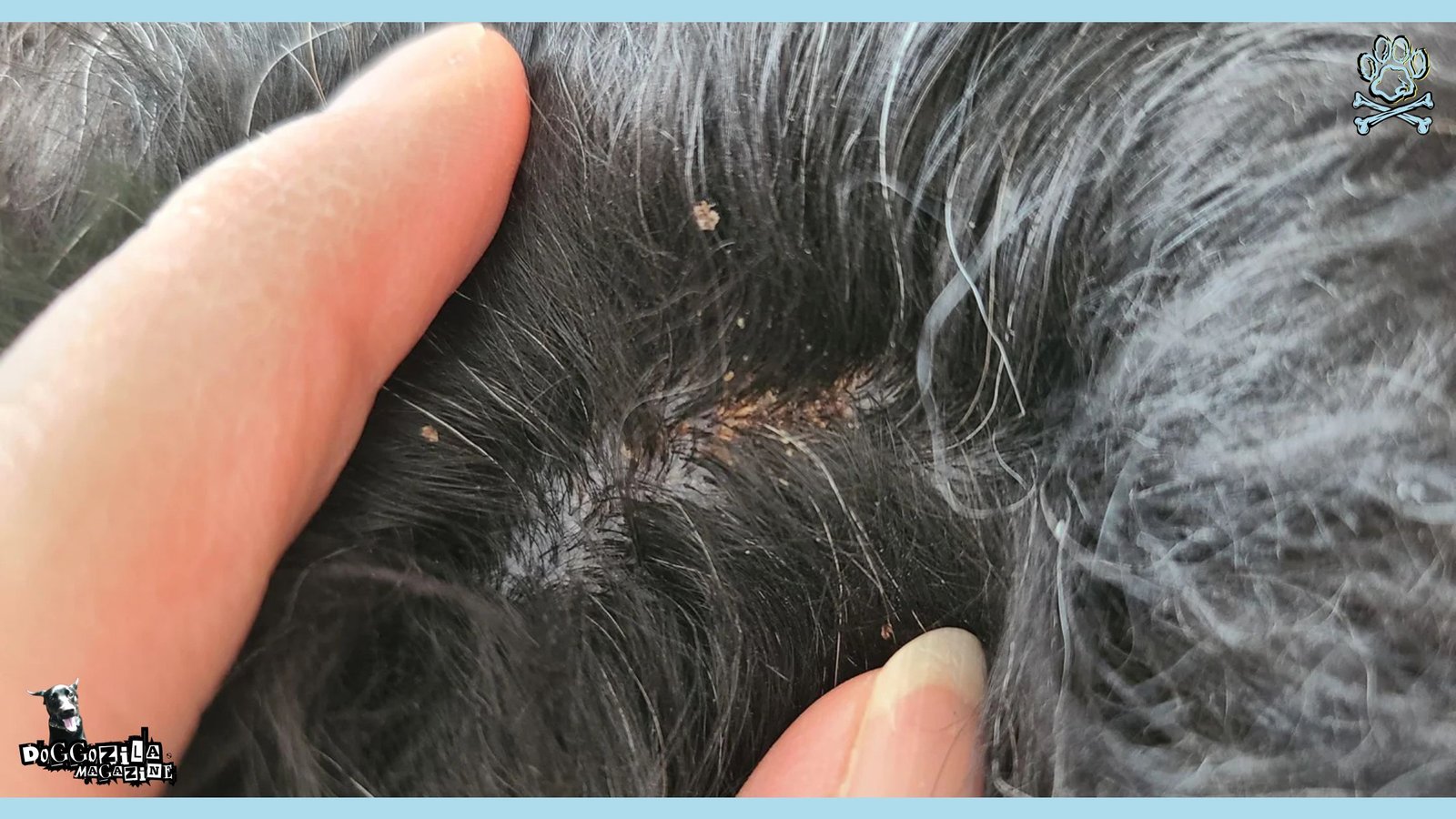
The first step in the diagnostic process is a thorough veterinary examination. During this examination, a veterinarian will assess the dog’s skin condition, fur texture, and any associated symptoms such as redness or itching, which are often indicative of seborrhea. The veterinarian will also look for any signs of secondary infections, as these can complicate the management of the condition.
Detailed Patient History
Following the physical examination, the veterinarian will take a detailed patient history. This history includes inquiries about the dog’s diet, any recent changes in lifestyle, medication, or exposure to allergens.
Understanding the dog’s background is essential for pinpointing potential environmental or dietary triggers that could be contributing to the development of seborrhea. Additionally, the veterinarian may ask about the duration of symptoms and any previous treatments that have been attempted.
Skin Scrapings, Allergy Tests, and Biopsies
In some cases, further tests may be necessary to rule out other skin conditions that may present similar symptoms to seborrhea. Tests such as skin scrapings, allergy tests, or biopsies may be performed to identify the presence of parasites, fungal infections, or allergies.
Such tests help to differentiate seborrhea from other conditions like dermatitis or pyoderma, which may require different treatment approaches. It is crucial to obtain professional input during this diagnostic phase to ensure that the most effective plan for treatment is established.
🔑 Key Points: Ultimately, a comprehensive approach combining physical examination, patient history, and diagnostic testing will provide a clear understanding of seborrhea’s presence and its potential underlying causes. This systematic evaluation is the cornerstone for effective management and treatment of the condition in dogs.
WHAT ARE THE TREATMENT OPTIONS FOR SEBORRHEA IN DOGS?
The treatment is a multifaceted approach that alleviate symptoms and address the causes.
Medicated Shampoos for Dogs
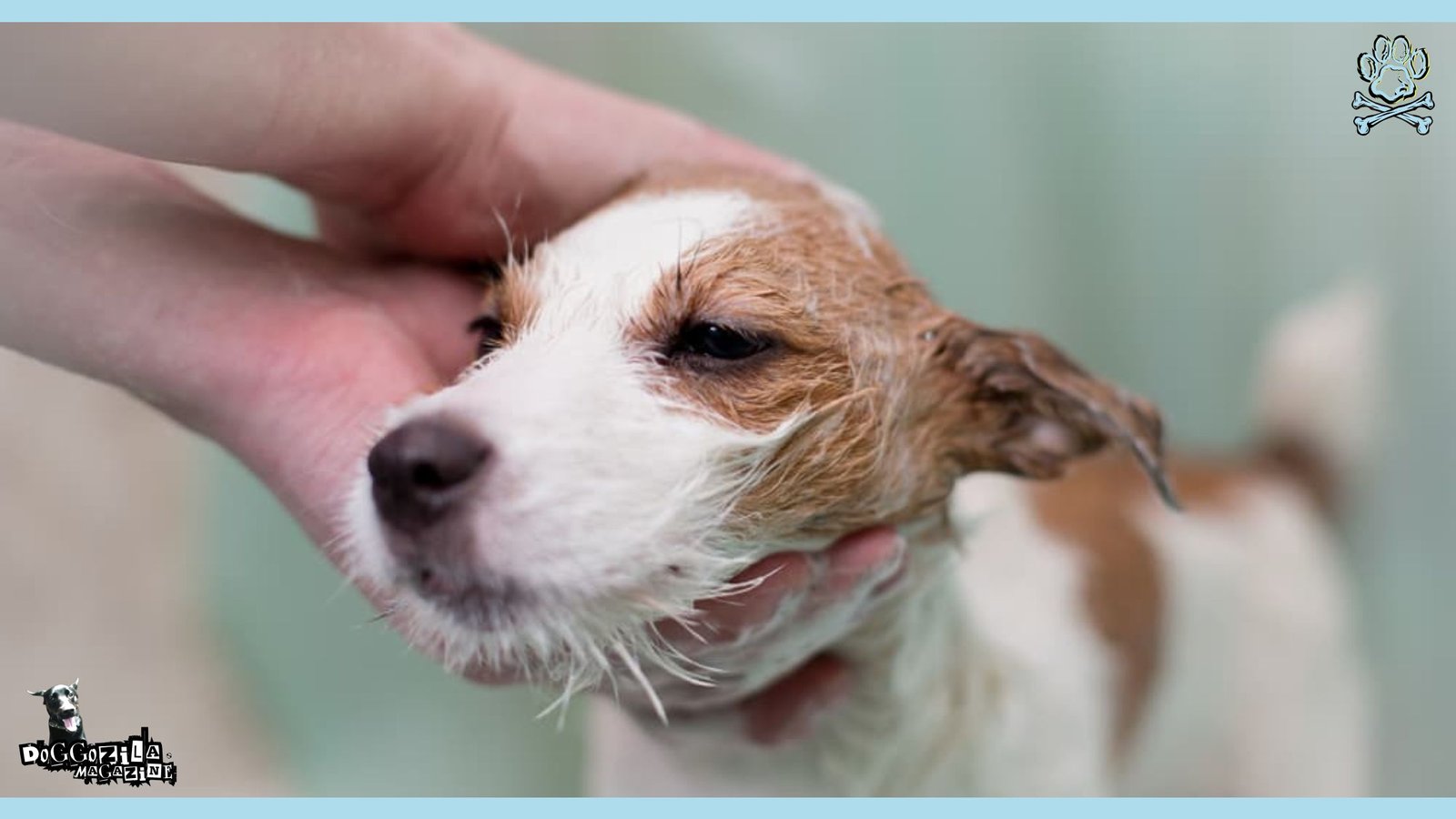
The first line of defense typically involves the use of medicated shampoos specifically designed to manage seborrhea. These shampoos often contain ingredients such as benzoyl peroxide, salicylic acid, or sulfur, which help to reduce flakiness and control oil production on the skin. Regular bathing with these specialized products can significantly improve the skin condition, as well as provide relief from itching and irritation.
Topical Treatments
In addition to medicated shampoos, topical treatments can play an essential role in managing seborrhea. These often include ointments or creams that may contain corticosteroids or other soothing agents, providing targeted relief to inflamed areas. It is crucial to follow the veterinarian’s recommendation regarding the frequency and type of topical treatment, as improper use can lead to further skin issues.
Dietary Adjustments
Dietary adjustments can also be a vital part of the treatment plan. High-quality, balanced dog diets rich in omega-3 fatty acids can improve skin health by promoting hydration and reducing inflammation.
In some cases, food allergies may exacerbate seborrhea; therefore, an elimination diet may be suggested by a veterinarian to identify potential allergens. This careful evaluation of the dog’s diet can lead to significant improvement in their condition.
Antibiotics or Antifungal Medications
In instances where an underlying infection is suspected, the use of antibiotics or antifungal medications may be necessary. Addressing these complications is critical not only for alleviating symptoms but also for ensuring long-term management of seborrhea. It is important to work closely with a veterinarian to identify and treat any secondary infections effectively.
🔑 Key Points: Try to use medicated shampoos specifically designed to manage seborrhea. Topical treatments and balanced diets can play an essential role in managing seborrhea. Use of antibiotics or antifungal medications may be necessary if infections happen. Ultimately, a comprehensive treatment approach that combines these strategies is essential for managing seborrhea in dogs, enhancing their overall well-being and comfort.
HOME CARE AND MANAGEMENT FOR DOGS WITH SEBORRHEA
Managing seborrhea requires a thoughtful care at home, focusing on hygiene and diet.
Regular Bathing Schedule
One of the most essential aspects of home care is establishing a regular bathing schedule tailored to the dog’s needs. For dogs with seborrhea, a gentle, medicated shampoo can help alleviate symptoms and reduce skin flakiness and irritation.
Typically, it is recommended to bathe the dog every 1 to 2 weeks, but this can vary based on the severity of the condition and the specific product being used. Always consult your veterinarian for guidance on suitable products and frequency.
Clean Environment
In addition to bathing, it is vital to keep an eye on the dog’s environment. Many dogs with seborrhea may have sensitivities to allergens, such as dust, pollen, or certain food ingredients. Regularly cleaning the living area can help minimize exposure to potential irritants. This includes washing bedding, vacuuming, and ensuring that the areas where the dog spends time are free from allergens.
Balanced And Nutritious Diet
Diet plays a significant role in managing seborrhea as well. A balanced and nutritious diet can contribute positively to a dog’s skin health. High-quality dog food should include essential fatty acids, which are known to promote a healthy coat and skin.
Some dog owners may also consider incorporating supplements, such as fish oil or omega-3 fatty acids, but it’s crucial to discuss this with a veterinarian before beginning any new supplement regimen.
🔑 Key Points: Regular veterinary visits are paramount in the ongoing management of seborrhea. These visits allow for monitoring of the condition and facilitate timely adjustments to treatment plans as necessary. Discussing any changes in symptoms or behavior with the vet can aid in addressing the condition effectively, ensuring the dog remains comfortable and healthy.
WHEN TO SEEK VETERINARY CARE FOR SEBORRHEA IN DOGS?
As a responsible pet owner, recognizing when to seek veterinary care for seborrhea in dogs is crucial for your dog’s health and well-being. Commonly, seborrhea manifests through various symptoms such as excessive itching, flaky skin, and an oily coat. However, there are specific circumstances where immediate veterinary intervention is necessary.
Excessive Scratching, Biting or Chewing at The Skin
If you notice any signs of severe distress, such as excessive scratching, biting, or chewing at the skin, it may indicate that the condition is worsening. These behaviors often suggest that your dog is experiencing pronounced discomfort or pain, and prompt veterinary attention is advised.
Pus-Filled Bumps, an Unpleasant Odor or Increased Redness and Soreness
Moreover, if your dog develops a secondary infection, you may observe additional signs such as pus-filled bumps, an unpleasant odor, or increased redness and soreness in the affected areas. Secondary infections can complicate seborrhea, leading to further health complications. Thus, early intervention is vital in alleviating your dog’s discomfort and preventing more serious health issues.
Regular Veterinary Check-Ups
Regular veterinary check-ups are also essential, even if your dog does not show overt symptoms. These visits allow for early detection and proactive management of underlying issues that may contribute to seborrhea.
If your veterinarian diagnoses seborrhea, they may recommend a tailored treatment plan, which could include medicated shampoos, dietary adjustments, or prescription medications. Monitoring your dog’s response to treatment is important, and if their condition does not improve or worsens over time, returning to the vet for further evaluation is necessary.
🔑 Key Points: Being vigilant about your dog’s health and recognizing the signs that warrant veterinary care for seborrhea can significantly impact their quality of life. Prompt action can assist in managing this skin condition effectively and in maintaining your dog’s overall well-being.
Funny Bone Moment: When Your Dog Becomes a Meme
Let’s face it, if your dog has seborrhea, they might accidentally become the star of a viral meme.
Picture this:
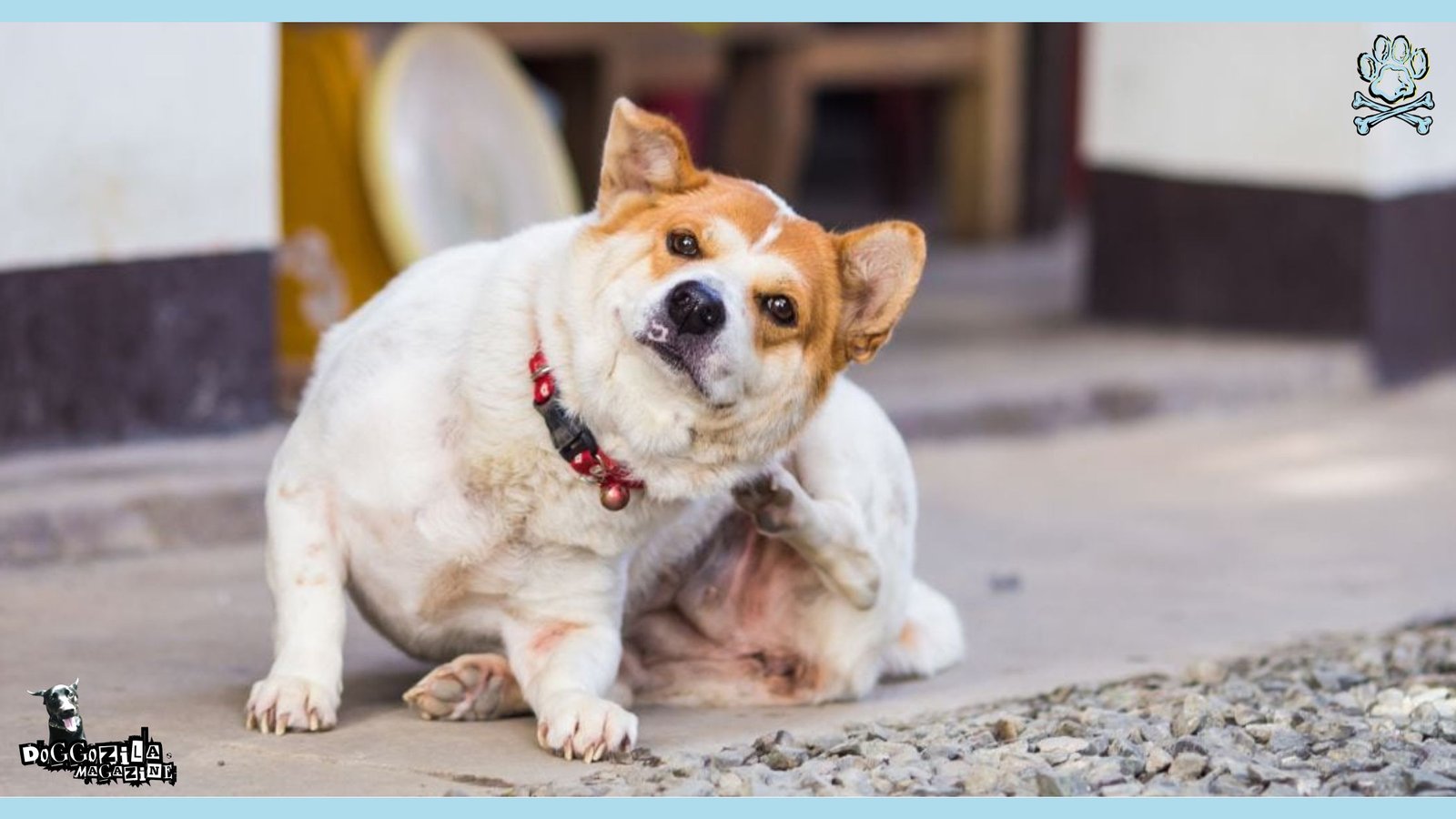
your pup, mid-scratch, with a caption like,
“When you realize it’s Monday.”
Or a close-up of their flaky skin with the text:
“I’m not crying, you’re crying… and so is my skin.”
But hey, every dog has their quirks. Whether they’re flaky, greasy, or just a little stinky, they’re still your best friend. And with a little TLC, they’ll be back to their shiny, happy selves in no time.
Final Thoughts: Love Your Dog, Flakes and All
Seborrhea might sound scary, but it’s just another bump in the road of dog ownership. With the right care, your dog can go from flaky to fabulous. So, grab that medicated shampoo, stock up on omega-3s, and give your pup some extra love. After all, they’re worth it, even if they do leave a trail of dandruff wherever they go.

FREQUENTLY ASKED QUESTIONS
Frequently asked questions about seborrhea in dogs and guidance about what to do!
Now, go hug your dog (and maybe vacuum the couch).

So, go forth and share our flaky yet fabulous article!