
That sudden, dramatic honking sound from your happy dog can be terrifying. Your pup freezes. Their neck stretches forward. Their eyes might bulge slightly. They make loud snorting noises like they cannot breathe. Then just as fast as it started, it stops. Your dog wags their tail and walks away completely normal. What just happened? You just witnessed reverse sneezing in dogs.
This article will explain everything you need to know. You will learn what causes it, and you will find out which breeds do it most. You will discover how to stop episodes in seconds. No more panic. Just clear answers and peace of mind.
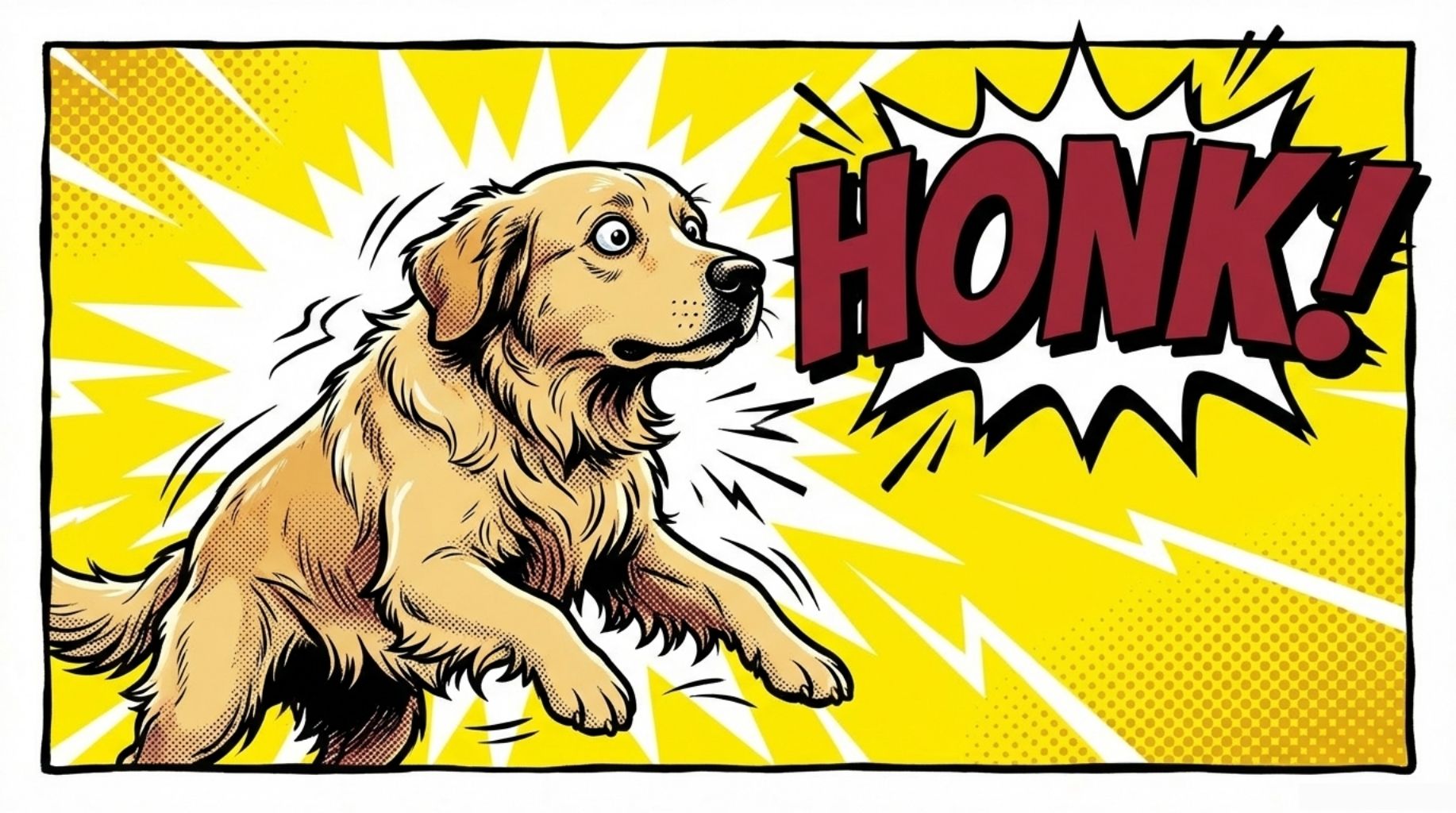
“That sudden, dramatic honking sound from your happy dog can be terrifying. Relax, it is almost always harmless. Also it’s easy to stop.”
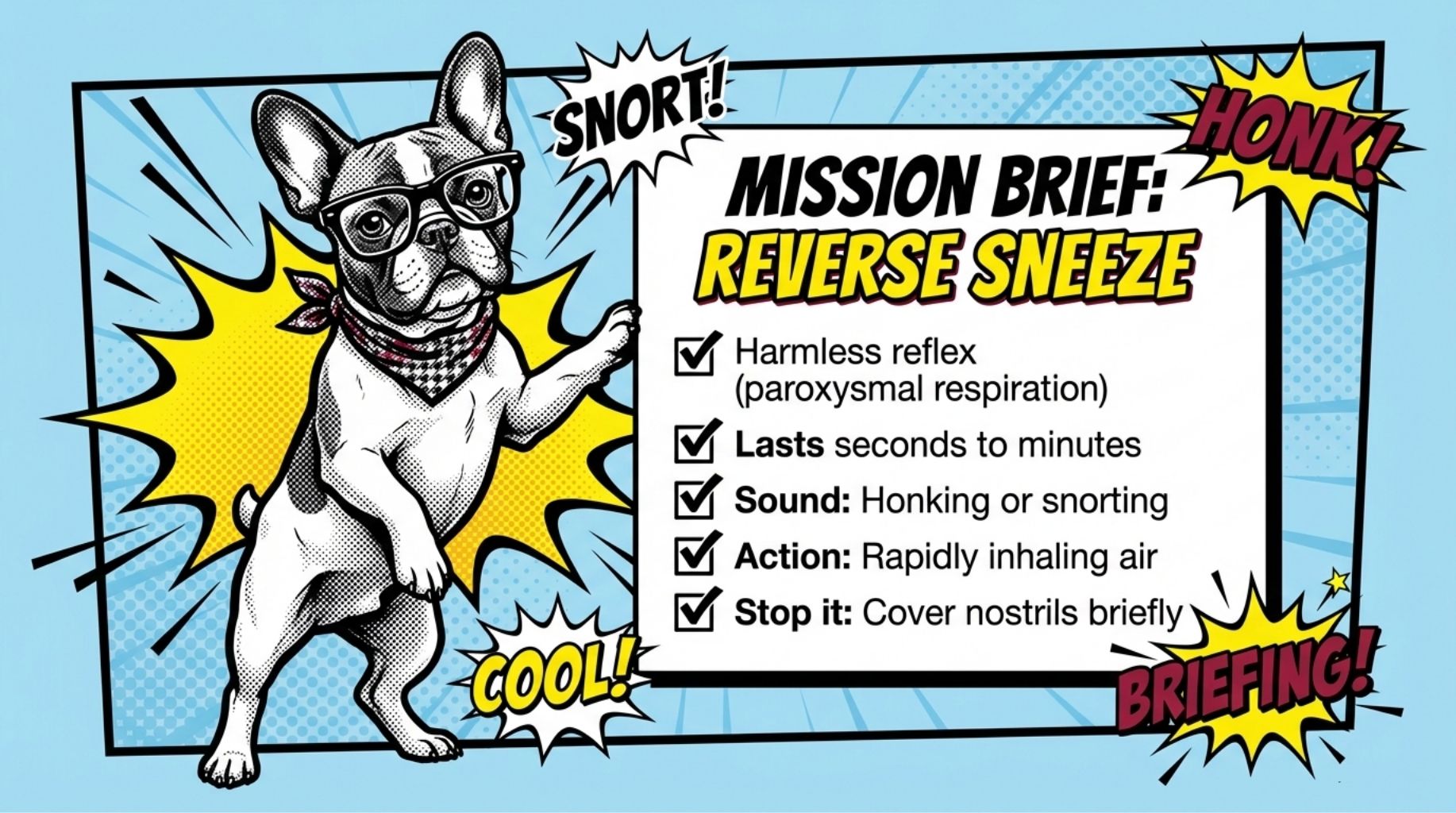
Quick Summary About REVERSE SNEEZING IN DOGS
This guide explains all about reverse sneezing in dogs. So, you will learn what causes it. You will find out which breeds do it most. You will discover how to stop episodes fast. We share real stories from other dog owners. Also we offer expert tips to prevent future episodes. We will point to you when it’s time to call the vet. No more panic. Just clear, helpful answers you can trust.
WHAT IS REVERSE SNEEZING IN DOGS?
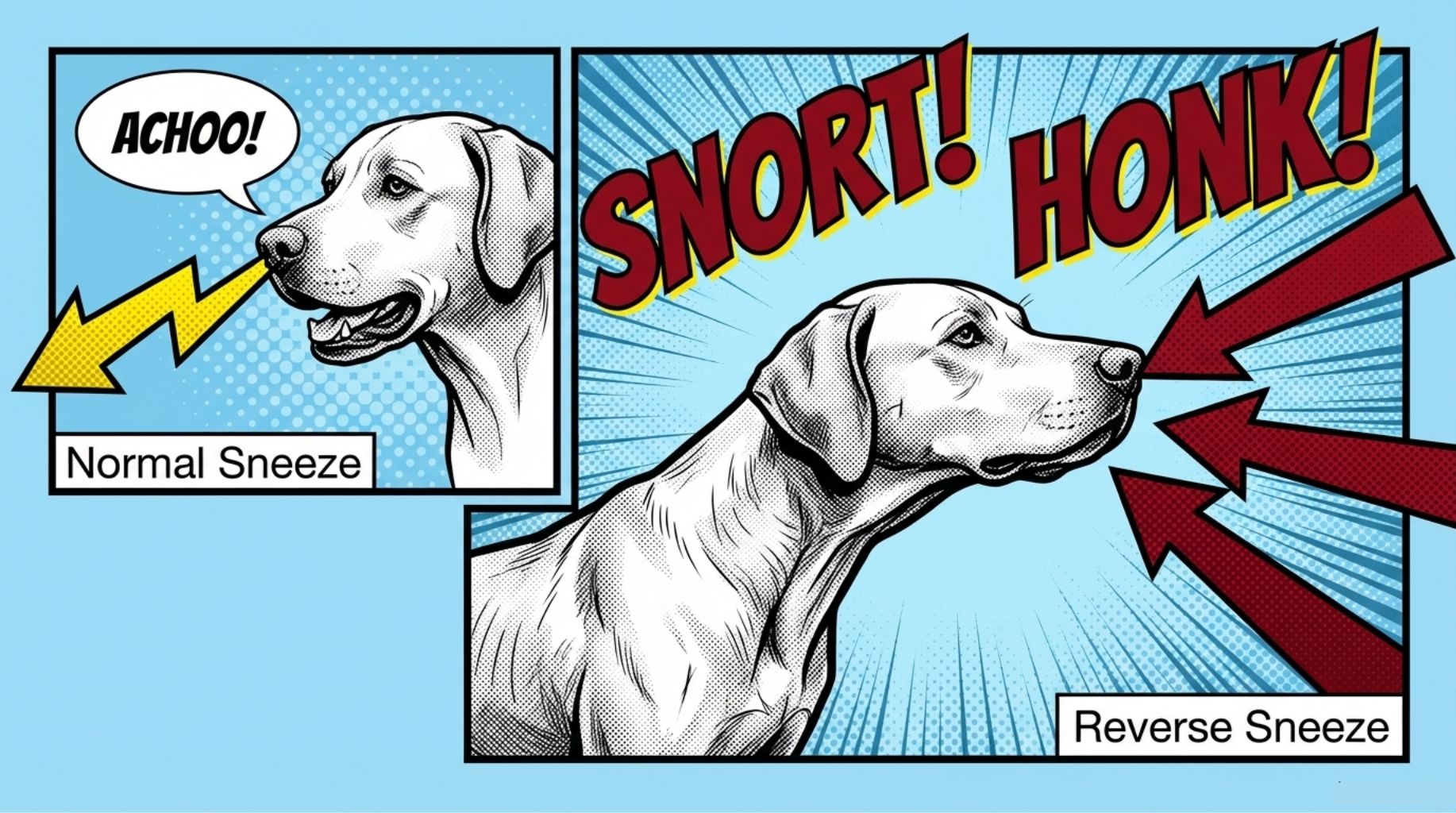
Reverse sneezing in dogs is a sudden reflex. Your dog rapidly pulls air in through the nose. It makes a series of loud snorts or honks. It is the exact opposite of a normal sneeze. A normal sneeze pushes air out. Reverse sneezing pulls air in. During an episode, your dog’s neck extends. Their chest heaves up and down. It often sounds like a goose honk or a pig snort.
Most episodes last between five and sixty seconds. Very rarely, they can go up to two minutes. Your dog stays fully alert the whole time. They look comfortable, just a little dramatic. When it ends, they bounce back instantly. It is not a true emergency in most cases. It is just a dramatic way to clear the back of the nasal passages. Vets call this “paroxysmal respiration.” But most just call it reverse sneezing.
Why Does It Look So Scary?
The sound is the scariest part. It comes from deep in the throat. It echoes and seems loud. Your dog’s eyes might look wide. Their body freezes in a strange pose. All of this makes owners think something is terribly wrong. But inside, your dog is fine. They are not choking, and they are not in pain. They are just having a funny reflex. Knowing this helps you stay calm. And staying calm helps your dog relax faster.
Is It the Same as a Normal Sneeze?
No, it is very different. A normal sneeze pushes air out fast. It clears the front of the nose. Reverse sneezing pulls air in fast. It clears the very back of the throat area. Think of it like this: a sneeze is a blast of air out. Reverse sneezing is a gasp of air in. Both are reflexes. Both clear things out. They just work on different spots.
🔑 Key Points: Reverse sneezing in dogs is when they quickly pull air in through the nose. It makes loud snorting sounds. Episodes last just seconds. Afterward, your dog acts completely normal. It is not a breathing emergency. It just looks and sounds scary.
WHAT CAUSES REVERSE SNEEZING IN DOGS?
Vets from Cornell University and PetMD explain the cause simply. Irritation happens in the nasopharynx. That is the area behind the nose and above the soft palate. This irritation makes the soft palate spasm. The spasm narrows the airway briefly. Your dog then pulls air in fast to clear it. That fast pulling creates the honking sound.
Common Triggers You Should Know
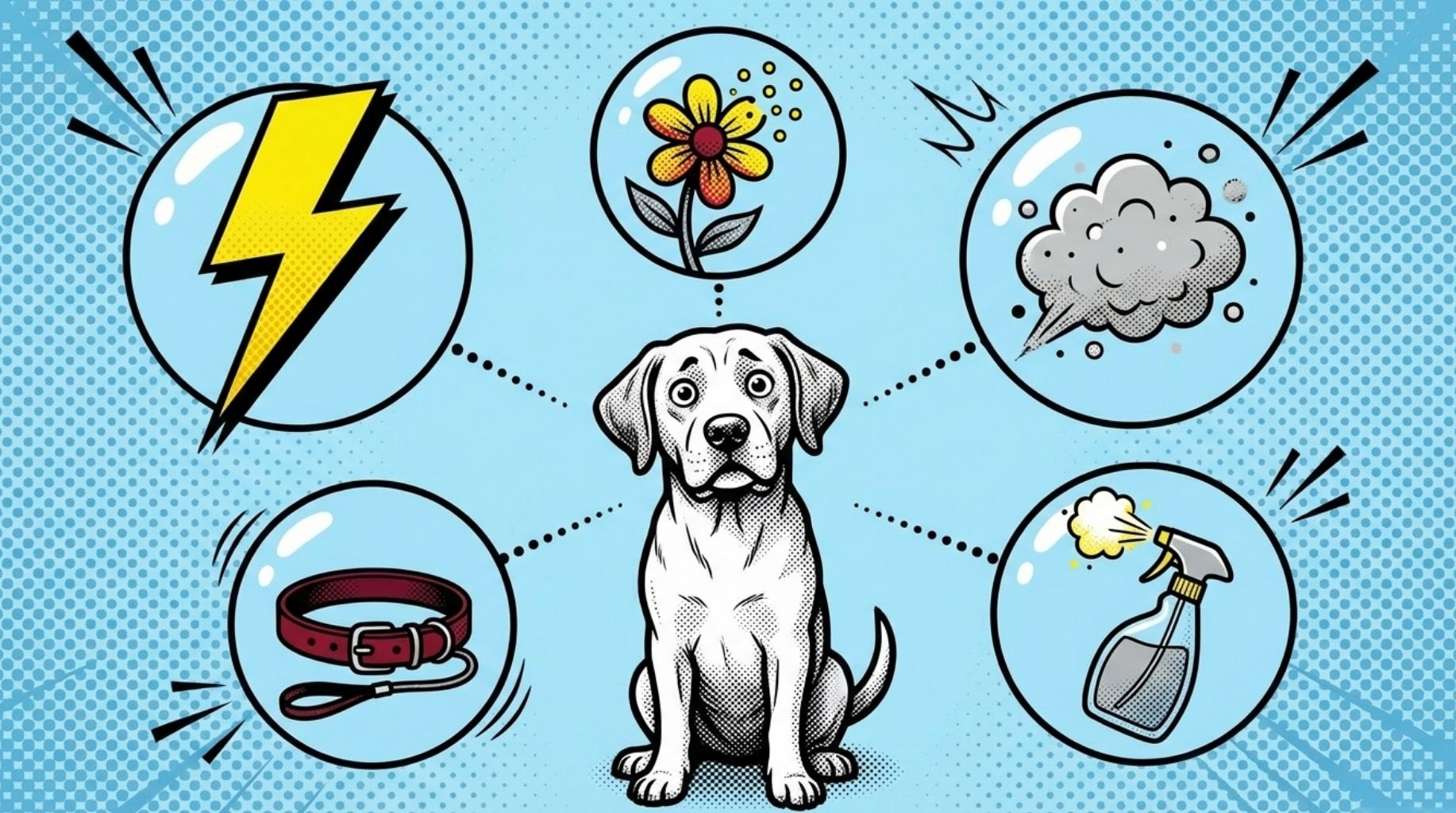
Many things can trigger this reflex. Allergens are a big one. Pollen, dust, mold, and smoke can all cause it. Even perfumes and household cleaners might set it off. Excitement is another common trigger. Your dog might do it when you come home. They might do it during exciting playtime. Eating or drinking too fast can start it too. Leash pressure on the throat is a factor.
If your dog pulls on a collar, it can trigger episodes. Nasal mites are a possible cause. Post-nasal drip from mild colds can also do it. Sudden changes in temperature or humidity matter. Going from warm inside to cold outside might start an episode. Brachycephalic dogs have longer soft palates. Their anatomy makes them more prone to this reflex.
What Does the Latest Research Shows?
A 2022 study in Veterinary Sciences looked at 30 cases. It confirmed that reverse sneezing in dogs is a benign reflex. It is triggered by touch or irritation. The study found no strong link to age or sex. But it did find that small dogs are much more common. Over half of the cases were in dogs under five kilograms. So, size matters a lot. The reflex itself is harmless. It is just the body’s way of responding.
🔑 Key Points: Irritation in the throat area makes the soft palate spasm. This triggers the reflex. Allergens like pollen and dust are common causes. Excitement and eating too fast can also start it. Pulling on a collar is another trigger. Small dogs and flat-faced breeds do it most often.
WHICH BREEDS REVERSE SNEEZE THE MOST?
Some breeds do this much more than others. Their anatomy makes them prone.
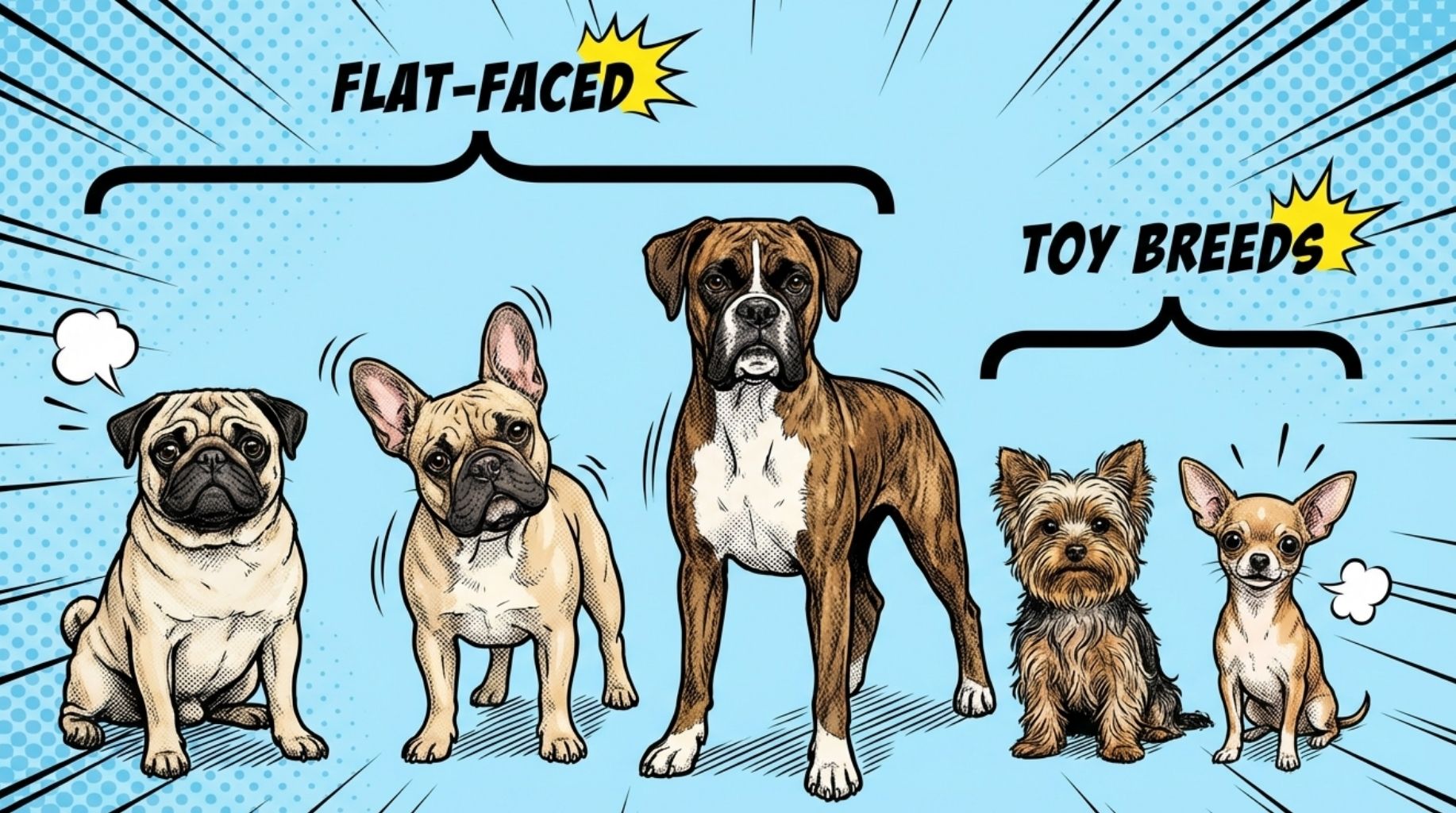
Small dogs top the list. Flat-faced breeds are also very common.
Brachycephalic Breeds
These are the flat-faced dogs. Their short noses come with longer soft palates. This makes reverse sneezing very common. Pugs are famous for it. French Bulldogs do it often. English Bulldogs too. Boxers, Boston Terriers, Shih Tzus, and Pekingese all make the list. Their cute flat faces come with this quirky trait.
Small and Toy Breeds
Tiny dogs also reverse sneeze a lot. Yorkshire Terriers are prone to it. Chihuahuas do it often. Maltese, Pomeranians, and Miniature Schnauzers all have episodes. Cavalier King Charles Spaniels are on the list too. Their small size seems to be a factor.
Other Breeds That Do It
Beagles are known for reverse sneezing. Many small mixed breeds also do it. The 2022 study found that size matters most. Dogs under five kilograms are the biggest group. So if your dog is small, do not be surprised by the honks.
🔑 Key Points: Dogs do this much more than cats do. It is completely painless. Your dog feels no discomfort at all. Each dog may have its own unique sound. Some sound like geese honking. Others sound like pigs snorting. It is just part of who they are.
DO SENIOR DOGS STILL REVERSE SNEEZE?
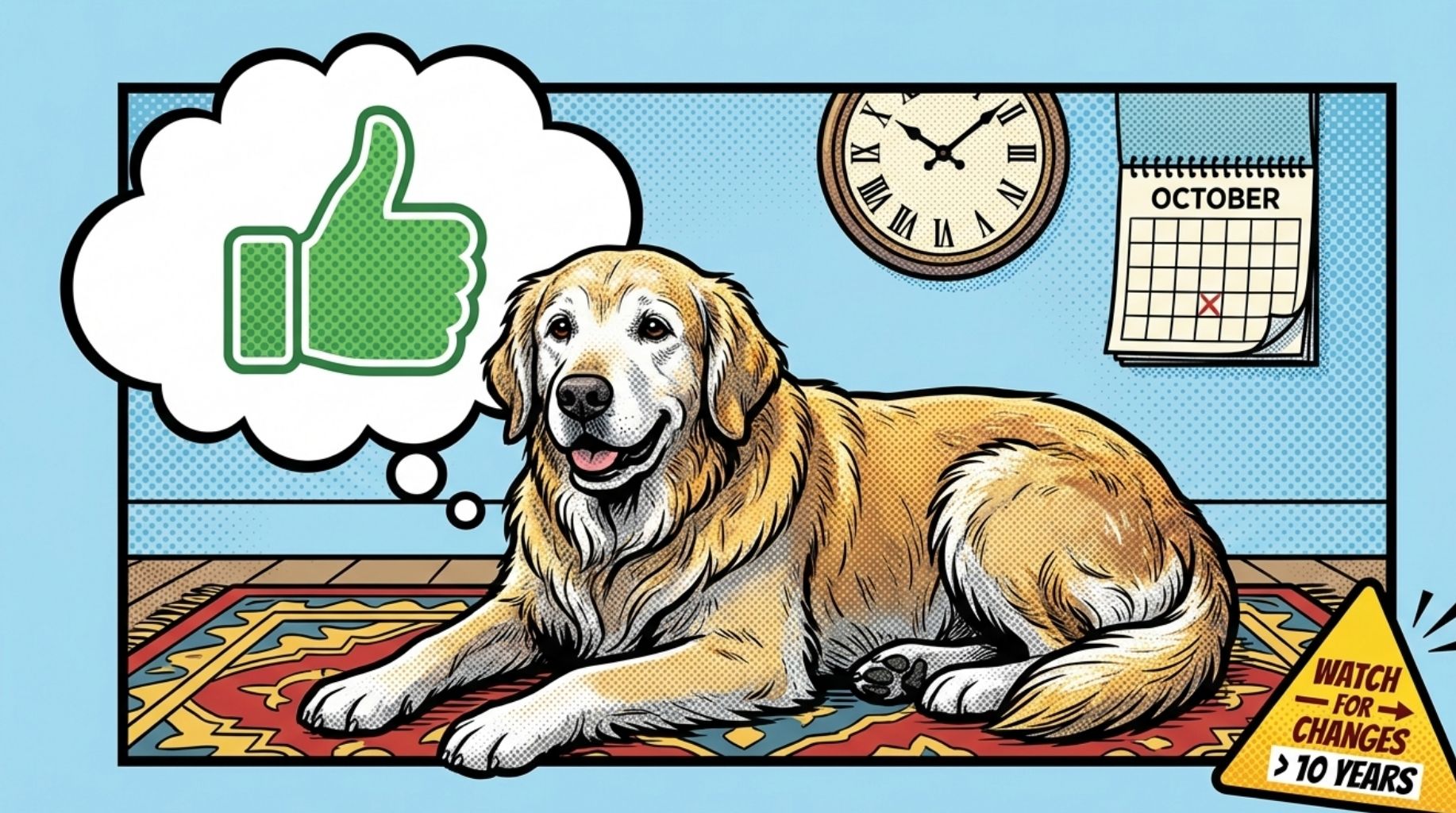
Yes, they do. Reverse sneezing in dogs has no age limit. Many senior dogs keep having occasional episodes their whole lives. This is especially true for small breeds and flat-faced dogs. If your older dog has always done it, it is probably normal.
When to Pay Attention in Senior Dogs?
Watch for sudden changes. If episodes increase a lot after age eight to ten, look closer. New triggers might be at work. Seasonal allergies can start at any age. Dental disease can cause post-nasal drip. Nasal polyps might develop in older dogs.
These can all increase episodes. But do not worry too much. Many dogs aged twelve to sixteen still have their classic honks. They recover instantly and act happy. It is a sweet sign they are still feeling spunky.
Comforting Your Senior Dog
Older dogs may need a little extra help. Keep their environment clean. Use air purifiers. Wipe their face gently after meals. Keep up with dental care. These small steps help reduce triggers. Your senior dog can enjoy their golden years with fewer episodes.
Fun Facts About Reverse Sneezing In Dogs
Here are some interesting facts about this common reflex.
- It is much more common in dogs than cats. Cats rarely do this. Dogs do it all the time.
- Episodes always stop on their own. You do not need to do anything. They end naturally.
- Dogs feel no pain during episodes. They are not suffering. They are just having a reflex.
- Each dog can have a unique sound. Some sound like geese. Others sound like pigs snorting.
- It can spread through the house. If one dog gets excited and starts, others might too. It is like contagious excitement.
- Brachy breeds often combine it with snoring. They can have a whole soundtrack going.
- It is an ancient reflex. Mammals have used it for millions of years to clear airways.
- Weather can trigger more episodes. Warm and humid air or dry winter air both can set it off.
- Many owners film the first episode. They rush to the vet worried. The vet smiles and says it is totally normal.
- Post-meal and post-excitement honks are very common. Eating fast and happy greetings are big triggers.
🔑 Key Points: Yes, older dogs keep having occasional episodes. This is especially true for small breeds and flat-faced dogs. But watch for sudden increases after age eight to ten. New triggers like allergies or dental problems might be the cause. A vet visit can rule out other issues.
WHEN SHOULD YOU WORRY ABOUT REVERSE SNEEZING IN DOGS?
Most of the time, you do not need to worry. But there are times to call the vet.
Knowing these signs keeps your dog safe.
Red Flags to Watch For Reverse Sneezing in Dogs
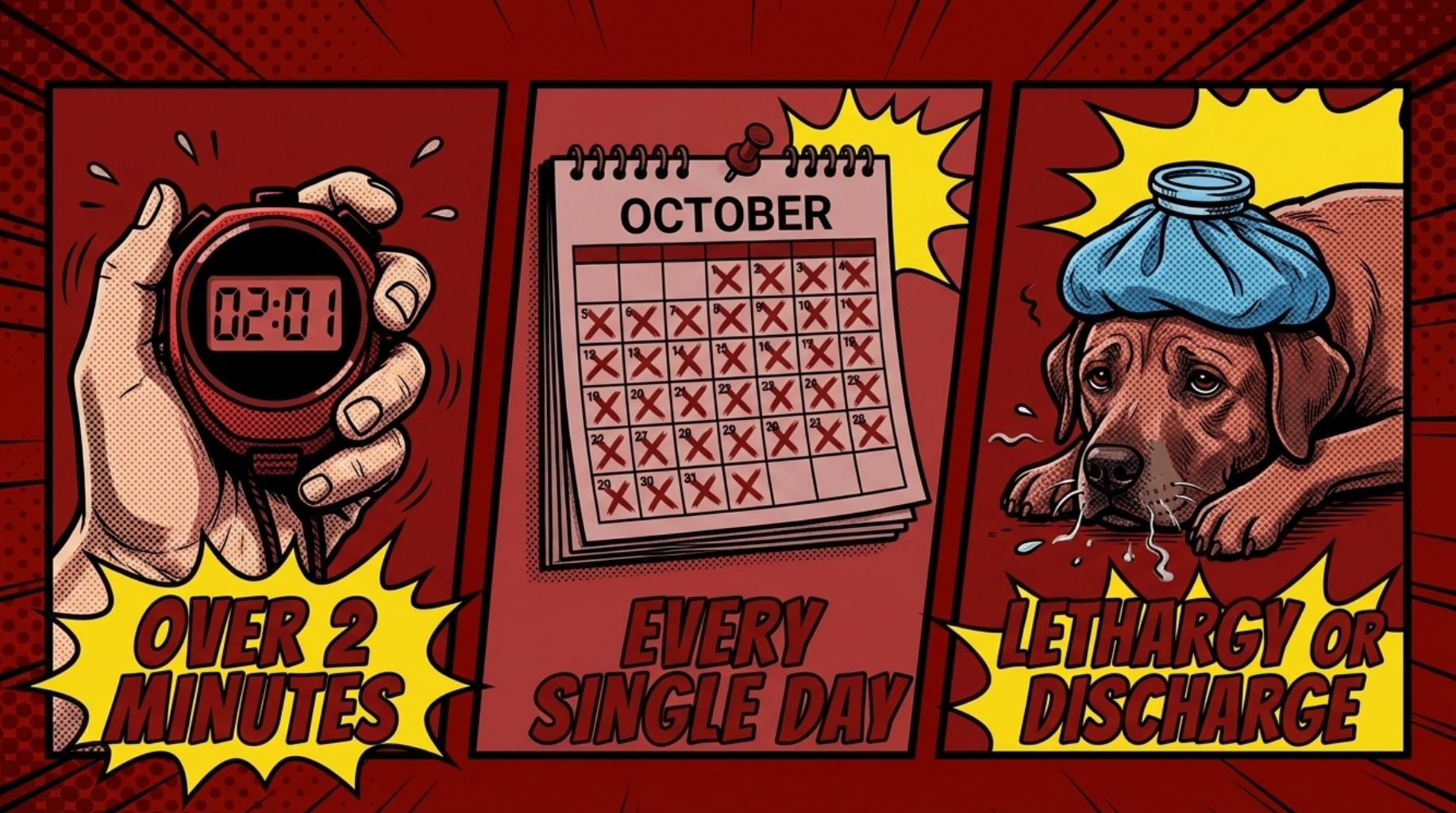
Call your vet if episodes happen many times a day. If they last longer than two minutes, that is a concern. Watch for sudden increases in how often they happen. This matters especially for senior dogs. Look for other symptoms too. Nasal discharge is a red flag.
Coughing or wheezing needs attention. Bleeding from the nose is serious. Lethargy or loss of appetite are signs of illness. If your dog seems distressed after episodes, call the vet. If they struggle to breathe between episodes, get help fast.
What These Signs Could Mean?
Frequent episodes might mean allergies are bad. They could point to nasal mites. A foreign body stuck in the nose is possible. Infections can cause more episodes. In very rare cases, tumors might be the cause. Your vet can check for all of these. They will watch a video of the episode. Often they will listen to your dog’s breathing. They might do tests if needed.
Trust Your Gut
You know your dog best. If something feels wrong, call the vet. It is always better to check. Most of the time, you will hear “It is just reverse sneezing.” That reassurance is worth the call.
🔑 Key Points: Call your vet if episodes happen many times each day. Call if they last longer than two minutes. Watch for other symptoms too. Nasal discharge, coughing, or lethargy are red flags. Trouble breathing between episodes needs fast attention. These signs mean something else might be wrong.
HOW TO STOP REVERSE SNEEZING IN DOGS: 12 VET-APPROVED TIPS
You can stop episodes fast. These tricks work in seconds. Try them next time your dog starts honking.
Follow These Steps To Stop The Reverse Sneezing in Your Dogs
- Stay calm yourself. Your dog picks up on your energy. If you are calm, they relax faster.
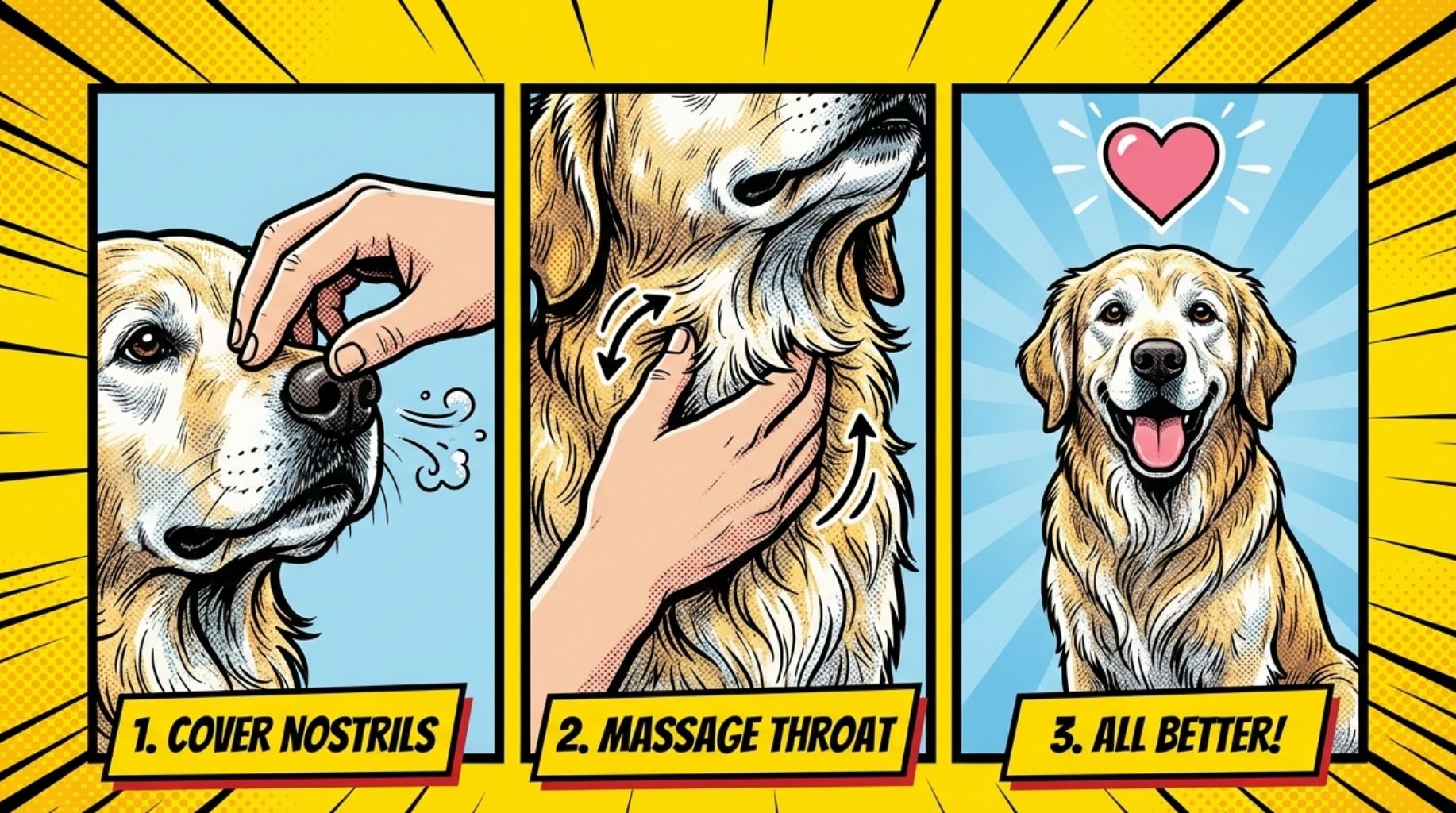
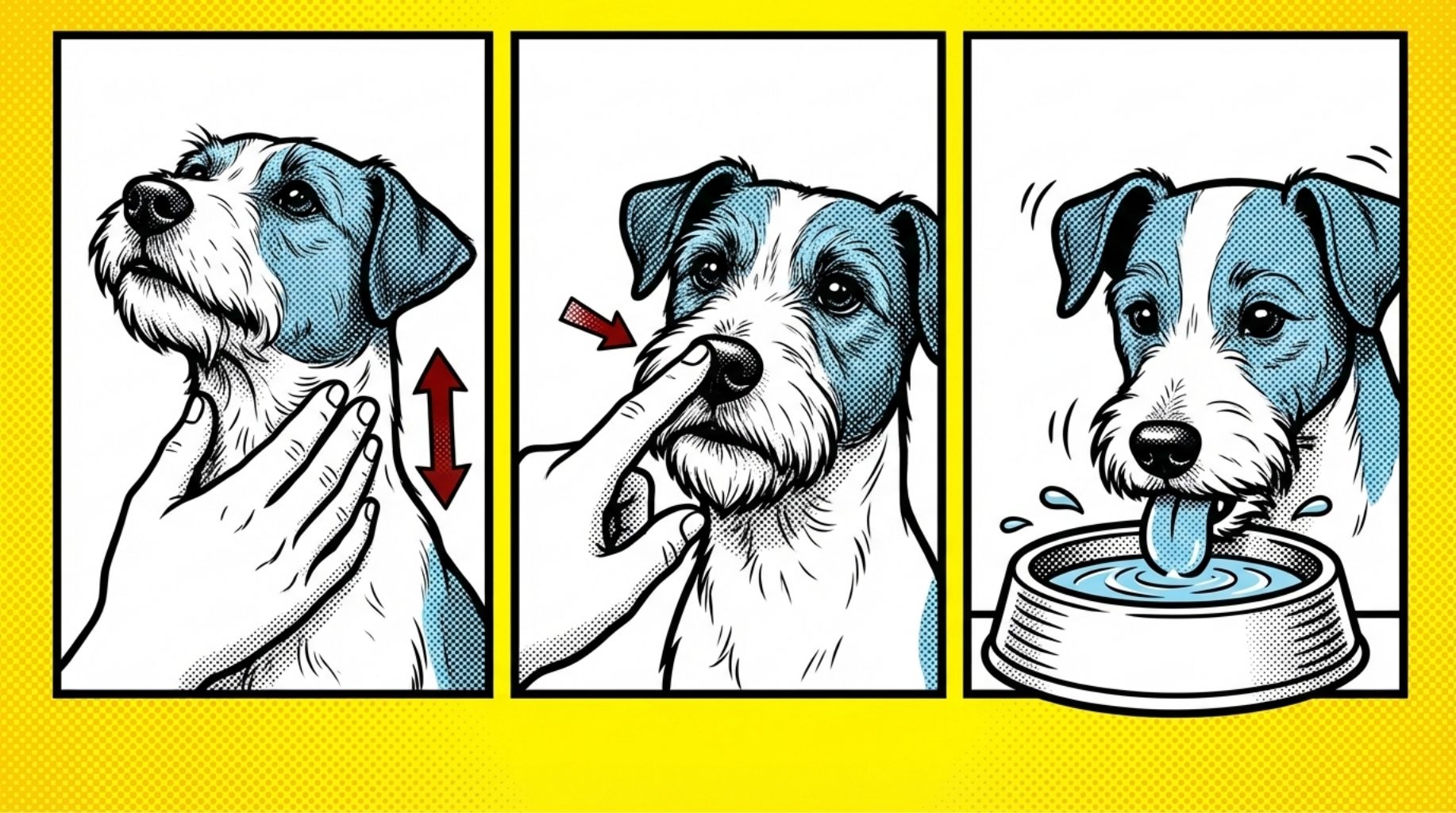
- Gently massage their throat. This encourages swallowing. Swallowing stops the spasm.
- Lightly cover both nostrils for one to two seconds. This forces a swallow. The episode usually stops right away.
- Blow softly on their face. This triggers licking and swallowing.
- Offer a small drink of water. A lickable treat works too. Swallowing clears the spasm.
- Take them outside for fresh air. Sometimes a change helps.
- Use a harness, not a collar. Collars press on the throat. Harnesses avoid that pressure.
- Add a HEPA air purifier at home. This cuts down on allergens.
- Stop using strong scents. Perfumes and smoke can trigger episodes.
- Wipe their paws and face after walks. This removes pollen and dust.
- Keep up with dental cleanings. Dental disease causes post-nasal drip.
- Record episodes on video for your vet. This helps them see exactly what happens.
For dogs with frequent episodes, ask your vet about antihistamines. Nasal wipes can also help. Most episodes stop within seconds using these simple tricks.
🔑 Key Points: Stay calm first. Your dog feels your energy. Gently massage their throat. Lightly cover their nostrils for one second. Offer a small drink of water. Blow softly on their face. Use a harness instead of a collar. These simple tricks work in seconds.
REAL OWNER STORIES OF REVERSE SNEEZING IN DOGS
Real experiences help more than anything. Here are stories from dog owners just like you.
Luna the Pug, Age 6
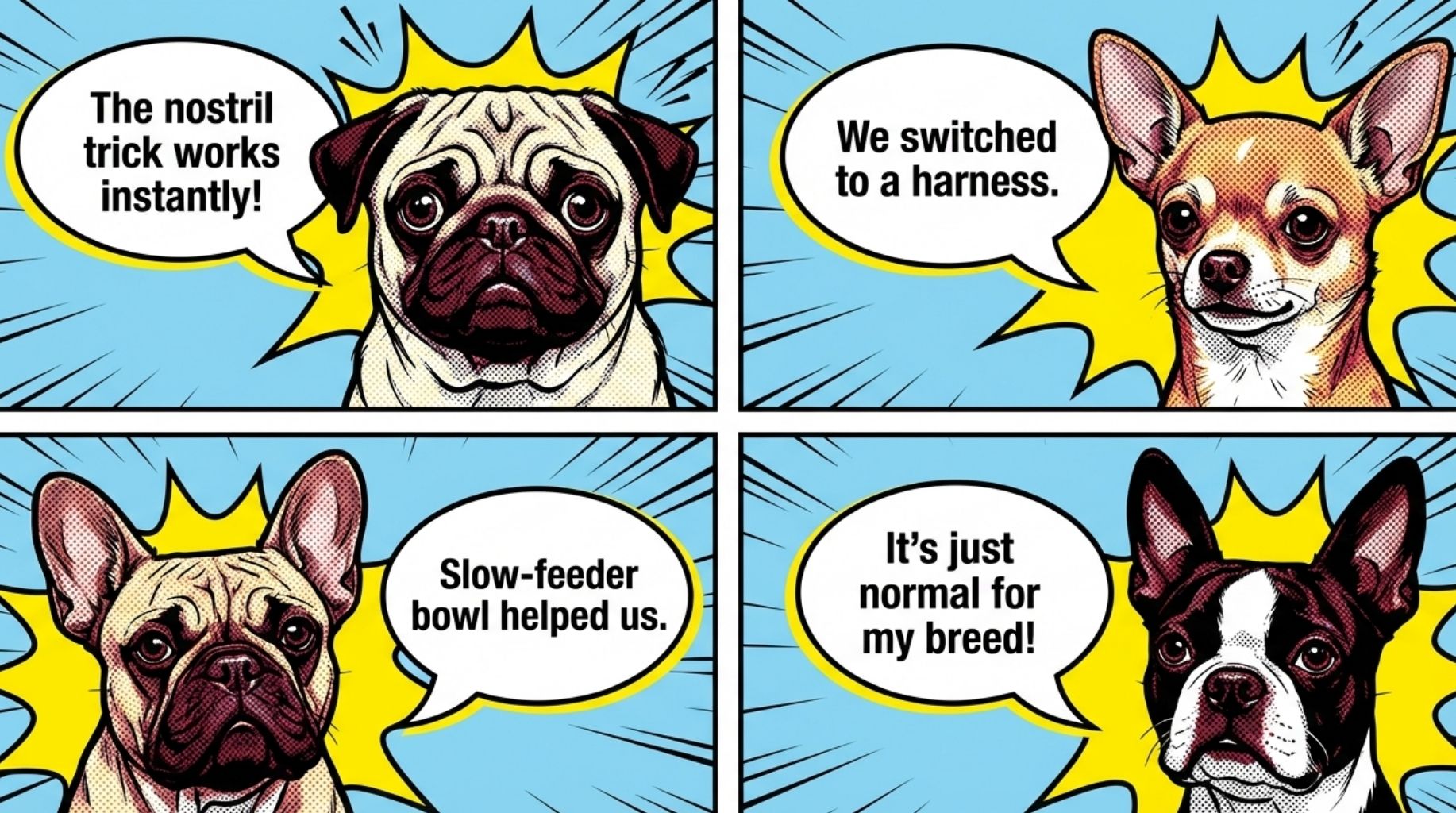
“Luna reverse sneezes every time she gets excited to see me after work. The nostril trick stops it instantly. Our vet confirmed it is classic for pugs. She is perfectly healthy otherwise.”
Max the Senior Yorkie, Age 12
“My old Yorkie started more frequent episodes after we moved to a high-pollen city. We got a HEPA purifier and started wiping his paws daily. Episodes dropped by seventy percent. He still zooms around happily afterward.”
Bella the French Bulldog, Age 4
“Bella had post-meal honks every night. We switched to a slow-feeder bowl. Her episodes dropped by half. Now we just smile instead of panicking.”
Rocky the Chihuahua Mix, Age 9
“I thought Rocky had collapsing trachea. The vet watched videos and said it was reverse sneezing. He only does it when over-excited with kids. Switching to a harness changed everything.”
Daisy the Boston Terrier, Age 1
“Daisy had her first episode at six months. I panicked, thinking she was choking. I gently covered her nostrils, and it stopped in seconds. Now I stay calm. I know it is normal for her breed.”
Cooper the Beagle, Age 5
“Cooper’s episodes flare up every spring with pollen. We added an air purifier and wipe his face after walks. Episodes went from daily to just a couple times a month. He seems much happier.”
Milo the Senior Maltese, Age 14
“My fourteen-year-old still gets gentle episodes, especially when excited for meals. The throat massage trick works every time. It is comforting to know it is harmless, even at his age.”
Bear the English Bulldog, Age 4
“Bear’s reverse sneezing is so loud that neighbors once knocked to check on us. The vet said it is super common in English Bulldogs. Keeping his weight ideal and regular dental cleanings made a huge difference.”
🔑 Key Points: Dog owners share their experiences. Harnesses help a lot. Air purifiers cut down on allergens. Slow-feeder bowls stop gulping. Regular dental care reduces triggers. Common myths about choking or pain are simply not true.
REVERSE SNEEZING VS. OTHER CONDITIONS
It is easy to confuse reverse sneezing with other issues. Here is how to tell them apart.
Reverse Sneezing vs. Collapsing Trachea
Reverse sneezing makes inward honking sounds. Collapsing trachea makes a goose-like honking cough. Reverse sneezing lasts seconds. Collapsing trachea episodes can last minutes and get worse. Reverse sneezing is triggered by excitement, allergens, or eating.
Collapsing trachea is triggered by leash pull or excitement. After reverse sneezing, dogs act completely normal. After collapsing trachea, they may pant or seem tired. Collapsing trachea is most common in small breeds like Yorkies and Poms.
Reverse Sneezing vs. Kennel Cough
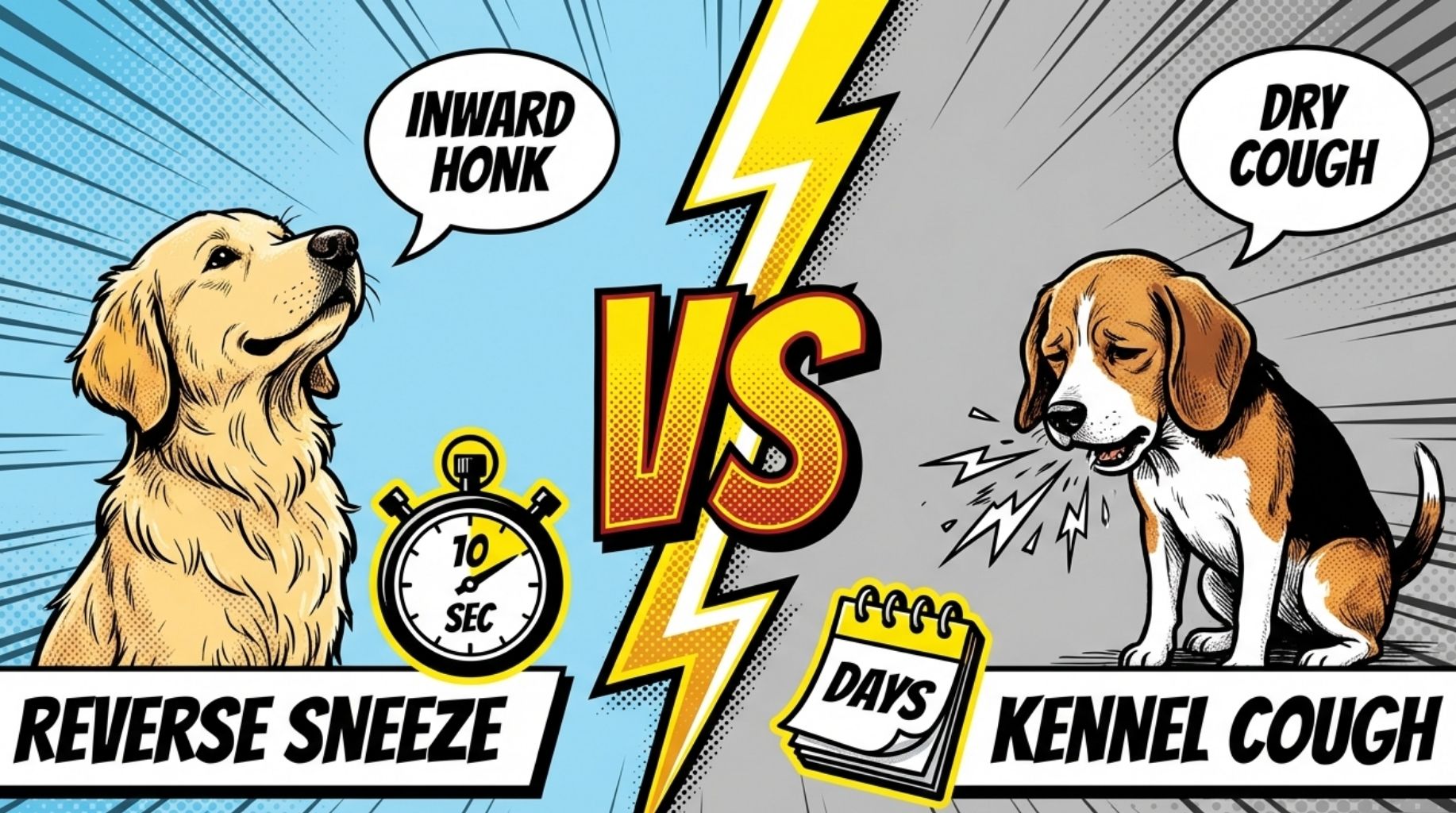
Reverse sneezing is inward honking. Kennel cough is a dry hacking cough. Reverse sneezing lasts seconds. Kennel cough lasts days or weeks. Reverse sneezing is triggered by excitement or allergens. Kennel cough comes from infection. After reverse sneezing, dogs are fine. Kennel cough symptoms continue. Any dog can get kennel cough. It is contagious.
What a 2023 Study Found
A large study looked at 779 dogs. It found reverse sneezing in dogs in over fifty-three percent of them. It is far more common than most owners realize. And it is almost always harmless. Knowing this helps you relax when your dog does it.
How To Prevent Reverse Sneezing In Dogs Long-Term?
You can stop many episodes before they start. These strategies work well for long-term prevention.
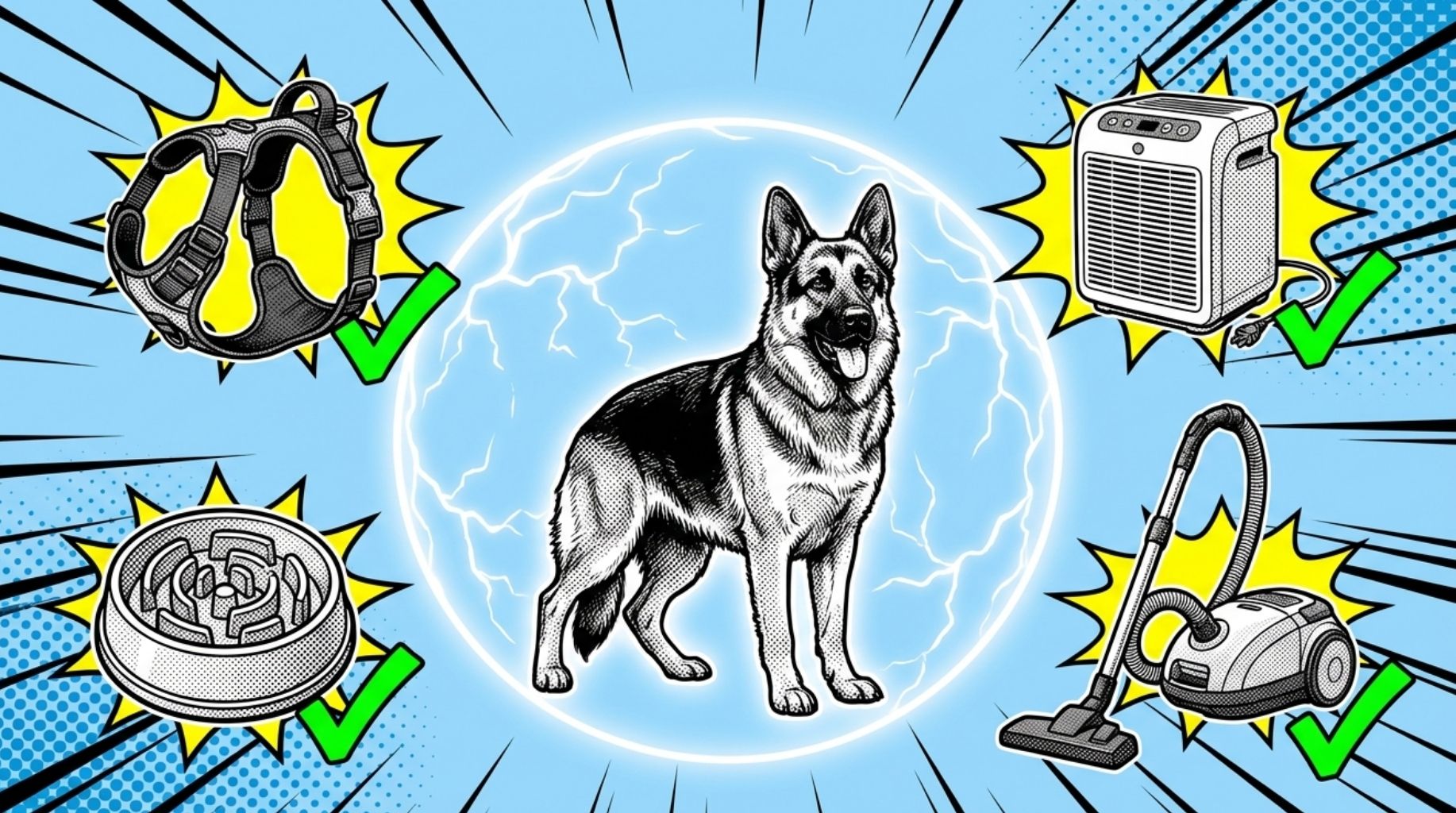
- Always use a no-pull harness. Never use a collar for walks. Collars press on the throat. Harnesses avoid that pressure.
- Run a HEPA air purifier in main rooms. This removes allergens from the air.
- Wipe your dog’s paws, belly, and face after every walk. This removes pollen and dust they picked up outside.
- Feed with slow-feeder bowls. This stops them from gulping food. Use raised water stations too.
- Keep your dog at a healthy weight. Extra pounds make breathing harder, especially for flat-faced breeds.
- Ask your vet about antihistamines during allergy season. Nasal wipes can also help.
- Eliminate smoke, strong perfumes, and chemical sprays at home. These are common triggers.
- Schedule yearly dental cleanings. Dental disease causes post-nasal drip. That drip can trigger episodes.
- For brachy breeds, ask your vet about soft-palate evaluation. If episodes increase a lot, this might help.
🔑 Key Points: Know when to call the vet. Call if episodes happen daily, last over two minutes, or come with coughing, discharge, or trouble breathing.
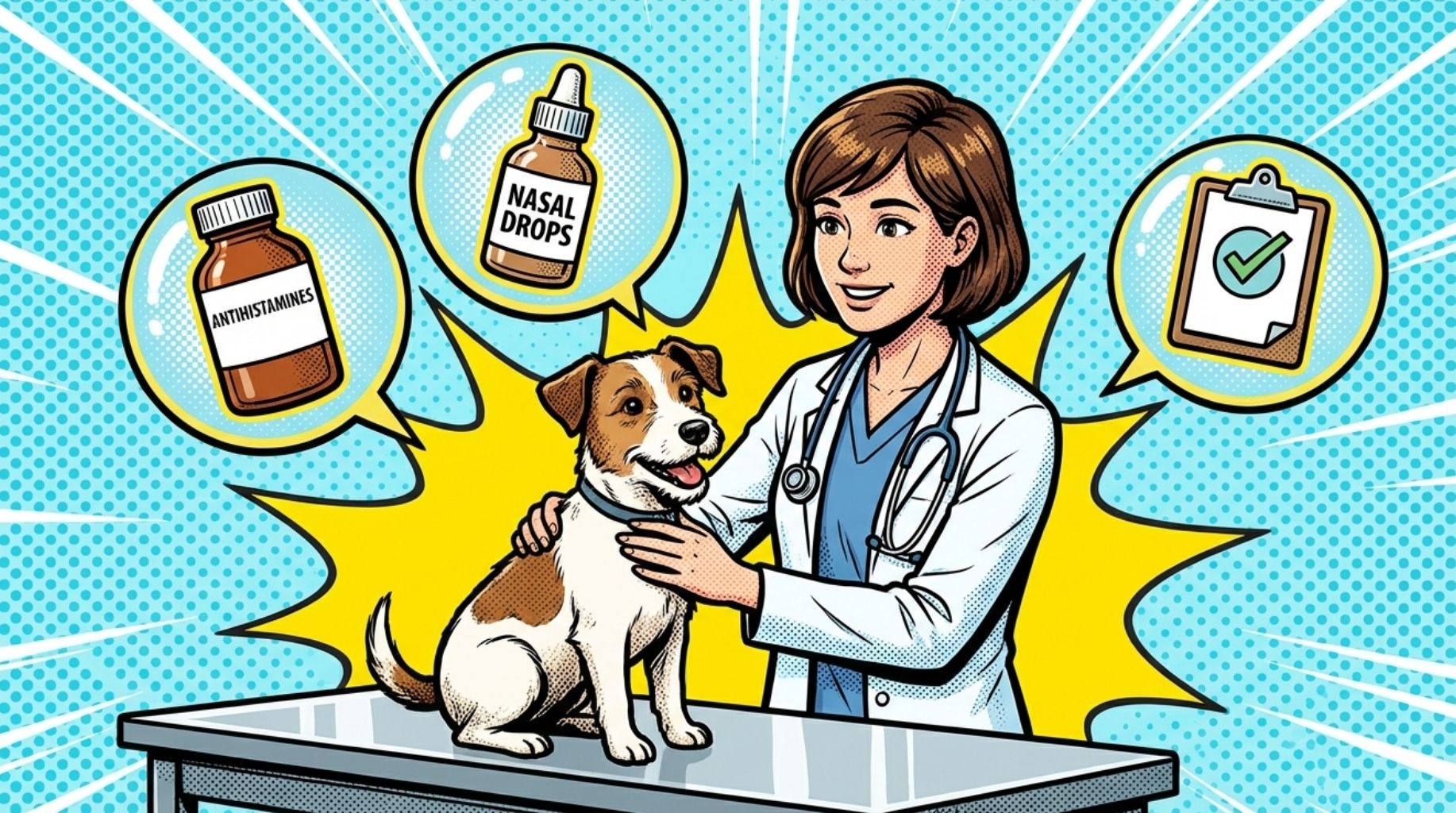
VET TREATMENTS FOR REVERSE SNEEZING IN DOGS
Most dogs need no medication at all. But if episodes become very frequent, your vet may suggest options.
Medications Your Vet Might Recommend
A short course of antihistamines can help with allergies. Corticosteroids might be used for severe inflammation. Antibiotics are only given if an infection is present. Nasal saline rinses can be done at home. They clear out irritants gently.
When Surgery Is Considered?
Surgery is very rare. It is only for severe brachycephalic cases. If the soft palate is too long and causing constant issues, surgery might help. Most dogs never need this. Simple management works for almost everyone.
When to See the Vet Right Away?
Go to the vet if episodes last longer than two minutes. Go if they happen every hour. Watch for blue or pale gums or tongue. That is an emergency. Nasal discharge, coughing, wheezing, or bleeding need attention. Lethargy is a red flag. Sudden increases in senior dogs matter too. If your dog struggles to breathe between episodes, get help fast.
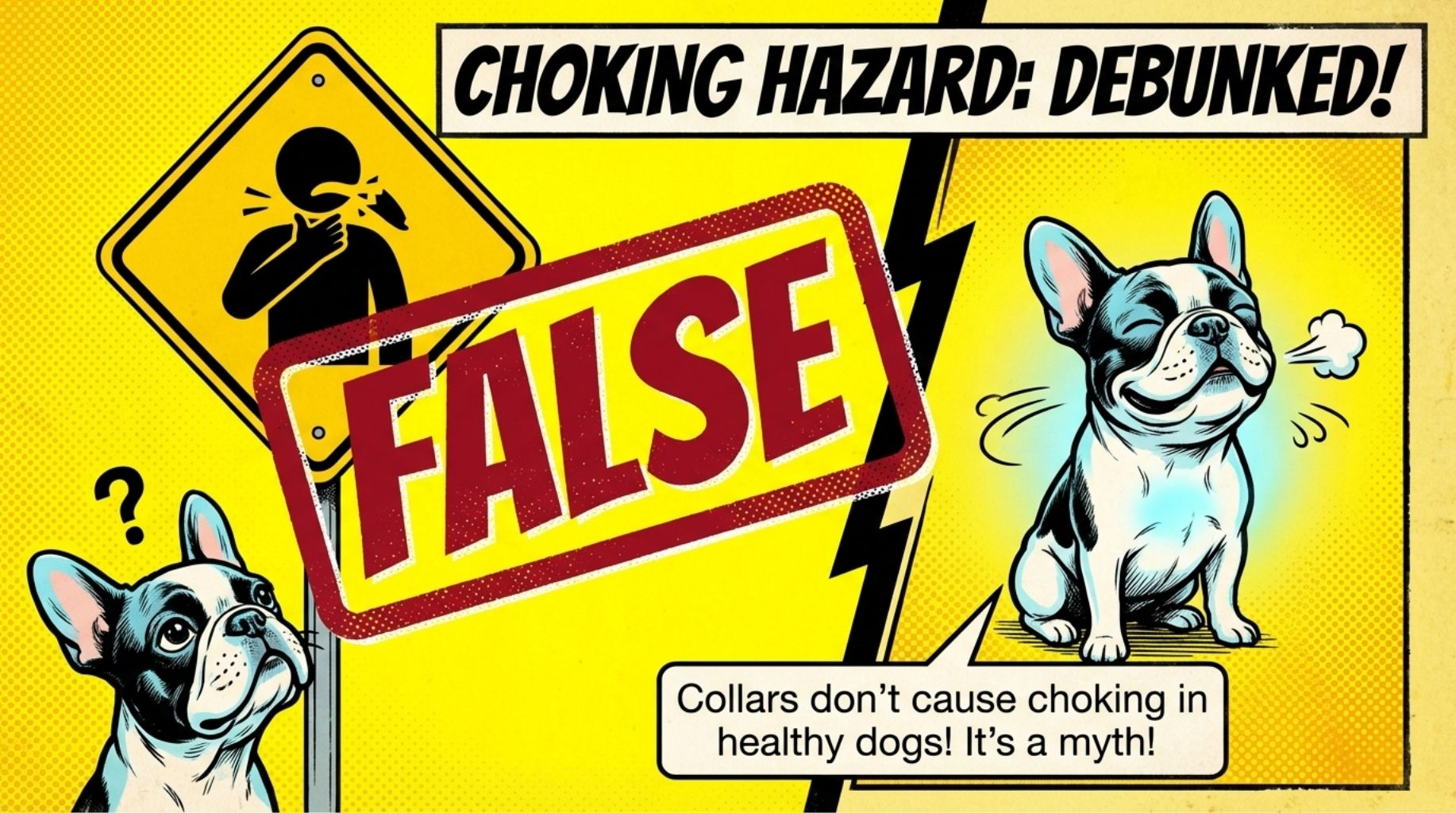
Common Myths About Reverse Sneezing In Dogs
Let’s bust some myths so you know the truth!
Myth: Reverse sneezing means my dog is choking.
Truth: Your dog stays fully alert and comfortable. They are not choking at all.
Myth: Only old dogs get reverse sneezing.
Truth: It can start in puppies. It continues at any age.
Myth: It is always caused by allergies.
Truth: Excitement or anatomy can trigger it with no allergens involved.
Myth: You must rush to the emergency vet every time.
Truth: Only red-flag symptoms need immediate care. Most episodes are normal.
Myth: Reverse sneezing gets worse with age.
Truth: Many dogs improve dramatically with simple management.
Living Happily With Reverse Sneezing
Multi-dog homes often see funny things. One dog gets excited and starts reverse sneezing. Then another dog starts too. It is totally harmless and even funny to watch.
- Travel Tips: When you travel, pack your dog’s favorite wipes. Bring a travel water bowl. Keeping their routine helps reduce stress-related episodes.
- Training Bonus: Teach your dog a calm “settle” cue after playtime. This helps them transition from excitement to calm. Fewer excitement spikes means fewer episodes.
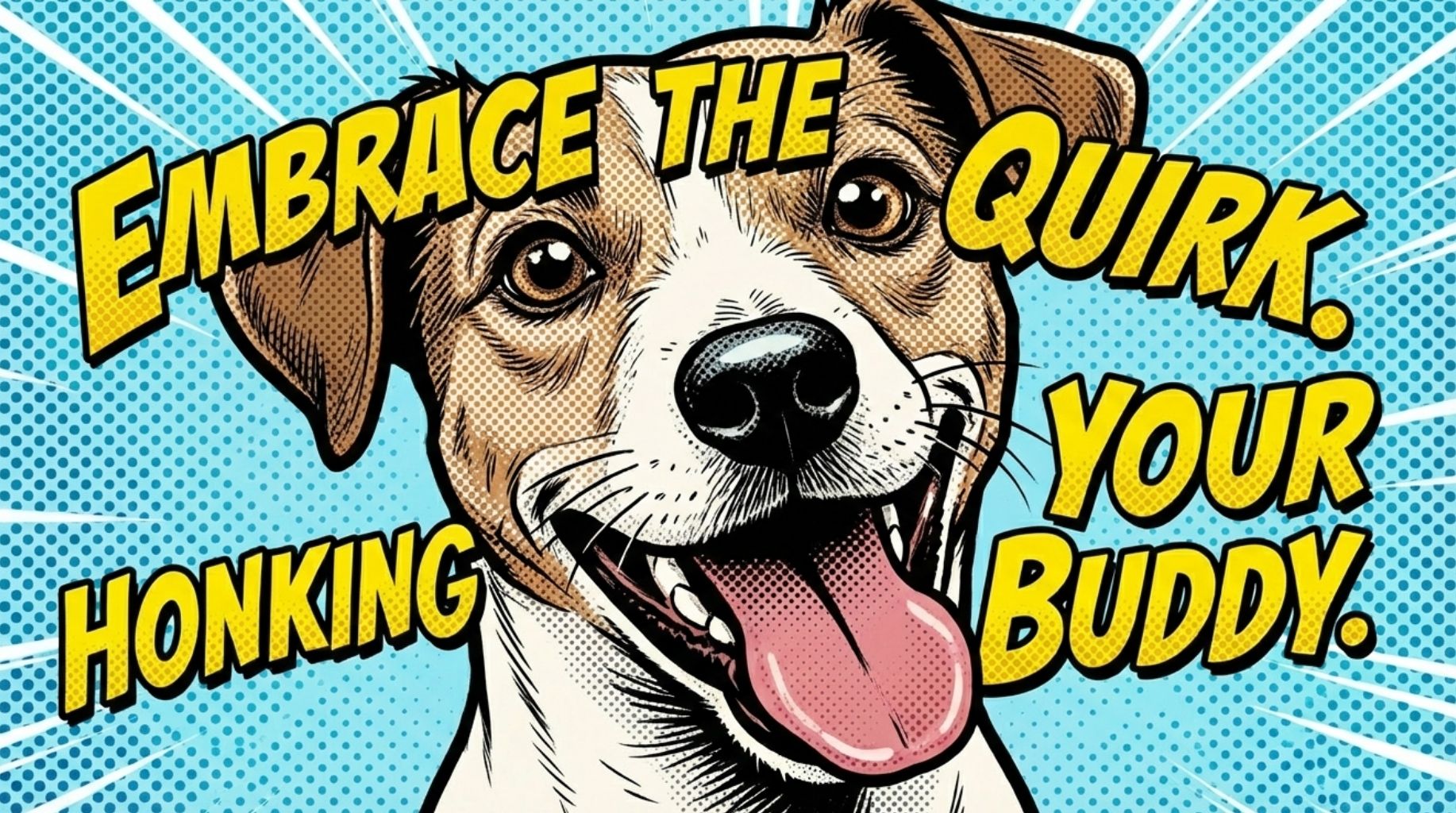
- The Most Important Thing: Your dog feels safe and loved. Those quirky honks are just part of their unique personality. They do not bother your dog. They should not bother you either. Embrace the quirk. Love your honking buddy.
🔑 Key Points: With the right knowledge, you stop worrying. Those funny honks become just another part of your dog. They are proof your dog is happy and excited. They show your dog feels loved and safe. Enjoy your unique, honking buddy.
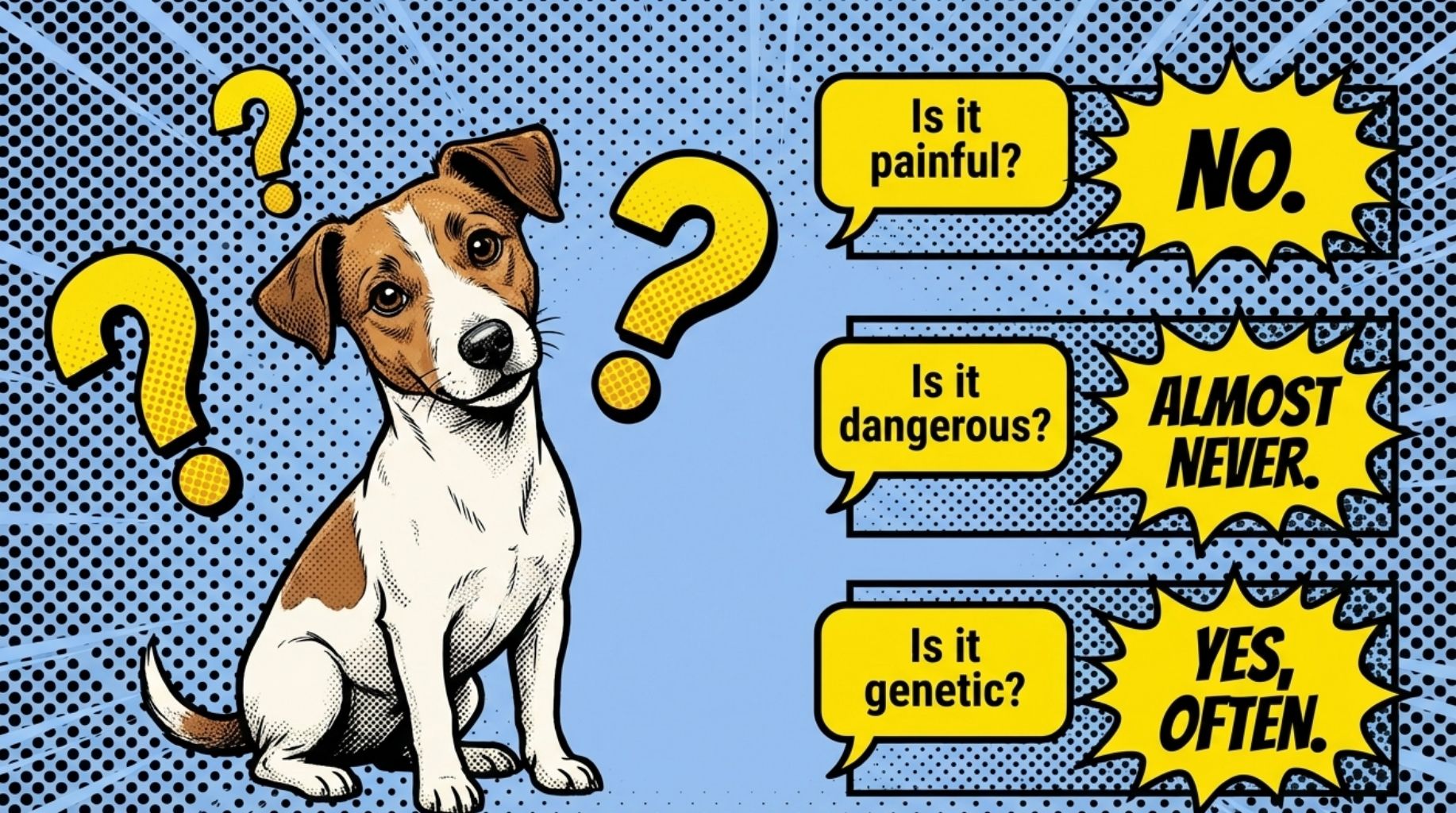
FAQ: REVERSE SNEEZING IN DOGS
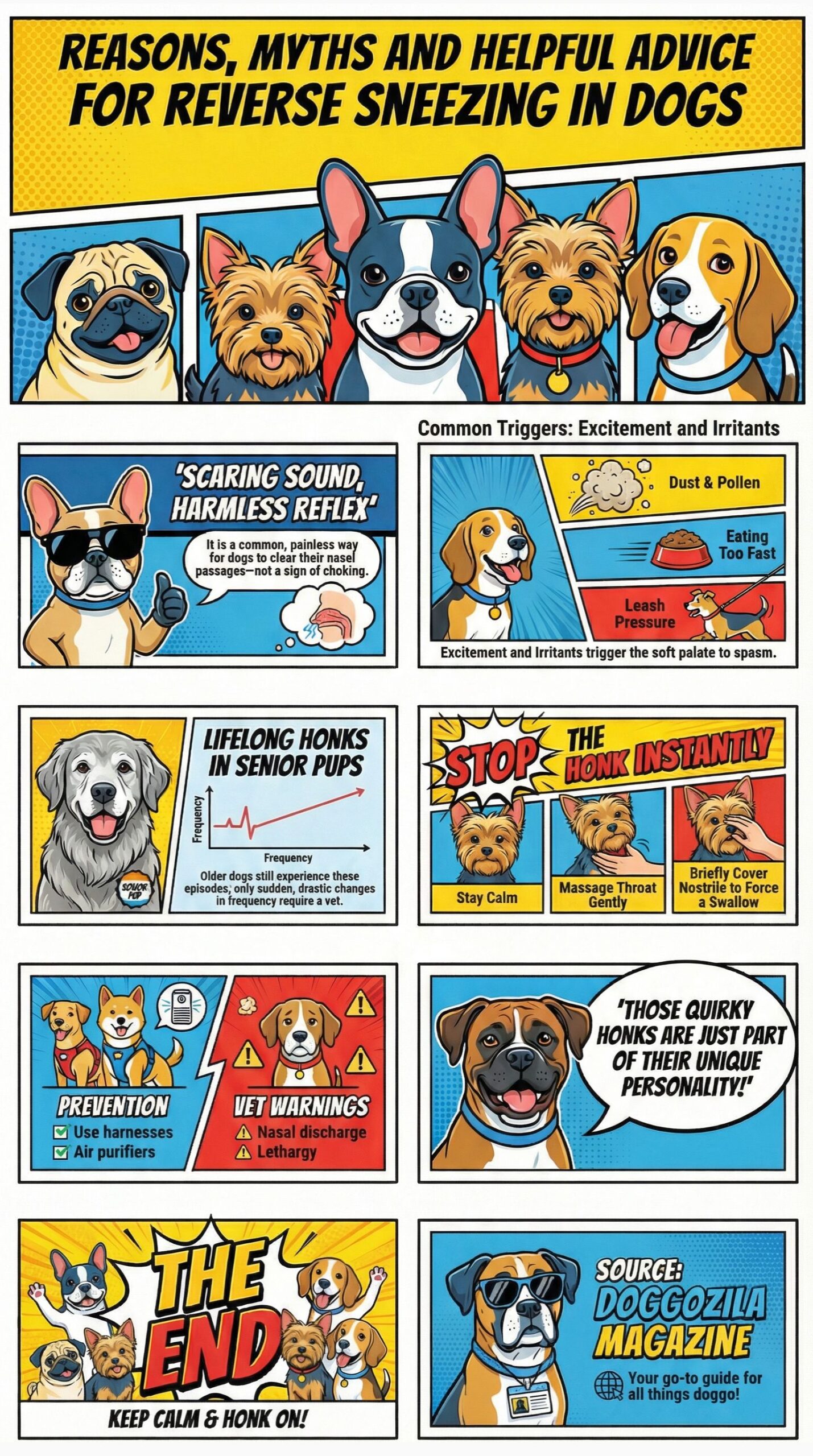
Key Points and Takeaways to Remember
- It is a harmless reflex. Reverse sneezing in dogs is just fast inhaling through the nose. It lasts seconds. Your dog acts normal afterward. It is not an emergency.
- Common triggers are easy to spot. Allergens, excitement, fast eating, and collar pressure cause it. Small dogs and flat-faced breeds do it most.
- Senior dogs still do it. Older dogs keep having episodes. But a sudden increase after age eight needs a vet check.
- It is very common. Dogs do this more than cats. It is painless. Each dog has its own funny sound.
- Know when to call the vet. Call if episodes happen daily, last over two minutes, or come with coughing, discharge, or trouble breathing.
- You can stop it fast. Stay calm. Massage the throat. Cover nostrils briefly. Offer water. Use a harness. It works in seconds.
- It is easy to manage. Harnesses, air purifiers, slow feeders, and dental care help a lot. Myths about choking are false.
- Embrace the quirk. Those honks are part of your dog’s personality. They mean your dog is happy and loved.
Final Thought
Most dogs have reverse sneezing in dogs at some point. Studies show over half of all dogs do it. It is almost never dangerous. Simple lifestyle changes help a lot. A little vet guidance goes a long way. Now you know what to do. No more fear. Just love for your wonderful dog.