
Let’s meet the amazing historical dog breeds. Look at your dog. What’s their story? Your silly terrier might have royal roots. Your loyal shepherd’s ancestors may have walked with kings. The tale of our dogs is full of adventure. It’s about survival and friendship.
Dogs lived with humans before donkeys, horses, or even cats. These aren’t just old tales. They shape the dogs we love today. Their looks, their quirks, and their big hearts come from the past.
Let’s walk through time together. Discover how ancient jobs created them. Learn why they look so unique and how they became family. Grab a leash! Let’s explore the fascinating world of dog breeds from our past.
„Ever wonder if your goofy best friend has a secret royal past? Let’s dig into the amazing true stories of historical dog breeds.“

Quick Summary About THE HISTORICAL DOG BREEDS
This article is a fun walk through time. We’ll explore how ancient jobs, environments, and even royalty shaped the dogs we love. From Egyptian pharaohs to Arctic explorers, historical dog breeds have incredible tales. You’ll see how their past explains their behavior today.
ANCIENT HISTORICAL DOG BREEDS: THE FIRST COMPANIONS
Our walk starts thousands of years ago. Humans and dogs formed a powerful bond early on. This was about more than friendship. It was about survival. Some of the oldest dog breeds were seen as gods. Others hunted for pharaohs. Their stories are carved in stone and painted in tombs. This gives us a direct link to the ancient world.
These dogs were not simple pets. They were symbols of power. They were guides and skilled hunters. Their history shows how deep our bond with dogs has always been.
Historical Dog Breeds Thrived Alongside Pharaohs
The warm sands of Egypt hold iconic historical dog breeds. The Saluki is called the royal dog of Egypt. It is one of the oldest known breeds. These sleek, fast hounds were loved by royalty. You see them in ancient art, resting by thrones. Egyptians loved their dogs deeply. They held big mourning rituals when a pet died.
Another famous breed, the Pharaoh Hound, also has roots tracing back to this era, though its precise journey to places like Malta is a story wrapped in time. The bond was sacred, with dogs often guiding their owners into the afterlife.
Spiritual Dogs of the Far East
Ancient China loved its dogs in special ways. The Pekingese and Japanese Chin lived in temples. They had their own servants! These small, lion-like dogs were status symbols. Nobles sometimes hid them in wide sleeves for defense. Another ancient historical dog breed from China is the Chow Chow. It has a unique blue-black tongue. Its origins are a mystery. But it served as a hunter, herder, and guard for centuries. In these cultures, dogs had deep spiritual meaning.
Tough Dogs of the Frozen North
Some historical dog breeds mastered harsh climates. The Alaskan Malamute helped the Mahlemut people haul heavy loads over ice. Their strength and thick coat came from need. The Siberian Husky was bred by the Chukchi people of Siberia. They needed dogs with great endurance to pull sleds far. These dog breeds didn’t just survive the Arctic. They thrived. Their story is about resilience and partnership.
🔑 Key Points: The oldest dog breeds were partners in survival, not just pets. They worked as hunters, guardians, and sacred symbols in places like Egypt and China.
GUARDING HISTORICAL DOG BREEDS: THE ORIGINAL PROTECTORS
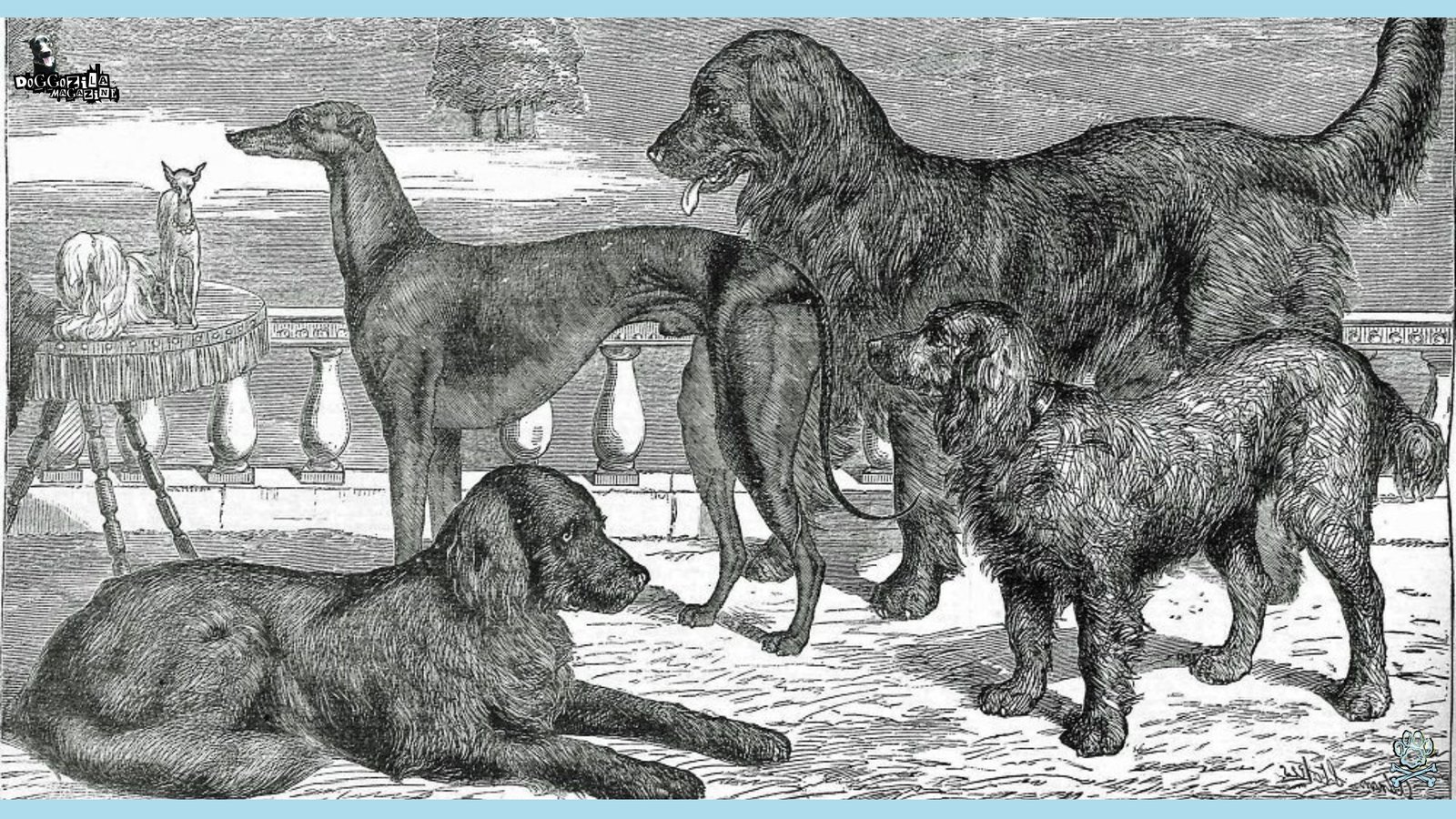
Not all historical dog breeds hunted or pulled sleds. Some had the job of protection. These guarding dog breeds were the first security systems. They were bred for bravery, strength, and loyalty. They faced wolves and bears to protect flocks and homes. Discover the most important dogs in history!
The size and their deep bark of these dog breeds scared off threats. Today, many are gentle family dogs. But their protective instinct remains. Knowing their past helps us train them with respect.
Mountain Guardian Dogs
Think of a dog so tough it could scare a wolf. The Caucasian Shepherd is one. This fluffy giant protected livestock in the Caucasus Mountains. In Europe, the Spanish Mastiff did the same. Its presence alone made intruders think twice. In Hungary, the Komondor had a unique disguise. Its long, corded white coat helped it hide in sheep flocks. This surprised any wolf that came near.
Homestead Defender Dogs
Protection was needed on farms too. The Kangal of Turkey is a legendary guardian. It calmly watches over flocks. In South Africa, the Boerboel guarded remote homes from predators. These historical dog breeds are smart. They know how to read a situation. They were bred to make choices on their own. This trait is still strong today.
Versatile Guarding Dogs
Some historical dog breeds mixed guarding with hunting. The Dogo Argentino was bred in Argentina to hunt big game. This took great courage. That courage makes them protective of their home. The Rottweiler has a past as a drover dog. It guided cattle and pulled carts. This job required strength and a watchful nature. These dog breeds show that guarding takes many forms.
🔑 Key Points: Many dog breeds were bred for protection. Their size and bravery guarded flocks and homes from predators, and their watchful instincts are still present today.
HISTORICAL DOG BREEDS BORN FROM SPECIALIZED JOBS
People bred dogs for very specific tasks. These historical dog breeds show amazing adaptation. Their unique looks come directly from their jobs. We see dogs with extra toes, waterproof coats, and quiet voices.
These breeds are living history. Each odd trait tells a story of survival. They remind us dogs were essential tools.
Dogs Shaped by Work
The Norwegian Lundehund is a great example. It hunted puffins on cliffs. Uniquely has six toes on each foot for grip. It also has a super flexible spine to twist into narrow rock spaces. The Otterhound hunted in water. It has a rough, double coat and big, webbed feet. Even the Greyhound’s name hints at its ancient job as a swift hunter. Their bodies are their history resumes.
Dogs for Extreme Places
Some historical dog breeds thrived where others couldn’t. The Azawakh is a sighthound from the Sahara desert. Its lean build is perfect for chasing game over hot sand. The Xoloitzcuintli (or Xolo) of ancient Mexico is hairless. This was ideal for warm weather. It was also a spiritual guide. These dog breeds prove form follows function.
Quiet and Clever Historical Dog Breeds
Sometimes the special trait was behavior. The Basenji of Africa is the “barkless dog.” It makes a unique yodeling sound. This helped hunters stay quiet in the forest. The Thai Ridgeback from Thailand is a hunter and guardian. Its ridge of hair grows backward. These historical dog breeds show adaptation can be in behavior, not just looks.
🔑 Key Points: Some dog breeds developed weird traits for specific work. Think extra toes for climbing or webbed feet for swimming, each feature solving a human problem.
THE ROYAL AND CELEBRITY HISTORICAL DOG BREEDS
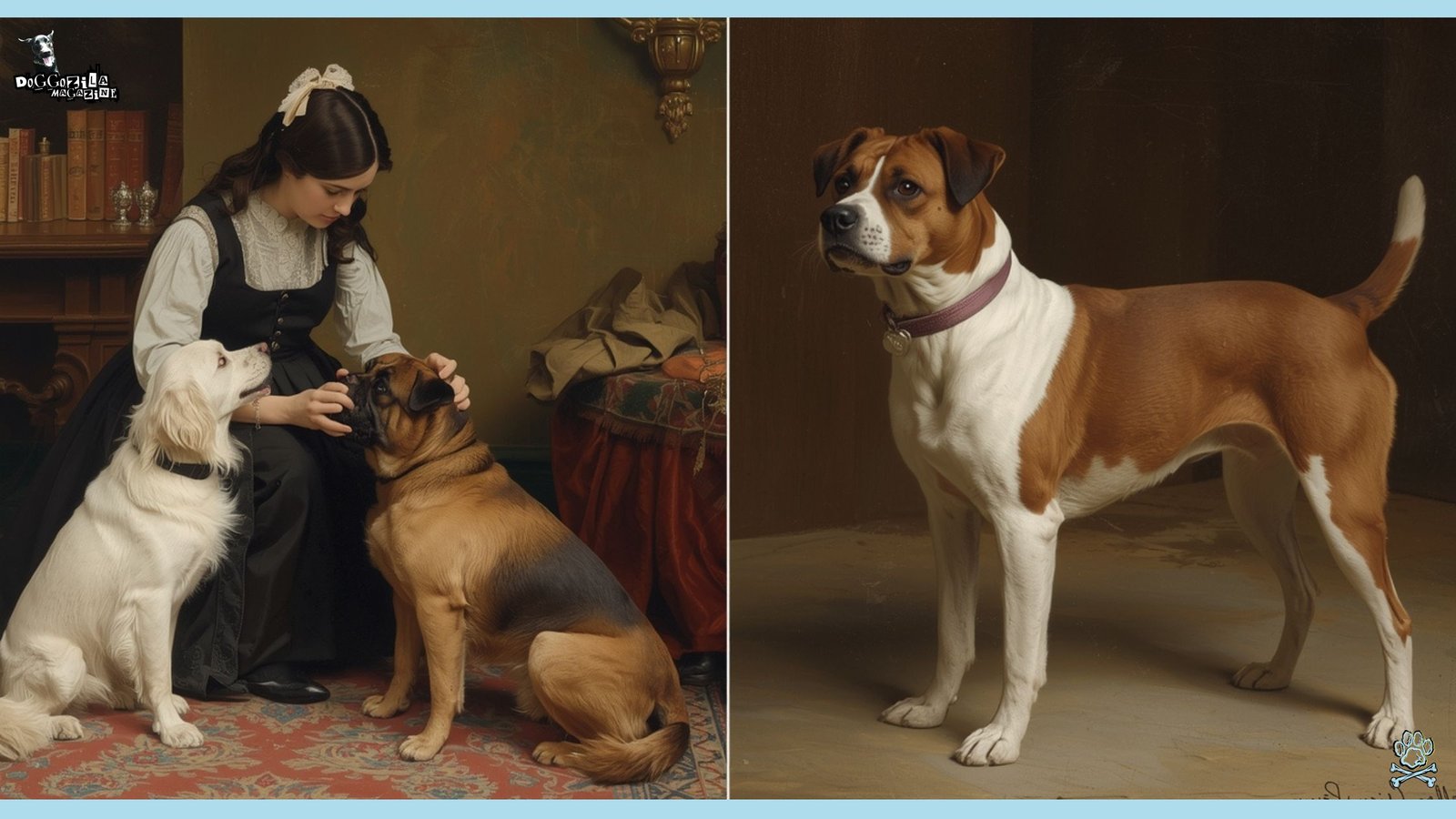
Powerful people loved dogs too. These royal and celebrity historical dog breeds lived in palaces and starred in films. Their stories add a charming layer to history.
From kings to movie stars, these dogs were friends and status symbols. Their fame made breeds popular for years.
Dogs That Lived with Royalty
Kings and queens adored their dogs. King Henry III of France kept over 2,000 dogs. Edward VII of England loved his Wire Fox Terrier, Caesar. The dog led the king’s funeral procession. Even tough Henry VIII loved his greyhounds. He offered a reward when they got lost. These stories show historical dog breeds comforted the most powerful people.
Dogs That Were Movie Stars
Hollywood created dog stars too. The most famous was Rin Tin Tin. He was a German Shepherd rescued from WWI. He starred in many films and helped save a movie studio. Lassie was always played by male Rough Collies. These dog actors defined breeds for the public. They made German Shepherds linked to bravery and Collies to loyalty.
Beloved Dogs of Artists and Thinkers
Creative people found inspiration in dogs. The poet Lord Byron loved his Newfoundland. He built the dog an elaborate tomb. Sir Winston Churchill adored his poodles. He covered their eyes during scary movie parts. Sigmund Freud thought his Chow Chow helped analyze patients. These historical dog breeds left paw prints on history’s great works.
🔑 Key Points: Kings, queens, and movie stars loved dog breeds with history. Their affection made certain breeds popular and added a personal chapter to canine history.
HOW HISTORICAL DOG BREEDS SHAPED MODERN POPULARITY?
Dog popularity changes like fashion. The historical dog breeds that were popular in the past tell us about society. World events often influenced the top breed.
Looking back is fun. It connects working dog breeds of the past to family pets today. It reminds us every breed has a rich history.
Top Historical Dog Breeds of Early 1900s America
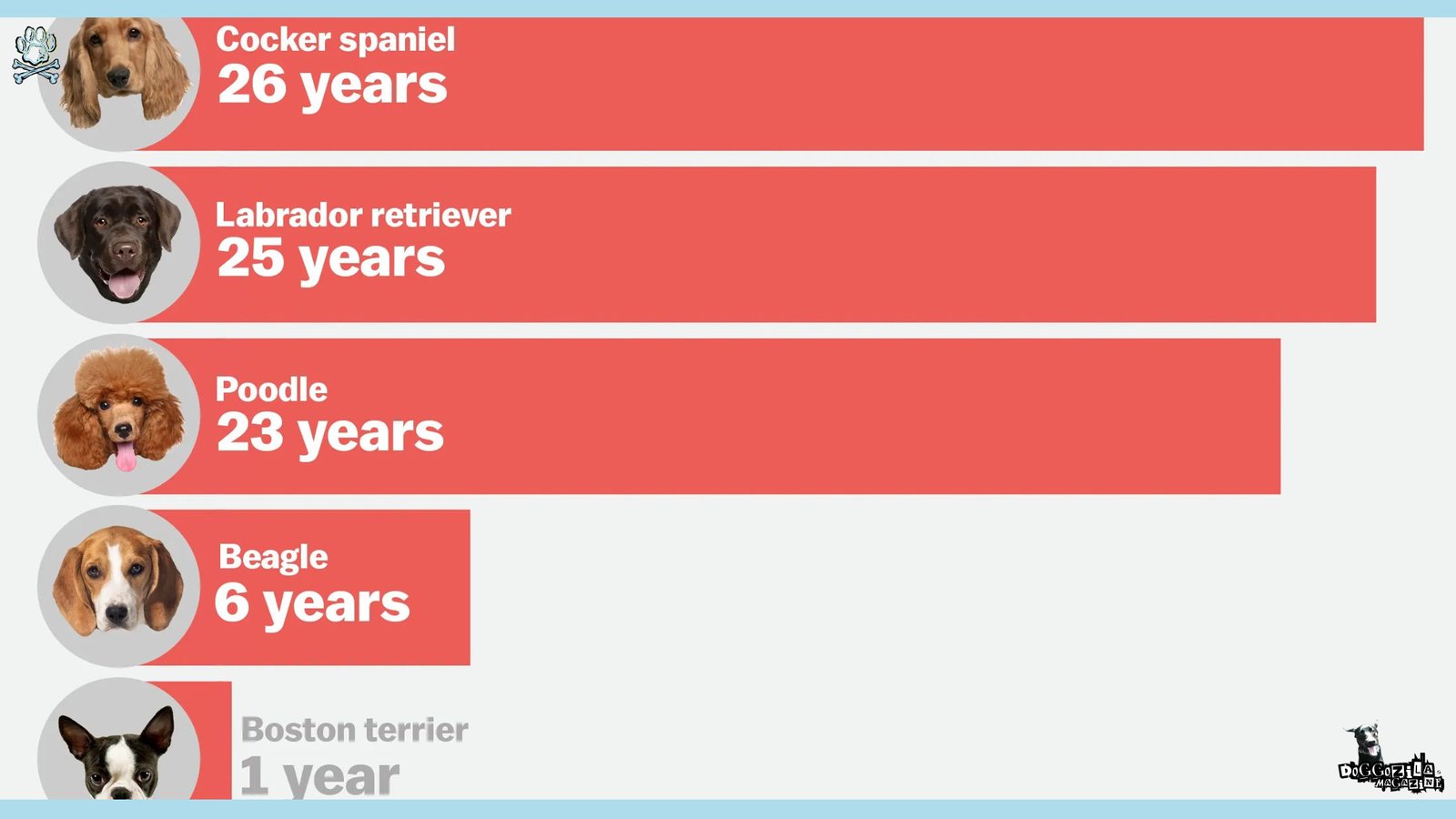
In the 1900s, the Collie was America’s top dog. The 1910s and 30s loved the Boston Terrier. The 1920s saw the German Shepherd rise. This was thanks to Rin Tin Tin and soldier stories. These historical dog breeds became popular because their stories captured hearts. They also fit the needs of the time.
Mid-Century Favorite Historical Dog Breeds
Tastes changed after WWII. The Cocker Spaniel became the 1940s star. In the 1950s, families moved to suburbs. The friendly Beagle became the ideal family pet. The 1960s loved the sophisticated Poodle. It was tied to French fashion. Each of these historical dog breeds met a cultural moment.
The Lasting Impact of Historical Dog Breeds Today
Today’s popular breeds still carry their history. The Labrador Retriever was bred to retrieve fishing nets. Its friendly nature comes from that cooperative past. The French Bulldog was a companion to lace workers. Knowing your dog’s purposeful past enriches your bond. It explains their instincts and energy.
🔑 Key Points: The most popular dog breeds today often reflect past trends. Their history as workers explains why we love them as family friends now.
RARE AND UNUSUAL HISTORICAL DOG BREEDS
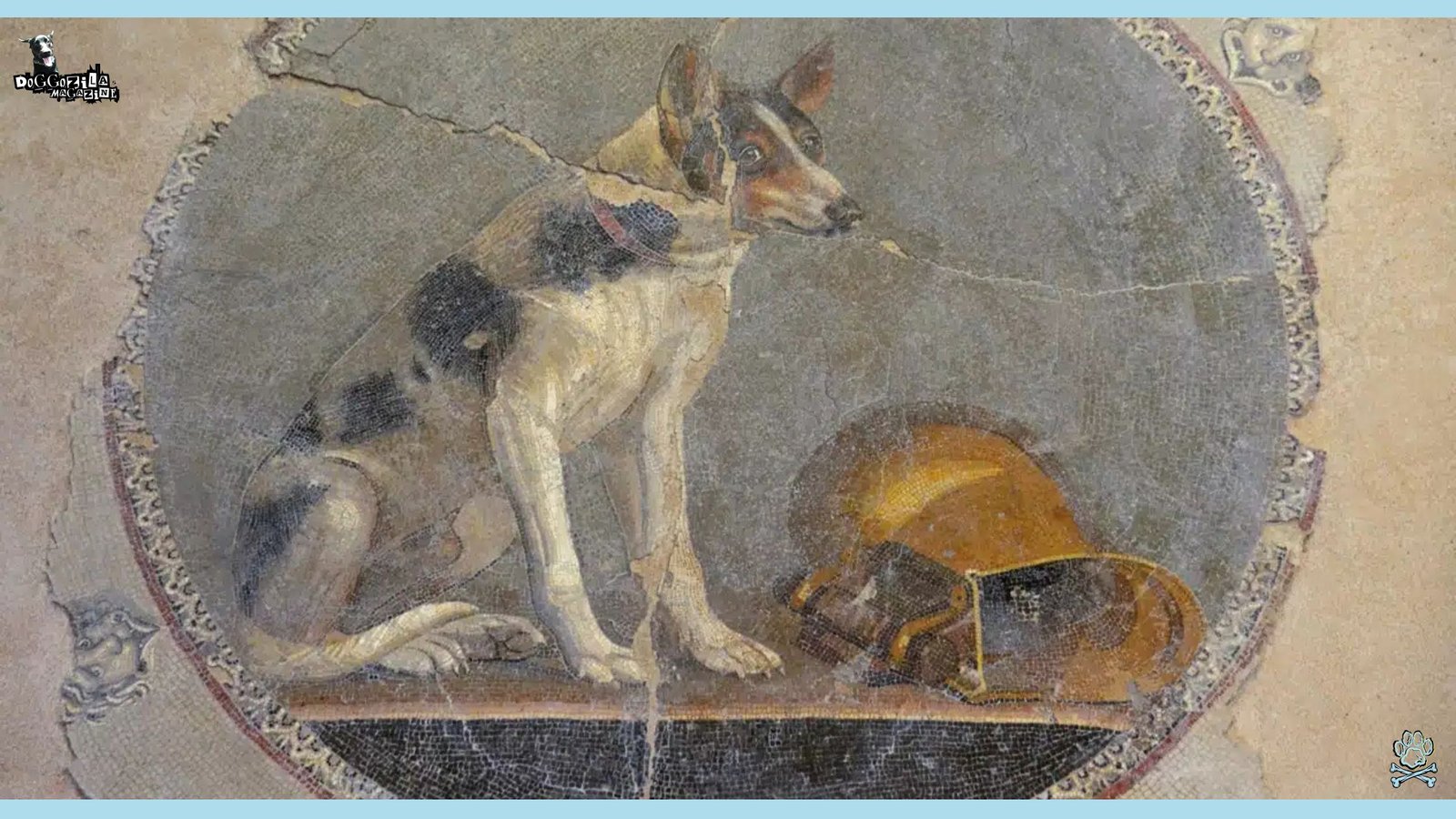
For every popular Lab, there are rare historical dog breeds. These are hidden gems. They are often ancient and preserved by dedicated fans.
The rarity of these breeds makes them special. They are a direct link to a specific time and place. For a dog history lover, they are a treasure.
Masterpiece Dogs of Adaptation
Some rare breeds are amazing specialists. The Azawakh has hunted in the Sahara for thousands of years. Its build is like a desert gazelle. The Catalburun is a Turkish pointer with a split nose. It was bred for great scenting skill. These historical dog breeds are nature’s masterpieces.
Dogs with Unmistakable Looks
Some rare breeds look like no other. The Komondor‘s corded coat protected it from wolves and weather. The Bedlington Terrier looks like a lamb but was a tough vermin hunter. The hairless Xolo is ancient and striking. When you see these historical dog breeds, you see living history.
Saving the Legacy of Rare Dogs
Owning a rare breed helps preserve history. The Otterhound is now very rare. Its old job hunting otters is gone. The Thai Ridgeback is seldom seen outside Thailand. By caring for these historical dog breeds, people save genetic and cultural history. They keep these amazing stories alive.
🔑 Key Points: Some dog breeds are very rare. They are living treasures that give us a direct link to a specific time and place in history.
THE EVOLUTIONARY JOURNEY OF HISTORICAL DOG BREEDS
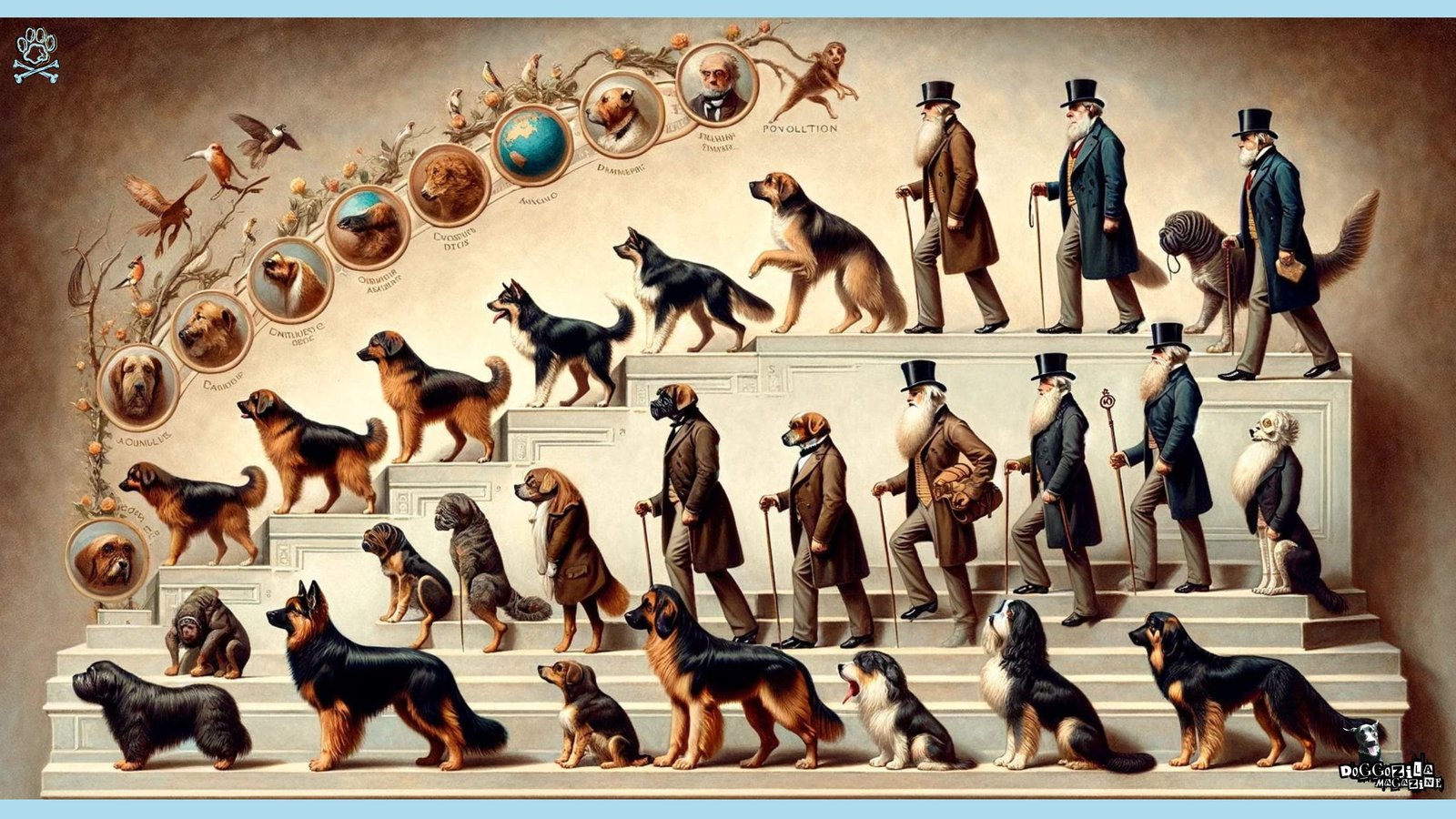
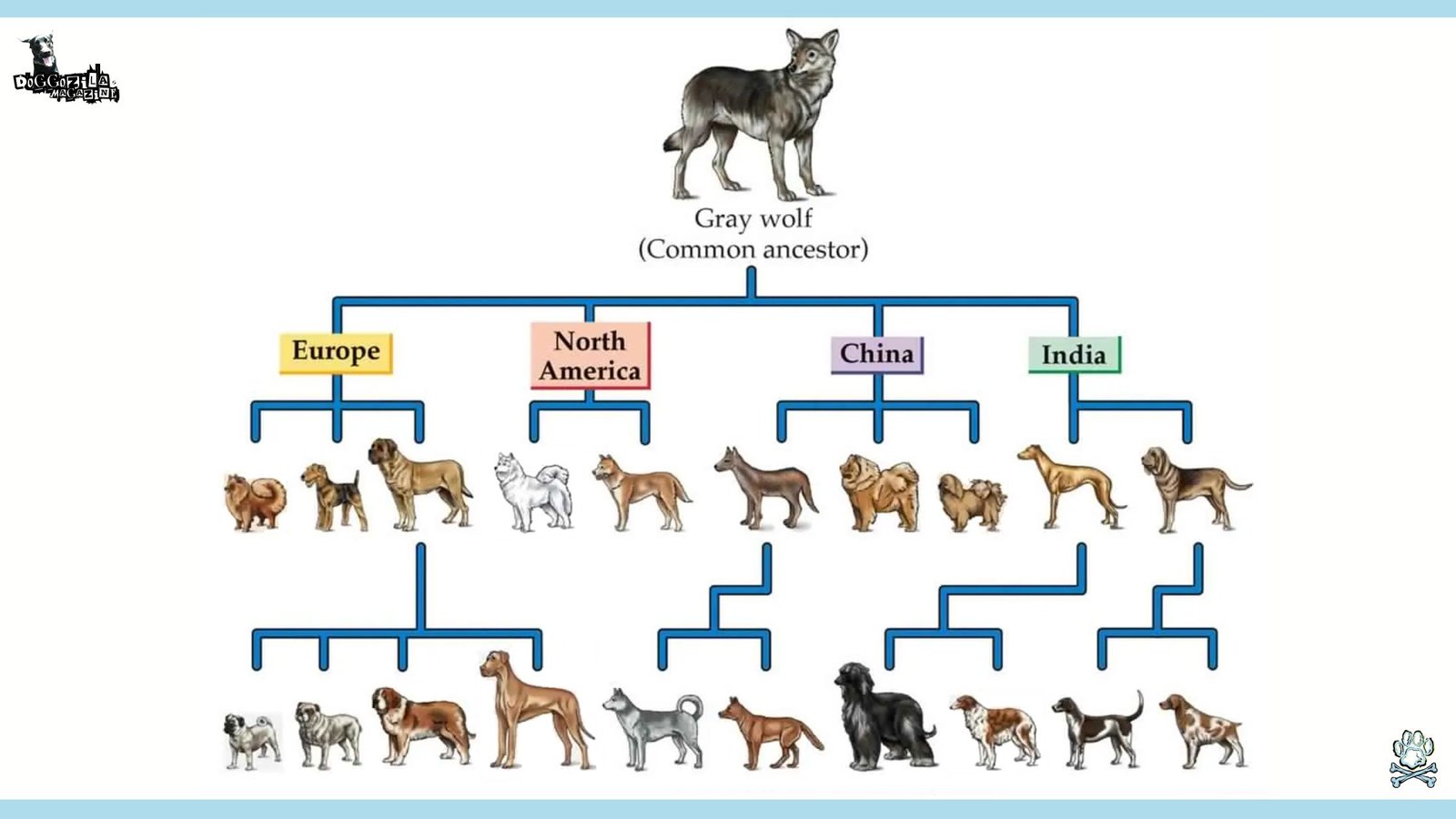
To appreciate any historical dog breed, look way back. All dogs share a common ancestor the gray wolf. The story of wolves becoming dogs is the best partnership tale ever.
The evolution took thousands of years. It happened in different places. Early humans formed bonds with less fearful wolves near their camps. These wolves became tamer over time.
From Wild Wolves to Working Partners
Natural selection happened first. Less aggressive wolves did better near people. They got more food and safety. They passed on these traits. This made early proto-dogs. Then came artificial selection. People bred dogs useful for specific jobs. In cold places, thicker-coated dogs were favored. For hunting, dogs with great sight or smell were chosen. This created the distinct historical dog breeds we know.
How Environment Shaped The Dogs from The Past?
The environment shaped these breeds too. The Xolo‘s lack of fur was perfect for warm Mexico. The Tibetan Mastiff‘s huge, furry body was shaped by freezing Tibet. The Otterhound‘s webbed feet helped in water. The Lundehund‘s flexible joints helped on cliffs. Every climate created its own historical dog breeds. They show evolution in action.
The Never-Ending Story of Dogs
Dog evolution never stopped. The basic form of many historical dog breeds was set long ago. But they still adapt. Modern breeding focuses on health and family life. Old hunters and guardians are now gentle pets. But they keep their instincts. New “designer dogs” continue the ancient tradition of mixing traits. The story that began at a campfire continues in our homes today.
🔑 Key Points: All dog breeds share a wolf ancestor. Humans shaped them over thousands of years through partnership and selective breeding for jobs.
CONNECTING WITH YOUR DOG’S HISTORICAL ROOTS
After this tour, you might see your dog differently. That habit of spinning before lying down? It’s an ancient nesting instinct. Curling in a ball to sleep protects vital organs and saves warmth.
You don’t need a purebred to connect with this history. Every dog carries this legacy. Knowing the historical dog breeds in your mix can explain their behavior and energy. It’s a fun way to build a deeper bond.
See History in Your Dog’s Daily Habits
Does your dog love to chase? Thank its hunting ancestors. Does it bark at strangers or patrol the yard? That’s a guarding instinct from long ago. Even a simple game of fetch uses a “retrieve” instinct bred into gundogs. These aren’t just random actions. They are old stories playing out in your living room. Seeing them as instincts helps us train and play better.
Honor the Legacy of The Dogs from The Past
We honor historical dog breeds by being good owners. Meet their physical and mental needs in ways that respect their past. A herding mix might need puzzles and play. A scent hound mix will love long, sniffing walks. Research your dog’s likely roots. It’s a fun detective game. It shows you the best way to keep them happy. Giving an outlet for their instincts celebrates the history that made them.
Your Dog Is a Living Piece of History
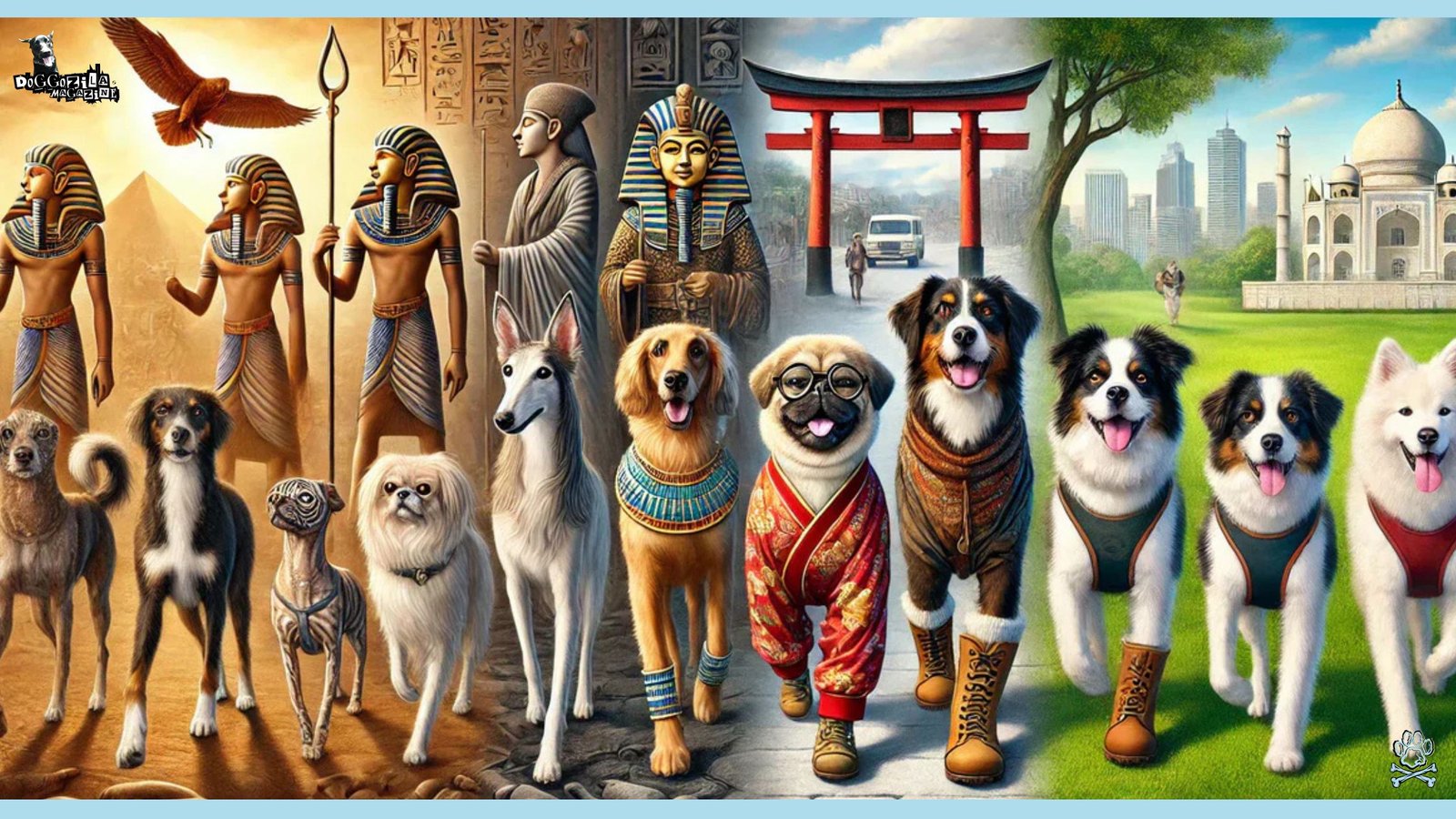
Remember this on your next walk. You walk with history. The leash connects you to ancient Egyptians, nomadic guilds, and royalty. Every bark, wag, and grin is part of a global legacy. Your dog is the latest chapter in an epic story of friendship. By understanding the past of historical dog breeds, we build a better future for every dog in our home and heart.
🔑 Key Points: Every dog has a historical legacy. You can see it in their instincts, like chasing or herding. Understanding this deepens your bond with your pet.