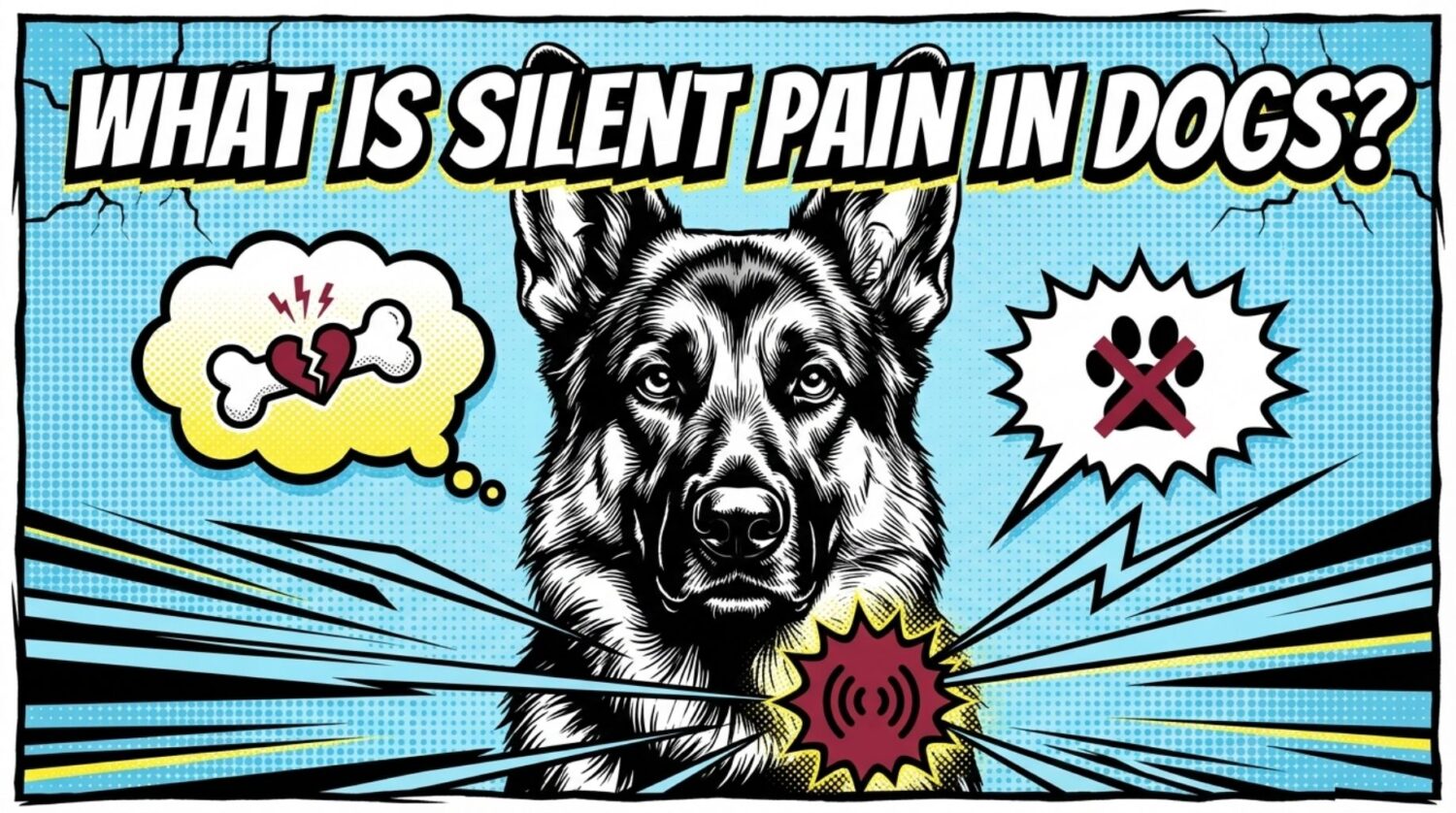

Many dog owners wonder and ask, can dogs have headaches? The answer might surprise you. Dogs cannot tell us with words, but their actions can. Think about your last headache. Now imagine feeling that pain without any way to ask for help.
Our dogs often hide their discomfort. This is a natural instinct from their wild ancestors. Showing weakness can be dangerous in the wild. So, they bear the pain in silence. As loving owners, we must become detectives. We need to learn their silent language of pain.
Let’s explore what might cause their pain. We will discuss how to help them feel better. Your vigilance is their greatest medicine. Seeing your dog in pain is hard. It is worse when you do not know the cause. Many pet parents ask their vets a tough question, do dogs get headaches?
Dogs cannot tell us about their pain. But vets see signs that point to yes. Dogs can get head pain and even migraines. This guide will help you see the subtle signs. You will learn how vets find the cause. Learning this makes you your dog’s best health advocate.
“Your dog hides in a dark closet. Squint at sunlight. Whine when you pet their head. They cannot tell you what is wrong. You know something is off. Could your dog have a headache?”

Quick Summary About HOW DOGS CAN HAVE HEADACHES
This guide explores the complex question, can dogs have headaches? While they can’t describe the pain, evidence suggests dogs experience headaches and even migraines. You’ll learn to recognize the subtle signs and understand potential causes. Discover what safe pain relief for dogs looks like. Learn how to partner with your veterinarian to find comfort for your furry friend.

UNDERSTANDING THE CORE QUESTION: CAN DOGS HAVE HEADACHES?
The short answer is yes. Experts agree dogs can get headaches and migraines. The hard part is figuring it out. Dogs cannot say where it hurts. Vets must watch their behavior closely. They also rule out other sicknesses first.
So, asking can dogs have headaches means learning a new language. It is the language of your dog’s silent pain. Proof comes from how dogs get better with certain medicines. They also get the same problems that cause human headaches.
Different Pain Types are Key to Understand If Dogs Can Have Headaches
Like people, dog headaches have types. Primary headaches start from issues in the head itself. Think migraines. More often, dogs get secondary headaches. These are a sign of another problem. Causes include tooth pain, bad ear infections in dogs, head injuries, or brain issues. Your vet must find the root cause. This guides the right treatment for your dog’s pain.
The Challenge of Detection: Why We Must Ask Can Dogs Have Headaches?
Dogs hide pain well. It is an old survival trait. This makes finding an answer hard. You must notice small behavior changes. There is also no simple test for a headache. Vets cannot run a “headache test.” They look at everything else first. So, owners and vets become detectives. They look for clues in a dog’s actions.
The Medical Research Bridge Connecting Human and Dog Experience
Human headache science owes a lot to animals. Big drug discoveries, like migraine medicines, came from dog and cat studies. This old link helps vets today. Direct studies on dog migraines are few. But vets use human medicine knowledge. They watch the dog’s response to treatment. This helps them build a care plan.
🔑 Key Points: Vets believe dogs can get headaches. Diagnosis is hard because dogs hide pain and cannot talk.
RECOGNIZING THE SIGNS: HOW TO TELL IF CAN DOGS HAVE HEADACHES?
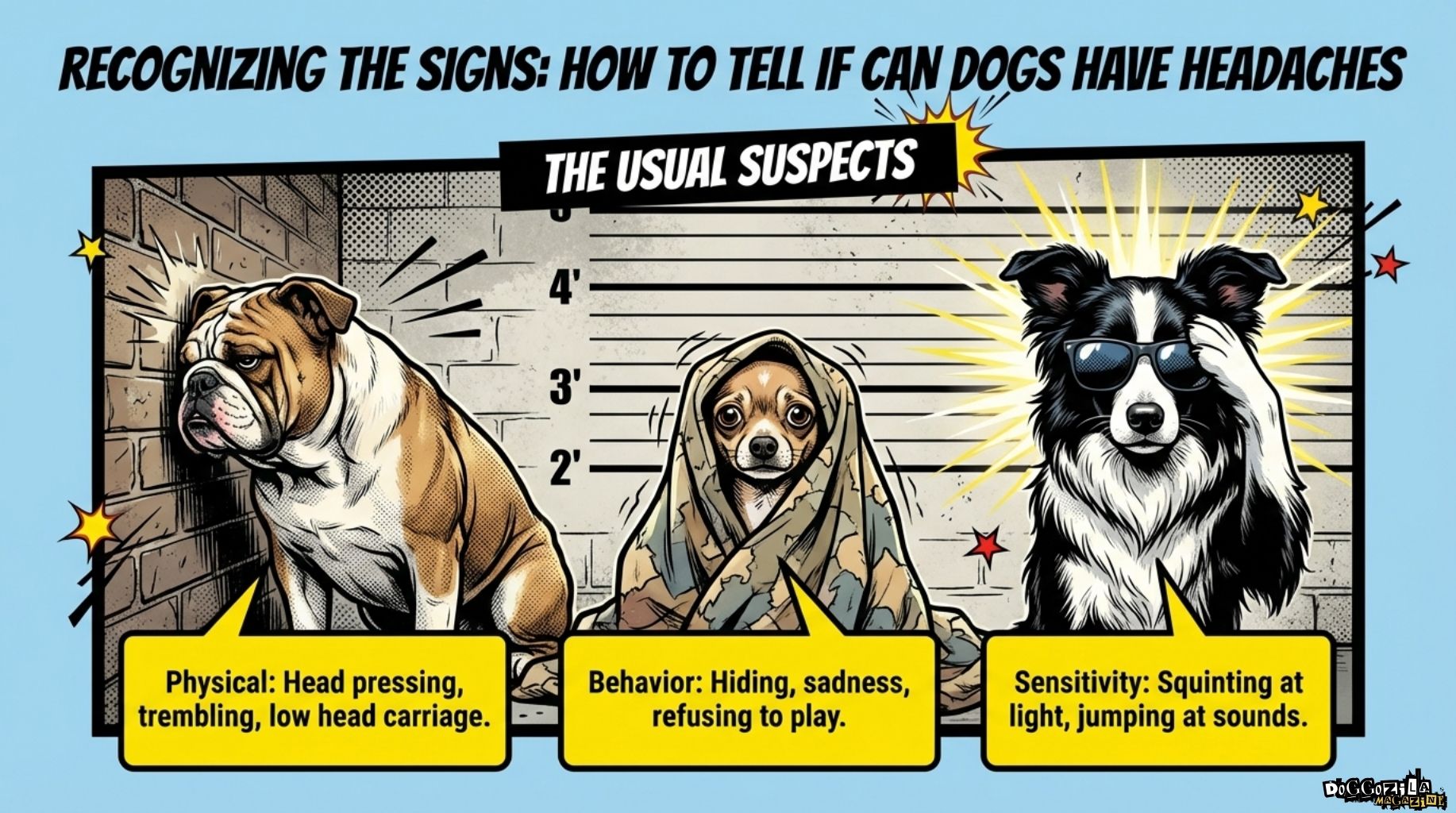
You must watch your dog’s normal behavior. Look for changes. Headache signs are often vague. They can look like other illnesses. Look for several signs together. If you ask can dogs have headaches, watch for clues. Your dog is trying to tell you they hurt.
Physical Symptoms That Suggest Can Dogs Have Headaches
A dog with head pain may show it. They may not want their head or neck touched. Some dogs might pull away or whine. You may see a low head or no desire to play. Some dogs press their head on a wall. This is called “head pressing.” It can mean brain discomfort. Shivering when not cold can also signal pain.
Behavioral Clues That Help Answer How Dogs Can Have Headaches
Watch for personality shifts. A happy dog may become quiet and sad. They may hide in a dark, quiet room. This is like a person with a migraine. They may seem restless but cannot get comfortable. They might not want their food. This is especially true for hard kibble. Chewing can make head pain worse.
Sensitivity to Stimuli: A Hallmark Sign That Dogs Can Have Headaches
Dogs with head pain often hate noise and light. They may squint in normal light. They may jump at normal sounds. This is why they seek dark, quiet spots. You might also see signs of a sick stomach. They may lick their lips or drool. Nausea often goes with migraines in people. It likely happens in dogs too. Sensitivity to light, sound, and touch is a big clue. It helps answer can dogs have headaches.
🔑 Key Points: Watch for behavior groups like hiding from light/noise, not wanting head touched, being sad or quiet, and not eating.
HOW CAN VETERINARIANS DIAGNOSE IF DOGS HAVE HEADACHES?
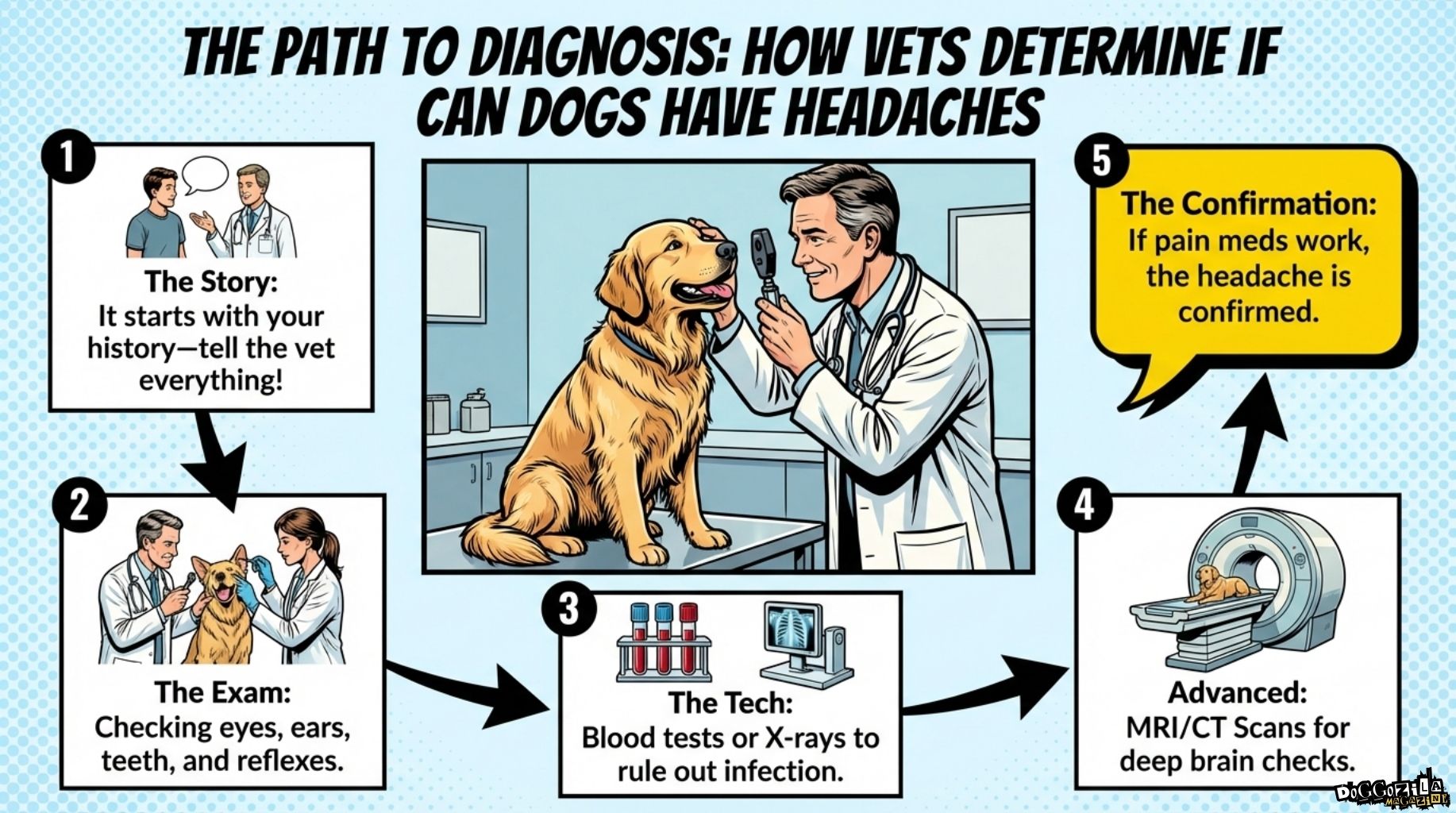
Vets cannot test for a headache directly. They must rule out everything else first. This careful process finds the true cause. It makes sure no treatable problem is missed. Answering can dogs have headaches for your dog is a team effort. You share what you see at home. Your vet uses their medical skills.
The Critical First Step: A Detailed History and Physical Exam
It starts with your story. Your vet will ask many questions. When did it start? How often? What changed? They will do a full exam. The vet expert will feel the head, neck, and jaw. They will check ears and teeth. Also they test reflexes and balance. They look for any neurological problems.
Diagnostic Testing to Rule Out Underlying Causes
Next, the vet will run tests. Blood and urine tests check for infections or other diseases. They may look deep in the ears or take dental X-rays. If serious issues are possible, they suggest advanced scans. An MRI or CT scan shows the brain in detail. These tests look for tumors, swelling, or other problems.
The Response to Treatment Can Confirm That Dogs Have Headaches
Sometimes, the final clue is treatment. If all tests are normal, the vet may try a special medicine. This medicine is for nerve pain or migraines. If the dog gets much better, it supports the headache idea. This step-by-step method is safe. It ensures your dog gets the right care. It also helps answer can dogs have headaches.
🔑 Key Points: Vets find the cause by ruling out other problems with exams, blood tests, and sometimes brain scans.
WHAT CAN YOU DO IF YOU SUSPECT THAT YOUR DOGS MAY HAVE HEADACHES?
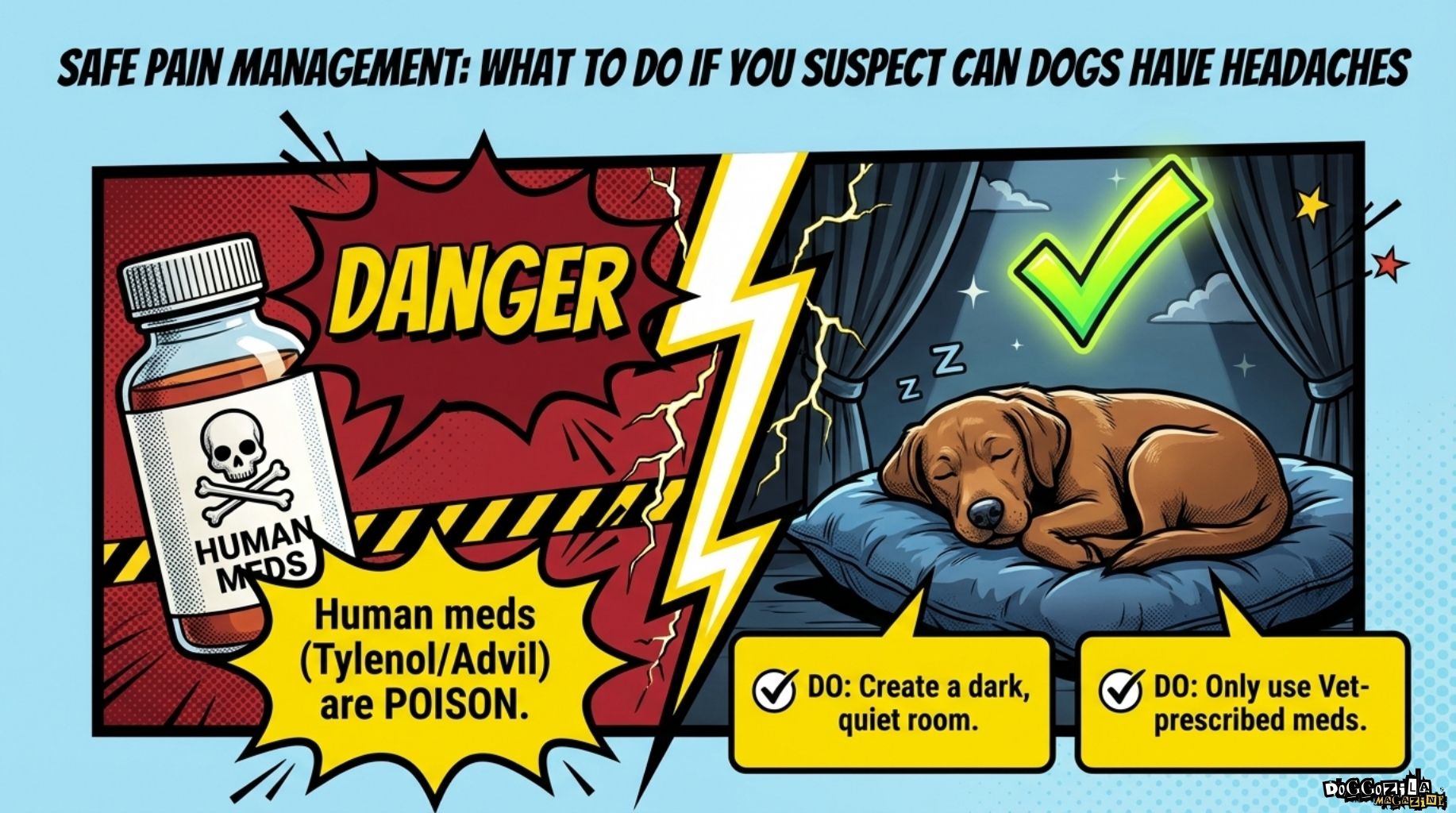
This is very important. Never give your dog human pain medicine. Drugs like ibuprofen (Advil) or acetaminophen (Tylenol) are poison to dogs. They can cause deadly stomach ulcers or kidney failure. Safe help must come from your vet. They will choose a dog-safe medicine. Managing pain safely is key. It shows true care when you ask can dogs have headaches.
Veterinary-Prescribed Anti-Inflammatories for Dogs With Headaches
Vets often use safe dog NSAIDs. These are drugs like carprofen (Rimadyl) or meloxicam (Metacam). They fight inflammation and pain. But they are made for dogs. They need a prescription. Your vet will also do follow-up blood tests. This checks that the medicine is safe for your dog’s body.
Other Prescription Pathways for When Dogs Can Have Headaches
Vets have other options. Gabapentin is common for nerve pain. It can help certain headaches. For very bad pain, vets may use short-term opioids. For suspected migraines, other special drugs might be used. These are strong medicines. They must be given exactly as the vet says. This is why you need a pro.
Supportive At-Home Care While Investigating Can Dogs Have Headaches
You can help at home too. Make a calm space for your dog. Keep it dark and quiet. Make sure they have fresh water. Dehydration can cause headaches. Offer soft food if they do not want to chew. This care does not replace the vet. But it comforts your dog while you find answers.
🔑 Key Points: Human pain pills are dangerous for dogs. Only use medicine your vet prescribes. You can provide a quiet, dark space at home.
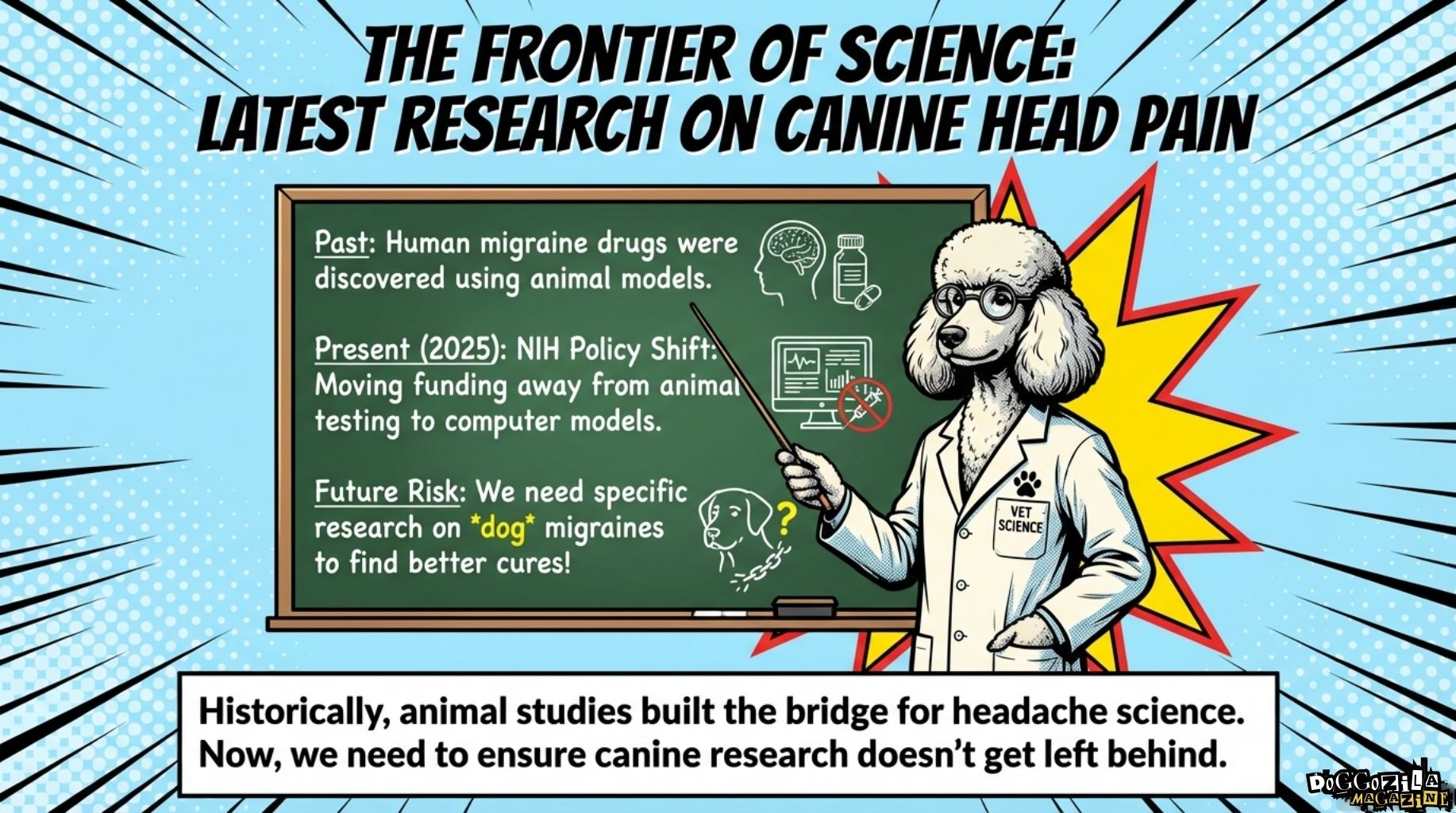
THE FRONTIER OF SCIENCE: LATEST RESEARCH ON DOG MIGRAINES
Science on dog headaches is growing. It borrows from human research. Right now, big changes in science funding could affect all pain studies. Asking can dogs have headaches leads us to a research crossroad. New rules might change how we study pain for all species.
The NIH Policy Shift and Its Impact on Pain Research
A major U.S. health agency changed its policy in 2025. It will fund more human-based research. This means more computer models and fewer animal studies. Some migraine scientists worry. They say animal tests are still needed. They help us understand pain and test new drugs safely. This debate affects future discoveries for dogs and people.
Why Animal Models Have Been Fundamental?
Historically, animal studies built migraine science. Key drugs were found using dog and cat models. Scientists say pain is complex. You need a whole living body to study it. You cannot fully copy pain in a computer. Animal behavior gives a critical link. It connects lab studies to real-world treatments. This link is now at risk.
The Future of Dog-Specific Neurological Studies
Money for dog headache research is still small. Most dog health funding goes to cancer or infections. This leaves a gap for brain pain studies. The hope is for more focus. As vets document more migraine cases in dogs, patterns will emerge. This could lead to better studies and treatments. It will help us truly know can dogs have headaches.
🔑 Key Points: Research on human headaches used animals. New science funding rules may change how we study pain for all species.

ARE THERE SPECIFIC MEDICATIONS FOR DOG HEADACHES AND MIGRAINES?
No drug has an FDA label for “dog headache.” But vets use existing medicines in smart ways. This is called “off-label” use. The choice depends on the suspected pain type and the dog’s health. This careful approach is the best care. It helps when we ask can dogs have headaches.
Medications Targeting Neuropathic Pain
If the pain seems nerve-based, vets use certain drugs. Gabapentin is a top choice. It calms overactive nerves. Other options include low-dose seizure medicines. Some human migraine-prevention drugs are also options. Vets use them with great caution and watch the dog closely.
Medications for Inflammation and Vascular Issues
For inflammation, dog NSAIDs are the go-to. If a blood vessel issue is suspected, older drug types might be considered. These are used very rarely and with extreme care. The vet always weighs the good against the possible risks for your dog.
The Importance of a Structured Treatment Plan
Managing migraines is long-term. Your vet may create two plans. One is an abortive therapy. This stops an episode when it starts. The other is preventive therapy. This is a daily medicine to have fewer and milder episodes. You will track your dog’s symptoms. You will have regular vet check-ups. This keeps your dog’s life good.
🔑 Key Points: Vets use drugs like gabapentin or dog NSAIDs “off-label” to treat head pain, often with a long-term prevention plan.
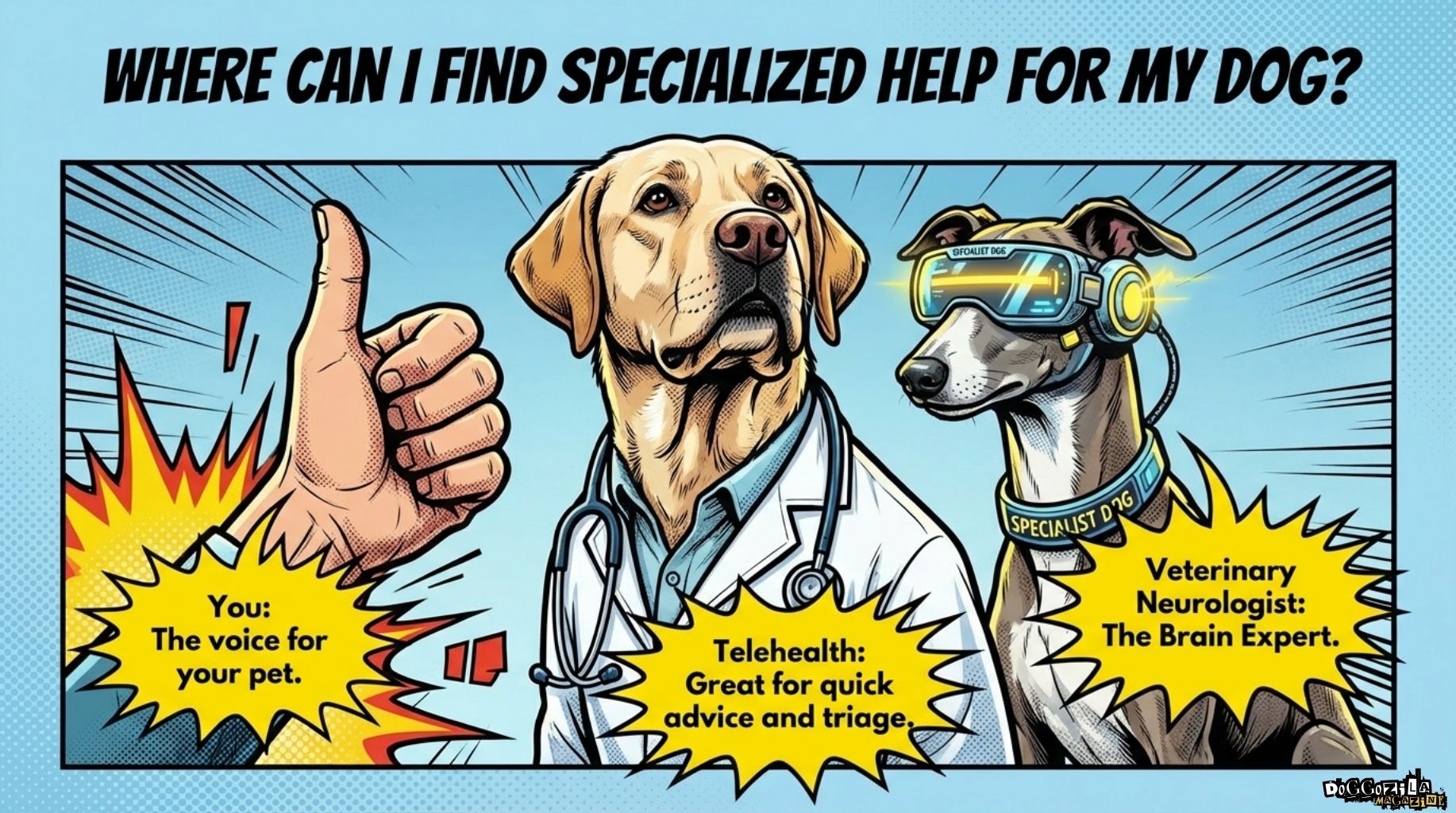
WHERE CAN I FIND SPECIALIZED HELP FOR MY DOG?
Your main vet is a great start. For tough cases, they may send you to a specialist. Getting expert help is a smart move for bad or lasting pain. Knowing where to look is part of good care. It matters when you worry can dogs have headaches. Specialists have more tools and training.
Finding and Consulting a Veterinary Neurologist
A veterinary neurologist is a brain and nerve specialist. They train for years extra. They are the experts for complex headache problems. Your vet can refer you. Neurologists have MRIs and know the newest treatments. You can also search online for one near you.
Utilizing Pet Telehealth Services for Initial Guidance
Pet telehealth services are helpful. You can video-call a licensed vet from home. Talk about your dog’s signs. Get advice on next steps. They can suggest comfort measures. Remember, they cannot give a final diagnosis online. They cannot prescribe heavy drugs. But they offer great support and can tell you if you need to rush to an emergency clinic.
Building a Collaborative Healthcare Team
The best care is team care. Your primary vet is the team leader. The neurologist is the brain expert. The telehealth vet offers quick support. Share all your dog’s records with everyone. Ask lots of questions. Be your dog’s voice. This is how you get the best result.
🔑 Key Points: A veterinary neurologist is a brain specialist for tough cases. Telehealth vets offer convenient support and advice.
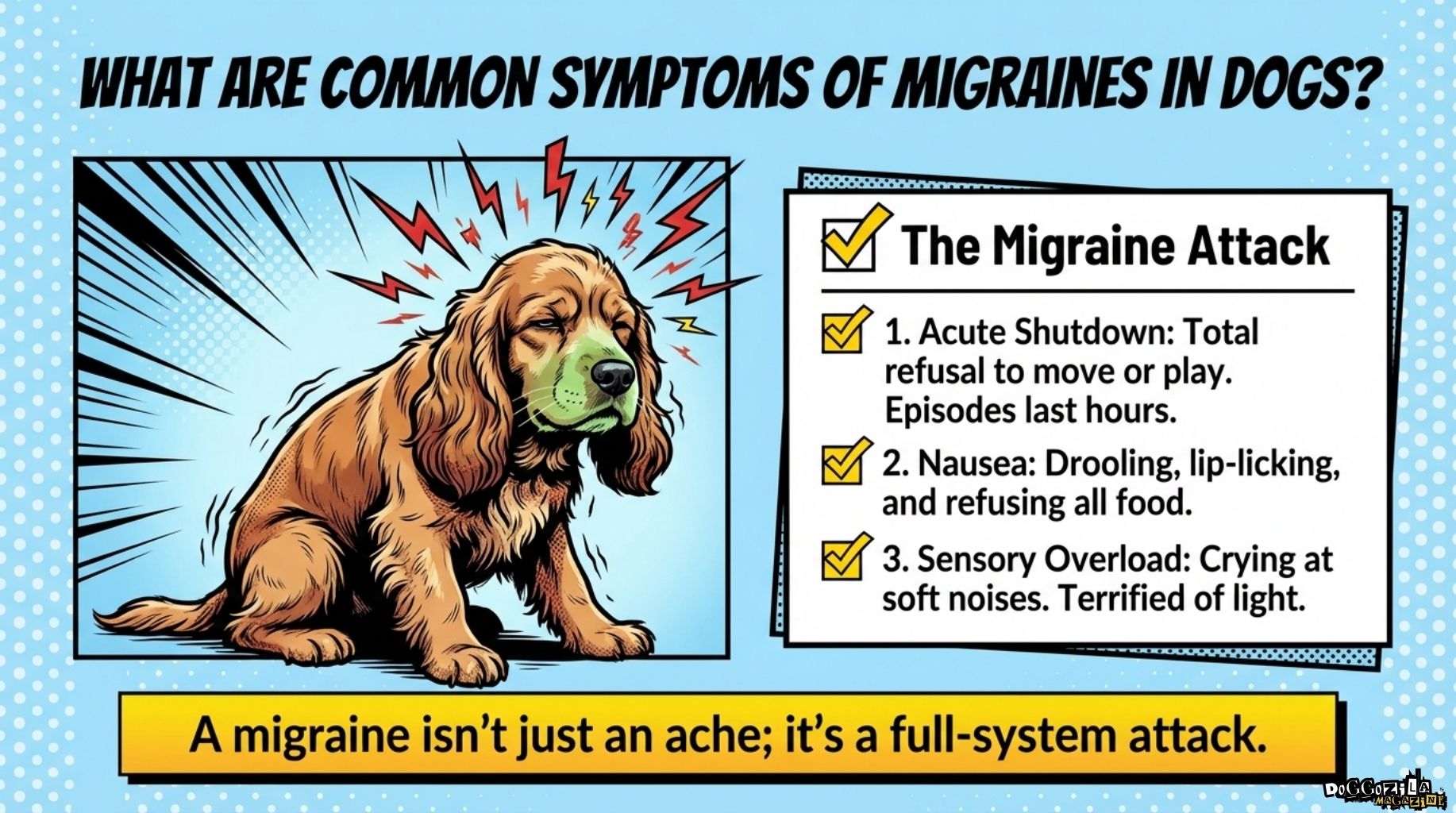
WHAT ARE COMMON SYMPTOMS OF MIGRAINES IN DOGS?
Migraines in dogs are like very bad headache attacks. They come and go. Your dog seems fine between episodes. The signs are often stronger than a regular headache. Knowing these symptoms helps you spot a possible migraine. This is a key part of understanding can dogs have headaches of this severe type.
Acute Behavioral Shutdown During an Episode
A migraine episode can start suddenly. Your happy dog may seem to shut down. They may hide and not come out. Some dogs might tremble or seem very afraid. They often do not want to interact at all. Other dogs just want to be left alone in the dark. This drastic change is a major red flag.
Clear Signs of Nausea and Appetite Loss
Migraines often cause nausea. Your dog may drool more than usual. They may lick their lips constantly. It’s very likely they to refuse all food and maybe even water. They might look like they feel sick to their stomach. This can last for the whole episode, which might be many hours.
Increased Sensitivity and Possible Vocalization
Sensitivity to light and sound is extreme. Even soft noises may bother them. They may cry or whimper, especially if touched near the head. Some dogs may pace but cannot get comfortable. They are clearly in distress but do not know how to make it stop.
🔑 Key Points: Dog migraines are severe attacks with nausea and sensitivity. Telehealth offers guidance but not a full diagnosis or prescription.

CAN I FIND A DOG MIGRAINE TREATMENT PLAN FROM A PET TELEHEALTH SERVICE?
Yes, you can find initial guidance and support. But there are important limits. Telehealth is a tool, not a complete solution. It can be a great first step when you wonder can dogs have headaches that are this severe. Knowing how to use these services correctly keeps your dog safe.
What Telehealth Vets Can Do for You?
A telehealth vet can listen to your dog’s story. They can review signs you describe. The vets can give general advice on comfort care. They can help you decide if it is an emergency. The vets can explain what a veterinary neurologist does. They may suggest general wellness supplements. They are a helpful sounding board.
What Telehealth Vets Cannot Do?
They cannot do a physical exam. Also cannot prescribe controlled medications. They cannot order an MRI or CT scan. They cannot give a final, official diagnosis. For a migraine treatment plan, you need an in-person vet or specialist. They can do the full work-up and prescribe the right medicine.
Using Telehealth as Part of Your Strategy
Think of telehealth as a member of your dog’s care team. Use it for quick questions between vet visits. Also use it to monitor progress. Use it for support when you feel unsure. But always follow up with your primary vet or neurologist for the formal treatment plan. This is the safe and effective way to manage migraines.
🔑 Key Points: A veterinary neurologist is a brain specialist for tough cases. Telehealth vets offer convenient support and advice. Migraines are severe episodes. No store supplements treat them. Only vet medicine is safe for pain. Know the emergency signs.

THE INCREDIBLE FLIP SIDE: DOGS THAT DETECT HUMAN MIGRAINES
Now for something amazing: dogs can warn humans of migraines. This beautifully flips the script on our question. While we ask, “Do dogs get headaches?”, some dogs are experts at knowing when we are about to get one. They detect subtle chemical or behavioral changes we cannot perceive ourselves. Their powerful noses can sense shifts in our breath or skin odors. Their keen observation picks up on tiny changes in our posture or habits.
Research shows many dogs naturally alert their owners to oncoming migraine attacks. This gives the person valuable time to take medication and get to a safe place. It’s a profound demonstration of the human-dog bond.
Scientific Studies on Dog Migraine Detection
The evidence for this ability is growing. One survey of over 1,000 migraine sufferers who owned dogs found that 54% noticed a change in their dog’s behavior before or during an attack. Even more compelling, about one in four said their dog’s warning came before they felt any symptoms themselves.
The dogs typically alerted their owners one to two hours before the migraine pain began. Another study on diabetic alert dogs found similar capabilities, with dogs detecting hypoglycemia before their owners. This suggests dogs have a general talent for detecting medical events. They are living, breathing early warning systems, motivated by their bond with us.
How These Amazing Dogs Alert Their Owners?
Dogs use their own language to signal a warning. The most common alerting behavior is intense attentiveness. The dog may stare, follow, or stay unusually close, a “Velcro dog“. They may nudge, paw, or lick the owner’s hands or face persistently. Some bark or whine to get attention.
Others might perform a specific trained behavior, like fetching medication. One owner reported her dog would wake her by licking her face before a nighttime migraine. The behaviors are as unique as the dog. The key is that the action is distinct from the dog’s everyday behavior. Owners learn to recognize their personal “migraine alert.”
Could Your Dog Have This Hidden Talent?
Many dogs may have this innate ability without formal training. If you get migraines, watch your dog’s behavior in the hours before an attack. Do they become clingy? Do they act anxious or focused on you? Keep a log. Note the time your dog shows specific behavior and the time your migraine starts.
Look for patterns. This natural alerting can be reinforced with praise and reward, strengthening the signal. For those who need more consistent help, organizations train migraine alert service dogs. These dogs provide independence and security. It’s a remarkable partnership where the species that might suffer headaches also holds the key to relieving them in another.
🔑 Key Points: Studies reveal that dogs can detect migraines in humans. Not every dog will do this, but many have the innate capacity. It’s a beautiful aspect of co-evolution.

Final Thoughts About How to Help Sensitive Dogs
Choose a quiet room or a corner for your dog’s retreat. This area should be away from the main hustle and bustle of the house. Use a comfortable, supportive bed. Many dogs like orthopedic beds as they age. The space should be dimly lit. You can use blackout curtains or simply position the bed in a naturally shadowy spot.
Ensure the temperature is pleasant, not too hot or cold. Add a blanket that smells like you. Your familiar scent is deeply comforting. Make sure water is available nearby. This designated space gives your dog a clear option when they need peace. They will learn to go there when feeling unwell.
If your dog has recurring issues, consider broader changes. For dogs with noise sensitivity, a white noise machine can mask scary sounds. For dogs prone to overheating, invest in a cooling mat. If allergies are suspected, your vet might recommend air purifiers or frequent washing of dog bedding with hypoallergenic detergent.
Regular, gentle exercise maintains good circulation and muscle tone without strain. Mental enrichment through food puzzles or gentle training can reduce boredom-related anxiety. View your dog holistically. Every aspect of their life, physical, mental, and emotional, contributes to their health. Your loving adjustments create a life of ease and joy for them.
🔑 Final Key Points: Small adjustments to your home routine can make a big difference for a sensitive dog. This is about more than physical comfort. It is about emotional security. A dog that feels safe is better equipped to heal. Your mindful care transforms your house into a true home for their health

FREQUENTLY ASKED QUESTIONS ABOUT DOG MIGRAINE AND HEADACHES