
Are you dreaming of a furry friend who would rather snuggle on the sofa than sprint around the park? You are not alone. The most lazy dog breeds are growing in popularity because they perfectly match a relaxed lifestyle. These wonderful companions prove that a wagging tail does not require a marathon every day. Instead, they find pure joy in quiet moments, gentle walks, and the simple comfort of being by your side.
Quick Summary About THE MOST LAZY DOG BREEDS
If you want a furry friend who prefers the sofa to the sprint, the most lazy dog breeds are the perfect match. This guide explores why breeds like the Boston Terrier, Great Dane, and Shih Tzu are naturally low‑energy. You will learn how metabolism, body shape, and evolutionary history turn these dogs into professional nappers. The article also covers essential care tips, from short “Sniffari” walks to avoiding obesity, so your couch potato stays happy and healthy. Whether you live in a small apartment or just want a calm companion, these breeds prove that a little laziness can be a wonderful thing.
ENERGETIC VERSUS THE MOST LAZY DOG BREEDS
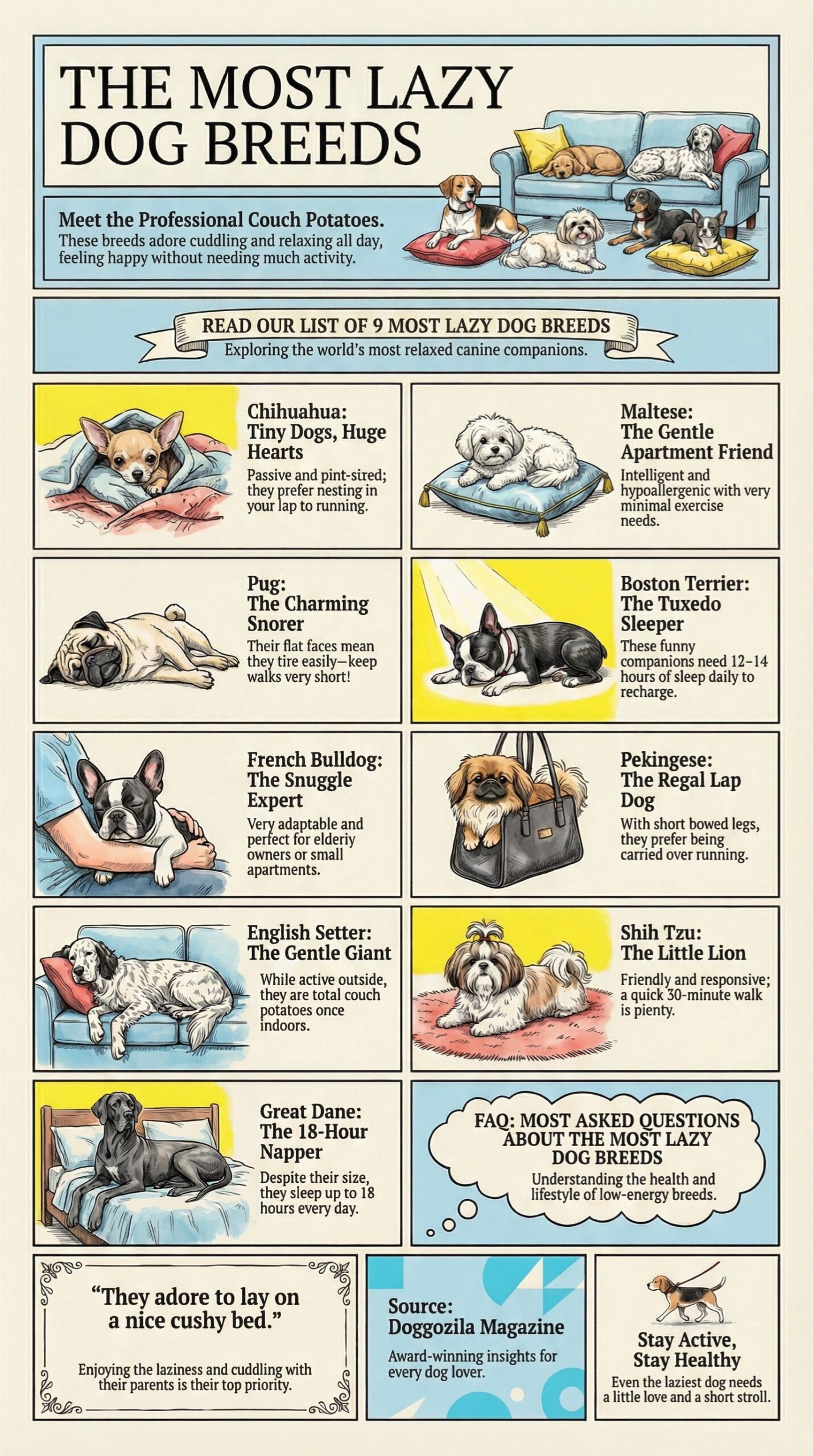
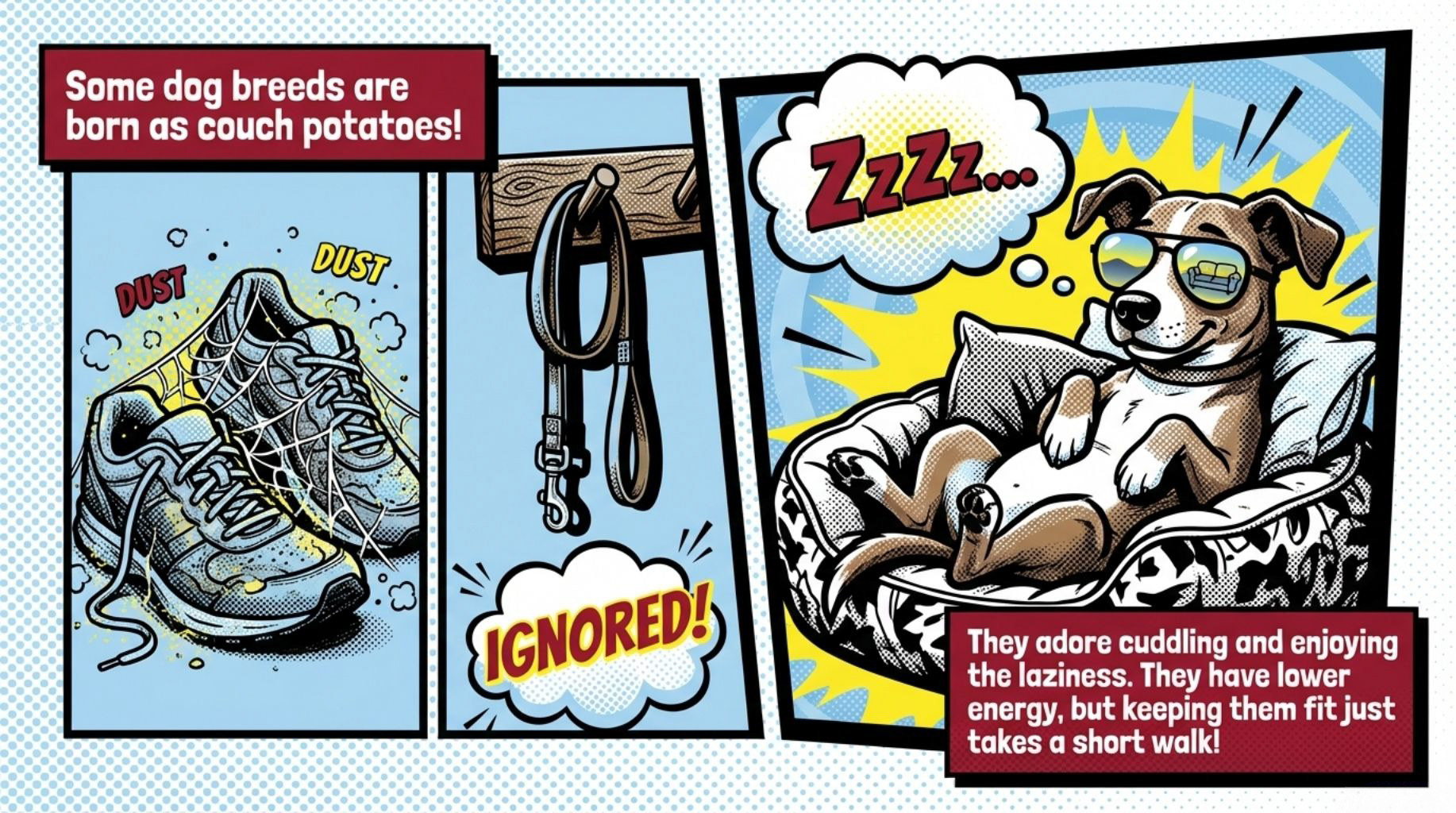
There are types of dog breeds that are natural runners and need regular exercise. They are often very energetic, and need a lot of involvement. If they don’t spend their high energy might become destructive. On the other hand, some dog breeds are born as couch potatoes! Sleeping and relaxing all day long, feeling content and happy without doing much. These breeds are called couch dog-potatoes.
That is not all!
They adore to lay on a nice cushy bed, cuddling with their parents and enjoying the laziness! Even though they are showing laziness, it doesn’t mean that they are totally uninterested or unmotivated! They are just with lower energy unlike other dogs who cannot get enough of playing and running. Perhaps they are with lower energy, but like every dog they need their regular walks and exercises. In order to keep your dog healthy and fit, stay active.
THE BLUEPRINT OF THE MOST LAZY DOG BREEDS
While many people think a sleepy dog is simply “lazy,” the truth is much deeper. The most lazy dog breeds often have fascinating evolutionary histories. These breeds were not designed for a life of hard work. Instead, they were carefully developed for a life of companionship.
How The Most Lazy Dog Breeds Mastered The Art of Doing Nothing?
For centuries, royalty in places like China and Europe wanted lapdogs, not hunters. They bred dogs like the Pekingese and the Shih Tzu to be calm and serene. Their job was to sit on a silk pillow, not to chase a fox through the woods.
This history is the blueprint for modern laziness. Because these dogs were bred to be companions, their “internal engines” are set to “idle.” The most lazy dog breeds have mastered the art of doing nothing. It is not a lack of intelligence. It is a biological gift.
They conserve energy naturally because their ancestors did the same. When you adopt one of these breeds, you are adopting a pet whose genetics tell them that the best place to be is right next to you on the couch.
The Health Paradox: Why Laziness Requires Vigilance?
A common mistake owners make is assuming that because a dog is naturally sleepy, they require less medical attention. In reality, the most lazy dog breeds face specific health risks that high-energy dogs usually avoid.
Their laid-back lifestyle creates a “health paradox” where the very thing that makes them great pets, their low energy, can also shorten their lives if not managed properly.
The Obesity Trap and Joint Stress
Because the most lazy dog breeds have low metabolic rates, they gain weight easily. A 5-pound Chihuahua only needs a few extra treats a week to become with heavy weight. According to veterinary studies, obesity in flat-faced breeds like the French Bulldog and Pug puts immense pressure on their already compromised airways.
For these dogs, every extra pound makes breathing feel like they are wearing a heavy coat in the summer. For breeds like the Pekingese (with short, bowed legs) or the aging Great Dane, carrying extra weight is disastrous. Their unique bone structures are not designed to handle heavy loads.
Vigilance is key. Owners must fight the urge to overfeed just because the dog looks “cute” lying on the rug. Keeping the most lazy dog breeds lean is the number one way to ensure they stay healthy enough to enjoy their long naps.

READ OUR LIST OF THE 10 MOST LAZY DOG BREEDS
Chihuahua
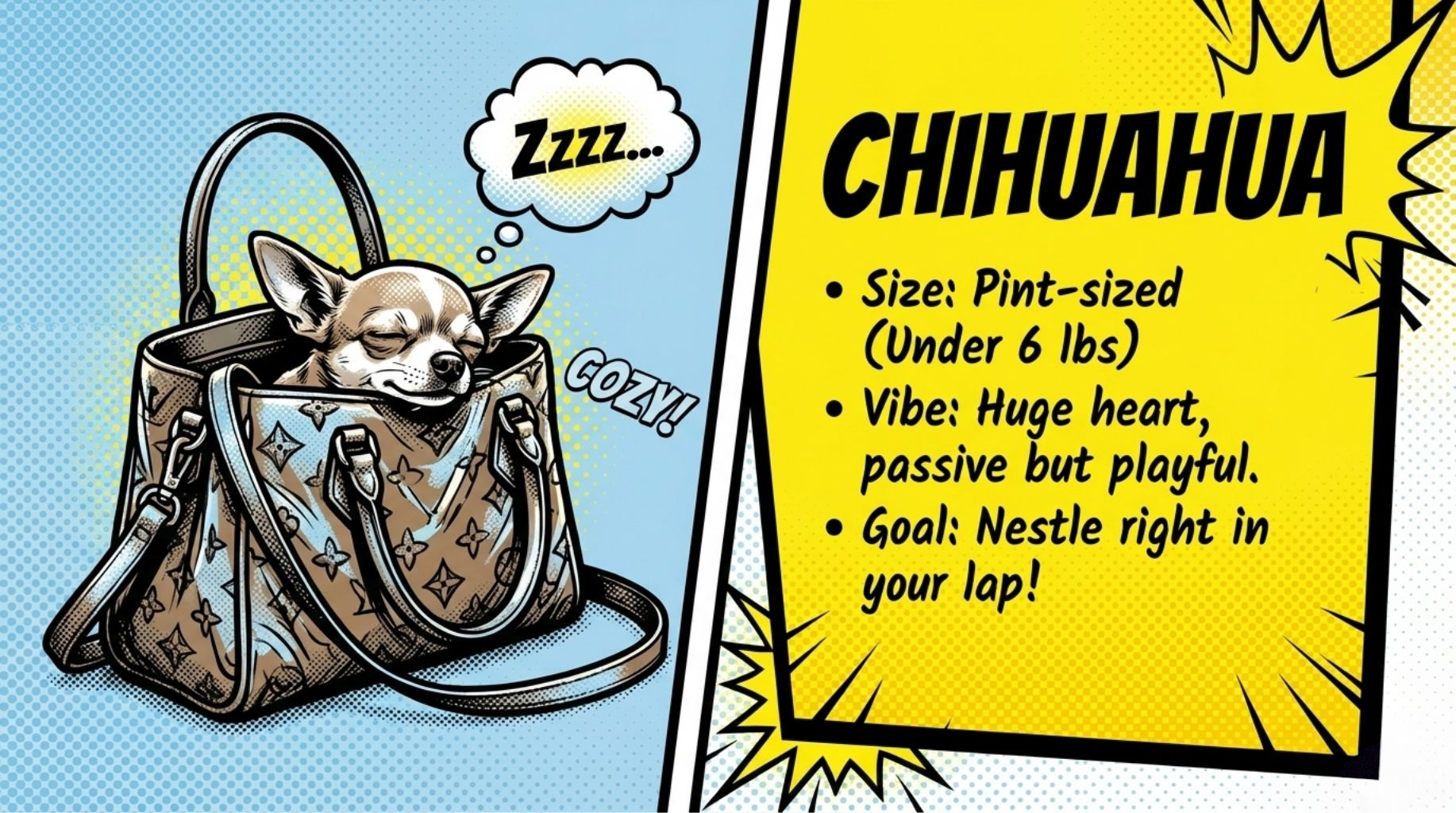
Chihuahuas are tiny dogs, in a size of a pint, so small they can fit in a lady’s purse. They might weight no more than 6 pounds, but they have huge hearts. In spite of the fact that they are passive, they still need some amusement.
Play and other activities to keep them happy and content. If you meet their needs, they would be pleased to nestle in your lap. While they are passive and enjoy nesting in a lap, they remain happy as long as they have small amounts of indoor play and amusement.
Maltese
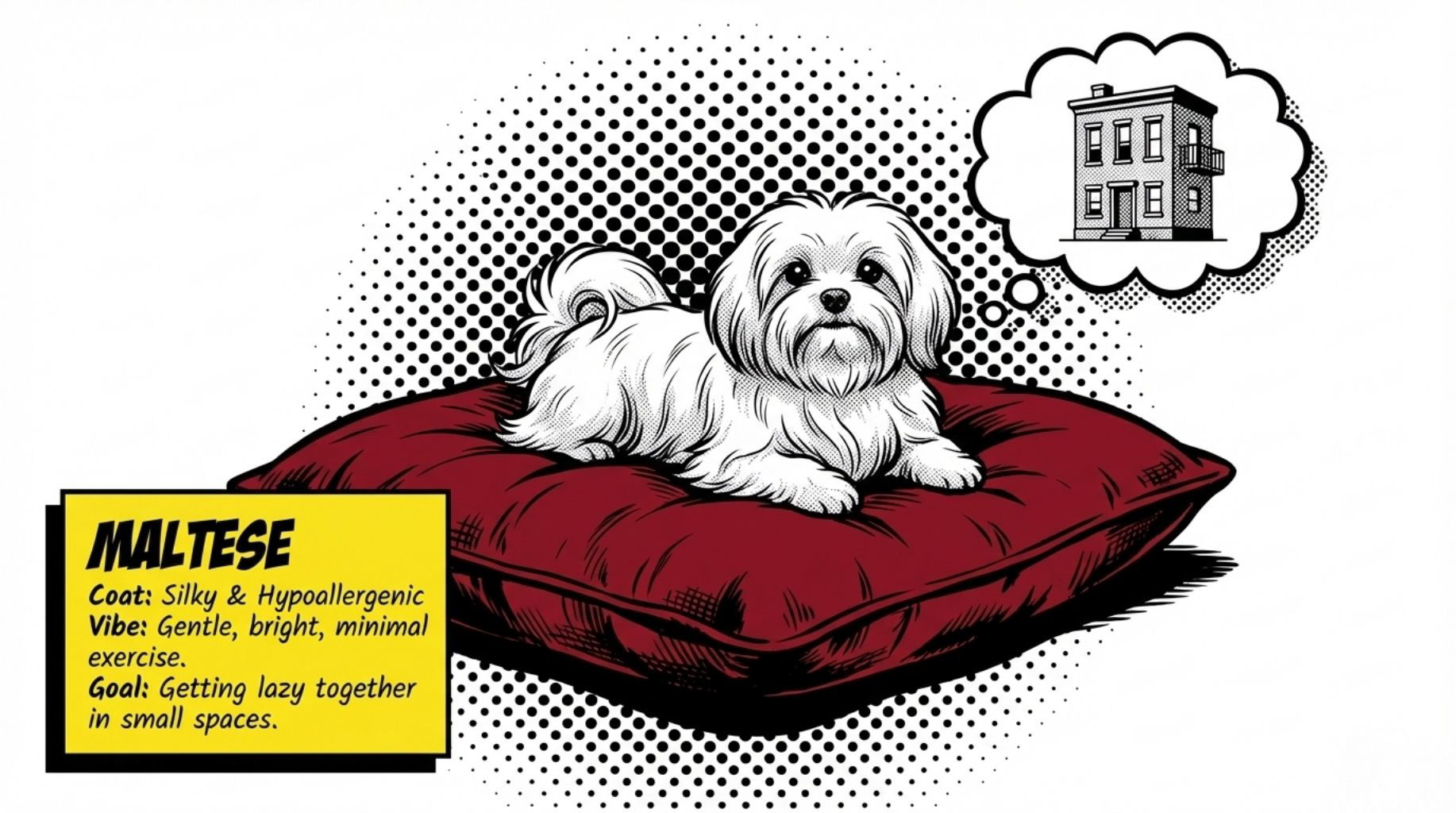
Maltese dogs are gentle, intelligent and playful friends weighing up to seven pounds. This type of breed is known for its non-shedding silky coat, being affectionate, responsive and very bright. It is suitable for living in small areas and considered to be hypoallergic.
They are ideal pet for living in small households with minimal exercise needs. Weighing up to 7 pounds, this breed is gentle and responsive. They possess minimal exercise requirements and are genetically predisposed to “get lazy together” with their owners in small living environments.
Pug
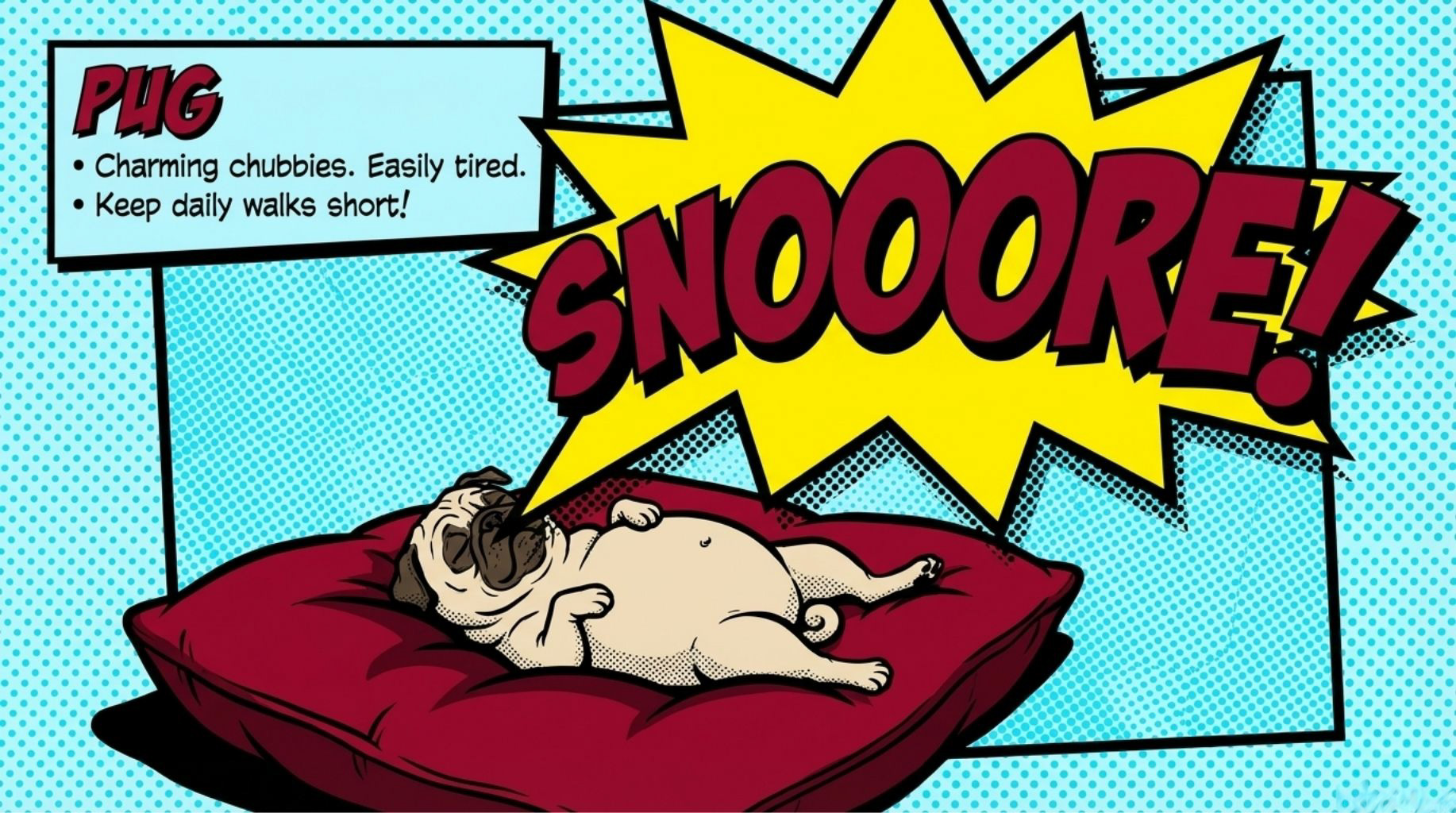
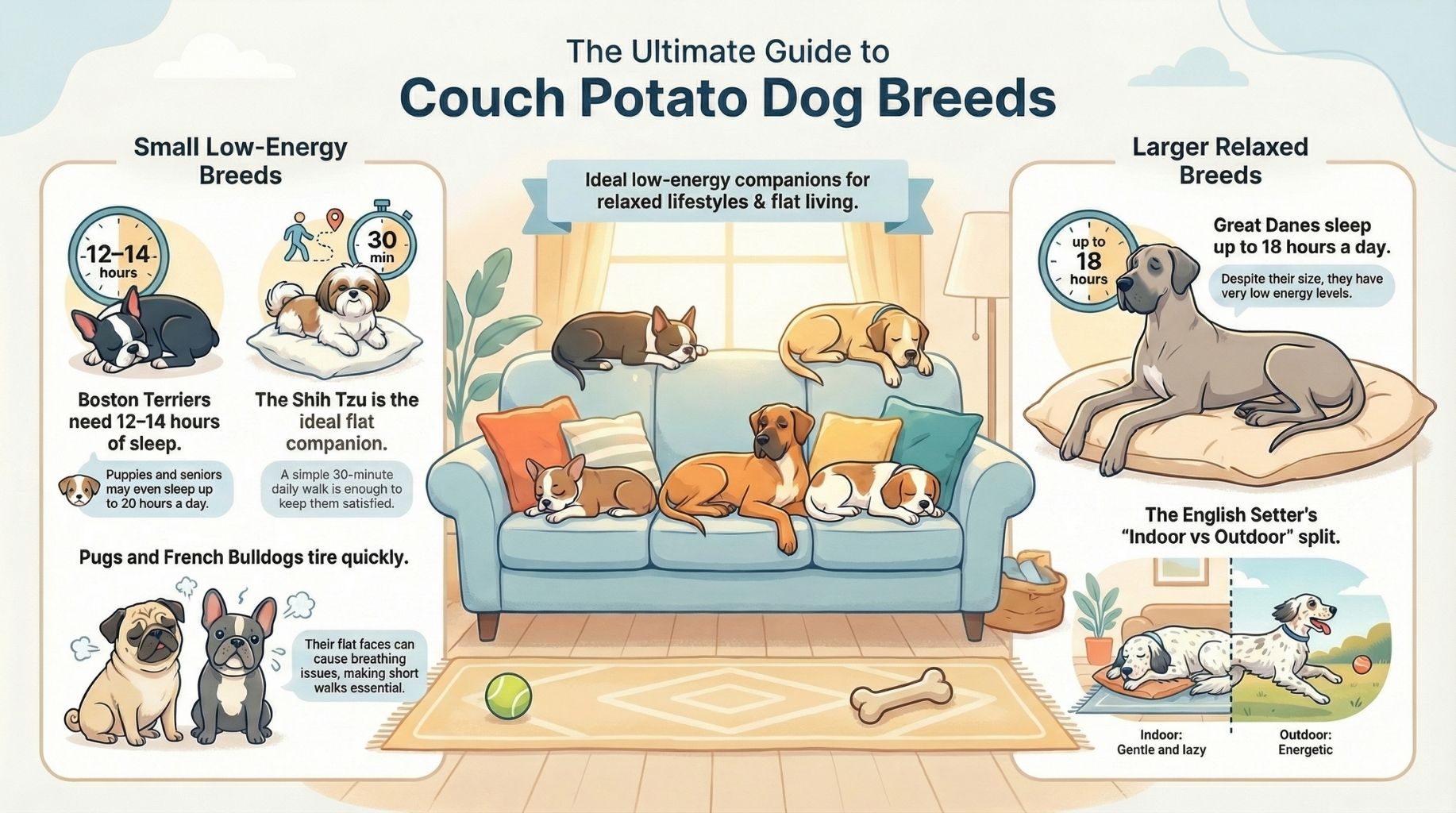
Pugs are charming and cute little chubbies with round body and short legs. Pugs suffer from brachycephalic syndrome, a condition where the flat face restricts oxygen intake. This respiratory limitation means their “lazy” behavior is a survival mechanism.
High-intensity activity causes them to tire rapidly as their bodies struggle to oxygenate efficiently. That is why you can hear these dogs snoring out load. They don’t have high energy levels, and easily get tired. Which means that when you go out for your daily walk, make it short!
Boston Terrier
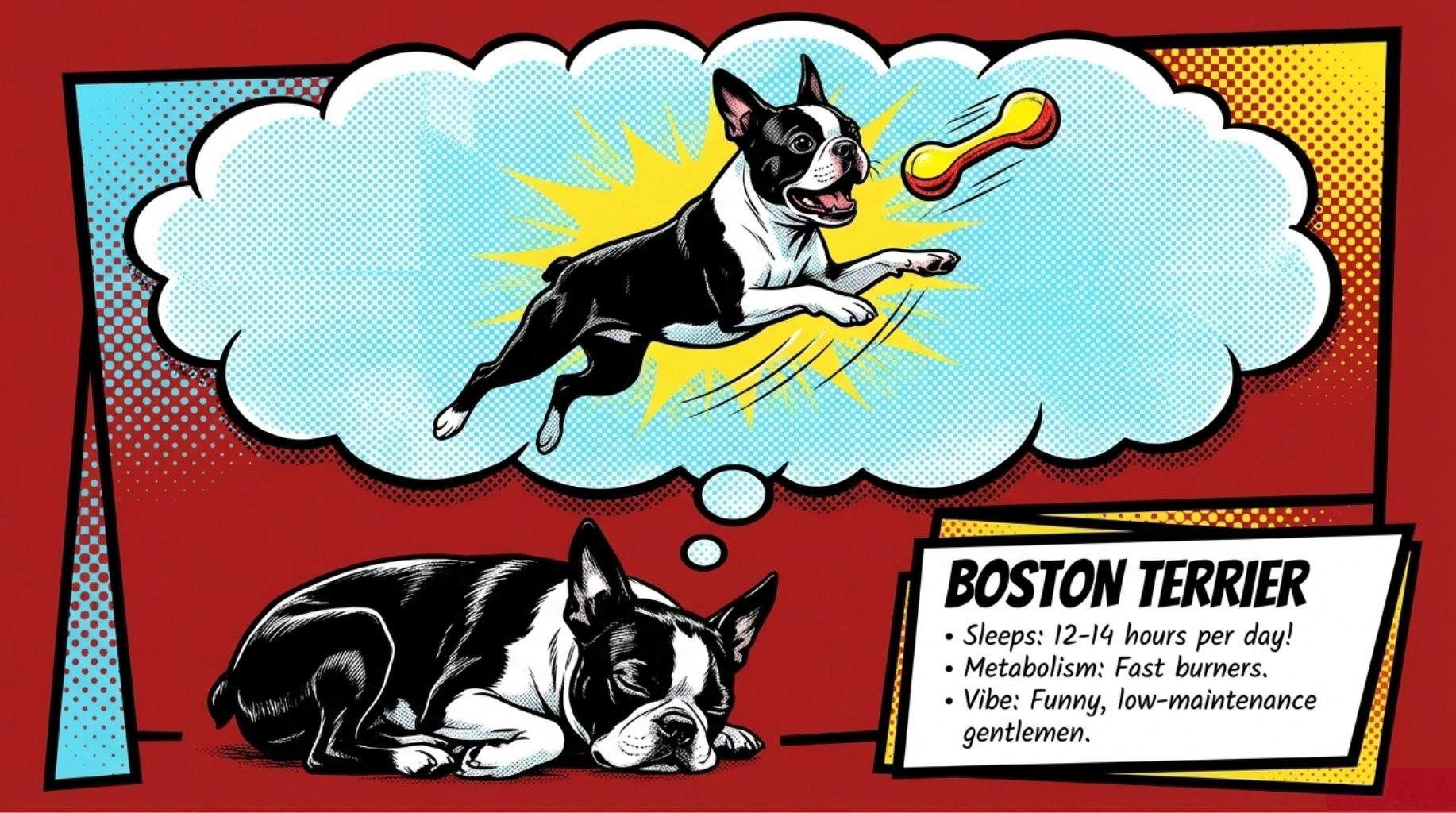
Boston Terriers have funny personalities that will keep you amused. Due to their proneness to breathing problems and to overheating keep them active in amounts they need. They are enthusiastic and enjoy playing fetch! The Boston Terriers do need to sleep for a longer time.
From 12-14 hours per day, and 18-20 hours if they are puppies or older dogs. There is a reason for Boston Terriers sleeping so much! Their metabolisms are fast and burn their energy more quickly. That makes them ideal companion to sleep comfortable in your bed!
Boston Terriers might not be so lazy, but they are good companions. If you are seeing yourself as a couch potato! These gentlemen dogs are easily satisfied! They kept busy for hours if you give them chew toys. They are low-maintenance because they require just short walks. Their only desire is to make you happy, so why not having a Boston Terrier as your companion?
French Bulldog
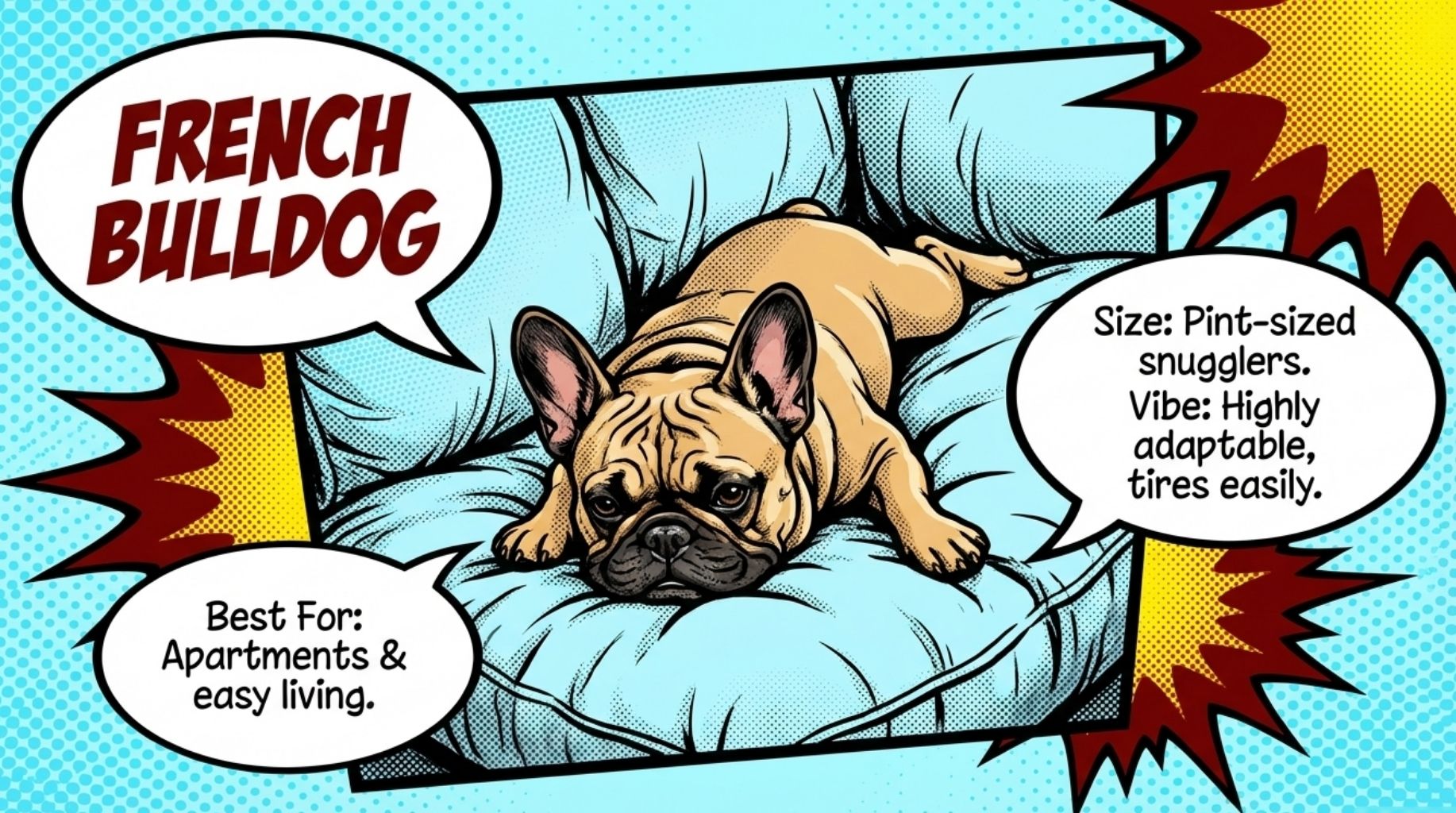
French bulldogs are also in a size of a pint! They adore to snuggle up on your lap only to take a nap! Meeting these charming dogs can make your idea of having a perfect pet come true! Even a short walk can make them tired.
Due to their malformations in their upper airways, leading them to have breathing issues. Similar to the Pug, the French Bulldog’s “laziness” is a physiological necessity. Their compromised airways make short walks exhausting and high-exertion play potentially dangerous.
This makes them naturally quiet and adaptable nappers. They are very adaptable and perfect for living in small apartments and great companions for older or single people. Because they cannot pant as effectively to cool down, breeds like the Boston Terrier are highly susceptible to overheating during activity.
Pekingese
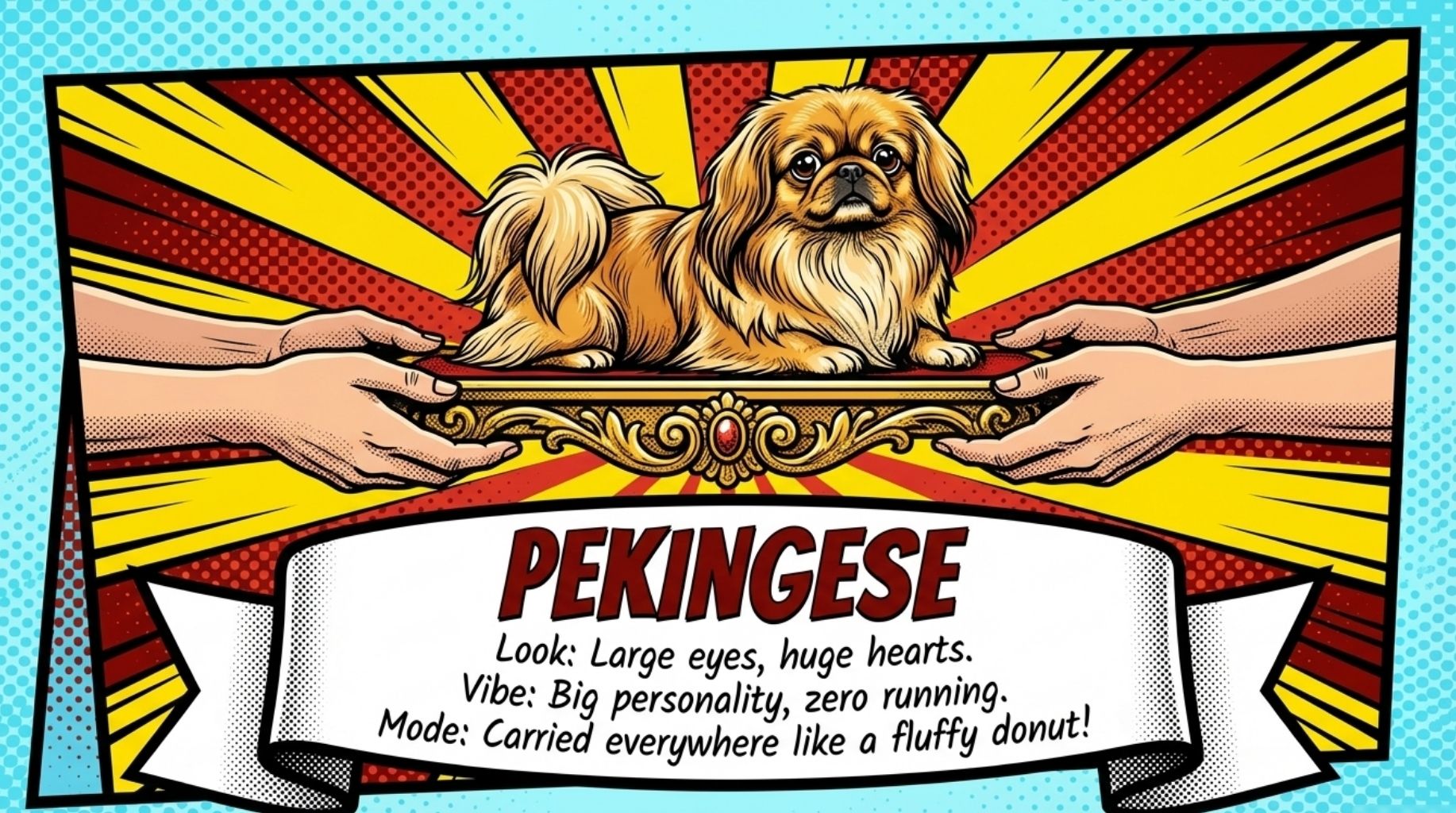
Dogs with large eyes and huge hearts. They might be small, weighing up to 14 pounds but they do have big personalities. You cannot see them running around much, because their body is long and their legs are short and bowed. What makes them comfortable is sitting on their owner’s lap. Despite the fact they are not fond of exercise, these little donuts can be carried by owners everywhere.
So, because they weigh up to 14 pounds, the Pekingese is excluded from the under-10lb category, as their weight further compounds the stress on their bowed legs. Their skeletal configuration makes running biomechanically inefficient, leading them to prefer the sedentary role of a lap dog. The preference for relaxation in breeds like the Pekingese is the result of centuries of selective breeding.
Historically, these dogs were developed for companionship within the refined atmosphere of Chinese palaces, where a serene and lazy demeanor was highly valued. Meanwhile, the Pekingese was physically designed to be the ultimate lap dog. Their long bodies and bowed legs make them “little donuts” who would much rather be carried by their owners than engage in strenuous activity.
English Setter
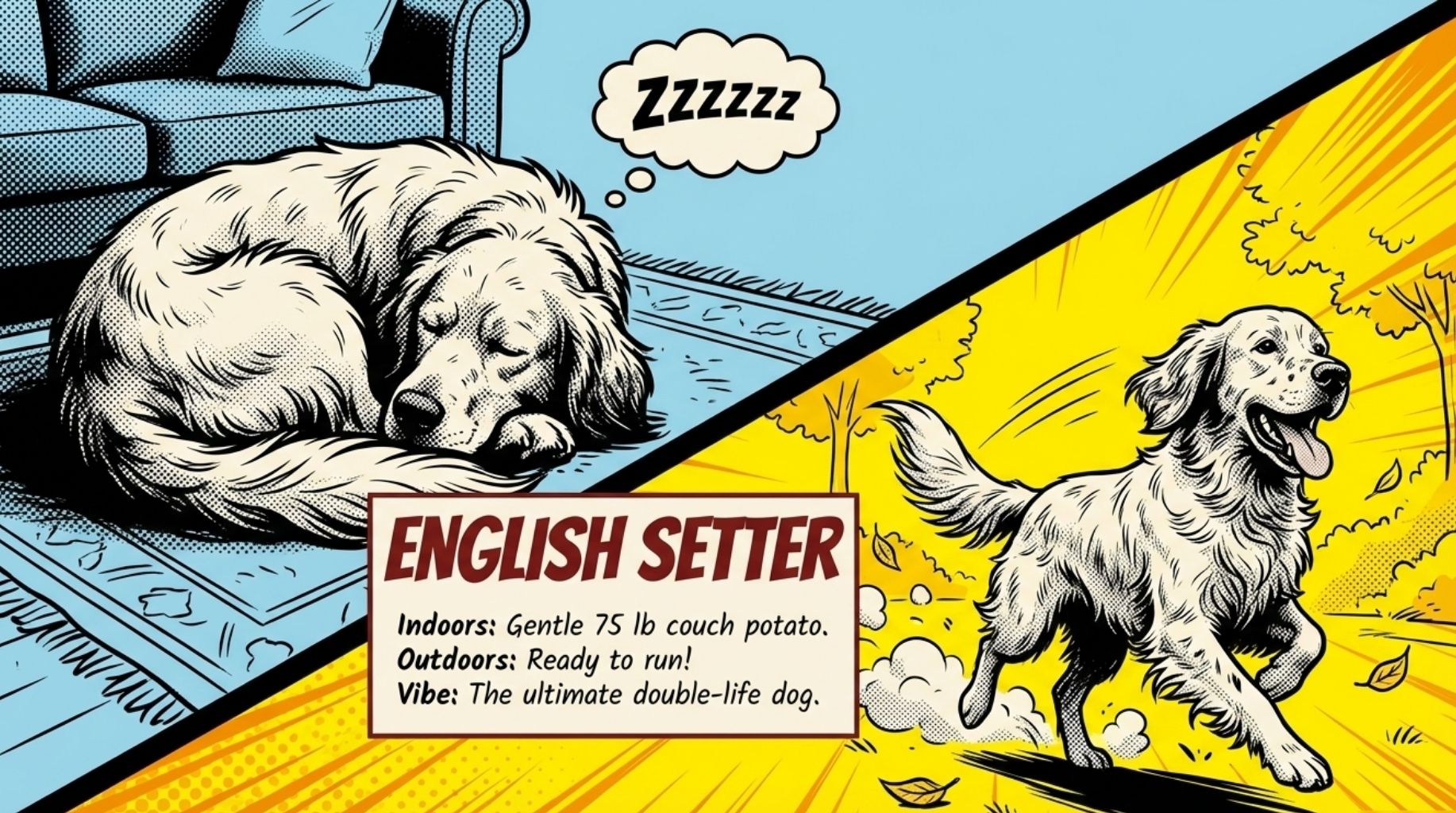
The English Setters are larger but extra gentle. They might be large, weighing around 75 pounds but love to show love! They enjoy curling up with their parents while taking the afternoon nap. Most of these dogs are adopted as indoor pets because they tend to be lazy when they are at home.
What is interesting about them is the contradiction between their behavior. The English Setter is known to be the “part-time” couch potato, and they are actually experts at switching gears.
When they are inside, they just want to sit down or grab the bed, they are calm, gentle, and lazy. However, unlike the smaller breeds, they have a “contradiction” in their personality. When they are outside they don’t want to miss the opportunity to run and play, they love the chance to play games with their owners!
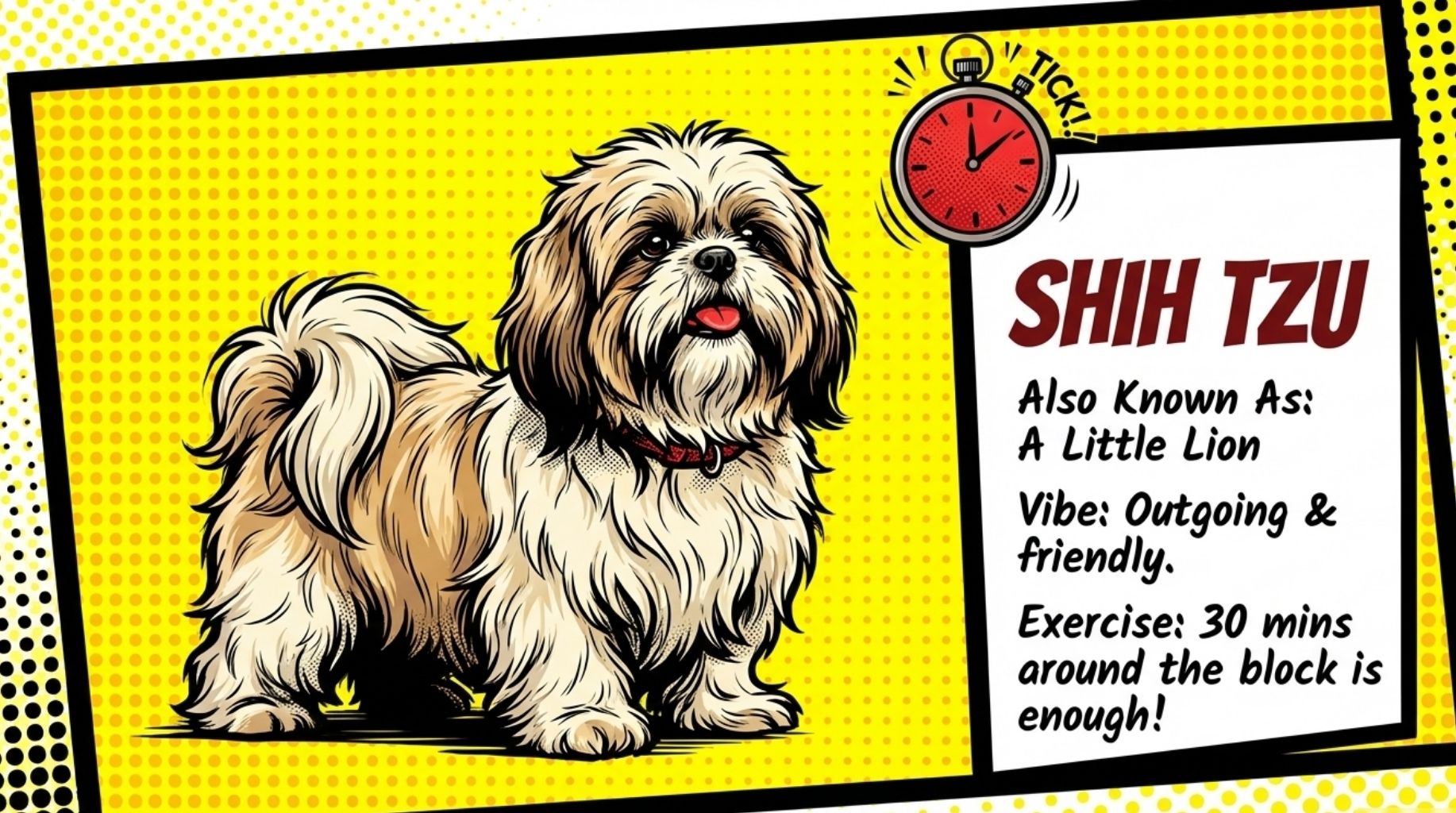
Shih Tzu
The most popular small-sized dog is the Shih Tzu. The Mandarin translation for Shih Tzu is ‘’A Little Lion’’. They are known for their outgoingness, being friendly and responsive. They are doing just fine! If you live in a small apartment and they are small enough to fit them anywhere.
A small walk of 30 minutes around the block is enough to keep them healthy and satisfied. While small dogs are frequently associated with low energy, some of the most profound “couch potatoes” are found at the opposite end of the size spectrum.
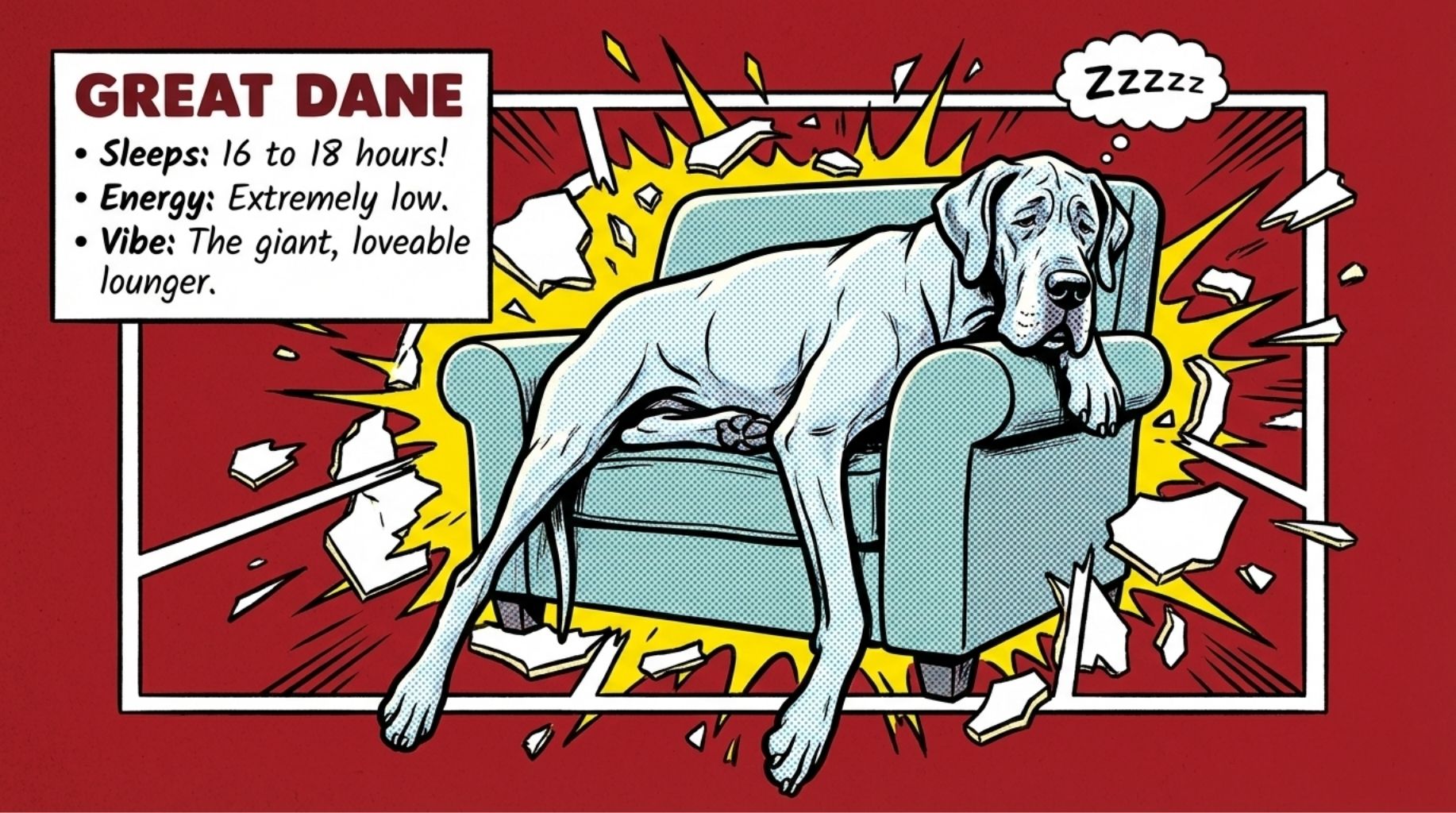
Great Dane
The “canonical paradox” of canine ethology is that giant stature often correlates with the lowest energy levels. While the massive Great Dane may look imposing, their activity budgets are often lower than those of a 10lb terrier. If you are looking for larger but lazy dog, the Great Dane is the right choice for you!
Compared to other smaller breeds, they have low energy level and do not need a lot of exercise. You might find the Great Dane sleeping between 16 to 18 hours per day. During the hours they are awake they will show you only affection and love! Being lazy and loveable make them a true Great Dane!
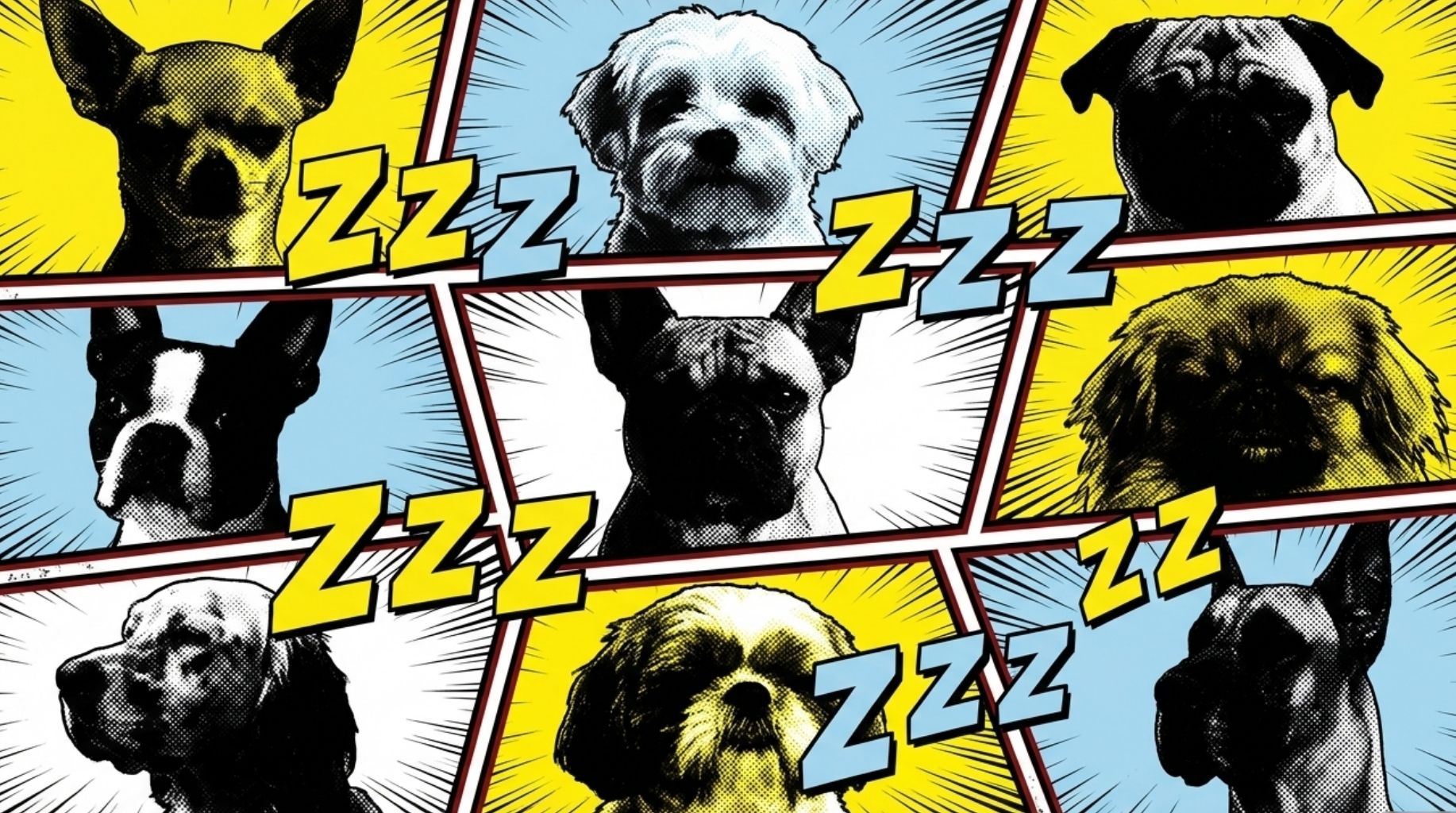
THE SECRET TO MENTAL ENRICHMENT FOR THE MOST LAZY DOG BREEDS
We often focus on the physical rest of the most lazy dog breeds, but we must not forget their minds. A “couch potato” dog does not need a marathon, but they do need mental engagement to prevent anxiety. Boredom can actually make a lazy dog destructive. If a Shih Tzu is mentally bored, they might bark at the window all day or chew on furniture.
The “Sniffari” Walk
For the most lazy dog breeds, physical exercise is not the only goal. A “Sniffari” is a slow walk where you let the dog lead with their nose. Instead of walking a mile, you walk one block but let the dog sniff every tree and lamp post. This uses up massive amounts of mental energy.
- Why it works: Sniffing lowers a dog’s heart rate and releases dopamine. For a Boston Terrier or a Maltese, 15 minutes of sniffing is as tiring as a 45-minute run for a Border Collie.
Puzzle Toys and Foraging
Since the most lazy dog breeds spend a lot of time indoors, feeding them out of a bowl is a missed opportunity. Use snuffle mats or puzzle toys for their meals. This mimics the natural hunting instinct without the running.
It allows them to use their brains while their bodies stay relaxed. This combination of mental work and physical rest is the secret to a truly happy, lazy companion.
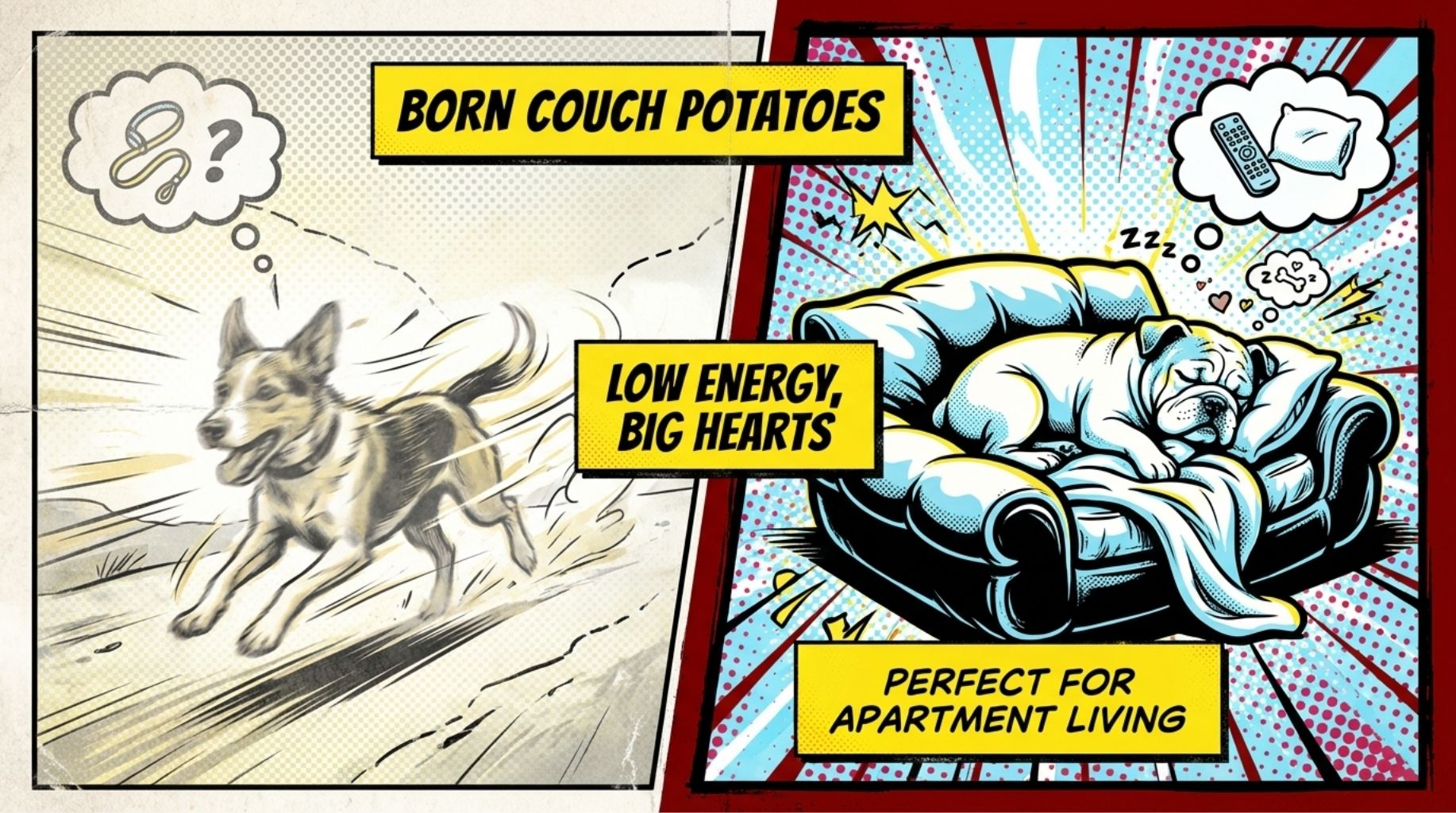
MATCHING THE MOST LAZY DOG BREEDS TO YOUR LIFESTYLE
Choosing a dog is not just about how cute they are. It is about compatibility. The most lazy dog breeds are perfect for specific types of homes. However, not every “lazy” breed fits every “lazy lifestyle“. You need to match the type of laziness to your habits.
The Lazy Urban Apartment
If you live in a small space with no yard, you need a dog that does not need to run.
- Best Match: Maltese, French Bulldog, Chihuahua.
- Why: These dogs are true homebodies. A quick potty break and a lap to sit on is their entire world. They are perfect for city dwellers who work from home or are retired.
The Lazy Weekend Warrior
Some people want a dog that is calm during the week but can handle a hike on Saturday. If you want a dog that is lazy most of the time but not all of the time, you need a breed with a “split personality.”
- Best Match: English Setter.
- Why: As noted in the analysis, the English Setter is a paradox. Inside, they are the most lazy dog breeds you will find. Outside, they can run for miles. This makes them ideal for active people who want a dog that knows when to rest and when to play.
The Lazy Gentle Guardian
If you want a big dog that acts like a rug, you need a giant breed that requires massive sleep hours.
- Best Match: Great Dane.
- Why: They sleep up to 18 hours a day. They offer protection by their sheer size but require almost no exercise. They are the most lazy dog breeds in the giant category, perfect for houses with space but not with time for long walks.
DEBUNKING MYTHS ABOUT THE MOST LAZY DOG BREEDS
There are many myths surrounding the most lazy dog breeds. Let’s clear up the confusion so you know exactly what you are getting into.
Myth 1: Lazy Dogs Are Not Intelligent
This is false. Intelligence is not linked to energy levels. Breeds like the Shih Tzu and Boston Terrier are highly intelligent. They simply choose not to use that intelligence to run agility courses. They are independent thinkers who prefer to solve problems from the comfort of a soft bed.
Myth 2: Lazy Dogs Don’t Need Training
This is a dangerous myth. Because the most lazy dog breeds are often small and sleepy, owners skip obedience training. However, training is vital. A 10-pound Pug that pulls on the leash or refuses to “drop it” is still a handful. Training provides the mental stimulation these breeds need to stay sharp.
Myth 3: Laziness Means They Don’t Overheat
Actually, the opposite is true. The most lazy dog breeds like the Pug and French Bulldog are the most susceptible to heatstroke. Their laziness is often a sign of respiratory distress. If your dog stops walking on a warm day, it is not stubbornness, it is biology. They are telling you they need to go inside and cool down immediately.

FAQ ABOUT THE MOST LAZY DOG BREEDS
Key Points and Takeaways For The Most Lazy Dog Breeds
- The most lazy dog breeds are not unmotivated, they are biologically wired for rest. Their low energy comes from metabolism, body structure, or centuries of breeding as companions.
- Size does not predict energy. Tiny Chihuahuas and giant Great Danes can both be world‑class nappers.
- Flat‑faced breeds like Pugs and French Bulldogs tire easily because of breathing challenges, their “laziness” often protects them from overheating.
- Even the sleepiest dogs need daily walks, mental stimulation, and strict weight management to stay healthy.
- Some of the most lazy dog breeds thrive in apartments, quiet homes, and with owners who value cuddles over constant activity.

We recommend to learn how to recognize when your dog is to tired!
Check this list of many dog breeds on Wikipedia!