


Listen the podcast episode about the safety of anesthesia for dogs, is it safe and what all dog owners should know before accepting it!

Join the Bark Brigade, where dog chaos meets heartfelt stories and wild adventures! From tail-wagging tales and training tips to rescue stories and doggy antics, this podcast celebrates everything that makes our four-legged friends awesome.
Whether you’re a dog lover, a pup parent, or just here for the fun, the Bark Brigade is your pack for all things dog.
Tune in, bark loud, and become part of the coolest canine crew around!
- Summary from The Podcast Episode on Safety of Anesthesia for Dogs
- What is Anesthesia and When Is It Necessary?
- The Critical Pre-Anesthetic Assessment: The First Safety Step
- Understanding the Risks: What Factors Are Considered?
- Safety Protocols for Dogs During the Anesthesia Procedure
- Bringing Your Dog Home: The Recovery Period
- Your Action Plan: How to Be a Prepared Pet Owner?
- The Bottom Line on the Safety of Anesthesia for Dogs
Summary from The Podcast Episode on Safety of Anesthesia for Dogs
Let’s cut right to the chase: modern anesthesia is remarkably safe for dogs. The short answer is yes, the safety of anesthesia for dogs is high when administered by a skilled veterinary team using today’s advanced protocols.
However, like any medical procedure, it is not without some risk. The goal is not to fear anesthesia but to understand it. The key lies in careful preparation, vigilant monitoring, and dedicated aftercare, all of which work together to protect your pet.
This summary guide will walk you through everything you need to know, helping you become an informed partner in your dog’s healthcare.
Here is a clear and easy-to-read summary about the safety of anesthesia for dogs, based on the article that is called Is Is Anesthesia Safe for Dogs?
What is Anesthesia and When Is It Necessary?
Anesthesia is simply a controlled, temporary state of unconsciousness that prevents pain and movement during medical procedures. It’s a crucial tool that allows vets to perform important work without causing your dog stress or discomfort. General anesthesia is common for surgeries, while sedation or local anesthesia might be used for minor procedures.
Several essential treatments require anesthesia to be done safely and thoroughly:
- Dental Cleanings: A dog cannot be asked to “open wide and hold still.” Anesthesia allows for a complete oral exam, deep cleaning below the gumline, and extractions if needed, which are vital for preventing serious systemic diseases.
- Spaying and Neutering: These routine surgeries prevent overpopulation and certain cancers, requiring general anesthesia for a pain-free experience.
- Orthopedic Surgeries: Procedures to repair broken bones or torn ligaments demand that a patient be completely still, which is only possible under anesthesia.
- Major Diagnostics: Some imaging, like detailed MRIs or CT scans, requires the dog to be perfectly still for an extended period.
The Critical Pre-Anesthetic Assessment: The First Safety Step
The journey to a safe outcome begins long before the procedure day. A comprehensive pre-anesthetic assessment is the cornerstone of the safety of anesthesia for dogs. This is where risks are identified and managed.
Your vet will recommend several key steps:
- A Thorough Physical Exam: The vet will listen to your dog’s heart and lungs and check their overall condition.
- Pre-Anesthetic Blood Work: This is perhaps the most important step. Blood tests check liver and kidney function (the organs that process anesthesia), red and white blood cell counts, and protein levels. It can reveal hidden problems that aren’t obvious from a physical exam alone.
- A Review of Full Medical History: You’ll discuss your dog’s breed, age, any prior reactions to medications, and all current health issues or medications.
This information allows your veterinarian to choose the safest drugs and create a tailored anesthetic plan specifically for your dog.
Understanding the Risks: What Factors Are Considered?
While safe overall, anesthesia risk is not the same for every dog. Responsible vets assess individual factors to minimize potential complications.
The main factors influencing the safety of anesthesia for dogs include:
- Breed: Brachycephalic breeds (dogs with short snouts like Bulldogs, Pugs, and French Bulldogs) have unique airway challenges that require special care and monitoring during anesthesia.
- Age: Very young puppies and senior dogs often need adjusted protocols. Older dogs may have weaker organ function or undiagnosed conditions, while puppies have immature systems.
- Overall Health: Pre-existing conditions like heart disease, diabetes, or respiratory issues significantly increase risk. This is why the pre-anesthetic testing is so vital, it helps the vet manage these conditions proactively.
Safety Protocols for Dogs During the Anesthesia Procedure
Today’s veterinary practices use a multi-layered approach to safety that mirrors human medicine. When you choose a clinic that follows these modern protocols, you are maximizing the safety of anesthesia for dogs.
Here’s what happens during the procedure:
- Tailored Anesthetic Drugs: Vets use a combination of injectable and inhaled (gas) anesthetics. Modern drugs are much safer, with fewer side effects and faster recovery times. The protocol is chosen based on your dog’s pre-anesthetic assessment.
- Constant, High-Tech Monitoring: Your dog is never alone. A trained technician or nurse (the anesthetist) monitors vital signs from induction through recovery.
They use equipment to track:- Heart rate and rhythm (ECG)
- Blood pressure
- Oxygen level in the blood (pulse oximetry)
- Carbon dioxide output (capnography)
- Body temperature
- Supportive Care: Your dog receives IV fluids throughout the procedure to maintain blood pressure, support organ function, and ensure quick delivery of medications if needed. They are also kept warm with heating pads or blankets, as anesthesia can lower body temperature.
Bringing Your Dog Home: The Recovery Period
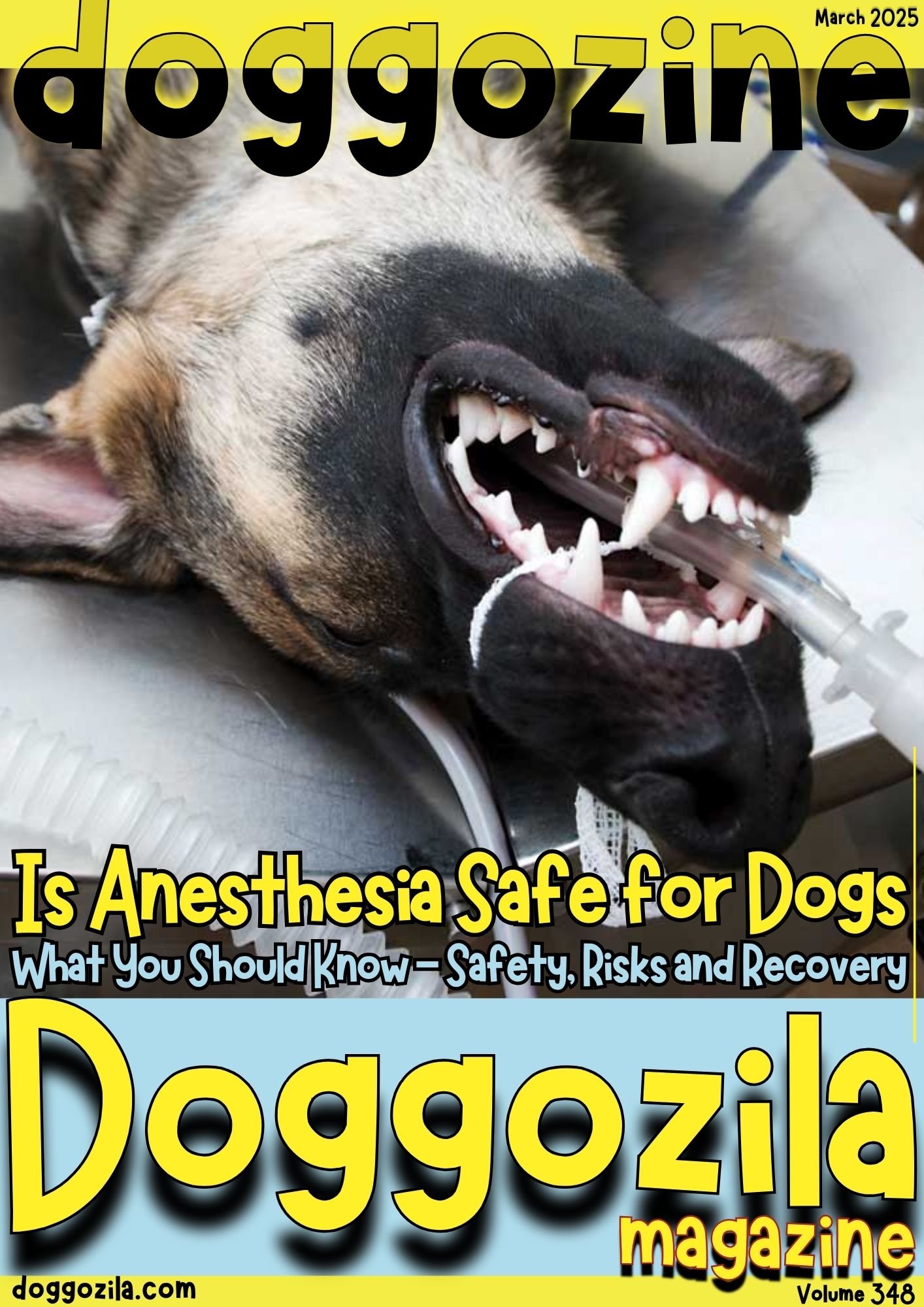
The safety of anesthesia for dogs extends to the hours and days after the procedure. Your dog will be monitored after the procedure in the clinic until they are fully awake and stable. When you bring them home, expect them to be drowsy and a bit uncoordinated for 12-24 hours.
What’s Normal?
- Sleepiness, slight wobbliness
- Less interest in food for the first evening
- Mild coughing (if a breathing tube was used)
- A small amount of redness or swelling at an injection site
When to Call Your Vet Immediately?
- Vomiting that persists
- Signs of significant pain (whining, trembling, hiding)
- Difficulty waking up, disorientation lasting more than 24 hours
- Pale gums, difficulty breathing, or collapse

Your Action Plan: How to Be a Prepared Pet Owner?
You play a key role in ensuring a safe experience.
Here is your practical checklist:
- Ask Questions: Don’t hesitate to ask your vet about their specific safety protocols, monitoring equipment, and recovery procedures.
- Follow Pre-Procedure Instructions: This usually includes fasting (withholding food and sometimes water) for a set number of hours before the appointment to prevent aspiration.
- Provide a Calm Recovery Space: At home, prepare a quiet, comfortable, and confined area (like a crate or small room) where your dog can rest undisturbed, away from stairs, other pets, and children.
- Follow Post-Op Care Instructions: Administer all prescribed medications, limit activity as directed, and attend any follow-up appointments.
The Bottom Line on the Safety of Anesthesia for Dogs
When approached with modern veterinary medicine’s careful protocols, the safety of anesthesia for dogs is very high. The undeniable benefits of essential procedures, from relieving dental pain to preventing life-threatening infections, far outweigh the minimal risks for the vast majority of pets. The foundation of this safety is a partnership between you and your veterinary team.
By understanding the process, from the essential pre-anesthetic blood work to the high-tech monitoring during surgery, you can make confident, informed decisions for your dog’s health and well-being. Always choose a veterinarian you trust, ask the questions you need to ask, and know that anesthesia is a tool that enables your dog to live a longer, healthier, and pain-free life.
⚠️ Disclaimer: This summary is for educational purposes based on the linked article. Always consult your licensed veterinarian for medical advice, diagnosis, and a vaccination plan tailored specifically for your pet.