

There is nothing quite like fresh air, quiet trails, and a happy dog leading the way. Hiking with your dog can turn a simple walk into an unforgettable adventure. But before you grab the leash and go, a little preparation makes all the difference. This guide will help you start on the right foot, so both you and your pup stay safe, happy, and ready for the trail.
“Hiking with your dog is more than a fun day out, science says it might be one of the healthiest things you can do for both of you.”
Key Takeaways
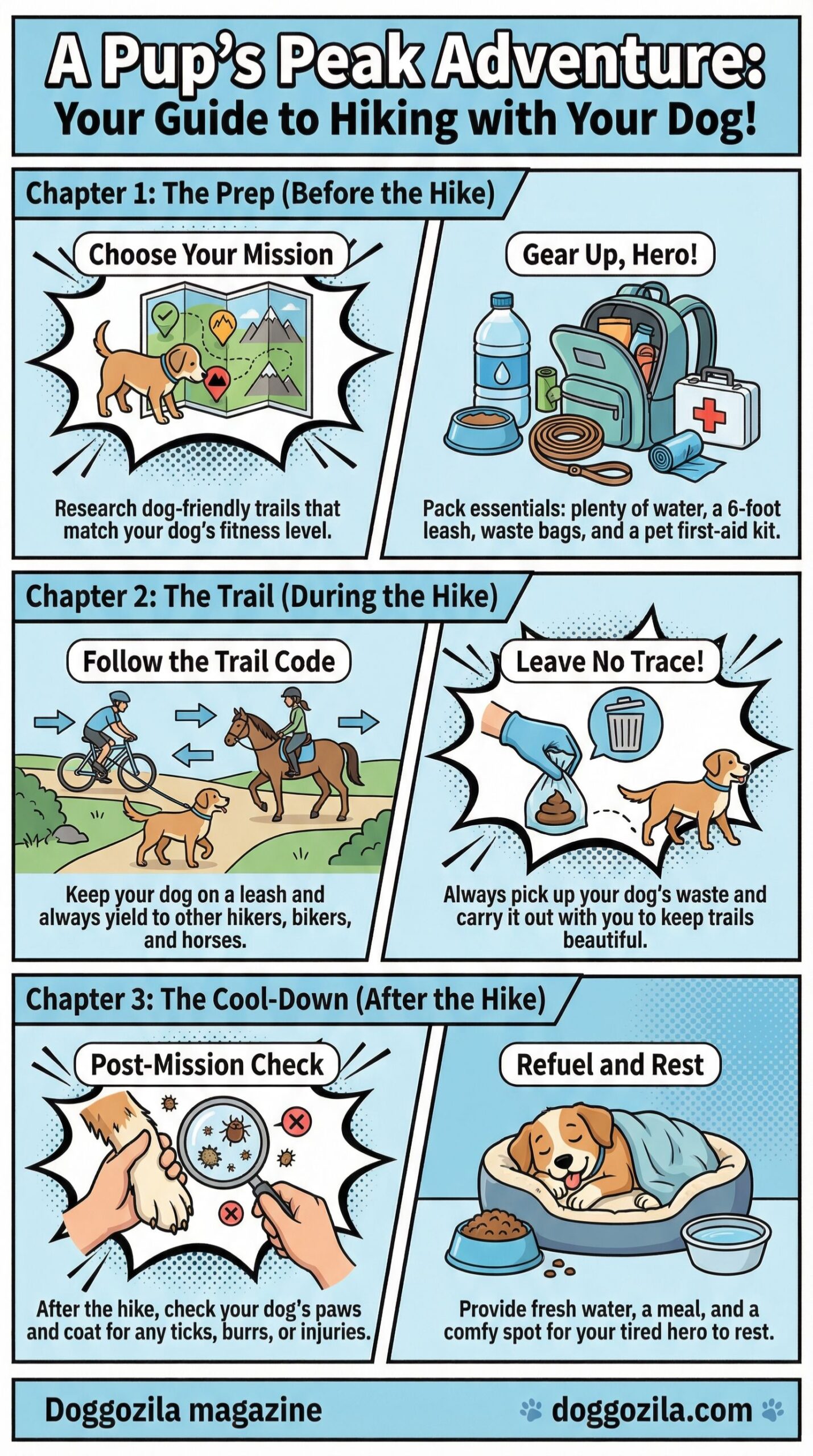
- Plan ahead: Always check if the trail allows dogs. Look for leash rules and water sources.
- Pack dog‑specific gear: Bring plenty of water, a collapsible bowl, poop bags, snacks, and a basic first‑aid kit.
- Know your dog’s limits: Start with short, easy hikes. Older dogs, puppies, or flat‑faced breeds may tire faster.
- Follow trail etiquette: Keep your dog on a leash unless signs say otherwise. Yield to other hikers and step aside for horses.
- Watch the weather: Hot pavement or steep, rocky climbs can hurt your dog’s paws. Hike during cooler hours when possible.
- Leave no trace: Clean up all waste. Pack out what you pack in. Help keep trails beautiful for everyone.
Listen the Podcast Episode on Mastering Safe Hiking with Your Dog!
Quick Summary About Safe Hiking Adventures with Your Dog!
This article is a practical guide for dog owners who want to start hiking with their furry friends. It covers trail etiquette, picking dog-friendly routes, and the importance of following leash laws. The article also discusses how to prepare for a hike, including packing water, snacks, waste bags, and a first-aid kit. It stresses the need to know your dog’s fitness level before hitting the trail. Overall, it’s a handy checklist for beginners ready to explore the outdoors with their pups.

MASTERING TRAIL ETIQUETTE FOR HIKING WITH YOUR DOG
Are you eager to embark on an unforgettable hiking adventure with your furry friend? Unsure about mastering trail etiquette for a safe and enjoyable experience? Imagine wandering scenic trails with your canine companion by your side. Immersing yourself in nature while deepening your bond. Our guide equips you with essential knowledge and practical advice.
Crucial Tips for hiking safely with your dog
Maximize your outdoor excursions with your furry friend. From choosing dog-friendly trails and understanding leash laws, to being mindful of surroundings, yielding right-of-way, and practicing responsible waste management.
Each step is crucial for creating a positive hiking experience for both you and your furry friend. Join us as we navigate trail etiquette together. Ensuring every adventure with your canine companion is rewarding and unforgettable.
Choose a Dog-Friendly Trail for Hiking
When planning a hiking adventure with your furry friend, selecting a dog-friendly trail is crucial. Research trails that allow dogs and suit your canine’s fitness level. For example, if you have a small breed or an older dog, opt for a shorter, less strenuous hike. Consider the trail’s terrain, distance, and elevation gain.
Look for trails with plenty of shade, water sources, and rest stops. State parks and national forests often have dog-friendly trails. But always check regulations before setting out. Remember, not all hiking trails suit dogs. So, choose carefully. This ensures safety and fun for you and your furry pal.
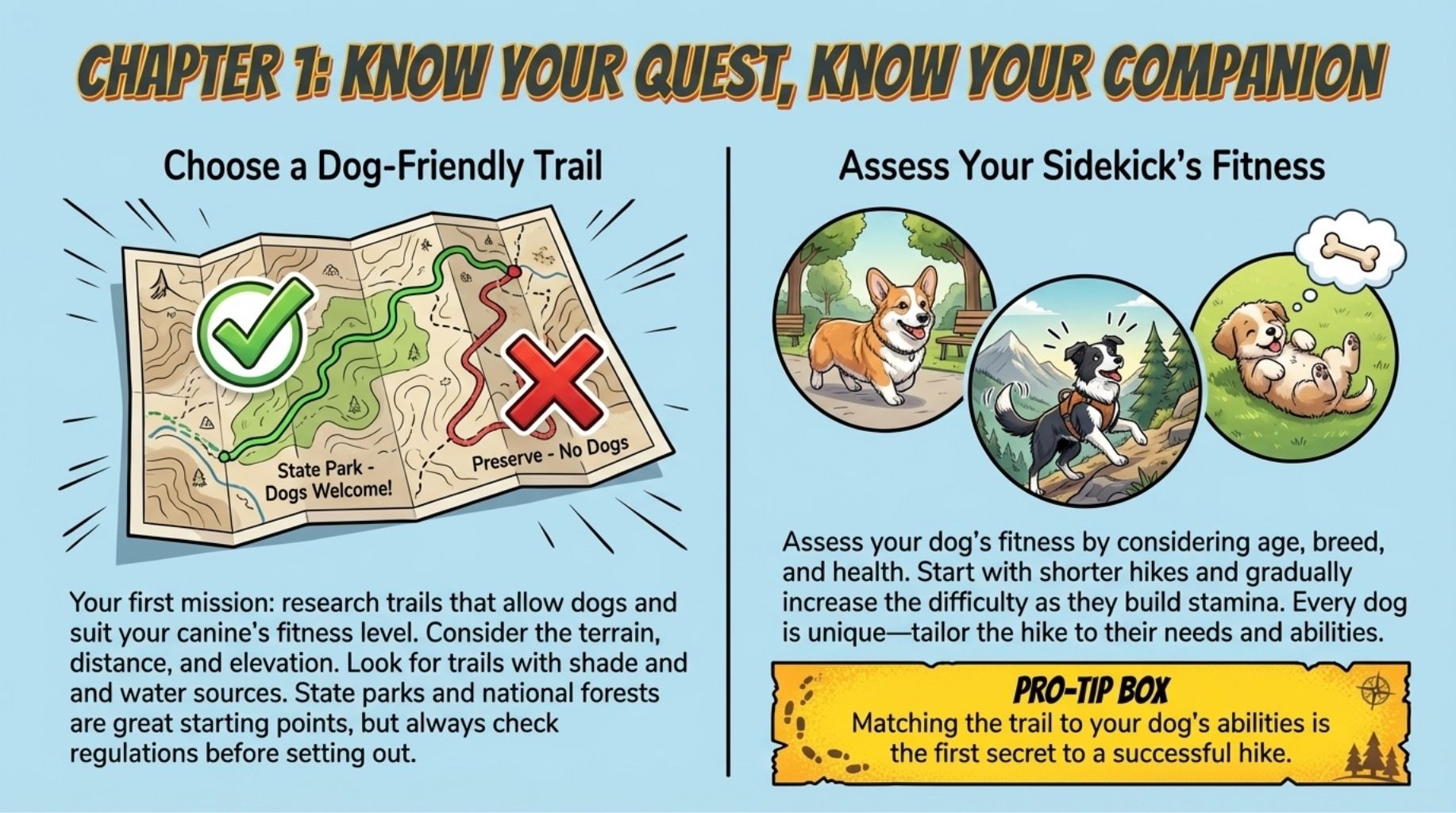
🔑 Key Points: Picking a dog-friendly trail matching your dog’s abilities ensures a successful hike.
Assess Your Dog’s Fitness Level Before the Hike
Before hiking, assess your dog’s fitness. Consider age, breed, and health. Younger or older puppies, and dogs with health issues may have lower endurance. Start with shorter hikes.
Gradually increase distance and difficulty as your dog builds stamina. Watch for tiredness or struggle. Take breaks or turn back if needed. Every dog is unique, so tailor the hike to their needs and abilities.
🔑 Key Points: Assessing your dog’s fitness ensures a safe, enjoyable hike.
Preparation for Hiking with Your Dog
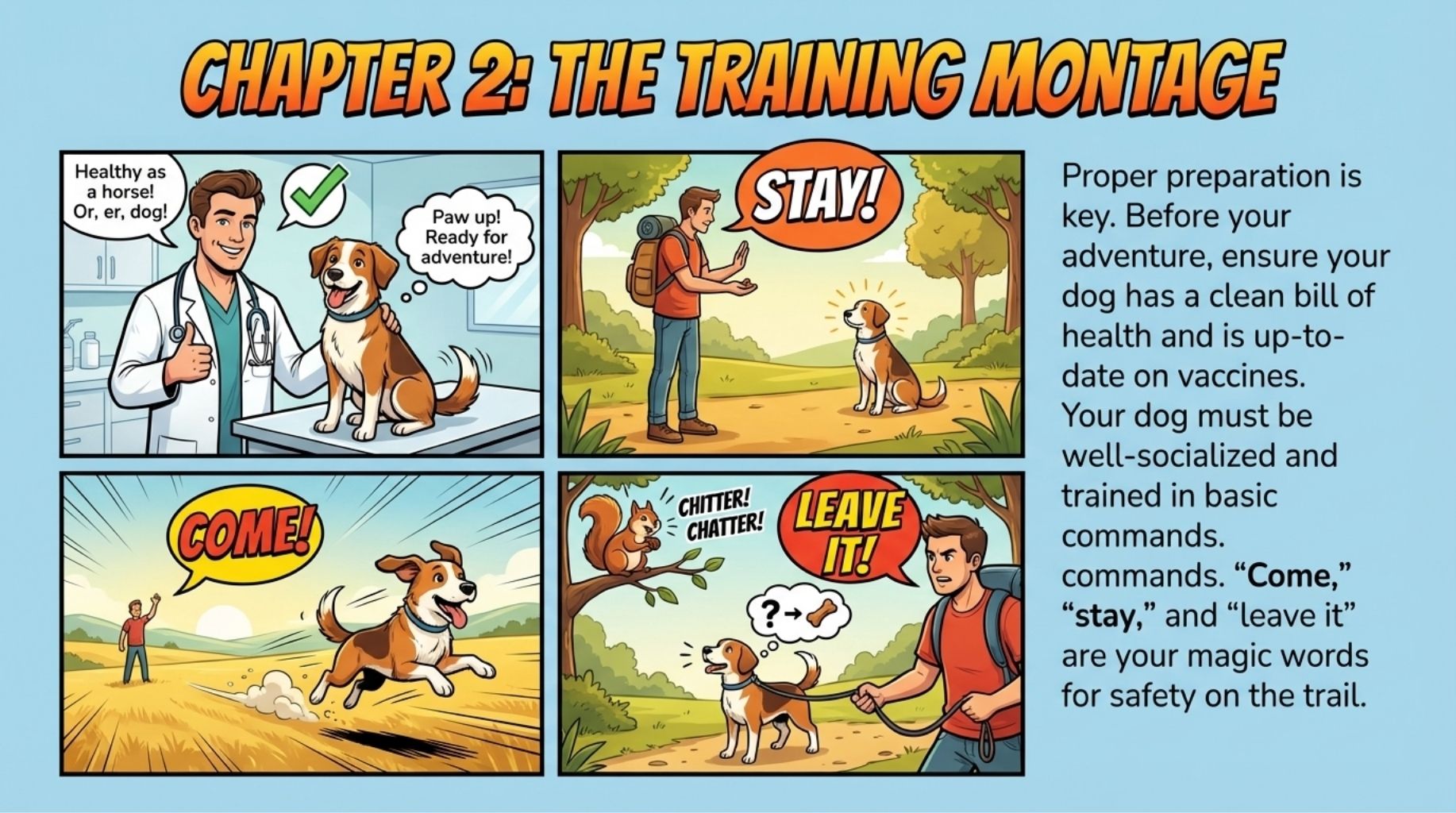
Proper prep is key for a successful dog hike. Ensure your dog is up-to-date on vaccines and has a clean vet bill. Bring medical records, especially for new areas. Your dog must be well-socialized and trained in basic commands like “come,” “stay,” and “leave it.” This ensures their safety and comfort for other hikers.
Pack essentials like water, collapsible bowls, treats, waste bags, and a leash. Proper ID tags and a harness or collar are crucial. Check trail rules for leash requirements. Bring a pet first-aid kit and know emergency contacts. Proper gear like booties can protect your dog’s paws on rough terrain. With preparation, you’re ready for a fun, safe hike with your furry pal.
It’s important to pack the right gear. You’ll need a leash, collar with ID tags, water, food, a bowl, waste bags, and a pet first-aid kit. Think about the weather too. Bring a dog jacket if it’s cold. Or booties to protect their paws. Get to know the trail rules for dogs. Always follow leash laws. This keeps your dog safe and under control.
🔑 Key Points: Prepare well by packing essentials, knowing rules, and ensuring your dog is socialized. This sets you up for a fun, safe hike.
Follow Leash Laws and Trail Signs when Hiking with Your Dog
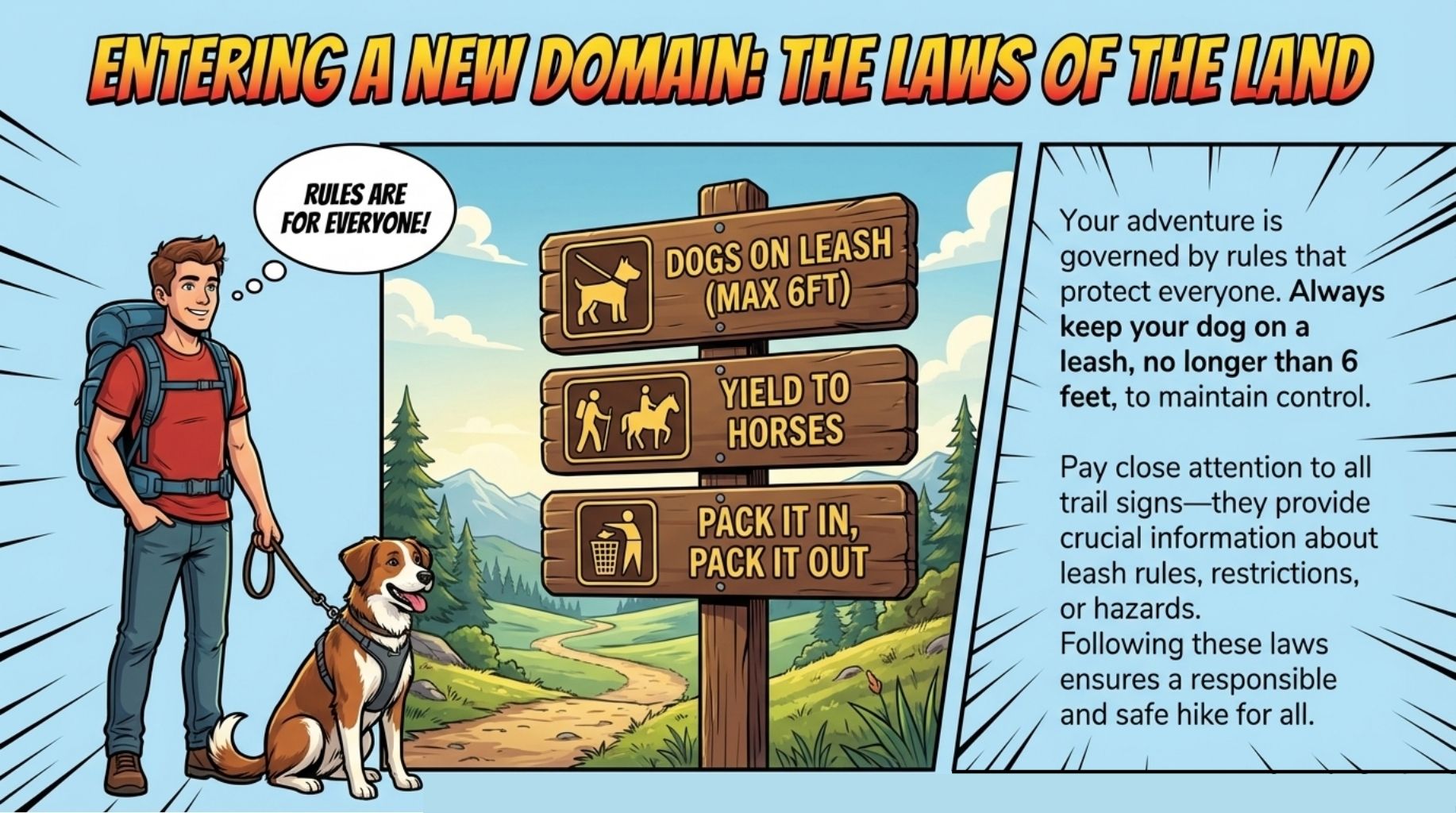
Always keep your dog on a leash, no longer than 6 feet. Have control over them at all times. This follows leash laws. These laws protect your dog, other hikers, and wildlife.
Pay close attention to trail signs. They may show leash rules, dog restrictions, or other key info. Some trails don’t allow dogs at certain times. Or dogs must yield to others.
🔑 Key Points: Following leash laws and signs ensures a responsible, safe hike for all.
BE MINDFUL OF YOUR SURROUNDINGS AND OTHER TRAIL USERS WHEN YOU GO HIKING WITH YOUR DOG
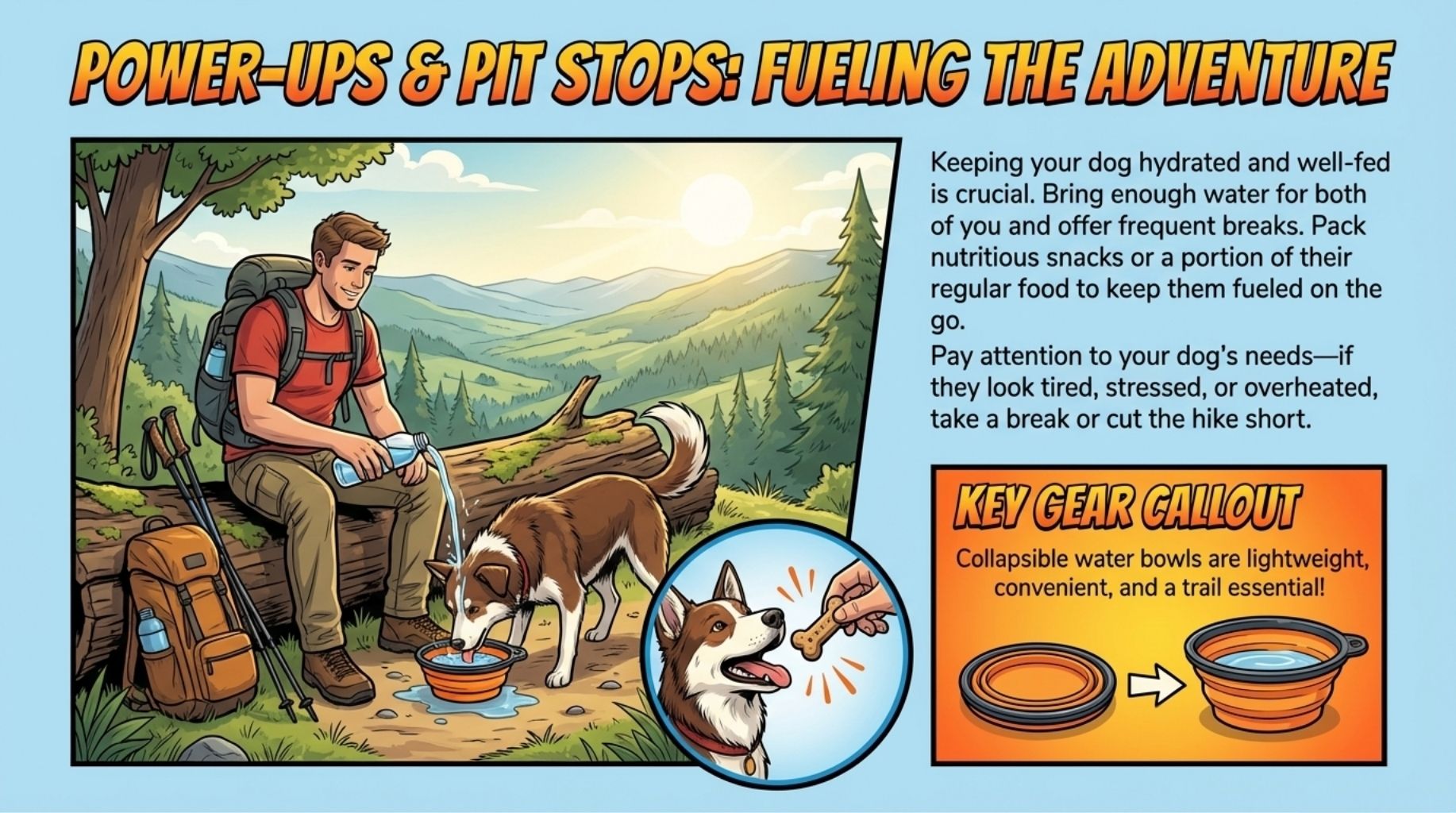
Always be aware of your surroundings when hiking with your dog. Be considerate of other trail users too. Always yield to hikers, runners, bikers, and horseback riders. When others approach, step aside. Keep your dog close and let them pass.
Basic Hiking Rules for Great Adventure with your dog
When exploring nature, take extra care when hiking in areas with wild animals. Keep your furry friend leashed and under control. This prevents them from disturbing or chasing animals. If you see wildlife, stay calm, stay far away, and follow any rules for that spot. Not everyone likes dogs, so be thoughtful. Make sure your dog stays with you at all times.
🔑 Key Points: Being aware of your surroundings and other hikers creates a safe and pleasant hiking experience for everyone.
Hiking Essentials and Managing Your Dog Needs
When hitting the trails with your pup, pack the right gear to keep them safe and happy. Bring plenty of water and a collapsible bowl, especially on hot days. Pack enough food and treats for the whole hike. Consider a small first-aid kit for your furry friend. Clean up after your dog responsibly. Bring waste bags and dispose of them properly.
Follow the “Leave No Trace” rules and carry out all waste. This keeps the trails clean and healthy. Pay attention to your dog’s needs during the hike. Offer water breaks and rest in shady spots. Check their paws for injuries or debris. If your dog looks tired, stressed, or overheated, take a break or cut the hike short.
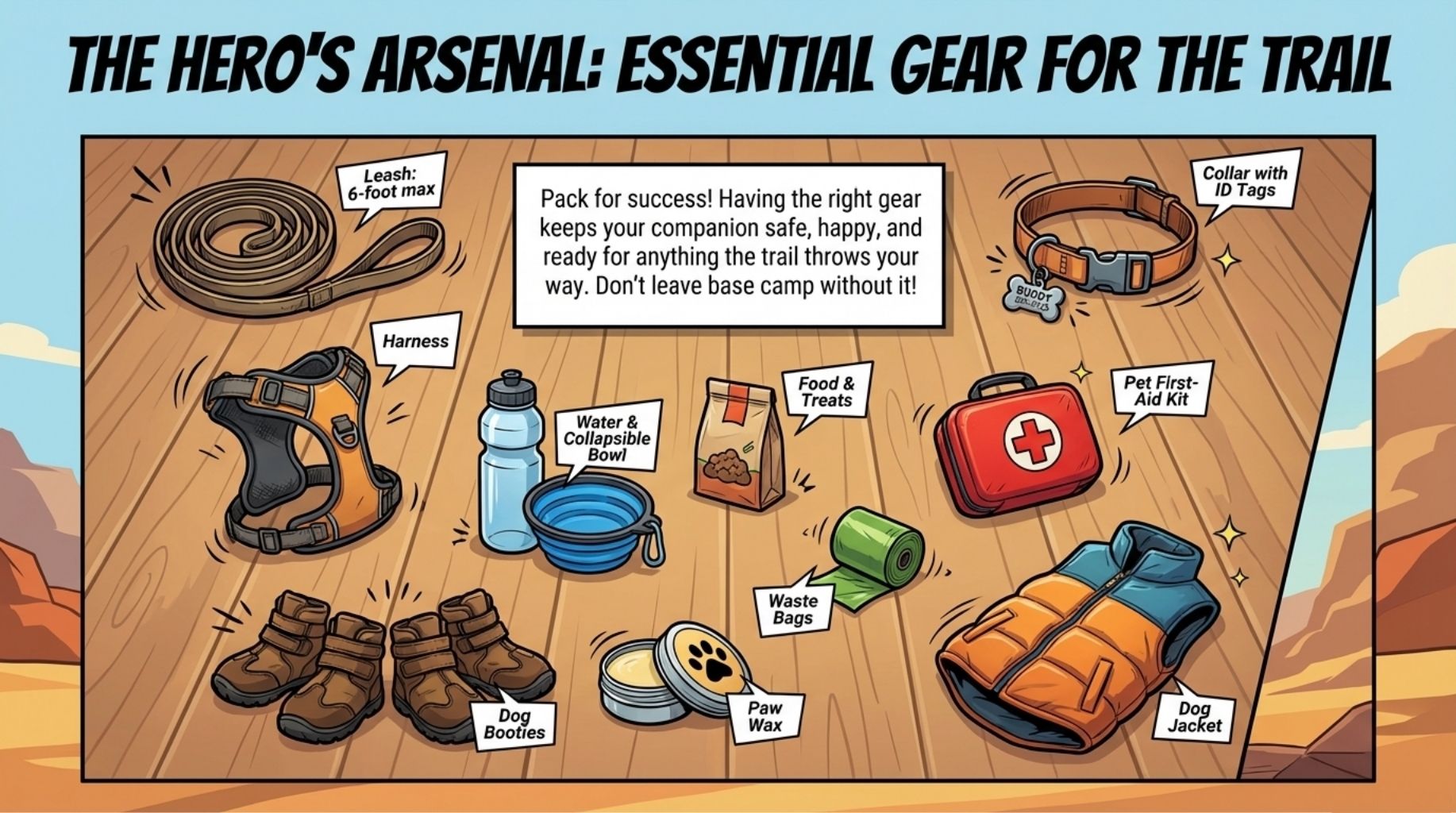
🔑 Key Points: Packing the right gear and meeting your dog’s needs ensures their safety, comfort, and well-being throughout the hike.
Leave No Trace and Practice Waste Management
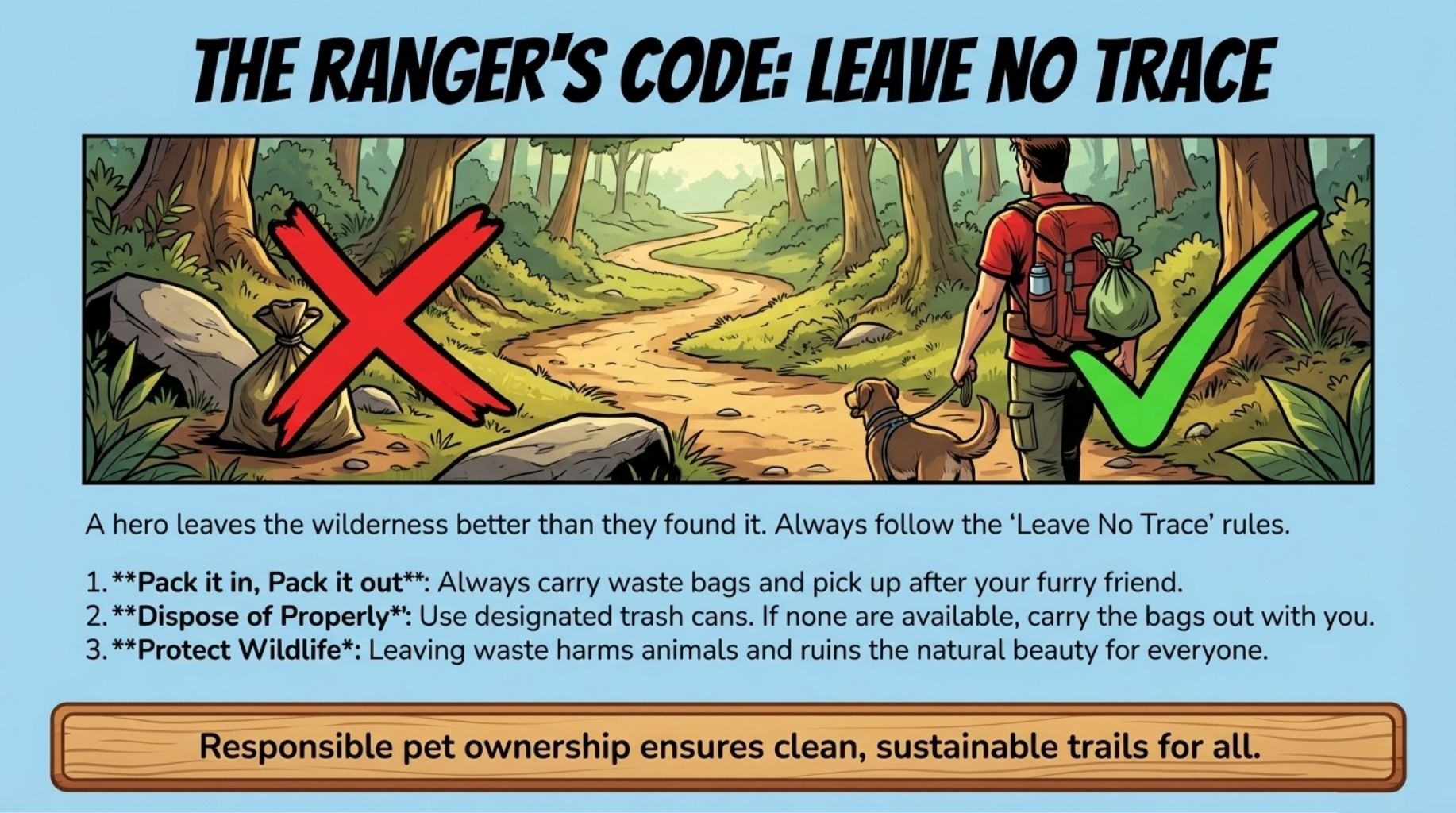
When hiking with your dog, it’s crucial to follow “Leave No Trace” rules. This means properly disposing of your dog’s waste and reducing their impact on nature. Always carry waste bags and pick up after your furry friend, even on remote trails. After collecting your dog’s waste, dispose of the bags in designated trash cans.
If no trash cans are available, take the bags with you. Avoid leaving waste bags on the trail sides, as they harm wildlife and ruin the natural beauty. Being a responsible pet owner and practicing proper waste management helps keep trails clean. This allows everyone to enjoy nature’s splendor.
🔑 Key Points: To preserve nature, pick up your dog’s waste, dispose of it properly, and follow “Leave No Trace” guidelines. Responsible pet ownership ensures clean, sustainable trails for all.
Practicing Positive Reinforcement with Your Dog when Hiking
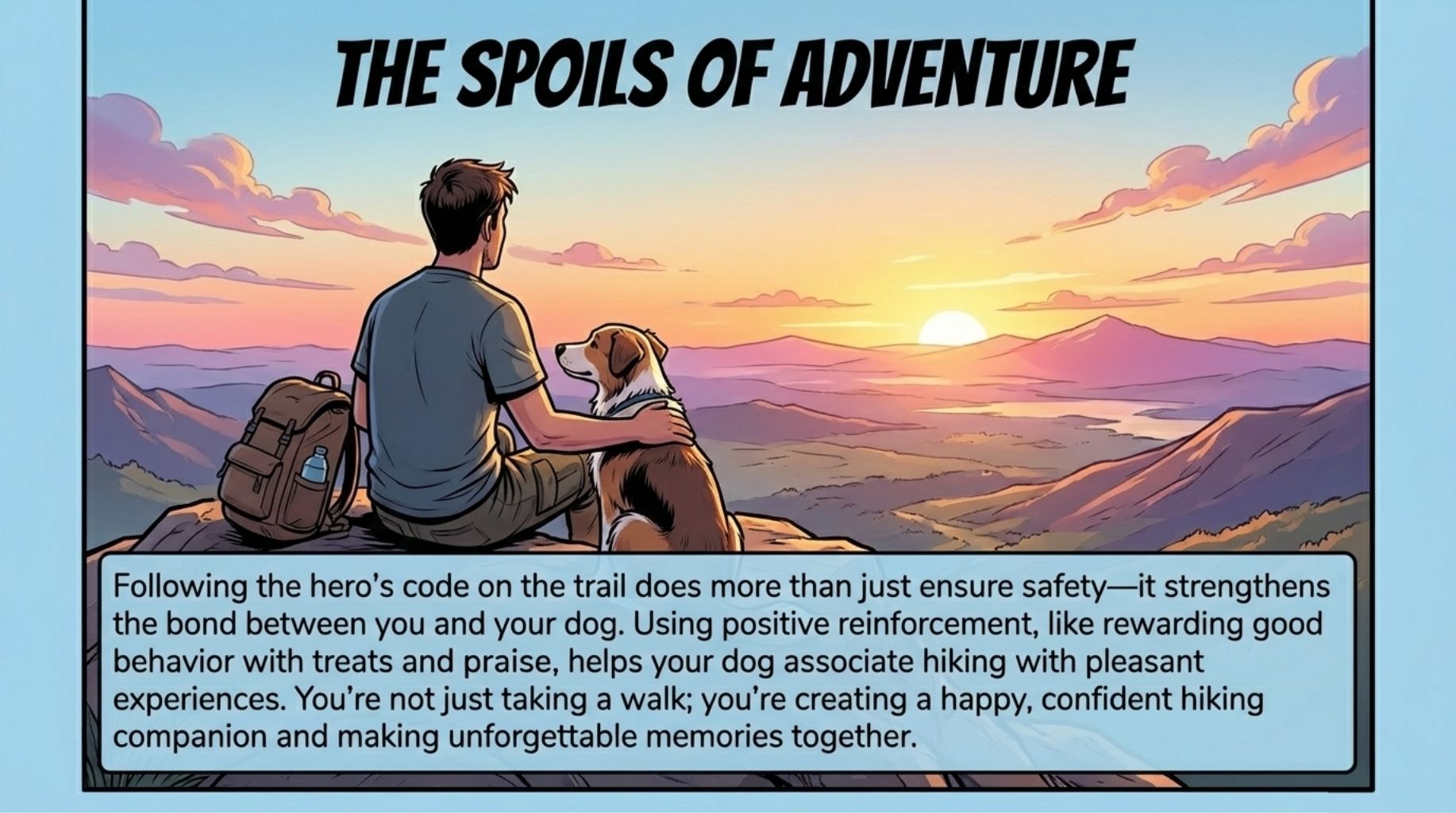
Using positive reinforcement is key for an enjoyable hike with your dog. Reward good behavior with treats, praise, and affection. This strengthens the bond with your furry companion. Consistent positive reinforcement helps your dog associate hiking with pleasant experiences.
This makes them more likely to enjoy future outdoor adventures. Positive reinforcement creates a fun, rewarding experience for both you and your dog. It deepens your connection and encourages good behavior.
🔑 Key Points: Rewarding good behavior with positive reinforcement enhances the hiking experience. It strengthens your bond and makes future hikes more enjoyable.
WEATHER CONSIDERATIONS FOR HIKING WITH YOUR DOG
When you plan a hike with your dog, you must consider the weather. On hot days, avoid hiking during peak heat hours. Instead, choose trails with plenty of shade and water sources. Watch for signs of heat exhaustion in your dog, like excessive panting or lethargy. Take breaks as needed. In wet weather, be careful of slippery trails. Keep your dog warm with a waterproof jacket. During colder weather, consider your dog’s tolerance for cold. Provide them with a warm, insulated coat if necessary. Always check the weather forecast before your hike. Be prepared to adjust your plans if conditions are not suitable for your dog.
Hot Weather Precautions
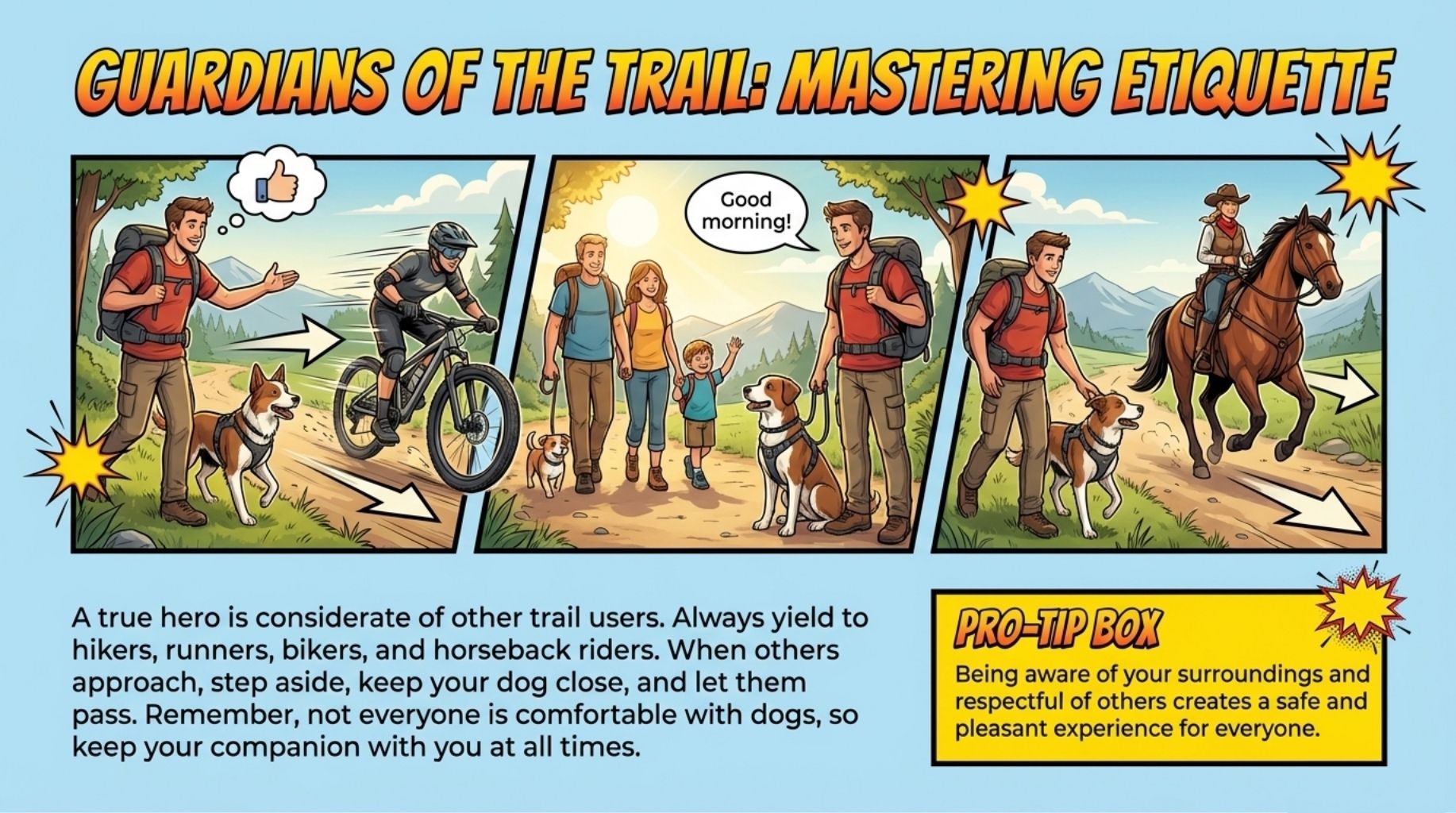
When the weather is hot, your dog is at risk of overheating and dehydration. Plan your hikes for early morning or late evening when temperatures are cooler. Always carry plenty of water for both you and your dog, and take frequent breaks in shaded areas.
Watch out for signs of heatstroke, such as excessive panting, drooling, and lethargy. Consider investing in a cooling vest or pad to help keep your dog comfortable during hot hikes.
Cold Weather Tips
Cold weather can be just as challenging for your dog as hot weather. If you plan to hike in chilly conditions, ensure your dog is properly equipped. Short-haired breeds may benefit from a doggy sweater or coat, while all dogs should have protected paws.
Snow and ice can cause cuts and abrasions, so consider dog booties to keep their feet safe. Be mindful of the signs of hypothermia, such as shivering, weakness, and shallow breathing.
Weather Changes and Safety
Weather can change rapidly, especially in mountainous areas. Always check the weather forecast before you head out and be prepared for sudden changes. Pack a lightweight, portable shelter in case you need to take cover quickly. Keep your dog close and avoid risky trails if the weather looks unpredictable.
Remember, it’s always better to postpone a hike than to risk your dog’s safety. Hiking with your dog can be a wonderful bonding experience, but it’s essential to consider the weather to ensure a safe and enjoyable adventure.
By understanding your dog’s limits, taking precautions in hot and cold weather, and being prepared for sudden changes, you’ll be well-equipped to tackle any trail together. Happy hiking!
🔑 Key Points: Considering weather conditions and taking precautions ensures a safe and comfortable hiking experience for your dog.
ENSURING PROPER HYDRATION AND NUTRITION FOR YOUR DOG ON THE HIKING TRAIL
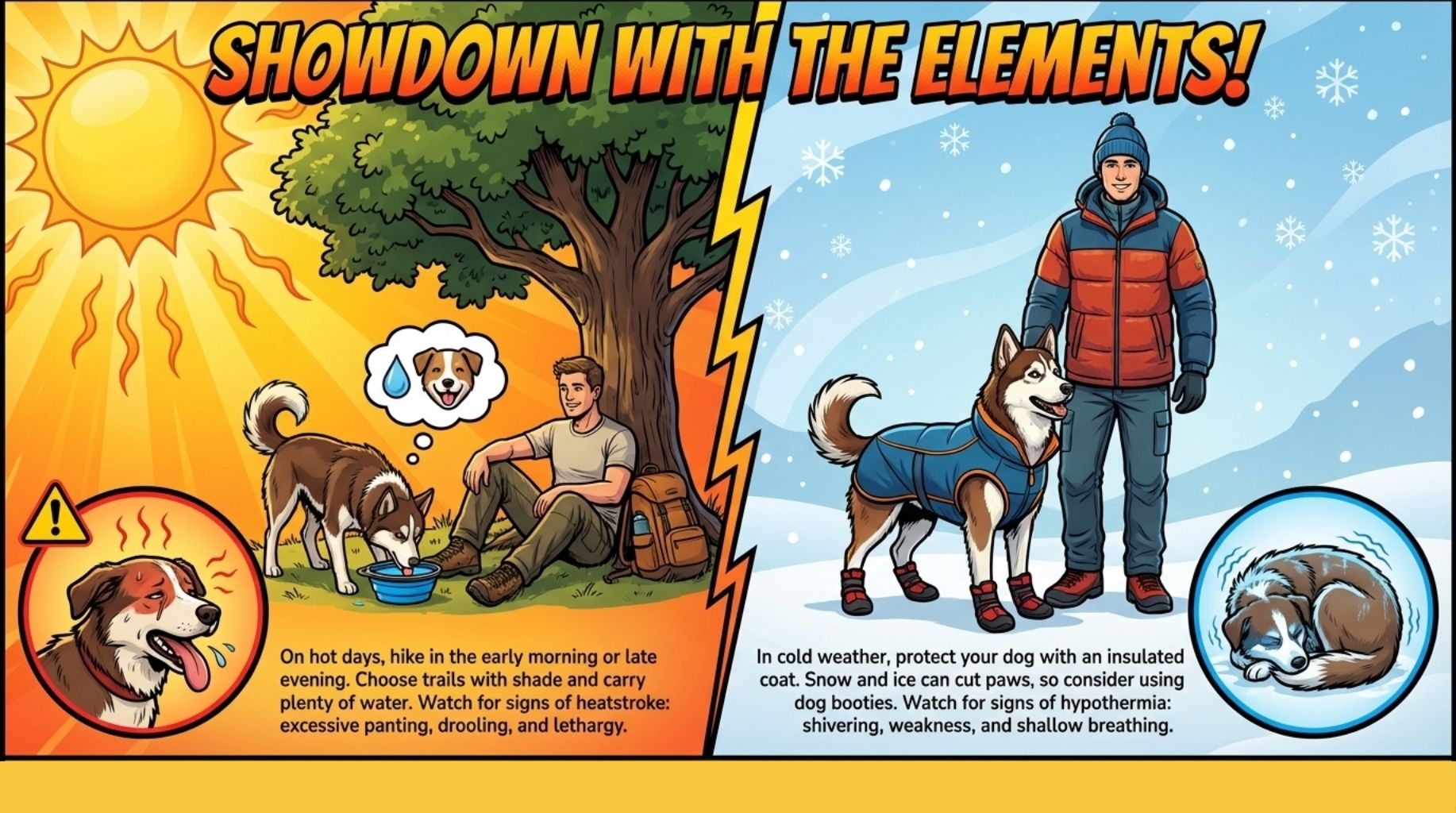
Keeping your dog hydrated and well-fed during a hike is crucial. Bring enough water for both you and your dog. Offer frequent water breaks. Pack nutritious snacks or a portion of their regular food to keep them fueled. Collapsible water bowls are convenient and lightweight. They make it easy to provide your dog with water on the go.
🔑 Key Points: Proper hydration and nutrition are essential for your dog’s well-being during a hike.
Protecting Your Dog’s Paws and Choosing the Right Gear
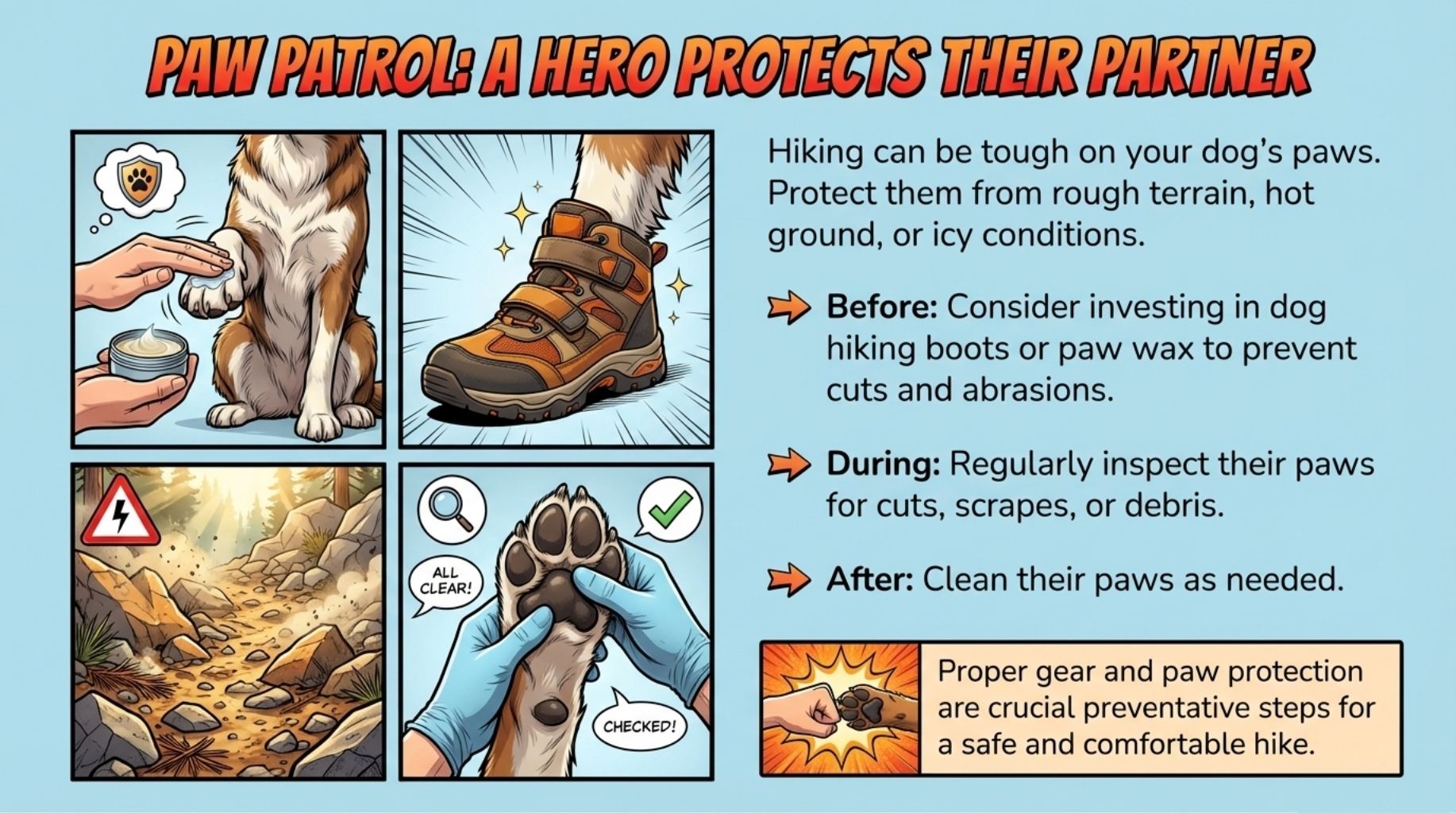
Hiking can be tough on your dog’s paws. It’s important to protect them from rough terrain. Consider investing in dog hiking boots or paw wax. These can help prevent cuts and abrasions. The right gear can make your hike more enjoyable.
A doggie backpack allows your pup to carry some of their own supplies. A sturdy leash and a collar with ID tags are also essential. Additionally, pack doggie bags to clean up after your furry friend. Respect nature and leave no trace behind.
🔑 Key Points: Proper gear and paw protection can help keep your dog safe and comfortable on the trail.
Planning Your Route and Knowing Your Dog’s Limitations
Before hitting the trail, research your route. Consider the distance, elevation gain, and terrain. Make sure it’s suitable for your dog’s fitness level and abilities. Safeguard your pup’s paws from rough surfaces, hot ground, or chilly conditions. Use dog boots or apply paw wax.
Regularly inspect their paws for cuts, scrapes, or debris. Clean their paws as needed. Choose the right gear based on the hiking terrain. A well-fitted harness, sturdy leash, and reflective collar with ID tags are vital. In colder weather, consider a dog jacket to keep them warm.
🔑 Key Points: Protecting your dog’s paws and selecting appropriate gear are crucial preventative steps for a safe and comfy hike.
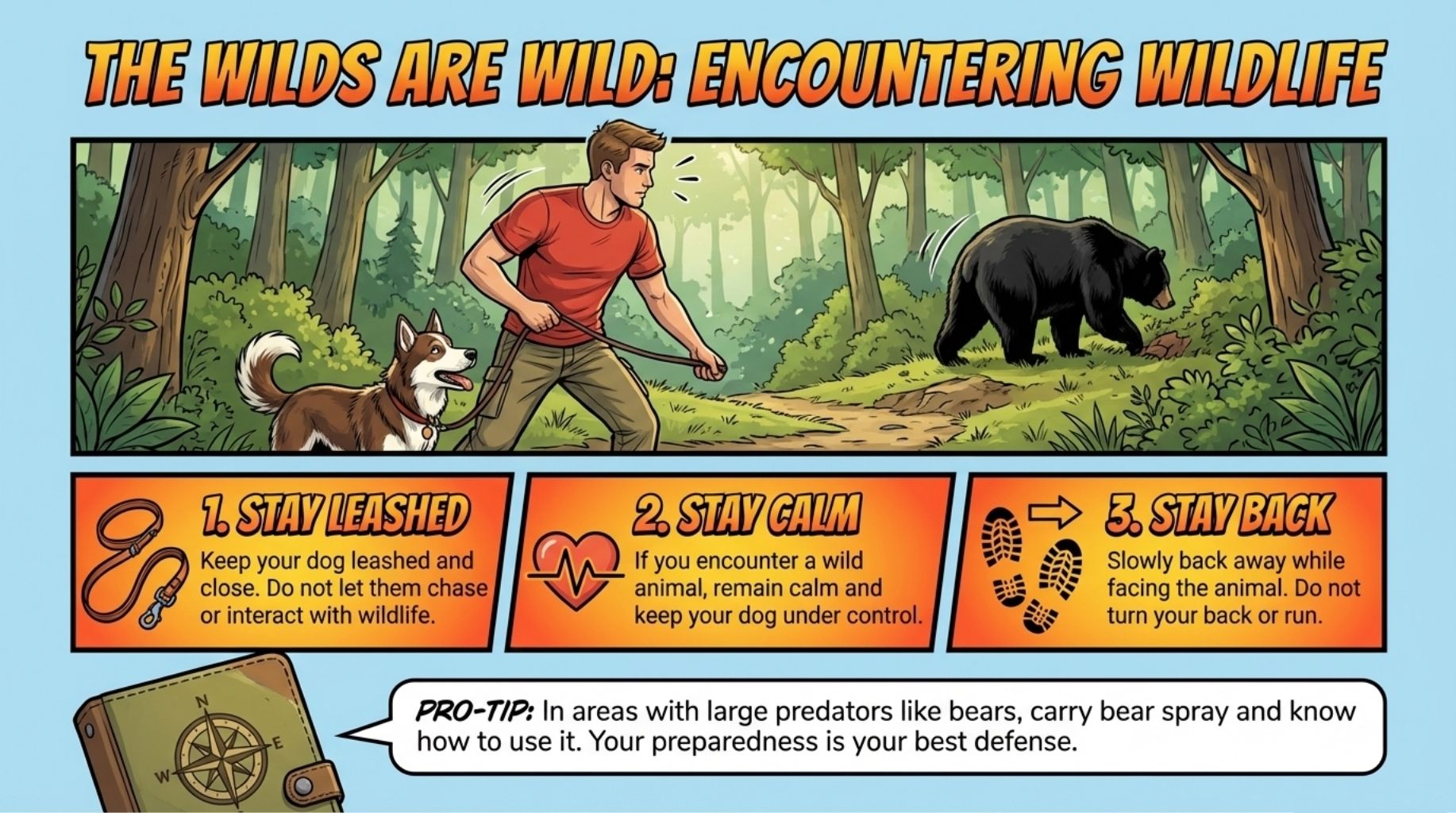
Encountering Wildlife While Hiking with Your Dog: Precautions and Response
When hiking in bear areas or places with wildlife, take steps to keep your dog safe. Keep them leashed and close. Don’t let them chase or interact with wild animals. Carry bear spray and know how to use it. If you see wildlife, stay calm, keep your dog under control, and slowly back away while facing the animal.
🔑 Key Points: Being prepared and knowing how to respond to wildlife is key for your dog’s safety on the trail.
SOCIALIZING YOUR DOG FOR TRAIL INTERACTIONS
Proper socialization is vital for a positive hiking experience with your dog. Before hitting the trail, ensure your dog is comfortable around people, other dogs, and new environments. Attend training classes or gradually expose them to different situations to build confidence.
Train your dog for good trail manners
On the trail, always ask before allowing your dog to approach hikers or dogs. Keep your dog leashed and controlled during interactions to prevent unwanted behavior. Socializing your furry friend ensures they feel at ease around others on the trail.
Start by introducing them to different sights, sounds, and smells gradually. Reward calm behavior to reinforce positive associations. This helps prevent fear or aggression during encounters. Proper socialization also teaches your pup good trail manners.
They’ll learn not to jump on others, beg for food, or bark excessively. With patience and consistency, your dog will become a well-behaved hiking companion. Give your dog a treat when they behave nicely. It shows the trail is a fun place.
🔑 Key Points: Your dog will enjoy hiking more if they meet other dogs in a calm way.
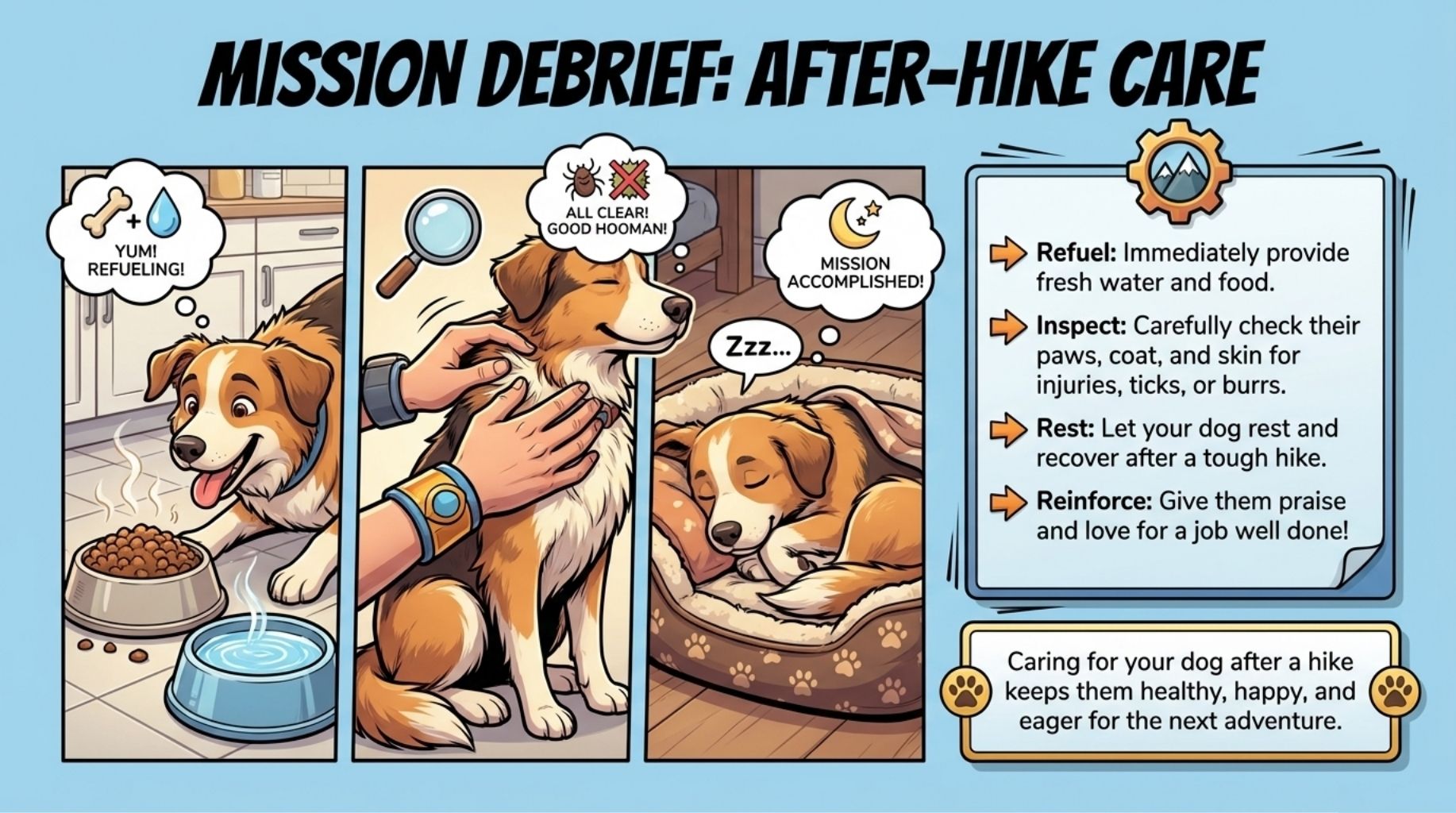
After-Hike Care for Your Canine Companion
After hiking, give your dog water and food. They worked hard and need energy. Check their paws, coat, and skin carefully. Look for injuries, ticks, or burrs. Fix any problems right away. Let your dog rest after a tough hike. They worked very hard! Give them praise and love. They did a great job.
🔑 Key Points: Caring for your dog after hiking keeps them healthy and happy. It makes hiking more fun.
Why Each Step Matters: Ensuring a Happy Hiking Dog
Following trail rules makes hiking safe and fun for you both. As a good dog owner, you strengthen your bond. You also help other hikers have a nice time. When your dog is safe and content, every hike is joyful. You’ll make wonderful memories together.
🔑 Key Points: Proper trail manners lead to happy, safe hikes with your furry friend.
Why You Should Go Hiking With Your Dog Regularly?
Embark on an exciting and safe hiking trip with your beloved furry friend. Master trail etiquette to create a memorable outdoor experience. Choosing a dog-friendly trail allows your pup to enjoy the journey. Practicing positive reinforcement techniques helps maintain good behavior. Each step is crucial for ensuring a delightful adventure.
Assessing your dog’s fitness level before the hike is vital. Following leash laws and being mindful of surroundings prioritizes your dog’s safety. It also contributes to a harmonious trail environment for all. Proper preparation, like carrying waste bags and water bowls, ensures your canine companion’s care. Protecting paws with dog booties prevents injuries.
Encountering wildlife cautiously avoids potential conflicts. Socializing your pup for trail interactions enhances the overall experience. After the hike, show your furry friend some after-care love. This reinforces positive behavior and ensures their well-being. By implementing these crucial tips, you create a happy hiking companion. Your pup will have boundless enthusiasm for outdoor adventures.
SCIENTIFIC DISCOVERIES ABOUT HIKING WITH YOUR DOG
You already know hiking with your dog feels good. But have you ever wondered what is actually happening inside your bodies? Scientists have started asking the same question. Over the last few years, new studies have uncovered surprising facts about hiking as a team. From lower stress to healthier guts, the research is fascinating. Here are some of the most interesting findings you will not find in a typical hiking guide.
“Bonded Green Exercise” Is a New Health Framework
A 2026 framework from the University of British Columbia introduces the term “bonded green exercise.” This refers to shared physical activity between a bonded human and dog in natural environments. Researchers propose that this combination activates evolutionarily conserved mechanisms of physiological and affective co-regulation.
In plain English: hiking together might create health benefits that are greater than the sum of their parts. The framework suggests four testable hypotheses, including that dogs act as catalysts to drive human participation in nature-based activity.
Dog Walking Has a Hidden Financial Cost
A 2025 study calculated that treating wrist fractures from dog-walking incidents likely costs the NHS in England more than £23 million annually. That figure excludes rehabilitation, time off work, and caregiving support, so the true cost is likely much higher. This doesn’t mean you should stop hiking with your dog, but it does highlight the importance of proper leash training and injury prevention.
Pre-Hydration Matters in Hot Conditions
A randomized field study on working dogs in hot, arid conditions found that electrolyte-enriched fluids before exercise helped dogs maintain lower peak body temperatures and increased total fluid intake compared to plain water.
While the dogs in the study (Border Patrol Search and Rescue dogs) were working in extreme conditions, the findings suggest that for long hikes in hot weather, offering your dog electrolyte-enriched water might be smarter than plain water alone.
Dogs May Lower Your Cardiovascular Risk
The American Heart Association reviewed over 100 studies and concluded that pet ownership, particularly dog ownership, is associated with a lower risk of cardiovascular disease. In one compelling but unpublished study, 30 people with borderline hypertension were randomly assigned to adopt a dog or defer adoption.
Those who adopted a dog showed significantly lower systolic blood pressure readings two and five months later. When the deferred group later adopted dogs, their blood pressure also dropped.
Dog Walking May Help Veterans With PTSD
A small study from Northwestern Medicine examined veterans with post-traumatic stress symptoms. The researchers measured heart rate variability and found that walking with a shelter dog reduced stress more effectively than walking with a human.
Severity of symptoms and perceived stress tended to decrease more after walks with a dog. This suggests that for some people, the simple act of hiking with a dog could have therapeutic benefits beyond ordinary exercise.
REAL ANECDOTES FROM THE TRAIL
Science is great, but stories stick with us. Real people, just like you, have learned big lessons on the trail with their dogs. Some found better health. Others discovered how to be better trail neighbors. A few even changed how they see wildlife. These short, true stories come from hikers, rangers, and dog owners across the country. They are not in any manual. But they might change how you hike tomorrow.
The Consistency of a Dog
Carmen Gale, a 43-year-old aesthetician living near Seattle, hikes with her German shorthaired pointer, Pico, at least an hour a day, five days a week. She’s a long-distance cyclist and runner, but she credits her dog with keeping her consistent.
“When the dog’s crying and carrying on, it’s not like you get to make the decision to not go out,” she says. Since walking a dog became a regular part of her life, she’s lost about 40 pounds. Her story illustrates what researchers call “behavioral amplification”, dogs act as catalysts that drive human participation in physical activity.
A Trail Stewardship Campaign in Colorado
In spring 2025, the Northern Colorado Law Enforcement Training Center launched a campaign called #PAWSforLCtrails. They encouraged hikers to keep dogs on leash, pick up waste, and be kind to others.
They also ran a photo contest asking participants: “What does good trail etiquette and stewardship mean to you and your dog?”
The campaign was a response to the fact that Colorado ranks ninth in the nation for pet ownership, with 47% of households owning a dog. With so many dogs on the trails, simple stewardship becomes critical.
A Reminder About Wildlife
A BLM interpretive specialist shared a sobering anecdote about why some trails ban dogs. Even a small, well-behaved dog has the scent and appearance of a predator to wild animals like bighorn sheep. A dog’s presence alone can cause a mother deer to leave her offspring, making them vulnerable to predators.
Even without physical contact, a dog chasing wildlife can cause wild animals to use up their limited calories escaping, a serious impact on their survival. This is why leash laws aren’t just about rules; they’re about protecting wildlife.
Final Thought
The article on Doggozila gives you the “how” of hiking with your dog. The science and stories shared here give you the “why.” Together, they make a powerful case for lacing up your boots, grabbing the leash, and heading for the hills. Your heart, and your dog’s wagging tail, will thank you.

FAQ: What Scientific Research Says About Hiking With Dogs
Start your journey today and explore the great outdoors together.
Happy trails await both of you!