
When discussing environmental protectors, whales and bees usually steal the spotlight, but dogs are important to the ecosystem in surprisingly tangible ways. In fact, dogs are important to the ecosystem because their unparalleled sense of smell acts as a highly accurate biological early-warning system against ecological invaders. By locating hidden invasive plants deep within forests, these dog conservationists empower wildlife experts to take immediate, targeted action, restoring native biodiversity, preserving soil health, and maintaining the delicate equilibrium of our natural habitats.
“Did you know that trained conservation dogs are actively protecting global biodiversity by using their elite sense of smell to track endangered wildlife and stop illegal trafficking?”
Key Takeaways
- Hyper-Early Invasive Detection: Dogs identify hidden invasive plants weeks or months before they bloom, enabling rapid, low-cost removal before these species can establish dominance over local habitats.
- Biodiversity Protectors: By locating and eradicating ecological invaders, dogs help native plants reclaim essential water, sunlight, and soil nutrients, directly boosting regional biodiversity.
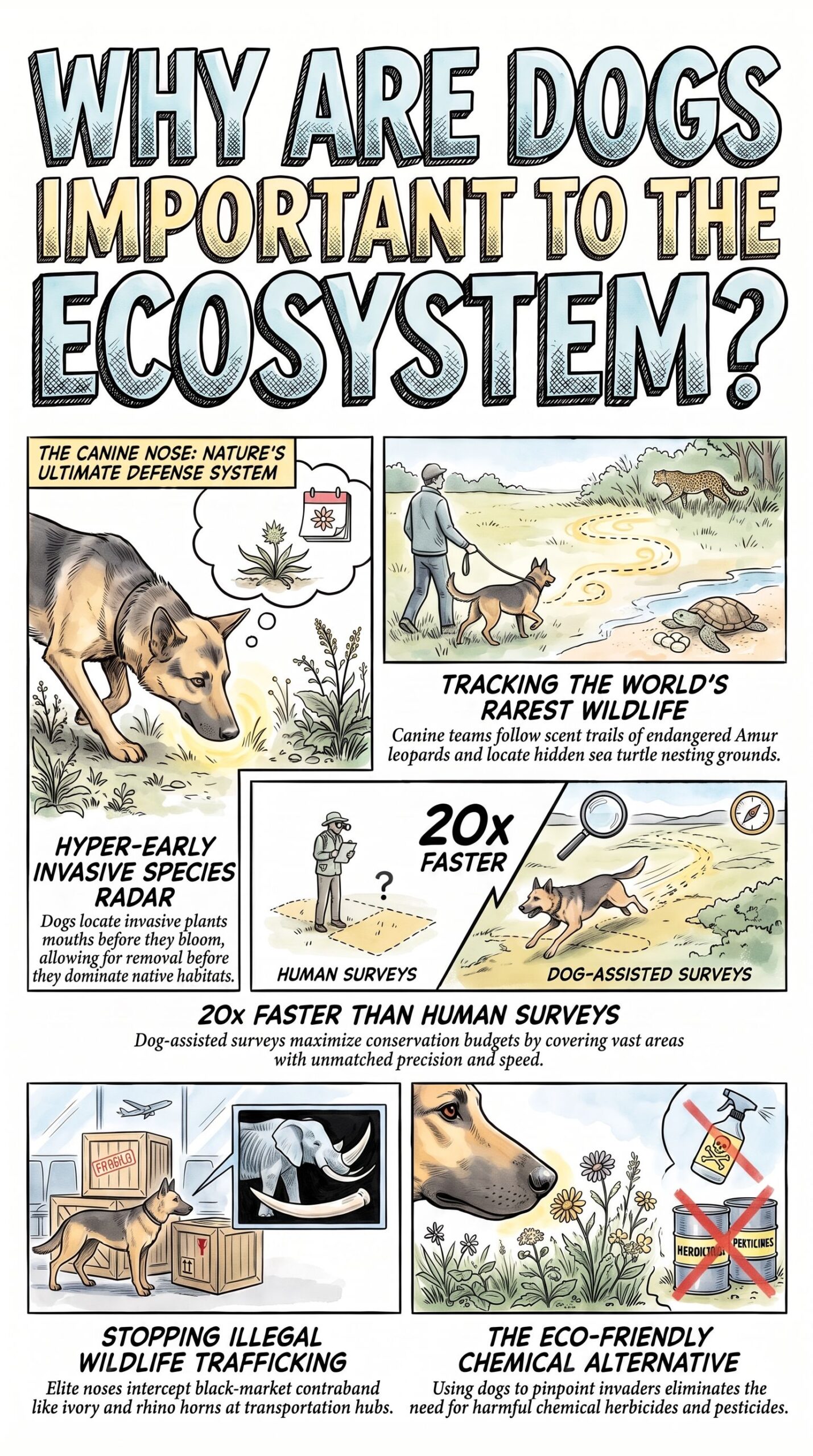
- Conservation Force Multipliers: Dog-assisted ecological surveys are up to 20 times faster and more accurate than human-only methods, maximizing limited conservation budgets and manpower.
- Holistic Ecosystem Health: Protecting native plant life ensures sustained food sources and shelter for local herbivores and predators, reinforcing the entire food chain and stabilizing the natural ecological cycle.
Quick Summary About The Importance of Dogs To The Ecosystem!
This article details how trained conservation dogs safeguard biodiversity, protect native flora, and defend global ecosystems. Utilizing their elite olfactory senses, these dogs locate rare native plants like orchids, track vulnerable animal populations such as the Amur leopard, and pinpoint sea turtle nesting grounds. Additionally, dog conservation teams proactively intercept invasive plant and animal species before they disrupt native biomes. By detecting trafficked contraband like ivory and rhino horns, they also disrupt black-market wildlife supply chains. Ultimately, using dogs provides an eco-friendly alternative to chemical herbicides while delivering a cost-effective, fast, and highly accurate method for long-term ecological monitoring and public conservation awareness.
HOW DOGS HELP TO PROTECT PLANTS AND ANIMALS WITH THEIR AMAZING NOSES?
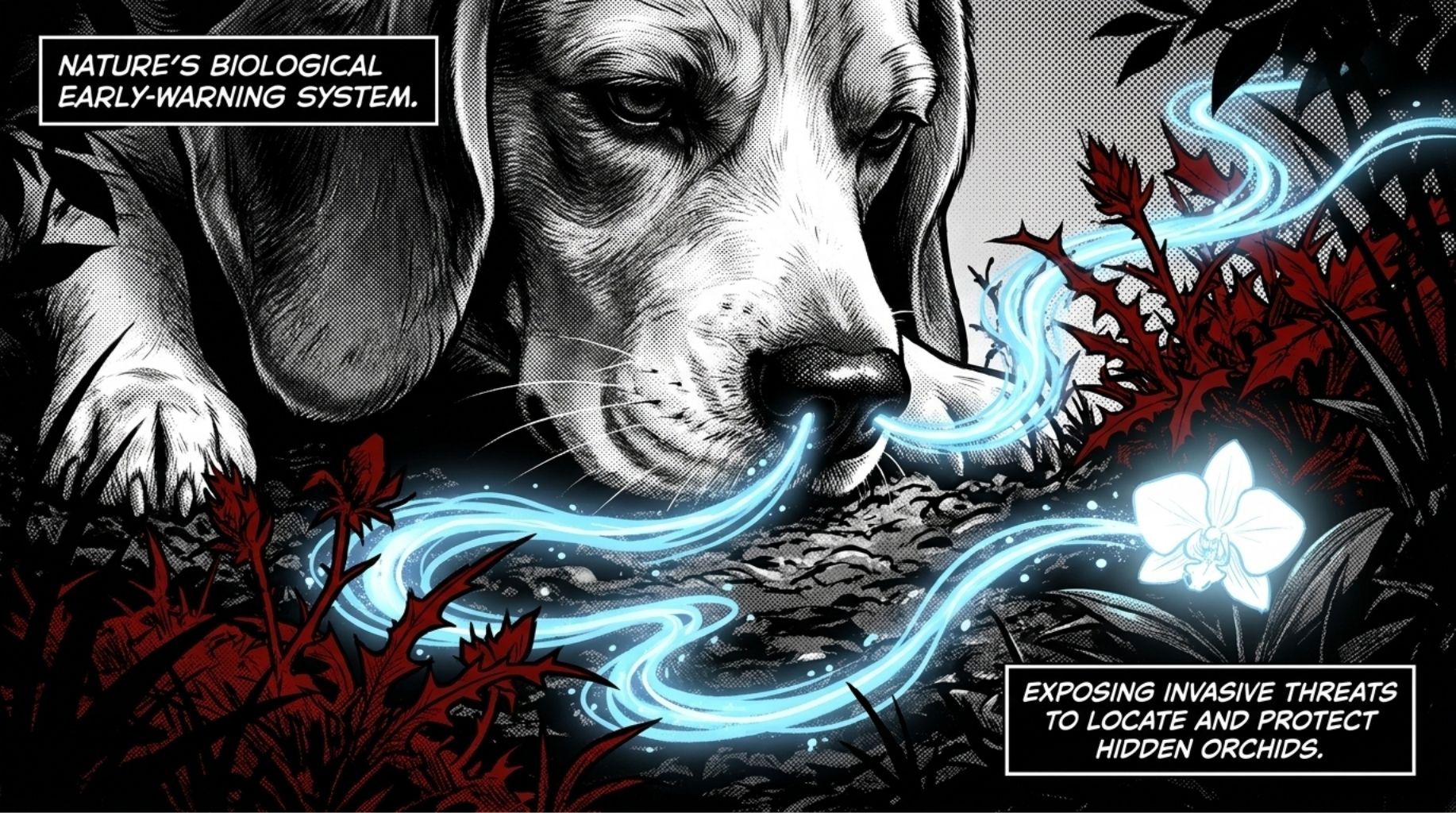
This article explains why dogs are helpful for the environment. They are trained to find invasive plants. These plants can outgrow native plants. They take sunlight, water, and nutrients that native plants need. This reduces the variety of plant and animal life in an area. Dogs have an excellent sense of smell. They can find invasive plants, even in thick vegetation. This allows people working to protect the environment to remove or control the invasive plants. Catching invasive plants early stops their spread and protects the balance of nature. Let’s explore more about why dogs are important to the ecosystem!
Dogs are Working For the Wildlife and The Ecosystem
One way dogs help is by finding rare orchids. Orchids are a very diverse plant family with many species. But many orchid species are in danger from habitat loss and illegal trade. Dogs are trained to smell orchids. This lets researchers locate hidden orchids and protect them from harm.
It is very useful where orchids are collected and sold illegally. Dogs also help fight illegal wildlife trade. Wildlife trade is a huge business that puts many species at risk of disappearing. With their keen noses, dogs are important helpers for safeguarding the environment.
Exploring Dogs’ Amazing Scent Detection Powers
Dogs trained to detect scents can identify wildlife products like ivory, rhino horn, and pangolin scales. This helps law enforcement stop illegal shipments. Even small amounts are detectable, disrupting supply chains and catching traffickers. In short, dogs’ incredible noses are valuable tools for wildlife conservation.
Their sense of smell allows them to detect invasive plants, locate endangered native plants, protect orchids, and combat illegal wildlife trade. By using their noses, dogs help preserve natural habitats and safeguard plant and animal species. Their contributions show the remarkable human-dog bond and potential for cross-species collaboration in protecting biodiversity.
Dogs Can Detect Invasive Animal Species Too
Dogs can also help prevent new invasive species by sniffing out potential carriers like contaminated soil or plants at entry points and transportation hubs. This proactive approach intercepts and prevents accidental invasive species introductions to new areas.
Furthermore, dogs can also be trained to detect invasive animal species. Invasive animals, such as snakes or insects, can have devastating effects on ecosystems. For example, the brown tree snake, native to Australia, has caused significant ecological damage in Guam after being accidentally introduced.
By training dogs to detect the scent of these invasive animals, conservationists can identify and remove them before they have a chance to establish populations and cause widespread harm. Detecting invasive animal species, makes dogs important for the ecosystem.
Using Dogs Eliminates The Need For Chemical Pesticides Or Herbicides
The use of dogs in invasive species detection and management has gained recognition and support from various organizations and government agencies. In the United States, the U.S. Fish and Wildlife Service has implemented programs that utilize trained dogs to detect invasive species in national parks and wildlife refuges.
These dogs work alongside park rangers and biologists, assisting in the identification and removal of invasive plants and animals. Not only are dogs effective in detecting invasive species, but they also provide a non-invasive and environmentally friendly alternative to traditional methods.
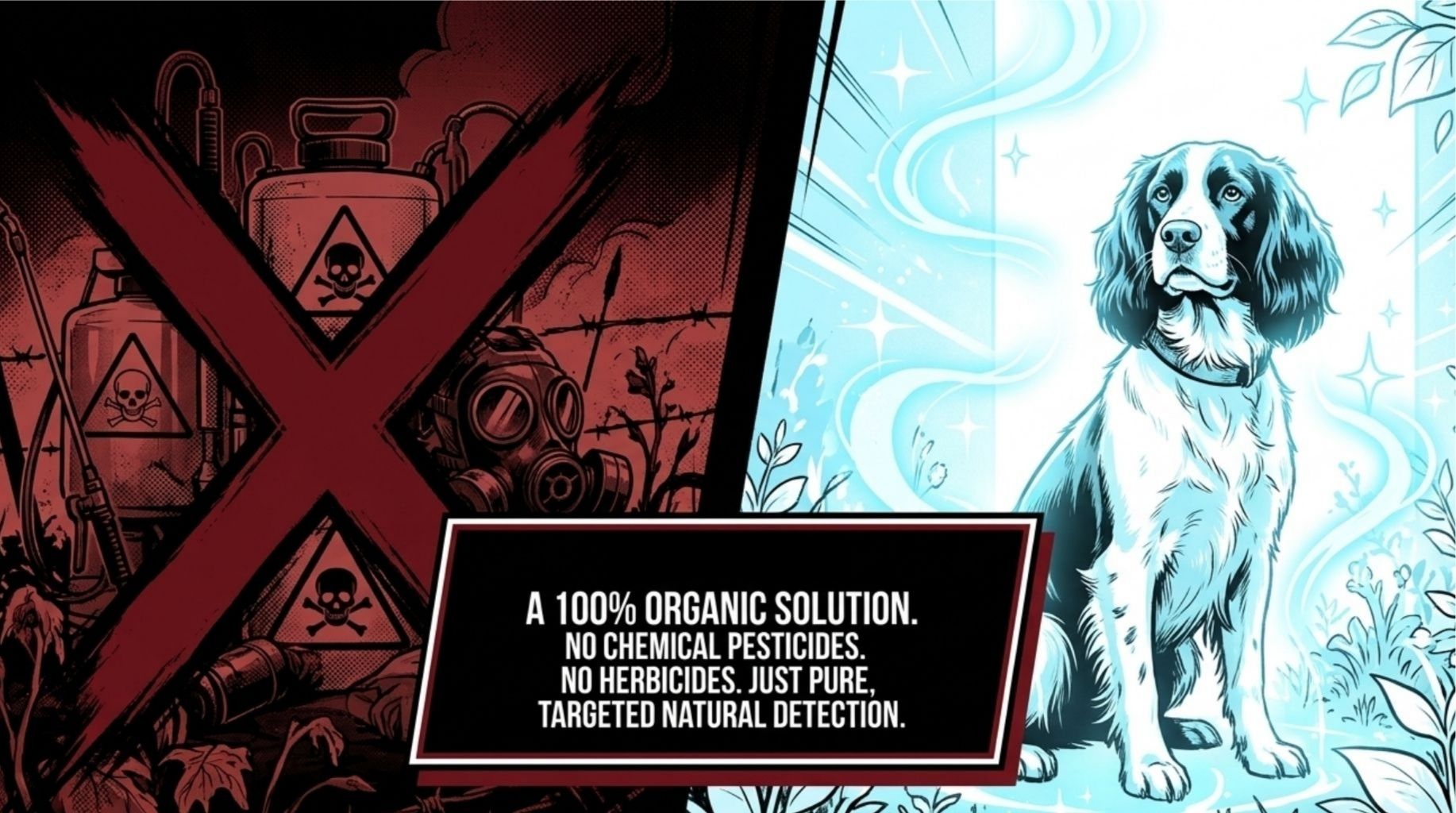
Using dogs eliminates the need for chemical pesticides or herbicides, which can have detrimental effects on the environment and non-target species. Dogs are also highly trainable and adaptable, making them ideal partners in invasive species management programs. This makes dogs so important for the future of our ecosystem!
CARING HEROES PROTECTING NATURE AND WILDLIFE
Invasive species are spreading fast. Dogs play a vital role in detecting and managing these harmful organisms. Their strong sense of smell and speed make them heroes for safeguarding ecosystems and biodiversity.
How Dogs Contribute to The Ecosystem?
More research and training can help unleash the full potential of these four-legged allies. They guard ecosystems and conserve wildlife. Dogs monitor rare, endangered plants too. After locating them, dogs revisit sites regularly.
This tracks the plants’ health and numbers over time. Long-term monitoring is key. It shows if conservation efforts are working and when changes are needed. Dogs contribution makes them very important for the ecosystem!
Dogs Help Repopulate Endangered Plants in the Ecosystem
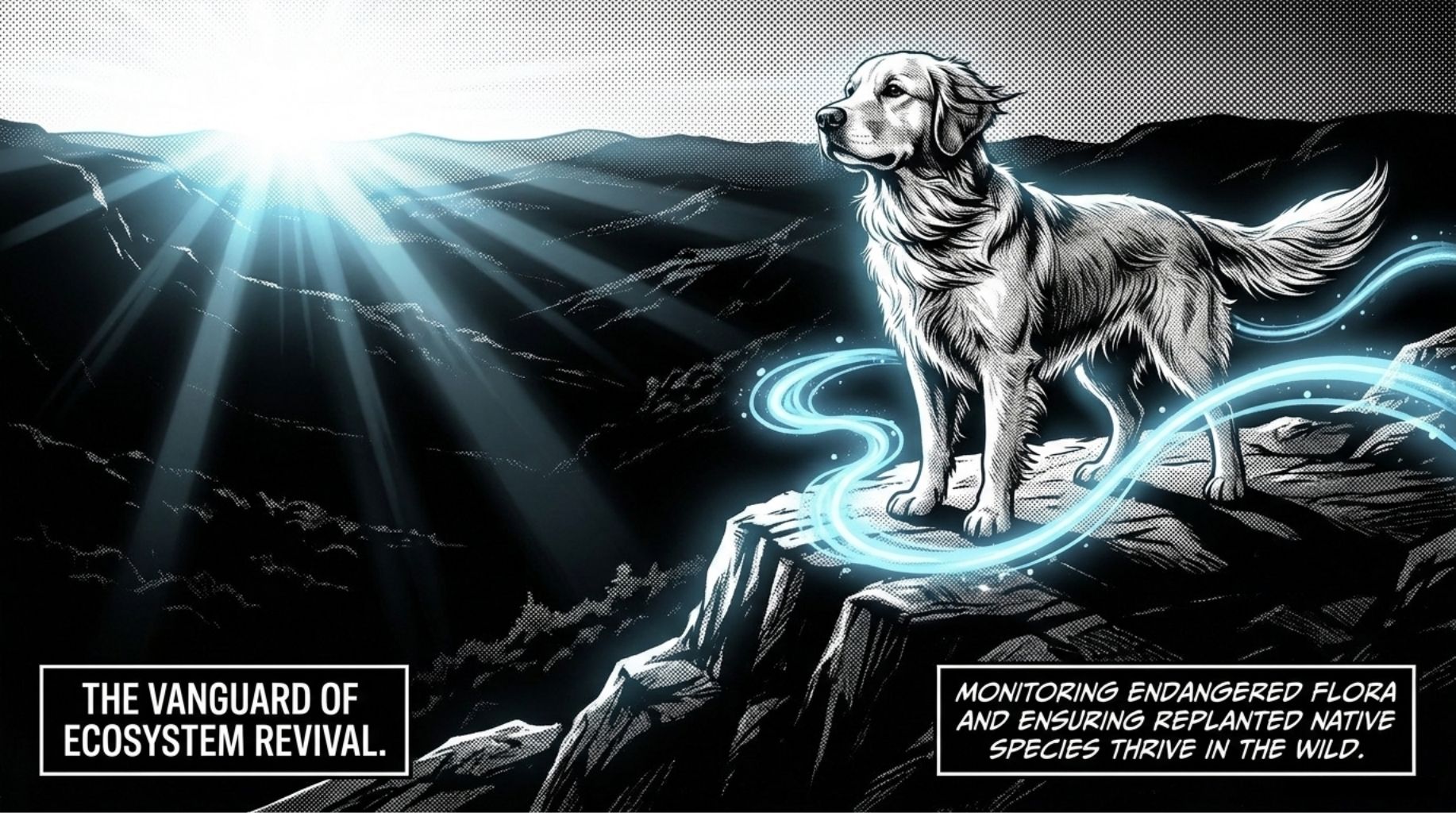
Some endangered plants barely reproduce in the wild now. To save them, scientists collect seeds or cuttings. They grow new plants in safe areas or botanical gardens. But they need suitable places to reintroduce plants.
Luckily, dogs can sniff out ideal spots where replanted rare species can thrive. Their sharp sense of smell is invaluable. It aids the overall revival of endangered plants. Dogs are ecosystem heroes indeed.
Dogs Help Protect Rare Native Plants in the Ecosystem
Pups can also help manage reintroduced plant populations. They visit sites and watch the plants. Dogs can find threats like pests or environment changes. This lets conservationists act quickly to protect the plants. This helps reintroduction efforts succeed.
In summary, dogs are great allies for protecting rare native plants. Their amazing sense of smell helps locate, monitor, and manage these vulnerable species. Using dogs’ noses boosts conservation efforts. It preserves plants for the future.
HOW DOGS AID WILDLIFE CONSERVATION AND HELP THE ECOSYSTEM?
Using dogs in wildlife conservation has many benefits over usual survey methods. Find out some of the key reasons why dogs are important for the ecosystem!
Fast and Accurate
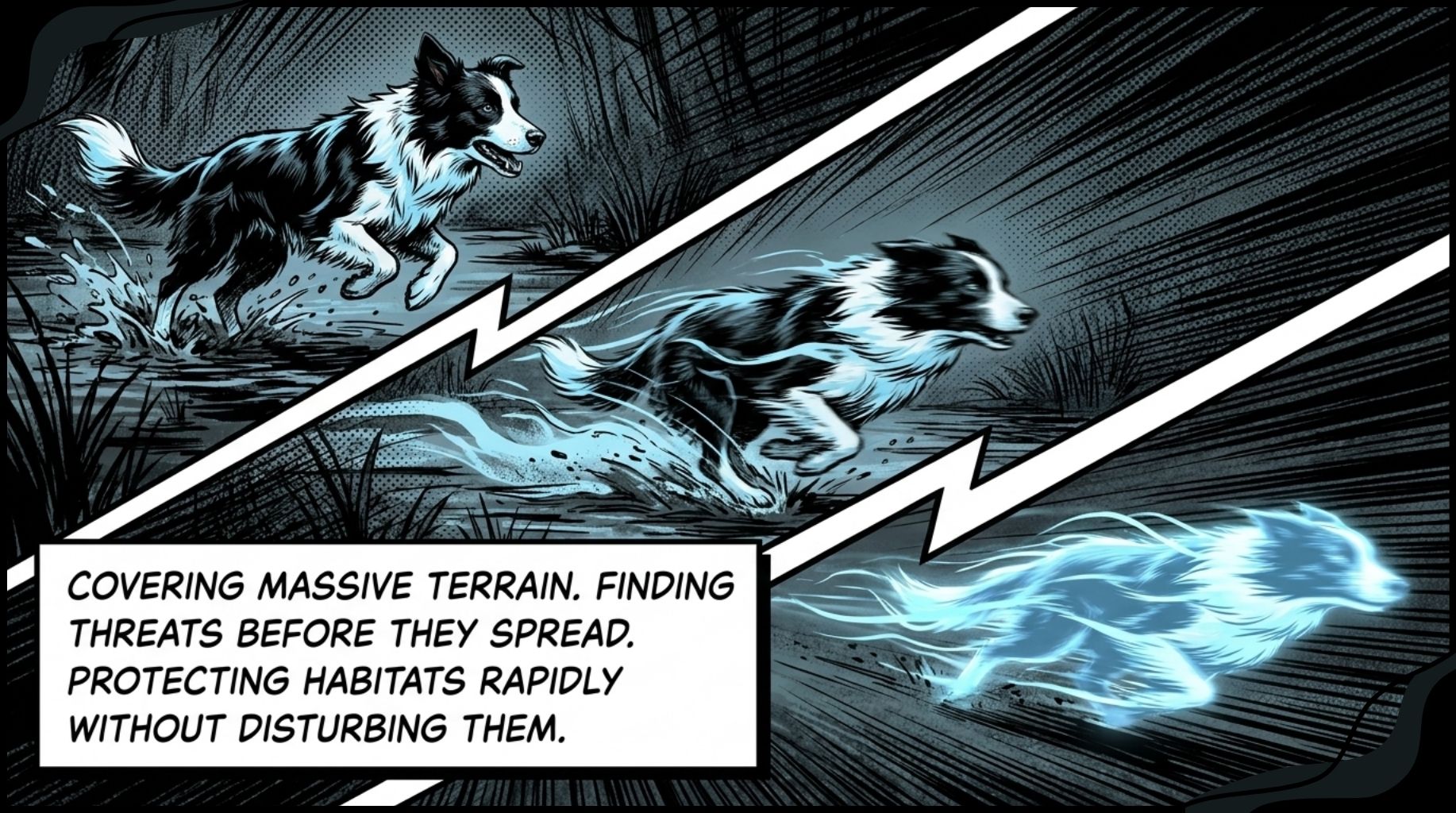
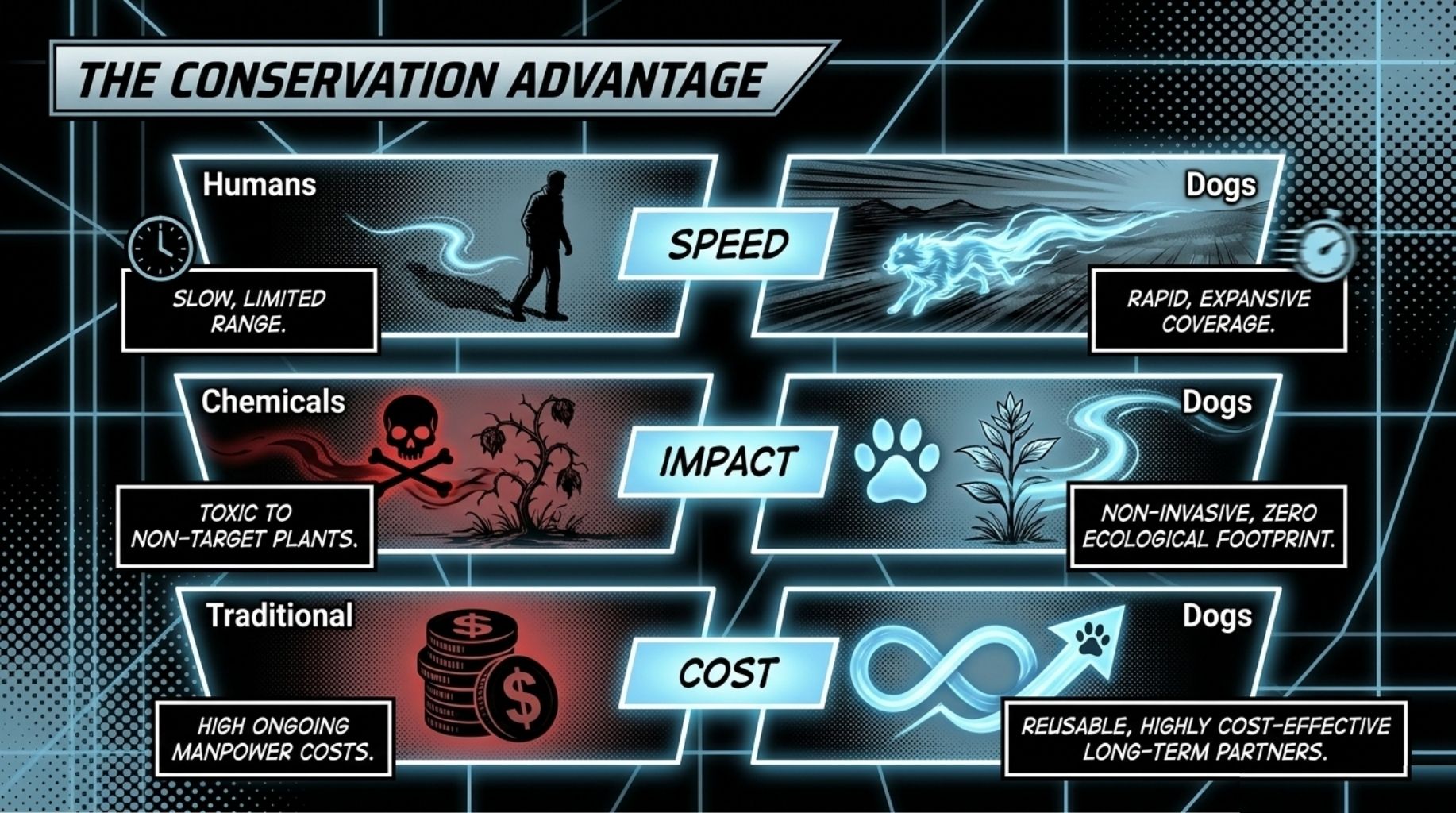
Dogs can quickly cover big areas of land. Their sense of smell detects scents humans can’t. This lets ecologists survey larger areas faster. It makes data collection more efficient and precise. Dogs can do amazing jobs in the wild.
For example, a group of scientists used dogs to find rare animals in a big national park. Dogs can smell things humans cannot. They smelled the scents of rare animals. This helped the scientists find new groups of these special animals. Knowing where the animals live helps protect them.
Non-Invasive Surveying
Using dogs is better than other ways that could harm nature. Dogs can sniff out smells without hurting plants or animal homes. This makes them great for learning about nature and protecting it. In a wetland project, dogs found invasive plants.
Invasive plants take over areas and push out other plants. The dogs smelled the invasive plants. Scientists could then stop the invasive plants before they spread too far. This protects all the other plants and animals that live there. Dogs are so useful and important for the ecosystem!
Cost-Effectiveness
Training dogs takes work at first. But after that, using dogs is cheap. You can use the same dogs many times in many places. This makes dogs a smart, low-cost way to help protect nature. Dogs can be very helpful in protecting endangered animals. In one project, dogs were trained to find the scent of endangered sea turtles on beaches.
With dogs, researchers could search large sandy areas quickly. They found many nests and collected important data about the turtles’ population and nesting success. Training and caring for the dogs cost much less than hiring many human surveyors. This made it an affordable way to monitor the endangered turtles over a long time.
Public Engagement and Awareness
Using dogs in conservation work also helps raise public awareness. People pay attention to the amazing dogs and learn about conservation. When people see how well dogs can detect environmental problems, they appreciate protecting nature more. They are more likely to take action to help.
For example, a conservation group partnered with trained dogs to show how they detect illegal wildlife products at a local park. The dog easily found hidden ivory and pangolin scales. This showed how effective dogs are in stopping wildlife trafficking. The demonstration taught the public about threats to endangered species. It also encouraged people to report any suspicious activities they see.
Using dogs for wildlife protection has many advantages. They are efficient and precise in gathering information. Their methods are not harmful to animals. They are cost-effective. And they engage people in conservation. With their remarkable sense of smell, dogs can help us comprehend nature better and safeguard biodiversity.
DOGS CAN DETECT MANY SCENTS IN THE ECOSYSTEM
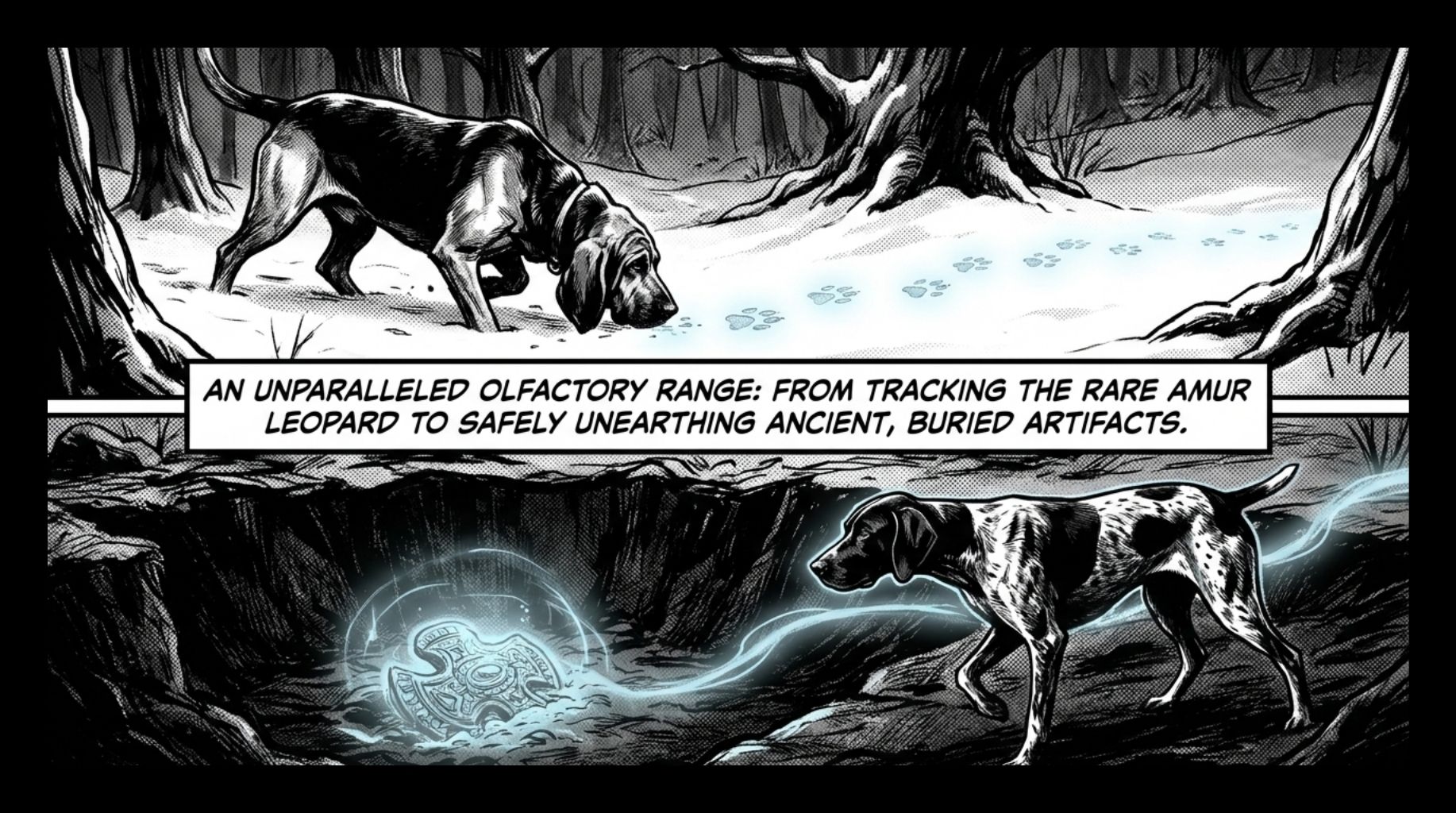
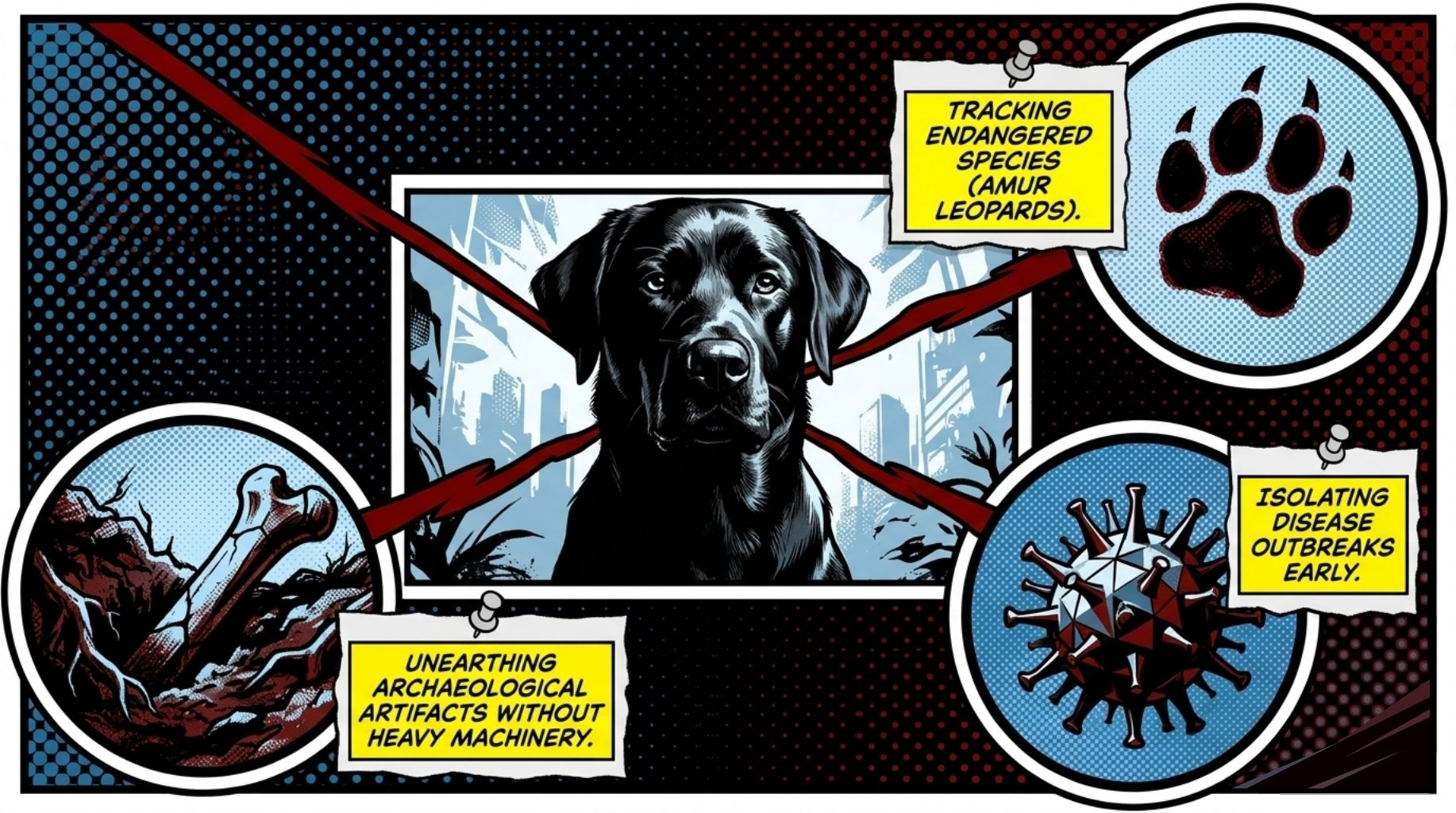
Scientists are learning more about how well dogs can smell. As research progresses, dogs may assist with other ecological issues. They could track animal groups. Dogs could detect disease outbreaks. They may even locate hidden artifacts.
Tracking Endangered Species
Dogs have proven useful for tracking endangered species. Their sharp noses can locate animal populations at risk of extinction. In Russia, dogs follow scent trails left by rare Amur leopards. This allows researchers to study the leopards’ behavior and movements.
Dogs can also identify diseased animals. Certain diseases like canine distemper can devastate wildlife. Dogs trained to detect infected animals or their fluids can quickly isolate the disease. Early detection can prevent the illness from spreading and save entire species.
Dogs In Archaeology
Dogs can help in archaeology. They have a very good sense of smell. They can find buried objects that people might miss. This helps archaeologists. They can dig carefully around the objects to keep them safe. Using dogs is better than using big machines. The machines could break the old objects.
Ecologists, conservation groups, and dog trainers can work together. They can share ideas and stories about using dogs. This helps train the dogs better. It helps use dogs in the best ways to protect nature. Working together is important. That way, dogs can help nature as much as possible. This is a great evidence that our dogs are important for the ecosystem.

HOW ARE DOGS DISRUPTING WILDLIFE CRIME AND PREVENTING BORDER DISEASE THREATS?
When we consider the full scope of environmental protection, dogs are important to the ecosystem not just as passive inhabitants, but as active, highly trained operatives dismantling criminal networks and enforcing global biosecurity. Their hyper-sensitive noses, capable of detecting trace scents at concentrations as low as parts per trillion, are now the gold standard for intercepting illicit wildlife products and disease-carrying contraband at international transit points.
By stopping traffickers and pathogens at the gate, these dog defenders prevent the ecological domino effects, species extinction, food web collapse, and zoonotic spillover, that threaten the delicate balance of our natural world. Below, we break down exactly how these four-legged guardians protect biodiversity from two of its most insidious threats.
How Do Detection Dogs Disrupt the $20 Billion Illegal Wildlife Trade?
The illegal wildlife trade ranks as the fourth largest transnational crime globally, driving rhinos, elephants, pangolins, and tigers toward functional extinction while destabilizing entire ecosystems. Traditional x-ray machines and manual inspections fail to keep pace with the sheer volume of global shipping, but conservation dogs offer an incorruptible, highly mobile solution that criminals cannot bribe, trick, or evade.
Deployed at airports, seaports, and border crossings from Uganda to the Galápagos Islands, these dogs are specifically imprinted to detect a vast arsenal of contraband, including ivory, rhino horn, pangolin scales, big cat pelts, and even live reptiles hidden inside sealed cargo.
Their impact is both immediate and quantifiable:
- Rapid Port Screening: In Mexico, dog inspectors can thoroughly sniff through over 100 suitcases in under 10 minutes, a feat impossible for human inspectors alone.
- Unmatched Accuracy: When paired with portable air-sampling devices, trained dogs detected concealed big cat pelts hidden inside cardboard boxes with nearly 98% accuracy, providing a non-invasive method to screen vast shipping containers without disrupting port logistics.
- Crime Deterrence: In Uganda, do units introduced at Entebbe International Airport in 2016 led to up to five trafficker arrests per day. Today, the program is so effective that authorities frequently go a full week without a single wildlife seizure, leading the country to be entirely removed from the international trafficker list for facilitating ivory trade.
By making trafficking routes highly risky and unprofitable, these dogs directly preserve keystone species. Protecting elephants ensures savanna ecosystems remain open and healthy for grazers; saving pangolins controls insect populations that could otherwise devastate forests. In this way, dogs are important to the ecosystem because every successful seizure represents a tangible victory for global biodiversity.
How Do Biosecurity Dogs Catch Disease Carriers Before They Cross Borders?
Beyond poaching, the greatest ecological threat at international borders is invisible: pests, foreign animal diseases, and zoonotic pathogens that can leap from wildlife to livestock and humans. One contaminated piece of meat or an undeclared plant cutting can introduce African Swine Fever, Foot-and-Mouth Disease, or invasive nematodes that wipe out native species and trigger cascading agricultural collapses.
Biosecurity detector dogs are the most efficient, cost-effective early-warning system available to stop these carriers in their tracks. These specialized dogs are trained to identify over 200 high-risk commodities, including prohibited meats, fruits, plants, and animal byproducts.
Their operational advantages are extraordinary:
- Massive Lifelong Impact: Over their working careers, a single biosecurity detector dog can intercept up to 9,000 individual biosecurity risk items, preventing countless introductions of destructive pathogens.
- Concealed Contraband Detection: Dogs can identify biological threats even when items are vacuum-sealed, wrapped in plastic, or hidden inside checked luggage, surfaces that often defeat mechanical screening tools.
- Multi-Point Deployment: They work seamlessly across airports, seaports, land border crossings, cargo warehouses, and mail facilities, ensuring no entry point remains vulnerable to biological invasion.
The ecological rationale for this vigilance is profound. Introducing a single foreign disease into a naive ecosystem can decimate predator-prey relationships, destabilize food chains, and create vacant niches that invasive species rapidly fill, permanently altering native habitats.
By intercepting disease carriers at the border, these dogs protect both domesticated agricultural systems and vulnerable wildlife populations. They are, quite literally, the immune system of our global ecosystems, ensuring that the irreplaceable balance of native flora and fauna remains shielded from catastrophic, imported biological shocks.
Final Thoughts on why dogs are important for the ecosystem
In short, dogs have amazing noses. This helps protect wildlife and plants. They can sniff out bad plants that shouldn’t be there. They can find rare plants that need help. Dogs are heroes. They help keep our habitats healthy. Using dogs’ sense of smell can help nature. We need to protect dogs so they can protect nature!
FREQUENTLY ASKED QUESTIONS (FAQs)